
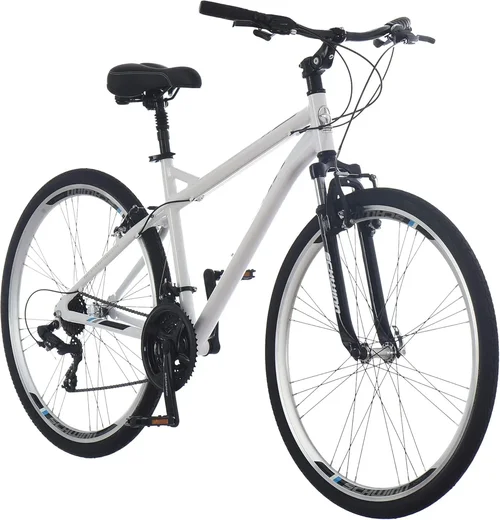
Electric bikes have surged in popularity over the past few years, and for good reason. They offer a sustainable, efficient, and enjoyable way to commute, explore, or simply get more active—without the physical strain of traditional cycling. Whether you’re navigating city streets, cruising through suburban neighborhoods, or tackling hilly trails, an electric bike can transform your daily ride. But with hundreds of models flooding the market—especially on platforms like Amazon—it’s easy to feel overwhelmed. That’s where this guide comes in.
This comprehensive buyer’s guide is designed to cut through the noise and help you make a smart, informed decision when shopping for the best electric bikes on Amazon in 2026. We’ll walk you through the essential factors to consider, compare different types of e-bikes, highlight common pitfalls, and provide expert-backed recommendations based on real-world performance, value, and user feedback. Whether you’re a first-time buyer or upgrading from an older model, you’ll walk away with the knowledge and confidence to choose the right e-bike for your lifestyle.
The electric bike market has evolved rapidly, with advancements in battery technology, motor efficiency, frame design, and smart features. Amazon, in particular, has become a go-to destination for e-bike shoppers due to its vast selection, competitive pricing, and customer review ecosystem. However, not all e-bikes listed on Amazon are created equal. Some are budget-friendly but lack durability, while others boast impressive specs but come with hidden costs or poor support. Our goal is to help you navigate this landscape with clarity and precision, ensuring you invest in a bike that delivers long-term satisfaction, safety, and performance.
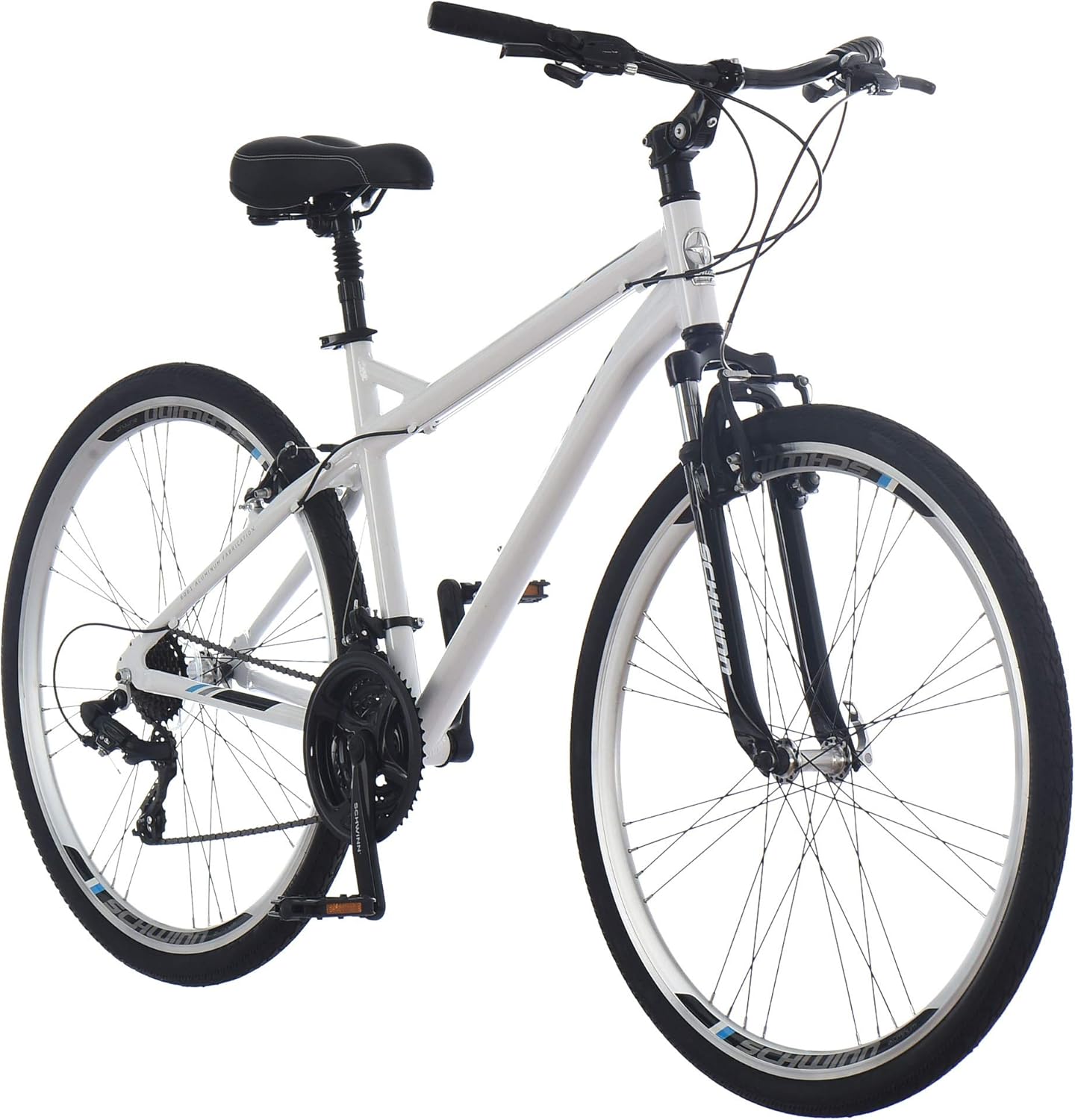
What to Look for When Buying an Electric Bike
1. Budget & Price Range
Your budget is the foundation of your e-bike purchase. Electric bikes on Amazon range from under $500 to over $3,000, and while it’s tempting to go for the lowest price, doing so can lead to disappointment. A sub-$600 e-bike might seem like a steal, but it often comes with weak motors, short battery life, flimsy frames, and minimal after-sales support. On the other hand, high-end models offer premium components, longer warranties, and better build quality—but may include features you don’t need.
Set a realistic budget based on how you plan to use the bike. For casual commuting or weekend rides, a mid-range model ($800–$1,500) typically offers the best balance of performance and value. If you’re planning long-distance rides, off-road adventures, or daily use in hilly areas, consider investing $1,500 or more. Remember: an e-bike is a long-term investment. Spending a little more upfront can save you money on repairs, replacements, and frustration down the road.
2. Performance Specifications
Performance is where the rubber meets the road—literally. The two most critical performance specs are motor power and battery capacity. Motor power is measured in watts (W), with most e-bikes ranging from 250W to 750W. A 250W motor is sufficient for flat terrain and light riding, while a 500W or 750W motor provides better acceleration and hill-climbing ability. Be aware that some countries and states regulate motor power; in the U.S., 750W is the legal limit for Class 3 e-bikes.
Battery capacity is measured in watt-hours (Wh). A higher Wh rating means longer range. For example, a 48V 10Ah battery equals 480Wh. Most e-bikes offer 30–80 miles per charge, depending on terrain, rider weight, assist level, and weather. If you plan to ride 20+ miles daily, aim for at least a 500Wh battery. Also, check the battery type: lithium-ion (Li-ion) is standard and offers good energy density and lifespan, while older lead-acid batteries are heavier and less efficient.
Other performance factors include top speed (typically 20–28 mph), pedal assist levels (usually 3–5), and throttle type (twist, thumb, or pedal-activated). Test rides—or detailed video reviews—can help you assess how smoothly the motor engages and how responsive the bike feels.
3. Build Quality & Durability
An e-bike is only as good as its frame and components. Look for frames made from aluminum alloy or carbon fiber—these materials are lightweight, rust-resistant, and strong. Avoid steel frames unless you’re buying a heavy-duty cargo e-bike, as they can be prone to rust and are significantly heavier.
Check the quality of key components: brakes (disc brakes are superior to rim brakes), suspension (front or full suspension for off-road use), tires (puncture-resistant and appropriately sized for your terrain), and drivetrain (geared systems last longer than single-speed). Pay attention to weight capacity—most e-bikes support 220–300 lbs, but some heavy-duty models go up to 400 lbs.
Durability also depends on weather resistance. If you live in a rainy or humid climate, ensure the bike has sealed motors, waterproof connectors, and corrosion-resistant hardware. Reading user reviews can reveal common failure points—like loose bolts, cracked fenders, or failing controllers—that aren’t always obvious from product descriptions.
4. Features & Functionality
Modern e-bikes come packed with features that enhance convenience, safety, and ride quality. Start with the display: a backlit LCD screen showing speed, battery level, distance, and assist mode is standard. Some models include Bluetooth connectivity, GPS tracking, or smartphone integration via apps—useful for navigation, ride stats, and anti-theft alerts.
Safety features are equally important. Integrated LED lights (front and rear) are essential for visibility, especially if you ride at night. Reflectors, horns, and brake lights add extra protection. Fenders and chain guards keep you clean and dry, while kickstands and rear racks improve practicality for errands or commuting.
Consider ergonomics: adjustable handlebars, suspension seats, and step-through frames make riding more comfortable, especially for older adults or those with mobility issues. Some e-bikes offer foldable designs for easy storage in apartments or car trunks—ideal for urban dwellers or travelers.
5. Brand Reputation
Not all e-bike brands are equal. Established brands like Rad Power Bikes, Aventon, Lectric, and Himiway have built strong reputations for reliability, customer service, and innovation. These companies often provide detailed manuals, responsive support teams, and accessible replacement parts.
Be cautious with unknown or “no-name” brands that dominate Amazon’s lower price tiers. While some offer decent value, many cut corners on quality control, use counterfeit components, or disappear after a few months—leaving you with no warranty or support. Check the seller’s name: is it the brand itself, or a third-party reseller? Direct-from-brand purchases are generally safer.
Research brand history: how long have they been in business? Do they have a physical presence or service centers? Brands with U.S.-based support teams tend to resolve issues faster than those relying solely on overseas客服.
6. Warranty & Support
A solid warranty is a strong indicator of a manufacturer’s confidence in their product. Most reputable e-bike brands offer at least a 1-year warranty on the frame and motor, and 6–12 months on the battery. Some premium brands extend coverage to 2–3 years, especially on key components.
Read the fine print: what’s covered? Labor costs? Shipping? Is the warranty valid only if purchased directly from the brand? Amazon purchases are usually covered, but third-party sellers may not honor the full warranty. Also, check if the brand offers free troubleshooting, repair guides, or local service partnerships.
Customer support responsiveness matters. Look for brands with live chat, email, or phone support—and check user reviews for experiences with returns, repairs, or part replacements. A bike that breaks down after 6 months is frustrating, but a brand that fixes it quickly can turn a negative into a positive.
7. Size & Portability
E-bikes come in various frame sizes and styles. Step-through frames are easier to mount and dismount, making them ideal for casual riders, seniors, or those wearing skirts or suits. Traditional diamond frames offer more rigidity and are preferred by performance-oriented riders.
Consider your height and inseam when choosing a frame size. Most brands provide size charts, but if you’re between sizes, go with the smaller one for better control. Test rides are ideal, but since Amazon purchases are often online-only, rely on detailed reviews and video walkthroughs.
Portability is key if you live in an apartment, take public transit, or travel frequently. Foldable e-bikes like the Lectric XP or Swagtron EB7 are compact and lightweight (under 50 lbs), making them easy to store or carry. Non-folding models are generally more stable and durable but require more space.
8. User Reviews & Ratings
Amazon’s review system is a goldmine of real-world insights. Don’t just look at the overall star rating—dig into the details. Read both 5-star and 1-star reviews to understand what users love and hate. Look for patterns: are multiple people reporting the same issue (e.g., battery drain, loose handlebars)? Are positive reviews detailed and specific, or vague and possibly fake?
Pay attention to verified purchase tags and recent reviews. Older reviews may not reflect current models, especially if the bike has been updated. Watch video reviews on YouTube for hands-on demonstrations of assembly, ride quality, and feature usage.
Use the “answered questions” section to clarify doubts about weight, range, or compatibility. And don’t ignore the Q&A from the brand—they often provide official responses that clarify specs or policies.
Different Types of Electric Bikes

Common Buying Mistakes to Avoid
❌ Mistake: Prioritizing Price Over Quality
Why it’s bad: The cheapest e-bikes often use low-grade motors, weak batteries, and fragile frames. They may break down within months, leaving you with repair costs that exceed the bike’s value. Worse, they can be unsafe—poor brakes or unstable handling increase accident risk.
What to do instead: Set a minimum quality threshold. Even on a tight budget, aim for a reputable brand with at least a 1-year warranty and verified positive reviews. Consider refurbished or open-box models from trusted sellers for better value.
❌ Mistake: Ignoring Local Laws and Regulations
Why it’s bad: E-bike laws vary by state and country. In the U.S., Class 1, 2, and 3 e-bikes have different speed and throttle rules. Some areas ban e-bikes from bike paths or require helmets and registration. Buying a non-compliant bike could result in fines or confiscation.
What to do instead: Research your local regulations before purchasing. Ensure the bike’s motor power, speed, and features align with legal requirements. Most reputable brands design bikes to meet U.S. standards, but double-check if you’re in Europe or Canada.
❌ Mistake: Overlooking Battery Replacement Costs
Why it’s bad: E-bike batteries degrade over time, typically lasting 500–1,000 charge cycles (2–4 years). Replacement batteries can cost $300–$800—sometimes more than half the bike’s original price. Some brands use proprietary batteries that are hard to find or expensive.
What to do instead: Choose a brand with widely available, standardized batteries (e.g., Samsung or LG cells). Check if the battery is removable and how much a replacement costs. Factor this into your long-term ownership cost.
❌ Mistake: Not Considering Maintenance Needs
Why it’s bad: E-bikes require regular maintenance: tire checks, brake adjustments, chain lubrication, and software updates. Neglecting these can lead to poor performance, safety issues, or premature wear. Some budget models lack service manuals or compatible parts.
What to do instead: Buy from brands that offer detailed maintenance guides and accessible parts. Learn basic upkeep or find a local bike shop experienced with e-bikes. Invest in a repair kit and keep the bike clean and dry.
❌ Mistake: Skipping the Test Ride (or Equivalent Research)
Why it’s bad: E-bikes feel different from regular bikes. Motor engagement, weight distribution, and handling vary widely. Buying without experiencing the ride can lead to discomfort, poor control, or dissatisfaction.
What to do instead: If you can’t test ride, watch detailed video reviews, read long-term user experiences, and check return policies. Amazon’s 30-day return window gives you time to evaluate the bike at home.
❌ Mistake: Falling for “Too Good to Be True” Deals
Why it’s bad: Some Amazon listings advertise e-bikes with 100-mile range, 1,000W motors, and premium features for under $700. These are often exaggerated or misleading. Real-world performance rarely matches the claims.
What to do instead: Be skeptical of extreme specs at low prices. Cross-check claims with independent reviews and technical specs. If a deal seems unbelievable, it probably is.
❌ Mistake: Ignoring Return and Warranty Policies
Why it’s bad: E-bikes are large, heavy items. Returning them can be costly and complicated. Some sellers charge restocking fees or refuse returns after assembly. Warranty claims may be denied if the bike was modified or used improperly.
What to do instead: Read the return policy carefully before buying. Choose sellers with free returns or low-cost shipping. Register your warranty promptly and follow usage guidelines to avoid voiding coverage.
Budget Guidelines: How Much Should You Spend?
- Entry-Level ($500–$800): These bikes are best for light, occasional use on flat terrain. Expect basic components, limited range (15–25 miles), and minimal features. Ideal for teens, casual riders, or as a backup bike. Brands like Ancheer and Ecotric offer models in this range, but quality varies widely.
- Mid-Range ($800–$1,500): This is the sweet spot for most buyers. You’ll find reliable motors (500W), decent batteries (400–600Wh), and better build quality. Models like the RadPower RadCity or Aventon Pace 350 offer excellent value, with features like integrated lights, racks, and app connectivity. Perfect for daily commuting and weekend adventures.
- Premium ($1,500–$2,500): Designed for enthusiasts and frequent riders. These bikes feature high-capacity batteries (600–800Wh), powerful motors (750W), advanced suspension, and smart features. Brands like Himiway and Lectric XP Pro deliver long range (50–80 miles), rugged durability, and superior comfort. Ideal for hilly areas, long commutes, or off-road use.
- Luxury ($2,500+): Top-tier e-bikes with cutting-edge technology, carbon frames, hydraulic disc brakes, and premium components. Models like the Specialized Turbo Vado or Trek Allant+ offer exceptional performance, sleek design, and extensive support. Best for serious cyclists, tech lovers, or those who want the ultimate riding experience.
Expert Tips for Getting the Best Deal
- Buy During Sales Events: Amazon Prime Day, Black Friday, and end-of-season clearances offer the biggest discounts. Sign up for deal alerts or follow your favorite brands on social media to stay informed.
- Compare Prices Across Retailers: Don’t limit yourself to Amazon. Check the brand’s official website, REI, or local bike shops. Sometimes the same model is cheaper elsewhere, or includes free shipping and assembly.
- Look for Bundles: Some sellers offer e-bike bundles with helmets, locks, lights, or phone mounts. These can save you $50–$100 compared to buying accessories separately.
- Check for Refurbished or Open-Box Options: Amazon Renewed or brand-certified refurbished e-bikes are often 20–30% cheaper and come with warranties. They’re thoroughly tested and ideal for budget-conscious buyers.
- Read the Fine Print on Shipping: E-bikes are heavy and expensive to ship. Some sellers offer free delivery, while others charge $100+. Factor this into your total cost. Also, ensure the bike arrives fully assembled or with clear instructions.
- Use Amazon’s Return Policy Wisely: You have 30 days to return most items. Use this time to test the bike thoroughly—ride it on different terrains, check battery life, and assess comfort. If something feels off, return it early.
- Join Online Communities: Forums like Reddit’s r/ebikes or Facebook groups offer real-user advice, deal alerts, and troubleshooting tips. Experienced riders can help you avoid scams and find hidden gems.
- Consider Financing: Some brands offer 0% APR financing through Amazon or third-party services. This lets you spread payments over 6–12 months without interest—great for higher-end models.

Frequently Asked Questions
Q: How far can an electric bike go on a single charge?
A: Range depends on battery capacity, terrain, rider weight, assist level, and weather. Most e-bikes offer 20–60 miles per charge. A 500Wh battery typically provides 30–50 miles in moderate conditions. Use lower assist levels and pedal more to extend range.
Q: Are electric bikes legal in my area?
A: In the U.S., e-bikes are classified into three categories based on speed and throttle use. Most states allow Class 1 and 2 e-bikes on bike paths, but regulations vary. Check your state’s Department of Motor Vehicles or transportation website for specifics.
Q: Do I need a license or insurance to ride an e-bike?
A: In most U.S. states, no license or insurance is required for Class 1–3 e-bikes. However, some cities or parks may have additional rules. Helmets are recommended, especially for higher-speed models.
Q: Can I ride an e-bike in the rain?
A: Most modern e-bikes are water-resistant, not waterproof. Avoid submerging the battery or motor. After riding in rain, dry the bike and check for water in connectors. Sealed components and proper maintenance reduce risk.
Q: How long does it take to charge an e-bike battery?
A: Charging time varies by battery size and charger output. A 500Wh battery typically takes 4–6 hours to charge fully. Fast chargers can reduce this to 2–3 hours but may shorten battery lifespan if used frequently.
Q: What’s the difference between pedal assist and throttle?
A: Pedal assist (PAS) provides power only when you pedal, with multiple levels of assistance. Throttle mode lets you ride without pedaling, like a scooter. Class 1 bikes have PAS only; Class 2 have throttle; Class 3 have PAS up to 28 mph.
Q: Can I upgrade my e-bike’s battery or motor?
A: Some brands allow battery upgrades, but motors are usually not user-replaceable. Check compatibility and warranty terms before modifying. Unauthorized upgrades may void your warranty.
Q: How do I maintain my e-bike?
A: Regular maintenance includes cleaning the chain, checking tire pressure, inspecting brakes, and updating firmware. Store the battery at 50–80% charge if not used for weeks. Follow the manufacturer’s guidelines for optimal performance.
Q: Are e-bikes worth the investment?
A: Yes, if you use them regularly. E-bikes reduce transportation costs, improve fitness, and offer a fun, eco-friendly way to travel. Over time, they can pay for themselves compared to car expenses.
Q: What should I do if my e-bike breaks down?
A: Contact the manufacturer’s support team first. Most offer troubleshooting guides or remote diagnostics. If under warranty, they may send replacement parts or arrange repairs. For out-of-warranty issues, find a certified e-bike technician.
Our Final Recommendations
- Best for Budget-Conscious Buyers: Lectric XP 3.0 – At under $1,000, this folding e-bike delivers 45+ miles of range, 750W motor, and solid build quality. Ideal for city dwellers and commuters.
- Best Overall Value: Rad Power Bikes RadCity 5 Plus – Priced around $1,500, it offers a 750W motor, 615Wh battery, integrated lights, and excellent customer support. A top choice for daily riders.
- Best Premium Option: Himiway Cobra Pro – With a 1,000W motor, 960Wh battery, and fat tires, this beast handles any terrain. Priced at $2,299, it’s perfect for off-road enthusiasts.
- Best for Beginners: Aventon Pace 350 – Lightweight, easy to ride, and packed with safety features. At $1,199, it’s a great entry point for new e-bike riders.
- Best for Advanced Users: Specialized Turbo Vado SL 5.0 – A high-performance commuter with a lightweight frame, smart connectivity, and smooth ride. At $3,500, it’s for those who demand the best.
Conclusion: Making the Right Choice
Choosing the best electric bike on Amazon in 2026 doesn’t have to be overwhelming. By focusing on your needs—whether it’s commuting, recreation, or adventure—and evaluating key factors like budget, performance, build quality, and support, you can find a bike that fits your lifestyle and delivers lasting value. Avoid common pitfalls, leverage expert tips, and use Amazon’s vast selection and review system to your advantage.
Remember, the right e-bike isn’t just about specs or price—it’s about how it makes you feel when you ride. It should inspire you to get outside, explore new places, and enjoy the journey. Take your time, do your research, and don’t rush the decision. With the insights from this guide, you’re well-equipped to make a smart, confident purchase.
Now it’s your turn. Start browsing, compare your top choices, and get ready to experience the freedom and fun of electric biking. Your perfect ride is out there—happy cycling!