
Electric bikes have evolved from niche urban mobility tools into mainstream transportation solutions—and teens are riding the wave. With rising concerns about climate change, traffic congestion, and the desire for independence, more young riders are turning to e-bikes as a fun, eco-friendly, and practical way to get around. Whether it’s commuting to school, exploring local trails, or just cruising the neighborhood with friends, electric bikes offer teens a sense of freedom that traditional bicycles or scooters simply can’t match.
But choosing the right e-bike for a teenager isn’t as simple as picking the flashiest model on the shelf. Unlike adult e-bikes, teen models must balance performance, safety, durability, and affordability—all while appealing to a generation raised on tech, style, and instant gratification. This comprehensive buying guide is designed to help parents, guardians, and teens themselves navigate the crowded 2026 electric bike market with confidence. You’ll learn what features truly matter, how to avoid common pitfalls, and which models deliver the best value for your investment.
The teen e-bike segment has exploded in recent years, with major brands like Rad Power Bikes, Aventon, Trek, and newer entrants like Lectric and Heybike launching youth-focused models. These aren’t just downsized adult bikes—they’re engineered with smaller frames, age-appropriate power outputs, and enhanced safety features. In this guide, we’ll break down everything you need to know to make an informed decision, from budget considerations to performance specs, build quality, and long-term reliability. By the end, you’ll be equipped to choose an e-bike that’s not only safe and fun but also built to last through the ups and downs of teenage life.

What to Look for When Buying an Electric Bike for Teens
1. Budget & Price Range
One of the first—and most critical—decisions when shopping for a teen e-bike is setting a realistic budget. Prices for youth-oriented electric bikes in 2026 range widely, from under $800 for basic entry-level models to over $2,500 for high-performance or premium builds. While it’s tempting to go for the cheapest option, skimping too much can lead to poor build quality, weak motors, short battery life, and safety compromises.
A good rule of thumb is to aim for the $1,000–$1,800 range, where you’ll find the sweet spot of reliability, performance, and features. At this price point, most reputable brands offer aluminum frames, decent battery capacity (300–500Wh), and motors in the 250W–500W range—sufficient for flat commutes and gentle hills without overwhelming a younger rider. Avoid ultra-budget models under $600 unless they’re from a verified brand with transparent specs; many off-brand e-bikes in this range use subpar components, lack proper certifications, or have hidden costs like expensive battery replacements.
2. Performance Specifications
Performance matters—but not in the way it does for adult e-bikes. For teens, the focus should be on balanced, controllable power rather than raw speed or torque. Most teen e-bikes cap their top speed at 15–20 mph (24–32 km/h), which aligns with legal limits in many regions and reduces risk. Look for models with pedal-assist levels (usually 3–5 modes) and a smooth throttle response that doesn’t jerk the rider forward unexpectedly.
Motor power typically ranges from 250W to 500W. A 250W motor is ideal for flat terrain and lighter riders, while a 500W motor provides better hill-climbing ability and acceleration—useful if your teen lives in a hilly area or plans to carry a backpack. However, higher wattage doesn’t always mean better; some 500W motors are less efficient or noisier than well-tuned 350W units. Always check real-world reviews for how the motor performs under load, not just the spec sheet.
Battery capacity is equally important. Measured in watt-hours (Wh), a larger number means longer range. For most teens, a 350–450Wh battery offers 20–40 miles (32–64 km) per charge, depending on terrain, weight, and assist level. Removable batteries are a big plus—they allow easy charging at school or home without dragging the whole bike inside.
3. Build Quality & Durability
Teens are active, adventurous, and sometimes clumsy. Their e-bike needs to withstand drops, bumps, rain, and daily wear and tear. Start by examining the frame material: aluminum alloy is the gold standard—lightweight, rust-resistant, and strong enough for daily use. Avoid steel frames unless they’re specifically designed for durability (they’re heavier and prone to rust).
Check component quality too. Look for branded drivetrains (like Shimano Tourney or Altus), reliable disc brakes (mechanical or hydraulic), and puncture-resistant tires. Many teen e-bikes now come with reinforced inner tubes or tubeless-ready wheels—worth the extra cost if your teen rides on rough paths or gravel. Suspension is another consideration: front suspension forks help absorb shocks on uneven terrain, but full suspension adds weight and complexity. For city riding, a rigid fork or basic front suspension is usually sufficient.
Water resistance is often overlooked but crucial. IP ratings (like IP65) indicate how well the bike resists dust and water. While no e-bike is fully waterproof, an IP65 rating means it can handle light rain and splashes—essential for unpredictable weather.
4. Safety Features
Safety should never be compromised, especially for younger riders. Start with brakes: mechanical disc brakes are common and effective, but hydraulic discs offer superior stopping power and modulation—ideal for wet conditions or steep descents. Avoid rim brakes (V-brakes) on e-bikes; they wear out faster and lose effectiveness when wet.
Lighting is non-negotiable. Front and rear LED lights powered by the main battery ensure visibility during early morning or evening rides. Some models include brake-activated rear lights or turn signals—nice extras that boost safety. Reflectors on wheels, pedals, and frame are also required by law in many areas.
Speed governors or parental controls are increasingly common on teen e-bikes. These allow adults to limit top speed via an app or physical switch, giving peace of mind while still letting teens enjoy assisted riding. Traction control and anti-lock braking systems (ABS) are rare but emerging in premium models—worth considering if your teen rides in slippery conditions.
Finally, ensure the bike meets regional safety standards (like UL 2849 for electrical systems in the U.S. or CE marking in Europe). Certified bikes undergo rigorous testing for fire safety, battery integrity, and electrical hazards.
5. Size, Fit & Ergonomics
A poorly fitting bike is uncomfortable, unsafe, and discouraging to ride. Teen e-bikes should match the rider’s height and inseam. Most models are designed for riders between 4’10” and 5’8″, but always check the manufacturer’s size chart. Step-through frames are popular for teens because they’re easy to mount and dismount—especially useful when wearing backpacks or school clothes.
Adjustable handlebars and seat posts are essential. Look for at least 3–4 inches of seat post adjustment to accommodate growth spurts. Handlebar height and reach should allow a relaxed, upright posture—not stretched out or hunched over. Test rides (if possible) are the best way to assess fit, but if buying online, read detailed reviews from riders of similar height.
Weight is another factor. Teen e-bikes typically weigh 35–55 lbs (16–25 kg). Lighter models are easier to maneuver and carry upstairs, but may sacrifice battery capacity or durability. If your teen needs to lift the bike frequently, aim for under 45 lbs.
6. Features & Functionality
Modern teen e-bikes come packed with tech features that enhance usability and fun. A clear, backlit LCD display shows speed, battery level, assist mode, and trip distance—look for one that’s readable in sunlight. USB charging ports are handy for powering phones or lights on the go.
Smart connectivity is becoming standard. Many 2026 models offer Bluetooth pairing with companion apps that track rides, set speed limits, monitor battery health, and even provide GPS anti-theft alerts. While not essential, these features add value and encourage responsible riding habits.
Other useful extras include integrated racks (for backpacks or groceries), fenders (to keep mud off clothes), and kickstands. Some bikes even have phone mounts or built-in phone chargers—great for navigation or emergency calls.
Avoid bikes with overly complex interfaces or gimmicky features that distract from riding. Simplicity and reliability trump flashy tech every time.
7. Brand Reputation & Reviews
Not all e-bike brands are created equal. Stick with established companies known for quality, customer service, and transparency. Brands like Rad Power Bikes, Aventon, Trek, and Lectric have strong reputations and active user communities. Read verified customer reviews on sites like Amazon, REI, or specialized forums like Electric Bike Review.
Pay attention to recurring complaints: battery failures, poor assembly instructions, unresponsive customer support, or hard-to-find replacement parts. A brand with a 4.5-star average but dozens of 1-star reviews citing the same issue should raise red flags.
Also consider local dealer support. If something breaks, can you get it serviced nearby? Some brands partner with bike shops for repairs, while others require shipping the entire bike—a hassle for teens who rely on their e-bike daily.
8. Warranty & Support
A solid warranty is a sign of confidence in product quality. Most reputable brands offer at least a 1-year comprehensive warranty covering frame, motor, and battery. Premium models may include 2–3 years. Pay special attention to battery coverage—lithium-ion batteries degrade over time, and some warranties only cover defects, not natural capacity loss.
Check what’s included: labor costs, shipping fees, and whether you need to register the warranty. Some brands require proof of purchase and regular maintenance records. Avoid brands with “lifetime” warranties that are vague or exclude key components.
Customer support responsiveness matters too. Can you reach a human quickly? Is there a knowledge base or video tutorials? Brands with strong support ecosystems (like Rad’s extensive YouTube guides) make troubleshooting much easier.
Different Types of Electric Bikes for Teens

Common Buying Mistakes to Avoid
❌ Mistake: Prioritizing Speed Over Safety
Why it’s bad: High-speed e-bikes can be dangerous for inexperienced riders. Many teens underestimate braking distances or lose control on turns. In some areas, e-bikes exceeding 20 mph require registration or are illegal on bike paths.
What to do instead: Choose a bike with a governed top speed (15–20 mph) and strong brakes. Enable parental speed limits if available. Teach safe riding habits before hitting the road.
❌ Mistake: Ignoring Local Laws and Regulations
Why it’s bad: E-bike laws vary by state, province, and country. Some places restrict motor power, require helmets, or ban e-bikes from certain paths. Riding illegally can result in fines or confiscation.
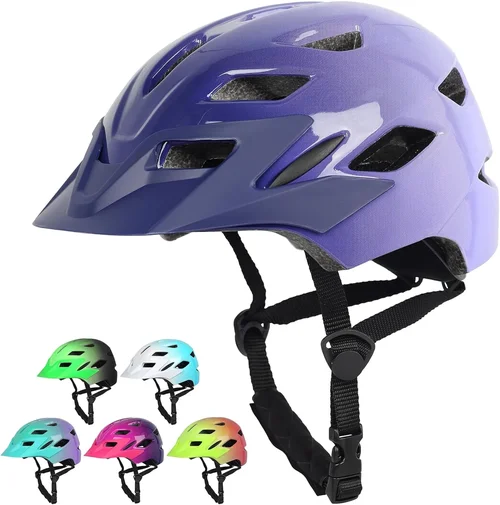
What to do instead: Research local regulations before buying. Ensure the bike complies with legal definitions (e.g., Class 1 or 2 in the U.S.). Equip your teen with a helmet and reflective gear.
❌ Mistake: Buying Based Solely on Looks
Why it’s bad: Flashy designs or celebrity endorsements don’t guarantee quality. A bike that looks cool but has a weak motor or poor brakes won’t last long—or keep your teen safe.
What to do instead: Focus on specs, build quality, and reviews. Let your teen choose color or accessories, but make the final decision based on performance and safety.
❌ Mistake: Overlooking Maintenance Needs
Why it’s bad: E-bikes require regular upkeep: tire pressure checks, brake adjustments, chain lubrication, and battery care. Neglect leads to breakdowns and shortened lifespan.
What to do instead: Choose a bike with accessible components and clear maintenance guides. Teach your teen basic care routines. Schedule annual tune-ups at a local shop.
❌ Mistake: Skipping the Test Ride
Why it’s bad: Fit and feel are subjective. A bike that looks perfect online might be uncomfortable or hard to control in real life.
What to do instead: Visit a local dealer for a test ride if possible. If buying online, check return policies and look for detailed video reviews showing the bike in action.
❌ Mistake: Assuming All “Teen” Bikes Are Equal
Why it’s bad: Some brands market adult bikes as “youth-friendly” with minor tweaks. These may have inappropriate geometry, excessive power, or lack safety features.
What to do instead: Look for models specifically designed for teens—smaller frames, lower standover height, and age-appropriate power delivery.
Budget Guidelines: How Much Should You Spend?
Setting the right budget ensures you get a safe, reliable e-bike without overspending. Here’s a breakdown of what to expect at each price tier in 2026:
Entry-Level ($600–$900): These bikes are best for occasional use or very light riders. Expect basic components: entry-level motors (250W), small batteries (250–300Wh), and minimal features. Build quality may be inconsistent, and warranties are often limited. Only consider if from a trusted brand like Lectric or Heybike—and even then, inspect carefully.
Mid-Range ($900–$1,600): This is the sweet spot for most families. You’ll find well-built aluminum frames, reliable 350–500W motors, 350–450Wh batteries, and essential safety features like disc brakes and integrated lights. Brands like Rad Power Bikes, Aventon, and Trek offer excellent models here with strong warranties and good support.
Premium ($1,600–$2,200): Ideal for serious riders or those in hilly areas. These bikes boast higher-end components: hydraulic disc brakes, advanced suspension, larger batteries (500Wh+), and smart features like app connectivity and GPS tracking. Expect superior durability and longer range.
Luxury ($2,200+): Reserved for enthusiasts or those wanting top-tier performance. Features may include carbon fiber parts, regenerative braking, ultra-long-range batteries, and custom tuning options. While impressive, these are often overkill for typical teen use.

Expert Tips for Getting the Best Deal
- Shop during off-seasons: Late fall and winter often bring discounts as retailers clear inventory. Black Friday and back-to-school sales (July–August) are also prime times for deals.
- Compare retailers: Check direct-from-brand websites (often with exclusive colors or bundles), big-box stores (like Costco or REI), and online marketplaces. Sometimes local bike shops offer price matching.
- Look for refurbished or open-box models: Many brands sell certified pre-owned e-bikes at 15–30% off with full warranties. These are great for budget-conscious buyers.
- Read the fine print on warranties: Some exclude batteries or require registration within 30 days. Know what’s covered before you buy.
- Check return policies: Ensure you can return or exchange the bike within 14–30 days if it doesn’t fit or perform as expected.
- Ask about assembly: Some retailers offer free or low-cost assembly. If assembling yourself, watch tutorial videos and take your time—improper assembly can cause safety issues.
- Join loyalty programs: Brands like Rad Power Bikes offer referral bonuses, member discounts, and early access to sales.
- Consider financing: Many brands offer 0% APR financing for 6–12 months, making higher-end models more accessible.

Frequently Asked Questions
Q: Are electric bikes safe for teenagers?
A: Yes, when chosen and used responsibly. Look for models with speed governors, strong brakes, lights, and safety certifications. Always pair the bike with a helmet and teach traffic rules.
Q: How fast do teen e-bikes go?
A: Most are limited to 15–20 mph (24–32 km/h) to comply with regulations and ensure safety. Some allow temporary boosts but revert to legal speeds.
Q: Do teens need a license to ride an e-bike?
A: In most U.S. states and European countries, no license is required for Class 1 or 2 e-bikes (pedal-assist up to 20 mph). However, age restrictions may apply—check local laws.
Q: How long does the battery last?
A: Typically 3–5 years or 500–1,000 charge cycles. Range per charge varies from 20–50 miles depending on usage. Avoid fully draining the battery regularly to extend lifespan.
Q: Can a teen e-bike handle hills?
A: Yes, especially models with 500W motors and good gearing. Look for torque sensors (not just cadence sensors) for smoother hill climbs.
Q: What’s the difference between pedal-assist and throttle?
A: Pedal-assist provides power only when pedaling, while throttle lets you ride without pedaling (like a scooter). Many teen bikes include both, but throttle use may be restricted in some areas.
Q: How much maintenance do e-bikes need?
A: Similar to regular bikes: monthly tire checks, brake inspections, chain lubrication, and battery care. Annual professional tune-ups are recommended.
Q: Can I upgrade parts later?
A: Some components (tires, seats, lights) are easily upgraded. Motors and batteries are usually not user-replaceable—check compatibility before buying.
Q: Are there eco-friendly options?
A: Yes! Many brands now use recyclable packaging, offer battery recycling programs, and design bikes for longevity to reduce waste.
Q: What if the bike breaks down?
A: Contact the manufacturer first. Most offer remote diagnostics or send replacement parts. For complex issues, visit an authorized service center.
Our Final Recommendations
Best for Budget-Conscious Buyers: Lectric XP Youth – At under $900, it delivers solid performance, a removable 48V battery, and a lightweight frame. Great for casual riders and short commutes.
Best Overall Value: Rad Power Bikes RadMission 1 Youth – Priced around $1,300, it offers a 500W motor, 48V battery, hydraulic brakes, and excellent customer support. Perfect balance of power, safety, and reliability.
Best Premium Option: Aventon Abound Youth – With a 750W peak motor, integrated lights, app connectivity, and a sleek design, this $1,900 model is ideal for tech-savvy teens who want style and substance.
Best for Beginners: Trek Verve+ 2 Youth – Smooth ride, intuitive controls, and Trek’s legendary build quality make this a safe, confidence-inspiring choice for new e-bike riders.
Best for Advanced Users: Heybike Mars Youth Fat Tire – For adventurous teens who ride on sand, snow, or trails, this $1,600 fat-tire e-bike offers unmatched traction and durability.
Conclusion: Making the Right Choice
Choosing the right electric bike for your teen is about more than just transportation—it’s about fostering independence, encouraging outdoor activity, and investing in a sustainable future. By focusing on safety, fit, build quality, and value, you can find a bike that grows with your teen and withstands the rigors of daily life.
Remember, the best e-bike isn’t necessarily the most powerful or expensive—it’s the one that matches your teen’s needs, riding style, and your family’s budget. Take your time, do your research, and involve your teen in the decision. After all, they’re the ones who’ll be riding it.
With the right e-bike, your teen won’t just get from point A to point B—they’ll enjoy the journey, stay active, and maybe even inspire others to go electric. So gear up, stay safe, and happy riding!