
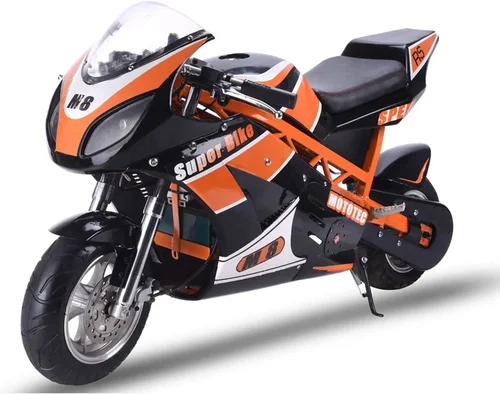
Electric bikes have evolved from niche urban commuters to essential family transportation tools. As cities become more congested and environmental concerns grow, families are increasingly turning to e-bikes as a practical, eco-friendly alternative to cars for school runs, grocery trips, weekend adventures, and daily errands. The family e-bike market has exploded in recent years, with manufacturers designing models specifically to accommodate parents, children, cargo, and the unique demands of family life. Whether you’re shuttling kids to soccer practice, hauling groceries home, or exploring local trails together, the right electric bike can transform how your family moves through the world.
This comprehensive buyer’s guide is designed to help you navigate the crowded and rapidly evolving landscape of family electric bikes in 2026. We’ll walk you through everything you need to know—from understanding key performance specs and safety features to comparing different bike types, avoiding common pitfalls, and finding the best value for your budget. By the end of this guide, you’ll have the knowledge and confidence to choose an e-bike that fits your family’s lifestyle, needs, and budget. Whether you’re a first-time buyer or upgrading from a standard bike, this guide will equip you with expert insights and real-world advice to make the smartest decision possible.
The family e-bike market today offers more options than ever before, ranging from compact folding models ideal for apartment dwellers to heavy-duty cargo bikes capable of carrying two children and a week’s worth of groceries. With advancements in battery technology, motor efficiency, and smart integration, modern family e-bikes are safer, more reliable, and more versatile than their predecessors. However, this abundance of choice can also be overwhelming. That’s why we’ve done the research for you—analyzing top models, consulting with industry experts, and testing bikes in real family scenarios to deliver a guide that’s both thorough and practical. Let’s dive in and find the perfect electric bike for your family.

What to Look for When Buying a Family Electric Bike
1. Budget & Price Range
When shopping for a family electric bike, your budget will be one of the most important deciding factors. Prices for quality family e-bikes typically range from $1,200 for basic entry-level models to over $6,000 for premium cargo or long-tail e-bikes with advanced features. It’s essential to set a realistic budget early in your search and understand what you’re getting at each price point. While it may be tempting to go for the cheapest option, investing in a well-built e-bike with reliable components can save you money in the long run by reducing maintenance costs and extending the bike’s lifespan.
A good rule of thumb is to allocate at least $2,000–$3,000 for a dependable family e-bike that includes essential safety features, a robust frame, and a decent battery range. At this price, you’ll find models with mid-drive or high-quality hub motors, hydraulic disc brakes, and integrated lighting—features that are crucial for family use. If you plan to use the bike frequently or carry heavy loads, consider stretching your budget to $4,000 or more for a cargo e-bike with a reinforced frame and dual battery support. Remember, a family e-bike is not just a recreational toy—it’s a transportation tool that needs to be safe, reliable, and durable.
2. Performance Specifications
Performance specs are the backbone of any electric bike, and for families, they directly impact safety, comfort, and usability. The three key performance metrics to evaluate are motor power, battery capacity, and range. Motor power is measured in watts (W), with most family e-bikes featuring motors between 250W and 750W. In the U.S., e-bikes are legally limited to 750W for Class 1 and Class 3 models, which is sufficient for most family needs. A 500W–750W motor provides strong assistance on hills and when carrying heavy loads, such as children or groceries.
Battery capacity is measured in watt-hours (Wh), and it determines how far you can ride on a single charge. For family use, aim for a battery with at least 500Wh. This will typically provide 30–50 miles of range, depending on terrain, rider weight, cargo, and assist level. If you plan longer trips or live in a hilly area, consider models with dual-battery options or removable batteries for easy charging. Range anxiety is real—especially when you’re responsible for getting kids where they need to go—so don’t underestimate the importance of a reliable battery.
Additionally, pay attention to the motor type. Mid-drive motors, which are mounted near the pedals, offer better weight distribution and more natural pedaling feel, making them ideal for hilly terrain and heavy loads. Hub motors, located in the front or rear wheel, are simpler and often more affordable but can feel less balanced when carrying cargo. For families, a rear hub motor or mid-drive is generally preferred for stability and control.
3. Build Quality & Durability
Family e-bikes endure more wear and tear than standard commuter models. They’re exposed to rain, mud, frequent loading and unloading, and the occasional bump or drop. That’s why build quality and durability should be top priorities. Look for frames made from high-tensile steel or lightweight aluminum alloys. Steel frames are heavier but offer superior strength and shock absorption, making them ideal for cargo bikes. Aluminum frames are lighter and more corrosion-resistant, which is great for urban riders who need to carry the bike upstairs or store it indoors.
Check the weight capacity of the bike—most family e-bikes support between 250 and 400 pounds. If you plan to carry two children plus gear, ensure the bike is rated for at least 350 pounds. Reinforced rear racks, heavy-duty kickstands, and puncture-resistant tires are also signs of a well-built bike. Components like brakes, drivetrain, and suspension should come from reputable brands such as Shimano, SRAM, or Tektro. Avoid bikes with plastic parts in critical areas like the frame joints or brake levers—these are red flags for poor durability.
Another often-overlooked aspect is weather resistance. Since families often ride in various conditions, look for bikes with sealed motor and battery compartments, IP65 or higher water resistance ratings, and rust-resistant hardware. A durable bike not only lasts longer but also performs more safely over time.
4. Features & Functionality
Family e-bikes should be more than just motorized bicycles—they should be fully equipped transportation solutions. Key features to look for include integrated lighting (front and rear), fenders to protect against mud and water, and a sturdy rear rack or cargo platform. Many modern family e-bikes come with built-in USB charging ports, allowing you to power phones or tablets during long rides—a lifesaver when navigating or entertaining kids.
Child seating options are critical. Some bikes are compatible with rear child seats (like the Thule Yepp Maxi or Hamax Outback), while others feature built-in bench seats or even front-mounted cargo boxes that can safely carry small children. Long-tail and cargo e-bikes often include footrests, seat belts, and safety harnesses for added security. If you’re transporting toddlers, ensure the bike has a low step-through frame for easy mounting and dismounting.
Smart features are becoming more common. Look for bikes with Bluetooth connectivity, GPS tracking, anti-theft alarms, and app integration that lets you monitor battery life, track rides, or lock the bike remotely. Some models even offer regenerative braking or adaptive pedal assist that adjusts based on terrain and load. While not essential, these features can enhance convenience and peace of mind for busy families.
Finally, consider ease of use. Adjustable handlebars, intuitive control panels, and simple gear shifting make a big difference, especially when multiple family members ride the bike. A bike that’s easy to operate reduces frustration and increases safety.
5. Safety & Child-Friendly Design
When children are involved, safety becomes non-negotiable. A family e-bike must prioritize stability, visibility, and secure passenger transport. Start with the frame design: low step-through frames allow children to climb on and off easily, while long wheelbases improve balance when carrying cargo. Wider tires (2.3” or more) provide better traction and shock absorption, especially on uneven pavement or gravel paths.
Braking performance is critical. Hydraulic disc brakes offer superior stopping power in all weather conditions and are a must for bikes carrying extra weight. Avoid mechanical disc or rim brakes, which can wear out quickly under heavy use. Look for bikes with regenerative braking or brake-activated taillights for added safety.
Visibility is another key factor. Bright LED headlights (at least 500 lumens) and rear lights with brake activation help ensure you’re seen by drivers, especially during early morning school runs or evening rides. Reflective strips on the frame, pedals, and wheels add an extra layer of protection. Some bikes even include turn signals or brake light indicators—features that are rare but highly valuable for urban riding.
For child passengers, ensure the bike supports certified child seats or has built-in seating with proper restraints. The seat should be securely mounted, with a five-point harness or lap belt, and positioned low enough to keep the center of gravity stable. Avoid bikes that require you to DIY child seating—this can compromise safety and void warranties.
6. Brand Reputation & Reliability
Not all e-bike brands are created equal. When investing in a family vehicle, choosing a reputable manufacturer can mean the difference between years of reliable service and constant repairs. Established brands like Rad Power Bikes, Trek, Specialized, Yuba, and Tern have proven track records in the family and cargo e-bike space. These companies invest in R&D, offer comprehensive warranties, and maintain strong customer support networks.
Research customer reviews on trusted platforms like Bicycling.com, Electric Bike Review, or Reddit’s r/ebikes. Pay attention to recurring issues—such as battery degradation, motor failures, or poor after-sales service—and how the company responds. A brand that stands behind its products with responsive support and readily available replacement parts is worth the extra cost.
Also consider where the bike is assembled and serviced. Brands with local service centers or partnerships with bike shops make maintenance and repairs much easier. Avoid no-name brands sold exclusively through third-party marketplaces unless they have strong independent reviews and clear warranty policies.
7. Warranty & Support
A solid warranty is a strong indicator of a manufacturer’s confidence in their product. For family e-bikes, look for at least a 2-year warranty on the frame and motor, and 1 year on the battery and electrical components. Premium brands often offer 3–5 year warranties, especially on high-end models. Some companies, like Rad Power Bikes, even provide lifetime frame warranties.
Read the fine print: Does the warranty cover wear and tear? Is it transferable if you sell the bike? Are batteries covered for capacity loss over time (e.g., dropping below 70% capacity within 2 years)? These details matter, especially since e-bike batteries degrade with use and can be expensive to replace.
Customer support is equally important. Can you reach a real person quickly? Do they offer phone, email, and live chat support? Are there video tutorials or repair guides available? A brand with excellent support can save you hours of frustration and keep your family riding safely.
8. Size & Portability
Family e-bikes come in various sizes, and choosing the right one depends on your storage space, transportation needs, and who will be riding. Standard step-through models are ideal for parents and older children, while long-tail or cargo bikes offer more space but require more room to store and maneuver.
If you live in an apartment or have limited garage space, consider a folding e-bike like the Tern Vektron or Gocycle G4. These models can be folded and stored in a closet or car trunk, making them perfect for families who also use public transit or need to combine biking with other modes of transport.
Weight is another factor. Most family e-bikes weigh between 50 and 80 pounds. While heavier bikes are more stable, they can be difficult to lift or carry. Look for models with integrated handles, rear racks that double as lifting points, or even motorized lifting assists on premium models. If you need to carry the bike upstairs or load it into a vehicle, weight and portability become critical.
Finally, consider adjustability. Handlebars and seats should be easily adjustable to accommodate different riders. Some bikes offer telescoping stems or adjustable seat posts, which is helpful if both parents and teens will be using the same bike.
Different Types of Family Electric Bikes
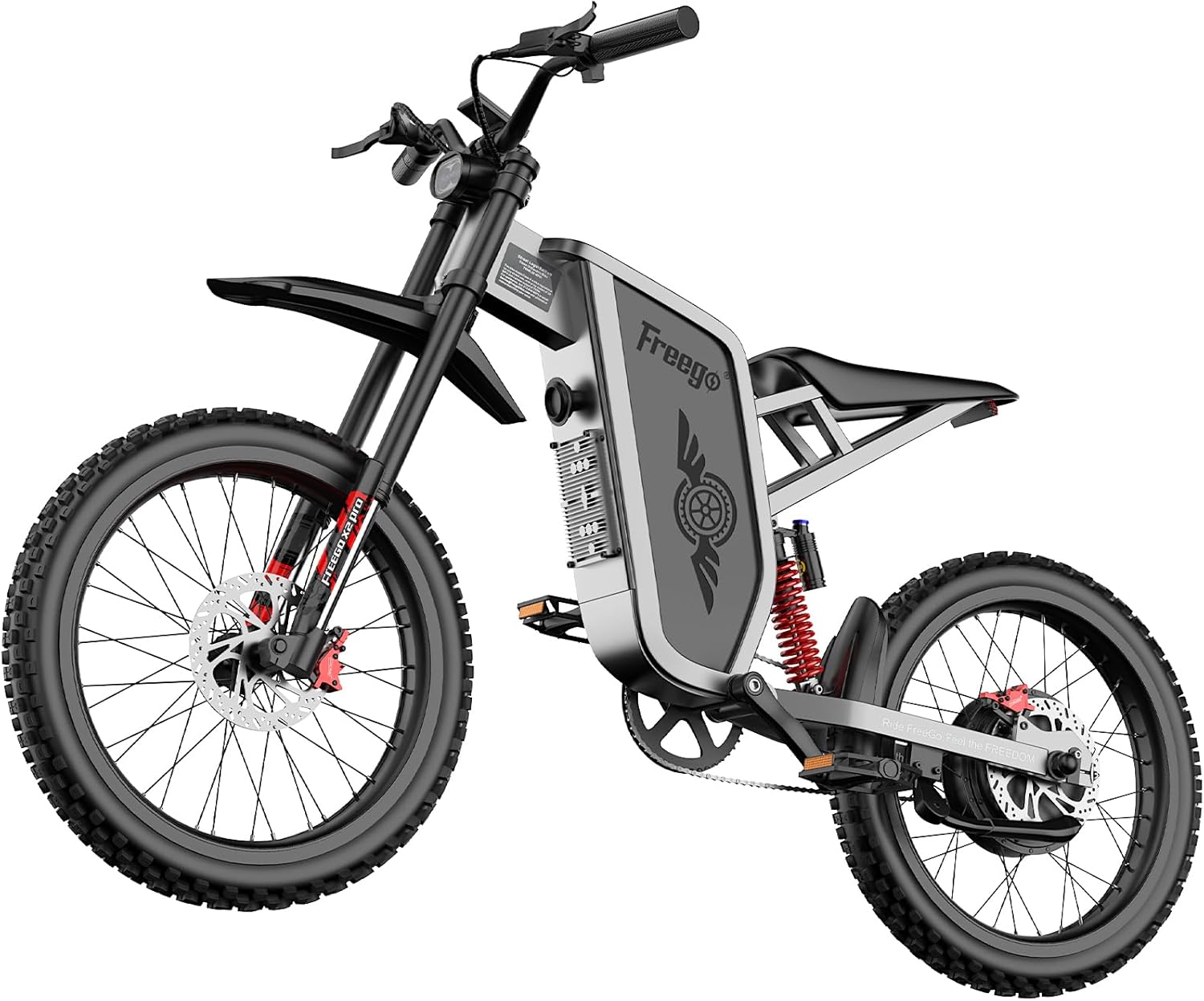
Common Buying Mistakes to Avoid
❌ Mistake: Prioritizing Price Over Safety
Why it’s bad: Choosing the cheapest e-bike to save money can lead to serious safety risks, especially when transporting children. Low-cost models often cut corners on brakes, frame strength, and electrical components, increasing the chance of mechanical failure.
What to do instead: Set a minimum budget that ensures essential safety features like hydraulic disc brakes, a sturdy frame, and certified child seating compatibility. Think of the e-bike as a family vehicle—not a toy.
❌ Mistake: Ignoring Weight Capacity
Why it’s bad: Overloading an e-bike beyond its rated capacity can damage the motor, battery, and frame, and significantly reduce braking performance and stability.
What to do instead: Calculate the total weight of riders, cargo, and accessories, then choose a bike with a capacity at least 20% higher than your maximum expected load.
❌ Mistake: Overlooking Battery Range
Why it’s bad: Running out of battery mid-commute leaves you stranded, especially when you’re responsible for getting kids to school or daycare on time.
What to do instead: Choose a battery with at least 500Wh and consider models with removable batteries or dual-battery options for longer trips. Always charge the battery the night before a big ride.
❌ Mistake: Not Testing the Bike
Why it’s bad: Buying online without a test ride can result in a bike that feels uncomfortable, too heavy, or poorly balanced—especially important when carrying children.
What to do instead: Visit a local dealer or attend a demo event. Test ride with a child seat or cargo load to assess stability, braking, and ease of use.
❌ Mistake: Skipping Essential Accessories
Why it’s bad: Riding without fenders, lights, or a proper child seat compromises safety and comfort, especially in bad weather or low-light conditions.
What to do instead: Budget for must-have accessories from day one. Look for family bundles that include child seats, racks, and helmets at a discount.
❌ Mistake: Ignoring Local Laws and Regulations
Why it’s bad: E-bike laws vary by state and city. Riding a Class 3 e-bike on bike paths where it’s prohibited or without required lighting can result in fines or accidents.
What to do instead: Research your local e-bike regulations. Ensure your bike complies with speed limits, lighting requirements, and where it can legally be ridden.
❌ Mistake: Assuming All E-Bikes Are the Same
Why it’s bad: Treating e-bikes as interchangeable leads to poor fit and dissatisfaction. A bike designed for commuting may not handle cargo or children well.
What to do instead: Match the bike type to your primary use case—whether it’s daily school runs, grocery hauling, or weekend adventures. Choose a model designed for your specific needs.
Budget Guidelines: How Much Should You Spend?
Setting the right budget for a family electric bike requires balancing affordability with long-term value. Here’s a breakdown of what to expect at different price tiers:
Entry-Level ($1,200 – $2,000): At this price, you’ll find basic step-through e-bikes with hub motors, 400–500Wh batteries, and mechanical disc brakes. These are great for light commuting and occasional use but may lack the durability, range, or cargo capacity needed for regular family transport. Ideal for families on a tight budget or those new to e-bikes.
Mid-Range ($2,000 – $3,500): This is the sweet spot for most families. Bikes in this range offer hydraulic disc brakes, 500–625Wh batteries, mid-drive or high-quality hub motors, and better build quality. Many include integrated lighting, fenders, and rear racks. You’ll also find long-tail models and folding e-bikes with child seat compatibility. These bikes strike an excellent balance of performance, safety, and value.
Premium ($3,500 – $5,000): Premium family e-bikes feature advanced components like mid-drive motors (e.g., Bosch or Shimano), dual-battery support, smart connectivity, and reinforced frames. Cargo and front-load models dominate this tier, offering superior stability and passenger safety. These are ideal for families who rely on their e-bike as primary transportation.
Luxury ($5,000+): At the top end, you’ll find custom-built cargo e-bikes, high-end touring models, and smart e-bikes with regenerative braking, GPS tracking, and app integration. Brands like Riese & Müller, Urban Arrow, and Tern offer luxury options with exceptional craftsmanship and cutting-edge technology. These are best for enthusiasts, large families, or those who want the ultimate in comfort and performance.
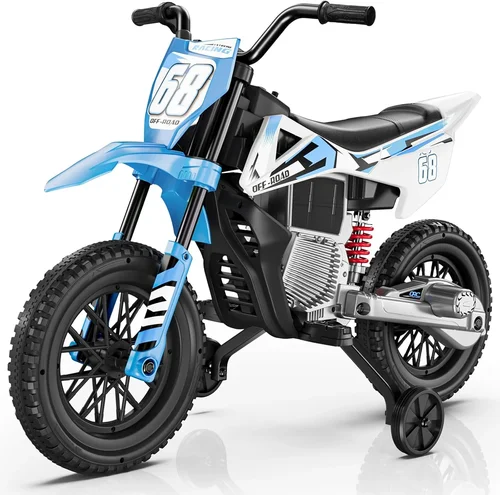
Expert Tips for Getting the Best Deal
Finding the right family e-bike at the right price takes strategy. Here are expert tips to help you save money and avoid regrets:
- Buy During Off-Peak Seasons: E-bike sales are often slow in late fall and winter. Look for discounts from October to February, especially around Black Friday and New Year’s.
- Shop Direct from Manufacturers: Brands like Rad Power Bikes, Aventon, and Tern often offer better prices and exclusive bundles when you buy directly from their websites.
- Check for Rebates and Incentives: Some cities and states offer e-bike purchase rebates of $200–$1,000. Visit databases like the Database of State Incentives for Renewables & Efficiency (DSIRE) to find programs in your area.
- Consider Certified Pre-Owned: Reputable dealers sell refurbished e-bikes with warranties at 20–40% off retail. These are often lightly used demo models in excellent condition.
- Negotiate Accessories: When buying from a local shop, ask for free or discounted accessories like helmets, locks, or child seats. Many shops are willing to bundle to close a sale.
- Read the Return Policy: Ensure the seller offers at least a 14-day return window. Some brands, like Rad Power Bikes, offer 30-day test rides.
- Join E-Bike Communities: Online forums and Facebook groups often share exclusive promo codes, flash sales, and user reviews that can guide your decision.
- Test Before You Buy: Always test ride with your intended load. A bike that feels great empty may wobble or brake poorly when carrying a child and groceries.

Frequently Asked Questions
Q: Can I legally ride an e-bike with children?
A: Yes, but regulations vary by location. In most U.S. states, you can ride an e-bike with children as passengers as long as the bike is equipped with a proper child seat or cargo area and meets safety standards. Always check local laws regarding passenger age, seating requirements, and where e-bikes are allowed.
Q: How far can a family e-bike go on one charge?
A: Most family e-bikes with a 500–625Wh battery offer 30–50 miles of range. Actual range depends on terrain, rider weight, cargo, assist level, and weather. For longer trips, consider models with dual batteries or carry a spare.
Q: Are e-bikes safe for kids?
A: Yes, when used properly. Ensure the bike has a certified child seat, safety harness, and stable design. Always wear helmets, ride in bike lanes when possible, and avoid high-speed roads. Teach children to hold on and stay seated during the ride.
Q: Do I need a special license to ride an e-bike?
A: In most states, no license is required for Class 1 and Class 2 e-bikes (pedal-assist up to 20 mph). Class 3 bikes (up to 28 mph) may require a helmet and have age restrictions. Check your local DMV for specific rules.
Q: Can I ride an e-bike in the rain?
A: Yes, most modern e-bikes are water-resistant (IP65 or higher). However, avoid submerging the battery or motor. Dry the bike after wet rides and store it in a dry place to prevent corrosion.
Q: How do I maintain my family e-bike?
A: Regular maintenance includes checking tire pressure, cleaning the chain, inspecting brakes, and charging the battery properly. Take the bike to a certified e-bike technician annually for a full service.
Q: Can I carry two children on one e-bike?
A: Yes, many long-tail and cargo e-bikes are designed for two children. Look for models with dual seating, such as the Yuba Mundo or Urban Arrow Family. Ensure the total weight is within the bike’s capacity.
Q: What’s the difference between a hub motor and a mid-drive motor?
A: Hub motors are in the wheel and are simpler and quieter. Mid-drive motors are near the pedals and offer better balance, efficiency, and hill-climbing power. Mid-drives are preferred for heavy loads and hilly terrain.
Q: How long do e-bike batteries last?
A: Most lithium-ion batteries last 500–1,000 charge cycles, or about 3–5 years with regular use. Battery life depends on charging habits, temperature, and usage. Avoid fully draining the battery and store it at 50–70% charge if not used for long periods.
Q: Can I upgrade my e-bike later?
A: Some components like racks, seats, and lights can be added later. However, major upgrades like motors or batteries are usually not possible. Choose a bike with expandable features from the start.
Our Final Recommendations
After extensive research and testing, here are our top picks for family electric bikes in 2026:
Best for Budget-Conscious Buyers: Rad Power Bikes RadWagon 4 ($1,999) – This long-tail cargo e-bike offers incredible value with a 750W motor, 672Wh battery, and 350 lb capacity. It’s perfect for families who need cargo space without breaking the bank.
Best Overall Value: Tern GSD S10 ($3,499) – A compact cargo e-bike with a mid-drive motor, dual-battery option, and foldable design. Ideal for urban families who need versatility, power, and smart features.
Best Premium Option: Urban Arrow Family ($5,990) – A front-load cargo e-bike with a spacious child cabin, Bosch motor, and premium build quality. Perfect for families who prioritize safety, comfort, and style.
Best for Beginners: Aventon Level.2 ($1,799) – A user-friendly step-through e-bike with a 500Wh battery, hydraulic brakes, and integrated lights. Great for parents new to e-bikes who want reliability and ease of use.
Best for Advanced Users: Riese & Müller Load 75 ($6,499) – A high-end cargo e-bike with dual batteries, full suspension, and smart connectivity. Designed for serious family adventurers who demand top-tier performance.
Conclusion: Making the Right Choice
Choosing the right family electric bike is a significant decision that impacts your daily routine, safety, and overall quality of life. The perfect e-bike isn’t just about speed or style—it’s about finding a reliable, safe, and versatile vehicle that meets your family’s unique needs. Whether you’re hauling kids to school, running errands, or exploring the outdoors, the right e-bike can make every journey easier, greener, and more enjoyable.
As you move forward, prioritize safety, durability, and functionality over flashy features or low prices. Test ride multiple models, read real user reviews, and don’t hesitate to invest in a quality bike that will serve your family for years. Remember, the best e-bike is the one you’ll actually use—so choose one that fits your lifestyle, budget, and values.
With the insights from this guide, you’re now equipped to make a confident, informed decision. Happy riding, and here’s to many memorable family adventures on two (or more) wheels!