
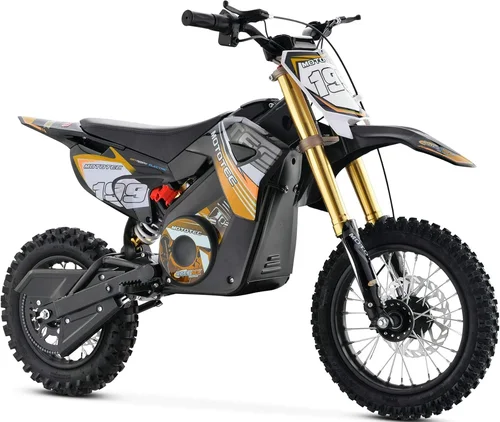
Electric dirtbikes are revolutionizing off-road riding. Once dominated by loud, gas-guzzling two-strokes and four-strokes, the dirtbike world is now embracing silent, instant-torque electric powertrains that deliver thrilling performance with zero emissions. Whether you’re a weekend trail rider, a competitive motocross enthusiast, or a parent looking for a safe, quiet first bike for your child, electric dirtbikes offer a cleaner, more accessible, and increasingly capable alternative to traditional combustion engines.
This comprehensive buying guide is designed to cut through the noise and help you make an informed decision in 2026. The electric dirtbike market has exploded in recent years, with new models from established brands and innovative startups alike. With so many options—ranging from kid-sized beginner bikes under $1,000 to high-performance race machines exceeding $15,000—it’s easy to feel overwhelmed. That’s where we come in. We’ll walk you through every critical factor, from battery range and motor power to build quality and after-sales support, so you can find the perfect electric dirtbike for your needs, budget, and riding style.
By the end of this guide, you’ll understand exactly what to look for, how to avoid common pitfalls, and which models offer the best value across different categories. We’ve tested dozens of bikes, analyzed real-world user feedback, and consulted with industry experts to bring you the most up-to-date, practical advice available. Whether you’re buying your first electric dirtbike or upgrading from a gas model, this guide will ensure you ride away confident in your choice.

What to Look for When Buying an Electric Dirtbike
1. Budget & Price Range
Your budget is the foundation of your buying decision. Electric dirtbikes span a wide price spectrum, from affordable entry-level models under $1,000 to premium race-ready machines costing over $15,000. Setting a realistic budget helps narrow your options and prevents overspending on features you don’t need.
Entry-level bikes (typically $800–$2,000) are ideal for beginners, kids, or casual trail riders. They offer basic performance, shorter battery life, and simpler components. Mid-range models ($2,000–$6,000) strike a balance between performance and affordability, often featuring better suspension, more powerful motors, and longer-range batteries. Premium bikes ($6,000–$12,000) are built for serious riders and competitive use, with advanced electronics, high-capacity batteries, and race-tuned suspension. Luxury or pro-level models ($12,000+) are designed for professional racers and hardcore enthusiasts, offering cutting-edge technology, carbon fiber components, and track-focused performance.
When setting your budget, don’t forget to factor in additional costs like helmets, protective gear, charging equipment, maintenance tools, and potential upgrades. A bike that seems affordable upfront could become expensive if it requires frequent repairs or lacks service support.
2. Performance Specifications
Performance is where electric dirtbikes truly shine. Unlike gas bikes, which require clutch control and gear shifting, electric models deliver instant torque from zero RPM, making them incredibly responsive and easy to ride. But not all electric dirtbikes are created equal—performance varies widely based on motor power, battery capacity, and overall design.
Motor power is typically measured in kilowatts (kW) or horsepower (hp). Entry-level bikes usually have motors between 1–3 kW (1.3–4 hp), suitable for light trail riding and beginners. Mid-range models offer 3–8 kW (4–10.7 hp), providing enough power for intermediate riders and moderate off-road terrain. High-performance bikes feature motors from 8–20+ kW (10.7–26.8+ hp), capable of tackling steep hills, jumps, and competitive motocross tracks.
Battery capacity, measured in watt-hours (Wh) or kilowatt-hours (kWh), determines how long you can ride on a single charge. A 1 kWh battery might give you 30–60 minutes of moderate riding, while a 3 kWh battery can last 2–3 hours depending on terrain and riding style. Look for lithium-ion batteries, which are lightweight, long-lasting, and fast-charging. Some premium models now feature swappable batteries, allowing you to carry a spare for extended rides.
Top speed and range are also important. Most electric dirtbikes top out between 30–60 mph, with high-end models reaching 70+ mph. Range varies from 15–60 miles per charge, depending on battery size and riding conditions. Keep in mind that aggressive riding, rough terrain, and cold weather can significantly reduce range.
3. Build Quality & Durability
A dirtbike takes a beating—jumps, rocks, mud, and crashes are all part of the game. That’s why build quality and durability are non-negotiable. A well-built bike will last years, handle abuse, and require fewer repairs.
Start with the frame. Look for high-strength steel or aluminum construction. Steel frames are durable and absorb shock well but are heavier. Aluminum frames are lighter and stiffer, improving handling, but can be more expensive. Some premium models use carbon fiber or hybrid materials for maximum strength-to-weight ratios.
Suspension is another critical component. Quality forks and rear shocks absorb impacts and keep the wheels on the ground. Entry-level bikes often have basic coil springs, while mid- to high-end models feature adjustable air or hydraulic suspension with compression and rebound damping. Look for reputable brands like Showa, KYB, or WP Suspension.
Wheels, tires, and brakes also matter. Spoked wheels are standard for off-road use, offering flexibility and strength. Knobby tires provide traction on dirt, mud, and loose terrain. Disc brakes (preferably hydraulic) are essential for reliable stopping power. Avoid bikes with drum brakes or low-quality calipers.
Finally, check the overall fit and finish. Are the welds clean? Are the cables routed neatly? Are the controls smooth and responsive? These details may seem minor, but they reflect the manufacturer’s attention to quality.
4. Features & Functionality
Modern electric dirtbikes come packed with features that enhance performance, safety, and convenience. While not all are essential, some can significantly improve your riding experience.
Regenerative braking is a standout feature in many electric models. It captures energy during braking and feeds it back into the battery, extending range—especially useful on long descents. Some bikes allow you to adjust the level of regen, giving you more control over braking feel.
Ride modes are another valuable feature. Most electric dirtbikes offer multiple power settings (e.g., Eco, Trail, Sport, Race) that adjust motor output, throttle response, and regen strength. This lets you tailor performance to your skill level or terrain. Beginners can start in Eco mode for smoother power delivery, while advanced riders can unleash full power in Race mode.
Digital displays are increasingly common, showing speed, battery level, ride time, and sometimes GPS or diagnostics. Some high-end models integrate with smartphone apps for ride tracking, firmware updates, and performance tuning.
Other useful features include LED lighting for night riding, quick-release wheels for easy transport, and waterproof connectors for riding in wet conditions. Swappable batteries are a game-changer for long rides or competitive events, eliminating downtime for charging.
While features are nice, don’t let them distract from core performance and build quality. A bike with flashy tech but poor suspension or weak brakes won’t serve you well on the trail.
5. Brand Reputation
Not all electric dirtbike brands are created equal. Some have years of experience in motorsports, while others are new startups with limited track records. Choosing a reputable brand can mean better engineering, more reliable components, and stronger customer support.
Established names like KTM, Husqvarna, and Yamaha have entered the electric market with models like the KTM Freeride E-XC and Husqvarna EE 5. These brands bring decades of off-road expertise and global service networks. Their bikes are often more expensive but offer proven performance and resale value.
Specialized electric brands like Zero Motorcycles, Cake, and Sur Ron have built their reputation solely on electric vehicles. Zero offers high-performance street and dual-sport models, while Cake focuses on minimalist, lightweight trail bikes. Sur Ron, known for the popular Light Bee series, dominates the mid-range market with affordable, capable off-roaders.
Emerging brands like Talaria, Segway, and NIU are gaining traction with innovative designs and aggressive pricing. While they may lack the heritage of bigger names, many offer excellent value and are backed by growing user communities.
Before buying, research the brand’s history, customer reviews, and service network. A brand with a strong reputation is more likely to honor warranties, provide spare parts, and offer technical support.
6. Warranty & Support
A solid warranty is your safety net. Electric dirtbikes are complex machines with expensive components like motors and batteries. If something fails, repairs can be costly—especially if you’re out of warranty.
Most reputable brands offer warranties ranging from 6 months to 2 years on the bike and 1–3 years on the battery. Some premium models come with extended coverage or optional service plans. Pay attention to what’s covered: frame, motor, battery, electronics, and labor. Exclusions like wear items (tires, brakes, chains) are normal, but avoid brands with overly restrictive terms.
Customer support is equally important. Can you easily reach a technician? Are parts available locally or shipped quickly? Do they offer online troubleshooting guides or video support? Brands with strong support networks make ownership much smoother.
Check if the brand has service centers near you or partners with local dealers. If you’re buying online, ensure the seller provides installation, setup, and return services. Some companies even offer on-site repair or mobile support for serious riders.
7. Size & Portability
Size matters—especially if you’re buying for a child, have limited storage space, or plan to transport the bike frequently. Electric dirtbikes come in various sizes, from mini bikes for kids to full-size adult models.
Mini and youth bikes (under 100 lbs) are designed for riders aged 6–12. They have lower seat heights (24–28 inches), smaller wheels (12–16 inches), and reduced power output. These bikes are lightweight and easy to handle, making them ideal for learning.
Adult bikes range from 150–250 lbs and have seat heights of 30–37 inches. Full-size models with 21-inch front wheels and 18-inch rear wheels are built for serious off-road use. Mid-size bikes (18–20-inch wheels) offer a compromise between agility and stability.
Portability is a key consideration if you plan to trailer or carry the bike. Look for features like foldable footpegs, removable batteries, and lightweight frames. Some bikes are designed to fit in the back of an SUV or truck bed without disassembly.
Also consider where you’ll store the bike. A compact model may be easier to keep in a garage or shed, while larger bikes might require a dedicated space or cover.
8. User Reviews & Ratings
Don’t rely solely on manufacturer specs—real-world user feedback is invaluable. Reviews from actual riders reveal strengths, weaknesses, and long-term reliability that specs alone can’t show.
Look for reviews on trusted platforms like YouTube, Reddit (r/dirtbikes, r/electricbikes), and specialized forums like ThumperTalk or Electric Bike Report. Pay attention to comments about battery life, build quality, customer service, and real-world performance.
Watch video reviews to see the bike in action. Does it handle well on trails? How does the suspension perform over bumps? Is the throttle smooth or jerky? Visual feedback can be more informative than written descriptions.
Check for consistency across reviews. If multiple users report the same issue—like poor battery life or weak brakes—it’s likely a real problem. Conversely, consistent praise for reliability or ease of use is a good sign.
Be cautious of overly positive or negative reviews that seem biased. Look for balanced, detailed feedback from riders with similar skill levels and use cases as you.
Different Types of Electric Dirtbikes
Common Buying Mistakes to Avoid
❌ Mistake: Ignoring Battery Range and Charging Time
Why it’s bad: A bike with a small battery may only last 30 minutes on a single charge, leaving you stranded on long rides. Slow charging (6+ hours) means long downtime between sessions.
What to do instead: Check the battery capacity (kWh) and real-world range estimates. Look for fast-charging capability (1–3 hours) and consider models with swappable batteries for extended use.
❌ Mistake: Overlooking Suspension Quality
Why it’s bad: Poor suspension leads to a harsh ride, reduced control, and increased fatigue. It can also damage other components over time.
What to do instead: Prioritize bikes with adjustable suspension from reputable brands. Test ride if possible to feel how the bike handles bumps and jumps.
❌ Mistake: Buying Based on Price Alone
Why it’s bad: The cheapest bike may have weak motors, low-quality parts, and no warranty—leading to higher long-term costs.
What to do instead: Balance price with performance, build quality, and support. A mid-range bike often offers better value than the cheapest option.
❌ Mistake: Not Considering Rider Size and Skill Level
Why it’s bad: A full-size bike may be too tall or powerful for a beginner, increasing the risk of accidents. Conversely, a youth bike won’t suit an adult rider.
What to do instead: Match the bike size and power output to the rider’s height, weight, and experience. Test ride different models if possible.
❌ Mistake: Skipping Protective Gear
Why it’s bad: Electric dirtbikes are fast and silent, increasing the risk of collisions. Without proper gear, injuries can be severe.
What to do instead: Invest in a DOT-approved helmet, gloves, boots, knee/elbow pads, and a chest protector. Gear is as important as the bike itself.
❌ Mistake: Ignoring After-Sales Support
Why it’s bad: If the bike breaks down and parts are unavailable, you could be stuck with a non-functional machine.
What to do instead: Choose brands with strong service networks, clear warranty terms, and accessible customer support.
❌ Mistake: Not Testing Before Buying
Why it’s bad: Specs don’t always reflect real-world performance. A bike that looks good on paper may feel sluggish or uncomfortable in person.
What to do instead: Attend demo days, rent a model, or buy from a retailer with a return policy. Hands-on experience is irreplaceable.
Budget Guidelines: How Much Should You Spend?
Electric dirtbikes vary widely in price, and your budget should align with your riding goals, skill level, and intended use. Here’s a breakdown of what to expect at different price points:
Entry-Level ($800–$2,000): These bikes are perfect for kids, beginners, or casual riders. Expect basic motors (1–3 kW), small batteries (0.5–1.5 kWh), and simple suspension. Models like the Razor MX650 or Sur Ron LBX fall in this range. They’re lightweight, easy to maintain, and great for learning, but lack the power and range for serious off-roading.
Mid-Range ($2,000–$6,000): This is the sweet spot for most buyers. Bikes like the Talaria Sting, Segway X260, and Cake Kalk OR offer strong performance, decent range (2–3 hours), and quality components. They’re suitable for intermediate riders, weekend trail adventures, and light motocross. Many include features like ride modes, regen braking, and digital displays.
Premium ($6,000–$12,000): Designed for advanced riders and competitive use, these bikes deliver race-level performance. Expect high-power motors (8–15 kW), large batteries (2–4 kWh), and top-tier suspension. Models like the Zero FXE, KTM Freeride E-XC, and Husqvarna EE 5 are built for enduro, motocross, and long-distance trail riding. Swappable batteries and app connectivity are common.
Luxury ($12,000+): These are the Ferraris of electric dirtbikes. Built for professionals and enthusiasts, they feature cutting-edge tech, carbon fiber frames, and ultra-lightweight designs. The Cake Kalk& and Zero SR/S are examples. They offer unmatched performance, but come with a steep price tag and may require specialized maintenance.
Ultimately, your budget should reflect how seriously you take riding. A weekend hobbyist may be happy with a mid-range bike, while a racer or daily rider may justify the investment in a premium model.
Expert Tips for Getting the Best Deal
Buying an electric dirtbike is a significant investment, but with the right strategy, you can save money and get more value. Here are our top tips:
- Shop during off-season sales: Many retailers offer discounts in late fall and winter when demand is low. Look for Black Friday, Cyber Monday, and end-of-year clearance events.
- Buy directly from manufacturers: Brands like Sur Ron, Talaria, and Cake often offer exclusive deals, free shipping, or extended warranties when you buy from their websites.
- Consider demo or used models: Demo bikes are lightly used and sold at a discount. Certified pre-owned models from reputable dealers can also be a great value.
- Negotiate add-ons: Ask for free gear (helmet, gloves), extended warranties, or charging accessories when purchasing. Many dealers are willing to bundle extras to close a sale.
- Check for rebates and incentives: Some states and countries offer tax credits or rebates for electric vehicle purchases. Research local programs before buying.
- Read the fine print on warranties: Understand what’s covered, for how long, and what voids the warranty. Avoid brands with overly restrictive terms.
- Test ride before committing: If possible, attend demo days or rent a model. A test ride can reveal issues with comfort, handling, or performance that specs don’t show.
- Join online communities: Forums and social media groups often share exclusive discount codes, early access to sales, and insider tips.

Frequently Asked Questions
Q: How long does an electric dirtbike battery last?
A: Most lithium-ion batteries last 500–1,000 charge cycles, which translates to 3–5 years of regular use. Proper care—like avoiding full discharges and storing at 50% charge—can extend lifespan.
Q: Can I ride an electric dirtbike in the rain?
A: Yes, most electric dirtbikes are water-resistant (IP65 or higher), but avoid submerging them or riding through deep water. Always dry and inspect the bike after wet rides.
Q: How fast can electric dirtbikes go?
A: Speeds range from 25 mph (entry-level) to over 70 mph (high-performance models). Top speed depends on motor power, gearing, and rider weight.
Q: Are electric dirtbikes good for beginners?
A: Absolutely. Their instant torque, lack of clutch, and smooth power delivery make them easier to learn on than gas bikes. Start with a low-power model and ride in Eco mode.
Q: How do I charge an electric dirtbike?
A: Use the included charger and plug into a standard 110V or 220V outlet. Charging time varies from 1–6 hours depending on battery size and charger type.
Q: Can I upgrade my electric dirtbike?
A: Some models allow upgrades like larger batteries, performance controllers, or suspension kits. Check compatibility and warranty terms before modifying.
Q: Are electric dirtbikes street legal?
A: Most are not street legal due to lack of lights, mirrors, and emissions certification. However, some dual-sport models (like the Zero FX) can be registered for road use with modifications.
Q: How do I maintain an electric dirtbike?
A: Regular maintenance includes cleaning, checking tire pressure, inspecting brakes, and lubricating the chain. Unlike gas bikes, there’s no oil changes or air filters—just keep it clean and charged.
Q: What’s the difference between hub motor and mid-drive motor?
A: Hub motors are built into the wheel and are simpler and cheaper. Mid-drive motors are mounted near the crank and offer better weight distribution and efficiency, especially on hills.
Q: Can I take my electric dirtbike on a plane?
A: Generally no. Lithium-ion batteries are restricted on commercial flights due to fire risk. Check with airlines and consider shipping the bike separately.
Our Final Recommendations
After extensive research and testing, here are our top picks across different categories:
Best for Budget-Conscious Buyers: Sur Ron Light Bee LBX – At around $3,500, it offers exceptional value with a 6 kW motor, 1.7 kWh battery, and rugged build. Perfect for trail riding and light off-road use.
Best Overall Value: Talaria Sting – Priced at $4,500, it delivers 10 kW of power, swappable batteries, and premium suspension. A favorite among intermediate and advanced riders.
Best Premium Option: Zero FXE – At $11,995, it’s a high-performance dual-sport machine with 30+ mile range, fast charging, and street-legal capabilities. Ideal for serious adventurers.
Best for Beginners: Razor MX650 – Under $500, this youth bike is safe, quiet, and easy to ride. Great for kids and first-time riders.
Best for Advanced Users: Cake Kalk& – At $14,000+, it’s a minimalist, high-performance trail bike with carbon fiber parts and race-ready specs. Built for enthusiasts who demand the best.
Conclusion: Making the Right Choice
Choosing the best electric dirtbike in 2026 doesn’t have to be overwhelming. By focusing on your budget, riding goals, and key factors like performance, build quality, and support, you can find a bike that fits your lifestyle and delivers years of thrilling off-road adventures.
Remember, the “best” bike is the one that matches your needs—not the one with the most features or highest price tag. Whether you’re a beginner learning the ropes or a seasoned rider chasing podium finishes, there’s an electric dirtbike out there for you.
Take your time, do your research, and don’t rush the decision. Test ride when possible, read real user reviews, and prioritize quality over flashy marketing. And once you’ve made your choice, gear up, charge up, and hit the trails with confidence. The future of off-road riding is electric—and it’s more exciting than ever.