
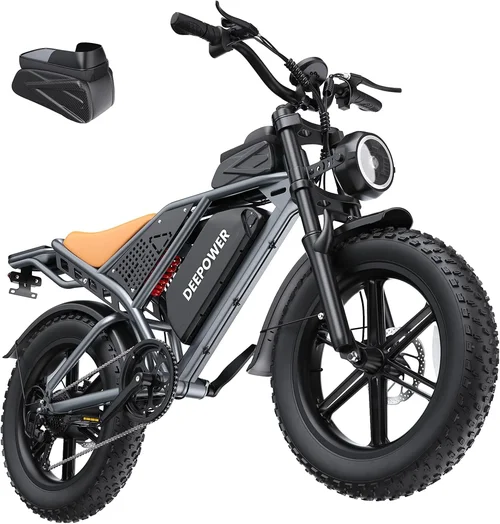
Electric dirt bikes for adults have exploded in popularity over the past few years, and for good reason. They offer a thrilling off-road experience without the noise, fumes, and maintenance headaches of traditional gas-powered dirt bikes. Whether you’re an adrenaline junkie looking to rip through trails, a weekend warrior exploring backcountry paths, or someone simply seeking a fun and eco-friendly way to enjoy the outdoors, electric dirt bikes deliver performance, convenience, and sustainability in one sleek package.
This comprehensive buying guide is designed to help you navigate the rapidly evolving world of adult electric dirt bikes in 2025. With so many models flooding the market—from budget-friendly entry-level options to high-performance machines rivaling their gasoline counterparts—it’s easy to feel overwhelmed. Our goal is to cut through the marketing hype and give you the expert insights you need to make a smart, informed decision. You’ll learn how to evaluate key specs like motor power, battery life, suspension, and build quality, understand the different types of electric dirt bikes available, avoid common purchasing pitfalls, and ultimately find the perfect bike that matches your riding style, terrain, and budget.
The electric dirt bike market has matured significantly, with brands like Sur Ron, Cake, KTM, and Segway pushing the boundaries of what’s possible. Advances in lithium-ion battery technology, brushless motors, and lightweight frame materials have made these bikes more powerful, efficient, and durable than ever before. Whether you’re riding on tight singletrack, open desert, or muddy trails, there’s an electric dirt bike tailored to your needs. In this guide, we’ll walk you through everything you need to know—from understanding torque and range to comparing top models and decoding warranty terms—so you can ride with confidence and get the most value from your investment.

What to Look for When Buying an Electric Dirt Bike
1. Motor Power and Torque
The motor is the heart of any electric dirt bike, and its power output directly affects performance. Measured in kilowatts (kW), motor power determines how fast the bike can accelerate and how well it handles steep climbs or rough terrain. For adult riders, a motor between 5 kW and 10 kW is typically sufficient for recreational trail riding, while high-performance models can exceed 15 kW—delivering speeds over 60 mph and impressive hill-climbing ability.
Equally important is torque, which is the rotational force the motor generates. Electric motors deliver instant torque from zero RPM, giving you immediate power when you twist the throttle. This makes electric dirt bikes feel incredibly responsive compared to gas bikes, which need to rev up to reach peak torque. Look for bikes with high torque ratings (measured in Newton-meters or Nm) if you plan to ride technical trails, carry gear, or ride with passengers.
When comparing models, don’t just focus on peak power—consider how that power is delivered. Some bikes offer multiple ride modes (Eco, Trail, Sport, Race) that adjust power output and throttle response. This allows you to tailor performance to your skill level and terrain. For example, a beginner might prefer a smoother, more controlled power delivery, while an experienced rider may want maximum punch for jumps and climbs.
2. Battery Capacity and Range
Battery technology has come a long way, but range anxiety is still a real concern for electric dirt bike riders. Battery capacity is measured in watt-hours (Wh), and it directly impacts how long you can ride before needing a recharge. Most adult electric dirt bikes feature removable lithium-ion batteries with capacities ranging from 2,000 Wh to 6,000 Wh or more.
To estimate real-world range, consider your riding style and terrain. A bike with a 3,000 Wh battery might deliver 30–50 miles on flat, smooth trails at moderate speeds. However, aggressive riding, steep climbs, and rough terrain can cut that range in half. Always check manufacturer estimates, but also look for independent reviews that test range under realistic conditions.
Charging time is another critical factor. Most bikes take 2–6 hours to fully charge using a standard Level 1 (120V) outlet. Some high-end models support fast charging with Level 2 (240V) chargers, reducing charge times to under an hour. If you plan to ride all day or take your bike on multi-day trips, consider investing in a spare battery or a portable charging solution.
Also, pay attention to battery management systems (BMS). A good BMS protects the battery from overcharging, overheating, and deep discharge, extending its lifespan. Look for bikes with reputable battery brands like Samsung, LG, or Panasonic cells, and avoid models with vague or unspecified battery origins.
3. Build Quality and Frame Material
Durability is non-negotiable when it comes to off-road riding. The frame is the foundation of your bike, and it must withstand impacts, vibrations, and extreme stress. Most high-quality electric dirt bikes use aluminum alloy frames, which offer an excellent strength-to-weight ratio. Some premium models feature carbon fiber components to further reduce weight without sacrificing rigidity.
Inspect the welds, joints, and overall construction. A well-built frame should feel solid and free of flex or creaking. Look for features like reinforced swingarms, impact-resistant motor mounts, and sealed electronics to protect against water, mud, and debris. If you plan to ride in wet or muddy conditions, ensure the bike has adequate sealing and drainage.
Suspension quality is equally important. A good suspension system absorbs shocks from jumps, rocks, and roots, improving comfort and control. Most adult electric dirt bikes come with front forks and rear shocks, often adjustable for preload, compression, and rebound. High-end models may feature inverted forks and linkage rear suspensions for superior performance.
Check the travel distance—measured in millimeters—which indicates how much the suspension can compress. For trail riding, 180–200 mm of front and rear travel is ideal. For motocross or aggressive enduro, look for 200+ mm. Also, consider the suspension brand; reputable names like WP, Öhlins, and Marzocchi are signs of quality.
4. Weight and Portability
Weight plays a crucial role in handling, especially on technical trails. Electric dirt bikes are generally heavier than gas bikes due to the battery and motor, but advancements in materials have led to significant weight reductions. Most adult models weigh between 100 and 150 pounds, with some lightweight enduro bikes dipping below 90 pounds.
Heavier bikes can be more stable at high speeds but may feel sluggish in tight corners or when maneuvering over obstacles. Lighter bikes are easier to handle and lift if you crash, making them ideal for beginners or technical riding. Consider your physical strength and riding style when evaluating weight.
Portability matters if you plan to transport your bike frequently. Look for features like foldable footpegs, removable batteries, and compact dimensions. Some bikes come with integrated tie-down points or optional storage bags. If you’re loading the bike into a truck or trailer, check the wheelbase and overall length to ensure it fits comfortably.
Also, consider the seat height. Taller riders may prefer a higher seat (36–38 inches) for better ground clearance, while shorter riders might struggle with balance. Some bikes offer adjustable suspension or lower seat options to accommodate different heights.
5. Braking System
Reliable brakes are essential for safety, especially when riding at high speeds or on steep descents. Most electric dirt bikes use hydraulic disc brakes, which offer superior stopping power and modulation compared to mechanical systems. Look for dual-piston or four-piston calipers with large rotors (200–220 mm) for maximum braking force.
Some high-end models feature regenerative braking, which recaptures energy during deceleration and feeds it back into the battery. While this doesn’t significantly extend range, it can improve efficiency and reduce brake wear. However, regenerative braking should complement—not replace—traditional friction brakes.
Test the brake lever feel and response. A good brake system should engage smoothly without being too grabby or spongy. Adjustable lever reach is a nice feature for riders with smaller or larger hands. Also, ensure the brake lines are protected from rocks and debris, especially if you ride in rugged terrain.
6. Tires and Traction
Tires are your only point of contact with the ground, so choosing the right ones is critical for traction, stability, and control. Most electric dirt bikes come with knobby, off-road tires designed for loose dirt, mud, and gravel. Look for tires with aggressive tread patterns and reinforced sidewalls to resist punctures.
Tire size and width affect performance. Common sizes include 21” front and 18” rear wheels with widths ranging from 80 to 120 mm. Wider tires provide better grip and stability but may reduce agility. Narrower tires are lighter and more responsive but may struggle in deep mud or sand.
Consider the tire compound. Softer rubber offers better grip but wears faster, while harder compounds last longer but may slip in wet conditions. Some bikes allow you to swap tires for different terrains—motocross, enduro, or dual-sport. If you ride in varied conditions, look for a bike with versatile tire options.
Also, check if the bike has tubeless tires. Tubeless setups reduce the risk of pinch flats and allow you to run lower tire pressures for better traction. However, they require sealant and proper maintenance.
7. Features and Functionality
Modern electric dirt bikes come packed with features that enhance the riding experience. One of the most useful is ride modes, which let you adjust power delivery, throttle response, and regen braking. Eco mode conserves battery, Trail mode offers balanced performance, and Sport or Race mode unleashes full power.
Other features to look for include:
- LED lighting: Essential for night riding or low-visibility conditions.
- Digital display: Shows speed, battery level, range, ride mode, and trip data.
- Bluetooth connectivity: Allows you to connect to a smartphone app for diagnostics, ride tracking, and firmware updates.
- USB charging port: Handy for keeping your phone or GPS charged.
- Kickstand and center stand: Convenient for parking and maintenance.
- Quick-release wheels: Makes tire changes and transport easier.
Some premium models even offer traction control, launch control, and GPS navigation. While these aren’t essential, they can improve safety and performance, especially for advanced riders.
8. Brand Reputation and Customer Support
Not all electric dirt bike brands are created equal. Established manufacturers like Sur Ron, Cake, KTM, and Segway have proven track records, strong engineering, and reliable customer support. They also tend to have better parts availability and service networks.
Research the brand’s history, read customer reviews, and check forums for common issues. A brand with a history of recalls, poor build quality, or unresponsive support should raise red flags. Look for companies that offer comprehensive warranties, detailed manuals, and accessible customer service.
Also, consider the availability of aftermarket parts and accessories. A strong ecosystem of upgrades—like upgraded batteries, suspension kits, and performance controllers—can extend the life and capabilities of your bike. Brands with active communities and third-party support are often the best long-term investments.
9. Warranty and Support
A solid warranty is a sign of confidence in a product’s quality. Most reputable electric dirt bike brands offer warranties ranging from 6 months to 2 years, covering the frame, motor, battery, and electronics. Some high-end models even include extended battery warranties (up to 3 years) due to the high cost of replacement.
Read the fine print. Warranties often exclude wear items like tires, brakes, and chains, and may require regular maintenance to remain valid. Also, check if the warranty is transferable—important if you plan to resell the bike.
Customer support is just as important. Look for brands with responsive service teams, online troubleshooting guides, and local dealers or service centers. Some companies offer remote diagnostics via Bluetooth, allowing technicians to assess issues without you bringing the bike in.
If you’re buying online, ensure the seller offers a clear return policy and shipping protection. Avoid gray-market or unauthorized dealers, as they may not honor warranties or provide support.
Different Types of Electric Dirt Bikes

Common Buying Mistakes to Avoid

❌ Mistake: Ignoring Real-World Range Claims
Why it’s bad: Manufacturers often advertise range based on ideal conditions—flat terrain, light rider, eco mode. In reality, range can drop by 30–50% with aggressive riding, hills, or cold weather.
What to do instead: Look for independent range tests and user reviews. Assume the advertised range is optimistic and plan accordingly. Carry a spare battery or portable charger for longer rides.
❌ Mistake: Overlooking Suspension Quality
Why it’s bad: Cheap suspension leads to poor handling, discomfort, and increased risk of injury on rough terrain. It can also damage other components over time.
What to do instead: Prioritize bikes with reputable suspension brands and adequate travel. Test ride if possible, or watch video reviews that demonstrate suspension performance over jumps and rocks.
❌ Mistake: Choosing Based on Price Alone
Why it’s bad: The cheapest bike may save money upfront but cost more in repairs, replacements, and frustration. Low-quality components fail faster and offer poor performance.
What to do instead: Focus on value, not just price. A mid-range bike with solid build quality and good support often provides better long-term satisfaction than a budget model.
❌ Mistake: Neglecting Maintenance Requirements
Why it’s bad: Even electric bikes need maintenance—chain lubrication, brake adjustments, tire checks, and battery care. Ignoring this leads to breakdowns and safety risks.
What to do instead: Learn basic maintenance or find a local service center. Choose a bike with accessible parts and clear service instructions.
❌ Mistake: Buying Without Testing
Why it’s bad: Fit and feel are personal. A bike that looks great on paper may feel uncomfortable or too powerful for your skill level.
What to do instead: Test ride whenever possible. Attend demo days, visit dealers, or rent a similar model. Pay attention to ergonomics, throttle response, and overall comfort.
❌ Mistake: Ignoring Local Laws and Regulations
Why it’s bad: Some electric dirt bikes are not street-legal or require registration, insurance, or helmets. Riding illegally can result in fines or confiscation.
What to do instead: Check your state or country’s regulations. If you want street legality, choose a dual-sport model with lights, mirrors, and a VIN.
❌ Mistake: Skipping the Warranty Check
Why it’s bad: A broken motor or dead battery can cost thousands to replace. Without a warranty, you’re on the hook.
What to do instead: Read the warranty terms carefully. Ensure it covers major components and understand what voids it (e.g., water damage, modifications).
Budget Guidelines: How Much Should You Spend?
Electric dirt bikes span a wide price range, and your budget will significantly influence your options. Here’s a breakdown of what to expect at different price tiers:
Entry-Level ($2,500 – $4,000): These bikes are ideal for beginners or casual riders. Expect modest power (3–6 kW), shorter range (20–35 miles), and basic components. Build quality may be adequate but not exceptional. Brands like Segway and some Chinese manufacturers offer models in this range. Great for learning, light trail riding, or farm use.
Mid-Range ($4,000 – $7,000): This is the sweet spot for most adult riders. Bikes in this range offer 6–10 kW motors, 30–50 mile range, and better suspension, brakes, and build quality. Models like the Sur Ron Light Bee X and Cake Kalk OR are popular here. They balance performance, durability, and value, making them perfect for weekend warriors and intermediate riders.
Premium ($7,000 – $12,000): For serious enthusiasts and advanced riders. These bikes deliver 10–15 kW of power, 40–70 mile range, and top-tier components from brands like WP, Öhlins, and Magura. Expect advanced features like ride modes, Bluetooth connectivity, and regenerative braking. Ideal for aggressive trail riding, enduro, and competitive use.
Luxury ($12,000+): The pinnacle of electric dirt bike technology. These machines rival professional gas bikes in performance, with 15+ kW motors, 60+ mile range, carbon fiber parts, and cutting-edge electronics. Brands like KTM Freeride E-XC and Cake Makka offer models in this tier. Designed for professionals, racers, and those who demand the absolute best.
Expert Tips for Getting the Best Deal
Buying an electric dirt bike is a significant investment, but with the right strategy, you can save money and avoid regrets. Here are expert tips to help you get the best deal:
- Shop during off-season: Prices often drop in late fall and winter when demand is lower. Many dealers offer discounts to clear inventory.
- Compare online and in-store prices: Online retailers may offer lower prices, but local dealers provide test rides, service, and support. Sometimes, negotiating in person can yield better deals.
- Look for demo or used models: Demo bikes and lightly used models can save you 20–30% off retail. Ensure they come with warranty and have been well-maintained.
- Check for rebates and incentives: Some regions offer tax credits or rebates for electric vehicles, including dirt bikes. Research local programs.
- Bundle accessories: Ask dealers to include gear like helmets, gloves, or spare batteries at a discount when purchasing a bike.
- Read the return policy: Ensure you can return or exchange the bike if it doesn’t meet expectations. Some online sellers offer 14–30 day return windows.
- Join rider communities: Forums and Facebook groups often share deals, reviews, and insider tips. Members may sell their bikes or know of upcoming sales.
- Consider financing: Many dealers offer 0% APR financing for qualified buyers, making high-end models more accessible.

Frequently Asked Questions
Q: Are electric dirt bikes street legal?
A: It depends on the model and local laws. Some electric dirt bikes are designed for off-road use only and lack lights, mirrors, and VINs. Dual-sport models with proper lighting and registration can be street-legal in many areas. Always check your local regulations before riding on public roads.
Q: How long do electric dirt bike batteries last?
A: Most lithium-ion batteries last 500–1,000 charge cycles, which translates to 3–5 years with regular use. Proper care—avoiding deep discharges, extreme temperatures, and overcharging—can extend lifespan. Some brands offer battery replacement programs.
Q: Can I ride an electric dirt bike in the rain?
A: Most electric dirt bikes are water-resistant but not fully waterproof. Avoid submerging the bike or riding through deep water. Check the IP rating (e.g., IP67) for water and dust protection. Dry the bike thoroughly after wet rides.
Q: How fast do electric dirt bikes go?
A: Speeds vary by model. Entry-level bikes reach 30–40 mph, mid-range models 45–55 mph, and high-performance bikes can exceed 60 mph. Some racing models hit 70+ mph.
Q: Do electric dirt bikes require a license?
A: For off-road use, no license is typically required. For street-legal models, you may need a motorcycle license, registration, and insurance, depending on your location.
Q: How do I maintain an electric dirt bike?
A: Regular maintenance includes cleaning, chain lubrication, brake checks, tire pressure monitoring, and battery care. Follow the manufacturer’s service schedule and inspect for wear after each ride.
Q: Can I upgrade my electric dirt bike?
A: Yes, many components can be upgraded—batteries, controllers, suspension, tires, and electronics. Check compatibility and warranty implications before modifying.
Q: Are electric dirt bikes quiet?
A: Yes, much quieter than gas bikes. They produce a low hum from the motor and whine from the drivetrain, but no engine noise. This makes them ideal for noise-sensitive areas.
Q: What’s the difference between hub motor and mid-drive motor?
A: Hub motors are built into the wheel and are simpler and cheaper but less efficient on hills. Mid-drive motors are mounted near the crank and offer better weight distribution, efficiency, and hill-climbing ability.
Q: Can I ride an electric dirt bike on public trails?
A: Many public trails allow electric bikes, but rules vary. Some require permits or restrict motorized vehicles. Always check trail regulations and respect the environment.
Our Final Recommendations
After extensive research and testing, here are our top picks for 2025:
Best for Budget-Conscious Buyers: Segway X260 – At around $3,500, this bike offers solid performance, 40-mile range, and a lightweight frame. Great for beginners and light trail use.
Best Overall Value: Sur Ron Light Bee X – Priced at $5,500, it delivers 10 kW power, 50-mile range, and excellent build quality. A favorite among trail riders for its balance of power and agility.
Best Premium Option: Cake Kalk OR – At $11,000, this Swedish-built bike offers 15 kW power, 60-mile range, and premium components. Ideal for serious off-road enthusiasts.
Best for Beginners: Sur Ron Light Bee – The standard model is slightly less powerful than the X but still capable and more affordable. Perfect for learning the ropes.
Best for Advanced Users: KTM Freeride E-XC – A high-performance machine with 16 kW power, 70-mile range, and race-ready suspension. Built for aggressive riding and competition.
Conclusion: Making the Right Choice
Choosing the best electric dirt bike for adults in 2025 comes down to understanding your needs, riding style, and budget. Whether you’re a beginner exploring local trails or an experienced rider seeking high-performance thrills, there’s an electric dirt bike that fits your lifestyle. Focus on key factors like motor power, battery range, build quality, and features, and don’t overlook the importance of brand reputation and warranty support.
Avoid common pitfalls like overestimating range, ignoring suspension, or buying without testing. Take advantage of expert tips to save money and get the best deal. And remember, the right bike isn’t always the most expensive—it’s the one that matches your skill level, terrain, and riding goals.
Electric dirt bikes represent the future of off-road adventure: cleaner, quieter, and more accessible than ever. With the insights from this guide, you’re equipped to make a confident, informed decision. So gear up, charge up, and hit the trails—your next great ride is waiting.