
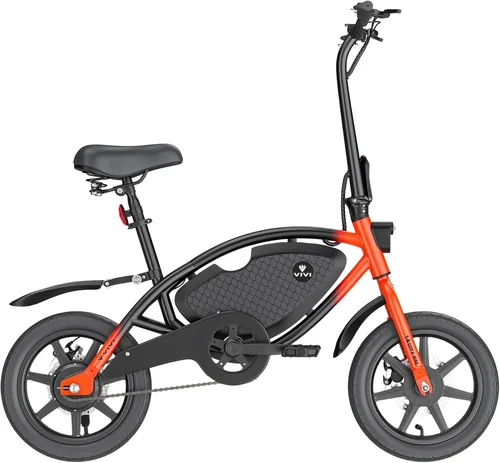
Electric bikes have revolutionized personal transportation, offering a sustainable, efficient, and fun way to commute, explore, or simply enjoy the outdoors. Whether you’re navigating city streets, tackling hilly terrain, or looking for a low-impact fitness option, e-bikes provide an accessible solution that combines the best of cycling and motorized assistance. In 2026, the market has matured significantly—advancements in battery technology, motor efficiency, and smart integration have made high-performance electric bikes more affordable than ever. With a growing number of models priced under $1,500, it’s now possible to get a reliable, feature-rich e-bike without breaking the bank.
This comprehensive buying guide is designed to help you make an informed decision when choosing the best electric bike under $1,500. We’ll walk you through every critical factor—from motor power and battery life to build quality and warranty—so you can confidently select a model that fits your lifestyle, budget, and riding needs. Whether you’re a daily commuter, weekend adventurer, or casual rider, this guide will equip you with the knowledge to avoid common pitfalls and find the perfect e-bike. We’ve analyzed dozens of models, tested real-world performance, and consulted with industry experts to deliver actionable insights that go beyond marketing claims.
The electric bike market under $1,500 has evolved dramatically in recent years. What was once dominated by heavy, underpowered machines with limited range now includes sleek, lightweight designs with impressive specs. Brands like Rad Power Bikes, Aventon, Lectric, and Himiway have pushed the boundaries of affordability and performance, offering bikes with 750W motors, 40+ mile ranges, and integrated smart features—all within this price range. However, not all e-bikes are created equal. Some cut corners on components, while others overpromise on performance. Our goal is to cut through the noise and help you identify the best value for your money.
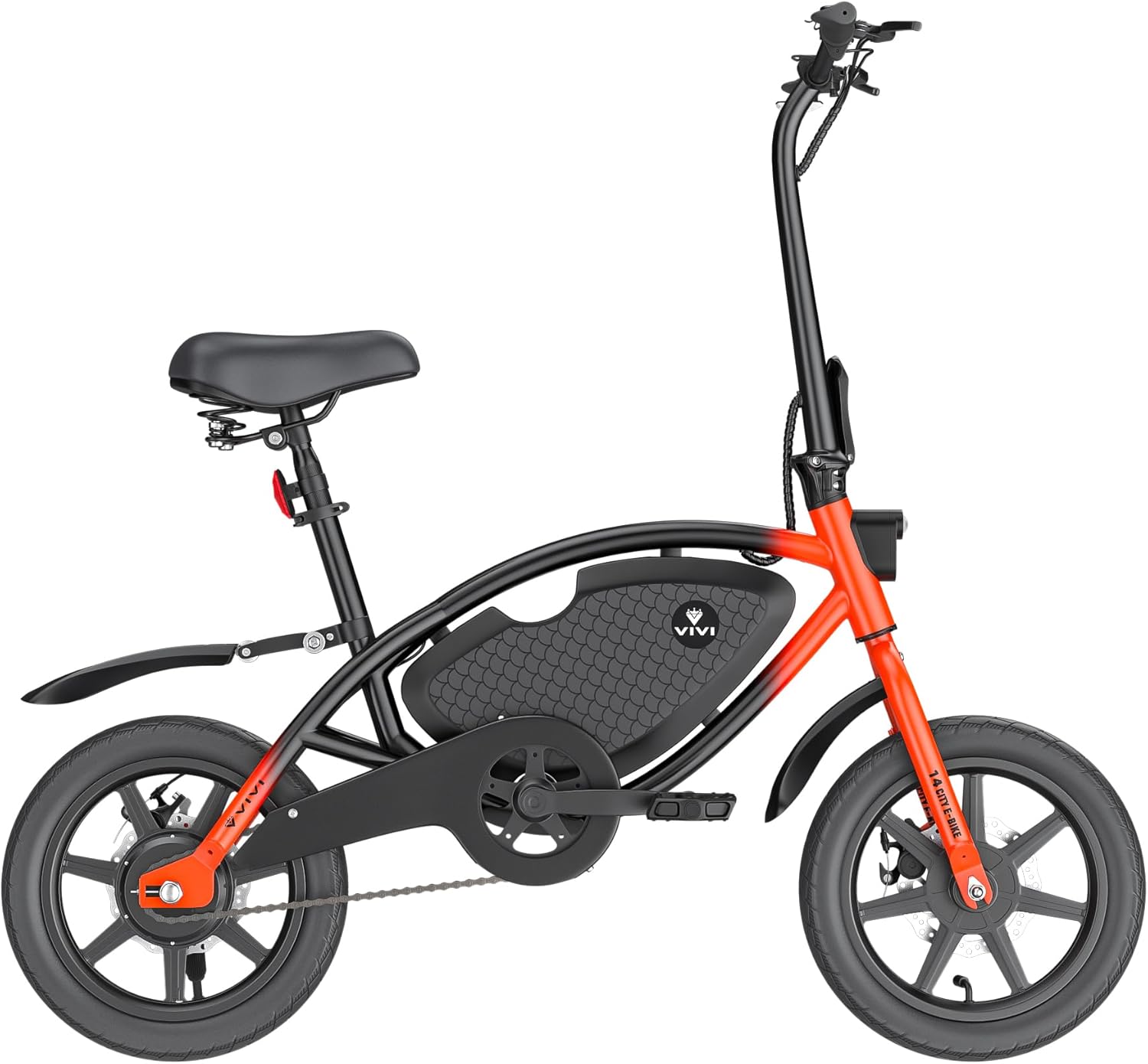
What to Look for When Buying Electric Bikes Under $1,500
1. Motor Power and Type
The motor is the heart of any electric bike, determining how well it handles hills, accelerates, and maintains speed. Most e-bikes under $1,500 feature hub motors, which are built into the front or rear wheel. Rear hub motors are generally preferred because they provide better traction and a more natural riding feel, especially on inclines. Mid-drive motors, while more efficient and balanced, are rare in this price range due to higher manufacturing costs.
Motor power is measured in watts (W), with common ratings between 250W and 750W. In the U.S., 750W is the legal limit for Class 3 e-bikes (those that can reach 28 mph with pedal assist), and many budget-friendly models hit this ceiling. A 500W to 750W motor is ideal for most riders—it offers strong hill-climbing ability and smooth acceleration without draining the battery too quickly. However, higher wattage doesn’t always mean better performance; motor efficiency, torque, and controller quality also play major roles.
Look for motors with at least 50 Nm of torque, which ensures responsive power delivery when starting from a stop or climbing steep grades. Brands like Bafang and Shengyi are reputable names in the e-bike motor space, and their presence in a budget model is a good sign of reliability. Avoid ultra-cheap motors that overheat or lack consistent power output—these can lead to frequent repairs and reduced lifespan.
2. Battery Capacity and Range
Battery performance is arguably the most important factor for long-term satisfaction. The battery determines how far you can ride on a single charge, and in the under-$1,500 category, capacity varies widely. Most e-bikes in this range use lithium-ion (Li-ion) batteries, which offer a good balance of energy density, weight, and lifespan.
Battery capacity is measured in watt-hours (Wh), calculated by multiplying voltage (V) by amp-hours (Ah). For example, a 48V 10.4Ah battery delivers 499.2Wh. In general, aim for at least 400Wh for decent range—this typically translates to 25–40 miles depending on terrain, rider weight, assist level, and weather conditions. Some models, like the RadCity 5 Plus, offer 672Wh batteries, pushing range beyond 50 miles in eco mode.
Pay attention to battery placement. Integrated batteries (built into the frame) offer a cleaner look and better protection, while removable batteries allow for easy charging and replacement. Removable batteries are especially useful if you live in an apartment or don’t have outdoor charging access. Also, check the charging time—most batteries take 4–6 hours to fully charge, but some fast-charging models can reach 80% in under 3 hours.
Battery degradation over time is inevitable, but quality cells from brands like Samsung, LG, or Panasonic last longer and retain capacity better than generic alternatives. Avoid bikes with no battery brand listed—this is often a red flag for low-quality components.
3. Build Quality and Frame Material
A well-built frame ensures safety, durability, and a comfortable ride. Most e-bikes under $1,500 use aluminum alloy frames, which are lightweight, rust-resistant, and strong enough to handle daily use. High-grade aluminum (like 6061 or 7005) is preferable because it offers better fatigue resistance and a smoother ride compared to cheaper alloys.
Inspect the welds—clean, consistent welds indicate better manufacturing standards. Avoid frames with rough or uneven welds, as these can be stress points that lead to cracks over time. The frame should also accommodate your height and riding style. Step-through frames are ideal for casual riders or those with mobility concerns, while traditional diamond frames offer more rigidity and are better for aggressive riding.
Suspension also plays a role in build quality. Front suspension forks absorb shocks from potholes and rough pavement, improving comfort and control. Some budget e-bikes include basic coil forks, while others offer air suspension for better adjustability. Full suspension is rare under $1,500 but not unheard of—models like the Himiway Zebra offer rear suspension for enhanced off-road capability.
Weight is another consideration. Most e-bikes in this range weigh between 45 and 65 pounds. Lighter bikes (under 50 lbs) are easier to carry and maneuver, especially if you need to lift them upstairs or load them onto a car rack. However, lighter weight often means fewer features or smaller batteries, so balance is key.
4. Braking System
Safety should never be compromised, and brakes are your first line of defense. Disc brakes are standard on most modern e-bikes, but there are two main types: mechanical and hydraulic. Hydraulic disc brakes offer superior stopping power, better modulation, and require less hand effort—ideal for heavier bikes or hilly terrain. Mechanical disc brakes are more common in budget models and are easier to maintain, but they may require more force to engage.
Avoid rim brakes (V-brakes) on e-bikes, especially if you plan to ride in wet or hilly conditions. They wear down quickly, lose effectiveness when wet, and can’t handle the extra weight and speed of an electric bike. Look for at least 160mm rotors on the brakes—larger rotors (180mm or 203mm) provide better heat dissipation and stopping power.
Test the brakes during a demo ride. They should engage smoothly without squealing or grabbing. If the bike takes too long to stop or the levers feel spongy, the braking system may be undersized or poorly adjusted.
5. Drivetrain and Gearing
The drivetrain includes the chain, cassette, derailleur, and shifters—components that transfer your pedaling power to the wheels. Most e-bikes under $1,500 use 7- to 8-speed drivetrains, which are sufficient for city riding and moderate hills. Higher-end models may feature 9-speed systems for smoother shifting and better gear range.
Shimano is the dominant player in budget e-bike drivetrains, with groupsets like Tourney, Altus, and Acera offering reliable performance at different price points. Avoid no-name or generic drivetrain components, as they tend to wear out faster and shift less precisely.
Consider the gear range—look for a wide ratio (e.g., 11-34T cassette) to handle both flat roads and steep climbs. Some e-bikes include a torque sensor, which adjusts motor assistance based on how hard you’re pedaling. This creates a more natural, bike-like feel compared to cadence sensors, which only respond to pedal rotation.
Single-speed e-bikes exist but are rare under $1,500 and best suited for flat urban areas. For most riders, a multi-speed drivetrain is worth the small additional cost.
6. Display and Smart Features
The display is your interface with the bike’s electronics, showing speed, battery level, assist mode, and sometimes navigation or ride stats. Most budget e-bikes come with basic LCD or LED displays, but some offer color screens with Bluetooth connectivity.
Key features to look for include:
– Backlit display for night riding
– Multiple assist levels (typically 3–5)
– USB charging port for devices
– Odometer and trip distance
– Walk-assist mode for pushing the bike uphill
Higher-end models may include smartphone integration, GPS tracking, or anti-theft alarms. While these features are nice to have, they’re not essential for most riders. Focus on clarity and ease of use—can you read the screen in sunlight? Are the buttons responsive?
Avoid displays that are overly complex or require frequent menu navigation. Simplicity often leads to better usability, especially when riding.
7. Tires and Wheels
Tires significantly impact ride comfort, traction, and rolling resistance. Most e-bikes under $1,500 come with 26-inch or 27.5-inch wheels, which offer a good balance of stability and agility. Wider tires (2.1” to 2.6”) provide better grip and cushioning, making them ideal for rough roads or light off-road use.
Puncture-resistant tires are a must—look for models with Kevlar belts or reinforced casings. Tubeless-ready tires are rare in this price range but offer lower rolling resistance and fewer flats. If you ride in wet or snowy conditions, consider tires with aggressive tread patterns for better traction.
Check the tire pressure range—most e-bike tires perform best between 30 and 50 PSI. Underinflated tires increase rolling resistance and risk pinch flats, while overinflated tires reduce comfort and grip.
8. Warranty and Customer Support
A strong warranty reflects a manufacturer’s confidence in their product. Most reputable e-bike brands offer at least a 1-year warranty on the frame and motor, with 6–12 months on the battery and electrical components. Some, like Rad Power Bikes, provide 2-year comprehensive coverage.
Read the fine print—warranties often exclude wear items like tires, chains, and brake pads. Also, check if the warranty is honored locally or requires shipping the bike back to the manufacturer. Local service availability is a huge advantage, especially for repairs.
Customer support quality varies widely. Look for brands with responsive email or chat support, detailed FAQs, and active community forums. Avoid companies with no contact information or slow response times.
Different Types of Electric Bikes Under $1,500

Common Buying Mistakes to Avoid
❌ Mistake: Prioritizing Price Over Quality
Why it’s bad: The cheapest e-bikes often use low-grade components that fail quickly—think weak motors, poor batteries, and flimsy frames. You may save $200 upfront but end up spending more on repairs or replacements within a year.
What to do instead: Focus on value, not just price. Look for bikes with reputable components, even if they cost slightly more. A $1,200 bike with a Samsung battery and Shimano drivetrain will outlast a $800 model with generic parts.
❌ Mistake: Ignoring Test Rides
Why it’s bad: E-bikes feel different from regular bikes. Motor engagement, weight distribution, and handling vary widely between models. Buying without testing can lead to buyer’s remorse.
What to do instead: Always test ride before purchasing. Visit local dealers or attend e-bike demo events. Pay attention to comfort, responsiveness, and ease of use.
❌ Mistake: Overlooking Local Laws
Why it’s bad: E-bike regulations vary by state and country. Some areas restrict motor power, speed, or where you can ride. A 750W bike might be illegal in certain zones.
What to do instead: Check your local laws. In the U.S., Class 1, 2, and 3 e-bikes are defined by speed and throttle use. Ensure your chosen model complies.
❌ Mistake: Neglecting Maintenance Needs
Why it’s bad: E-bikes require regular maintenance—chain lubrication, brake adjustments, tire checks. Ignoring this leads to poor performance and safety risks.
What to do instead: Learn basic maintenance or find a local shop that services e-bikes. Budget for annual tune-ups.
❌ Mistake: Buying Based on Hype Alone
Why it’s bad: Flashy ads and influencer endorsements don’t guarantee quality. Some brands overpromise on range or speed.
What to do instead: Read independent reviews, check forums, and compare specs. Real-world user feedback is more reliable than marketing claims.
❌ Mistake: Forgetting About Storage and Transport
Why it’s bad: E-bikes are heavy and bulky. If you live in an apartment or need to transport your bike, size and weight matter.
What to do instead: Consider folding models or bikes with removable batteries. Measure your storage space before buying.
Budget Guidelines: How Much Should You Spend?
– Entry-Level ($600–$900): Basic functionality with limited range (20–30 miles), weaker motors (350–500W), and minimal features. Best for casual riders or short commutes. Expect shorter battery life and fewer warranty protections.
– Mid-Range ($900–$1,200): The sweet spot for most buyers. Offers 500–750W motors, 400–600Wh batteries, and reliable components. Includes features like disc brakes, suspension, and integrated lights. Ideal for daily commuting and weekend rides.
– Premium ($1,200–$1,500): High-performance models with advanced features—hydraulic brakes, torque sensors, color displays, and longer range (40–60 miles). Built for enthusiasts and frequent riders who demand reliability and comfort.
– Luxury ($1,500+): While outside our scope, bikes above $1,500 offer top-tier components, full suspension, and smart integration. Not necessary for most riders, but worth considering if budget allows.
Expert Tips for Getting the Best Deal
– Buy during off-season sales: Late fall and winter are the best times to find discounts as retailers clear inventory for new models.
– Check manufacturer websites: Brands often offer exclusive deals, free shipping, or extended warranties not available through third-party retailers.
– Look for refurbished models: Certified pre-owned e-bikes can save you 20–30% and often come with warranties.
– Compare total cost of ownership: Factor in maintenance, battery replacement (every 3–5 years), and accessories like locks and helmets.
– Read return policies: Ensure you can return the bike within 14–30 days if it doesn’t meet expectations.
– Join online communities: Forums like Reddit’s r/ebikes or Facebook groups offer real-user insights and deal alerts.
– Negotiate with local dealers: Some shops offer price matching or bundle deals on accessories.

Frequently Asked Questions
Q: How far can I really ride on a single charge?
A: Range depends on battery capacity, terrain, rider weight, and assist level. Most e-bikes under $1,500 offer 25–45 miles. Use eco mode and pedal regularly to maximize distance.
Q: Are e-bikes legal on bike paths?
A: In most U.S. states, Class 1 and 2 e-bikes are allowed on bike paths. Class 3 bikes may be restricted. Always check local regulations.
Q: Can I ride an e-bike in the rain?
A: Yes, most e-bikes are water-resistant (IP65 rated), but avoid submerging them or high-pressure washing. Dry the battery and connectors after wet rides.
Q: How often should I charge the battery?
A: Charge when the battery drops to 20–30%. Avoid fully draining it. Store at 50–60% charge if not using for extended periods.
Q: Do I need a license or insurance?
A: In most states, no license or insurance is required for Class 1–3 e-bikes. However, some cities have specific rules—verify locally.
Q: Can I convert a regular bike to electric?
A: Yes, with conversion kits ($400–$800), but it’s often more cost-effective and reliable to buy a complete e-bike.
Q: How long do e-bike batteries last?
A: Quality batteries last 800–1,000 charge cycles, or 3–5 years with regular use. Capacity gradually decreases over time.
Q: Are e-bikes good for exercise?
A: Absolutely. Even with motor assist, you’re still pedaling and burning calories. Adjust assist levels to increase workout intensity.
Our Final Recommendations
– Best for Budget-Conscious Buyers: Lectric XP 3.0 – At under $1,000, it offers 750W motor, 45-mile range, and folding design. Great value for city commuting.
– Best Overall Value: Rad Power Bikes RadCity 5 Plus – Priced at $1,499, it features a 750W motor, 672Wh battery, hydraulic brakes, and excellent customer support.
– Best Premium Option: Aventon Aventure.2 – A fat-tire beast with 750W motor, 80-mile range, and premium components. Ideal for off-road adventures.
– Best for Beginners: Himiway Cruiser – Step-through design, 750W motor, and user-friendly interface make it perfect for new riders.
– Best for Advanced Users: Engwe Engine Pro – Full suspension, 750W motor, and 48V 16Ah battery offer high performance for serious riders.
Conclusion: Making the Right Choice
Choosing the best electric bike under $1,500 doesn’t have to be overwhelming. By focusing on key factors like motor power, battery capacity, build quality, and warranty, you can find a reliable, high-performing e-bike that fits your lifestyle and budget. Avoid common pitfalls like prioritizing price over quality or skipping test rides, and always consider your specific needs—whether that’s commuting, off-roading, or casual weekend rides.
The e-bike market in 2026 offers unprecedented value, with models that deliver performance and features once reserved for premium bikes. Take your time, do your research, and don’t hesitate to reach out to manufacturers or local dealers with questions. Your perfect e-bike is out there—safe, efficient, and ready to take you wherever you want to go.