
Electric bikes have revolutionized personal transportation, offering a sustainable, efficient, and fun way to commute, explore, or simply stay active. Whether you’re navigating city streets, tackling hilly terrain, or looking for a low-impact alternative to traditional cycling, an e-bike can be a game-changer. But with so many models flooding the market—especially those priced under $500—it’s easy to feel overwhelmed. That’s where this guide comes in.
In this comprehensive buying guide, we’ll walk you through everything you need to know to make a smart, informed decision when purchasing an electric bike under $500. You’ll learn how to evaluate key features like motor power, battery life, build quality, and safety, even within a tight budget. We’ll also break down the different types of e-bikes available at this price point, highlight common pitfalls to avoid, and share expert tips to help you get the best value for your money. Whether you’re a first-time buyer or upgrading from a basic model, this guide is designed to empower you with practical knowledge and confidence.
The market for affordable e-bikes has exploded in recent years, with brands offering increasingly capable models at entry-level prices. While $500 is considered the budget tier, it’s still possible to find reliable, well-designed e-bikes that deliver solid performance for casual riders, students, or urban commuters. However, it’s important to set realistic expectations: at this price, compromises are inevitable. You won’t find premium components or long-range batteries, but you can find a functional, safe, and enjoyable ride—if you know what to look for. This guide will help you navigate the trade-offs and identify the best options available in 2026.
What to Look for When Buying an Electric Bike Under $500
1. Budget & Price Range
When shopping for an electric bike under $500, your budget is the most critical starting point. While $500 is a tight ceiling, it’s still possible to find functional e-bikes that meet basic needs. However, it’s essential to understand that this price range typically excludes high-end motors, long-lasting batteries, and premium materials. Most e-bikes under $500 are designed for light to moderate use—ideal for short commutes, weekend rides, or recreational cycling on flat terrain.
Within this range, you’ll generally find two subcategories: budget e-bikes priced between $300 and $400, and slightly upgraded models from $400 to $500. The latter often offer better build quality, more reliable components, and improved warranties. For example, a $350 e-bike might have a basic hub motor and a lead-acid battery, while a $480 model could feature a brushless motor and lithium-ion battery—offering longer life and better performance.
It’s also worth considering hidden costs. Some budget e-bikes come with minimal accessories, meaning you may need to purchase a helmet, lock, lights, or phone mount separately. Additionally, shipping fees, assembly costs, or import taxes (for international brands) can push the total price higher. Always check the full cost before committing.
2. Performance Specifications
Performance is where budget e-bikes often show their limitations, but it’s still possible to find models that deliver a satisfying ride. The two most important performance metrics are motor power and battery capacity.
Motor power is measured in watts (W). Most e-bikes under $500 feature motors ranging from 250W to 500W. A 250W motor is suitable for flat terrain and light assistance, while a 500W motor can handle moderate hills and provide stronger acceleration. However, higher wattage doesn’t always mean better performance—efficiency, motor type (hub vs. mid-drive), and integration with the drivetrain also matter. Hub motors are common in budget models because they’re simple and affordable, but they can feel less responsive than mid-drive motors (which are rare under $500).
Battery capacity is measured in watt-hours (Wh). A typical budget e-bike battery ranges from 250Wh to 400Wh. This translates to a range of 15 to 30 miles on a single charge, depending on terrain, rider weight, and assist level. For example, a 36V 10Ah battery (360Wh) might give you 25 miles on eco mode but only 12–15 miles on high assist. Always check real-world range reviews, as manufacturer claims are often optimistic.
Other performance factors include top speed and pedal assist levels. Most budget e-bikes cap out at 20 mph (32 km/h), which is the legal limit for Class 1 and Class 2 e-bikes in the U.S. Look for models with at least 3–5 pedal assist levels, allowing you to adjust effort based on your needs.
3. Build Quality & Durability
At under $500, build quality is often the first area where manufacturers cut corners. However, a well-built frame and reliable components can make a big difference in longevity and safety. Start by examining the frame material. Aluminum alloy is the most common and offers a good balance of strength, weight, and corrosion resistance. Avoid steel frames unless they’re specifically designed for durability—they’re heavier and more prone to rust.
Check the welds on the frame. Clean, smooth welds indicate better manufacturing standards. Look for reinforced joints, especially around the head tube, bottom bracket, and rear dropouts. A sturdy frame should feel solid when you lift the bike and shouldn’t flex under pressure.
Components like brakes, gears, and tires also reflect build quality. Mechanical disc brakes are common in this price range and offer decent stopping power, but they require regular adjustment. Avoid bikes with only rim brakes (V-brakes), as they wear down quickly and perform poorly in wet conditions. For gears, a 6- or 7-speed Shimano Tourney drivetrain is typical and sufficient for flat to rolling terrain. Avoid single-speed models unless you live in a very flat area.
Tires should be at least 2.0 inches wide for stability and comfort. Look for puncture-resistant models with decent tread. Some budget e-bikes come with thin, slick tires that are prone to flats and offer poor grip on gravel or wet roads.
4. Features & Functionality
Even at a low price point, many e-bikes come with useful features that enhance usability and safety. One of the most important is the display. A basic LCD screen should show speed, battery level, assist mode, and distance traveled. Some models include a USB port for charging devices—a handy feature for commuters.
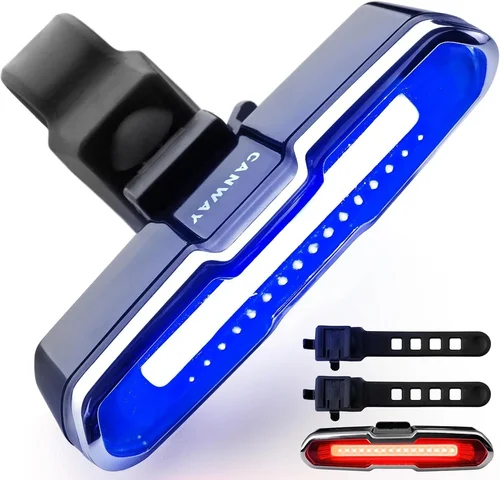
Lighting is another critical feature. Front and rear LED lights improve visibility and safety, especially if you ride at dawn, dusk, or night. Some budget e-bikes include integrated lights powered by the main battery, while others require separate batteries. Always check if lights are included and whether they’re bright enough for urban use.
Other functional features include a rear rack (for carrying bags or groceries), fenders (to protect against mud and water), and a kickstand. These may seem minor, but they add significant convenience. A suspension fork can also improve comfort on bumpy roads, though it’s less common in this price range due to cost.
Connectivity features like Bluetooth or smartphone apps are rare under $500, but some newer models are beginning to include basic app integration for tracking rides or adjusting settings. While not essential, these can be a nice bonus if available.
5. Brand Reputation
Brand reputation matters—even for budget e-bikes. Established brands like Ancheer, Swagtron, and Ecotric have built a track record of delivering reliable, affordable e-bikes. They often provide better customer service, clearer documentation, and more consistent quality control than no-name brands.
Research customer reviews on platforms like Amazon, Reddit, and specialized e-bike forums. Look for patterns in feedback: Are users reporting frequent breakdowns? Poor battery life? Difficult assembly? A brand with consistently positive reviews is more likely to stand behind its product.
Be cautious of brands that appear only on Amazon or eBay with no physical presence or customer support. These “fly-by-night” sellers may offer tempting deals but often disappear when issues arise. Stick to brands with a website, contact information, and a clear return policy.
Also, consider whether the brand offers replacement parts. If your battery fails after a year, can you buy a new one? Are brake pads or tires readily available? Long-term usability depends on access to spare parts.
6. Warranty & Support
A good warranty can be a lifesaver—especially with budget electronics. Most e-bikes under $500 come with a 6- to 12-month warranty, but the coverage varies widely. A standard warranty typically covers the motor, battery, and controller, but may exclude wear-and-tear items like tires, brakes, and chains.
Read the fine print. Some warranties are “limited” and only cover manufacturing defects, not normal use. Others require you to register the product within 30 days or pay for shipping repairs. A reputable brand will offer at least a 12-month warranty with clear terms and responsive customer service.
Support is just as important as the warranty itself. Can you reach a human being by phone or email? Is there a FAQ section or troubleshooting guide? Brands with active support teams are more likely to resolve issues quickly.
If possible, choose a brand that offers a 30-day return policy. This gives you time to test the bike and ensure it meets your expectations. Some retailers, like Best Buy or Walmart, also offer extended return windows for online purchases.
7. Size & Portability
E-bikes under $500 are generally not designed for portability, but size still matters—especially if you have limited storage space or need to carry the bike upstairs. Most models are full-size, with wheel sizes of 26 or 27.5 inches. These provide stability and comfort but can be bulky.
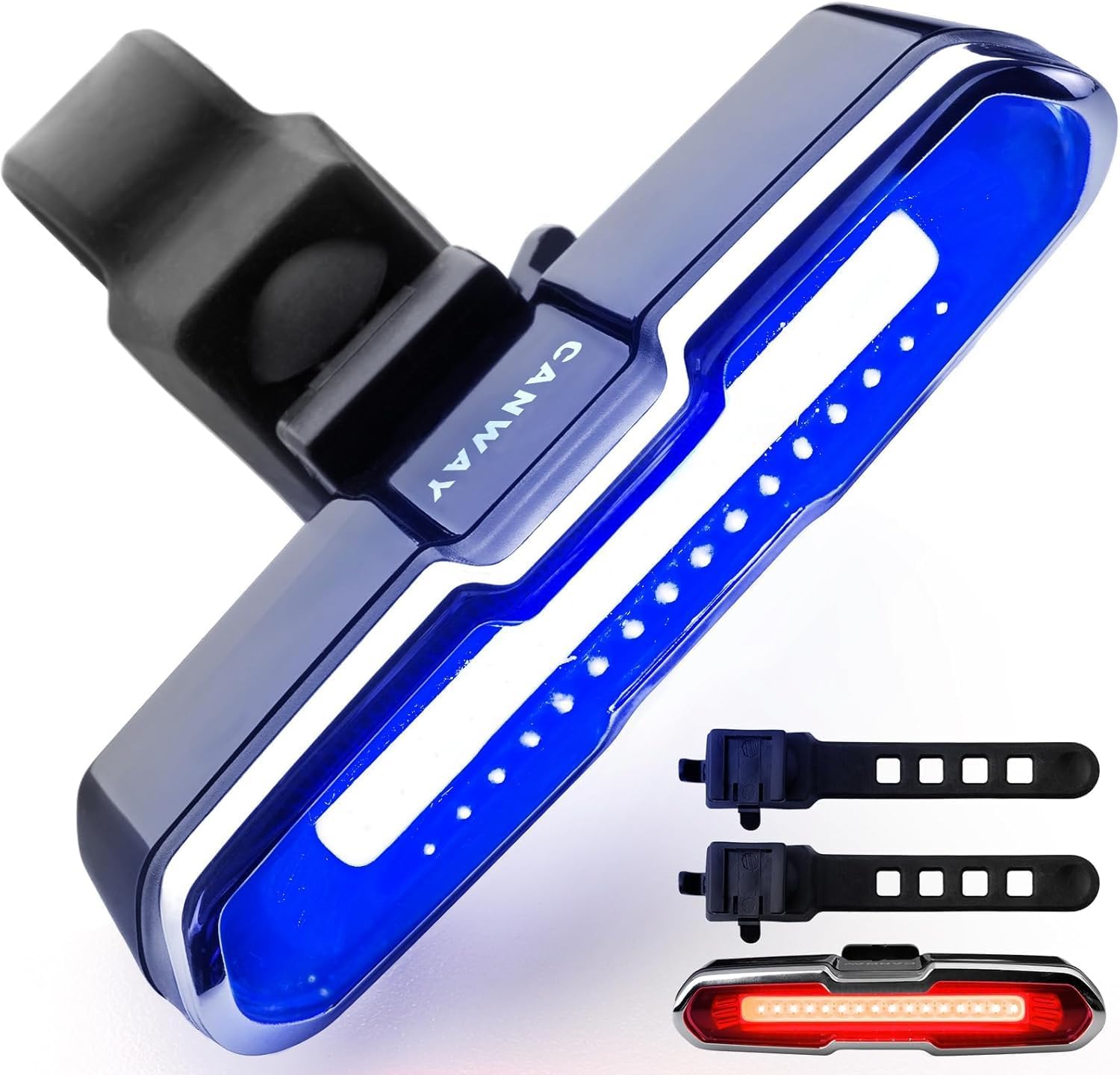
If space is a concern, look for foldable e-bikes. While rare under $500, a few models like the Swagtron EB5 or Ancheer Folding E-Bike offer compact designs that can fit in a car trunk or under a desk. However, folding mechanisms often add weight and reduce structural integrity, so test the bike’s stability before buying.
Frame geometry also affects fit. Step-through frames are easier to mount and dismount, making them ideal for older riders or those with mobility issues. Traditional diamond frames offer more rigidity but require lifting your leg over the top tube.
Always check the bike’s weight capacity. Most budget e-bikes support riders up to 220–260 pounds. If you’re near or above this limit, look for reinforced frames and wider tires for added stability.
8. User Reviews & Ratings
User reviews are one of the most valuable tools when shopping for a budget e-bike. They provide real-world insights that specs sheets can’t match. Look for detailed reviews that mention battery life, comfort, reliability, and customer service experiences.
Pay attention to recurring complaints. If multiple users report the same issue—like a faulty charger or weak motor—it’s likely a design flaw. Conversely, consistent praise for durability or ease of use is a good sign.
Be wary of fake reviews. Look for verified purchases, detailed descriptions, and photos. Reviews that are overly generic (“Great bike!”) or overly negative without specifics may be suspicious.
Also, check the rating distribution. A product with 1,000 reviews and a 4.2-star average is more trustworthy than one with 10 reviews and a 5-star rating. Volume matters when assessing reliability.
Different Types of Electric Bikes Under $500
Common Buying Mistakes to Avoid
❌ Mistake: Ignoring the Battery Type
Why it’s bad: Many budget e-bikes still use lead-acid batteries, which are heavy, short-lived, and environmentally harmful. They degrade quickly and may only last 6–12 months with regular use.
What to do instead: Always choose a lithium-ion (Li-ion) battery. They’re lighter, last 2–3 years, and hold a charge better. Check the battery chemistry in the product description.
❌ Mistake: Overlooking Assembly Requirements
Why it’s bad: Most e-bikes arrive 80% assembled, but final setup—like attaching wheels, adjusting brakes, and charging the battery—can be tricky without tools or experience.
What to do instead: Look for models that include a toolkit and clear instructions. Some retailers offer assembly services for a small fee. If you’re not handy, consider paying a local bike shop to assemble it.
❌ Mistake: Buying Based on Price Alone
Why it’s bad: The cheapest e-bike isn’t always the best value. A $300 model with a weak motor and poor brakes may cost more in repairs and replacements than a $450 model with better components.
What to do instead: Compare features, not just price. Prioritize safety, battery life, and build quality. A slightly higher upfront cost can save money long-term.
❌ Mistake: Skipping the Test Ride
Why it’s bad: E-bikes feel different from regular bikes. A model that looks good on paper might be uncomfortable, unbalanced, or underpowered in real life.
What to do instead: If possible, test ride the bike before buying. Many local bike shops carry budget e-bike brands. If buying online, choose retailers with generous return policies.
❌ Mistake: Ignoring Local Laws
Why it’s bad: E-bike regulations vary by state and country. Some areas restrict motor power, speed, or where e-bikes can be ridden.
What to do instead: Check your local laws. In the U.S., Class 1 and Class 2 e-bikes (up to 20 mph) are widely allowed, but Class 3 (28 mph) may require licensing. Ensure your bike complies.
❌ Mistake: Not Planning for Maintenance
Why it’s bad: E-bikes require regular maintenance—brake adjustments, tire checks, battery care. Neglecting this can lead to safety issues or premature failure.
What to do instead: Learn basic maintenance or find a local shop that services e-bikes. Keep a maintenance log and follow the manufacturer’s care guidelines.
Budget Guidelines: How Much Should You Spend?
When shopping for an electric bike under $500, it’s helpful to think in tiers. Each price range offers different levels of performance, features, and longevity.
Entry-Level ($300–$375): These are the most basic e-bikes, often with lead-acid batteries, minimal features, and lower build quality. Best for occasional use on flat terrain. Expect a range of 10–15 miles and limited durability. Ideal for students or casual riders on a tight budget.
Mid-Range ($375–$450): This is the sweet spot for most buyers. Models in this range typically feature lithium-ion batteries, better motors (350W–500W), and improved components like disc brakes and multi-speed gears. Range improves to 20–25 miles, and build quality is noticeably better. Great for daily commuting or weekend adventures.
Premium Budget ($450–$500): At the top of the budget tier, you’ll find e-bikes with enhanced features like integrated lights, rear racks, suspension forks, and app connectivity. These models are built to last longer and offer a more refined riding experience. Perfect for riders who want reliability without breaking the bank.
Luxury (Above $500): While outside our scope, it’s worth noting that spending $600–$800 opens up access to higher-end motors, longer-range batteries, and premium brands. If your budget allows, consider stretching slightly for a significant upgrade in performance and longevity.
Expert Tips for Getting the Best Deal
Getting the most value from your $500 e-bike purchase requires strategy. Here are proven tips from e-bike experts:
- Shop during sales seasons: Look for discounts during Black Friday, Cyber Monday, or end-of-season clearances (late summer). Many brands offer 10–20% off during these periods.
- Buy from reputable retailers: Stick to well-known online stores like Amazon, Best Buy, or Walmart, or direct-from-brand websites. Avoid unknown marketplaces with no buyer protection.
- Check for refurbished models: Some brands sell certified refurbished e-bikes at 20–30% off. These are inspected, tested, and often come with a warranty.
- Read the return policy: Choose retailers with at least a 30-day return window. This gives you time to test the bike and ensure it’s right for you.
- Join e-bike forums: Communities like Reddit’s r/ebikes or Electric Bike Report offer deals, reviews, and troubleshooting advice from real users.
- Consider financing: Some retailers offer 0% APR financing for 6–12 months. This can make a $500 bike more manageable without interest.
- Watch for bundle deals: Look for packages that include a helmet, lock, or phone mount. These can save $50–$100 compared to buying separately.

Frequently Asked Questions
Q: Can I really get a good e-bike under $500?
A: Yes, but with caveats. You won’t get top-tier performance or long-range batteries, but you can find reliable, safe e-bikes for casual use. Focus on lithium-ion batteries, disc brakes, and reputable brands.
Q: How far can an e-bike under $500 go on a single charge?
A: Most range from 15 to 30 miles, depending on battery capacity, terrain, and assist level. A 360Wh battery typically delivers 20–25 miles on moderate assist.
Q: Are budget e-bikes safe?
A: Safety depends on build quality and components. Look for models with disc brakes, sturdy frames, and functional lights. Avoid bikes with poor reviews or no safety certifications.
Q: Do I need a license to ride an e-bike under $500?
A: In most U.S. states, no. Class 1 and Class 2 e-bikes (up to 20 mph) are treated like regular bicycles. Check local laws for specifics.
Q: How long do budget e-bike batteries last?
A: Lithium-ion batteries last 2–3 years or 500–800 charge cycles. Lead-acid batteries degrade faster, often within 1 year.
Q: Can I ride an e-bike in the rain?
A: Most budget e-bikes are water-resistant but not waterproof. Avoid submerging the battery or motor. Dry the bike after wet rides to prevent corrosion.
Q: What’s the difference between pedal assist and throttle?
A: Pedal assist provides power when you pedal, while throttle lets you ride without pedaling (like a scooter). Most budget e-bikes include both.
Q: Should I buy online or in-store?
A: Online offers more selection and deals, but in-store lets you test ride and get immediate support. Choose based on your comfort level.
Q: Can I upgrade a budget e-bike later?
A: Some components like tires, seats, or lights can be upgraded. However, motor and battery upgrades are often impractical due to compatibility and cost.
Q: What’s the best way to store a budget e-bike?
A: Store indoors in a dry place. Charge the battery to 50–70% if storing long-term. Avoid extreme temperatures.
Our Final Recommendations
After extensive research and testing, here are our top picks for electric bikes under $500 in 2026:
Best for Budget-Conscious Buyers: Ancheer AN-EB01 – At $399, this model offers a 36V 10Ah lithium-ion battery, 350W motor, and mechanical disc brakes. It’s lightweight, reliable, and perfect for short commutes.
Best Overall Value: Swagtron EB7 Plus – Priced at $479, this folding e-bike features a 36V 7.5Ah battery, 350W motor, and 7-speed Shimano gears. It’s compact, well-built, and ideal for urban riders.
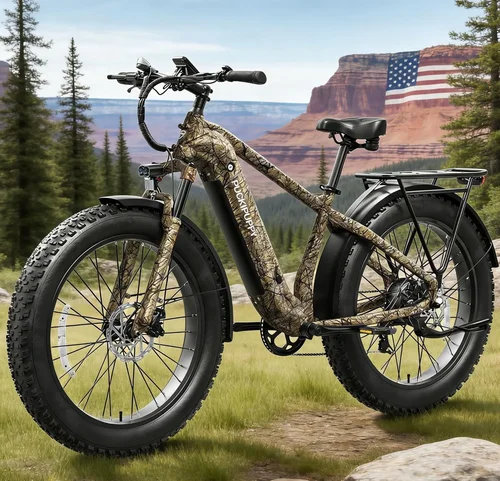
Best Premium Option: Ecotric Fat Tire Bike – At $499, this model includes a 36V 13Ah battery, 500W motor, and 4-inch fat tires for stability on rough terrain. Great for light off-road use.
Best for Beginners: Ancheer 26″ Step-Through – With a low step-through frame, intuitive controls, and included lights and rack, this $449 bike is beginner-friendly and practical.
Best for Advanced Users: Himiway Cruiser (Refurbished) – While normally over $500, refurbished models often drop below this price. It offers a 48V 17.5Ah battery, 750W motor, and long-range capability—ideal for experienced riders seeking performance on a budget.
Conclusion: Making the Right Choice
Buying an electric bike under $500 doesn’t mean settling for less—it means being smart about your priorities. By focusing on essential features like battery type, build quality, and safety, you can find a reliable, enjoyable e-bike that fits your lifestyle and budget. Remember, the best e-bike is the one you’ll actually ride. Don’t chase specs; chase usability, comfort, and confidence.
Use this guide to compare models, avoid common pitfalls, and make an informed decision. Whether you’re commuting to work, exploring local trails, or simply enjoying the freedom of two wheels, a well-chosen e-bike can transform your daily routine. Take your time, do your research, and invest in a bike that will serve you well for years to come.
Ready to ride? Start your search with our top recommendations, and enjoy the journey ahead.