
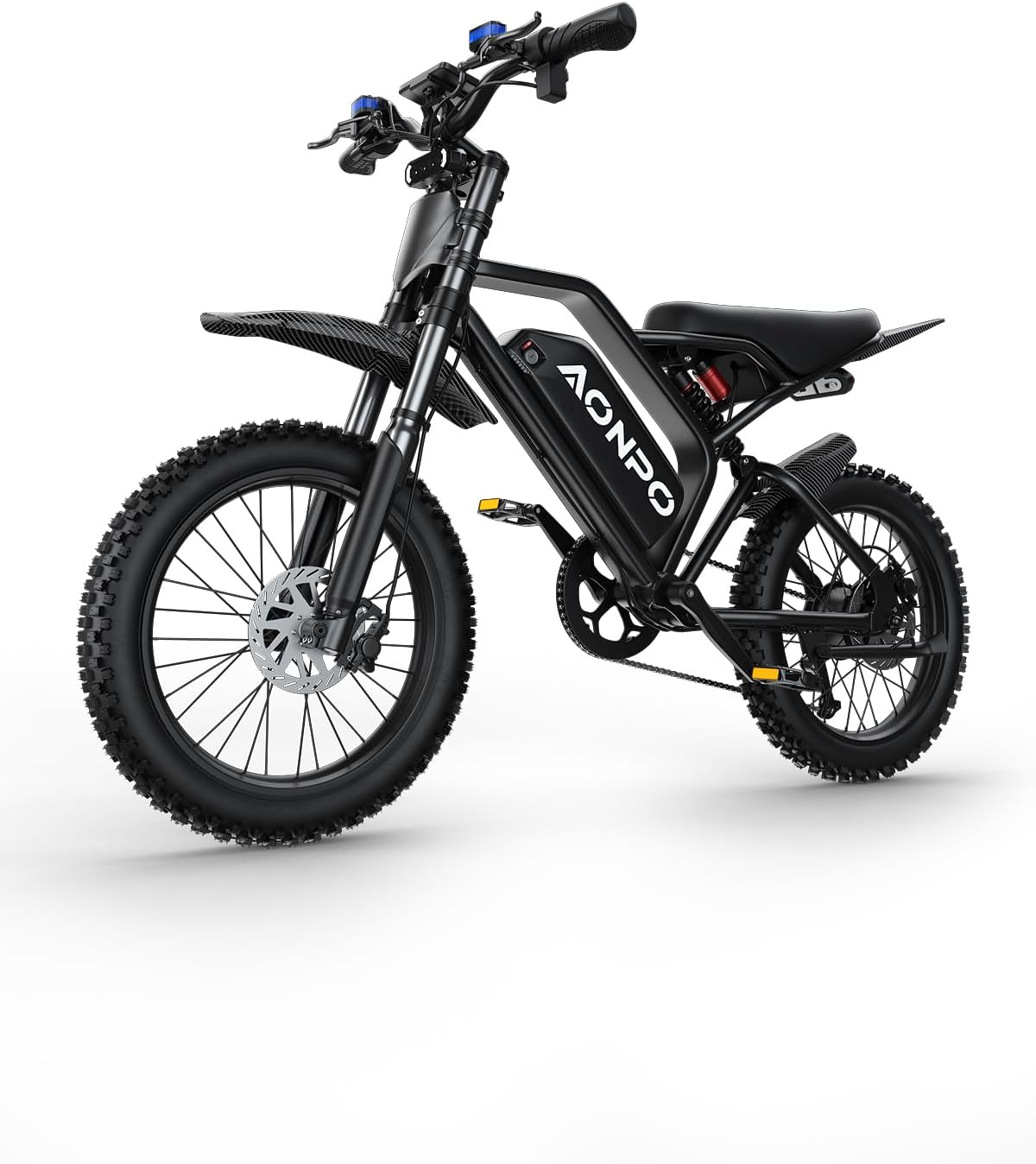
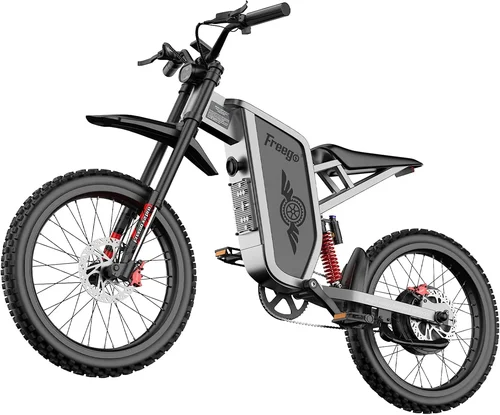
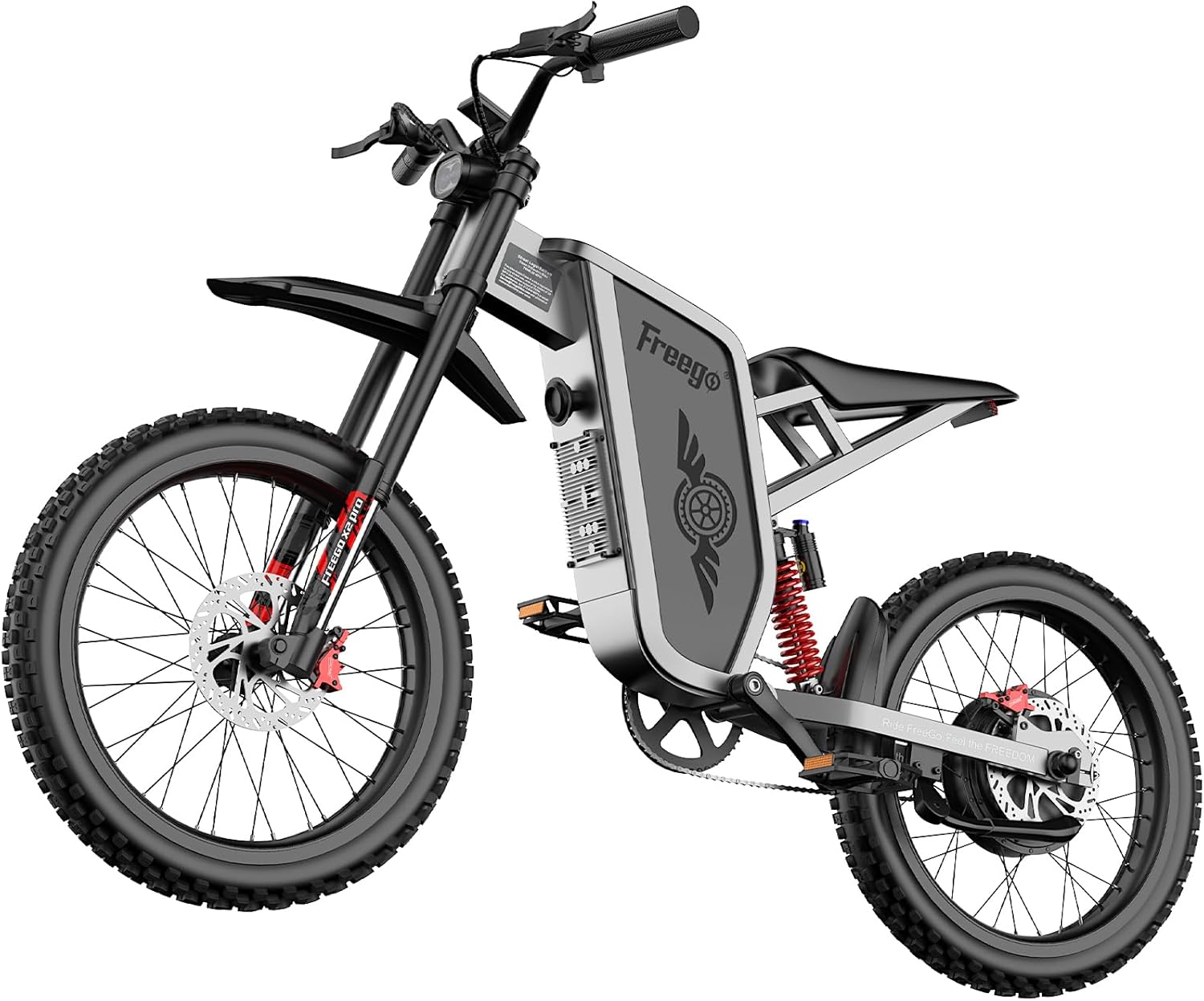
Electric dirt bikes—commonly known as dirt ebikes—are revolutionizing off-road riding. Whether you’re a weekend warrior hitting mountain trails, a commuter seeking an adrenaline boost on dirt paths, or an experienced rider looking to conquer technical terrain with electric assistance, the right dirt ebike can transform your experience. Unlike traditional mountain bikes or gas-powered dirt bikes, dirt ebikes combine pedal-assist and throttle-powered electric motors with rugged frames, long-travel suspension, and aggressive tires designed for dirt, mud, rocks, and steep inclines.
But with so many models flooding the market in 2026—from budget-friendly entry-level options to high-performance machines costing thousands—it’s easy to feel overwhelmed. That’s where this guide comes in. We’ve tested, researched, and analyzed the latest dirt ebikes to help you make a smart, informed decision. You’ll learn what separates a decent bike from a great one, how to match specs to your riding style, and how to avoid costly mistakes. Whether you’re new to electric off-roading or upgrading from an older model, this comprehensive buying guide will arm you with everything you need to choose the best dirt ebike for your needs, budget, and terrain.
The dirt ebike market has exploded in recent years, driven by advances in battery technology, motor efficiency, and frame design. Major brands like Specialized, Trek, Rad Power Bikes, Juiced Bikes, and emerging players like Cake, Sur Ron, and Talaria are pushing the boundaries of what’s possible. At the same time, Chinese manufacturers are flooding the market with affordable, high-spec models that challenge traditional pricing. This means more choices than ever—but also more confusion. Some bikes promise 100-mile range, 1000W motors, and full-suspension builds for under $2,000, while others cost $8,000+ and still leave riders wanting more. Our goal is to cut through the noise, highlight what truly matters, and help you invest in a bike that delivers real-world performance, durability, and value.
What to Look for When Buying a Dirt Ebike
1. Motor Power & Type
The motor is the heart of any dirt ebike. It determines how much assistance you get, how fast you can climb hills, and how responsive the ride feels. Most dirt ebikes use either hub motors (mounted in the wheel) or mid-drive motors (mounted near the pedals). Mid-drive motors are generally superior for off-road use because they leverage the bike’s gears, provide better weight distribution, and offer more natural pedal feel. Hub motors, while simpler and often cheaper, can feel jerky and less efficient on technical trails.
Motor power is measured in watts (W). In the U.S., federal law limits e-bikes to 750W for Class 1 and Class 3 models, but many dirt ebikes exceed this for off-road use—especially those sold as “off-road only” or “dual-sport” models. Common power ratings range from 500W to 2,000W. A 750W motor is sufficient for light trail riding and moderate hills, while 1,000W–1,500W motors are ideal for aggressive off-roading, steep climbs, and carrying heavier loads. High-wattage motors (1,500W+) deliver thrilling acceleration and top speeds but drain batteries faster and may require more robust components.
2. Battery Capacity & Range
Battery capacity is measured in watt-hours (Wh), which tells you how much energy the battery can store. A higher Wh rating generally means longer range, but real-world range depends on terrain, rider weight, assist level, and riding style. Most dirt ebikes come with batteries ranging from 400Wh to 1,000Wh+. For example, a 500Wh battery might give you 20–40 miles on mixed terrain with moderate assist, while a 750Wh battery could extend that to 40–70 miles.
Lithium-ion (Li-ion) batteries are standard, with newer models using high-discharge cells (like Samsung 50E or LG MJ1) for better performance under load. Look for removable batteries if you plan to ride long distances or need to charge away from home. Some premium models offer dual-battery setups or swappable packs for extended adventures.
Range anxiety is real, especially on remote trails. Always check real-world range tests—manufacturer claims are often optimistic. A bike advertised with “up to 100 miles” might only achieve 40–50 miles under actual off-road conditions. Consider your typical ride length and choose a battery that gives you a comfortable buffer.
3. Frame Material & Build Quality
The frame is the foundation of your dirt ebike’s durability and ride quality. Most models use aluminum alloy (6061 or 7005), which offers a good balance of strength, weight, and cost. High-end bikes may use carbon fiber for reduced weight and improved vibration damping, but carbon is less impact-resistant and more expensive to repair.
Look for reinforced welds, internal cable routing, and robust dropouts. A well-built frame should handle jumps, drops, and rough terrain without flexing or cracking. Pay attention to the bottom bracket and motor mount areas—these endure the most stress. Cheaper bikes often cut corners here, leading to premature failure.
Suspension is equally critical. Full-suspension dirt ebikes (with both front fork and rear shock) are ideal for aggressive trail riding, providing better traction, comfort, and control. Hardtail models (front suspension only) are lighter, cheaper, and easier to maintain but less capable on technical terrain. Rear travel typically ranges from 120mm to 180mm—more travel means better absorption of big hits but adds weight and complexity.
4. Tires & Wheels
Tires are your only contact with the ground, so they play a huge role in grip, stability, and rolling resistance. Dirt ebikes usually come with wide, knobby tires (2.4″ to 2.8″ wide) mounted on 27.5″ or 29″ wheels. Wider tires provide better floatation on loose dirt and improved traction, while larger wheels roll over obstacles more easily.
Look for tubeless-ready rims and tires if you plan to ride aggressively—tubeless setups reduce puncture risk and allow lower tire pressures for better grip. Some bikes include puncture-resistant liners or reinforced casings, which are worth the extra cost for serious riders.
Wheel strength matters too. Dirt ebikes endure more abuse than road e-bikes, so double-walled rims and reinforced spokes are essential. Avoid ultra-lightweight wheels unless you’re a competitive rider—they’re prone to bending or breaking under heavy loads or hard impacts.
5. Braking System
Powerful motors demand powerful brakes. Most quality dirt ebikes come with hydraulic disc brakes, which offer superior stopping power, modulation, and reliability compared to mechanical or rim brakes. Look for 4-piston calipers and large rotors (180mm to 203mm) for maximum braking force, especially on steep descents.
Brake levers should be adjustable and ergonomic, with reach adjustment to fit different hand sizes. Some high-end models include brake sensors that cut motor power when you squeeze the lever—this improves safety and prevents motor strain during hard stops.
Avoid bikes with low-quality brakes or undersized rotors. Poor braking can turn a fun ride into a dangerous situation, especially on technical trails or wet conditions.
6. Drivetrain & Gearing
The drivetrain includes the chain, cassette, derailleur, and shifters. For dirt ebikes, a reliable 8- to 12-speed drivetrain is standard. More gears aren’t always better—what matters is the range and smoothness of shifting. Look for reputable brands like Shimano (Deore, SLX, XT) or SRAM (NX, GX), which offer durable, precise performance.
Single-chainring (1x) setups are common on modern dirt ebikes because they’re simpler, lighter, and less prone to damage. Paired with a wide-range cassette (e.g., 10-51T), a 1x drivetrain provides enough gearing for climbing and cruising without the complexity of a front derailleur.
Some high-end models use belt drives instead of chains. Belt drives are cleaner, quieter, and require less maintenance, but they’re heavier and can’t be repaired on the trail. They’re best for riders who prioritize low maintenance over serviceability.
7. Display & Controls
The display shows critical info like speed, battery level, assist mode, and distance. Most dirt ebikes use LCD or LED displays mounted on the handlebar. Look for backlit screens, intuitive menus, and Bluetooth connectivity for app integration (e.g., tracking rides, updating firmware, or customizing settings).
Controls should be easy to use with gloves on. Throttle levers, mode buttons, and brake levers should be within easy reach. Some bikes offer multiple assist levels (Eco, Tour, Sport, Turbo), allowing you to balance power and range. A walk-assist mode is also useful for pushing the bike up steep sections.
Avoid bikes with poorly designed or non-removable displays—they can be damaged in crashes or become unreadable in bright sunlight.
8. Weight & Portability
Dirt ebikes are inherently heavy due to motors, batteries, and reinforced frames. Most weigh between 50 and 80 pounds. While weight isn’t as critical as on road bikes, it affects handling, maneuverability, and ease of transport.
If you plan to load the bike onto a rack or carry it up stairs, consider a lighter model or one with a step-through frame. Some brands offer folding dirt ebikes, but these are rare and often compromise on performance and durability.
Weight distribution matters too. A well-balanced bike with the battery low and centered will feel more stable and responsive than one with a top-heavy design.
9. Brand Reputation & Customer Support
Not all brands are created equal. Established companies like Specialized, Trek, and Bosch have proven track records, extensive dealer networks, and reliable customer service. Emerging brands may offer great specs at lower prices, but support can be hit-or-miss.
Research warranty terms, return policies, and user reviews. A good warranty (2+ years on motor and battery) is a sign of confidence in the product. Avoid brands with no U.S. presence or unclear support channels—you don’t want to be stranded with a broken bike and no help.
10. Warranty & After-Sales Service
A solid warranty protects your investment. Look for at least a 1-year comprehensive warranty, with 2+ years on the motor and battery. Some brands offer extended warranties or service plans for an extra fee.
Check if the brand has local service centers or certified dealers. If you buy online, ensure they offer easy returns, repair kits, or partnerships with local bike shops. Poor after-sales support can turn a great bike into a paperweight.
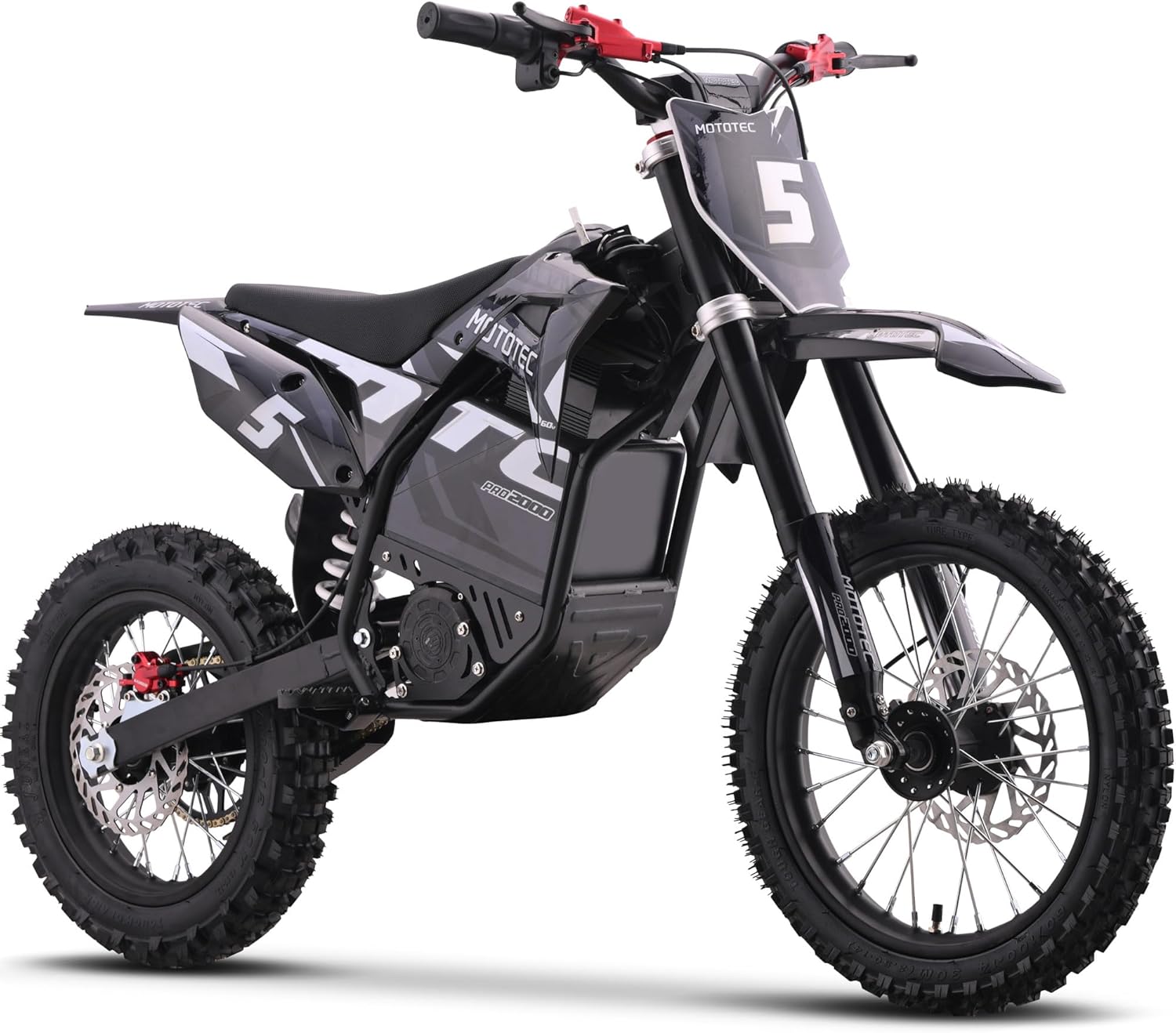
Different Types of Dirt Ebikes
Common Buying Mistakes to Avoid
❌ Mistake: Prioritizing Price Over Performance
Why it’s bad: A cheap dirt ebike might save you money upfront, but poor components, weak motors, and fragile frames lead to frequent repairs, safety risks, and a frustrating ride. Many budget bikes use low-capacity batteries, weak brakes, and unreliable drivetrains that fail under stress.
What to do instead: Set a realistic budget based on your needs. If you plan to ride regularly or tackle challenging terrain, invest in a mid-range or premium model with proven components. Think of it as a long-term investment—quality bikes last years, while cheap ones often break within months.
❌ Mistake: Ignoring Real-World Range Claims
Why it’s bad: Manufacturers often advertise “up to 100 miles” based on ideal conditions (flat terrain, low assist, light rider). In reality, off-road riding with hills, high assist, and heavy loads can cut range by 50% or more.
What to do instead: Look for independent range tests or user reviews. Aim for a battery with at least 20–30% more capacity than your expected needs. Consider carrying a spare battery or choosing a model with swappable packs.
❌ Mistake: Overlooking Suspension Needs
Why it’s bad: Riding a hardtail on technical trails can be uncomfortable and dangerous. Without rear suspension, every bump transmits shock directly to your body, increasing fatigue and injury risk.
What to do instead: Match suspension type to your riding style. Beginners on smooth trails can start with a hardtail, but serious off-roaders should invest in full-suspension. Test ride both types if possible.
❌ Mistake: Skipping the Test Ride
Why it’s bad: A bike that looks great on paper might feel awkward, unbalanced, or uncomfortable in real life. Fit, handling, and ergonomics are personal—what works for one rider may not work for another.
What to do instead: Always test ride before buying, especially for high-end models. Visit local dealers, attend demo days, or rent a similar bike. Pay attention to how the bike feels on climbs, descents, and tight turns.
❌ Mistake: Ignoring Local Laws and Regulations
Why it’s bad: Some dirt ebikes exceed legal speed or power limits for public roads. Riding an illegal bike can result in fines, confiscation, or accidents due to lack of visibility or control.
What to do instead: Check your state and local e-bike laws. Class 1 and Class 3 e-bikes are street-legal in most areas, but high-powered “off-road only” models may require registration or be restricted to private land. Choose a bike that matches your intended use.
❌ Mistake: Buying Based on Specs Alone
Why it’s bad: A bike with a 2,000W motor and 1,000Wh battery might sound impressive, but if the frame is weak, the brakes are poor, or the suspension is inadequate, it won’t perform well in real-world conditions.
What to do instead: Look at the whole package—motor, battery, frame, suspension, brakes, and drivetrain. A balanced build with quality components will outperform a spec-heavy bike with weak links.
❌ Mistake: Neglecting Maintenance and Upgrades
Why it’s bad: Dirt ebikes require regular maintenance—cleaning, lubrication, brake adjustments, and battery care. Ignoring upkeep leads to premature wear, reduced performance, and costly repairs.
What to do instead: Learn basic maintenance or find a reliable bike shop. Keep spare parts (tubes, brake pads, chain links) and invest in protective gear (frame guards, fenders). Consider upgrading key components (tires, saddle, grips) for better comfort and performance.
Budget Guidelines: How Much Should You Spend?
Entry-Level ($1,200 – $2,500): These bikes are great for beginners or casual riders. Expect aluminum frames, 500W–750W hub motors, 400Wh–600Wh batteries, and basic suspension. Brands like Rad Power Bikes, Juiced Bikes, and Ancheer offer solid options in this range. While they may lack refinement, they’re reliable for light trails and commuting. Just don’t expect race-level performance or long-term durability under heavy use.
Mid-Range ($2,500 – $5,000): This is the sweet spot for most riders. You’ll find mid-drive motors, better batteries (600Wh–800Wh), improved suspension, and higher-quality components. Models from Trek, Specialized, and Bulls offer excellent value. These bikes handle aggressive trail riding, long distances, and varied terrain with confidence. Many include features like app connectivity, walk-assist, and robust warranties.
Premium ($5,000 – $8,000): For enthusiasts and serious off-roaders, premium bikes deliver top-tier performance. Expect carbon frames, 1,000W+ motors, 750Wh–1,000Wh batteries, and race-ready suspension. Brands like Pivot, Yeti, and Canyon dominate this space. These bikes are lightweight, responsive, and built to last. They’re ideal for competitive riding, enduro, or riders who demand the best.
Luxury ($8,000+): At this level, you’re paying for cutting-edge technology, exotic materials, and hand-built craftsmanship. Think custom geometry, dual batteries, advanced motor tuning, and ultra-lightweight components. These bikes are for professionals, collectors, or riders who want the absolute pinnacle of performance. While impressive, they may offer diminishing returns for average users.
Expert Tips for Getting the Best Deal
– Buy During Off-Season Sales: Late fall and winter are the best times to find discounts. Many retailers clear inventory for new models, offering 10–30% off previous-year bikes.
– Shop Direct from Manufacturers: Brands like Rad Power Bikes, Juiced, and Cake sell directly online, often at lower prices than dealers. Look for bundle deals (free helmet, lock, or battery).
– Check for Refurbished or Demo Models: Certified pre-owned bikes from reputable sellers can save you hundreds. These are often lightly used, fully inspected, and come with warranties.
– Compare Total Cost of Ownership: Factor in maintenance, upgrades, and potential repairs. A cheaper bike with weak components may cost more long-term than a pricier, well-built one.
– Negotiate Accessories: Ask for free or discounted accessories like lights, racks, or fenders. Some dealers include them to close the sale.
– Read the Fine Print on Warranties: Understand what’s covered (motor, battery, frame) and what’s not (wear items like tires and brakes). Some brands require registration within 30 days.
– Test Ride Multiple Models: Don’t settle for the first bike you try. Compare handling, comfort, and power delivery across different brands and types.
– Join Online Communities: Forums like Reddit’s r/ebikes or Facebook groups offer real-world insights, deal alerts, and troubleshooting tips from experienced riders.
Frequently Asked Questions
Q: Are dirt ebikes street-legal?
A: It depends on the model and local laws. Class 1 and Class 3 e-bikes (pedal-assist only, up to 20–28 mph) are street-legal in most U.S. states. High-powered “off-road only” bikes with throttles and speeds over 20 mph may not be legal on public roads. Always check your local regulations.
Q: How fast can a dirt ebike go?
A: Most dirt ebikes reach 20–28 mph on flat ground. High-performance models with 1,500W+ motors can exceed 35 mph, but speed depends on terrain, rider weight, and battery level. Off-road, speeds are typically lower due to obstacles and safety concerns.
Q: How long do batteries last?
A: A quality lithium-ion battery lasts 500–1,000 charge cycles, or roughly 3–5 years with regular use. Proper care (avoiding extreme temperatures, not draining to 0%) extends lifespan. Most brands offer battery replacement services.
Q: Can I ride a dirt ebike in the rain?
A: Yes, most dirt ebikes are water-resistant (IP65 or higher), meaning they can handle rain and splashes. However, avoid submerging the bike or washing it with high-pressure hoses, which can damage seals and electronics.
Q: Do I need a license or insurance?
A: In most U.S. states, no license or insurance is required for Class 1 or Class 3 e-bikes. However, high-powered off-road models may be classified as motorcycles in some areas, requiring registration and insurance. Check local laws.
Q: How do I maintain my dirt ebike?
A: Regular maintenance includes cleaning the frame and drivetrain, lubricating the chain, checking tire pressure, inspecting brakes, and charging the battery properly. Service suspension annually and replace wear items (brake pads, tires) as needed.
Q: Can I upgrade components later?
A: Yes, many components are upgradeable—tires, saddles, grips, lights, and even motors or batteries on some models. However, ensure compatibility and consider professional installation for complex upgrades.
Q: Are dirt ebikes good for beginners?
A: Absolutely. Electric assist makes climbing easier and reduces fatigue, helping beginners build confidence. Start with a hardtail or mid-range full-suspension model and gradually progress to more technical terrain.
Q: How do I transport a dirt ebike?
A: Use a heavy-duty hitch rack or truck bed. Roof racks are not recommended due to weight. Remove the battery for easier handling and safety during transport.
Q: What’s the difference between a dirt ebike and an electric mountain bike (eMTB)?
A: The terms are often used interchangeably, but “dirt ebike” typically refers to more rugged, off-road-focused models, sometimes with higher power and less emphasis on street legality. eMTBs are usually designed for trail riding and may be more refined for mixed use.
Our Final Recommendations
Best for Budget-Conscious Buyers: Rad Power Bikes RadRover 6 Plus – At around $1,999, this fat-tire hardtail offers excellent value with a 750W motor, 672Wh battery, and rugged build. Ideal for beginners and light trail use.
Best Overall Value: Trek Powerfly 4 – Priced around $3,999, this full-suspension eMTB features a Bosch Performance Line motor, 625Wh battery, and high-quality components. It’s versatile, reliable, and perfect for serious trail riders.
Best Premium Option: Specialized Turbo Levo SL Comp – At $6,500, this lightweight full-suspension bike uses a custom SL 1.1 motor and 320Wh battery for extended range and natural feel. Ideal for endurance riders and technical trails.
Best for Beginners: Juiced Bikes CrossCurrent X – Around $2,299, this hardtail offers a 750W motor, 960Wh battery, and comfortable geometry. Great for learning off-road skills without breaking the bank.
Best for Advanced Users: Cake Kalk OR – Priced at $10,000+, this Swedish-built beast delivers 17 kW peak power, full suspension, and race-ready performance. Built for serious off-road enthusiasts and competitive riders.
Conclusion: Making the Right Choice
Choosing the best dirt ebike in 2026 isn’t just about specs or price—it’s about matching the right machine to your riding style, terrain, and long-term goals. Whether you’re exploring forest trails, commuting on dirt paths, or chasing adrenaline on technical descents, the right bike will enhance every ride. Focus on key factors like motor performance, battery capacity, suspension, and build quality. Avoid common pitfalls like overpaying for hype or underestimating maintenance needs. And always prioritize safety, legality, and real-world usability over flashy features.
Take your time, do your research, and don’t hesitate to seek advice from experienced riders or local shops. A great dirt ebike is more than a vehicle—it’s a gateway to adventure, fitness, and freedom. With the insights from this guide, you’re now equipped to make a confident, informed decision. So gear up, charge that battery, and hit the dirt with confidence. Your perfect ride is out there—go find it.