
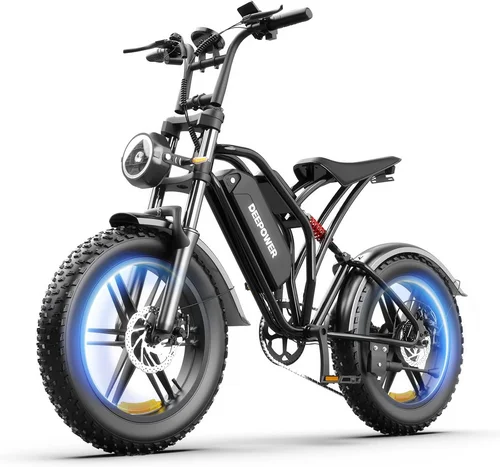
Electric bikes have rapidly evolved from niche urban curiosities to mainstream transportation solutions, and nowhere is this transformation more evident than in New Zealand. With its diverse terrain—from rolling hills and coastal paths to bustling city streets—NZ offers both challenges and opportunities for e-bike riders. Whether you’re commuting to work in Auckland, exploring scenic trails near Queenstown, or simply looking for a greener way to get around, choosing the right electric bike can make all the difference. That’s why this comprehensive buying guide exists: to cut through the noise, clarify your options, and help you invest wisely in an e-bike that truly fits your lifestyle.
In this guide, we’ll walk you through every critical decision point—from budgeting and performance specs to build quality, warranty support, and real-world usability. You’ll learn how to compare different models, avoid common pitfalls, and identify which features actually matter for your needs. We’ve analyzed the latest 2026 models available in New Zealand, factored in local terrain, weather conditions, and rider feedback, and distilled it all into actionable advice. By the end, you won’t just know what to buy—you’ll understand why it’s the right choice for you.
The NZ e-bike market is thriving, with brands ranging from global giants like Bosch-powered Specialized and Trek to local specialists like Avanti and innovative newcomers such as Heybike and Engwe. Prices span from under $1,500 to well over $8,000, and features vary dramatically. Some bikes prioritize portability for apartment dwellers, while others are built like mountain machines for off-road adventures. This guide demystifies that landscape, ensuring you don’t overspend on unnecessary tech or underspend on something that won’t last. Let’s dive in.

What to Look for When Buying an Electric Bike in NZ
1. Motor Type and Power Output
The motor is the heart of any electric bike, and understanding its type and power is essential—especially in New Zealand’s hilly terrain. Most e-bikes use either hub motors (located in the front or rear wheel) or mid-drive motors (mounted near the pedals). Hub motors are simpler, quieter, and generally more affordable, making them ideal for flat city commutes. Mid-drive motors, however, offer superior balance, better weight distribution, and more efficient power delivery—particularly on inclines. They’re the go-to choice for serious riders tackling NZ’s steep hills or long-distance touring.
Power is measured in watts (W), and in NZ, legal e-bikes are capped at 300W for pedal-assist only (Class 1) and 500W for throttle-assisted models (Class 2), though many high-end models operate just under these limits for compliance. Don’t be fooled by marketing claims of “750W peak power”—what matters is continuous output. For most Kiwi riders, a 250W–350W motor provides ample assistance on urban routes, while 500W is better suited for cargo hauling or off-road use. Always check if the motor integrates smoothly with your pedaling—jerky or delayed responses can ruin the riding experience.
2. Battery Capacity and Range
Battery performance directly impacts how far you can go on a single charge—a crucial factor whether you’re commuting 20km daily or planning weekend adventures. Battery capacity is measured in watt-hours (Wh), calculated by multiplying voltage (V) by amp-hours (Ah). A typical e-bike battery ranges from 300Wh (lightweight commuters) to 700Wh+ (premium touring or cargo bikes).
In real-world NZ conditions—factoring in hills, wind, and frequent stops—expect about 60–70% of the manufacturer’s claimed range. For example, a 500Wh battery might deliver 40–60km on moderate assist. If you live in a hilly area like Dunedin or Napier, opt for at least 500Wh. Commuters in flatter cities like Hamilton may get away with 400Wh. Also consider battery placement: downtube-mounted batteries lower the center of gravity for better handling, while rear rack batteries can affect balance but are easier to remove for charging.
Charging time matters too. Most lithium-ion batteries take 4–6 hours to fully charge, but some fast-charging models (like those from Bosch or Shimano) can reach 80% in under 2 hours. Look for removable batteries if you live in an apartment without outdoor power access—this lets you charge indoors safely.
3. Frame Material and Build Quality
Your e-bike’s frame determines its durability, weight, and ride feel. Aluminum alloy is the most common material—lightweight, corrosion-resistant, and cost-effective. High-end models may use carbon fiber for even greater weight savings and vibration damping, though this significantly increases price. Steel frames are rare in modern e-bikes due to weight but offer excellent durability for cargo or utility builds.
Pay attention to weld quality, cable routing, and component integration. A poorly welded joint or exposed wiring can lead to premature failure, especially in NZ’s damp climate. Look for sealed bearings, rust-resistant bolts, and powder-coated finishes. Test the bike’s stiffness by gently rocking it side-to-side—excessive flex indicates weak construction.
Weight is another consideration. Most e-bikes weigh 18–25kg, but some folding models dip below 15kg. Heavier bikes handle better at speed but are harder to carry upstairs or load onto car racks. If you need to lift your bike frequently, prioritize lightweight designs without sacrificing structural integrity.
4. Drivetrain and Gearing
While the motor provides assistance, your drivetrain determines how efficiently you transfer that power to the road. Single-speed e-bikes are rare and only suitable for flat, short commutes. Most NZ riders benefit from multi-speed setups—typically 7 to 11 gears—to manage varying terrain.
Internal gear hubs (like Shimano Nexus or Enviolo) are sealed, low-maintenance, and ideal for wet or muddy conditions common in places like Rotorua or the West Coast. Derailleur systems (e.g., Shimano Deore or SRAM NX) offer wider gear ranges and lighter weight but require more upkeep. For hilly regions, a wide-range cassette (e.g., 11–51T) ensures you can climb steep gradients without straining the motor.
Don’t overlook the shifter type. Trigger shifters are precise and durable, while twist shifters are intuitive for beginners. Some premium e-bikes feature automatic gear shifting (like Enviolo’s Continuously Variable Transmission), which adjusts based on speed and incline—perfect for relaxed cruising.
5. Braking System
Stopping power is non-negotiable, especially when riding downhill or in rainy weather. Mechanical disc brakes are common on budget models but require regular adjustment and lose effectiveness when wet. Hydraulic disc brakes, found on mid-to-high-end bikes, offer superior modulation, consistent performance in all conditions, and less hand fatigue—critical for long rides or heavy loads.
Look for 160mm or 180mm rotors; larger rotors provide more stopping force. Some premium models include regenerative braking (which recaptures energy during deceleration), though this feature is still rare in NZ. Always test brakes during a demo ride—squeeze the levers firmly at moderate speed. If the bike doesn’t stop promptly or the levers feel spongy, walk away.
6. Suspension and Ride Comfort
NZ’s roads and trails vary wildly—from smooth cycleways in Christchurch to gravel paths in the Coromandel. Suspension helps absorb shocks and improves control. Front suspension forks are standard on mountain e-bikes and hybrid models, offering 80–120mm of travel. Full suspension (front and rear) is overkill for city riding but invaluable for technical off-road trails.
For urban commuters, a suspension seatpost or ergonomic saddle may suffice. Pneumatic tires (properly inflated) also act as natural suspension—opt for wider tires (2.0” or more) for better cushioning and grip. Tubeless tires reduce puncture risk and allow lower pressures for comfort without sacrificing efficiency.
Consider your typical route: if you’re dodging potholes in Auckland or riding forest tracks near Taupo, invest in decent suspension. For paved paths in Nelson or Wellington’s waterfront, a rigid fork may be lighter and more efficient.
7. Display and Smart Features
The display is your interface with the bike’s electronics. Basic LCD screens show speed, battery level, and assist mode. Advanced color displays (like Bosch’s Kiox or Shimano’s E-Tube) offer navigation, ride stats, smartphone integration, and theft tracking. Some models support app connectivity for firmware updates, ride logging, or anti-theft alerts.
Assist modes vary: Eco, Tour, Sport, and Turbo are common. More modes give finer control over battery usage. Look for intuitive button placement—you shouldn’t need to take your eyes off the road to change settings. Water resistance (IP65 or higher) is essential for NZ’s unpredictable weather.
Smart features like GPS tracking, automatic lights, and regenerative braking add convenience but also cost. Decide if they’re worth the premium based on your usage. For most riders, a clear, responsive display with reliable assist control is more important than flashy extras.
8. Warranty and Local Support
An e-bike is a significant investment, so robust warranty coverage and accessible service matter. In NZ, reputable brands typically offer 2–5 years on the frame, 1–2 years on the motor and battery, and 6–12 months on components. Avoid brands with vague or overseas-only warranties—local service centers mean faster repairs and genuine parts.
Check if the retailer provides free tune-ups, battery health checks, or loaner bikes during repairs. Brands like Avanti, Giant, and Specialized have strong dealer networks across major NZ cities. Online-only sellers may offer lower prices but limited post-purchase support. Always read the fine print: some warranties void if the bike is used commercially or modified.
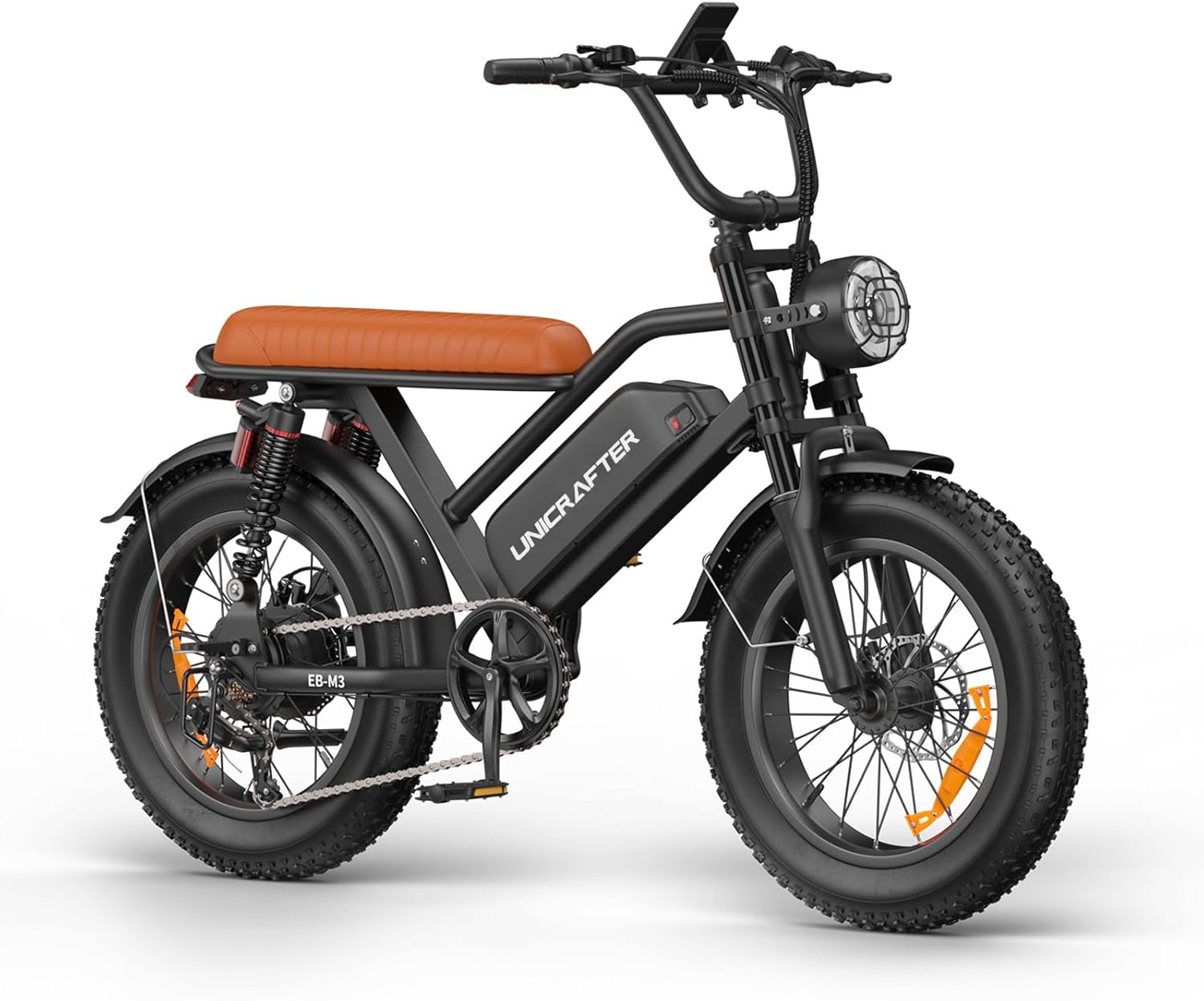
Different Types of Electric Bikes Available in NZ
Common Buying Mistakes to Avoid
❌ Mistake: Prioritizing Price Over Quality
Why it’s bad: Ultra-cheap e-bikes ($1,200–$1,500) often use low-capacity batteries, weak motors, and flimsy frames that fail within a year—especially in NZ’s humid, salty coastal air. You’ll spend more on repairs than the bike’s original cost.
What to do instead: Set a realistic budget ($2,000+) and focus on value, not just price. A $2,500 bike with a reputable motor and battery will outlast three $1,200 models.
❌ Mistake: Ignoring Local Terrain Needs
Why it’s bad: Buying a flatland commuter bike for Queenstown’s mountains—or a heavy eMTB for Wellington’s narrow footpaths—leads to frustration and safety risks.
What to do instead: Match your bike to your most common routes. Hilly areas need mid-drive motors and good gearing; cities benefit from lightweight, agile designs.
❌ Mistake: Overlooking Battery Removability
Why it’s bad: Non-removable batteries force you to bring the entire 20kg bike inside to charge—impractical for apartment dwellers or office commuters.
What to do instead: Always choose a model with a removable battery unless you have secure outdoor charging.
❌ Mistake: Skipping the Test Ride
Why it’s bad: E-bikes feel vastly different—assist responsiveness, weight distribution, and ergonomics vary widely. What looks good online may feel awkward in person.
What to do instead: Test ride at least 2–3 models at a local dealer. Ride uphill, brake hard, and check comfort over 10+ minutes.
❌ Mistake: Neglecting After-Sales Support
Why it’s bad: Online-only brands may disappear, leaving you with no warranty service or spare parts—common with imported Chinese models.
What to do instead: Buy from retailers with physical stores in NZ and verified service networks. Check Google reviews for post-purchase experiences.
❌ Mistake: Assuming All E-Bikes Are Legal
Why it’s bad: NZ law limits e-bikes to 300W (pedal-assist only) or 500W (with throttle). Exceeding these can result in fines or classification as a motorcycle.
What to do instead: Verify compliance before buying. Reputable NZ retailers only stock legal models.
❌ Mistake: Forgetting About Maintenance
Why it’s bad: E-bikes require more upkeep than regular bikes—brake pads wear faster, chains stretch quicker, and electronics need care.
What to do instead: Budget $150–$300/year for servicing. Learn basic maintenance or join a local bike co-op for support.
Budget Guidelines: How Much Should You Spend?
Entry-Level ($1,500 – $2,500): These bikes suit occasional riders or short, flat commutes. Expect hub motors, basic displays, and limited range (30–50km). Brands like Heybike or Engwe offer decent value here, but build quality varies. Ideal for students or weekend explorers on a tight budget.
Mid-Range ($2,500 – $4,500): The sweet spot for most NZ riders. You’ll get reliable mid-drive or high-quality hub motors, 500Wh+ batteries, hydraulic brakes, and better components. Models from Avanti, Giant, or Trek shine here—offering durability, comfort, and local support. Perfect for daily commuting or recreational touring.
Premium ($4,500 – $7,000): For enthusiasts and professionals. Expect top-tier motors (Bosch Performance Line, Shimano EP8), full suspension (on eMTBs), advanced displays, and premium materials. These bikes excel in performance, longevity, and tech integration. Great for long-distance riders, cargo haulers, or serious trail users.
Luxury ($7,000+): Top-tier machines with cutting-edge features—carbon frames, regenerative braking, GPS tracking, and bespoke builds. Reserved for collectors, extreme adventurers, or those who want the absolute best. While impressive, the marginal gains over premium models may not justify the cost for average riders.
Expert Tips for Getting the Best Deal
- Buy in Autumn (March–May): Many retailers clear winter stock before new models arrive. You can save 10–20% on previous-year bikes with minimal feature differences.
- Shop Local, But Compare Online: Support NZ businesses for service and warranty, but check online prices first. Some dealers price-match.
- Look for Bundle Deals: Retailers often include free helmets, locks, or lights with e-bike purchases—worth $150–$300 in value.
- Check Trade-In Programs: Brands like Giant and Specialized offer credit for old bikes, reducing your net cost.
- Verify Return Policies: Ensure you can return within 14–30 days if the bike doesn’t fit or perform as expected.
- Join E-Bike Communities: Facebook groups like “NZ Electric Bikes” share deals, reviews, and maintenance tips from real riders.
- Ask About Demo Programs: Some shops let you rent a bike for a weekend—ideal for testing long-term comfort.
- Inspect Before Paying: Check for scratches, loose bolts, or misaligned wheels. A quick pre-ride inspection prevents headaches.

Frequently Asked Questions
Q: Are electric bikes legal in New Zealand?
A: Yes, but with restrictions. E-bikes must have a maximum power output of 300W for pedal-assist only (no throttle) or 500W if equipped with a throttle. They must also display a compliance plate and cannot exceed 32km/h under motor power. Always confirm legality before purchase.
Q: How far can I ride on a single charge?
A: Range depends on battery capacity, terrain, rider weight, and assist level. On average, expect 40–80km from a 500Wh battery in mixed conditions. Hilly areas reduce range by 20–30%. Use Eco mode to maximize distance.
Q: Do I need a license or insurance for an e-bike in NZ?
A: No license or registration is required for compliant e-bikes. Insurance is optional but recommended for theft or damage coverage, especially for bikes over $2,000.
Q: Can I ride an e-bike in the rain?
A: Yes, most e-bikes are designed for wet conditions. Look for IP65-rated components and avoid submerging the battery. Dry and store indoors after rainy rides to prolong lifespan.
Q: How often should I service my e-bike?
A: Basic maintenance (chain lubrication, tire pressure) weekly. Full service every 6–12 months or 1,000km. Battery health checks annually. More frequent if riding in mud or saltwater.
Q: What’s the difference between pedal-assist and throttle?
A: Pedal-assist (PAS) provides power only when you pedal, offering a natural riding feel. Throttle lets you ride without pedaling, like a scooter. In NZ, throttle models are limited to 500W and may have usage restrictions in some areas.
Q: Can I take my e-bike on public transport?
A: Most NZ buses and trains allow e-bikes during off-peak hours, but check with operators like Metlink (Wellington) or AT (Auckland). Folding e-bikes are more widely accepted.
Q: How long do e-bike batteries last?
A: Lithium-ion batteries typically retain 80% capacity after 500–1,000 charge cycles (2–4 years of daily use). Proper care—avoiding full discharges and extreme temperatures—extends life.
Q: Are e-bikes worth it for short commutes?
A: Absolutely. Even 5km commutes benefit from reduced sweat, faster travel, and lower transport costs. Over 5 years, an e-bike can save thousands compared to car or public transport.
Q: What should I do if my e-bike breaks down far from home?
A: Carry a basic toolkit, spare tube, and portable charger. Many brands offer roadside assistance programs. Join a cycling club for buddy support on long rides.
Our Final Recommendations
Best for Budget-Conscious Buyers: Avanti E+ Discovery ($2,299) – Reliable Shimano motor, 504Wh battery, and local dealer support make this the best value under $2,500.
Best Overall Value: Giant Explore E+ 2 ($3,499) – Balanced performance, excellent comfort, and robust build quality for daily Kiwi commutes and weekend adventures.
Best Premium Option: Specialized Turbo Vado SL 5.0 ($6,499) – Lightweight, powerful, and packed with smart features. Ideal for tech-savvy riders wanting top-tier performance.
Best for Beginners: Trek Verve+ 2 Lowstep ($3,199) – Easy step-through design, intuitive controls, and stable handling perfect for new e-bike riders.
Best for Advanced Users: Trek Rail 9.8 XT ($8,999) – Full-suspension eMTB with Bosch CX motor, built for serious trail riding in NZ’s rugged backcountry.
Conclusion: Making the Right Choice
Choosing the right electric bike in New Zealand isn’t just about picking the shiniest model or the lowest price—it’s about aligning your investment with your real-world needs, environment, and lifestyle. From the windswept streets of Wellington to the alpine trails of the South Island, your e-bike should enhance your journey, not complicate it. We’ve covered everything from motor types and battery range to budget tiers and common pitfalls, equipping you with the knowledge to make a confident, informed decision.
Remember, the best e-bike is the one you’ll actually ride. Prioritize comfort, reliability, and local support over flashy specs you’ll never use. Test ride whenever possible, ask questions, and don’t rush the process. Whether you’re reducing your carbon footprint, escaping traffic, or rediscovering the joy of cycling, your perfect e-bike is out there—waiting to take you further, faster, and with less effort.
Now it’s your turn. Use this guide as your roadmap, visit a trusted NZ retailer, and start your electric adventure today. The open road—and open trail—awaits.