
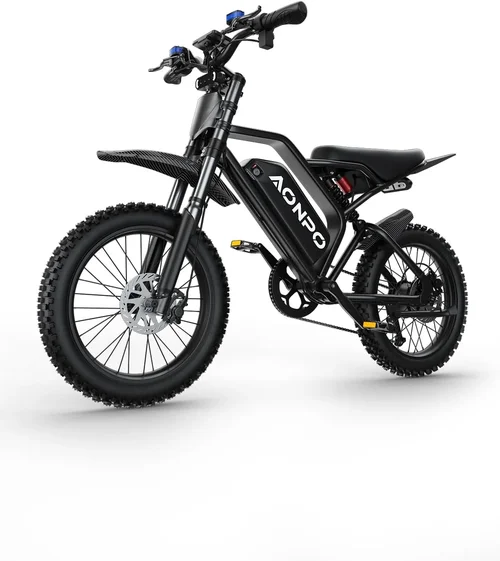
Electric dirt bikes for adults have exploded in popularity over the past few years, and for good reason. They offer a thrilling off-road experience without the noise, fumes, and maintenance headaches of traditional gas-powered dirt bikes. Whether you’re an adrenaline junkie looking to tear up trails, a weekend warrior exploring rugged terrain, or someone seeking a sustainable alternative for outdoor recreation, adult electric dirt bikes deliver impressive power, instant torque, and eco-friendly performance. As we move into 2026, the market is more competitive than ever, with advancements in battery technology, motor efficiency, and frame design pushing the boundaries of what these machines can do.
This comprehensive buying guide is designed to help you navigate the crowded landscape of adult electric dirt bikes with confidence. We’ll walk you through every critical factor—from performance specs and build quality to budget considerations and brand reputation—so you can make an informed decision that matches your riding style, terrain, and long-term goals. You’ll learn how to avoid common pitfalls, understand what different price tiers offer, and discover expert tips to get the best value. Whether you’re a first-time buyer or upgrading from an older model, this guide equips you with the knowledge to choose the right electric dirt bike for your needs.
The adult electric dirt bike market has matured significantly, with manufacturers like Sur Ron, Segway, Razor, and newer entrants like Talaria and Cake delivering high-performance models that rival—and in some cases surpass—gas-powered counterparts. These bikes now feature lithium-ion batteries with extended range, brushless motors delivering 10+ kW of power, and lightweight yet durable aluminum frames. With options ranging from beginner-friendly trail bikes to competition-level machines capable of 60+ mph speeds, there’s never been a better time to go electric. This guide cuts through the marketing hype and delivers real, actionable insights to help you find the best adult electric dirt bike for 2026.
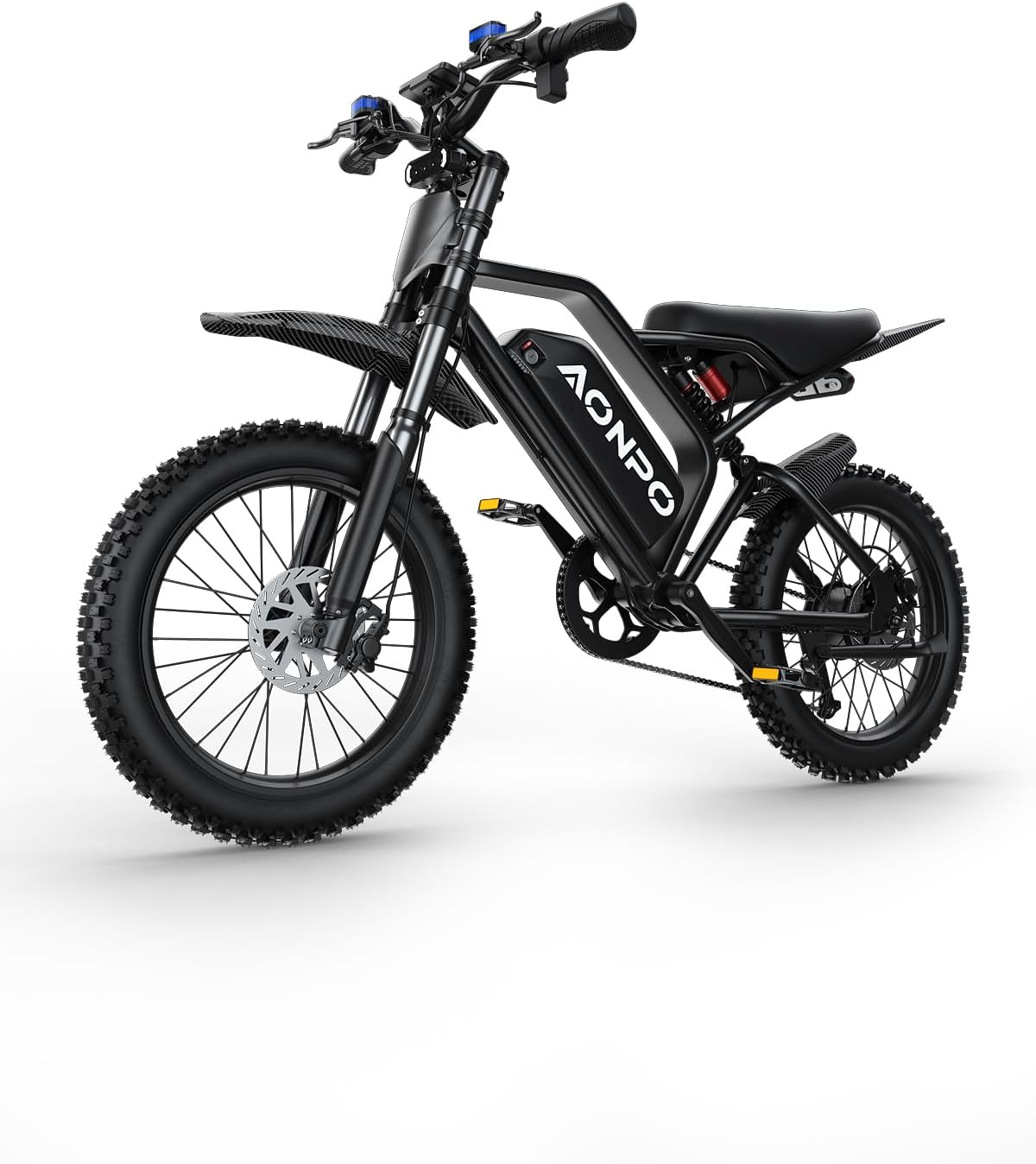
What to Look for When Buying an Adult Electric Dirt Bike
1. Budget & Price Range
Your budget is the foundation of your buying decision. Adult electric dirt bikes span a wide price spectrum, from under $1,000 for entry-level models to over $10,000 for professional-grade machines. Setting a realistic budget helps narrow your options and prevents overspending on features you may not need. Entry-level bikes are great for casual riders or beginners, while mid-range models offer a balance of performance and affordability. Premium bikes deliver top-tier components, longer range, and superior build quality, making them ideal for serious off-road enthusiasts or competitive riders.
When determining your budget, consider not just the upfront cost but also long-term expenses like battery replacement, maintenance, and potential upgrades. A bike priced at $3,000 might seem like a bargain, but if it requires frequent repairs or has a short battery lifespan, it could end up costing more than a $5,000 model with better reliability. Always factor in the total cost of ownership.
2. Performance Specifications
Performance is where electric dirt bikes truly shine. Key specs to evaluate include motor power (measured in watts or kilowatts), top speed, torque, range per charge, and hill-climbing ability. Most adult electric dirt bikes feature brushless DC motors ranging from 3,000W to 15,000W. Higher wattage generally means more power and faster acceleration—ideal for steep trails or high-speed riding. For example, a 7,000W motor can easily tackle 30% inclines, while a 3,000W model may struggle on moderate hills.
Top speed varies widely: entry-level bikes cap out around 20–25 mph, while high-performance models can exceed 60 mph. Range is equally important—most bikes offer 20–50 miles per charge, depending on terrain, rider weight, and riding style. Aggressive riding or rough trails drain the battery faster. Look for bikes with regenerative braking, which recaptures energy during deceleration to extend range. Also, check torque output (measured in Newton-meters), as higher torque delivers instant power for quick launches and technical climbs.
3. Build Quality & Durability
An electric dirt bike must withstand harsh conditions—mud, rocks, jumps, and constant vibration. Build quality directly impacts longevity and safety. Look for frames made from high-strength aluminum alloy (like 6061-T6), which offers excellent strength-to-weight ratios. Avoid bikes with flimsy steel frames or plastic components that can crack under stress. Suspension systems are equally critical: quality front forks (like inverted USD forks) and rear shocks with adjustable preload and rebound damping provide better control and comfort on rough terrain.
Check the quality of welds, fasteners, and electrical connections. Poorly sealed components can lead to water ingress, especially in wet or muddy conditions. IP ratings (Ingress Protection) indicate water and dust resistance—look for at least IP65 for reliable off-road use. Additionally, inspect the drivetrain: chain-driven systems are common, but belt drives (like those on some Sur Ron models) are quieter and require less maintenance. Finally, consider weight distribution and center of gravity—well-balanced bikes handle better and are safer during jumps and sharp turns.
4. Features & Functionality
Modern electric dirt bikes come packed with features that enhance usability, safety, and performance. Key functionalities include multiple riding modes (Eco, Sport, Race), which allow you to adjust power output and throttle response based on conditions. Regenerative braking not only extends range but also reduces wear on mechanical brakes. LED lighting improves visibility during night rides, while digital displays show speed, battery level, trip distance, and error codes.
Other useful features include quick-release wheels for easy transport, removable batteries for convenient charging, and smartphone connectivity via Bluetooth apps. Some premium models offer GPS tracking, ride analytics, and firmware updates. Suspension travel is another functional consideration—longer travel (8–10 inches) is better for aggressive riding and jumps, while shorter travel suits smoother trails. Also, check brake type: hydraulic disc brakes offer superior stopping power and modulation compared to mechanical discs or drum brakes.
5. Brand Reputation
Not all electric dirt bike brands are created equal. Established brands like Sur Ron, Segway (with its X260 and X160 models), and Razor have built reputations for reliability, customer support, and innovation. These companies often invest heavily in R&D, resulting in better engineering and longer product lifecycles. Emerging brands like Talaria, Cake, and Bambino are gaining traction with cutting-edge designs and high-performance specs, but may lack the proven track record of older players.
Research brand history, customer reviews, and industry awards. A brand with a strong presence in the electric vehicle space (like Segway or Zero Motorcycles) is more likely to offer consistent quality and long-term support. Avoid unknown or “no-name” brands that sell rebranded Chinese models with minimal warranty or service networks. A reputable brand also means better access to spare parts, service centers, and firmware updates—critical for maintaining your bike over time.
6. Warranty & Support
A solid warranty is a strong indicator of a manufacturer’s confidence in their product. Most reputable brands offer at least a 12-month warranty covering the frame, motor, and electronics. Premium models may include 24-month coverage or extended battery warranties (often 12–24 months, as batteries degrade over time). Read the fine print: some warranties exclude normal wear items like tires, brakes, or batteries, or require registration within a specific timeframe.
Customer support is just as important. Look for brands with responsive service teams, accessible repair centers, and comprehensive online resources (manuals, FAQs, video tutorials). Brands with U.S.-based support or local dealers make troubleshooting and repairs much easier. Avoid companies with no contact information or slow response times. A good warranty and support system can save you hundreds in repair costs and downtime.
7. Size & Portability
While adult electric dirt bikes aren’t designed for daily commuting, portability matters for transport and storage. Consider the bike’s weight, dimensions, and whether it can be easily loaded into a truck bed or trailer. Most full-size models weigh between 100–150 lbs, which can be challenging to lift without assistance. Some brands offer foldable handlebars or removable batteries to reduce size during transport.
Seat height is another factor—taller riders (6’+) may prefer higher seat heights (34–36 inches), while shorter riders should look for adjustable or lower seats. Wheel size also affects handling: 21-inch front and 18-inch rear wheels are standard for adult bikes and provide good ground clearance. If you plan to ride in tight trails or urban areas, a more compact bike with agile handling may be preferable. Always check the bike’s dimensions against your vehicle’s cargo space.
8. User Reviews & Ratings
User reviews provide real-world insights that specs sheets can’t match. Look for detailed reviews on platforms like YouTube, Reddit (r/electricbikes), and specialized forums. Pay attention to recurring themes: if multiple users report battery issues, poor suspension, or weak brakes, it’s a red flag. Conversely, consistent praise for reliability, power, or customer service is a strong endorsement.
Be cautious of overly positive or vague reviews—these may be fake. Instead, focus on balanced feedback that discusses both pros and cons. Video reviews are especially valuable, as they show the bike in action—how it handles jumps, climbs hills, or performs in mud. Also, check recent reviews (within the last 6–12 months), as manufacturers often update models annually. A bike with a 4.5-star average from 500+ reviews is generally more trustworthy than one with 5 stars from just 10 users.
Different Types of Adult Electric Dirt Bikes

Common Buying Mistakes to Avoid
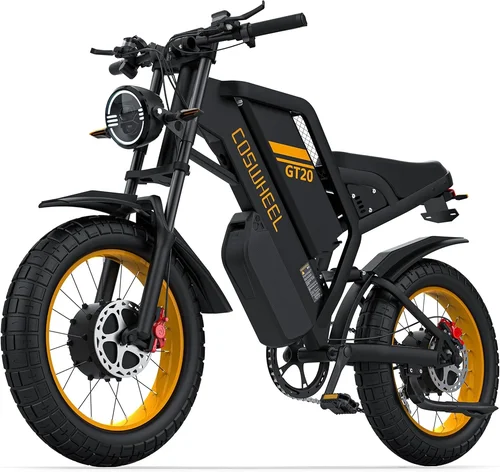
❌ Mistake: Prioritizing Price Over Performance
Why it’s bad: Choosing the cheapest bike available often leads to disappointment. Low-cost models may have weak motors, short range, poor suspension, or flimsy frames that break under stress. You’ll end up replacing it sooner, costing more in the long run.
What to do instead: Set a realistic budget based on your riding needs. A $2,500 bike with solid specs is often a better investment than a $1,200 model with compromises. Look for value, not just low price.
❌ Mistake: Ignoring Battery Life and Charging Time
Why it’s bad: A bike with a 30-mile range sounds great—until you realize it takes 8 hours to recharge. Long charging times limit ride frequency, and degraded batteries lose capacity over time, reducing usable range.
What to do instead: Check battery chemistry (Li-ion is standard), capacity (measured in Ah), and charging time. Look for fast-charging options (2–4 hours) and removable batteries so you can swap in a spare. Consider brands with battery health monitoring.
❌ Mistake: Overlooking Weight and Portability
Why it’s bad: A 140-lb bike may be powerful, but if you can’t lift it into your truck or store it in your garage, it becomes a hassle. Heavy bikes are also harder to control for lighter riders.
What to do instead: Test the bike’s weight and dimensions. Look for models with ergonomic designs, foldable parts, or lightweight frames. If you’re under 150 lbs, consider a bike with adjustable suspension to match your weight.
❌ Mistake: Buying Without Test Riding
Why it’s bad: Specs don’t tell the whole story. A bike might look great on paper but feel unstable, uncomfortable, or underpowered in real-world conditions. Suspension feel, throttle response, and ergonomics are hard to judge remotely.
What to do instead: Visit local dealers or attend demo events. If that’s not possible, watch detailed video reviews showing the bike in action. Some online retailers offer trial periods or generous return policies.
❌ Mistake: Neglecting Warranty and Support
Why it’s bad: Electric bikes have complex electronics. Without a solid warranty, a single motor or controller failure could cost $500+ to repair. Poor support means long wait times and frustration.
What to do instead: Choose brands with at least a 12-month warranty and accessible customer service. Read warranty terms carefully—some exclude batteries or require professional installation.
❌ Mistake: Assuming All Bikes Are Street-Legal
Why it’s bad: Most electric dirt bikes are designed for off-road use only. Riding one on public roads without proper lighting, mirrors, or registration can result in fines or impoundment.
What to do instead: Check local laws. Some models (like the Segway X260) can be made street-legal with add-ons. If you plan to ride on roads, look for DOT-approved lights, turn signals, and license plate mounts.
❌ Mistake: Ignoring Maintenance Needs
Why it’s bad: Electric bikes still require maintenance—chain lubrication, brake adjustments, tire checks, and software updates. Neglecting these leads to poor performance and safety risks.
What to do instead: Learn basic maintenance or find a local shop that services electric bikes. Choose models with accessible components and clear service manuals.
Budget Guidelines: How Much Should You Spend?
- Entry-Level ($800 – $2,500): Ideal for beginners or casual riders. These bikes offer 3,000W–5,000W motors, 20–30 mph top speed, and 20–30 mile range. Examples include the Razor MX650 and some Chinese imports. Expect basic suspension, mechanical brakes, and limited features. Great for learning but may lack durability for aggressive use.
- Mid-Range ($2,500 – $5,500): The sweet spot for most buyers. Models like the Surron Light Bee or Segway X160 deliver 5,000W–7,000W power, 40–50 mph speeds, and 30–45 mile range. They feature hydraulic brakes, quality suspension, removable batteries, and multiple riding modes. Excellent balance of performance, reliability, and value.
- Premium ($5,500 – $9,000): For serious off-road enthusiasts. These bikes (e.g., Talaria Sting, Cake Kalk) offer 8,000W–12,000W motors, 50–65 mph top speeds, and advanced features like regenerative braking, app connectivity, and race-tuned suspension. Built with premium materials and designed for durability and performance.
- Luxury ($9,000+): Top-tier machines for professionals and collectors. Examples include the Zero FXE or custom-built models. These feature cutting-edge tech, ultra-lightweight frames, extended range (50+ miles), and bespoke components. Often used in competitions or as status symbols.
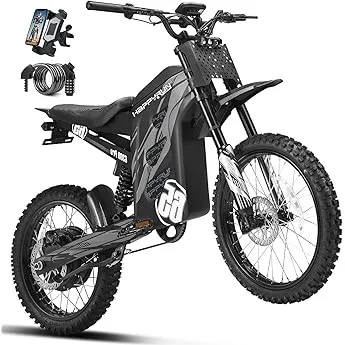
Expert Tips for Getting the Best Deal
- Buy During Off-Season: Prices drop in late fall and winter when demand is low. Many retailers offer end-of-season sales or clearance deals on previous-year models.
- Shop Authorized Dealers: Buying from authorized retailers ensures warranty coverage, genuine parts, and reliable support. Avoid third-party sellers on eBay or Amazon unless verified.
- Look for Bundles: Some dealers offer packages including helmets, chargers, or spare batteries at a discount. These can save you 10–20% compared to buying separately.
- Check for Rebates or Incentives: Some states offer tax credits or rebates for electric vehicle purchases. Research local programs that may apply to electric dirt bikes.
- Negotiate or Wait for Sales: Don’t hesitate to ask for a discount, especially on higher-end models. Black Friday, Cyber Monday, and holiday sales often feature significant markdowns.
- Consider Used or Refurbished: Certified pre-owned bikes from reputable dealers can offer huge savings. Ensure they come with a warranty and have been inspected.
- Read Return Policies: Choose retailers with at least a 14-day return window. This gives you time to test the bike and ensure it meets your expectations.
- Join Owner Communities: Forums and Facebook groups often share exclusive deals, discount codes, or group buy opportunities.

Frequently Asked Questions
Q: Are electric dirt bikes legal to ride on public trails?
A: It depends on local regulations. Many public lands allow electric bikes on designated trails, but some restrict motorized vehicles. Always check with land management agencies (e.g., BLM, National Forests) before riding. Off-road parks and private trails are usually more permissive.
Q: How long do electric dirt bike batteries last?
A: Most lithium-ion batteries last 500–1,000 charge cycles, equating to 2–5 years of regular use. Battery life depends on riding style, charging habits, and storage conditions. Avoid fully draining the battery and store it at 50–70% charge if not used for long periods.
Q: Can I ride an electric dirt bike in the rain?
A: Yes, but with caution. Most bikes have IP65 or higher water resistance, meaning they can handle splashes and light rain. Avoid submerging the bike or riding through deep puddles, as water can damage electronics. Dry the bike thoroughly after wet rides.
Q: Do electric dirt bikes require a license or registration?
A: For off-road use, no license or registration is typically required. However, if you plan to ride on public roads, you may need a motorcycle license, registration, and insurance, depending on your state’s laws.
Q: How fast can adult electric dirt bikes go?
A: Speeds vary widely. Entry-level models reach 20–25 mph, mid-range bikes 40–50 mph, and high-performance models exceed 60 mph. Some competition bikes can hit 70+ mph with modifications.
Q: Are electric dirt bikes quieter than gas bikes?
A: Yes—significantly. Electric motors produce minimal noise, often just a soft whir. This makes them ideal for riding in noise-sensitive areas or early morning sessions without disturbing neighbors.
Q: Can I upgrade my electric dirt bike?
A: Many components can be upgraded, including batteries, motors, suspension, and tires. However, major upgrades may void the warranty. Stick to manufacturer-approved parts or consult a professional.
Q: What’s the difference between hub motors and mid-drive motors?
A: Hub motors are built into the wheel (usually rear) and are simpler, cheaper, and easier to maintain. Mid-drive motors sit near the pedals (on e-bikes) or frame and offer better weight distribution and efficiency. Most electric dirt bikes use hub motors for simplicity and power delivery.
Q: How do I maintain my electric dirt bike?
A: Regular maintenance includes cleaning after rides, lubricating the chain, checking tire pressure, inspecting brakes, and updating firmware. Store the bike in a dry place and charge the battery monthly if not in use.
Q: Are electric dirt bikes environmentally friendly?
A: Yes, compared to gas bikes. They produce zero emissions during operation and have a lower carbon footprint over their lifespan, especially when charged with renewable energy. However, battery production and disposal have environmental impacts, so proper recycling is important.
Our Final Recommendations
- Best for Budget-Conscious Buyers: Razor MX650 – At under $1,000, it’s one of the most affordable adult electric dirt bikes. While not built for extreme terrain, it’s perfect for beginners or light trail use with a 350W motor and 17 mph top speed.
- Best Overall Value: Surron Light Bee X – Priced around $4,500, this bike offers 6,000W power, 45 mph speed, 40+ mile range, and a lightweight aluminum frame. It’s reliable, fun, and widely supported by the community.
- Best Premium Option: Talaria Sting R – At $7,500, it delivers 12,000W peak power, 65 mph top speed, and race-grade suspension. Ideal for advanced riders seeking top performance and cutting-edge tech.
- Best for Beginners: Segway X160 – With a 4,000W motor, 31 mph speed, and user-friendly design, it’s perfect for new riders. It also has a removable battery and app connectivity for learning and tracking progress.
- Best for Advanced Users: Cake Kalk OR – A Swedish-designed masterpiece at $12,000+, it combines minimalist aesthetics with 11,000W power, 56 mph speed, and exceptional build quality. Built for serious off-road performance and sustainability.
Conclusion: Making the Right Choice
Choosing the best adult electric dirt bike in 2026 is about more than just power and speed—it’s about finding a machine that aligns with your riding goals, budget, and lifestyle. We’ve covered the essential factors: performance specs, build quality, features, brand reputation, and long-term value. We’ve also highlighted common pitfalls, budget tiers, and expert strategies to help you avoid overspending and underperforming.
Remember, the “best” bike isn’t necessarily the most expensive or powerful—it’s the one that fits your needs. A beginner doesn’t need a 12,000W race bike, just as a competitive rider won’t be satisfied with a 350W starter model. Prioritize your must-have features, test ride when possible, and invest in quality and support.
As electric technology continues to evolve, these bikes are becoming more capable, efficient, and accessible. Whether you’re exploring backcountry trails, commuting sustainably, or chasing adrenaline on the track, there’s an electric dirt bike ready to take you there. Use this guide as your roadmap, and ride with confidence into the future of off-road electric mobility.