
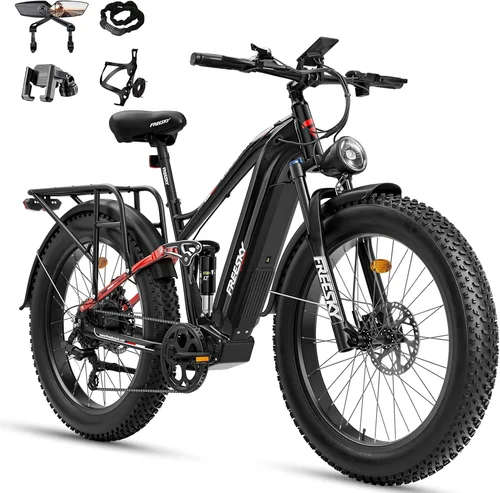
Electric bikes have revolutionized the way we commute, explore, and enjoy outdoor recreation. Whether you’re looking to cut down on car trips, tackle hilly terrain without breaking a sweat, or simply rediscover the joy of cycling, an e-bike can be a game-changer. But with hundreds of models flooding the market—especially on platforms like Amazon—it’s easy to feel overwhelmed. That’s why this comprehensive buyer’s guide exists: to cut through the noise, demystify the jargon, and help you make a smart, informed decision.
In this guide, you’ll learn exactly what to look for when shopping for the best e-bike on Amazon in 2026. We’ll break down the most critical factors—from motor power and battery life to build quality and warranty coverage—so you know what matters most based on your needs. You’ll also discover common pitfalls to avoid, how to match your budget to realistic expectations, and which types of e-bikes suit different lifestyles. Whether you’re a first-time buyer or upgrading from an older model, this guide arms you with expert-level knowledge to find the perfect ride.
The e-bike market has matured significantly over the past few years. What once was a niche segment is now mainstream, with options ranging from affordable folding commuter bikes to high-performance off-road machines. Amazon, in particular, has become a go-to destination thanks to its vast selection, competitive pricing, and customer review ecosystem. However, not all listings are created equal—some brands cut corners on components, while others exaggerate specs. Our goal is to help you navigate this landscape confidently, so you end up with a reliable, safe, and enjoyable e-bike that delivers long-term value.

What to Look for When Buying an E-Bike
1. Budget & Price Range
Your budget is the single biggest factor shaping your e-bike options. E-bikes on Amazon range from under $500 to over $3,000, and understanding what you get (or don’t get) at each price point is crucial. At the lower end, you’ll find entry-level models with basic motors, minimal battery capacity, and often questionable build quality. Mid-range bikes ($800–$1,500) typically offer better components, longer range, and more reliable warranties. Premium models ($1,500+) feature high-efficiency motors, advanced battery management systems, and durable frames designed for daily use or off-road adventures.
Don’t assume that spending more always means better performance—sometimes you’re paying for brand prestige or unnecessary features. Instead, align your budget with your intended use. If you’re commuting 5 miles each way on flat city streets, a $700 bike with a 250W motor and 30-mile range may suffice. But if you plan to haul groceries up steep hills or ride trails on weekends, investing in a more robust system pays off in longevity and safety.
2. Motor Type and Power Output
The motor is the heart of any e-bike. Most models on Amazon use either hub motors (mounted in the front or rear wheel) or mid-drive motors (located near the pedals). Hub motors are simpler, cheaper, and great for casual riders—they provide steady assistance but can struggle on steep inclines. Mid-drive motors, found mostly on higher-end bikes, deliver power through the drivetrain, offering better balance, efficiency, and hill-climbing ability.
Motor power is measured in watts (W). In the U.S., federal law limits e-bikes to 750W maximum for Class 1 and 2 bikes (pedal-assist and throttle-assisted, respectively). Many budget bikes advertise “500W” or “750W” motors, but real-world output is often lower due to thermal throttling or controller limitations. Look for continuous wattage ratings rather than peak claims. A 250W–500W motor is sufficient for city commuting, while 500W–750W suits hilly areas or heavier loads.
Also consider torque, measured in Newton-meters (Nm). Higher torque means stronger acceleration and better hill performance. For example, a 40Nm motor will feel noticeably more responsive than a 25Nm one when starting from a stop or climbing a 10% grade.
3. Battery Capacity and Range
Battery life determines how far you can go on a single charge—and nothing kills the e-bike experience faster than running out of juice mid-commute. Battery capacity is measured in watt-hours (Wh), calculated by multiplying voltage (V) by amp-hours (Ah). A 36V 10Ah battery = 360Wh. As a rule of thumb, expect about 25–30 miles per 400Wh under moderate assist levels on flat terrain.
However, real-world range varies wildly based on rider weight, terrain, assist level, wind, and tire pressure. Amazon listings often quote “up to 50 miles,” but that’s usually under ideal conditions (light rider, flat road, lowest assist). Always assume 60–70% of advertised range for realistic planning.
Lithium-ion (Li-ion) batteries dominate the market due to their energy density and longevity. Avoid older lead-acid or nickel-based chemistries—they’re heavier, degrade faster, and offer poor range. Check if the battery is removable; this makes charging convenient and allows for spare batteries on long trips. Also verify the charger type: fast chargers (2–3 hours) are worth the extra cost if you need quick turnarounds.
4. Frame Material and Build Quality
The frame bears the brunt of your weight, cargo, and road vibrations—so material matters. Aluminum alloy is the most common choice on Amazon due to its balance of strength, lightness, and corrosion resistance. High-quality 6061 or 7005 aluminum frames offer excellent durability without excessive weight. Steel frames are heavier but absorb road shock better and are often found on budget or retro-style e-bikes. Carbon fiber is rare on Amazon e-bikes due to cost but appears on premium models for its ultra-lightweight properties.
Inspect weld quality, cable routing, and component integration. Poorly welded joints or exposed wires signal corner-cutting. Look for reinforced dropouts (where wheels attach), internal cable routing (protects from dirt and snags), and sealed bearings—all signs of thoughtful engineering. Weight matters too: most commuter e-bikes weigh 40–60 lbs. Heavier isn’t always better; it affects portability and handling.
5. Braking System
Safety starts with stopping power. Mechanical disc brakes are common on budget e-bikes and work adequately in dry conditions, but they require more hand force and wear faster. Hydraulic disc brakes, found on mid-to-high-end models, offer superior modulation, consistent performance in wet weather, and less maintenance. Rim brakes (V-brakes) are outdated for e-bikes—they struggle with the added speed and weight and should be avoided.
Look for brake rotor size: 160mm is minimal, 180mm is standard, and 203mm provides maximum stopping force for heavy or fast riders. Also ensure the bike has brake levers with motor cutoff switches—this instantly cuts power when you squeeze the brakes, preventing dangerous interference.
6. Drivetrain and Gearing
Even with electric assist, you’ll still pedal—so gearing matters. Single-speed e-bikes are rare and only suitable for flat, short commutes. Most models feature 7-speed or 8-speed Shimano Tourney or Altus drivetrains, which handle moderate hills well. Higher-end bikes may include 9- or 11-speed Shimano Deore or SRAM components for smoother shifting and better efficiency.
Consider whether you need a derailleur or internal gear hub. Derailleurs are lighter and cheaper but require more maintenance. Internal hubs (like Shimano Nexus or Enviolo) are sealed, low-maintenance, and allow shifting while stopped—ideal for stop-and-go city riding—but add cost and weight.
7. Tires and Suspension
Tires affect comfort, grip, and rolling resistance. Wider tires (2.0”–2.4”) provide better cushioning and traction, especially on gravel or potholed roads. Look for puncture-resistant layers (e.g., Kevlar belts) if you ride in urban areas with debris. Knobby tires are great for off-road but slow you down on pavement.
Suspension comes in two forms: front suspension forks and rear suspension. Most commuter e-bikes have basic front suspension (50–100mm travel) to absorb bumps. Full-suspension models exist but are heavier and rarer on Amazon. For city riding, a rigid fork with quality tires often suffices—and saves weight and cost.
8. Display and Controls
The display shows speed, battery level, assist mode, and sometimes trip data. Basic LED indicators show only battery bars—fine for casual use. Color LCD displays offer more info, backlighting, and connectivity (Bluetooth, app integration). Ensure buttons are intuitive and waterproof. Some bikes let you customize assist levels or track fitness metrics via companion apps—a nice perk if you’re tech-savvy.
9. Portability and Folding Options
If you live in an apartment, take your bike on public transit, or store it in a car trunk, portability is key. Folding e-bikes like the Swagtron EB5 or Ancheer Folding are compact and lightweight (under 50 lbs), though they sacrifice frame rigidity and range. Non-folding bikes are sturdier but harder to transport. Consider handlebar and pedal foldability even on standard frames—it makes storage easier.
10. Warranty and Customer Support
A good warranty signals manufacturer confidence. Look for at least a 1-year comprehensive warranty covering motor, battery, and frame. Some brands (like Aventon or Rad Power Bikes) offer 2-year warranties. Battery warranties are especially important—lithium batteries degrade over time. A 2-year battery warranty with 70% capacity retention is industry standard.
Check if the seller provides U.S.-based support. Many Amazon e-bikes are sold by third-party retailers with slow or nonexistent customer service. Brands with dedicated service centers or responsive email/phone support save you headaches if something breaks.
11. User Reviews and Ratings
Amazon reviews are invaluable—but read them critically. Look for recent reviews (last 6 months), detailed photos, and comments about real-world performance. Watch for patterns: if multiple users report the same issue (e.g., “battery died after 3 months”), it’s a red flag. Be wary of overly positive reviews that sound scripted or lack specifics. Verified purchase tags add credibility.
Also check the Q&A section—real customers often ask practical questions about assembly, weight limits, or compatibility with accessories.
Different Types of E-Bikes
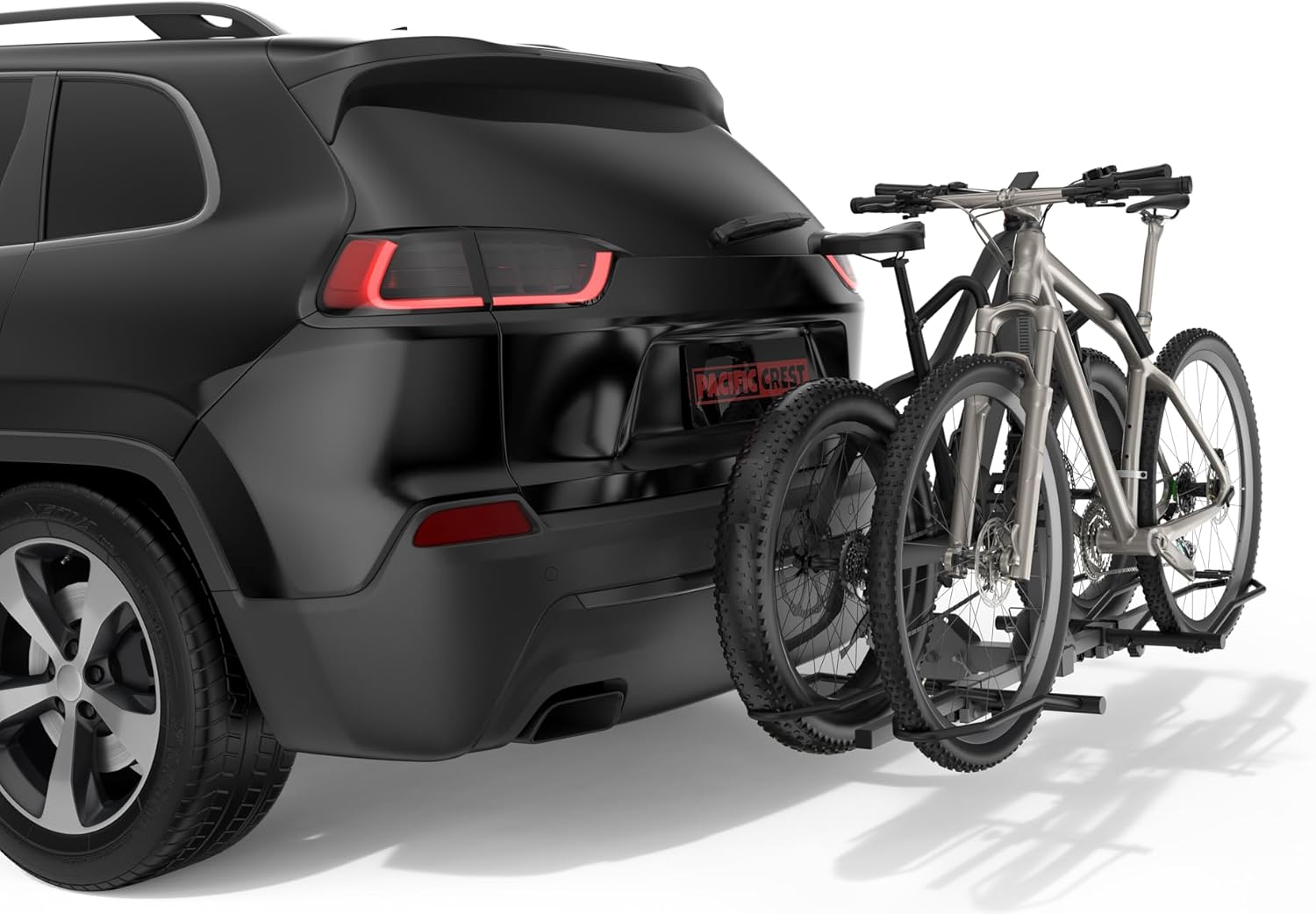
Common Buying Mistakes to Avoid
❌ Mistake: Ignoring Real-World Range Claims
Why it’s bad: Many Amazon listings boast “up to 60 miles” range, but this assumes minimal assist, flat roads, and a lightweight rider. In reality, most riders get 40–50% less—especially in hilly areas or with cargo.
What to do instead: Calculate your expected range by dividing battery Wh by 15 (a conservative estimate for mixed terrain). If you need 20 miles round-trip, aim for at least a 400Wh battery.
❌ Mistake: Overlooking Weight Limits
Why it’s bad: Exceeding the bike’s weight capacity (typically 220–300 lbs) strains the motor, reduces range, and compromises safety. Some budget bikes have unrealistically low limits.
What to do instead: Add your weight plus any cargo (backpack, groceries, child seat). Choose a bike rated for at least 50 lbs above your total.
❌ Mistake: Buying Based Solely on Price
Why it’s bad: The cheapest e-bike often costs more in the long run due to frequent repairs, short battery life, or poor resale value.
What to do instead: Prioritize value over price. A $900 bike with a 2-year warranty and quality components beats a $600 model that fails in six months.
❌ Mistake: Skipping Assembly and Safety Checks
Why it’s bad: Most Amazon e-bikes ship partially assembled. Improperly tightened bolts, misaligned brakes, or loose wheels can cause accidents.
What to do instead: Watch assembly videos, torque all bolts to spec, and test brakes before riding. Consider paying for professional assembly ($50–$100) if you’re unsure.
❌ Mistake: Ignoring Local E-Bike Laws
Why it’s bad: Some states restrict throttle use, speed limits, or where e-bikes can ride. Buying a Class 3 bike (28 mph) may limit trail access.
What to do instead: Check your state and city regulations. Most commuter bikes are Class 1 or 2—safe for bike lanes and trails.
❌ Mistake: Not Testing Ride Feel
Why it’s bad: E-bikes handle differently than regular bikes. A poorly balanced or overly heavy bike feels awkward and unsafe.
What to do instead: If possible, test ride at a local dealer. If buying online, read reviews about handling, especially for folding or fat-tire models.
❌ Mistake: Overlooking Accessory Compatibility
Why it’s bad: You may want to add a rear rack, phone mount, or lights later—but not all frames support them.
What to do instead: Check if the bike has mounting points for racks, fenders, and water bottles. Look for integrated lights and USB ports if you commute at night.
Budget Guidelines: How Much Should You Spend?
Entry-Level ($400–$700): These bikes suit occasional riders or those on tight budgets. Expect basic 250W–350W hub motors, 300–400Wh batteries (20–30 mile range), and minimal features. Build quality varies—some are surprisingly decent (e.g., Ancheer, ECOTRIC), while others feel flimsy. Ideal for flat commutes under 10 miles. Avoid if you carry heavy loads or ride hills.
Mid-Range ($700–$1,300): This is the sweet spot for most buyers. You’ll find reliable 500W motors, 400–500Wh batteries (30–45 mile range), hydraulic disc brakes, and better frames. Brands like Aventon, Lectric, and Heybike offer excellent value here. Great for daily commuting, light cargo, and moderate hills.
Premium ($1,300–$2,200): Designed for enthusiasts and frequent riders. Features include mid-drive motors (e.g., Bafang M600), 600+ Wh batteries, full suspension (on MTB models), and advanced displays. Expect superior components, longer warranties, and better customer support. Perfect for long-distance touring, off-road adventures, or hauling kids/groceries.
Luxury ($2,200+): Top-tier engineering with carbon frames, integrated lighting, smart connectivity, and ultra-long range (60+ miles). Brands like Specialized, Trek, and Riese & Müller dominate this space—but they’re rarely sold directly on Amazon. Reserve for serious riders who demand the best.
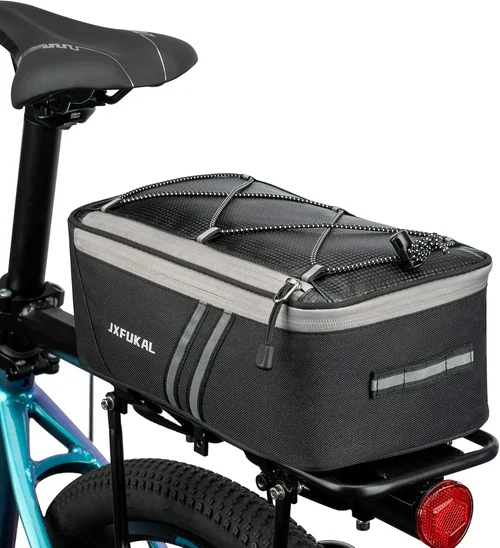
Expert Tips for Getting the Best Deal
1. Shop During Seasonal Sales: Amazon Prime Day (July), Black Friday, and end-of-season clearances (August–September) offer the biggest discounts. Many brands drop prices by 15–25%.
2. Compare “Ships from Amazon” vs. Third-Party Sellers: Fulfillment by Amazon (FBA) ensures faster shipping, easier returns, and better customer service. Third-party sellers may offer lower prices but risk delayed support or counterfeit parts.
3. Use Price Tracking Tools: Install browser extensions like Honey or CamelCamelCamel to monitor price history and get alerts when your desired model drops.
4. Prioritize Brands with U.S. Support: Rad Power Bikes, Aventon, and Lectric have dedicated service networks. If your motor fails, you won’t wait weeks for a replacement.
5. Read the Fine Print on Returns: Most e-bikes are large and expensive to return. Ensure the seller offers at least a 30-day return window and covers return shipping for defective items.
6. Consider Certified Refurbished Models: Amazon Renewed or manufacturer-refurbished e-bikes often come with warranties and sell for 20–30% less than new.
7. Join Owner Communities: Facebook groups and Reddit forums (like r/ebikes) share real-world tips, deal alerts, and troubleshooting advice.
8. Test Ride Virtually: Watch YouTube reviews that show the bike in action—pay attention to noise, vibration, and how the motor responds to hills.

Frequently Asked Questions
Q: Are e-bikes legal everywhere?
A: In the U.S., federal law classifies e-bikes into three categories based on speed and throttle use. Most states follow these rules, but local ordinances may restrict where you can ride (e.g., sidewalks, trails). Always check your city’s regulations.
Q: How long do e-bike batteries last?
A: A quality lithium battery typically lasts 500–1,000 charge cycles, equating to 2–4 years of daily use. Capacity gradually declines—expect 70–80% of original range after 2 years.
Q: Can I ride an e-bike in the rain?
A: Yes, most e-bikes are water-resistant (IP54 or higher), but avoid submerging them or high-pressure washing. Dry the battery compartment after wet rides.
Q: Do I need a license or insurance?
A: In most U.S. states, no license or insurance is required for Class 1 and 2 e-bikes. Class 3 bikes may have additional rules. Check your local DMV.
Q: How much maintenance do e-bikes need?
A: Less than cars, but more than regular bikes. Regularly check tire pressure, brake pads, chain lubrication, and battery connections. Annual professional tune-ups are recommended.
Q: Can I pedal without electric assist?
A: Absolutely. E-bikes function like normal bicycles when the motor is off—great for exercise or conserving battery.
Q: What’s the difference between pedal-assist and throttle?
A: Pedal-assist (PAS) provides power only when you pedal, while throttle lets you ride without pedaling (like a scooter). Class 1 = PAS only; Class 2 = throttle + PAS; Class 3 = PAS up to 28 mph.
Q: Are folding e-bikes as durable as regular ones?
A: Generally less so due to hinge mechanisms, but reputable brands (e.g., Tern, Brompton) engineer them for strength. Avoid ultra-cheap folders with thin frames.
Q: How fast can e-bikes go?
A: Class 1 and 2 e-bikes are limited to 20 mph. Class 3 bikes go up to 28 mph. Some models can be unlocked for higher speeds, but this voids warranties and may be illegal.
Q: What if my e-bike breaks down far from home?
A: Carry a basic toolkit, spare tube, and phone charger. Many brands offer roadside assistance programs. For long trips, consider a portable battery pack.
Our Final Recommendations
Best for Budget-Conscious Buyers: Lectric XP 3.0 ($999) – Exceptional value with 500W motor, 45+ mile range, fat tires, and foldable design. Ships with a 1-year warranty and U.S. support.
Best Overall Value: Aventon Level.2 ($1,299) – Balances performance, comfort, and features. Includes hydraulic brakes, integrated lights, and a sleek step-through frame. Ideal for daily commuters.
Best Premium Option: Rad Power Bikes RadRover 6 Plus ($1,999) – Fat-tire powerhouse with 750W motor, 50+ mile range, and rugged build. Perfect for off-road adventures and all-weather riding.
Best for Beginners: Heybike Cityscape ($699) – Simple setup, intuitive controls, and reliable components. Great first e-bike with room to grow.
Best for Advanced Users: Specialized Turbo Vado SL 5.0 ($3,500) – Lightweight, high-efficiency mid-drive system with smart connectivity. Built for performance-minded riders (note: may require specialty retailer, but available via Amazon partners).
Conclusion: Making the Right Choice
Choosing the right e-bike isn’t just about specs or price—it’s about matching the bike to your lifestyle, terrain, and long-term goals. This guide has equipped you with the knowledge to evaluate motors, batteries, build quality, and support systems like an expert. Remember: the “best” e-bike is the one that gets you riding consistently, safely, and joyfully.
Don’t rush the decision. Use the comparison table, read real user reviews, and consider your daily routine. If you commute on flat roads, a lightweight commuter bike suffices. If you tackle mountains or carry kids, invest in durability and power. And always prioritize safety—good brakes, lights, and a helmet are non-negotiable.
Finally, treat your e-bike as a long-term investment. A well-chosen model will save money on gas, reduce your carbon footprint, improve your health, and bring years of reliable service. So take your time, ask questions, and ride with confidence. Your perfect e-bike is out there—and now you know exactly how to find it.