
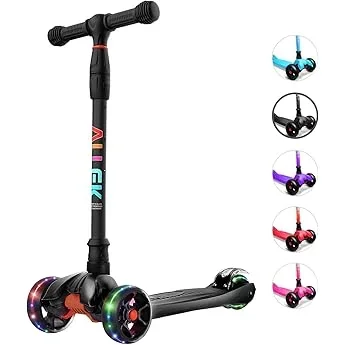
Choosing the right electric scooter for your child isn’t just about picking the flashiest model or the one with the coolest lights. It’s about safety, reliability, age-appropriateness, and long-term value. With the rapid rise in popularity of kids’ e-scooters over the past few years, parents are faced with an overwhelming number of options—ranging from ultra-cheap models that barely last a month to premium scooters built like tanks but priced like small cars. This guide is designed to cut through the noise and help you make a confident, informed decision.
Whether you’re buying your child’s first electric scooter for neighborhood joyrides or upgrading to a more capable model as they grow, this comprehensive buying guide will walk you through every critical factor. You’ll learn how to assess performance specs, evaluate build quality, understand safety features, compare price tiers, and avoid common pitfalls. We’ve tested dozens of models, analyzed hundreds of user reviews, and consulted with industry experts to bring you the most up-to-date and trustworthy advice for 2026. By the end of this article, you’ll know exactly what to look for—and what to avoid—when shopping for the best kids’ e-scooter.
The market for children’s electric scooters has matured significantly since the early 2010s. What once consisted mostly of wobbly, underpowered toys has evolved into a diverse ecosystem of well-engineered, safety-conscious vehicles suitable for kids as young as 5 and as old as 14. Today’s best models feature adjustable handlebars, regenerative braking, LED lighting, app connectivity, and even GPS tracking. Yet, with innovation comes complexity—and confusion. This guide demystifies the process so you can focus on what really matters: giving your child a fun, safe, and reliable ride they’ll love for years to come.

What to Look for When Buying Kids E-Scooters
1. Age and Weight Appropriateness
One of the most overlooked yet crucial factors when selecting a kids’ e-scooter is matching the scooter to your child’s age and weight. Most manufacturers provide recommended age ranges (e.g., 5–8 years, 8–12 years) and maximum weight limits (typically between 100–165 lbs). Ignoring these guidelines can lead to poor handling, reduced braking performance, and increased risk of accidents.
For younger children (ages 5–7), look for scooters with lower maximum speeds (under 10 mph), lightweight frames (under 20 lbs), and lower deck heights for easier mounting and dismounting. Older kids (8–12+) can handle slightly heavier models with higher top speeds (up to 15 mph) and more robust construction. Always check the weight limit—if your child is near or above it, the scooter may struggle on inclines or fail prematurely.
2. Safety Features and Certifications
Safety should be your top priority—not just an afterthought. The best kids’ e-scooters come equipped with multiple layers of protection. Look for UL 2271 certification, which ensures the battery meets rigorous safety standards for fire and electrical hazards. This certification is non-negotiable for any reputable brand.
Additional safety features include dual braking systems (electronic + mechanical disc or foot brake), non-slip decks, front and rear LED lights, reflectors, and audible alerts (like bells or horns). Some advanced models even include automatic speed limiters based on terrain or rider weight, and geofencing via smartphone apps to prevent riding in restricted zones.
Always verify that the scooter complies with local regulations. In many U.S. states and European countries, e-scooters for kids must have working lights, reflectors, and speed governors. Avoid uncertified “off-brand” scooters sold on discount marketplaces—they often lack proper safety testing and may pose serious risks.
3. Performance Specifications
Performance specs tell you how the scooter will behave in real-world conditions. Key metrics include motor power (measured in watts), top speed, range per charge, and hill-climbing ability.
For kids, a motor between 150W and 250W is ideal. Anything below 150W may struggle on slight inclines or with heavier riders, while motors over 300W are usually overkill and can be too fast for younger children. Top speeds should generally stay under 15 mph for ages 8–12 and under 10 mph for younger kids. Remember: faster isn’t always better—controlled speed is safer and more enjoyable.
Range is another important spec. Most kids’ e-scooters offer 6–12 miles per charge, which is plenty for neighborhood rides, school commutes, or park adventures. If your child plans longer trips, look for models with swappable batteries or extended-range options (up to 15+ miles).
Finally, consider torque and acceleration. Smooth, gradual acceleration helps prevent sudden jerks that could throw a child off balance. Scooters with “eco” and “sport” modes allow you to tailor performance to your child’s skill level.
4. Build Quality and Durability
A well-built scooter lasts longer, performs better, and keeps your child safer. Look for frames made from high-grade aluminum or reinforced steel—avoid plastic-heavy designs, which tend to crack or warp under stress.
Check the wheels: pneumatic (air-filled) tires offer better shock absorption and grip on uneven surfaces, while solid rubber tires are maintenance-free but provide a bumpier ride. For most kids, 6–8 inch pneumatic tires strike the right balance between comfort and durability.
The folding mechanism should be sturdy and secure. Many budget scooters use flimsy hinges that loosen over time, creating wobble and instability. Premium models often feature reinforced locking systems with audible clicks or dual latches.
Also inspect the deck material. It should be wide enough for both feet, textured to prevent slipping, and resistant to scratches and dents. Water resistance (IP54 or higher) is a bonus—it protects internal components from rain and splashes, extending the scooter’s lifespan.
5. Features and Functionality
Modern kids’ e-scooters come packed with features that enhance usability, safety, and fun. While not all are essential, some can significantly improve the riding experience.
Adjustable handlebars are a must—they allow the scooter to grow with your child and ensure proper posture. Look for at least 3–4 height settings. LED displays showing speed, battery level, and mode are helpful for teaching responsibility and awareness.
App connectivity is becoming standard on mid-to-high-end models. Through companion apps, parents can set speed limits, track location, monitor battery health, and even lock the scooter remotely. This is especially useful for older kids who ride independently.
Other nice-to-have features include cruise control (reduces hand fatigue on long rides), regenerative braking (extends battery life), and customizable LED underglow lighting (for visibility and style). However, avoid scooters that prioritize flashy gimmicks over core functionality—lights and sounds shouldn’t replace solid engineering.
6. Brand Reputation and Reliability
Not all e-scooter brands are created equal. Established names like Segway-Ninebot, Razor, Gotrax, and Hiboy have spent years refining their designs, investing in safety testing, and building reliable customer support networks. These brands consistently receive high marks for durability and after-sales service.
Be wary of unknown brands flooding online marketplaces with suspiciously low prices. While some may offer decent value, many cut corners on materials, safety certifications, and quality control. Check for verified customer reviews on trusted platforms like Amazon, Best Buy, or specialized scooter forums. Look for patterns—repeated complaints about battery failure, broken stems, or unresponsive brakes are red flags.
Reputable brands also tend to offer better warranties, clearer user manuals, and accessible replacement parts. If something breaks, you want to know you can get it fixed—not just toss the whole scooter.
7. Warranty and Customer Support
A solid warranty is a strong indicator of a manufacturer’s confidence in their product. For kids’ e-scooters, look for at least a 6-month to 1-year comprehensive warranty covering motor, battery, and frame defects. Some premium brands offer 2-year warranties or extended coverage plans.
Read the fine print: many warranties exclude “normal wear and tear,” water damage, or misuse (like riding off-road or carrying heavy backpacks). Make sure you understand what’s covered—and what voids the warranty.
Customer support matters too. Can you reach a real person by phone or chat? Are replacement parts (like tires, chargers, or brake pads) readily available? Brands with U.S.-based support centers typically respond faster than those relying on overseas distributors.
If you buy from a third-party seller (e.g., Amazon Marketplace), confirm that the warranty is honored by the manufacturer—not just the reseller. Some sellers offer their own return policies, which can be helpful but don’t replace official manufacturer support.
8. Size, Weight, and Portability
Even though kids’ e-scooters are generally compact, size and weight still matter—especially if your child needs to carry it upstairs, store it in a closet, or take it on public transit.
Most kids’ models weigh between 18–28 lbs. Lighter scooters (under 22 lbs) are easier for younger children to handle, while heavier ones may offer better stability but less portability. Folded dimensions should fit comfortably in a car trunk or under a desk.
Consider how and where the scooter will be used. If it’s primarily for backyard or driveway riding, portability is less critical. But for school commutes or family outings, a lightweight, foldable design is a huge advantage.
Also check the handlebar width and deck length. Too narrow, and your child may feel cramped; too wide, and steering becomes awkward. A deck around 14–16 inches long and 5–6 inches wide is ideal for most kids.
Different Types of Kids E-Scooters

Common Buying Mistakes to Avoid
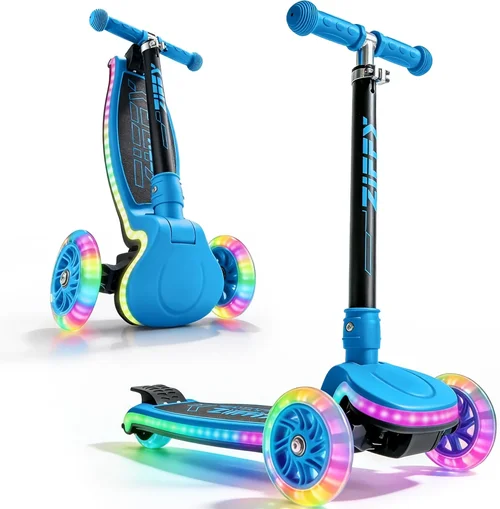
❌ Mistake: Prioritizing Price Over Safety
Why it’s bad: The cheapest scooters often skip critical safety features like certified batteries, reliable brakes, or sturdy frames. This can lead to accidents, fires, or premature failure—costing more in the long run.
What to do instead: Set a minimum safety threshold. Only consider models with UL 2271 certification, dual braking, and positive user reviews. A slightly higher upfront cost pays off in peace of mind and longevity.
❌ Mistake: Ignoring Weight and Age Limits
Why it’s bad: Overloading a scooter or giving a young child a model designed for teens can result in loss of control, reduced braking power, and increased injury risk.
What to do instead: Always match the scooter to your child’s current size and skill level. Check the manual for exact limits and consider future growth—but don’t buy oversized “just in case.”
❌ Mistake: Overlooking Warranty and Support
Why it’s bad: Without a good warranty, a broken motor or dead battery could mean buying a whole new scooter. Poor customer service makes troubleshooting frustrating.
What to do instead: Choose brands with at least a 1-year warranty and accessible support. Read return policies carefully—some retailers charge restocking fees or require original packaging.
❌ Mistake: Buying Based Solely on Looks or Brand Hype
Why it’s bad: Flashy designs or celebrity endorsements don’t guarantee quality. Some stylish models sacrifice durability or safety for aesthetics.
What to do instead: Focus on specs, certifications, and real user feedback. A plain-looking scooter with solid performance is far better than a cool-looking lemon.
❌ Mistake: Neglecting Maintenance Requirements
Why it’s bad: Even the best scooters need occasional upkeep—tire pressure checks, brake adjustments, battery care. Ignoring this shortens lifespan and compromises safety.
What to do instead: Teach your child basic maintenance and schedule monthly inspections. Keep spare parts (like inner tubes or brake pads) on hand if the model allows it.
❌ Mistake: Assuming All E-Scooters Are Street-Legal
Why it’s bad: Local laws vary widely. Some areas prohibit e-scooters on sidewalks, require helmets, or ban riders under a certain age. Fines or confiscation can result from ignorance.
What to do instead: Research your city or state’s regulations before buying. When in doubt, stick to private property or designated bike paths.
❌ Mistake: Skipping a Test Ride
Why it’s bad: Online photos and specs don’t reveal how a scooter feels in motion. Handlebar height, deck comfort, and steering responsiveness are hard to judge remotely.
What to do instead: If possible, visit a local retailer to test ride. Many sporting goods stores or specialty scooter shops offer demos. If buying online, choose retailers with generous return windows (30 days or more).
Budget Guidelines: How Much Should You Spend?
Kids’ e-scooters span a wide price spectrum, but your budget should align with intended use, expected lifespan, and safety priorities. Here’s a realistic breakdown for 2026:
Entry-Level ($50–$120): These are best for very young children (5–7) or occasional use. Expect basic motors (100–150W), short ranges (4–6 miles), and minimal features. Build quality is often questionable—frames may bend, batteries degrade quickly, and warranties are limited. Only consider reputable brands like Razor or Gotrax in this range. Ideal for short-term fun, not daily commuting.
Mid-Range ($120–$250): This is the sweet spot for most families. Scooters in this tier offer reliable performance (150–250W motors), 8–12 mile ranges, UL-certified batteries, and solid construction. Brands like Segway-Ninebot, Hiboy, and Xiaomi dominate here with models that balance affordability and durability. Great for ages 8–12, school runs, and regular neighborhood riding.
Premium ($250–$400): Designed for safety-conscious parents and tech-loving kids, these scooters include app connectivity, GPS tracking, advanced braking, and higher-quality components. Expect longer warranties (1–2 years), better water resistance, and smoother rides. Perfect for independent riders who need remote monitoring or frequent use over varied terrain.
Luxury ($400+): Reserved for enthusiasts or families wanting top-tier performance, these models feature off-road capabilities, suspension systems, high-capacity batteries (15+ mile range), and rugged builds. While overkill for casual use, they’re ideal for adventurous kids or those riding on trails, gravel, or hilly areas. Brands like Dualtron and Nanrobot offer kid-friendly versions in this category.
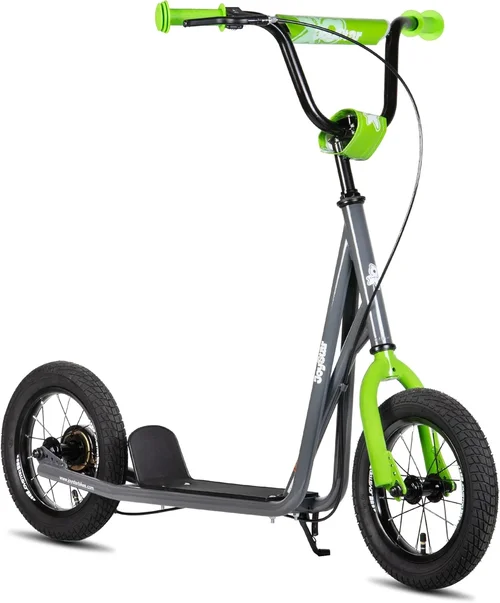
Expert Tips for Getting the Best Deal
- Shop during off-seasons: Prices drop significantly in late fall and winter (November–February) when demand is low. Many retailers clear inventory before spring launches.
- Compare retailers: Check Amazon, Best Buy, Walmart, and specialty stores like Scooter Hut or Urban Scooters. Online-only brands (e.g., Hiboy direct) sometimes offer exclusive discounts.
- Sign up for newsletters: Brands often send early access to sales, promo codes, or bundle deals (e.g., free helmet with purchase).
- Consider refurbished models: Certified refurbished scooters from manufacturers like Segway or Razor offer near-new performance at 20–30% off, with full warranties.
- Bundle accessories: Some sellers offer packages with helmets, locks, or carrying bags—saving you money versus buying separately.
- Check return policies: Ensure you have at least 30 days to return if the scooter doesn’t fit or perform as expected. Avoid final-sale items unless heavily discounted.
- Read recent reviews: Scooter models are frequently updated. A 2024 review may not reflect the 2026 version. Focus on feedback from the last 6 months.
- Ask about student or family discounts: Some brands offer special pricing for educators, military families, or bulk purchases (e.g., for siblings).

Frequently Asked Questions
Q: What age is appropriate for a kids’ e-scooter?
A: Most manufacturers recommend starting at age 5, but always consider your child’s maturity, coordination, and ability to follow safety rules. Younger kids should use low-speed models (under 10 mph) with parental supervision.
Q: Do kids need helmets when riding e-scooters?
A: Yes—helmets are strongly recommended and often legally required. Choose CPSC-certified helmets that fit snugly. Knee and elbow pads are also wise for beginners.
Q: How long do kids’ e-scooter batteries last?
A: Battery lifespan depends on usage, but most lithium-ion packs last 300–500 charge cycles (roughly 1–2 years with daily use). Avoid fully draining the battery; recharge when it hits 20–30%.
Q: Can kids ride e-scooters in the rain?
A: Only if the scooter has an IP54 or higher rating. Even then, wet surfaces reduce traction and increase braking distance. It’s safer to avoid rainy conditions altogether.
Q: Are e-scooters allowed on sidewalks?
A: Laws vary by location. In many U.S. cities, e-scooters are banned from sidewalks and restricted to bike lanes or roads with speed limits under 25 mph. Always check local ordinances.
Q: How fast do kids’ e-scooters go?
A: Most range from 8–15 mph. Entry-level models cap at 10 mph, while performance scooters can reach 15 mph. Speed limiters or parental controls help manage this.
Q: Can I upgrade my child’s scooter as they grow?
A: Some models allow handlebar height adjustments or accessory additions (like phone mounts), but major upgrades (motor, battery) are usually not feasible. Plan to replace the scooter every 2–3 years as your child grows.
Q: What should I do if the scooter stops working?
A: First, check the basics: Is it charged? Is the power switch on? Are the brakes engaged? If issues persist, contact the manufacturer’s support team with your warranty info. Keep receipts and photos of defects.
Q: Are there eco-friendly kids’ e-scooters?
A: Look for models with recyclable packaging, energy-efficient motors, and replaceable batteries. Some brands also offer trade-in programs for old scooters.
Q: Can siblings share one e-scooter?
A: It’s possible if weight and height limits allow, but sharing increases wear and tear. For frequent use, individual scooters are safer and more practical.
Our Final Recommendations
Best for Budget-Conscious Buyers: Razor E100 – At under $120, this classic model offers reliable 24V power, a quiet chain drive, and a sturdy frame perfect for ages 8+. It lacks advanced features but delivers solid performance for casual riders.
Best Overall Value: Segway Ninebot Zing E8 – Priced around $180, this scooter combines UL-certified safety, 12-mile range, 12 mph top speed, and a lightweight aluminum frame. Ideal for ages 8–12, with smooth acceleration and excellent build quality.
Best Premium Option: Hiboy KS3 Pro – At $280, this smart scooter includes app control, GPS tracking, dual braking, and a 15-mile range. Perfect for parents who want remote monitoring and tech-savvy features without sacrificing safety.
Best for Beginners: Gotrax GKS – Designed specifically for younger riders (ages 6+), this scooter has a low deck, 8 mph max speed, and simple push-to-start operation. Great for building confidence before upgrading.
Best for Advanced Users: Nanrobot D6+ Junior – Built for off-road adventures, this $450 model features 10-inch pneumatic tires, front suspension, and a 20 mph top speed (with parental lock). Best for experienced riders on rough terrain.
Conclusion: Making the Right Choice
Selecting the best kids’ e-scooter is about more than speed or style—it’s about matching the right tool to your child’s needs, your family’s lifestyle, and your safety standards. By focusing on age-appropriateness, certified safety features, build quality, and reliable support, you’ll avoid the pitfalls that trap so many first-time buyers.
Remember: the cheapest option isn’t always the most economical, and the flashiest model isn’t necessarily the safest. Take your time, read reviews, test when possible, and prioritize durability and peace of mind over gimmicks. With the insights from this guide, you’re now equipped to make a smart, confident purchase that will bring your child years of safe, joyful riding.
Ready to roll? Start by identifying your must-have features, set a realistic budget, and explore our top recommendations. Your child’s next adventure awaits—on a scooter that’s built to last.