

Electric dirt bikes are no longer just a futuristic concept—they’re here, and they’re revolutionizing off-road riding. With zero emissions, near-silent operation, and instant torque delivery, e-dirtbikes offer a thrilling yet environmentally conscious alternative to traditional gas-powered machines. Whether you’re a weekend trail rider, a competitive motocross enthusiast, or a parent looking for a safe, quiet ride for your child, the electric dirt bike market in 2026 has never been more diverse or advanced. From lightweight youth models to high-performance adult machines capable of tackling rugged terrain, there’s an e-dirtbike for nearly every rider and budget.
This comprehensive buying guide is designed to cut through the noise and help you make an informed decision. We’ll walk you through the essential factors to consider—from battery life and motor power to build quality and safety features—so you can choose the best e-dirtbike for your specific needs. You’ll learn how to compare different models, avoid common pitfalls, understand pricing tiers, and even score the best deals. By the end of this guide, you’ll have the confidence and knowledge to invest in an electric dirt bike that delivers performance, reliability, and long-term value.
The e-dirtbike market has exploded in recent years, driven by advances in lithium-ion battery technology, brushless motor efficiency, and smart onboard systems. Major brands like Sur Ron, Talaria, KTM, and Cake have pushed the boundaries of what’s possible, while newer startups are introducing innovative designs at competitive prices. At the same time, regulations around off-road vehicle use are evolving, and many parks and trails now welcome electric bikes due to their quiet operation. This shift means more opportunities to ride legally and responsibly. With so many options available, it’s easy to feel overwhelmed—but that’s exactly why this guide exists. Let’s dive into the key considerations that will help you find your perfect match.
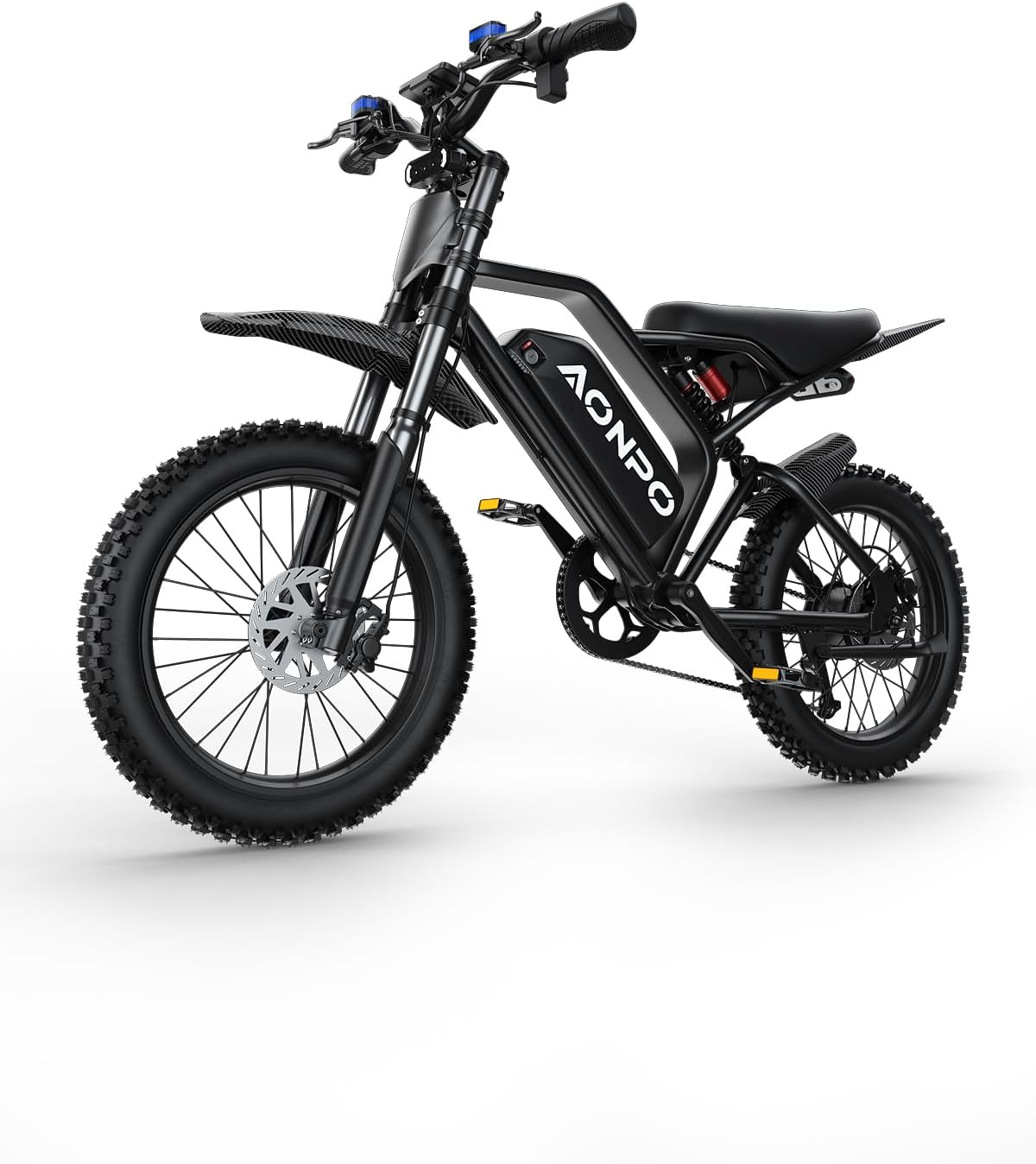
What to Look for When Buying an E-Dirtbike
1. Budget & Price Range
Your budget is the foundation of your buying decision. E-dirtbikes vary dramatically in price—from under $1,000 for basic youth models to over $15,000 for professional-grade machines. Setting a realistic budget upfront helps narrow your options and prevents overspending on features you don’t need. Consider not just the upfront cost but also long-term expenses like battery replacements, maintenance, and potential upgrades.
Entry-level bikes typically offer limited range and power but are ideal for beginners or casual riders. Mid-range models ($2,500–$6,000) strike a balance between performance and affordability, making them popular among recreational riders. Premium e-dirtbikes ($7,000+) deliver race-level performance, advanced suspension, and extended battery life—perfect for serious enthusiasts or competitive riders. Always factor in hidden costs: some brands charge extra for chargers, spare batteries, or protective gear.
2. Performance Specifications
Performance is where e-dirtbikes truly shine—and where they differ most from gas bikes. Key specs include motor power (measured in watts or horsepower), top speed, torque, range (how far you can ride on a single charge), and hill-climbing ability. A 3,000W motor might be sufficient for flat trails, but if you plan to tackle steep inclines or rocky terrain, look for 5,000W or higher.
Range is especially critical. Most e-dirtbikes offer between 20 and 60 miles per charge, depending on riding style, terrain, and battery capacity (measured in watt-hours, or Wh). Aggressive riding drains batteries faster, so always check real-world user reports rather than just manufacturer claims. Torque is another standout feature: electric motors deliver 100% torque instantly, giving you explosive acceleration off the line—ideal for jumps, quick starts, and technical sections.
Also consider regenerative braking, which recaptures energy during deceleration to extend range. While not all models include it, it’s becoming more common in mid-to-high-end bikes. Finally, pay attention to weight distribution and center of gravity—these affect handling more than raw power alone.
3. Build Quality & Durability
An e-dirtbike takes a beating. From mud and water to hard landings and rock strikes, your bike needs to be built to last. Look for frames made from high-strength aluminum or chromoly steel, which offer excellent strength-to-weight ratios. Avoid cheap plastics or thin-gauge metals that can crack or bend under stress.
Sealed components are essential for off-road use. The motor, controller, and battery should be IP67-rated or higher, meaning they’re protected against dust and temporary immersion in water. Check the suspension system too—quality forks and rear shocks (like those from Showa or Öhlins) absorb impacts better and improve ride comfort. Tires matter as well: knobby, puncture-resistant tires with good sidewall support handle rough terrain far better than smooth or low-profile alternatives.
Real-world durability often comes down to brand reputation and user feedback. Brands like Sur Ron and Talaria have earned trust through years of consistent build quality, while lesser-known manufacturers may cut corners to hit lower price points. Always inspect welds, cable routing, and fastener quality if possible—or rely on detailed reviews from experienced riders.
4. Features & Functionality
Modern e-dirtbikes come packed with smart features that enhance safety, performance, and convenience. Regenerative braking, multiple ride modes (Eco, Sport, Race), and Bluetooth connectivity for app-based diagnostics are increasingly standard. Some models even include GPS tracking, anti-theft alarms, and over-the-air firmware updates.
Look for intuitive controls: a clear LCD or OLED display showing speed, battery level, trip distance, and error codes is essential. Adjustable throttle sensitivity and traction control can help newer riders build confidence, while experienced riders may prefer full manual control. Quick-swap battery systems are a game-changer for extended rides—you can carry a spare and swap in seconds instead of waiting hours to recharge.
Other useful features include LED lighting for night riding, USB charging ports for devices, and tool-less access to key components for easy maintenance. While these extras don’t define performance, they significantly improve the overall riding experience and long-term usability.
5. Brand Reputation & Reliability
Not all e-dirtbike brands are created equal. Established names like KTM (with their Freeride E-XC), Husqvarna, and Cake have decades of motorcycle engineering expertise behind them. Their electric models benefit from rigorous testing, global dealer networks, and strong after-sales support. Meanwhile, Chinese manufacturers like Sur Ron and Talaria have disrupted the market with high-performance bikes at lower prices—but quality can vary between batches.
Research customer service responsiveness, availability of spare parts, and community support. A brand with an active forum, YouTube presence, and responsive customer service team makes troubleshooting and upgrades much easier. Avoid unknown brands with no track record or limited warranty coverage—they may disappear overnight, leaving you stranded with a broken bike and no support.
Reading long-term ownership reviews (6+ months) is crucial. Early adopters often praise new models, but durability issues may only surface after months of heavy use. Look for patterns in complaints: recurring motor failures, battery degradation, or poor waterproofing are red flags.
6. Warranty & Support
A solid warranty protects your investment. Most reputable brands offer at least a 1-year limited warranty covering the frame, motor, and electronics. Premium brands may extend this to 2–3 years, sometimes with optional extended plans. Pay close attention to what’s covered: some warranties exclude batteries (which degrade naturally) or damage from “extreme use” like racing or jumping.
Check if the warranty is transferable—this adds resale value. Also verify whether repairs must be done through authorized dealers or if you can use third-party shops. International buyers should confirm if the warranty applies globally or only in the country of purchase.
Customer support matters just as much. Can you easily reach a human? Are there local service centers? Do they stock common replacement parts? Brands with strong U.S. or EU support networks (like Cake or KTM) typically offer faster resolution times than those relying solely on overseas shipping.
7. Size, Weight & Portability
E-dirtbikes range from lightweight youth models (under 80 lbs) to full-size adult bikes (over 200 lbs). Choosing the right size ensures control, comfort, and safety. Youth bikes should match the rider’s height and skill level—too big, and they can’t reach the ground; too small, and they outgrow it quickly.
For adults, seat height, wheelbase, and overall weight affect maneuverability. Shorter wheelbases are more agile for tight trails, while longer ones provide stability at speed. Heavier bikes may feel sluggish in technical sections but offer better traction on loose surfaces.
Portability matters if you plan to transport your bike frequently. Look for foldable footpegs, removable batteries, and compact dimensions that fit in car trunks or trailers. Some models even include integrated carrying handles or wheel kits for easier loading.
8. User Reviews & Real-World Feedback
Manufacturer specs tell part of the story—but real riders tell the rest. Scour forums like Reddit’s r/electricmotorcycles, YouTube review channels, and Facebook groups dedicated to e-dirtbikes. Look for consistent themes: if multiple users report the same issue (e.g., battery swelling after 6 months), take note.
Pay attention to how bikes perform in conditions similar to yours. A bike praised for desert riding may struggle in muddy forests. Also consider rider weight: a 150-lb rider may get 50 miles of range, while a 220-lb rider gets only 30. Real-world data beats lab tests every time.
Be wary of overly promotional reviews or sponsored content. Seek out unbiased, long-term users who’ve logged hundreds of miles. Their insights on reliability, maintenance frequency, and hidden flaws are invaluable.
Different Types of E-Dirtbikes

Common Buying Mistakes to Avoid

❌ Mistake: Ignoring Battery Degradation Over Time
Why it’s bad: Lithium-ion batteries lose capacity over time—typically 10–20% per year with regular use. A bike advertised with “50-mile range” may only deliver 35 miles after two years, severely limiting usability.
What to do instead: Choose brands that use high-quality cells (like Samsung or Panasonic) and offer battery health monitoring. Consider purchasing an extra battery upfront if you plan long rides.
❌ Mistake: Overlooking Local Regulations
Why it’s bad: Some states and parks restrict e-dirtbike use based on power output, noise levels, or licensing requirements. Riding illegally can result in fines or confiscation.
What to do instead: Check your local DMV and park authority rules before buying. Many areas classify sub-750W bikes as “low-speed electric vehicles” with fewer restrictions.
❌ Mistake: Prioritizing Top Speed Over Usability
Why it’s bad: A bike that hits 60 mph sounds impressive—but if it’s unstable, hard to control, or drains its battery in 15 minutes, it’s impractical for most trails.
What to do instead: Focus on balanced performance: adequate speed (30–45 mph is plenty for most off-roading), good range, and responsive handling.
❌ Mistake: Skipping Safety Gear
Why it’s bad: Electric bikes accelerate instantly—new riders often underestimate their power and crash unexpectedly. Without proper protection, injuries can be severe.
What to do instead: Invest in DOT/ECE-certified helmets, armored jackets, gloves, and boots. Consider neck braces for aggressive riding.
❌ Mistake: Buying Based Solely on Price
Why it’s bad: The cheapest bike often costs more in the long run due to poor reliability, expensive repairs, or short battery life.
What to do instead: Evaluate total cost of ownership, including maintenance, battery replacement, and resale value. Mid-range bikes often offer the best long-term value.
❌ Mistake: Not Testing Before Buying
Why it’s bad: Specs don’t tell you how a bike feels. A heavy bike might look powerful on paper but feel unwieldy on tight trails.
What to do instead: Attend demo events, rent before you buy, or visit dealers with test tracks. Your body knows best.
❌ Mistake: Ignoring Software & Firmware Updates
Why it’s bad: Some e-dirtbikes ship with buggy software that affects performance or safety. Without updates, you miss fixes and new features.
What to do instead: Choose brands that actively support their products with regular firmware updates and clear update instructions.
Budget Guidelines: How Much Should You Spend?
Entry-Level ($800 – $2,000): Ideal for kids, teens, or adults new to off-roading. These bikes offer basic functionality—15–25 mph top speed, 15–30 mile range, and simple controls. Expect plastic body panels, basic suspension, and limited service support. Great for learning, but not built for heavy use.
Mid-Range ($2,500 – $6,000): The sweet spot for most recreational riders. Models like the Sur Ron LBX or Talaria Sting deliver 40+ mph speeds, 30–50 mile range, and robust aluminum frames. You’ll get better suspension, water resistance, and app connectivity. This tier offers the best balance of performance, durability, and value.
Premium ($7,000 – $12,000): For serious riders who demand race-ready performance. Think KTM Freeride E-XC or Cake Kalk OR. These bikes feature high-output motors (7,000W+), long-travel suspension, and advanced electronics. Expect 50+ mile range, quick-swap batteries, and professional-grade components. Built to handle daily abuse.
Luxury ($12,000+): Reserved for collectors, professionals, or tech enthusiasts. These flagship models boast cutting-edge materials (carbon fiber, titanium), AI-assisted ride modes, and bespoke designs. While overkill for casual use, they represent the pinnacle of e-dirtbike engineering.

Expert Tips for Getting the Best Deal
– Buy during off-season: Prices drop in late fall and winter when demand is low. Many dealers offer discounts to clear inventory before spring.
– Shop refurbished or demo units: Certified pre-owned bikes from reputable sellers often come with warranties and save you 20–30%.
– Compare total package costs: Some retailers bundle gear (helmet, charger, gloves) while others sell everything separately. Calculate the full price.
– Check for rebates or incentives: Some states offer tax credits for electric vehicle purchases—including e-dirtbikes used for recreation.
– Negotiate add-ons: Ask for free shipping, extended warranties, or spare batteries—especially with higher-priced models.
– Use price-tracking tools: Set alerts on sites like Google Shopping or CamelCamelCamel to catch sudden price drops.
– Join brand loyalty programs: Early access to sales, exclusive discounts, and free maintenance checks can add significant value.
– Read the fine print on returns: Ensure you can return the bike within 14–30 days if it doesn’t meet expectations—many electric bikes have strict restocking fees.

Frequently Asked Questions
Q: How long does an e-dirtbike battery last?
A: Most lithium-ion batteries retain 80% of their original capacity after 500–1,000 full charge cycles, which translates to 2–4 years of regular use. Proper care—avoiding full discharges, storing at 50% charge, and keeping cool—can extend lifespan.
Q: Can I ride an e-dirtbike in the rain?
A: Yes, if it’s IP67-rated or higher. However, avoid deep water crossings or submerging the bike. Always dry and inspect seals after wet rides.
Q: Do e-dirtbikes require less maintenance than gas bikes?
A: Absolutely. No oil changes, air filters, or spark plugs. Main maintenance includes tire pressure, chain lubrication, brake checks, and battery care.
Q: Are e-dirtbikes street legal?
A: Rarely. Most are classified as off-highway vehicles (OHVs) and cannot be ridden on public roads unless specifically certified. Check local laws—some states allow registration for limited street use.
Q: How fast can e-dirtbikes go?
A: Youth models top out at 20–25 mph, while performance bikes can exceed 60 mph. Speed depends on motor power, weight, and terrain.
Q: Can I upgrade my e-dirtbike’s battery?
A: Some brands offer higher-capacity batteries as upgrades. Others use proprietary systems that limit third-party options. Check compatibility before purchasing.
Q: What’s the best e-dirtbike for beginners?
A: Look for adjustable power modes, low seat height, and lightweight design. The Sur Ron Storm Bee or Cake Kalk AP are excellent starter choices.
Q: How do I charge my e-dirtbike?
A: Use the included charger plugged into a standard 110V outlet. Charging takes 3–8 hours depending on battery size. Level 2 (240V) chargers cut this time in half but require installation.
Q: Are spare parts easy to find?
A: For major brands like Sur Ron or KTM, yes. For obscure models, parts may be scarce or expensive. Stick to well-supported brands.
Q: Can kids ride e-dirtbikes safely?
A: With proper supervision, safety gear, and age-appropriate models, yes. Start with low-power bikes and teach basic riding skills in controlled environments.
Our Final Recommendations
Best for Budget-Conscious Buyers: Sur Ron LBX – At around $4,500, it delivers exceptional value with 40+ mph speed, 40-mile range, and a durable aluminum frame. Perfect for weekend warriors.
Best Overall Value: Talaria Sting – Priced near $5,500, it outperforms competitors with 50+ mph top speed, quick-swap batteries, and premium suspension. A favorite among intermediate riders.
Best Premium Option: KTM Freeride E-XC – At $11,999, it’s a factory-level machine with 7,000W motor, WP suspension, and Austrian engineering. Ideal for serious off-roaders.
Best for Beginners: Cake Kalk AP – With intuitive controls, low center of gravity, and adjustable power, it’s the safest entry point for new riders ($9,900).
Best for Advanced Users: Talaria MX4 – Built for motocross, this $8,500 beast offers 60+ mph, 50-mile range, and race-tuned geometry. For riders who push limits.
Conclusion: Making the Right Choice
Choosing the best e-dirtbike in 2026 isn’t just about picking the fastest or most expensive model—it’s about finding the right fit for your riding style, terrain, budget, and long-term goals. We’ve covered everything from core performance specs and build quality to hidden costs and real-world usability. Remember: the “best” bike is the one that matches your needs, not the one with the flashiest specs.
Prioritize safety, reliability, and support over gimmicks. Test ride when possible, read honest reviews, and don’t rush the decision. Whether you’re teaching your child to ride, exploring backcountry trails, or competing in local races, the right e-dirtbike will deliver years of silent, thrilling, and eco-friendly adventure.
Now that you’re equipped with expert knowledge, it’s time to take action. Revisit your priorities, compare your top contenders, and make a confident purchase. The future of off-road riding is electric—and it’s waiting for you.