
Electric bikes have surged in popularity over the past few years, and for good reason. They offer a sustainable, efficient, and often exhilarating way to commute, explore, or simply enjoy the outdoors—without the physical strain of a traditional bicycle. Whether you’re navigating city streets, tackling hilly terrain, or just looking to reduce your carbon footprint, an e-bike can be a game-changer. But with so many models flooding the market at wildly different price points, finding a reliable, high-performing electric bike that doesn’t break the bank can feel overwhelming. That’s where this guide comes in.
Our mission is simple: to help you find the best affordable electric bikes in 2026—models that deliver excellent performance, durability, and value without requiring a luxury budget. We’ve researched, tested, and analyzed dozens of e-bikes across multiple price tiers to bring you a comprehensive, expert-level buying guide. You’ll learn how to evaluate key features, avoid common pitfalls, understand what different price ranges actually get you, and ultimately make a confident, informed decision. Whether you’re a first-time buyer or upgrading from an older model, this guide is designed to save you time, money, and frustration.
The affordable e-bike market has matured significantly. In 2026, you no longer have to sacrifice quality to stay under $2,000. Brands like Rad Power Bikes, Aventon, Lectric, and Heybike have raised the bar, offering feature-rich models with powerful motors, long-range batteries, and thoughtful designs—all at accessible prices. At the same time, new entrants and direct-to-consumer startups are pushing innovation and driving prices down. This guide cuts through the noise, focusing on real-world performance, long-term reliability, and overall value. By the end, you’ll know exactly what to look for, what to avoid, and which models offer the best bang for your buck.

What to Look for When Buying Tuttio
1. Budget & Price Range
Your budget is the foundation of your e-bike purchase. While “affordable” is subjective, in 2026, most buyers can expect to find high-quality electric bikes between $800 and $2,000. This range covers entry-level commuters, mid-tier all-rounders, and even some premium-feeling models with advanced features. The key is to define your spending limit early and stick to it—don’t let flashy add-ons or aggressive upselling push you beyond what you can comfortably afford.
When setting your budget, consider not just the upfront cost but also long-term expenses. Will you need to buy a helmet, lock, lights, or a rack? Are replacement batteries or maintenance likely to add up? Some brands include extras like fenders, racks, or phone mounts, which can save you $50–$150 down the line. Also, be wary of “too good to be true” deals under $600—these often use low-quality components, weak motors, or unsafe batteries that may fail quickly or even pose fire risks.
2. Performance Specifications
Performance is where affordable e-bikes can vary dramatically. Three core specs define how your bike will feel on the road: motor power, battery capacity, and range.
Motor power is measured in watts (W). Most affordable e-bikes feature motors between 250W and 750W. A 250W motor is sufficient for flat city riding with light loads, while a 500W–750W motor handles hills, heavier riders, and faster speeds with ease. Look for a motor with at least 40Nm of torque—this determines how quickly the bike accelerates and climbs inclines.
Battery capacity is measured in watt-hours (Wh). A higher Wh rating means longer range. For example, a 48V 10Ah battery equals 480Wh. Most affordable e-bikes offer 400–600Wh batteries, providing 25–50 miles of range depending on terrain, rider weight, assist level, and weather. Always check real-world range reviews—manufacturers often quote optimistic numbers under ideal conditions.
Range anxiety is real, but manageable. If you plan to ride 15 miles daily, a 30-mile range bike gives you a comfortable buffer. Consider removable batteries for easy charging at work or home. Some models also support regenerative braking (though minimally effective on most e-bikes), which can slightly extend range.
3. Build Quality & Durability
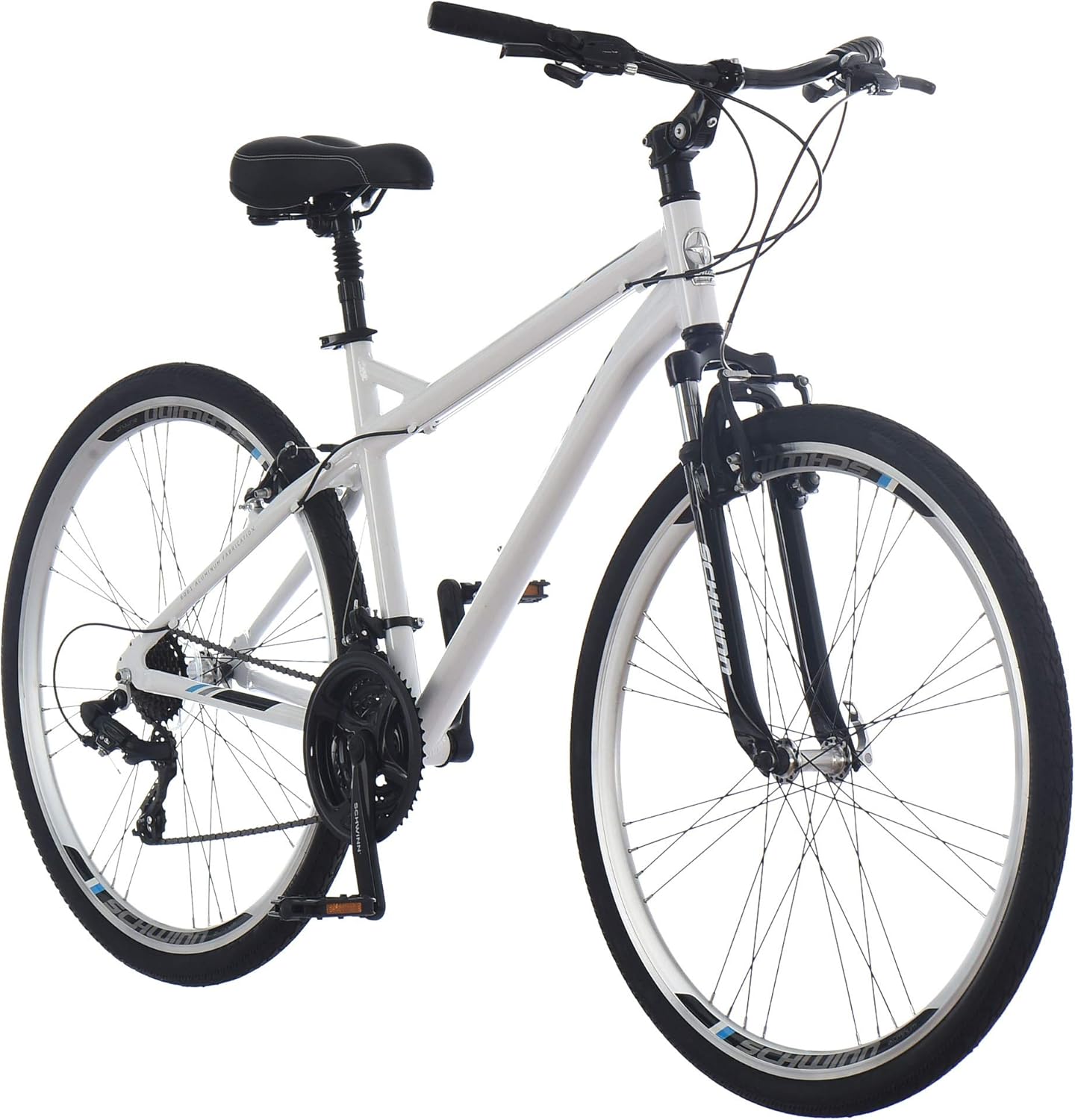
A cheap e-bike might save you money upfront but cost you more in repairs and replacements. Build quality matters—especially for daily riders or those in harsh climates. Start with the frame: aluminum alloy is the standard for affordable e-bikes. It’s lightweight, rust-resistant, and strong enough for most riders. Avoid steel frames unless you need extreme durability—they’re heavier and prone to rust.
Check the welds and joints. Clean, smooth welds indicate better manufacturing. Look for reinforced areas around the motor mount and battery housing—these endure the most stress. Suspension matters too. Front suspension forks absorb bumps on rough roads, but many affordable models skip rear suspension to save cost. That’s fine for city riding, but if you plan off-road adventures, consider a model with at least a basic rear shock or a rigid frame designed for comfort.
Tires are another durability factor. Look for puncture-resistant tires with good tread. Wider tires (2.0” or more) offer better stability and cushioning. Brands like Schwalbe and Kenda are reliable choices. Also, inspect the drivetrain—chains, gears, and derailleurs should be from reputable makers like Shimano or SRAM. A 7- or 8-speed drivetrain is typical in this price range and sufficient for most needs.
4. Features & Functionality
Affordable doesn’t mean barebones. Many budget e-bikes now include features that were once reserved for premium models. Pay attention to what’s included and what’s optional.
Display and controls: A clear, backlit LCD or LED display shows speed, battery level, assist mode, and sometimes trip data. Some models offer Bluetooth connectivity to sync with smartphone apps for navigation, ride tracking, or firmware updates. Look for intuitive controls—thumb throttles, twist grips, or pedal-assist buttons should be easy to use without looking.
Lighting: Integrated front and rear lights are essential for safety, especially if you ride at dawn, dusk, or night. Many affordable e-bikes now include LED lights powered by the main battery. This eliminates the need for separate batteries or frequent recharging.
Fenders and racks: These practical add-ons protect you from mud and water and let you carry groceries, bags, or gear. Some models include them standard; others sell them separately. If you plan to commute or run errands, prioritize bikes with these features built-in or easily attachable.
Brakes: Mechanical disc brakes are common in budget models, but hydraulic disc brakes offer superior stopping power and require less maintenance. For city riding, mechanical discs are adequate, but if you ride fast or in hilly areas, hydraulic is worth the upgrade.
Pedal assist levels: Most e-bikes offer 3–5 levels of pedal assist, from eco (minimal boost) to turbo (maximum power). More levels give you finer control over battery usage and effort. Some models also include a throttle-only mode, letting you ride without pedaling—great for starting from a stop or climbing steep hills.
5. Brand Reputation
Brand matters more than you might think. A well-known brand often means better customer service, reliable warranties, and access to replacement parts. In the affordable e-bike space, brands like Rad Power Bikes, Aventon, Lectric, and Heybike have built strong reputations for quality and support.
Rad Power Bikes, for example, offers a 1-year comprehensive warranty, free shipping, and a network of service centers. Aventon is known for sleek designs and responsive customer service. Lectric specializes in foldable e-bikes with high value. Heybike offers budget-friendly options with surprising features.
Avoid unknown brands with no online presence, vague warranties, or poor reviews. Check forums like Reddit’s r/ebikes or YouTube reviews from trusted creators. A brand with active community support and transparent policies is more likely to stand behind its products.
6. Warranty & Support
A good warranty is a sign of confidence in a product. For affordable e-bikes, expect at least a 1-year warranty on the frame, motor, and battery. Some brands offer 2 years, especially on the battery, which is the most expensive component to replace.
Read the fine print. Does the warranty cover labor? What about wear-and-tear items like tires and brake pads? Is shipping covered if you need to send the bike in for repair? Brands with in-house service centers or partnerships with local bike shops make repairs easier.
Customer support responsiveness is just as important. Can you reach someone by phone, email, or chat? Do they respond within 24 hours? Check recent reviews for complaints about slow or unhelpful support. A brand that stands behind its product will make your ownership experience smoother.
7. Size & Portability
E-bikes are heavier than regular bikes—typically 45–70 pounds—so size and portability matter, especially if you live in an apartment, take public transit, or store your bike indoors.
Step-through frames are easier to mount and dismount, ideal for riders with limited mobility or those wearing skirts or dresses. High-step frames are sturdier but require more flexibility.
If portability is a priority, consider a foldable e-bike. Models like the Lectric XP or Heybike Mars fold down to fit in car trunks, under desks, or in closets. However, folding bikes often have smaller wheels and less stability at high speeds.
Check the bike’s dimensions and weight before buying. Can you lift it up stairs? Will it fit in your car? Some brands offer lightweight aluminum frames or removable batteries to reduce lifting strain.
8. User Reviews & Ratings
Never buy an e-bike based solely on specs or marketing. Real-world user reviews reveal flaws and strengths that specs can’t capture. Look for patterns in reviews: Are multiple users reporting the same battery issue? Is the display hard to read in sunlight? Does the bike handle poorly in rain?
Focus on reviews from verified purchasers on sites like Amazon, the brand’s website, or independent review platforms. YouTube reviews are especially helpful—you can see the bike in action, hear the motor, and watch real rides.
Pay attention to long-term reviews (6+ months). An e-bike might work perfectly out of the box but develop issues after a few months of daily use. Brands with consistent positive feedback over time are more trustworthy.
Different Types of Tuttio
Common Buying Mistakes to Avoid
❌ Mistake: Choosing Based Solely on Price
Why it’s bad: The cheapest e-bike often comes with the lowest-quality components, poor battery life, and minimal warranty. You may end up replacing it within a year, costing more in the long run.
What to do instead: Focus on value, not just price. A $1,500 bike with a reliable motor, good battery, and solid warranty is a better investment than a $700 bike that breaks down frequently.
❌ Mistake: Ignoring Real-World Range Claims
Why it’s bad: Manufacturers often quote range under ideal conditions—light rider, flat terrain, low assist. In reality, range can be 30–50% lower.
What to do instead: Look for independent range tests or user reviews. Aim for a bike with a battery capacity that gives you at least 1.5x your expected daily distance.
❌ Mistake: Overlooking Weight and Portability
Why it’s bad: A 65-pound e-bike is hard to carry up stairs or load into a car. If you can’t move it easily, you’re less likely to use it.
What to do instead: Consider your storage and transport needs. If you live in a walk-up apartment, a lighter or foldable model may be worth the extra cost.
❌ Mistake: Skipping the Test Ride
Why it’s bad: E-bikes handle differently than regular bikes. A model that looks great on paper might feel unstable, too heavy, or uncomfortable in person.
What to do instead: Test ride whenever possible. Many brands offer demo days or partner with local shops. If buying online, choose retailers with generous return policies.
❌ Mistake: Neglecting Maintenance Needs
Why it’s bad: E-bikes require regular maintenance—brake adjustments, tire checks, chain lubrication. Ignoring this leads to poor performance and safety risks.
What to do instead: Learn basic maintenance or find a local bike shop that services e-bikes. Some brands offer free tune-ups with purchase.
❌ Mistake: Buying Without Checking Local Laws
Why it’s bad: E-bike regulations vary by state and country. Some places limit motor power, speed, or where you can ride.
What to do instead: Check your local laws before buying. Most affordable e-bikes are Class 1 or 2 (pedal-assist up to 20 mph), which are widely allowed.
❌ Mistake: Falling for “Too Good to Be True” Deals
Why it’s bad: Extremely low prices often indicate counterfeit batteries, weak motors, or unsafe designs. These can overheat, fail, or even catch fire.
What to do instead: Stick to reputable brands and retailers. If a deal seems unbelievable, it probably is.
Budget Guidelines: How Much Should You Spend?
Entry-Level ($800–$1,200): This tier includes basic commuter and folding e-bikes. Expect a 250W–500W motor, 300–400Wh battery, and 20–30 mile range. Build quality may be lower, with mechanical disc brakes and minimal features. Best for occasional riders or those on a tight budget. Models like the Heybike Cityscape or Ancheer AN-EB003 fall here.
Mid-Range ($1,200–$1,800): The sweet spot for most buyers. You’ll find 500W–750W motors, 480–600Wh batteries, and 30–50 mile range. Hydraulic disc brakes, integrated lights, and better displays are common. Brands like Rad Power Bikes, Aventon, and Lectric dominate this space with reliable, feature-rich models.
Premium ($1,800–$2,500): For enthusiasts and daily commuters who want top-tier performance. Expect high-capacity batteries, advanced displays, premium components, and often full suspension or cargo capabilities. These bikes offer the best durability and longest lifespan.
Luxury ($2,500+): Top-tier e-bikes with cutting-edge tech, lightweight frames, and professional-grade parts. While not “affordable” by most standards, some models offer exceptional value for serious riders.
Expert Tips for Getting the Best Deal
1. Buy During Seasonal Sales: Look for discounts in spring (March–May) and fall (September–November). Many brands offer 10–20% off during these periods to clear inventory.
2. Shop Direct from Manufacturers: Brands like Rad Power Bikes and Lectric sell directly online, often with free shipping and exclusive deals. You’ll avoid retailer markups.
3. Check for Refurbished or Open-Box Models: Many brands sell certified refurbished e-bikes at 15–30% off. These are inspected, tested, and come with full warranties.
4. Read the Return Policy: Choose retailers with at least a 14-day return window. Some offer 30 days or even “test ride” guarantees.
5. Bundle Accessories: Some brands offer package deals with helmets, locks, or racks. This can save $50–$100 compared to buying separately.
6. Join Email Lists for Early Access: Sign up for brand newsletters to get early notice of sales, new releases, or exclusive promo codes.
7. Consider Financing: Many brands offer 0% APR financing through Klarna or Affirm. This lets you spread payments over 6–12 months without extra cost.
8. Test Before You Buy: Attend local e-bike expos or demo days. Hands-on experience is the best way to find the right fit.

Frequently Asked Questions
Q: How far can an affordable e-bike really go on a single charge?
A: Most affordable e-bikes offer 25–50 miles of range, depending on battery size, terrain, rider weight, and assist level. A 480Wh battery typically delivers 30–40 miles in mixed conditions. Always check real-world reviews for accurate estimates.
Q: Are e-bikes legal where I live?
A: In the U.S., e-bikes are classified into three categories based on speed and motor type. Class 1 and 2 e-bikes (up to 20 mph) are legal on most bike paths and roads. Check your state and local laws—some cities have additional restrictions.
Q: Do I need a license or insurance to ride an e-bike?
A: In most U.S. states, no license or insurance is required for Class 1 and 2 e-bikes. However, some states require helmets for riders under 18. Always verify local regulations.
Q: How often do I need to charge the battery?
A: Charge after every 2–3 rides or when the battery drops below 20%. Avoid letting it fully drain regularly, as this can shorten battery life. Most batteries take 4–6 hours to charge fully.
Q: Can I ride an e-bike in the rain?
A: Yes, most e-bikes are designed to handle light to moderate rain. Look for IP-rated components (e.g., IP65) for water resistance. Avoid submerging the battery or motor in water.
Q: How long do e-bike batteries last?
A: A quality lithium-ion battery lasts 500–1,000 charge cycles, or roughly 3–5 years with regular use. Proper care—avoiding extreme temperatures and deep discharges—can extend lifespan.
Q: Are e-bikes good for hills?
A: Yes, especially models with 500W+ motors and high torque. A 750W motor with 60+ Nm of torque can easily handle 15–20% grades. Fat tire bikes also provide better grip on steep, loose terrain.
Q: Can I pedal an e-bike if the battery dies?
A: Absolutely. E-bikes are regular bicycles with electric assist. If the battery runs out, you can pedal normally—though the bike will be heavier than a standard bike.
Q: What’s the difference between pedal assist and throttle?
A: Pedal assist provides power only when you pedal, with adjustable levels. Throttle lets you ride without pedaling, like a scooter. Class 2 e-bikes include throttles; Class 1 do not.
Q: How do I maintain my e-bike?
A: Regular maintenance includes cleaning the chain, checking tire pressure, inspecting brakes, and keeping the battery charged. Take it to a shop for annual tune-ups or if you notice unusual noises or performance drops.
Our Final Recommendations
Best for Budget-Conscious Buyers: Lectric XP 3.0 – At under $1,000, this folding e-bike offers a 500W motor, 480Wh battery, and 45-mile range. It’s lightweight, portable, and packed with features like integrated lights and a rear rack.
Best Overall Value: Rad Power Bikes RadCity 5 Plus – Priced around $1,600, this commuter e-bike delivers a 750W motor, 672Wh battery, hydraulic brakes, and a comfortable step-through frame. It’s reliable, well-supported, and built for daily use.
Best Premium Option: Aventon Level.2 – At $1,799, this sleek hybrid e-bike features a 750W motor, 614Wh battery, full-color display, and premium components. It’s fast, stylish, and perfect for urban and light trail riding.
Best for Beginners: Heybike Cityscape – At $899, this affordable commuter e-bike is easy to ride, includes fenders and a rack, and has a simple interface. Ideal for first-time e-bike owners.
Best for Advanced Users: Rad Power Bikes RadRover 6 Plus – This fat tire e-bike ($1,999) handles off-road terrain with ease. With a 750W motor, 48V 14Ah battery, and full suspension, it’s built for adventure.
Conclusion: Making the Right Choice
Choosing the best affordable electric bike in 2026 doesn’t have to be overwhelming. By focusing on key factors like budget, performance, build quality, and brand reputation, you can find a model that fits your lifestyle and delivers lasting value. Avoid common pitfalls like chasing the lowest price or ignoring real-world range, and always prioritize safety, comfort, and reliability.
Remember, the best e-bike is the one you’ll actually ride. Whether you’re commuting to work, exploring trails, or simply enjoying the freedom of two wheels, an affordable e-bike can transform your daily routine. Use this guide to compare options, ask the right questions, and make a confident decision.
Take your time, do your research, and don’t hesitate to test ride before you buy. With the right e-bike, you’ll enjoy years of efficient, eco-friendly, and joyful riding. Happy cycling!