
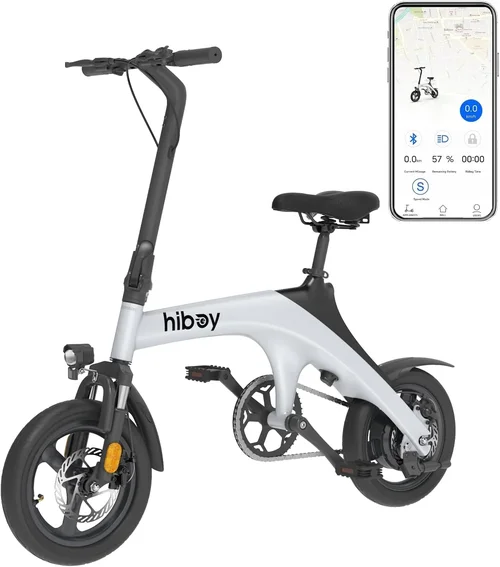
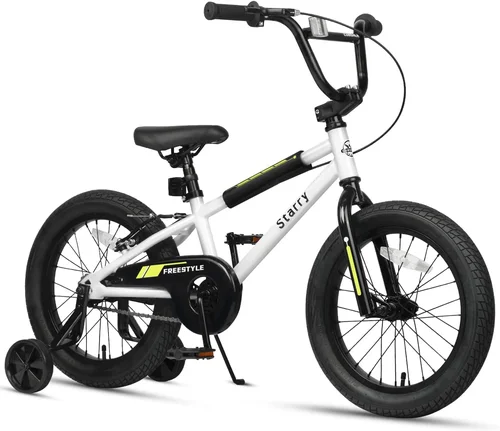
Electric bikes, or e-bikes, have exploded in popularity over the past few years—and for good reason. They offer a fun, eco-friendly, and efficient way to get around, whether it’s commuting to school, exploring the neighborhood, or just enjoying a weekend ride with friends. For 14-year-olds, an e-bike can be more than just a mode of transportation; it’s a gateway to independence, physical activity, and outdoor adventure. But with so many models flooding the market—from sleek urban commuters to rugged off-road machines—choosing the right one can feel overwhelming, especially when you’re shopping for a teenager who’s still growing, still learning, and still developing their riding skills.
That’s exactly why this guide exists. Whether you’re a parent looking to buy your teen their first electric bike or a 14-year-old researching options before making a case to your family, this comprehensive buying guide is designed to cut through the noise and help you make a smart, safe, and satisfying decision. We’ll walk you through everything you need to know: from understanding key performance specs and safety features to comparing top brands, avoiding common pitfalls, and finding the best value for your budget. By the end of this article, you’ll have the confidence and knowledge to choose an e-bike that fits your lifestyle, matches your skill level, and keeps you riding safely for years to come.
The e-bike market has evolved rapidly, with manufacturers now offering youth-specific models that balance power, safety, and style. In 2026, we’re seeing more innovation than ever—lighter frames, smarter battery management, improved braking systems, and even app connectivity for tracking rides and setting speed limits. However, not all e-bikes are created equal, and what works for an adult may not be suitable for a teenager. Factors like weight, speed control, ease of use, and durability become even more critical when the rider is still developing coordination and judgment. This guide will help you navigate those nuances and find the perfect e-bike that grows with your teen—not one that becomes obsolete in a year.

What to Look for When Buying an E-Bike for a 14-Year-Old
1. Safety Features and Speed Limiters
When it comes to teens, safety should always be the top priority. Unlike adult e-bikes that may reach speeds of 20 mph or more, youth-oriented models often come with built-in speed limiters to prevent reckless riding. Look for bikes that cap out at 15–18 mph, which is fast enough to be fun but slow enough to maintain control, especially in traffic or on busy streets. Many modern e-bikes for teens also include features like pedal-assist only (no throttle), which encourages active pedaling and reduces the risk of sudden acceleration.
Additional safety features to consider include front and rear LED lights for visibility, reflective strips on the frame and wheels, and responsive braking systems—preferably disc brakes, which offer better stopping power than traditional rim brakes. Some models even come with horn or bell systems, turn signals, or smartphone app integration that allows parents to monitor speed and location in real time. These extras may seem minor, but they can make a big difference in preventing accidents.
2. Weight and Frame Size
A bike that’s too heavy or too large can be difficult for a 14-year-old to handle, increasing the risk of falls and reducing overall enjoyment. Ideally, the e-bike should weigh between 35 and 50 pounds—light enough to lift if it tips over, but sturdy enough to feel stable. Aluminum frames are a popular choice because they’re lightweight yet durable, and they resist rust better than steel.
Frame size is equally important. Most teens at this age fall into the 5’0″ to 5’8″ height range, so look for bikes with adjustable seat posts and handlebars to accommodate growth spurts. Step-through frames (where the top tube is low or absent) are especially helpful for younger riders, as they make mounting and dismounting easier and reduce the chance of injury. Some brands offer “youth” or “junior” sizing specifically designed for riders under 16, so be sure to check the manufacturer’s sizing chart before purchasing.
3. Battery Life and Charging Time
Battery performance directly affects how far and how long your teen can ride. For most 14-year-olds, a range of 20–30 miles per charge is more than sufficient for daily use—whether it’s riding to school, hanging out at the park, or exploring local trails. However, range can vary significantly based on terrain, rider weight, assist level, and weather conditions. Always check the manufacturer’s real-world range estimates, not just the theoretical maximum.
Look for lithium-ion batteries, which are lighter, longer-lasting, and more efficient than older lead-acid types. Charging time typically ranges from 3 to 6 hours, so consider whether the battery is removable—this allows for convenient charging indoors without having to bring the whole bike inside. Some premium models even offer fast-charging capabilities or dual-battery options for extended adventures.
4. Motor Power and Assist Levels
E-bike motors are measured in watts (W), with common ratings ranging from 250W to 750W. For teens, a 250W to 500W motor is usually ideal—it provides enough power to tackle hills and headwinds without being overly aggressive. Higher wattage motors (750W+) are often classified as “high-performance” or “off-road” and may be too powerful for younger riders, especially in areas with strict e-bike regulations.
Pedal-assist systems come in multiple levels (usually 3–5), allowing the rider to choose how much help they want from the motor. Lower levels conserve battery and encourage exercise, while higher levels make riding easier on long distances or steep inclines. Some bikes also include a throttle mode, but for teens, pedal-assist-only models are generally safer and more educational, teaching proper cycling habits.
5. Build Quality and Durability
Teens are active, and their gear needs to keep up. A well-built e-bike should withstand daily use, occasional drops, and exposure to the elements. Look for reinforced welds, quality components (like Shimano or SRAM drivetrains), and weather-resistant electronics. Water resistance is a big plus—especially if your teen will be riding in rain or snow. Check the IP rating (Ingress Protection); an IPX4 or higher means the bike can handle splashes and light rain.
Tires also matter. Wider, puncture-resistant tires (like 2.0” or 2.3”) provide better grip and comfort on uneven surfaces, while thinner tires are better for smooth pavement. Suspension systems—either front fork or full suspension—can improve ride quality on bumpy roads or trails, but they add weight and cost. For most urban or suburban riders, a front suspension fork is sufficient.
6. Ease of Use and Maintenance
An e-bike should be intuitive and easy to operate, especially for a first-time rider. Look for simple control interfaces—clear displays showing speed, battery level, and assist mode—and minimal setup required out of the box. Some bikes come with smartphone apps that let you customize settings, track rides, or even lock the bike remotely—a great feature for tech-savvy teens.
Maintenance is another consideration. While e-bikes require less upkeep than cars, they still need regular checks: tire pressure, brake pads, chain lubrication, and battery care. Choose a model with accessible components and clear user manuals. Brands that offer local service centers or online support can save time and frustration down the line. Avoid overly complex systems with proprietary parts that are hard to replace.
7. Legal Compliance and Age Restrictions
E-bike laws vary by state and country, and it’s crucial to ensure the bike your teen rides is legal in your area. In the U.S., most states classify e-bikes into three categories based on speed and motor power. Class 1 and Class 2 e-bikes (up to 20 mph) are generally allowed on bike paths and roads, but some jurisdictions restrict their use by age. For example, California requires riders to be at least 16 to operate a Class 3 e-bike (28 mph), but Class 1 and 2 may be permitted for younger riders with supervision.
Always check local regulations before buying. Some cities require helmets, lights, or registration for e-bikes. Choosing a bike that complies with local laws not only keeps your teen safe but also avoids fines or confiscation. Many youth-focused e-bikes are designed to meet these standards out of the box, so look for certifications like UL 2849 (for electrical safety) or CE marking (for European compliance).
8. Warranty and Customer Support
A good warranty can save you hundreds in repair costs and give you peace of mind. Most reputable e-bike brands offer at least a 1-year warranty on the frame and motor, with 6–12 months on the battery. Premium brands may extend coverage to 2–3 years or offer extended plans for purchase. Pay attention to what’s covered—some warranties exclude wear-and-tear items like tires and brake pads.
Customer support is just as important. Can you easily reach a human being if something goes wrong? Are replacement parts readily available? Do they offer video tutorials or live chat? Brands with strong support networks—like Rad Power Bikes, Aventon, or Gotrax—tend to have higher customer satisfaction ratings. Reading reviews on forums like Reddit or YouTube can give you insight into real-world experiences with repairs and service.
Different Types of E-Bikes for Teens

Common Buying Mistakes to Avoid
❌ Mistake: Prioritizing Speed Over Safety
Why it’s bad: High-speed e-bikes can be dangerous for inexperienced riders. Teens may not have the reflexes or judgment to handle sudden acceleration or emergency stops, increasing the risk of accidents.
What to do instead: Choose a bike with a speed limiter (15–18 mph max) and pedal-assist only. Look for models with progressive power delivery—smooth acceleration rather than instant torque.
❌ Mistake: Ignoring Local Laws and Regulations
Why it’s bad: Riding an illegal e-bike can result in fines, confiscation, or even legal trouble. Some areas ban e-bikes on sidewalks or require helmets and licenses.
What to do instead: Research your city and state’s e-bike laws before buying. Opt for Class 1 or Class 2 bikes unless you’re certain Class 3 is allowed for minors.
❌ Mistake: Buying Based on Looks Alone
Why it’s bad: A flashy design doesn’t guarantee quality. Some budget bikes look cool but use cheap components that break easily or lack safety features.
What to do instead: Focus on build quality, brand reputation, and user reviews. A plain-looking bike with reliable parts is better than a stylish one that falls apart.
❌ Mistake: Overlooking Maintenance Needs
Why it’s bad: E-bikes require regular upkeep. Neglecting tire pressure, brakes, or battery care can lead to poor performance or safety hazards.
What to do instead: Choose a model with accessible parts and clear maintenance instructions. Teach your teen basic checks like tire inflation and chain lubrication.
❌ Mistake: Skipping the Test Ride
Why it’s bad: Sizing and comfort are personal. A bike that looks good online might feel awkward or unstable in real life.
What to do instead: Visit a local bike shop or retailer that offers test rides. Let your teen try different models to find the best fit.
❌ Mistake: Choosing the Cheapest Option Without Research
Why it’s bad: Extremely low-priced e-bikes often cut corners on safety, battery life, and durability. They may use outdated tech or poor-quality motors.
What to do instead: Set a realistic budget ($600–$1,200 is a sweet spot for teens) and compare value, not just price. Look for brands with good warranties and support.
❌ Mistake: Forgetting About Growth and Upgradability
Why it’s bad: Teens grow fast. A bike that fits perfectly at 14 might be too small by 16, making it unusable.
What to do instead: Choose a bike with adjustable components (seat, handlebars) and a frame that allows for growth. Some models even offer upgrade kits for motors or batteries.
Budget Guidelines: How Much Should You Spend?
- Entry-Level ($400–$700): These bikes are great for casual riders on a tight budget. Expect basic components, shorter battery life (15–20 miles), and limited features. Brands like Gotrax and Ancheer offer decent options in this range, but prioritize safety and build quality over flashy extras. Ideal for short commutes or weekend fun.
- Mid-Range ($700–$1,300): This is the sweet spot for most teen riders. You’ll get better motors (350W–500W), longer range (25–35 miles), improved brakes, and more durable frames. Models from Aventon, Rad Power Bikes, and Lectric often fall here. Many include app connectivity, lights, and suspension—perfect for daily use and light adventures.
- Premium ($1,300–$2,000): For serious riders or those who want top-tier performance, premium e-bikes offer advanced features like torque sensors, high-capacity batteries, full suspension, and smart displays. These bikes are built to last and perform well in varied conditions. Great for teens who ride frequently or plan to keep the bike for years.
- Luxury ($2,000+): These are enthusiast-grade machines with cutting-edge tech, carbon frames, and professional-level components. While impressive, they’re often overkill for a 14-year-old unless they’re into competitive riding or extreme terrain. Consider resale value and whether the teen will outgrow the bike quickly.
Expert Tips for Getting the Best Deal
- Shop During Off-Seasons: E-bike sales peak in spring and summer. Buy in late fall or winter (October–February) for discounts of 10–20% as retailers clear inventory.
- Compare Online and In-Store: Online retailers often have lower prices and wider selections, but local bike shops offer test rides, assembly, and service. Some shops price-match online deals—ask!
- Look for Bundle Deals: Many brands offer starter kits with helmets, locks, and lights included. These can save $100+ compared to buying separately.
- Check for Student or Youth Discounts: Some companies (like Rad Power Bikes) offer discounts for students or first-time buyers. Sign up for newsletters to hear about promotions.
- Read Return Policies Carefully: E-bikes are heavy and expensive to return. Ensure the seller offers at least a 14-day return window and covers return shipping for defective items.
- Consider Refurbished or Open-Box Models: Certified refurbished e-bikes from reputable sellers can save 20–30% and often come with the same warranty as new ones.
- Join Online Communities: Forums like r/ebikes on Reddit or Facebook groups share real-world deals, reviews, and troubleshooting tips. You might even find someone selling a gently used bike locally.
- Test Before You Buy: If possible, rent or borrow a similar model for a weekend. This helps you assess comfort, handling, and battery performance in real conditions.

Frequently Asked Questions
Q: Are e-bikes safe for 14-year-olds?
A: Yes, when chosen wisely. Look for models with speed limiters, pedal-assist only, and strong brakes. Always ensure your teen wears a helmet and follows local traffic laws.
Q: Do teens need a license to ride an e-bike?
A: In most U.S. states, no license is required for Class 1 or Class 2 e-bikes. However, some cities have age restrictions—check your local regulations.
Q: How fast do teen e-bikes go?
A: Most youth e-bikes are capped at 15–18 mph. This is fast enough for fun but slow enough to maintain control, especially for new riders.
Q: Can a 14-year-old ride an e-bike to school?
A: It depends on distance, traffic, and local rules. If the route is safe and legal, many teens use e-bikes for school commutes. Always supervise first rides.
Q: How long do e-bike batteries last?
A: A quality lithium-ion battery should last 500–1,000 charge cycles, or about 3–5 years with regular use. Proper care (avoiding extreme temperatures, not draining to 0%) extends lifespan.
Q: What’s the difference between pedal-assist and throttle?
A: Pedal-assist provides power only when you pedal, encouraging exercise. Throttle lets you ride without pedaling, like a scooter. For teens, pedal-assist is generally safer and more educational.
Q: Can I upgrade my teen’s e-bike later?
A: Some components like tires, seats, and lights can be upgraded. Motors and batteries are harder to replace—choose a model with room for growth.
Q: Are e-bikes waterproof?
A: Most are water-resistant (IPX4), meaning they can handle rain and splashes. Avoid submerging them or pressure washing. Store indoors when possible.
Q: How much maintenance do e-bikes need?
A: Less than cars, but regular checks are important: tire pressure weekly, brake pads monthly, chain lubrication every 100 miles, and battery care as needed.
Q: What if the bike breaks down?
A: Check the warranty—most cover defects for 1–2 years. Keep receipts and contact the manufacturer or retailer. Local bike shops can often help with repairs.
Our Final Recommendations
- Best for Budget-Conscious Buyers: Gotrax E-Hoverboard E-Bike – At under $600, this youth-focused model offers pedal-assist, a 20-mile range, and a lightweight frame. Great for beginners and short commutes.
- Best Overall Value: Aventon Pace 350 Youth – Priced around $1,100, it combines a 500W motor, 30-mile range, app connectivity, and a durable aluminum frame. Perfect balance of performance and safety.
- Best Premium Option: Rad Power Bikes RadMission 1 Youth – With a 750W motor (configurable to 500W), full LED lighting, and a 40-mile range, this bike is built to last. Ideal for serious riders who want room to grow.
- Best for Beginners: Lectric XP Lite – Lightweight (38 lbs), foldable, and easy to use, this $799 model is perfect for first-time riders. Includes a speed limiter and beginner-friendly display.
- Best for Advanced Users: Specialized Turbo Levo SL Comp Youth – A high-end mountain e-bike with full suspension, smart connectivity, and trail-ready performance. Best for teens who love off-road adventures.
Conclusion: Making the Right Choice
Choosing the right e-bike for a 14-year-old isn’t just about picking the shiniest model or the cheapest deal—it’s about finding a balance between safety, performance, durability, and value. As we’ve explored in this guide, the best e-bike is one that fits your teen’s size, skill level, and lifestyle while meeting legal requirements and standing up to daily use. From understanding motor power and battery life to avoiding common pitfalls and knowing when to splurge, every detail matters when you’re investing in your teen’s independence and well-being.
Remember, the goal isn’t to buy the most powerful or expensive bike on the market. It’s to find a reliable, safe, and enjoyable ride that encourages outdoor activity, builds confidence, and creates lasting memories. Whether your teen is commuting to school, exploring local trails, or just cruising around the neighborhood, the right e-bike can open up a world of possibilities. Take your time, do your research, involve your teen in the decision, and don’t hesitate to ask questions. With the insights from this guide, you’re now equipped to make a smart, informed choice that will keep your teen riding safely and happily for years to come.
So go ahead—take the leap. The perfect e-bike is out there, waiting to be discovered. And who knows? This might just be the start of a lifelong love for cycling, adventure, and the open road.