
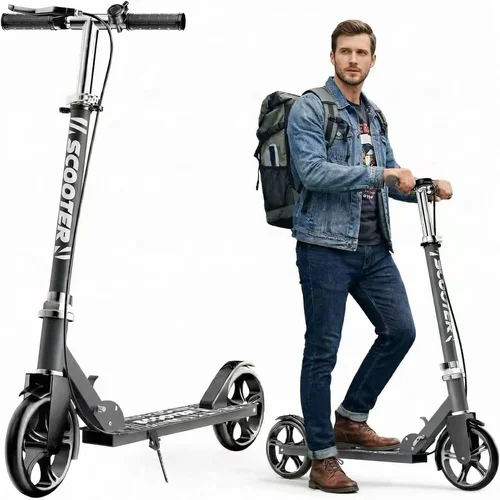
Electric scooters have evolved from niche urban curiosities to essential tools for modern commuters. As cities grow more congested and environmental concerns take center stage, the demand for efficient, eco-friendly transportation has skyrocketed. In 2026, the commuter scooter market is more competitive and advanced than ever—offering everything from ultra-portable models perfect for last-mile travel to high-performance machines capable of handling daily 15-mile round trips with ease. Whether you’re dodging traffic in downtown Chicago, navigating bike lanes in Portland, or simply trying to avoid crowded subway cars, the right scooter can transform your daily commute from a chore into a smooth, enjoyable experience.
This comprehensive buying guide is designed to cut through the noise and help you make a smart, informed decision. We’ll walk you through every critical factor—from battery life and build quality to safety features and after-sales support—so you can confidently choose a scooter that fits your lifestyle, budget, and commuting needs. You’ll learn how to avoid common pitfalls, understand what different price tiers really deliver, and discover expert tips to get the best value. By the end of this guide, you won’t just know which scooters are popular—you’ll know exactly which one is right for you.
The market today offers an overwhelming array of options, with brands like Gotrax, Xiaomi, Segway-Ninebot, Apollo, and Unagi leading the charge. Prices range from under $300 for basic entry-level models to over $2,000 for premium, feature-packed machines. But price alone doesn’t tell the whole story. A scooter that looks affordable upfront might cost more in the long run due to poor durability or limited service options. Conversely, a mid-range model with thoughtful engineering could outperform pricier competitors. Our goal is to equip you with the knowledge to evaluate scooters like a pro, so you invest in a reliable partner for your daily journeys—not a disposable gadget that leaves you stranded.

What to Look for When Buying a Commuter Scooter
1. Budget & Price Range
Your budget is the foundation of your decision, but it shouldn’t be the only factor. While it’s tempting to go for the cheapest option, commuter scooters are long-term investments. A scooter that costs $350 today might need a new battery or motor within a year, while a $700 model could last three to five years with proper care. Set a realistic budget that accounts not just for the initial purchase, but also for potential maintenance, accessories (like lights or locks), and replacement parts.
Consider your usage frequency. If you’re commuting five days a week, spending a bit more upfront makes financial sense. On the other hand, if you only need a scooter for occasional weekend rides or short trips to the store, a lower-cost model may suffice. Be wary of scooters priced below $250—they often cut corners on safety, build quality, and battery technology. Aim for at least $400–$500 for a dependable daily commuter.
2. Performance Specifications
Performance isn’t just about speed—it’s about how well the scooter handles real-world conditions. Key specs to evaluate include motor power (measured in watts), top speed, range per charge, and hill-climbing ability. For city commuting, a motor between 250W and 500W is usually sufficient, but if you live in a hilly area, look for at least 500W–800W. Top speeds of 15–20 mph are ideal for urban environments; anything faster may be overkill and could pose safety risks in crowded areas.
Range is perhaps the most critical spec. Most manufacturers advertise “up to” a certain range, but real-world performance is often 20–30% lower due to factors like rider weight, terrain, and weather. A scooter claiming 20 miles of range might realistically deliver 14–16 miles. If your round-trip commute is 10 miles, choose a scooter with a rated range of at least 15 miles to ensure you don’t get stranded. Also, check the battery type—lithium-ion (Li-ion) batteries are standard and offer good energy density and longevity.
3. Build Quality & Durability
A scooter that can’t withstand daily use isn’t worth your money. Look for frames made from aircraft-grade aluminum or reinforced steel—these materials offer strength without excessive weight. Check the weight limit; most commuter scooters support 220–265 lbs, but heavier riders should verify this spec carefully. Pay attention to welds, joints, and folding mechanisms—loose or wobbly parts are red flags.
Durability also extends to components like tires. Solid rubber tires are puncture-proof and low-maintenance but offer a rougher ride. Pneumatic (air-filled) tires provide better shock absorption and grip, especially on uneven pavement, but require occasional inflation and are vulnerable to flats. Some premium models now feature tubeless or self-healing tires, which strike a balance between comfort and reliability.
4. Features & Functionality
Modern commuter scooters come packed with features that enhance safety, convenience, and usability. Essential features include bright LED headlights and taillights (preferably with brake-activated flashing), a clear digital display showing speed, battery level, and mode, and responsive electronic or disc brakes. Regenerative braking, which recaptures energy during deceleration, can extend your range slightly and reduce wear on brake pads.
Additional conveniences include app connectivity (for tracking rides, locking the scooter, or adjusting settings), cruise control (great for maintaining steady speed on long stretches), and multiple riding modes (Eco, Normal, Sport). Some scooters even offer built-in phone mounts, USB charging ports, or anti-theft alarms. While these aren’t deal-breakers, they can significantly improve your daily experience.
5. Brand Reputation
Not all scooter brands are created equal. Established brands like Gotrax, Xiaomi, and Segway-Ninebot have proven track records for reliability, customer service, and parts availability. They also tend to invest more in R&D, resulting in better engineering and safer designs. Lesser-known brands may offer tempting prices, but they often lack warranty support, spare parts, or consistent quality control.
Research brand reputation by reading long-term user reviews on forums like Reddit’s r/scooters or specialized review sites. Look for patterns: Do users report frequent motor failures? Are replacement batteries hard to find? A brand with a strong community and responsive customer service team is worth the slight premium.
6. Warranty & Support
A solid warranty is a sign of a manufacturer’s confidence in their product. Most reputable brands offer at least a 12-month warranty covering the motor, battery, and frame. Some premium models come with 18–24 months. Pay attention to what’s included—does the warranty cover labor costs? Is it voided if you modify the scooter? Also, check if the company provides local service centers or requires you to ship the scooter back for repairs.
Customer support responsiveness matters too. Can you reach a real person quickly? Do they offer troubleshooting guides or video tutorials? A brand that stands behind its products will make ownership far less stressful, especially if something goes wrong after a few months of use.
7. Size & Portability
If you need to carry your scooter onto public transit, store it under a desk, or lift it up stairs, portability is crucial. Look at both the folded dimensions and the weight. Most commuter scooters weigh between 25 and 35 pounds—light enough for most adults to carry comfortably, but still substantial. Scooters under 28 lbs are ideal for frequent lifting.
Folding time and ease matter too. Some models fold in under 5 seconds with a single lever; others require multiple steps. Test this if possible. Also consider wheel size: smaller wheels (6–8 inches) make the scooter more compact but less stable on rough surfaces. Larger wheels (10+ inches) improve ride quality but add bulk.
8. User Reviews & Ratings
Never rely solely on manufacturer specs or marketing claims. Real-world user feedback reveals nuances that specs can’t capture—like how a scooter performs in rain, how loud the motor is, or whether the app actually works. Focus on reviews from verified purchasers and look for detailed, balanced assessments.
Pay special attention to long-term reviews (6+ months of use). These often highlight durability issues, battery degradation, or customer service experiences. If multiple users report the same problem—like a faulty throttle or weak headlights—it’s likely a design flaw, not an isolated incident.
Different Types of Commuter Scooters
Common Buying Mistakes to Avoid
❌ Mistake: Prioritizing Price Over Quality
Why it’s bad: Scooters under $300 often use cheap motors, low-capacity batteries, and flimsy frames. They may fail within months, leaving you with repair costs or the need to buy again—doubling your expense.
What to do instead: Invest in a mid-range scooter ($500–$800) from a reputable brand. The upfront cost is higher, but the longevity and reliability save money over time.
❌ Mistake: Ignoring Real-World Range
Why it’s bad: Manufacturers often quote ideal conditions (flat ground, light rider, no wind). If you believe the advertised range, you risk running out of battery mid-commute.
What to do instead: Calculate your actual needs and add a 30% buffer. If your commute is 8 miles round-trip, choose a scooter rated for at least 12 miles.
❌ Mistake: Overlooking Tire Type
Why it’s bad: Solid tires seem convenient but deliver a jarring ride on cracked sidewalks or potholes, increasing fatigue and reducing control.
What to do instead: Opt for pneumatic tires if your route includes uneven surfaces. If you absolutely need puncture-proof tires, look for models with airless honeycomb or foam-filled designs.
❌ Mistake: Skipping Safety Features
Why it’s bad: Riding without proper lights or reliable brakes is dangerous, especially in low-light conditions or wet weather.
What to do instead: Ensure your scooter has front and rear lights, reflectors, and dual braking (electronic + mechanical). Consider adding a helmet and reflective gear.
❌ Mistake: Not Checking Local Laws
Why it’s bad: Some cities restrict scooter speeds, require licenses, or ban them from sidewalks. Riding illegally can result in fines or confiscation.
What to do instead: Research your local regulations before buying. Choose a scooter that complies with speed and power limits in your area.
❌ Mistake: Buying Without Testing
Why it’s bad: A scooter might look great online but feel unstable, too heavy, or uncomfortable in person.
What to do instead: Visit a local retailer or attend a demo event. If that’s not possible, buy from a seller with a generous return policy (30 days or more).
❌ Mistake: Ignoring After-Sales Support
Why it’s bad: Without warranty coverage or accessible spare parts, a broken scooter becomes a paperweight.
What to do instead: Choose brands with strong customer service, clear warranty terms, and readily available replacement parts (especially batteries and tires).
Budget Guidelines: How Much Should You Spend?
Entry-Level ($250–$450): These scooters are best suited for light, occasional use—think weekend errands or short campus rides. Expect basic features: 250W motor, 10–15 mph top speed, 8–12 mile range, and solid tires. Build quality is often mediocre, and warranties may be limited to 6 months. Brands like Gotrax and Razor dominate this space. While tempting for budget-conscious buyers, these models aren’t ideal for daily commuting unless your needs are minimal.
Mid-Range ($500–$900): This is the sweet spot for most commuters. Scooters in this range offer reliable performance, better build quality, and useful features like app connectivity, cruise control, and pneumatic tires. Motors typically range from 350W to 500W, with ranges of 15–25 miles. Brands like Xiaomi, Segway-Ninebot, and Apollo offer excellent options here. You’ll get a durable, safe, and comfortable ride that can handle daily use for years.
Premium ($900–$1,500): Designed for serious commuters and performance seekers, these scooters boast 500W–1000W motors, advanced suspension, and extended ranges (20–35 miles). They often include premium materials, IP54 or higher water resistance, and sophisticated safety systems. Ideal for hilly cities or longer commutes, they’re built to last and perform under demanding conditions.
Luxury ($1,500+): At this tier, you’re paying for innovation, craftsmanship, and brand prestige. Expect carbon fiber components, ultra-fast charging, smart integration (GPS tracking, anti-theft alerts), and top-tier customer support. Models like the Unagi Model One or Apollo Phantom offer near-car-like refinement. These are best for those who view their scooter as a long-term investment or status symbol.
Expert Tips for Getting the Best Deal
1. Time Your Purchase Strategically: The best deals often come during holiday sales (Black Friday, Cyber Monday, Prime Day) or end-of-season clearances (late fall/winter). Many retailers discount older models when new versions launch.
2. Buy Direct or From Authorized Retailers: Purchasing from the manufacturer’s website or authorized dealers ensures you get the full warranty and genuine parts. Avoid third-party sellers on marketplaces unless they’re verified.
3. Look for Bundle Deals: Some brands offer packages that include helmets, locks, phone mounts, or extended warranties at a discount. These can save you $50–$100 compared to buying accessories separately.
4. Consider Refurbished or Open-Box Models: Certified refurbished scooters from reputable sellers often come with warranties and sell for 20–30% less than new. They’re thoroughly tested and ideal for budget-minded buyers who want higher-end specs.
5. Read the Fine Print on Returns: Ensure the seller offers at least a 14-day return window. Some charge restocking fees or require you to cover return shipping—factor this into your decision.
6. Test Ride Whenever Possible: Comfort is subjective. A scooter that feels stable to one person might feel twitchy to another. If you can’t test ride, watch detailed video reviews that show handling, braking, and folding.
7. Join Owner Communities: Online forums and Facebook groups often share exclusive discount codes, early access to sales, or tips on upcoming model releases.
8. Factor in Total Cost of Ownership: Include potential costs like tire replacements, brake pad changes, and battery swaps (typically every 2–3 years). A slightly more expensive scooter with lower maintenance needs may be cheaper long-term.

Frequently Asked Questions
Q: How long do electric scooter batteries last?
A: Most lithium-ion batteries retain 80% of their capacity after 500–800 charge cycles, which translates to roughly 2–3 years of daily use. Proper care—like avoiding full discharges and storing in moderate temperatures—can extend lifespan.
Q: Can I ride my scooter in the rain?
A: It depends on the IP rating. Scooters with IP54 or higher can handle light rain and splashes, but avoid submerging them or riding through deep puddles. Never charge a wet scooter.
Q: Are electric scooters legal in my city?
A: Laws vary widely. Some cities allow scooters on bike lanes and roads with speed limits under 20 mph; others ban them from sidewalks or require helmets. Check your local Department of Transportation website for specifics.
Q: How fast can commuter scooters go?
A: Most are capped at 15–20 mph for safety and legal compliance. High-performance models can reach 25–30 mph, but these may require registration or licensing in some areas.
Q: Do I need insurance for my scooter?
A: Generally no, but some homeowners or renters insurance policies cover scooter theft or damage. In certain countries (like parts of Europe), liability insurance is mandatory.
Q: Can I take my scooter on public transit?
A: Many buses and trains allow folded scooters, but policies differ. Check with your local transit authority. Lightweight, compact models are more likely to be permitted.
Q: What’s the difference between hub motors and belt drives?
A: Hub motors are integrated into the wheel, offering simplicity and low maintenance. Belt-driven systems provide more torque and better heat dissipation but require occasional belt replacement. For commuting, hub motors are usually sufficient.
Q: How do I maintain my scooter?
A: Regularly check tire pressure (if pneumatic), tighten bolts, clean the deck, and inspect brakes. Store in a dry place and charge the battery monthly even if not in use.
Q: Can I upgrade my scooter’s battery?
A: Some models allow battery upgrades, but this often voids the warranty and may overload the motor. Consult the manufacturer before attempting modifications.
Q: What should I do if my scooter breaks down?
A: First, check the warranty. If covered, contact customer support. For out-of-warranty issues, look for local repair shops specializing in e-scooters or order parts directly from the brand.
Our Final Recommendations
Best for Budget-Conscious Buyers: Gotrax G4 – At around $450, it offers a 400W motor, 20-mile range, and pneumatic tires—uncommon at this price. Solid build quality and reliable performance make it a standout entry-level option.
Best Overall Value: Xiaomi Mi Electric Scooter 4 Pro – Priced near $700, it delivers a 600W motor, 28-mile range, app connectivity, and excellent ride comfort. A proven favorite among daily commuters worldwide.
Best Premium Option: Apollo Explore – With a 1000W dual motor, 34-mile range, and full suspension, this $1,299 scooter handles hills and rough terrain with ease. Ideal for demanding commutes.
Best for Beginners: Segway-Ninebot ES2 – Lightweight (27.6 lbs), intuitive controls, and a smooth ride make it perfect for first-time riders. Priced around $550, it’s a safe, user-friendly choice.
Best for Advanced Users: Unagi Model One Dual Motor – Sleek design, 20 mph top speed, and premium materials justify its $1,290 price tag. Perfect for tech-savvy riders who value style and performance.
Conclusion: Making the Right Choice
Choosing the best commuter scooter in 2026 isn’t about finding the fastest or most expensive model—it’s about matching the scooter’s capabilities to your unique lifestyle, route, and priorities. By focusing on key factors like range, build quality, safety features, and after-sales support, you can avoid costly mistakes and invest in a reliable, enjoyable mode of transportation.
Remember: a scooter is more than a gadget—it’s your daily companion through city streets, rain or shine. Take the time to research, test when possible, and prioritize long-term value over short-term savings. Whether you’re a student, professional, or weekend explorer, the right scooter will save you time, reduce stress, and make every trip a little more fun.
Now that you’re equipped with expert knowledge, it’s time to take action. Compare your top contenders, check current deals, and make a decision that aligns with your needs. Your perfect commute starts with the right scooter—so choose wisely, ride safely, and enjoy the journey.