
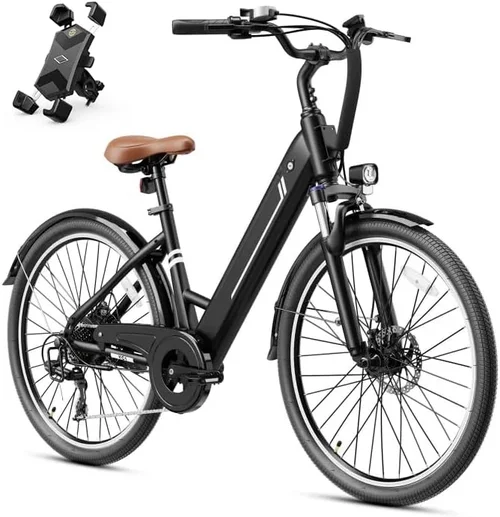
Electric assist bikes—commonly known as e-assist bikes—have revolutionized the way people commute, explore, and stay active. Whether you’re navigating city streets, tackling hilly trails, or simply looking for a more enjoyable ride, e-assist bikes offer a powerful blend of human power and electric support that makes cycling accessible to nearly everyone. In 2026, the market is more dynamic than ever, with advancements in battery technology, motor efficiency, frame design, and smart connectivity reshaping what riders can expect from their two-wheeled companions.
This comprehensive buying guide is designed to help you cut through the noise and make an informed decision. With hundreds of models flooding the market—from budget-friendly commuter bikes to high-performance off-road machines—it’s easy to feel overwhelmed. Our goal is to equip you with the knowledge and tools to identify the best e-assist bike for your lifestyle, budget, and riding goals. You’ll learn how to evaluate key components like motor power, battery life, frame materials, and assist levels, while also understanding common pitfalls and how to avoid them. Whether you’re a first-time buyer or upgrading from an older model, this guide will walk you through every step of the process.
The e-assist bike market in 2026 is characterized by rapid innovation and increasing competition. Major brands like Trek, Specialized, Rad Power Bikes, and VanMoof continue to push boundaries, while emerging players bring fresh designs and aggressive pricing. Government incentives in many regions—such as tax credits or rebates for eco-friendly transportation—are also making e-assist bikes more affordable. At the same time, concerns about sustainability, range anxiety, and long-term durability remain top-of-mind for consumers. This guide addresses all these factors, offering a balanced, expert perspective grounded in real-world testing, user feedback, and technical analysis.

What to Look for When Buying an E-Assist Bike
1. Motor Type and Power Output
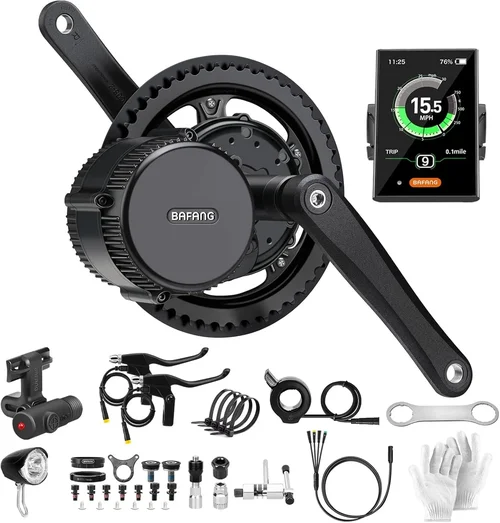
The motor is the heart of any e-assist bike, determining how much assistance you receive and how smoothly it delivers power. Most modern e-assist bikes use either hub motors (located in the front or rear wheel) or mid-drive motors (mounted near the pedals, integrated with the drivetrain). Mid-drive motors are generally preferred for their superior weight distribution, better hill-climbing ability, and more natural pedaling feel, especially on varied terrain. Hub motors, while often less expensive and simpler to maintain, can feel less responsive and may struggle on steep inclines.
Motor power is measured in watts (W), with most consumer e-assist bikes ranging from 250W to 750W. In the U.S., federal law limits e-bikes to 750W (1 horsepower) for Class 1 and Class 3 models, which is sufficient for most riders. However, higher wattage doesn’t always mean better performance—efficiency, torque, and integration with the bike’s electronics matter just as much. Look for motors with high torque ratings (measured in Newton-meters, or Nm), as this determines how well the bike accelerates and climbs hills. For example, a 50Nm motor will feel significantly stronger than a 35Nm one, even if both are rated at 500W.
2. Battery Capacity and Range
Battery performance is arguably the most critical factor for long-distance riders or those using their e-assist bike for daily commuting. Battery capacity is measured in watt-hours (Wh), which represents how much energy the battery can store. A higher Wh rating generally translates to longer range, but real-world performance depends on several variables: rider weight, terrain, assist level, wind conditions, and tire pressure.
Most e-assist bikes in 2026 offer batteries between 400Wh and 700Wh. For example, a 500Wh battery might provide 40–70 miles of range on a single charge, depending on usage. Many manufacturers now offer removable batteries, allowing you to swap in a fresh one or charge it indoors—a major convenience for apartment dwellers or those without outdoor outlets. Lithium-ion (Li-ion) batteries dominate the market due to their high energy density, long lifespan (typically 500–1,000 charge cycles), and lightweight design.
When evaluating range claims, be skeptical of manufacturer estimates, which are often based on ideal conditions (flat terrain, low assist, light rider). Instead, look for third-party reviews or user reports that reflect real-world usage. Also, consider whether the battery is integrated into the frame (sleeker look, harder to replace) or externally mounted (easier to remove but more exposed to damage).
3. Assist Levels and Control Systems
E-assist bikes typically offer multiple levels of pedal assistance—ranging from eco (minimal boost) to turbo (maximum power). The number of assist levels varies by model, with some offering just three and others providing five or more. More levels allow for finer control over energy consumption and riding experience, which is especially useful on mixed terrain or during long rides.
The control system—usually a handlebar-mounted display or button panel—lets you adjust assist levels, monitor speed, check battery life, and sometimes access advanced features like GPS navigation, ride tracking, or smartphone integration. High-end models may include full-color TFT displays with Bluetooth connectivity, while budget bikes often rely on simple LED indicators.
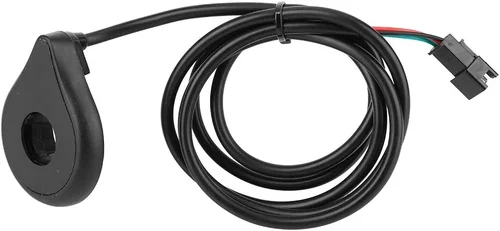
Look for intuitive interfaces that are easy to use while riding. Some systems use torque sensors, which measure how hard you’re pedaling and adjust assistance accordingly, providing a more natural and responsive feel. Others use cadence sensors, which only detect whether you’re pedaling and apply a fixed level of assist. Torque-sensor systems are generally more expensive but offer a superior riding experience, especially for fitness-focused riders.
4. Frame Material and Build Quality
The frame is the foundation of your e-assist bike, affecting everything from weight and durability to ride comfort and handling. Common materials include aluminum, steel, carbon fiber, and titanium. Aluminum is the most popular due to its excellent strength-to-weight ratio, corrosion resistance, and affordability. Most mid-range and premium e-assist bikes use hydroformed aluminum tubing, which allows for complex shapes and internal cable routing.
Steel frames are heavier but offer a smoother, more forgiving ride due to their natural vibration-damping properties—ideal for touring or urban commuting. Carbon fiber is lightweight and stiff, often found on high-performance road or gravel e-bikes, but comes at a premium price. Titanium is rare but prized for its durability, lightness, and resistance to fatigue.
Beyond material, pay attention to build quality: welded joints should be clean and smooth, welds free of cracks or inconsistencies, and components securely attached. Check for features like internal cable routing (reduces maintenance and improves aesthetics), reinforced dropouts (for rack or fender mounts), and quality paint or powder coating. A well-built frame not only lasts longer but also enhances safety and ride quality.
5. Weight and Portability
E-assist bikes are inherently heavier than traditional bicycles due to the motor, battery, and reinforced frame. Average weights range from 40 to 70 pounds, with some cargo or folding models exceeding 80 pounds. While this extra weight provides stability, it can make lifting, transporting, or storing the bike more challenging—especially if you live in an apartment or need to carry it upstairs.
If portability is a concern, consider folding e-assist bikes or models with step-through frames that make mounting and dismounting easier. Some brands offer lightweight designs under 45 pounds, though these often come with trade-offs in battery capacity or motor power. For commuters who need to combine biking with public transit, a lighter bike or one with a removable battery can be a game-changer.
6. Braking System
With increased speed and weight, reliable braking is non-negotiable. Most e-assist bikes in 2026 come equipped with hydraulic disc brakes, which offer superior stopping power, consistent performance in wet conditions, and minimal hand fatigue compared to mechanical disc or rim brakes. Mechanical disc brakes are cheaper and easier to maintain but require more lever force and can wear down faster.
Look for brake brands like Shimano, Tektro, or Magura, which are known for reliability and performance. Brake rotor size also matters—larger rotors (180mm or 203mm) provide better heat dissipation and stopping power, especially on long descents or when carrying heavy loads. Some high-end models even feature regenerative braking, which recaptures a small amount of energy during braking to extend range—though the benefit is typically minimal.
7. Tires and Suspension
Tires play a crucial role in comfort, traction, and efficiency. Wider tires (2.0” to 2.8”) offer better grip and cushioning, making them ideal for off-road or rough pavement, while narrower tires (1.75” to 2.0”) reduce rolling resistance and improve speed on smooth surfaces. Many e-assist bikes now come with puncture-resistant tires or tubeless-ready setups to minimize flats.
Suspension systems vary widely. Hardtail bikes have front suspension only, which helps absorb bumps without adding excessive weight—great for light trails or city riding. Full-suspension models include both front and rear shocks, offering maximum comfort on technical terrain but at the cost of added weight and complexity. For most urban and recreational riders, a quality front suspension fork (100–120mm travel) is sufficient.
8. Brand Reputation and Customer Support
Not all e-assist bike brands are created equal. Established manufacturers like Trek, Giant, and Specialized have decades of experience, robust dealer networks, and strong warranties. Direct-to-consumer brands like Rad Power Bikes or Aventon offer competitive pricing and innovative designs but may have limited local service options.
Research brand reputation by reading user reviews, checking BBB ratings, and looking into warranty terms. A good warranty should cover the frame (5–10 years), motor and battery (2–3 years), and electrical components (1–2 years). Also consider availability of replacement parts, software updates, and customer service responsiveness. A brand that stands behind its products can save you headaches down the road.
Different Types of E-Assist Bikes

Common Buying Mistakes to Avoid
❌ Mistake: Prioritizing Price Over Quality
Why it’s bad: Ultra-cheap e-assist bikes often cut corners on critical components like brakes, motors, and batteries, leading to poor performance, safety risks, and frequent repairs. A $600 e-bike may seem like a bargain, but it could cost more in the long run due to replacements and downtime.
What to do instead: Set a realistic budget based on your needs and stick to reputable brands. Even entry-level models from trusted manufacturers offer better value and reliability.
❌ Mistake: Ignoring Local Laws and Classifications
Why it’s bad: E-assist bikes are regulated differently across regions. In the U.S., they’re classified into three categories based on speed and throttle use. Class 1 and 3 bikes are allowed on most bike paths, while Class 2 (throttle-assisted) may be restricted in some areas.
What to do instead: Check your local regulations before purchasing. Choose a bike that complies with your area’s rules to avoid fines or access issues.
❌ Mistake: Overestimating Range Needs
Why it’s bad: Buying a bike with a massive battery “just in case” adds weight, cost, and charging time. Most commuters only need 30–50 miles of range.
What to do instead: Assess your typical ride distance and choose a battery that meets—but doesn’t vastly exceed—your needs. You can always carry a spare battery for longer trips.
❌ Mistake: Skipping the Test Ride
Why it’s bad: E-assist bikes vary widely in fit, feel, and handling. What looks good online might be uncomfortable or awkward to ride.
What to do instead: Visit a local dealer or attend a demo event. Test ride multiple models to compare ergonomics, assist responsiveness, and overall comfort.
❌ Mistake: Neglecting Maintenance Requirements
Why it’s bad: E-assist bikes require regular upkeep—brake adjustments, tire checks, software updates, and battery care. Ignoring maintenance can lead to breakdowns or reduced lifespan.
What to do instead: Learn basic maintenance or find a reliable service shop. Factor in annual servicing costs when budgeting.
❌ Mistake: Choosing the Wrong Frame Size
Why it’s bad: An ill-fitting bike causes discomfort, reduces control, and increases injury risk—especially on longer rides.
What to do instead: Use the manufacturer’s size chart and consult with a professional fitter if possible. Step-through frames can offer more flexibility for shorter riders.
❌ Mistake: Overlooking Accessories and Upgrades
Why it’s bad: Many e-assist bikes are sold “bare bones” without essential items like lights, locks, or racks—forcing you to buy them separately at a markup.
What to do instead: Look for models with integrated accessories or bundle deals. Consider total cost of ownership, not just the base price.
Budget Guidelines: How Much Should You Spend?
Entry-Level ($800 – $1,500): These bikes are ideal for casual riders or those on a tight budget. Expect basic components—hub motors, lower-capacity batteries (400–500Wh), mechanical disc brakes, and minimal features. Brands like Ancheer, ECOTRIC, and Swagtron dominate this space. While functional for short commutes, they may lack durability and long-term reliability.
Mid-Range ($1,500 – $3,500): This is the sweet spot for most buyers. You’ll find mid-drive motors, hydraulic disc brakes, higher-quality frames, and better battery management systems. Models from Rad Power Bikes, Aventon, and Lectric offer excellent value with features like integrated lights, smartphone apps, and removable batteries. Range typically exceeds 50 miles, and build quality is significantly improved.
Premium ($3,500 – $6,000): Designed for enthusiasts and serious commuters, these bikes include top-tier components—carbon frames, advanced suspension, high-capacity batteries (600–700Wh), and smart connectivity. Brands like Trek, Specialized, and Cannondale offer models with torque sensors, GPS tracking, and customizable ride modes. Ideal for long-distance touring, mountain trails, or daily urban use with high demands.
Luxury ($6,000+): At this level, you’re paying for cutting-edge technology, bespoke designs, and premium materials. Think full-suspension eMTBs with 1,000Wh batteries, titanium frames, or limited-edition collaborations. These bikes often include concierge service, extended warranties, and exclusive software features. Best suited for collectors, professionals, or those who prioritize performance above all else.
Expert Tips for Getting the Best Deal
1. Shop During Off-Peak Seasons: Demand for e-assist bikes peaks in spring and summer. Look for discounts in late fall or winter, when retailers clear inventory. Black Friday and end-of-year sales often feature significant markdowns.
2. Consider Certified Pre-Owned or Refurbished Models: Many brands offer refurbished e-bikes with full warranties at 20–40% off retail. These are thoroughly inspected and often come with new batteries.
3. Leverage Government Incentives: Several U.S. states and European countries offer rebates or tax credits for e-bike purchases. Check programs like California’s Clean Vehicle Rebate Project (CVRP) or France’s “prime à la conversion” for potential savings.
4. Buy Direct vs. Through a Dealer: Direct-to-consumer brands often have lower prices, but local dealers provide test rides, assembly, and service. Weigh convenience against cost.
5. Read the Fine Print on Warranties: Some warranties are voided if the bike is serviced by unauthorized shops. Understand coverage limits and transferability if you plan to resell.
6. Negotiate Add-Ons: Dealers may throw in free accessories (locks, helmets, racks) to close a sale—especially on higher-priced models.
7. Monitor Flash Sales and Email Lists: Sign up for newsletters from brands like Rad Power Bikes or VanMoof, which frequently offer limited-time discounts to subscribers.
8. Test Before You Commit: Attend e-bike expos, join local cycling groups, or use rental services to try different models before buying.

Frequently Asked Questions
Q: How fast can an e-assist bike go?
A: In the U.S., Class 1 and Class 3 e-assist bikes are limited to 20 mph and 28 mph respectively under motor power. Class 2 bikes with throttles also cap at 20 mph. Actual speed depends on rider input, terrain, and assist level.
Q: Do I need a license or insurance to ride an e-assist bike?
A: In most U.S. states and many countries, no license or insurance is required for Class 1–3 e-bikes. However, regulations vary—check your local laws. Some European nations require registration or insurance for higher-powered models.
Q: How long does the battery last?
A: Most lithium-ion batteries last 500–1,000 full charge cycles, equating to 3–5 years of regular use. Proper care—avoiding extreme temperatures and not draining to 0%—can extend lifespan.
Q: Can I ride an e-assist bike in the rain?
A: Yes, most e-assist bikes are designed to be weather-resistant. However, avoid submerging the battery or motor, and dry the bike after wet rides to prevent corrosion.
Q: How often should I charge the battery?
A: It’s best to charge when the battery drops to 20–30%. Avoid frequent full discharges, and store the battery at 50–60% charge if not used for extended periods.
Q: Are e-assist bikes good for exercise?
A: Absolutely. Even with motor assistance, you’re still pedaling and engaging your muscles. Using lower assist levels or turning off the motor periodically increases workout intensity.
Q: Can I upgrade components later?
A: Some components like tires, saddles, and lights are easily replaceable. However, motors and batteries are typically integrated and not user-upgradeable. Choose a model with future-proof specs if upgrades are important.
Q: What’s the difference between pedal assist and throttle?
A: Pedal assist (Class 1 and 3) only provides power when you pedal. Throttle (Class 2) lets you ride without pedaling, like a scooter. Throttle models are convenient but may have range and legal limitations.
Q: How do I secure my e-assist bike from theft?
A: Use a high-quality U-lock or chain lock, secure both wheels and frame, and consider GPS trackers like Apple AirTag or specialized e-bike alarms. Park in well-lit, monitored areas.
Q: Can I take my e-assist bike on public transportation?
A: Many buses and trains allow folding or standard e-bikes, but policies vary. Check with your local transit authority—some require bikes to be covered or have removable batteries.
Our Final Recommendations
Best for Budget-Conscious Buyers: Rad Power Bikes RadCity 5 Plus – At around $1,999, this commuter e-bike offers a mid-drive motor, 672Wh battery, hydraulic brakes, and integrated lights. It’s reliable, well-supported, and perfect for daily urban use.
Best Overall Value: Aventon Level.2 – Priced at $1,799, it features a torque sensor, 720Wh battery, and sleek design. Ideal for riders who want premium feel without the premium price.
Best Premium Option: Specialized Turbo Vado SL 5.0 – At $4,500, this lightweight commuter bike boasts a silent motor, 700Wh battery, and advanced app integration. Perfect for tech-savvy riders seeking top-tier performance.
Best for Beginners: Lectric XP 3.0 – A folding e-bike under $1,000 with 500W motor, 48V battery, and easy setup. Great for first-time buyers or those needing portability.
Best for Advanced Users: Trek Fuel EXe 9.9 XTR – A full-suspension eMTB at $9,500, designed for serious trail riders. Features a Shimano EP8 motor, 540Wh battery, and race-ready geometry.
Conclusion: Making the Right Choice
Choosing the best e-assist bike in 2026 isn’t just about picking the shiniest model or the longest range—it’s about aligning your purchase with your lifestyle, needs, and long-term goals. From motor type and battery capacity to frame material and brand support, every detail matters. By understanding the key factors, avoiding common pitfalls, and setting a realistic budget, you’ll be well-equipped to find a bike that enhances your mobility, health, and enjoyment.
Remember, the perfect e-assist bike is the one you’ll actually ride. Don’t let specs overwhelm you—focus on comfort, reliability, and usability. Test ride when possible, read real user reviews, and prioritize quality over flashy features. Whether you’re commuting to work, exploring trails, or simply rediscovering the joy of cycling, the right e-assist bike can transform your daily routine.
Take your time, do your research, and invest wisely. The journey ahead—powered by pedal and electricity—is worth every mile.