
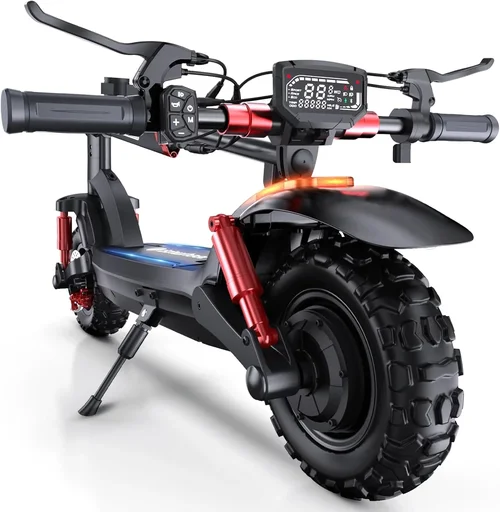
Electric scooters have transformed urban commuting, offering a fast, eco-friendly, and often more affordable alternative to cars, buses, or even bicycles. Whether you’re navigating crowded city streets, dodging traffic during rush hour, or simply looking for a fun way to get from point A to B, a commuter electric scooter can be a game-changer. But with dozens of models flooding the market—each boasting different specs, features, and price tags—it’s easy to feel overwhelmed. That’s exactly why this guide exists: to cut through the noise and help you make an informed decision that aligns with your lifestyle, budget, and daily needs.
In this comprehensive buying guide for 2026, we’ll walk you through everything you need to know before purchasing your next commuter electric scooter. From understanding key performance metrics like range and top speed to evaluating build quality, safety features, and real-world usability, we’ve got you covered. You’ll learn how to avoid common pitfalls, identify which features actually matter (and which are just marketing fluff), and discover the best models across various price ranges. Whether you’re a first-time buyer or upgrading from an older model, this guide is designed to equip you with expert-level knowledge so you can ride confidently—and wisely.
The electric scooter market has matured significantly over the past few years. What once was a niche category dominated by a handful of startups has now evolved into a competitive landscape featuring established brands, innovative newcomers, and even legacy manufacturers entering the fray. With advancements in battery technology, motor efficiency, and smart connectivity, today’s commuter scooters are more capable than ever. However, not all scooters are created equal. Some prioritize portability over power, while others sacrifice comfort for affordability. Our goal is to help you find the sweet spot that matches your unique commuting demands—whether that’s a lightweight foldable for subway transfers, a rugged model for hilly terrain, or a feature-rich ride with app integration and regenerative braking.

What to Look for When Buying a Commuter Electric Scooter
1. Budget & Price Range
Your budget is the foundation of any purchase decision—and electric scooters are no exception. Prices can range from under $300 for basic entry-level models to over $2,000 for high-performance, premium machines. While it’s tempting to go for the cheapest option, remember that scooters are long-term investments in your mobility. A poorly built budget scooter may save you money upfront but could cost more in repairs, replacements, or even safety risks down the line.
When setting your budget, consider not just the initial purchase price but also potential ongoing costs: replacement tires, brake pads, battery degradation, and warranty coverage. For most urban commuters, spending between $500 and $1,200 gets you a reliable, well-built scooter with solid performance and essential safety features. If you’re on a tight budget, look for refurbished or last-year models from reputable brands—they often offer significant savings without major compromises.
2. Performance Specifications
Performance specs are where many buyers get tripped up—partly because manufacturers sometimes exaggerate numbers. The three most critical performance metrics for commuter scooters are range, top speed, and motor power.
Range refers to how far your scooter can travel on a single charge. Real-world range is almost always lower than advertised due to factors like rider weight, terrain, weather, and riding style. For daily commutes under 10 miles round-trip, a scooter with a 15–20 mile rated range is usually sufficient. If your commute is longer or includes hills, aim for 25+ miles.
Top speed matters less than you might think. Most cities limit e-scooter speeds to 15–20 mph, and going faster increases risk and reduces range. That said, a motor capable of 20–25 mph gives you flexibility and helps maintain speed on inclines. Motor power (measured in watts) directly affects acceleration and hill-climbing ability. A 250W motor is fine for flat city streets, but 500W or higher is recommended if you live in a hilly area.
3. Build Quality & Durability
A commuter scooter isn’t just a toy—it’s a vehicle you’ll rely on daily, often in unpredictable weather and road conditions. Build quality determines how well it withstands wear and tear over time. Look for scooters with aluminum or reinforced steel frames, puncture-resistant tires (airless or tubeless), and water resistance ratings of at least IPX4 (splash-proof).
Check hinge mechanisms if the scooter folds—loose or wobbly joints are a red flag. Also inspect the deck: it should be wide enough for stable footing and made from non-slip material. Suspension systems (front, rear, or dual) significantly improve ride comfort on uneven pavement, though they add weight and cost. For city riders dealing with potholes and curbs, even basic suspension is worth the investment.
4. Features & Functionality
Modern commuter scooters come packed with features, but not all are essential. Focus on what enhances safety, convenience, and usability. Essential features include:
– Bright LED headlights and taillights (with brake activation)
– Reliable braking system (disc brakes > drum > electronic)
– Clear digital display showing speed, battery, and mode
– Multiple riding modes (eco, normal, sport)
– Cruise control for steady highway stretches
Nice-to-have extras include:
– App connectivity for ride tracking, firmware updates, and anti-theft locking
– Regenerative braking (recovers energy during deceleration)
– USB charging port for your phone
– Integrated bell or horn
Avoid scooters that overload on gimmicks—like RGB lighting or Bluetooth speakers—unless they genuinely improve your experience. Remember: every added feature increases complexity and potential failure points.
5. Brand Reputation
Not all electric scooter brands are created equal. Established brands like Segway-Ninebot, Xiaomi, Gotrax, and Apollo have proven track records for quality control, customer service, and parts availability. Lesser-known or generic brands may offer tempting prices, but they often cut corners on materials, testing, and support.
Research brand reputation by reading long-term user reviews (not just Amazon stars), checking forums like Reddit’s r/ElectricScooters, and seeing how responsive customer service is when issues arise. A brand that stands behind its products with transparent policies and quick replacements builds trust—and saves you headaches.
6. Warranty & Support
A good warranty is a strong indicator of a manufacturer’s confidence in its product. Most reputable brands offer at least a 12-month limited warranty covering defects in materials and workmanship. Some premium models extend this to 18 or even 24 months. Pay attention to what’s covered: batteries often have separate, shorter warranties (6–12 months), and wear items like tires and brakes are typically excluded.
Customer support matters too. Can you easily reach a human? Are replacement parts readily available? Do they offer repair guides or video tutorials? Brands with U.S.-based support centers (like Gotrax or Apollo) tend to resolve issues faster than those relying solely on overseas distributors.
7. Size & Portability
If you plan to carry your scooter onto public transit, store it under your desk, or lift it upstairs, portability is crucial. Key considerations include weight, folded dimensions, and folding mechanism ease.
Most commuter scooters weigh between 25 and 40 pounds. Anything over 35 lbs becomes cumbersome for frequent lifting. Folded size should fit in a car trunk or subway seat without blocking aisles. Test the folding mechanism—some require two hands or feel flimsy, while others snap shut smoothly with one hand.
Also consider handlebar height adjustability if multiple people will use the scooter, and whether the stem locks securely when folded to prevent accidental unfolding.
8. User Reviews & Ratings
Spec sheets tell part of the story—but real-world user experiences reveal the rest. Look beyond star ratings and read detailed reviews that discuss longevity, reliability, and customer service interactions. Pay special attention to comments about:
– Battery life after 6–12 months
– Brake performance in wet conditions
– Comfort on longer rides
– Ease of assembly and maintenance
Be wary of reviews that seem overly promotional or lack specifics. Authentic feedback often includes both praise and constructive criticism—that balance is a good sign.
Different Types of Commuter Electric Scooters

Common Buying Mistakes to Avoid
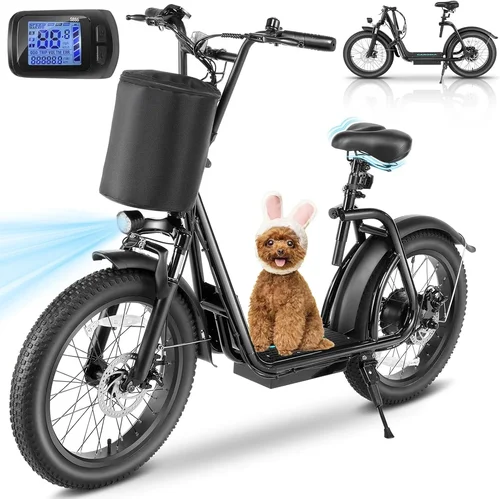
❌ Mistake: Prioritizing Top Speed Over Real-World Usability
Why it’s bad: High top speeds look impressive on paper but rarely translate to better commuting. Most urban speed limits cap e-scooters at 15–20 mph, and faster speeds drain batteries quickly, reduce control, and increase accident risk—especially for beginners.
What to do instead: Focus on consistent performance at legal speeds. Look for smooth acceleration, reliable braking, and good hill-climbing ability rather than chasing max speed numbers.
❌ Mistake: Ignoring Tire Type
Why it’s bad: Solid rubber tires are maintenance-free but offer a harsh, jarring ride on rough pavement. Pneumatic (air-filled) tires provide cushioning but are prone to flats. Many budget scooters use low-quality tires that compromise safety and comfort.
What to do instead: Choose tubeless pneumatic tires for the best balance of comfort and reliability, or high-quality airless tires (like Honeycomb or Tannus) if you hate maintenance. Avoid cheap solid tires unless you only ride on perfectly smooth surfaces.
❌ Mistake: Overlooking Braking System Quality
Why it’s bad: Brakes are your most critical safety feature. Electronic brakes alone are insufficient—they lack stopping power in emergencies and fail completely if the battery dies. Scooters with only rear fender brakes are especially dangerous.
What to do instead: Opt for dual braking systems: disc brakes (front or rear) combined with electronic or drum brakes. Test braking responsiveness before buying—if possible, do a demo ride.
❌ Mistake: Buying Based Solely on Advertised Range
Why it’s bad: Manufacturers often test range under ideal conditions: light riders, flat terrain, eco mode, and mild weather. Real-world range can be 20–40% lower.
What to do instead: Divide the advertised range by 1.3 to estimate real-world performance. If your commute is 12 miles round-trip, buy a scooter rated for at least 18–20 miles.
❌ Mistake: Skipping the Test Ride
Why it’s bad: Scooter feel is subjective. What looks good on spec sheets might feel unstable, too stiff, or uncomfortable in practice. Weight distribution, deck size, and handlebar ergonomics vary widely.
What to do instead: Visit local retailers or attend demo events. If buying online, choose retailers with generous return policies (30 days or more) so you can test it risk-free.
❌ Mistake: Neglecting Local Laws and Regulations
Why it’s bad: E-scooter laws vary by city and state. Some ban scooters on sidewalks, require helmets, or limit speed and power. Riding illegally can result in fines or confiscation.
What to do instead: Check your local Department of Transportation website before purchasing. Ensure your scooter complies with local rules—especially regarding motor wattage and speed governors.
❌ Mistake: Forgetting About Maintenance
Why it’s bad: Even the best scooters need occasional upkeep: tire checks, brake adjustments, bolt tightening, and battery care. Assuming it’s “maintenance-free” leads to unexpected breakdowns.
What to do instead: Learn basic maintenance or find a local repair shop that services your brand. Keep a toolkit handy and follow the manufacturer’s care guidelines.
Budget Guidelines: How Much Should You Spend?
– Entry-Level ($250–$500): These scooters suit short, flat commutes under 5 miles. Expect basic features, minimal suspension, and lower build quality. Ideal for students or occasional riders. Models like the Gotrax GXL V2 or Xiaomi Mi Essential offer decent value here—but don’t expect longevity.
– Mid-Range ($500–$1,200): This is the sweet spot for most commuters. You’ll get reliable motors (350–500W), better brakes, improved suspension, and IPX4+ water resistance. Scooters like the Segway Ninebot MAX G30LP or Apollo City 2024 deliver excellent performance, 20–30 mile range, and solid warranties. Perfect for daily 5–15 mile commutes.
– Premium ($1,200–$2,000): Designed for enthusiasts and demanding riders. Expect high-capacity batteries (48V+), dual motors, advanced suspension, and smart features. These handle hills, long distances, and rough terrain with ease. The Dualtron Thunder 2 or Kaabo Mantis Pro are top contenders.
– Luxury ($2,000+): For those who want the absolute best. Think aerospace-grade materials, app-controlled ride customization, premium tires, and concierge-level support. These are overkill for most commuters but ideal for tech lovers or professional riders.
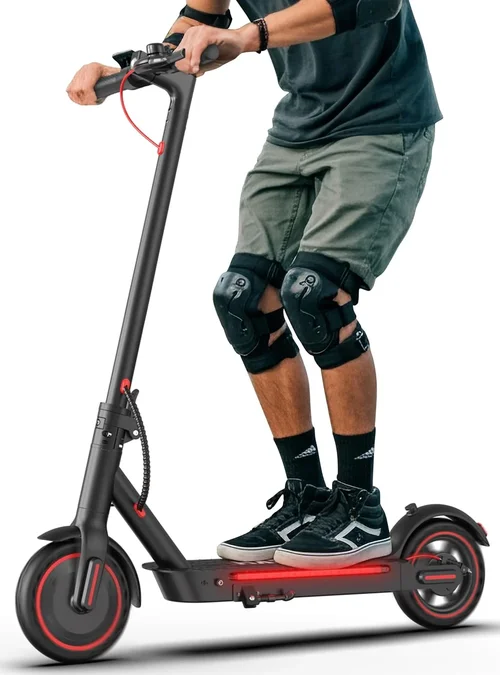
Expert Tips for Getting the Best Deal
– Buy during off-peak seasons: Scooter sales dip in winter (November–February). Many retailers offer discounts to clear inventory before spring launches.
– Check manufacturer websites first: Brands like Gotrax, Apollo, and Segway often run exclusive promotions, bundle deals (free helmet, phone mount), or extended warranties not available on Amazon.
– Consider refurbished or open-box models: Certified pre-owned scooters from reputable sellers come with warranties and can save 20–40%. Just verify battery health and frame condition.
– Read the fine print on returns: Some retailers charge restocking fees or only accept returns in original packaging. Aim for stores with 30-day no-questions-asked policies.
– Join loyalty programs: Brands like Unagi and Bird offer subscriber perks, early access to sales, and free shipping for members.
– Watch for bundle deals: Purchasing a scooter with accessories (helmet, lock, bag) together often costs less than buying separately.
– Use price-tracking tools: Set alerts on CamelCamelCamel (for Amazon) or Honey to notify you when prices drop.
– Negotiate with local dealers: Independent scooter shops may match online prices or throw in free tune-ups to win your business.
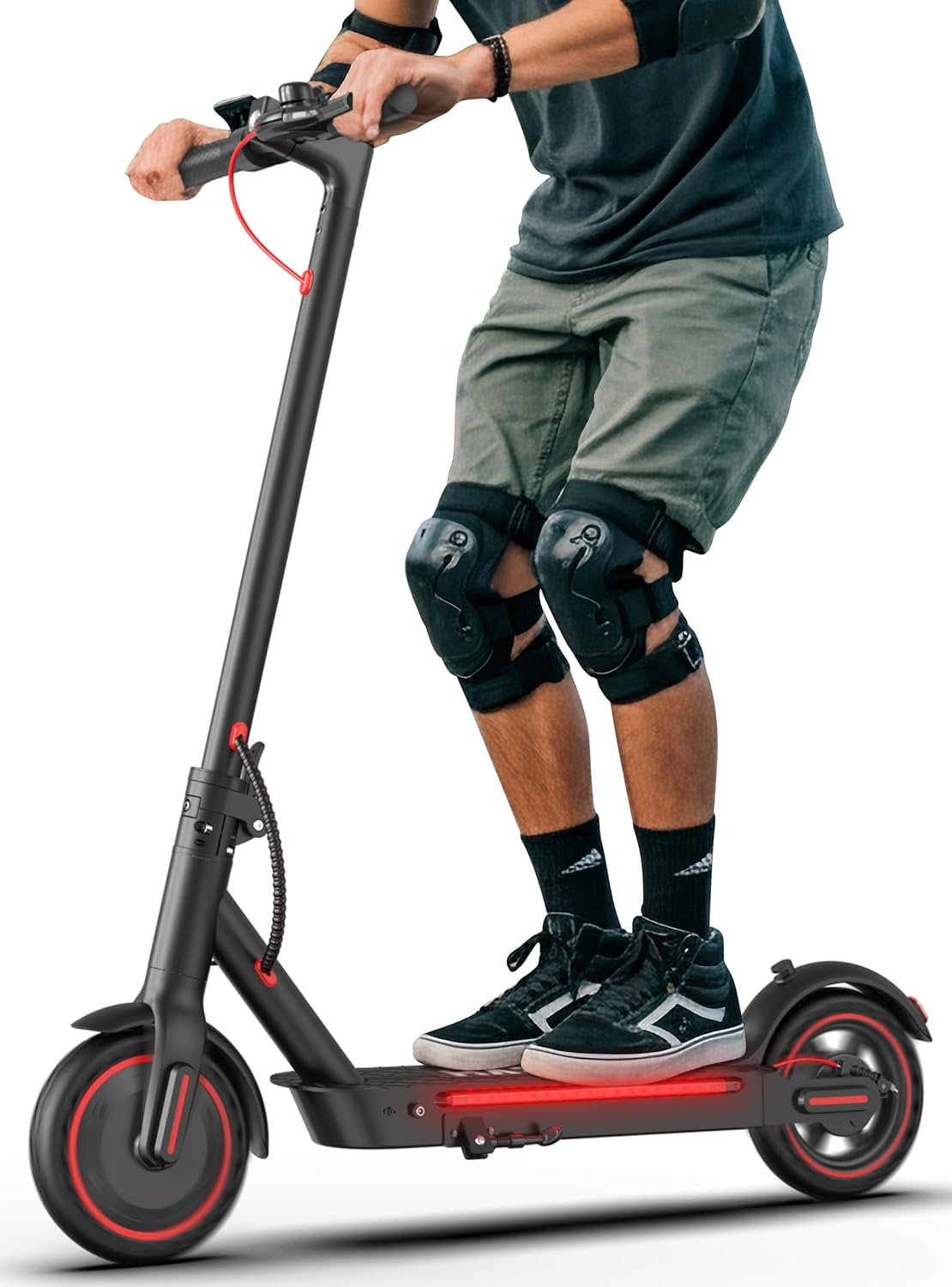
Frequently Asked Questions
Q: How long do electric scooter batteries last?
A: Most lithium-ion batteries retain 80% capacity after 500–800 charge cycles, which translates to 2–4 years of daily use. Proper care—avoiding full discharges, storing at 50% charge in winter, and not overcharging—can extend lifespan significantly.
Q: Can I ride my scooter in the rain?
A: Only if it has an IPX4 rating or higher. IPX4 means splash-resistant from any direction—enough for light rain. Never submerge the scooter or ride through deep puddles, as water can damage the motor and electronics.
Q: Do I need a license or insurance?
A: In most U.S. states, no license is required for scooters under 20 mph and 750W. Insurance is rarely mandatory but recommended for high-value models. Check local laws—some cities require registration or helmets.
Q: How fast can I go on a commuter scooter?
A: Legal limits vary, but 15–20 mph is typical in urban areas. Many scooters have speed limiters you can adjust via app or display. Always prioritize safety over speed.
Q: What’s the difference between hub motors and belt-driven motors?
A: Hub motors are integrated into the wheel—simple, quiet, and low-maintenance. Belt-driven systems (common in premium scooters) offer better torque and serviceability but require occasional belt replacement. For commuting, hub motors are usually sufficient.
Q: Can I take my scooter on a plane?
A: Most airlines prohibit lithium batteries over 100Wh in checked luggage. Scooters with removable batteries under 160Wh may be allowed in carry-on—but policies vary. Check with your airline before traveling.
Q: How do I maintain my scooter?
A: Regularly check tire pressure (if pneumatic), tighten bolts, clean the deck, and inspect brakes. Store indoors when not in use, and charge the battery monthly if unused for long periods.
Q: Are electric scooters eco-friendly?
A: Yes—compared to cars, they produce far fewer emissions per mile. However, consider the full lifecycle: battery production and disposal have environmental impacts. Choose brands with recycling programs.
Q: What should I do if my scooter breaks down?
A: First, consult the warranty. If covered, contact the manufacturer. For out-of-warranty issues, seek certified repair shops or DIY using official guides. Keep spare parts like fuses and brake pads handy.
Q: Is it safe to ride at night?
A: Only with proper lighting—bright headlight, rear brake light, and reflective gear. Avoid poorly lit areas and always wear a helmet. Some scooters have ambient lighting or turn signals for added safety.
Our Final Recommendations
– Best for Budget-Conscious Buyers: Gotrax GXL V2 – Reliable, lightweight, and under $400. Great for short, flat commutes with decent build quality for the price.
– Best Overall Value: Segway Ninebot MAX G30LP – Packed with features, 40-mile range, IPX5 rating, and excellent customer support. Ideal for daily 10–15 mile commutes.
– Best Premium Option: Apollo City 2024 – Dual suspension, 500W motor, 30-mile range, and app connectivity. Perfect for riders who want comfort and performance without going full Dualtron.
– Best for Beginners: Xiaomi Mi Electric Scooter 4 Lite – Simple controls, stable ride, and trusted brand. Easy to learn on and highly portable.
– Best for Advanced Users: Dualtron Thunder 2 – 5,400W dual motors, 70+ mile range, and race-mode acceleration. For those who treat commuting like a sport.
Conclusion: Making the Right Choice
Choosing the best commuter electric scooter isn’t about finding the flashiest model or the cheapest deal—it’s about matching the right tool to your specific needs. Whether you’re dodging traffic in downtown Chicago, cruising along a coastal bike path, or hopping on the subway after a 2-mile ride, your scooter should feel like a natural extension of your daily routine. By focusing on key factors like build quality, real-world range, braking performance, and brand support, you’ll avoid costly mistakes and enjoy years of reliable, enjoyable rides.
Remember: the perfect scooter is the one you’ll actually use. Don’t let specs overwhelm you—prioritize comfort, safety, and consistency. Take advantage of test rides, read honest reviews, and invest in a model that fits your lifestyle, not just your wallet. And once you’re on the road, always wear a helmet, follow local laws, and ride defensively.
Your commute doesn’t have to be a chore. With the right electric scooter, it can be the most enjoyable part of your day. So charge up, fold out, and hit the streets—your future self will thank you.