

Electric bikes have revolutionized personal transportation, offering eco-friendly mobility, fitness support, and thrilling performance. But as the market matures, riders are demanding more power, control, and versatility—enter the dual motor e-bike. Unlike traditional single-motor models that rely on one hub or mid-drive motor, dual motor e-bikes feature two independently powered motors—typically one in the front wheel and one in the rear—delivering unprecedented torque, traction, and acceleration. These machines aren’t just for off-road adventurers or cargo haulers; they’re redefining what’s possible on two wheels, from steep mountain climbs to urban commuting with heavy loads.
This comprehensive buying guide is designed for riders who want to go beyond the basics and invest in a high-performance electric bike that delivers real-world power and reliability. Whether you’re a seasoned e-bike enthusiast, a weekend trail warrior, or someone looking to replace your car for daily errands, understanding the nuances of dual motor systems is essential. We’ll walk you through everything you need to know—from performance specs and build quality to budget considerations and expert tips—so you can make a confident, informed decision. By the end of this guide, you’ll know exactly what to look for, what to avoid, and which models deliver the best value for your needs.
The dual motor e-bike market has exploded in recent years, with brands like Rad Power Bikes, Juiced Bikes, and specialized off-road manufacturers like QuietKat and Biktrix leading the charge. These bikes are no longer niche novelties—they’re serious machines capable of tackling rugged terrain, carrying heavy cargo, and providing a smooth, powerful ride in all conditions. However, with great power comes greater complexity, and not all dual motor systems are created equal. This guide cuts through the hype, compares real-world performance, and helps you navigate the growing landscape of options to find the perfect fit for your lifestyle and riding goals.

What to Look for When Buying a Dual Motor E-Bike
1. Budget & Price Range
Dual motor e-bikes represent a significant investment, and understanding your budget is the first step toward making a smart purchase. Prices can range from around $2,000 for entry-level models to over $8,000 for premium, off-road-capable machines. The key is to balance your spending with the features and performance you actually need. A higher price doesn’t always mean better value—some mid-range models offer exceptional build quality and performance at a fraction of the cost of luxury brands.
When setting your budget, consider not just the upfront cost but also long-term expenses like maintenance, battery replacements, and potential upgrades. Dual motor systems are more complex than single-motor setups, which can mean higher repair costs if something goes wrong. Additionally, some brands offer financing options or seasonal discounts that can make a premium model more accessible. Be wary of extremely low-priced dual motor bikes, as they often cut corners on components, battery quality, or motor reliability. Investing in a reputable brand with solid customer support will save you money and frustration in the long run.
2. Performance Specifications
Performance is where dual motor e-bikes truly shine, but it’s also where buyers can get overwhelmed by technical jargon. The most important specs to evaluate are motor power (measured in watts), torque (measured in Newton-meters), top speed, and battery capacity (measured in watt-hours). Most dual motor e-bikes feature two 500W to 750W motors, delivering a combined output of 1,000W to 1,500W. This dual setup provides not only raw power but also improved balance and control, especially on uneven terrain.
Torque is equally critical—especially for hill climbing and acceleration. Look for models with at least 80 Nm of combined torque; high-end bikes can exceed 120 Nm. This level of force allows you to tackle steep inclines, carry heavy loads, or accelerate quickly from a stop without straining the motors. Top speed is another consideration, though it’s often limited by local regulations. Most dual motor e-bikes can reach 20 mph (Class 2) or 28 mph (Class 3), with some off-road models capable of higher speeds in unlocked modes. Always check your local laws before riding at maximum speed.
Battery capacity determines how far you can go on a single charge. A 48V 14Ah battery (672Wh) is common, but premium models may offer 72V systems with 20Ah+ batteries (1,440Wh+), enabling 60–100+ miles of range depending on terrain and assist level. Dual motor systems consume more energy, so a larger battery is essential for maintaining range. Some bikes also support dual batteries, effectively doubling your range—ideal for long-distance touring or cargo hauling.
3. Build Quality & Durability
A dual motor e-bike is a complex machine under constant stress, so build quality is non-negotiable. Start with the frame: look for high-grade aluminum alloy (such as 6061 or 7005) that’s both lightweight and strong. Avoid cheap steel frames, which add unnecessary weight and are prone to rust. The frame should also be designed to handle the extra forces generated by dual motors, with reinforced dropouts, robust welds, and proper geometry for stability.
Components matter just as much as the frame. Check the drivetrain (gears and chain), brakes, suspension, and wheels. A quality 7–10 speed Shimano or SRAM drivetrain ensures smooth shifting under load, while hydraulic disc brakes (preferably 4-piston) provide reliable stopping power, especially at high speeds or on descents. Full suspension (front and rear) is highly recommended for off-road or rough terrain riding, as it absorbs shocks and improves traction. Look for air-sprung forks and rear shocks with adjustable rebound and compression.
Wheels and tires should be durable and appropriately sized. Most dual motor e-bikes use 26”, 27.5”, or 29” wheels with wide, puncture-resistant tires (2.6” to 4.0” width). Fat tires (4.0”+) offer superior grip and cushioning on sand, snow, or rocky trails but add rolling resistance. For urban or mixed-use riding, 2.8”–3.5” tires strike a good balance between comfort and efficiency. Always inspect the quality of spokes, rims, and hubs—cheap components can fail under the stress of dual motor torque.
4. Features & Functionality
Modern dual motor e-bikes come packed with features that enhance safety, convenience, and ride quality. Start with the display: a large, backlit LCD or color TFT screen should show speed, battery level, assist mode, trip distance, and motor output. Some advanced displays offer GPS navigation, Bluetooth connectivity, and smartphone integration via apps. These features allow you to track rides, adjust settings, and even lock the bike remotely.
Lighting is essential for visibility and safety. Look for integrated LED headlights (at least 500 lumens) and taillights with brake activation. Some models include turn signals and daytime running lights—ideal for urban commuting. Fenders and rear racks are practical additions, especially for cargo or all-weather riding. A sturdy rear rack with a high weight capacity (100+ lbs) lets you carry groceries, camping gear, or even a child seat.
Other useful features include USB charging ports, kickstands, bell/horn, and anti-theft systems like GPS trackers or alarm sensors. Some high-end models offer regenerative braking, which recaptures energy during deceleration to extend range—though the benefit is modest. Finally, consider the user interface: intuitive controls, easy-to-reach buttons, and responsive throttle or pedal assist make a big difference in daily use.
5. Brand Reputation
With so many new brands entering the e-bike market, choosing a reputable manufacturer is crucial. Established brands like Rad Power Bikes, Juiced Bikes, and Aventon have proven track records for quality, customer service, and innovation. They offer consistent product updates, reliable warranties, and accessible support networks. In contrast, lesser-known or budget brands may use generic components, lack proper testing, or disappear after a few years—leaving you with an unsupported bike.
Research customer reviews on trusted platforms like Electric Bike Report, Bicycling.com, or Reddit’s r/ebikes. Look for patterns in feedback: are users reporting long-term reliability? Are common issues being addressed by the company? Also check if the brand offers local dealer support or authorized service centers. This is especially important for dual motor bikes, which may require specialized repairs. Brands with strong U.S.-based customer service and warranty fulfillment tend to provide a better ownership experience.
Another factor is transparency. Reputable brands clearly list motor specs, battery chemistry (e.g., Samsung, LG, or Panasonic cells), and frame materials. They also provide detailed manuals, firmware updates, and compatibility information for accessories. Avoid brands that use vague terms like “high power” or “long range” without supporting data. A trustworthy brand stands behind its products and communicates openly with customers.
6. Warranty & Support
A comprehensive warranty is a strong indicator of a manufacturer’s confidence in their product. For dual motor e-bikes, look for at least a 1–2 year comprehensive warranty covering the frame, motors, battery, and electrical components. Premium brands often offer 2–3 years, with some extending coverage to 5 years on the frame. The battery should have its own warranty—typically 1–2 years or 500–1,000 charge cycles—since it’s the most expensive component to replace.
Support goes beyond the warranty period. Check if the brand offers responsive customer service via phone, email, or live chat. Do they have a knowledge base, video tutorials, or community forums? Can you easily order replacement parts like brake pads, chains, or control units? Some brands even offer on-site repair services or partnerships with local bike shops. For international buyers, verify shipping and return policies—some companies charge high fees for returns or repairs outside the U.S.
Also consider the availability of firmware updates. Dual motor systems rely on sophisticated controllers that manage power distribution, torque sensing, and safety features. Regular updates can improve performance, fix bugs, or add new riding modes. Brands that actively support their products with software updates demonstrate long-term commitment to customer satisfaction.
7. Size & Portability
Dual motor e-bikes are generally heavier and bulkier than standard e-bikes due to the extra motor, larger battery, and reinforced frame. Most weigh between 70 and 90 pounds, with some cargo or fat-tire models exceeding 100 pounds. This affects portability, especially if you need to carry the bike upstairs, load it into a car, or store it in a small apartment.
Consider the bike’s dimensions: wheelbase, standover height, and folded size (if foldable). A shorter wheelbase improves maneuverability in tight spaces, while a lower standover height makes mounting and dismounting easier, especially for shorter riders. Foldable dual motor e-bikes exist but are rare and often compromise on performance or battery capacity. If portability is a priority, look for models with removable batteries and step-through frames.
Storage is another concern. These bikes require more space than traditional bicycles. If you live in an apartment or have limited garage space, consider wall mounts or vertical storage solutions. Some brands offer integrated storage compartments or accessory rails for adding panniers or baskets. Always measure your available space before purchasing.
8. User Reviews & Ratings
While specs and brand reputation are important, real-world user experiences provide the most honest insight into a bike’s performance and reliability. Read reviews from verified purchasers on retailer sites like REI, Amazon, or the manufacturer’s website. Pay attention to comments about motor performance, battery life, comfort, and after-sales support. Look for detailed reviews that include photos, videos, and long-term updates.
Be cautious of overly positive or generic reviews—they may be incentivized or fake. Instead, focus on balanced feedback that highlights both strengths and weaknesses. For example, a user might praise the bike’s power but note that the battery drains quickly in cold weather. This kind of nuanced information helps you set realistic expectations. Also check YouTube for ride tests and comparisons—visual demonstrations of acceleration, hill climbing, and handling are invaluable.
Join online communities like Facebook groups, Reddit forums, or e-bike blogs to ask questions and get advice from current owners. These communities often share tips on maintenance, upgrades, and troubleshooting. A bike with a strong user base is more likely to have accessible support and aftermarket parts.
Different Types of Dual Motor E-Bikes
Common Buying Mistakes to Avoid

❌ Mistake: Prioritizing Price Over Quality
Why it’s bad: Choosing the cheapest dual motor e-bike often leads to disappointment. Low-cost models frequently use inferior motors, weak batteries, and flimsy frames that can’t handle the stress of dual motor operation. You may end up with poor performance, frequent breakdowns, and costly repairs—or worse, a bike that becomes unusable within a year.
What to do instead: Focus on value, not just price. Invest in a reputable brand with solid components and a good warranty. A mid-range bike from a trusted manufacturer will outperform and outlast a budget model, saving you money in the long run.
❌ Mistake: Ignoring Local E-Bike Laws
Why it’s bad: Dual motor e-bikes often exceed legal power limits in many regions. In the U.S., Class 3 e-bikes are limited to 750W and 28 mph. Some dual motor bikes can hit 1,500W and 35+ mph, making them illegal for road use without modifications. Riding an illegal bike can result in fines, confiscation, or insurance issues.
What to do instead: Research your local regulations before buying. Choose a bike that complies with legal limits or offers a “street legal” mode. If you plan to ride off-road only, ensure you have access to legal trails.
❌ Mistake: Overlooking Battery Range
Why it’s bad: Dual motor systems consume significantly more energy than single-motor bikes. A bike with a small battery may only deliver 20–30 miles of range under load, leaving you stranded on longer trips. This is especially problematic for commuters or cargo riders who rely on consistent performance.
What to do instead: Calculate your daily mileage needs and choose a battery with at least 20–30% extra capacity. Consider models with dual battery support or fast-charging options. Always test range in real-world conditions.
❌ Mistake: Skipping the Test Ride
Why it’s bad: Dual motor e-bikes handle differently than traditional bikes. The added weight, torque, and balance can feel unfamiliar. Without a test ride, you might end up with a bike that’s uncomfortable, hard to control, or unsuitable for your terrain.
What to do instead: Always test ride before buying, if possible. Visit local dealers, attend e-bike expos, or look for brands with generous return policies. Pay attention to acceleration, braking, and comfort.
❌ Mistake: Neglecting Maintenance Requirements
Why it’s bad: Dual motor bikes have more complex systems that require regular upkeep. Neglecting maintenance—like brake adjustments, chain lubrication, or firmware updates—can lead to reduced performance, safety risks, or premature failure.
What to do instead: Learn basic maintenance or find a local shop that services e-bikes. Keep a maintenance schedule and budget for annual tune-ups. Some brands offer service plans or online tutorials.
❌ Mistake: Buying Based on Hype Alone
Why it’s bad: Flashy marketing and influencer endorsements can be misleading. A bike might look impressive in videos but lack real-world reliability or customer support. Relying solely on hype can lead to buyer’s remorse.
What to do instead: Do your own research. Read independent reviews, compare specs, and talk to current owners. Focus on long-term value and real performance, not just aesthetics or buzzwords.
❌ Mistake: Forgetting About Storage and Transport
Why it’s bad: Dual motor e-bikes are heavy and bulky. If you can’t store or transport the bike safely, it becomes a liability. Trying to lift a 90-pound bike into a car or up stairs can cause injury or damage.
What to do instead: Measure your storage space and consider how you’ll transport the bike. Look for models with removable batteries, foldable frames, or compatible bike racks. Invest in a quality bike cover or storage solution.
Budget Guidelines: How Much Should You Spend?
Entry-Level ($2,000 – $3,500): These bikes offer basic dual motor functionality with modest power (typically 2 x 500W motors) and smaller batteries (500–700Wh). They’re suitable for light commuting, flat terrain, and occasional off-road use. Expect simpler components, limited features, and shorter warranties. Brands like Biktrix and some Rad Power Bikes models fall into this range. While affordable, they may lack the durability and performance needed for heavy use.
Mid-Range ($3,500 – $5,500): This is the sweet spot for most buyers. Bikes in this tier feature robust 2 x 750W motors, larger batteries (700–1,000Wh), and quality components like hydraulic brakes and full suspension. They offer excellent performance for commuting, light cargo, and trail riding. Brands like Juiced Bikes, Aventon, and some QuietKat models deliver strong value here. You’ll get reliable power, good range, and solid build quality without breaking the bank.
Premium ($5,500 – $8,000): Designed for enthusiasts and serious riders, these bikes boast high-output motors (2 x 1,000W+), advanced battery systems (1,000–1,500Wh), and top-tier components. They often include features like GPS, regenerative braking, and app integration. Ideal for off-road adventures, long-distance touring, or heavy cargo hauling. Expect excellent durability, long warranties, and responsive customer support.
Luxury ($8,000+): These are the Ferraris of the e-bike world—custom-built, high-performance machines with cutting-edge technology. Think dual 1,500W motors, 72V battery systems, carbon fiber frames, and race-level suspension. They’re built for speed, extreme terrain, and maximum reliability. Only recommended for professionals, competitive riders, or those who demand the absolute best.

Expert Tips for Getting the Best Deal
- Buy during off-season sales: Late fall and winter are the best times to find discounts, as retailers clear inventory for new models. Look for Black Friday, Cyber Monday, or end-of-year sales.
- Compare online and in-store prices: Online retailers often have lower prices and better return policies, but local shops offer test rides and immediate support. Some stores price-match online deals.
- Check for bundle deals: Many brands offer packages with free accessories like helmets, locks, lights, or racks. These can add $200–$500 in value.
- Read the fine print on warranties: Understand what’s covered, for how long, and what voids the warranty (e.g., modifications or off-road use).
- Test multiple models: Don’t settle for the first bike you try. Compare handling, comfort, and performance across different brands and styles.
- Consider certified pre-owned: Some brands sell refurbished e-bikes with full warranties at 20–40% off retail. These are often as good as new.
- Join loyalty programs: Sign up for newsletters and rewards programs to get early access to sales, exclusive discounts, and product updates.
- Negotiate: Especially at local shops, you may be able to negotiate price, free assembly, or added accessories.

Frequently Asked Questions
Q: Are dual motor e-bikes legal?
A: It depends on your location. In the U.S., e-bikes are classified by speed and power. Most dual motor bikes exceed 750W, which may classify them as mopeds or motorcycles in some states. Always check local laws. Many bikes offer a “limiter” mode to comply with regulations.
Q: Do dual motor e-bikes use twice the battery?
A: Not exactly. While dual motors consume more energy, they’re often more efficient under load. The front motor assists with traction, reducing strain on the rear. Actual consumption depends on terrain, assist level, and riding style. Expect 20–40% less range than a single-motor bike with the same battery.
Q: Can I ride a dual motor e-bike in the rain?
A: Yes, most are designed for all-weather use with IP65 or higher waterproof ratings. However, avoid submerging the bike or charging in wet conditions. Dry the battery and connectors after riding in heavy rain.
Q: How long do dual motor e-bike batteries last?
A: A quality lithium-ion battery lasts 500–1,000 charge cycles, or about 3–5 years with regular use. Proper care—like avoiding full discharges and storing at 50% charge—can extend lifespan.
Q: Are dual motor e-bikes harder to maintain?
A: They require more attention than single-motor bikes due to the complexity. However, routine maintenance (brakes, chain, tires) is similar. The motors and controllers are sealed and generally maintenance-free.
Q: Can I convert a regular e-bike to dual motor?
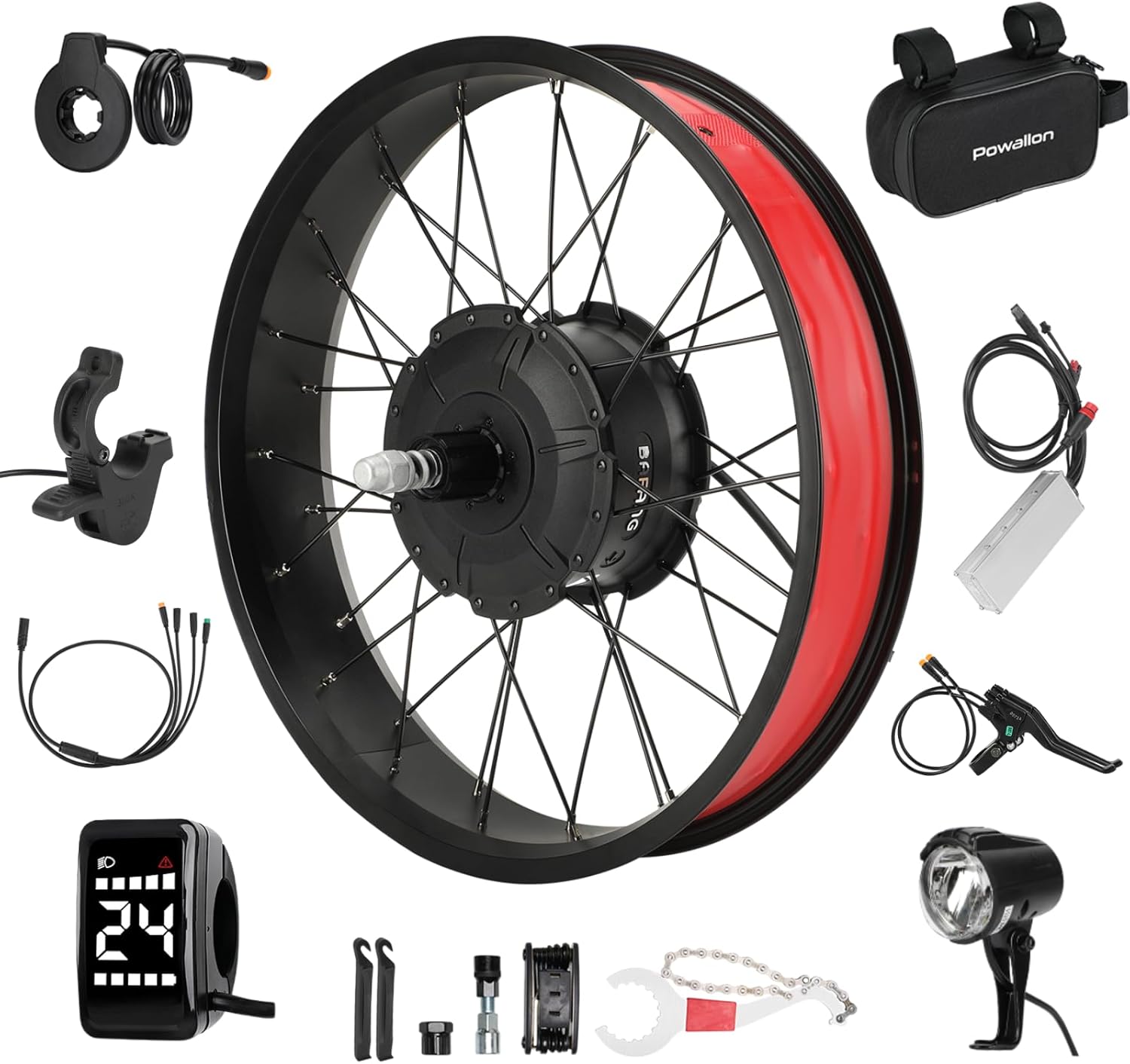
A: Technically possible but not recommended. Conversion kits exist but often compromise safety, balance, and warranty. It’s better to buy a purpose-built dual motor bike.
Q: Do dual motor e-bikes have better hill climbing?
A: Absolutely. The combined torque and improved traction allow dual motor bikes to climb steeper grades with less effort. Some can tackle 30%+ inclines with ease.
Q: Are dual motor e-bikes good for commuting?
A: Yes, especially if you face hills, carry loads, or want faster acceleration. However, the added weight and cost may not be necessary for flat, short commutes.
Q: What’s the weight limit for dual motor e-bikes?
A: Most support 250–350 lbs, with cargo models rated up to 400 lbs. Always check the manufacturer’s specifications and avoid exceeding the limit.
Q: Can I ride a dual motor e-bike without pedaling?
A: Yes, most have a throttle mode that allows full electric propulsion. However, using pedal assist extends range and reduces motor strain.
Our Final Recommendations
Best for Budget-Conscious Buyers: Biktrix Juggernaut Ultra Duo – At around $3,200, this bike delivers dual 750W motors, a 720Wh battery, and solid build quality. Ideal for light off-road and commuting use.
Best Overall Value: Juiced HyperScrambler 2 – Priced at $4,500, it features dual 1,000W motors, a massive 960Wh battery, and premium components. Excellent for commuting, cargo, and trail riding.
Best Premium Option: QuietKat Ranger 2.0 – At $6,500, this off-road beast boasts dual 1,000W motors, 4.8” fat tires, and military-grade durability. Perfect for extreme terrain and heavy loads.
Best for Beginners: Rad Power Bikes RadRover 6 Plus Dual Motor – A user-friendly fat tire e-bike with dual motors, intuitive controls, and excellent customer support. Great for new riders exploring off-road.
Best for Advanced Users: Bulls E-Stream EVO AM 4 – A high-performance mountain e-bike with dual motors, full suspension, and race-level components. Built for speed and technical trails.
Conclusion: Making the Right Choice
Choosing the right dual motor e-bike is about more than just power—it’s about finding a machine that matches your lifestyle, terrain, and long-term goals. From budget-friendly commuters to rugged off-road warriors, the market offers something for every rider. By focusing on key factors like performance, build quality, and support, you can avoid common pitfalls and invest in a bike that delivers years of reliable, exhilarating rides.
Remember, the best bike isn’t necessarily the most expensive or powerful—it’s the one that fits your needs, feels right when you ride it, and stands the test of time. Take your time, do your research, and don’t hesitate to ask questions. Whether you’re hauling groceries, conquering mountain trails, or simply enjoying the freedom of electric-powered travel, a dual motor e-bike can transform the way you move. So gear up, charge up, and ride with confidence—your perfect e-bike is out there waiting.