
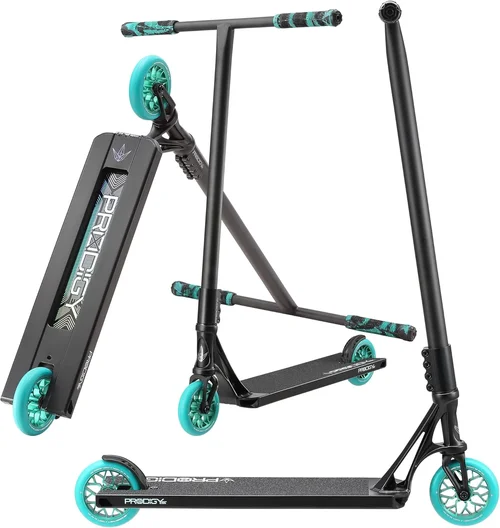
Electric scooters have evolved from novelty toys into serious transportation tools for adults navigating busy city streets, college campuses, and suburban commutes. As urban congestion worsens and fuel costs rise, more people are turning to compact, eco-friendly alternatives that offer speed, convenience, and cost savings. Whether you’re dodging traffic on your way to the office or zipping between classes, a reliable commuter scooter can transform your daily routine—cutting travel time, reducing stress, and even adding a bit of fun to your day.
But with dozens of models flooding the market in 2026, choosing the right one isn’t as simple as picking the shiniest option. Performance varies wildly across price points, battery life claims often don’t match real-world results, and build quality can mean the difference between a scooter that lasts years and one that becomes a garage ornament after six months. That’s why this guide exists: to cut through the marketing hype and give you expert-backed, practical advice so you can make a smart, informed decision. You’ll learn exactly what specs matter most, how to avoid common pitfalls, and which models truly deliver on their promises—no matter your budget or commute needs.
The commuter scooter market today is more diverse than ever. From ultra-lightweight foldables under $300 to high-performance machines capable of 30+ mph speeds and 40-mile ranges, there’s something for nearly every lifestyle. Brands like Gotrax, Segway-Ninebot, Xiaomi, and Apollo dominate the space, each offering distinct strengths. Some prioritize portability for subway riders; others emphasize power for hilly terrain or longer distances. Understanding where you fall on this spectrum—and what features align with your daily use—is the first step toward finding your perfect ride.

What to Look for When Buying Gotrax
1. Budget & Price Range
Your budget will heavily influence your options, but it’s crucial to balance upfront cost with long-term value. Entry-level scooters ($200–$400) often cut corners on motors, batteries, and suspension, which can lead to frustration on longer or rougher commutes. Mid-range models ($400–$700) typically offer the best blend of performance, durability, and features for most adult riders. Premium scooters ($700+) deliver superior components, longer warranties, and advanced tech—but may be overkill if you’re only riding short distances on smooth pavement.
Don’t forget to factor in hidden costs: replacement tires, chargers, locks, and potential repair fees. A cheaper scooter might seem appealing initially, but if it breaks down frequently or lacks service support, you could end up spending more over time. Set a realistic budget that includes a 10–15% buffer for accessories and maintenance.
2. Performance Specifications
Performance boils down to three core metrics: motor power (measured in watts), top speed, and range. For city commuting, a 250W–350W motor is usually sufficient for flat terrain and light hills. If you live in a hilly area or carry heavy bags, aim for 500W or higher. Top speed matters less than you think—most urban riders cruise at 12–18 mph due to safety and legal limits—but higher speeds (20+ mph) offer flexibility during off-peak hours.
Range is where manufacturers often exaggerate. Always check real-world user reviews, as advertised ranges assume ideal conditions (light rider, flat ground, no wind). A scooter claiming 20 miles might only deliver 12–15 under normal use. For daily commutes under 10 miles round-trip, a 15-mile real-world range is plenty. Longer trips demand 25+ miles.
3. Build Quality & Durability
A scooter is only as good as its weakest component. Look for aircraft-grade aluminum frames, reinforced decks, and sealed electronics to resist water and dust (IP54 rating or higher is ideal). Check hinge mechanisms—poorly designed folding joints loosen over time, creating wobble and safety risks. Tires matter too: solid rubber tires are puncture-proof but offer a harsher ride; air-filled pneumatic tires absorb bumps better but require occasional inflation and are vulnerable to flats.
Weight capacity is another critical spec. Most adult scooters support 220–265 lbs, but heavier riders should verify this before buying. Also inspect welds, bolt tightness, and overall fit-and-finish. A well-built scooter feels solid when you shake it—no rattles or flexing.
4. Features & Functionality
Modern commuter scooters come packed with features, but not all are essential. Essential ones include:
– Bright LED headlights and taillights for visibility
– Regenerative braking (extends battery life)
– Digital display showing speed, battery, and mode
– Multiple speed modes (Eco, Normal, Sport)
– App connectivity for ride tracking and firmware updates
Nice-to-haves include cruise control, phone charging ports, and suspension systems. Avoid models with overly complex interfaces—you want quick access to controls while riding. Also consider noise level: some motors whine loudly, which can be annoying in quiet neighborhoods.
5. Brand Reputation
Stick with established brands known for reliability and customer service. Gotrax, for example, has built a solid reputation for affordable, user-friendly scooters with decent after-sales support. Segway-Ninebot leads in premium segments, while Xiaomi offers excellent value in mid-tier models. Avoid unknown brands with no track record—they often use generic parts and vanish when issues arise.
Check forums like Reddit’s r/scooters or YouTube review channels for long-term ownership experiences. A brand might look great on paper but have chronic battery degradation or poor warranty fulfillment.
6. Warranty & Support
A strong warranty signals confidence in product quality. Most reputable brands offer 6–12 months of coverage, with premium models extending to 18–24 months. Pay attention to what’s covered: batteries typically degrade faster than motors, so ensure battery replacement is included. Also verify if shipping costs are covered during repairs—some companies charge $50+ just to send a unit back.
Customer support responsiveness is equally important. Can you reach a human quickly? Are replacement parts readily available? Brands with U.S.-based service centers (like Gotrax) generally provide faster turnaround than those relying on overseas partners.
7. Size & Portability
If you need to carry your scooter onto public transit, up stairs, or into an office, weight and foldability are paramount. Lightweight models (under 25 lbs) are easier to manage, but often sacrifice power and range. Look for scooters that fold compactly—ideally under 40 inches long when folded—and have secure locking mechanisms to prevent accidental unfolding.
Consider handlebar width and deck size too. Narrow decks may feel cramped for taller riders, while wide handlebars can be awkward in crowded spaces. Test the folded dimensions against your storage space (car trunk, closet, under desk) before committing.
8. User Reviews & Ratings
Never rely solely on manufacturer specs. Real-world feedback reveals flaws that spec sheets hide—like poor brake responsiveness, weak headlights, or flimsy kickstands. Focus on reviews from verified purchasers who’ve used the scooter for weeks or months, not just unboxings.
Look for patterns: if multiple users report the same issue (e.g., “battery dies after 3 months”), it’s likely a systemic problem. Conversely, consistent praise for comfort or reliability is a strong indicator of quality. Use aggregate scores from Amazon, Best Buy, or specialized sites like Electric Scooter Insider, but read the detailed comments for context.
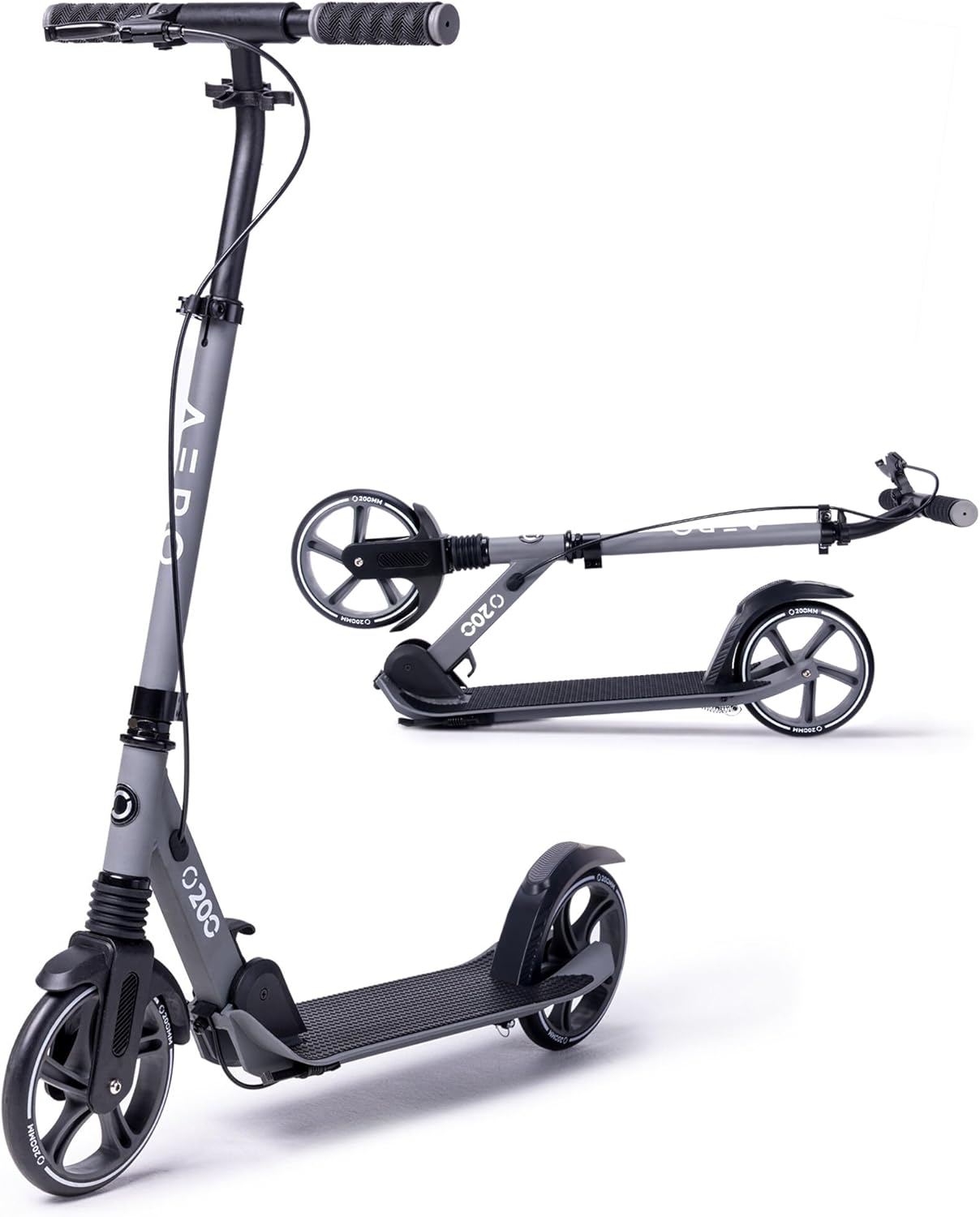
Different Types of Gotrax
Common Buying Mistakes to Avoid
❌ Mistake: Prioritizing Top Speed Over Real-World Usability
Why it’s bad: Scooters boasting 25+ mph speeds often drain batteries quickly and may be illegal in your city. Most commuters rarely exceed 15 mph due to traffic, pedestrians, and safety concerns.
What to do instead: Focus on consistent performance at 12–18 mph with good acceleration. A scooter that handles stop-and-go traffic smoothly is far more useful than one that’s fast but unstable.
❌ Mistake: Ignoring Local Laws and Regulations
Why it’s bad: Many cities restrict e-scooter speed, require helmets, or ban riding on sidewalks. Using an illegal scooter can result in fines or confiscation.
What to do instead: Research your local ordinances before buying. Choose a model with adjustable speed limits or eco modes to comply with regulations.
❌ Mistake: Overlooking Battery Chemistry and Lifespan
Why it’s bad: Cheap lithium-ion batteries degrade rapidly, losing 20–30% capacity within a year. This reduces range and forces premature replacement.
What to do instead: Opt for scooters with high-quality 18650 or 21700 cells from reputable suppliers (e.g., Samsung, LG). Check warranty terms for battery coverage.
❌ Mistake: Buying Based Solely on Advertised Range
Why it’s bad: Manufacturers test range with lightweight riders on flat surfaces—conditions rarely replicated in real life. You could get half the claimed distance.
What to do instead: Subtract 25–30% from advertised range for a realistic estimate. If you need 15 miles, buy a scooter rated for 20+ miles.
❌ Mistake: Skipping the Test Ride
Why it’s bad: Comfort is subjective. A deck that feels too narrow or handlebars too low can cause fatigue or back pain on longer rides.
What to do instead: Visit local retailers that carry demo units. If unavailable, read detailed ergonomic reviews or choose retailers with generous return policies (30 days or more).
❌ Mistake: Neglecting After-Sales Support
Why it’s bad: Without reliable service, a broken scooter becomes unusable. Some brands take weeks to respond or charge exorbitant repair fees.
What to do instead: Prioritize brands with U.S.-based customer service, clear warranty terms, and accessible spare parts. Gotrax, for instance, offers same-day email support and ships replacement parts within days.
❌ Mistake: Forgetting About Theft Prevention
Why it’s bad: E-scooters are prime targets for theft, especially in urban areas. A $600 scooter left unattended for 10 minutes can vanish.
What to do instead: Invest in a high-quality U-lock or chain lock. Choose models with built-in alarms or GPS tracking (available on some premium scooters). Never leave your scooter overnight outdoors.
Budget Guidelines: How Much Should You Spend?
Entry-Level ($200–$400): These scooters suit occasional riders or those with very short, flat commutes (under 3 miles). Expect basic motors (250W), modest ranges (8–12 miles), and minimal features. Build quality is adequate but not exceptional—ideal for students or secondary transport. Models like the Gotrax GXL V2 fall here, offering solid value for the price.
Mid-Range ($400–$700): This is the sweet spot for most adult commuters. Scooters in this tier deliver reliable 350W–500W motors, 15–25 mile ranges, and useful features like app connectivity, decent suspension, and IP54 water resistance. They handle light hills and daily wear well. The Gotrax G4 and Xiaomi Mi Electric Scooter Pro 2 excel here, balancing cost and capability.
Premium ($700–$1,000): Designed for serious commuters who ride daily or over longer distances. Expect high-capacity batteries, powerful motors (500W–800W), advanced braking systems, and premium materials. These scooters often include smartphone apps, customizable ride modes, and superior comfort. The Segway Ninebot Max G30LP is a standout in this category.
Luxury ($1,000+): Reserved for enthusiasts or professionals needing top-tier performance. These machines offer 30+ mph speeds, 40+ mile ranges, dual suspension, and cutting-edge tech like regenerative braking and GPS tracking. While overkill for most, they’re worth considering if you commute 15+ miles daily or ride in challenging conditions. The Apollo Explore and Dualtron Thunder 2 represent this tier.
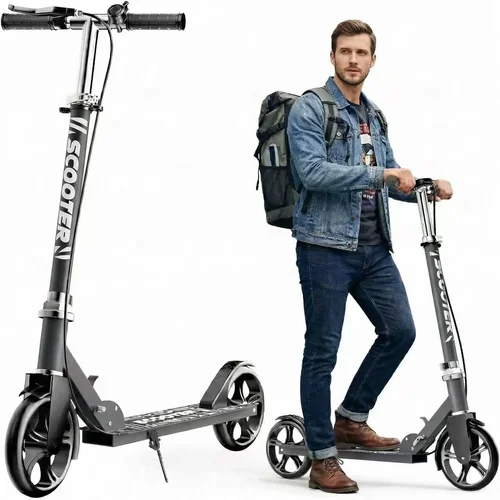
Expert Tips for Getting the Best Deal
– Buy During Off-Peak Seasons: Scooter sales dip in winter (November–February). Retailers often discount older models to clear inventory. Black Friday and post-holiday sales offer the deepest cuts—up to 25% off.
– Shop Directly from Brands: Gotrax, Segway, and Xiaomi frequently run exclusive promotions on their websites, including free shipping, extended warranties, or bundled accessories (helmets, locks). Sign up for newsletters to get early access.
– Check Refurbished or Open-Box Options: Certified refurbished scooters from reputable sellers (Amazon Renewed, Best Buy Outlet) cost 20–40% less and often include the same warranty as new units. Inspect return policies carefully.
– Compare Total Cost of Ownership: Factor in battery replacement (every 2–3 years), tire changes, and potential repairs. A $500 scooter with cheap parts may cost more long-term than a $700 model with durable components.
– Leverage Student or Employee Discounts: Some brands offer 10–15% off for students, teachers, or corporate employees. Gotrax has partnered with UNiDAYS for verified student deals.
– Test Before You Buy: Visit stores like Best Buy, Micro Center, or local e-mobility shops that carry demo units. Ride different models to compare comfort, braking, and handling.
– Read the Fine Print on Returns: Ensure the retailer allows at least 14–30 days for returns, especially if buying online. Some charge restocking fees or exclude used items.
– Join Owner Communities: Forums and Facebook groups often share exclusive promo codes, early-bird deals, or group-buying opportunities. Members also post honest long-term reviews.

Frequently Asked Questions
Q: How long do electric scooter batteries last?
A: Most lithium-ion batteries retain 80% capacity after 500–800 charge cycles, translating to 1.5–3 years of daily use. Proper care—avoiding full discharges, storing at 50% charge in cool temps—can extend lifespan. Replace when range drops below 70% of original.
Q: Can I ride my scooter in the rain?
A: Only if it has an IP54 rating or higher. IP54 resists splashes from any direction, making light rain manageable. Avoid deep puddles or heavy downpours—water can seep into motors or controllers. Always dry your scooter thoroughly after wet rides.
Q: Are electric scooters legal where I live?
A: Laws vary by city, state, and country. In the U.S., many cities allow e-scooters on bike lanes and roads with speed limits under 15–20 mph. Helmets are required for riders under 18 in most states. Check your local DOT or transportation authority website.
Q: How fast can I go on a commuter scooter?
A: Most adult commuter scooters max out at 15–20 mph. High-performance models reach 25–30 mph, but these may require registration or special licensing in some areas. Always wear a helmet and obey local speed limits.
Q: Do I need insurance for my scooter?
A: Not typically required for private ownership, but recommended if you ride frequently in traffic. Some homeowners’ policies cover liability, or you can add a rider to your auto insurance. Rental scooters (like Lime) include coverage.
Q: Can I take my scooter on public transit?
A: Most buses and trains allow folded scooters, but check local rules. Amtrak permits them if under 300 lbs and properly stowed. Subway systems like NYC MTA allow scooters during off-peak hours only.
Q: How do I maintain my scooter?
A: Clean regularly with a damp cloth (no pressure washers). Check tire pressure monthly if pneumatic. Lubricate folding mechanisms and inspect brakes every 2–3 months. Store indoors when not in use.
Q: What’s the difference between hub motors and belt drives?
A: Hub motors (common in commuter scooters) are integrated into the wheel—simple, quiet, and low-maintenance. Belt drives offer more torque and smoother acceleration but require periodic belt tensioning and are noisier. For city commuting, hub motors are usually preferable.
Q: Can I upgrade my scooter’s battery?
A: Generally not recommended. Most scooters use proprietary battery packs matched to the controller and BMS (battery management system). DIY upgrades risk fire, void warranties, and damage electronics. Stick to manufacturer replacements.
Q: How much weight can a commuter scooter handle?
A: Standard models support 220–265 lbs. Heavier riders should look for reinforced decks and motors rated for 500W+. Exceeding weight limits reduces range, strains the motor, and compromises braking.
Our Final Recommendations
Best for Budget-Conscious Buyers: Gotrax GXL V2 – At under $400, it delivers reliable 15.5 mph speed, 12-mile range, and solid build quality. Perfect for short urban trips and first-time buyers.
Best Overall Value: Gotrax G4 – Priced around $550, it offers a 20-mile range, 20 mph top speed, IPX4 water resistance, and a bright LED display. Its balanced performance makes it ideal for daily commuters.
Best Premium Option: Segway Ninebot Max G30LP – With a 40-mile range, 18.6 mph speed, and exceptional durability, this scooter is built to last. Its self-healing tires and app integration justify the $800 price tag.
Best for Beginners: Xiaomi Mi Electric Scooter Essential – Simple controls, lightweight design (26.9 lbs), and intuitive handling make it perfect for new riders. Priced at $350, it’s an excellent entry point.
Best for Advanced Users: Apollo Explore – Boasting a 52V battery, 28 mph speed, and dual suspension, this $1,200 scooter handles long commutes and rough terrain with ease. Ideal for tech-savvy riders who demand performance.
Conclusion: Making the Right Choice
Choosing the best commuter scooter isn’t about finding the flashiest or fastest model—it’s about matching the right tool to your unique lifestyle, route, and budget. By focusing on real-world performance, build quality, and after-sales support, you’ll avoid the pitfalls that trap so many first-time buyers. Remember: a scooter that fits your daily needs will get used daily; one that doesn’t will gather dust.
Prioritize your must-haves—whether that’s portability for subway transfers, range for long commutes, or durability for rough roads—and let those guide your decision. Don’t be swayed by exaggerated specs or trendy features you’ll never use. And always test ride when possible, because comfort and confidence matter just as much as horsepower.
Electric scooters are more than a trend—they’re a practical, sustainable solution for modern mobility. With the right choice, you’ll save time, money, and frustration while enjoying a smoother, greener ride to work, school, or wherever life takes you. So take your time, do your research, and invest wisely. Your future self—and your commute—will thank you.