
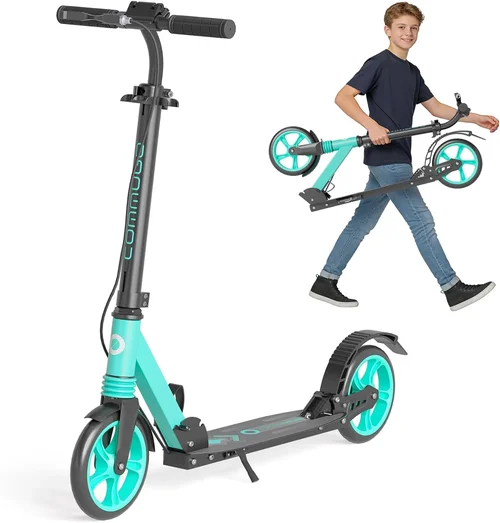
Electric commuter scooters have evolved from niche urban curiosities into essential tools for modern city dwellers. Whether you’re dodging traffic in downtown Chicago, navigating campus in Austin, or simply looking for a greener way to reach the subway station, the right scooter can transform your daily commute. With advancements in battery technology, motor efficiency, and smart features, 2026 has brought us some of the most capable and reliable commuter scooters ever made. But with dozens of models flooding the market—from budget-friendly entry-level options to high-performance machines with premium builds—it’s easy to feel overwhelmed.
This guide is designed to cut through the noise and help you make a confident, informed decision. We’ll walk you through everything you need to know: how to assess performance specs, what build quality really means in real-world use, which features are worth paying for, and how to avoid common pitfalls that trip up first-time buyers. Whether you’re on a tight budget or ready to invest in a top-tier ride, our goal is to arm you with the knowledge to choose a scooter that fits your lifestyle, commute distance, and personal preferences—not just flashy marketing claims.
The commuter scooter market today spans a wide spectrum. At one end, you’ll find lightweight, affordable models perfect for short trips under 5 miles. At the other, premium scooters offer speeds over 25 mph, ranges exceeding 30 miles, and rugged frames built to handle potholes and rain. In between, mid-range options strike a balance between cost, capability, and comfort. With so much variety, the key is understanding your own needs before diving in. That’s where this comprehensive buyer’s guide comes in—your roadmap to finding the best commuter scooter for adults in 2026.

What to Look for When Buying a Commuter Scooter
1. Budget & Price Range
Your budget is the foundation of your buying decision. Commuter scooters range from under $300 to over $2,000, and while it’s tempting to go for the cheapest option, doing so often leads to frustration down the road. Entry-level scooters may save you money upfront but typically come with weaker motors, shorter battery life, and less durable components. On the flip side, spending $1,500+ doesn’t guarantee a better experience unless you actually need those high-end features.
Set a realistic budget based on how often you’ll use the scooter and how far you need to travel. If you’re commuting 3–5 miles each way, a mid-range model ($600–$1,000) will likely serve you well. For longer distances or hilly terrain, consider investing more. Remember: a scooter is a long-term investment. A slightly higher upfront cost can mean years of reliable service instead of a replacement in 12 months.
2. Performance Specifications
Performance isn’t just about speed—it’s a combination of motor power, top speed, range, and hill-climbing ability. Most commuter scooters feature brushless hub motors ranging from 250W to 1,000W. A 350W motor is sufficient for flat city streets, but if you live in a hilly area, aim for at least 500W. Top speeds typically range from 15 mph to 30+ mph; while faster is exciting, many cities legally limit e-scooter speeds to 15–20 mph in bike lanes, so don’t overpay for speed you can’t legally use.
Range is equally critical. Manufacturers often quote “ideal condition” ranges, but real-world usage—factoring in rider weight, terrain, and weather—can reduce that by 20–30%. A scooter advertised with a 20-mile range might realistically give you 14–16 miles. Always check independent reviews for verified range tests. Also consider battery type: lithium-ion (Li-ion) batteries are standard and offer good energy density, but look for reputable brands like Samsung or LG cells for longevity.
3. Build Quality & Durability
A scooter that falls apart after six months isn’t a bargain—it’s a liability. Build quality starts with the frame material. Aluminum alloy is the gold standard: lightweight yet strong enough to handle daily abuse. Avoid scooters with plastic frames or flimsy folding mechanisms. Check the deck size and grip tape—too small, and your feet will slip; too smooth, and you’ll lose traction in wet conditions.
Suspension matters too. While not all commuter scooters include it, models with front or dual suspension (like spring or hydraulic systems) offer a noticeably smoother ride over cracks and potholes. Tires are another durability factor: air-filled (pneumatic) tires absorb shocks better but can puncture; solid or honeycomb tires are puncture-proof but harsher on rough roads. For most urban commuters, a hybrid approach—like tubeless pneumatic tires with reinforced sidewalls—offers the best compromise.
4. Features & Functionality
Modern commuter scooters come packed with features, but not all are essential. Start with the basics: a bright LED headlight and taillight are non-negotiable for safety, especially if you ride at dawn, dusk, or night. A clear, backlit LCD display showing speed, battery level, and ride mode is also highly useful. Regenerative braking—which recaptures energy during deceleration—can extend your range by 5–10%, making it a smart addition.
Smart features like Bluetooth connectivity, app integration, and GPS tracking are nice-to-haves but not critical. Apps can help you monitor battery health, lock the scooter remotely, or track your rides, but they shouldn’t be the deciding factor. Similarly, cruise control is convenient for long, straight stretches but rarely used in stop-and-go city traffic. Focus on features that directly improve safety, usability, or reliability.
5. Brand Reputation
Not all scooter brands are created equal. Established names like Segway-Ninebot, Xiaomi, Apollo, and Unagi have built reputations for consistent quality, customer support, and spare parts availability. Lesser-known brands may offer tempting deals, but they often lack service networks or use generic components that fail prematurely. Research brand history: How long have they been in business? Do they offer firmware updates? Are replacement parts (like tires, brakes, or batteries) easy to find?
Customer service is part of brand reputation too. A scooter is a complex electronic device—things will go wrong. Brands with responsive support teams, clear warranty terms, and accessible repair centers save you headaches when issues arise. Read user forums and Reddit threads to see how brands handle complaints or recalls. A brand that stands behind its products is worth the slight premium.
6. Warranty & Support
A solid warranty is your safety net. Most reputable brands offer at least a 12-month limited warranty covering motor, battery, and electrical components. Some premium models extend this to 18 or even 24 months. Pay attention to what’s excluded: wear items like tires, brake pads, and grips are typically not covered, which is fair. But if the battery degrades below 70% capacity within the first year, that should be covered.
Support goes beyond the warranty period. Can you get help via phone, chat, or email? Are there local service centers, or do you have to ship the scooter across the country? Brands with strong U.S.-based support (like Apollo or Inokim) often resolve issues faster than those relying on overseas partners. Also check return policies: a 14- or 30-day trial period lets you test the scooter in real conditions before committing.
7. Size & Portability
Even if you don’t plan to carry your scooter far, portability affects daily usability. Weight is the biggest factor: anything over 35 lbs becomes cumbersome to lift onto trains, buses, or upstairs. Foldable designs are standard, but check how compact it gets when folded—some scooters are bulky even when collapsed. Handlebar width and deck length also impact how easily it fits in car trunks or under desks.
Consider your storage situation. If you keep the scooter in an apartment hallway or office closet, a slim profile matters. If you take it on public transit, a lightweight model under 30 lbs is ideal. Some scooters include carrying handles or wheels on the stem for easier transport. Don’t overlook these small details—they make a big difference in daily convenience.
8. User Reviews & Ratings
Spec sheets tell one story; real users tell another. Always read verified purchase reviews on Amazon, Best Buy, or specialized forums like ESG (Electric Scooter Guide). Look for patterns: if multiple users report the same issue—like battery swelling after 8 months or loose handlebars—it’s a red flag. Pay attention to long-term reviews (6+ months), as early impressions can be misleading.
Video reviews on YouTube are especially valuable. They show the scooter in motion, demonstrate folding mechanisms, and often include stress tests like hill climbs or water resistance checks. Compare reviews across platforms to get a balanced view. And remember: no scooter is perfect. The goal is to find one where the pros outweigh the cons for your specific use case.
Different Types of Commuter Scooters
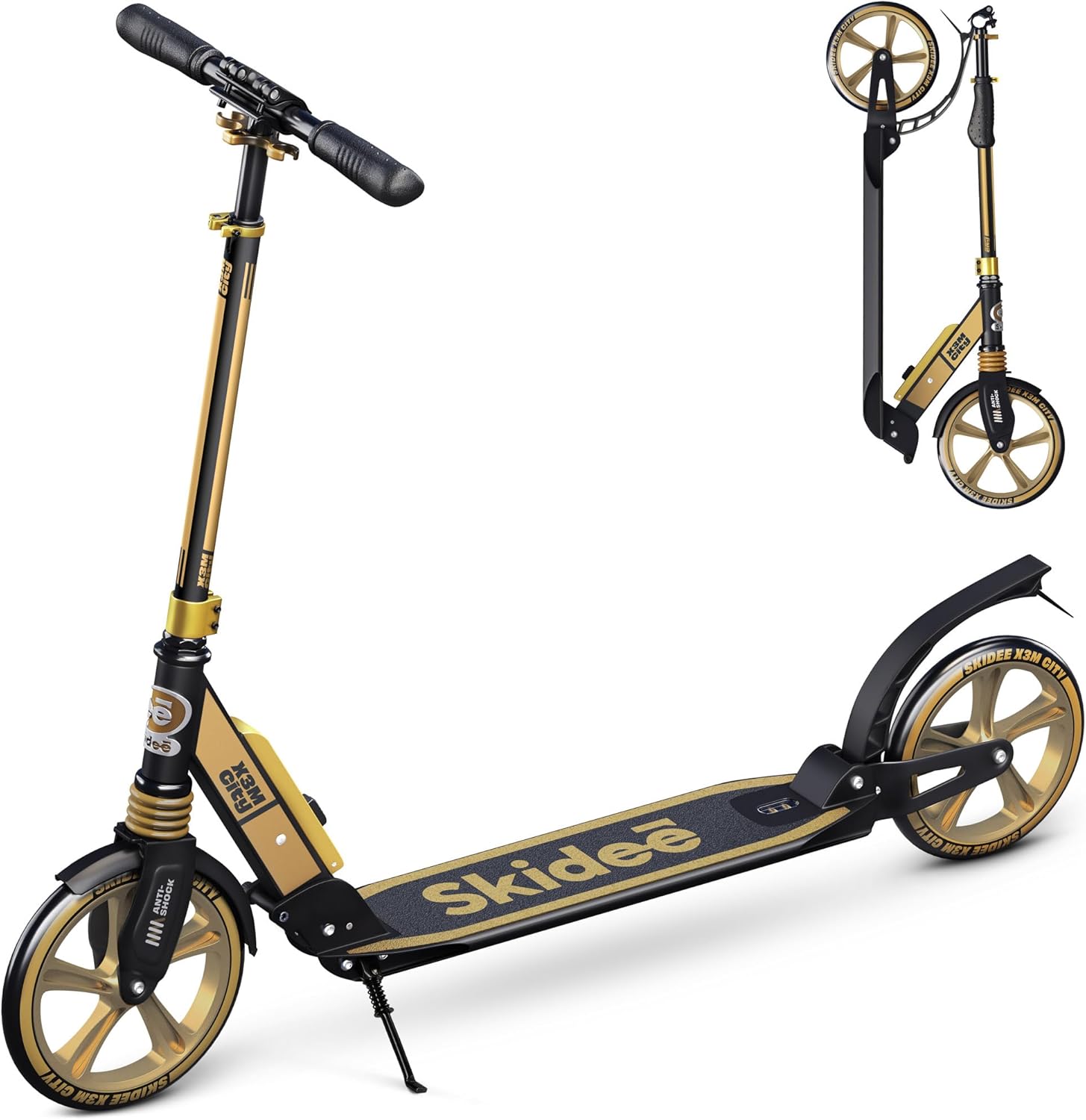
Common Buying Mistakes to Avoid
❌ Mistake: Prioritizing Speed Over Range
Why it’s bad: A scooter that hits 25 mph but dies after 8 miles won’t get you home. Many buyers fixate on top speed, only to realize their commute requires consistent range. High speed also drains the battery faster, reducing real-world usability.
What to do instead: Calculate your round-trip distance plus a 20% buffer for detours or headwinds. Choose a scooter with a verified range that exceeds your needs. For example, if your commute is 10 miles total, aim for a 15-mile range scooter.
❌ Mistake: Ignoring Weight and Portability
Why it’s bad: A 45-lb scooter might seem manageable in the store, but lifting it daily onto a bus or upstairs becomes exhausting. Heavy scooters are also harder to control and more prone to damage if dropped.
What to do instead: Test the weight yourself—many retailers allow in-store demos. If buying online, check detailed specs and watch unboxing videos. Aim for under 35 lbs if you’ll be carrying it frequently.
❌ Mistake: Overlooking Local Laws and Regulations
Why it’s bad: Some cities ban e-scooters on sidewalks, limit speeds, or require helmets and lights. Buying a high-speed scooter only to find it’s illegal to ride where you live defeats the purpose.
What to do instead: Research your city’s e-scooter laws before purchasing. Check speed limits, permitted riding zones, and equipment requirements. Some scooters allow speed limiting via app—useful for compliance.
❌ Mistake: Skipping the Test Ride
Why it’s bad: Comfort is subjective. A scooter that looks great on paper might have a stiff deck, wobbly handlebars, or uncomfortable riding posture. Without testing, you risk buyer’s remorse.
What to do instead: Visit local retailers that offer demo rides. If unavailable, choose sellers with generous return policies (30 days or more). Ride it on surfaces similar to your commute—pavement, gravel, inclines.
❌ Mistake: Choosing Based Solely on Price
Why it’s bad: The cheapest scooter often uses low-quality batteries and motors that degrade quickly. You’ll spend more in replacements and repairs than if you’d bought a mid-tier model initially.
What to do instead: View price as one factor among many. A $700 scooter with a 2-year warranty and replaceable parts may offer better long-term value than a $400 model with no support.
❌ Mistake: Neglecting Maintenance Needs
Why it’s bad: E-scooters require periodic maintenance—brake adjustments, tire checks, bolt tightening. Ignoring this leads to unsafe riding conditions and premature failure.
What to do instead: Learn basic maintenance or find a local shop that services e-scooters. Choose models with accessible components and clear user manuals. Some brands offer maintenance kits or subscription services.
❌ Mistake: Assuming All “Water Resistant” Means Waterproof
Why it’s bad: Most scooters are rated IP54 or IPX4—meaning they resist splashes but can’t handle heavy rain or puddles. Riding in a downpour can fry the electronics.
What to do instead: Check the IP rating. IPX5 or higher is better for wet climates. If you ride in rain often, consider a model with sealed connectors and a waterproof battery compartment.
Budget Guidelines: How Much Should You Spend?
Entry-Level ($250–$500): These scooters are ideal for short, casual commutes on flat ground. Expect modest motors (250–350W), ranges of 8–12 miles, and basic features like LED lights and simple displays. Build quality is functional but not rugged—great for students or occasional riders. Brands like Gotrax and Razor dominate this space. While affordable, they may struggle with hills or heavier riders.
Mid-Range ($600–$1,200): This is the sweet spot for most adult commuters. Scooters here offer 500–800W motors, 15–25 mile ranges, better suspension, and more durable frames. You’ll find reliable brands like Segway-Ninebot (ES series), Xiaomi (Mi Electric Scooter Pro 2), and Apollo (City). These models balance performance, portability, and price, making them perfect for daily 5–15 mile commutes.
Premium ($1,300–$2,000): For serious commuters or those facing challenging terrain, premium scooters deliver. Expect 800W–1,000W motors, 25–40 mile ranges, dual suspension, and high-capacity batteries from trusted manufacturers. Models like the Apollo Phantom, Inokim OXO, and Dualtron Mini offer exceptional ride quality, advanced safety features, and robust build quality. These are built to last 3–5 years with proper care.
Luxury ($2,000+): At this tier, you’re paying for innovation, materials, and prestige. Scooters like the Dualtron Thunder 2 or Unagi Model One Voyager feature carbon fiber elements, ultra-bright lighting systems, app-based diagnostics, and whisper-quiet operation. While overkill for most, they appeal to tech enthusiasts and professionals who value cutting-edge design and performance.
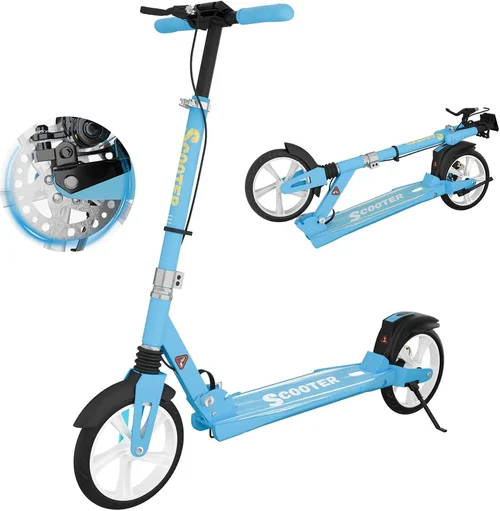
Expert Tips for Getting the Best Deal
- Buy during off-peak seasons: Scooter sales peak in spring and summer. Shop in late fall or winter (November–February) for discounts as retailers clear inventory. Black Friday and Cyber Monday often feature significant markdowns on previous-year models.
- Compare retailers: Prices vary widely between Amazon, Best Buy, Walmart, and specialty stores like Fluid FreeRide or Scooter Hut. Check for bundle deals (e.g., free helmet or lock) and price-match policies.
- Watch for refurbished units: Certified refurbished scooters from reputable sellers offer 10–30% savings with full warranties. These are often returned items that were inspected and repaired.
- Read the fine print on warranties: Some brands require registration within 14 days of purchase to activate coverage. Others void warranties if you modify the scooter or use non-approved chargers.
- Test before you commit: If possible, rent a similar model through services like Lime or Bird for a week. This gives you real-world experience without the financial risk.
- Consider total cost of ownership: Factor in battery replacement (every 2–3 years, $150–$400), tire changes, and potential repair costs. A cheaper scooter with expensive parts may cost more long-term.
- Join owner communities: Forums and Facebook groups often share exclusive promo codes, early access to sales, and tips on maximizing battery life.
- Check return policies: Ensure you can return the scooter within 14–30 days if it doesn’t meet expectations. Some retailers charge restocking fees, so read the terms carefully.

Frequently Asked Questions
Q: How far can I really go on a single charge?
A: Real-world range depends on rider weight, terrain, speed, and weather. A 20-mile rated scooter might give you 14–16 miles with a 180-lb rider on hilly roads. Always plan for 20–30% less than the advertised range.
Q: Are electric scooters safe for daily commuting?
A: Yes, when used responsibly. Wear a helmet, follow traffic laws, avoid sidewalks where prohibited, and maintain your scooter regularly. Choose models with reliable brakes and good lighting for added safety.
Q: Can I ride my scooter in the rain?
A: Only if it has a high IP rating (IPX5 or better). Most commuter scooters handle light drizzle but aren’t designed for heavy rain or standing water. Wet conditions also reduce tire grip—ride slowly and brake earlier.
Q: How long do e-scooter batteries last?
A: Quality lithium-ion batteries typically last 500–800 charge cycles, equating to 2–4 years of daily use. Avoid fully draining the battery regularly, and store it at 50–70% charge if unused for weeks.
Q: Do I need insurance for my scooter?
A: In most U.S. states, no—but check local laws. Some cities require liability insurance for high-speed models. Homeowner’s or renter’s insurance may cover theft or damage, but not accidents.
Q: Can I take my scooter on public transportation?
A: Many buses and trains allow folded scooters, but policies vary. Check with your local transit authority. Lightweight, compact models are more likely to be accepted.
Q: What’s the difference between hub motors and belt drives?
A: Hub motors are integrated into the wheel—simple, quiet, and low-maintenance. Belt drives offer more torque and are common in high-performance scooters but require periodic belt replacement. For commuting, hub motors are usually sufficient.
Q: How do I maintain my scooter?
A: Regularly check tire pressure (if pneumatic), tighten bolts, clean the deck, and inspect brakes. Lubricate moving parts sparingly. Store indoors to protect electronics from extreme temperatures.
Q: Are there age or weight limits?
A: Most scooters support riders up to 220–300 lbs. Check the manufacturer’s specs. There’s no legal age minimum in most places, but riders should be mature enough to handle the scooter safely.
Q: Can I upgrade my scooter later?
A: Limited upgrades are possible—like swapping tires or adding lights—but motors and batteries are usually not user-replaceable. Choose a model with accessible parts if you plan to tinker.
Our Final Recommendations
Best for Budget-Conscious Buyers: Gotrax GXL V2 – At under $400, it offers solid 15.5 mph speed, 12-mile range, and a lightweight aluminum frame. Ideal for short, flat commutes. Lacks suspension, but excellent value for the price.
Best Overall Value: Segway-Ninebot ES4 – Priced around $700, it delivers 18.6 mph, 28-mile range (with extender battery), dual suspension, and a robust build. Perfect balance of performance, portability, and reliability for daily urban use.
Best Premium Option: Apollo Phantom – At $1,699, it’s a powerhouse with 24 mph top speed, 35-mile range, dual hydraulic suspension, and IPX6 water resistance. Built for long, demanding commutes with unmatched comfort.
Best for Beginners: Xiaomi Mi Electric Scooter Pro 2 – User-friendly interface, smooth acceleration, 28-mile range, and a sleek design. Great for first-time riders who want reliability without complexity.
Best for Advanced Users: Dualtron Mini – With a 1,000W motor, 37 mph top speed, and 40-mile range, this scooter is for enthusiasts who prioritize performance. Compact yet powerful, it handles hills and long distances with ease.
Conclusion: Making the Right Choice
Choosing the best commuter scooter isn’t about finding the fastest or most expensive model—it’s about matching the scooter to your life. Consider your commute distance, terrain, storage options, and how much you’re willing to invest. Prioritize safety, reliability, and real-world performance over flashy specs. Read reviews, test ride when possible, and don’t rush the decision.
Remember, a great scooter doesn’t just get you from point A to B—it makes the journey enjoyable, reduces your carbon footprint, and saves you time and money compared to driving or rideshares. With the insights from this guide, you’re equipped to navigate the 2026 market with confidence. Whether you’re buying your first scooter or upgrading to something more capable, take your time, do your research, and choose wisely. Your future self—and your daily commute—will thank you.