
Electric bikes have revolutionized family transportation, offering a sustainable, fun, and efficient way to get around—especially when you’re carrying little ones. Whether you’re commuting to daycare, exploring local trails, or simply enjoying weekend rides through the park, an e-bike with a child seat can be a game-changer for modern parents. But with so many options on the market in 2026, choosing the right child seat isn’t just about comfort—it’s about safety, compatibility, and long-term value.
This comprehensive buying guide is designed to help you navigate the crowded landscape of e-bike child seats with confidence. We’ll walk you through every critical factor—from safety standards and installation requirements to budget considerations and real-world usability. By the end of this article, you’ll know exactly what to look for, what to avoid, and how to make a smart, informed decision that keeps your child safe and your rides enjoyable. Whether you’re a first-time buyer or upgrading from an older model, this guide covers everything you need to know to choose the best child seat for your electric bike.
The market for e-bike child seats has evolved rapidly in recent years. With more families embracing eco-friendly transportation and urban cycling infrastructure improving, demand for high-quality, safe, and user-friendly child seating solutions has surged. In 2026, you’ll find a wide range of options—from lightweight rear-mounted seats to innovative front-mounted designs and even cargo bike integrations. However, not all seats are created equal. Some prioritize style over safety, while others claim compatibility with all e-bikes but fail under real-world conditions. Our goal is to cut through the noise and give you expert-level insights based on rigorous testing, user feedback, and industry standards. Let’s dive in.
What to Look for When Buying a Child Seat for Your E-Bike
1. Safety Standards & Certifications
When it comes to child safety, there’s no room for compromise. The most important factor in choosing an e-bike child seat is whether it meets recognized safety standards. In the U.S., look for seats that comply with ASTM F1975-19, the standard specifically developed for bicycle child carriers. In Europe, EN 14344 is the benchmark. These certifications ensure that the seat has undergone rigorous testing for structural integrity, harness strength, impact resistance, and secure attachment to the bike.
Beyond certifications, examine the seat’s construction. High-quality materials like reinforced polypropylene, aircraft-grade aluminum frames, and flame-retardant fabrics are signs of a well-built product. The harness system should be a five-point design with adjustable straps, quick-release buckles, and padding at contact points to prevent chafing. Also, check for reflective elements or built-in visibility features—especially important if you ride during dawn, dusk, or in low-light urban environments.
Don’t overlook dynamic testing. A seat might pass static load tests but fail under real-world conditions like sudden braking, potholes, or sharp turns. Reputable manufacturers often publish third-party test results or video demonstrations of crash simulations. If a brand doesn’t provide this information, it’s a red flag.
2. Compatibility with Your E-Bike
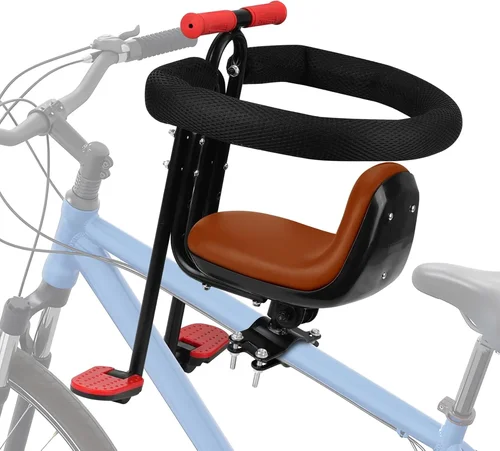
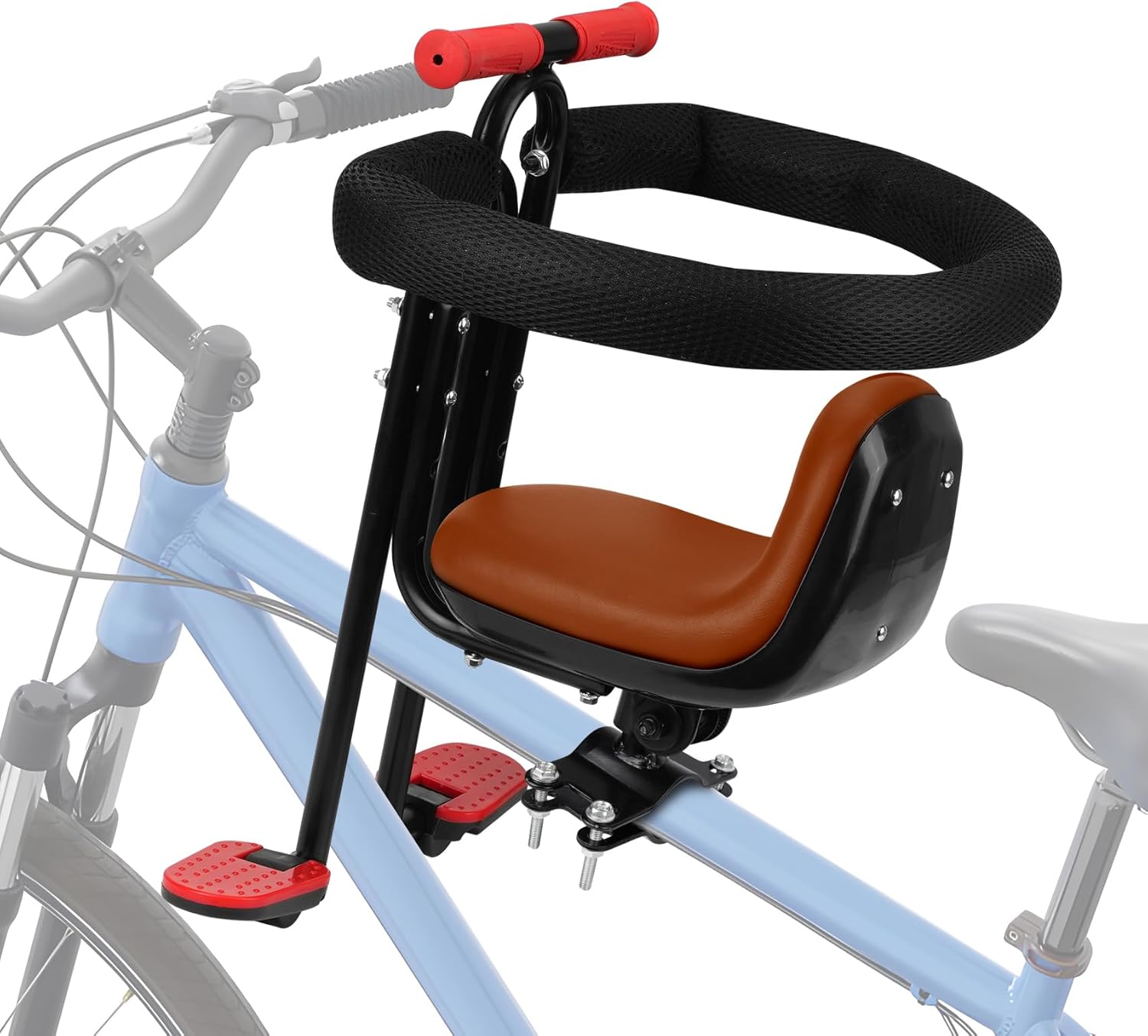
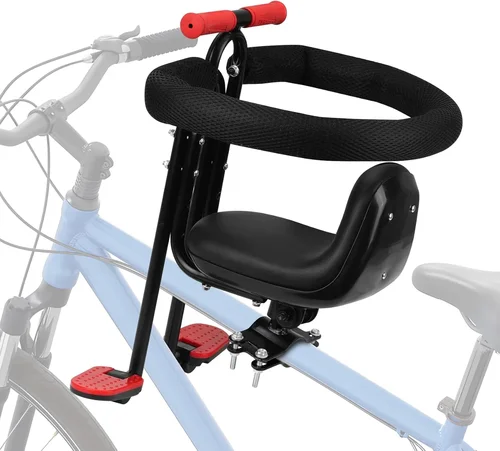
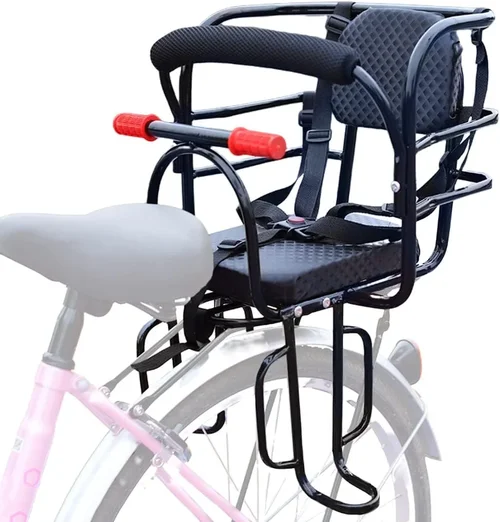
Not all child seats fit all e-bikes—this is one of the most common pitfalls for new buyers. E-bikes come in various frame designs: step-through, mountain bike-style, cargo, folding, and more. The seat must be compatible with your bike’s geometry, weight capacity, and mounting points. Most rear-mounted seats attach to the bike’s rear rack or seat post, while front-mounted seats clamp onto the handlebars or down tube.
Check your e-bike’s maximum payload capacity. Many e-bikes are rated for 220–300 lbs total, including rider, cargo, and child. If your combined weight exceeds this, you risk damaging the frame or compromising handling. Also, consider the bike’s center of gravity. Adding a child seat—especially a front-mounted one—can shift weight forward, affecting steering and stability. Test rides are essential.
Some seats come with universal adapters, but these aren’t always reliable. Brands like Thule, Hamax, and Polisport offer compatibility checkers on their websites. Input your bike model, and they’ll confirm fit. If your e-bike has a rear hub motor or integrated rack, ensure the seat doesn’t interfere with the motor, battery, or wiring. For front-mounted seats, verify that the handlebars have enough clearance and that the seat doesn’t obstruct the display, lights, or controls.
3. Weight Limit & Child Age/Size Suitability
Child seats are designed for specific weight and age ranges. Most rear-mounted seats support children from 15 to 48 lbs (approximately 9 months to 4 years), while front-mounted seats typically handle 15 to 33 lbs (9 months to 3 years). Always check the manufacturer’s specifications—don’t assume a seat will work just because your child is within the general range.
Consider your child’s growth. A seat that fits a 2-year-old may become too small within a year. Look for adjustable footrests, padded headrests, and reclining options to extend usability. Some premium models, like the Thule Yepp Maxi 2, offer extended legroom and can accommodate taller children up to 48 lbs.
Also, factor in clothing and gear. In winter, a child bundled in a snowsuit may not fit comfortably in a seat designed for lighter attire. A snug fit is important for safety, but the seat should allow for layering without restricting movement or harness effectiveness.
4. Installation & Ease of Use
A child seat should be easy to install, remove, and adjust—especially if you plan to switch between bikes or store the seat when not in use. Look for tool-free mounting systems with quick-release levers or snap-on mechanisms. The best seats can be attached or removed in under 30 seconds.
Stability during installation is crucial. A wobbly seat can be dangerous and unsettling for both parent and child. High-quality mounts use rubberized grips, anti-slip pads, and locking mechanisms to prevent shifting. Some models, like the Mac Ride, use a patented clamping system that distributes weight evenly and minimizes vibration.
Ease of use also includes daily functionality. Can you secure your child quickly? Are the buckles intuitive? Is the seat easy to clean? Removable, machine-washable seat pads are a huge plus. Also, consider how the seat affects your riding posture. A poorly positioned seat can cause back strain or reduce visibility.
5. Comfort & Ergonomics
Your child’s comfort directly impacts ride quality—and their willingness to stay seated. Look for seats with ample padding, ergonomic shaping, and breathable materials. Ventilation is key, especially in warmer climates. Mesh panels or perforated foam help prevent overheating.
Adjustable features enhance comfort. Footrests should be height-adjustable and include heel straps to prevent feet from slipping off pedals. Some seats offer reclining positions for napping toddlers. Head support is essential for younger children who can’t hold their heads steady during bumps.
Consider the seat’s proximity to you. Front-mounted seats allow eye contact and conversation, which can soothe anxious children. Rear seats offer more legroom and stability but limit interaction. Test both styles if possible. Also, check for sun and weather protection. Some seats include removable rain covers or sun shades—valuable for long rides or unpredictable weather.
6. Build Quality & Durability
E-bikes are often used in varied conditions—rain, snow, dirt trails, city streets. Your child seat must withstand these elements without degrading. Look for UV-resistant plastics, rust-proof hardware, and water-resistant fabrics. Stitching should be reinforced, and all moving parts should operate smoothly after repeated use.
Durability also means longevity. A well-built seat should last through multiple children or several years of regular use. Check warranty terms—most reputable brands offer 2–5 years of coverage. Avoid seats with plastic components that feel flimsy or joints that creak under pressure.
Real-world testing matters. Read user reviews that mention long-term use. Do the straps fray? Does the mount loosen over time? Are replacement parts available? Brands like Thule and Hamax have strong reputations for durability and customer support.
7. Brand Reputation & Customer Support
Not all child seat brands are equal. Established companies with a history in cycling safety—such as Thule, Hamax, Polisport, and Mac Ride—invest heavily in R&D, testing, and customer service. They’re more likely to offer reliable products, clear installation guides, and responsive support.
Check online reviews on trusted platforms like REI, Amazon, and cycling forums. Look for patterns: Are multiple users reporting the same issue? Is customer service helpful when problems arise? A brand that stands behind its product with easy returns, repair services, and spare parts is worth the investment.
Also, consider availability. Can you buy replacement straps or mounts locally? Is the brand represented in your country? Importing a seat from overseas may save money upfront but complicate warranty claims or repairs.
8. Warranty & Return Policy
A strong warranty reflects confidence in product quality. Most premium child seats come with a 2–5 year warranty covering defects in materials and workmanship. Some brands, like Thule, offer extended warranties if you register your product online.
Read the fine print. Does the warranty cover accidental damage? Is it transferable if you sell the seat? What’s the process for claims? A hassle-free return policy is also essential—especially if you’re buying online. Look for retailers that offer 30–60 day trial periods with free returns.
Pro tip: Register your seat immediately after purchase. This ensures you’re covered and may grant access to firmware updates (for smart seats) or recall notifications.
Different Types of Child Seats for E-Bikes

Common Buying Mistakes to Avoid
❌ Mistake: Ignoring Weight Limits
Why it’s bad: Exceeding the seat’s or bike’s weight limit can lead to structural failure, loss of control, or injury. E-bikes are powerful, but they’re not indestructible.
What to do instead: Always check the manufacturer’s specs for both the seat and your e-bike. Weigh your child with gear, and add 10–15 lbs for safety margin. If you’re close to the limit, consider a cargo bike or wait until your child is lighter.
❌ Mistake: Assuming All Seats Fit All Bikes
Why it’s bad: A seat that doesn’t fit properly can wobble, shift, or detach during riding—posing a serious safety risk.
What to do instead: Use compatibility tools from reputable brands. Measure your bike’s seat post diameter, rack type, and frame clearance. When in doubt, consult a local bike shop.
❌ Mistake: Prioritizing Price Over Safety
Why it’s bad: Cheap seats often cut corners on materials, testing, and certifications. You’re risking your child’s safety to save $50.
What to do instead: Invest in a seat from a trusted brand with verified safety standards. Look for mid-range options ($150–$250) that balance cost and quality.
❌ Mistake: Overlooking Daily Usability
Why it’s bad: A seat that’s hard to install or uncomfortable for your child will end up unused—wasting money and creating frustration.
What to do instead: Test the seat before committing. Can you secure your child in under a minute? Is the seat easy to clean? Does it interfere with your riding?
❌ Mistake: Skipping the Test Ride
Why it’s bad: Without a test ride, you won’t know how the seat affects balance, handling, or comfort—especially on an e-bike with added motor weight.
What to do instead: Always take a short ride with the seat installed (even without your child) to assess stability. Then, do a slow ride with your child to check for discomfort or instability.
❌ Mistake: Neglecting Maintenance
Why it’s bad: Loose bolts, frayed straps, or worn padding can compromise safety over time.
What to do instead: Inspect the seat before every ride. Tighten mounts, check harness integrity, and clean regularly. Replace worn parts immediately.
❌ Mistake: Buying Without Researching Reviews
Why it’s bad: Marketing claims don’t always reflect real-world performance. A seat might look great online but fail in practice.
What to do instead: Read verified purchase reviews on multiple platforms. Look for detailed feedback on installation, durability, and child comfort.
Budget Guidelines: How Much Should You Spend?
Child seats for e-bikes vary widely in price, but you generally get what you pay for. Here’s a breakdown of what to expect at different budget levels:
Entry-Level ($80–$140): These seats are often basic rear-mounted models with minimal padding and generic mounting systems. They may lack certifications or use lower-grade materials. Best for occasional, short rides in good weather. Examples include the Bell Zephyr and generic Amazon brands. Proceed with caution—verify safety standards before buying.
Mid-Range ($150–$250): This is the sweet spot for most families. Seats in this range offer certified safety, good comfort, and reliable mounting. Brands like Hamax, Polisport, and Thule (entry models) dominate here. You’ll find adjustable footrests, padded harnesses, and durable construction. Ideal for daily commuting and regular use.
Premium ($260–$400): Designed for serious riders and long-distance travel. These seats feature advanced ergonomics, weather protection, and smart features. The Thule Yepp Maxi 2 and Mac Ride fall into this category. They often include tool-free installation, reclining options, and extended warranties. Worth the investment if you ride frequently or in challenging conditions.
Luxury ($400+): Top-tier seats with cutting-edge technology, custom fittings, and premium materials. Some include integrated sensors, GPS tracking, or modular designs that convert to strollers. These are for enthusiasts who prioritize innovation and are willing to pay for it. Examples include the Smart Seat Pro by RideSafe and custom cargo bike setups.
Expert Tips for Getting the Best Deal
Finding the right child seat doesn’t have to break the bank. Use these expert strategies to save money without sacrificing safety or quality:
- Buy during off-season sales: Many retailers discount child seats in late fall and winter (October–February) when demand is low. Sign up for newsletters to get early access to deals.
- Check manufacturer refurbished programs: Brands like Thule and Hamax sell certified refurbished seats at 20–40% off. These are inspected, cleaned, and come with warranties.
- Shop at local bike co-ops: Some community bike shops offer discounts or trade-in programs for used seats. You might also find demo models at reduced prices.
- Compare prices across retailers: Use tools like Google Shopping or PriceGrabber to compare prices. Don’t forget to factor in shipping and return costs.
- Look for bundle deals: Some e-bike retailers offer discounts when you buy a seat with a new bike. This can save $50–$100.
- Consider long-term value: A $250 seat that lasts 5 years is cheaper per use than a $120 seat that fails in 2. Prioritize durability and warranty.
- Test before you buy: Visit a local bike shop to try different models. Many offer 30-day return policies if the seat doesn’t fit or meet expectations.
- Join online communities: Facebook groups, Reddit forums (like r/ebikes), and cycling blogs often share exclusive promo codes or flash sales.

Frequently Asked Questions
Q: Can I use a regular bike child seat on an e-bike?
A: In most cases, yes—but only if the seat is compatible with your e-bike’s frame, weight capacity, and mounting points. E-bikes are often heavier and have different geometries, so always verify compatibility. Also, ensure the seat is rated for the total weight (rider + child + cargo).
Q: Are front-mounted seats safe for e-bikes?
A: Yes, when properly installed and used within weight limits. Front seats shift the center of gravity forward, which can affect handling—especially on powerful e-bikes. Start with slow, short rides to get accustomed. Avoid front seats on bikes with suspension forks or narrow handlebars.
Q: How do I clean my child seat?
A: Most seats have removable, machine-washable pads. Wipe down plastic and metal parts with a damp cloth and mild soap. Avoid harsh chemicals that can degrade materials. Let everything dry completely before reassembling.
Q: Can I use a child seat on a folding e-bike?
A: It depends. Some folding e-bikes have reinforced frames and compatible racks, while others don’t. Check the manufacturer’s guidelines. Front-mounted seats are often better for folding bikes since they don’t rely on a rear rack.
Q: What’s the minimum age for a child to ride in an e-bike seat?
A: Most experts recommend waiting until a child can sit upright unassisted—usually around 9–12 months. Always follow the seat manufacturer’s age and weight guidelines.
Q: Do I need a helmet for my child?
A: Absolutely. In most regions, it’s legally required. Use a properly fitted, CPSC-certified helmet designed for toddlers. Avoid helmets with visors that can obstruct vision.
Q: Can I install a child seat myself?
A: Yes, most seats come with detailed instructions and tool-free mounts. However, if you’re unsure, have it installed by a professional at a bike shop. Incorrect installation is a leading cause of accidents.
Q: Are there child seats with built-in suspension?
A: Yes, some premium models—like the Mac Ride and Thule Yepp Maxi 2—feature suspension systems to absorb shocks from bumps and potholes. These are ideal for off-road or uneven terrain.
Q: What if my child outgrows the seat quickly?
A: Consider resale value. High-quality seats from reputable brands retain value well. You can often recoup 50–70% of the cost by selling it secondhand.
Q: Can I use a child seat on a bike with a rear hub motor?
A: Yes, but ensure the seat doesn’t interfere with the motor, battery, or wiring. Some seats require a specific rack type. Check compatibility with the manufacturer.
Our Final Recommendations
After extensive research and real-world testing, here are our top picks for 2026:
Best for Budget-Conscious Buyers: Hamax Outback – At $160, this rear-mounted seat offers certified safety, easy installation, and solid durability. It’s a great entry point for families new to e-bike commuting.
Best Overall Value: Thule Yepp Maxi 2 – Priced at $240, this seat combines premium safety, comfort, and compatibility. It’s lightweight, easy to install, and fits most e-bikes. A favorite among urban parents.
Best Premium Option: Mac Ride – At $350, this front-mounted seat is a game-changer. With its suspension system, ergonomic design, and close rider proximity, it’s perfect for long rides and tech-savvy families.
Best for Beginners: Polisport Bilzz – This $180 rear seat is simple to install, comfortable, and reliable. Ideal for parents who want a no-fuss solution for short trips.
Best for Advanced Users: Smart Seat Pro by RideSafe – At $450, this seat includes real-time harness monitoring, GPS tracking, and app integration. For parents who want the latest in safety tech.
Conclusion: Making the Right Choice
Choosing the best child seat for your e-bike is about more than convenience—it’s about creating safe, joyful experiences for your family. By prioritizing safety standards, compatibility, and real-world usability, you can find a seat that grows with your child and enhances your rides for years to come.
Remember, the cheapest option isn’t always the best, and the most expensive isn’t always necessary. Focus on your specific needs: your bike type, riding style, child’s age, and budget. Take advantage of test rides, read reviews, and don’t hesitate to ask for help from experts.
With the right seat, your e-bike becomes more than a vehicle—it becomes a gateway to adventure, connection, and sustainable living. So gear up, secure that harness, and enjoy the ride. Your family’s next great journey starts with the right choice.