
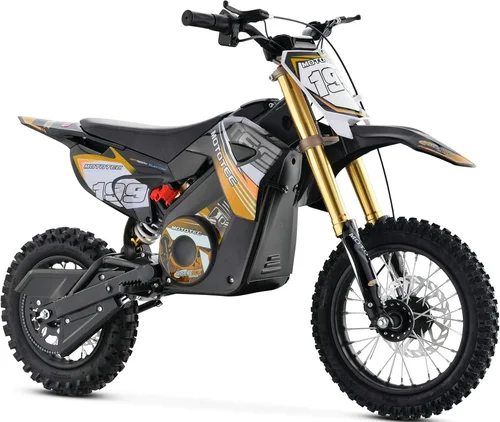
Electric dirt bikes have exploded in popularity over the past few years, and for good reason. They offer the thrill of off-road riding without the noise, emissions, or maintenance headaches of traditional gas-powered bikes. Whether you’re a weekend warrior hitting local trails, a parent looking for a safe first bike for your kid, or an eco-conscious rider wanting to reduce your carbon footprint, there’s never been a better time to go electric. But with so many options flooding the market—especially in the budget category—it’s easy to feel overwhelmed. That’s exactly why this guide exists.
In this comprehensive buying guide, we’ll walk you through everything you need to know to make a smart, informed decision when purchasing a budget electric dirt bike in 2026. We’ll break down the key factors that matter most—from performance specs and build quality to warranty coverage and real-world user feedback. You’ll learn how to avoid common pitfalls, understand what different price tiers deliver, and discover which models offer the best value for your money. By the end, you won’t just know what to buy—you’ll know why it’s the right choice for your needs.
The budget electric dirt bike market has matured significantly. What once meant flimsy frames and underpowered motors now includes surprisingly capable machines under $2,000. Brands like Sur Ron, Segway, Razor, and newer entrants like Tuttio are pushing the envelope with better batteries, smarter electronics, and more durable construction—all while keeping prices accessible. However, not all “budget” bikes are created equal. Some sacrifice safety or longevity to hit a low price point, while others deliver near-premium performance at a fraction of the cost. Our goal is to help you navigate this landscape with confidence, so you can ride harder, longer, and smarter—without overspending.

What to Look for When Buying Tuttio
1. Budget & Price Range
Setting a realistic budget is the first and most important step in your buying journey. Budget electric dirt bikes typically range from $800 to $2,500, but even within this range, you’ll find wildly different levels of performance and quality. A bike priced at $900 might get you basic functionality for light trail use, while a $2,200 model could feature hydraulic brakes, adjustable suspension, and a 48V battery capable of 30+ miles per charge. The key is aligning your spending with your intended use.
Ask yourself: Are you buying for casual weekend rides, competitive motocross practice, or as a starter bike for a teenager? If it’s the latter, you might prioritize safety features and ease of control over top speed. For adults seeking serious off-road capability, investing closer to the $2,000 mark often pays off in durability and ride quality. Remember, the cheapest option isn’t always the most cost-effective long-term—especially if it breaks down after a few months.
2. Performance Specifications
Performance specs tell you how a bike will behave on the trail. The three most critical metrics are motor power (measured in watts or horsepower), top speed, and range (how far it can go on a single charge). For budget bikes, expect motors between 1,000W and 3,000W. A 1,500W motor is sufficient for casual riding and light jumps, while 2,500W+ units handle steep hills and aggressive terrain with ease.
Top speed usually ranges from 20 mph to 45 mph. While higher speeds sound exciting, they also increase risk—especially for beginners. Range depends heavily on battery capacity (measured in amp-hours or watt-hours) and riding style. A 48V 15Ah battery might give you 25–35 miles of mixed riding, but aggressive throttle use can cut that in half. Always check real-world user reports, as manufacturer claims often assume ideal conditions.
3. Build Quality & Durability
A dirt bike takes a beating—rocks, roots, mud, and repeated landings. That’s why frame material and component quality matter immensely. Look for bikes with steel or aluminum alloy frames; avoid plastic-heavy constructions common in ultra-low-cost models. Suspension travel (front and rear) should be at least 6–8 inches for decent off-road performance. Check whether the fork and shock are oil-damped or just spring-based—oil damping offers better control and longevity.
Brakes are another durability hotspot. Mechanical disc brakes are common in budget models, but hydraulic discs (even in entry-level bikes) provide superior stopping power and require less maintenance. Tires should be knobby and at least 19 inches in diameter for adult-sized bikes. Finally, inspect weld quality, bolt tightness, and cable routing—these small details reveal how seriously the manufacturer treats build integrity.
4. Features & Functionality
Modern budget electric dirt bikes come packed with features that enhance safety, convenience, and ride experience. Key ones include:
- Regenerative braking: Recovers energy during deceleration, extending range slightly.
- LCD display: Shows speed, battery level, trip distance, and sometimes ride mode.
- Multiple ride modes: Eco, Normal, and Sport settings let you tailor power output to conditions.
- LED lighting: Essential for early morning or evening rides.
- Quick-release battery: Allows easy swapping or indoor charging.
Some models even include Bluetooth connectivity for app-based diagnostics or firmware updates. While not essential, these features add polish and future-proof your investment. Avoid bikes that lack basic protections like low-battery cutoff or overheat shutdown—they can damage the motor or battery if pushed too hard.
5. Brand Reputation
Not all brands are equal—even in the budget segment. Established names like Sur Ron (known for the lightweight yet powerful Light Bee), Segway (with their robust X260), and Razor (a favorite for youth models) have proven track records for reliability and customer service. Newer brands like Tuttio are gaining traction by offering high-spec bikes at aggressive prices, but they may lack long-term support networks.
Research brand history: How long have they been making electric bikes? Do they offer replacement parts? Are there active user communities or forums? A strong brand doesn’t just sell a product—it stands behind it. Avoid no-name brands sold exclusively through third-party marketplaces unless you’re prepared to troubleshoot issues alone.
6. Warranty & Support
A solid warranty is your safety net against manufacturing defects. Most reputable budget brands offer at least a 6-month to 1-year warranty covering the motor, battery, and frame. Some, like Tuttio, now provide 18–24 months on key components. Pay attention to what’s excluded: wear items like tires, brake pads, and chains are typically not covered.
Customer support matters too. Can you reach a human being quickly? Is there a U.S.-based service center, or will you ship your bike overseas for repairs? Check online reviews for mentions of warranty claims—delays or denials are red flags. Also, verify if the battery is replaceable and how much a new one costs (typically $300–$600). A non-replaceable battery effectively turns your bike into a paperweight when it dies.
7. Size & Portability
Electric dirt bikes vary significantly in size and weight. Youth models (for ages 8–14) often weigh under 80 lbs and have smaller wheels (14–16 inches), making them manageable for kids. Adult bikes range from 100 to 150 lbs—light enough to load into a truck bed but heavy enough to feel stable at speed.
Consider where and how you’ll transport the bike. If you’re trailering it behind an ATV or storing it in a tight garage, compact dimensions matter. Folding handlebars or removable batteries can help. Also, check seat height: a 30-inch seat is standard for adults, but shorter riders may prefer adjustable or lowered seats. For families, look for models with adjustable suspension or throttle limiters to accommodate multiple riders safely.
8. User Reviews & Ratings
Never rely solely on manufacturer specs or marketing copy. Real-world user reviews reveal truths that spec sheets hide—like battery degradation after six months, hidden shipping fees, or poor assembly instructions. Platforms like Amazon, RevZilla, and specialized forums (e.g., Endless Sphere or Electric Bike Review) offer unfiltered insights.
Look for patterns: If multiple users report the same issue (e.g., “motor cuts out on hills” or “brake lever feels spongy”), it’s likely a design flaw. Conversely, consistent praise for durability or customer service is a strong endorsement. Be wary of reviews that seem overly promotional or lack detail—they may be fake. Aim for bikes with at least 50 verified purchases and an average rating above 4.0.
Different Types of Tuttio

Common Buying Mistakes to Avoid
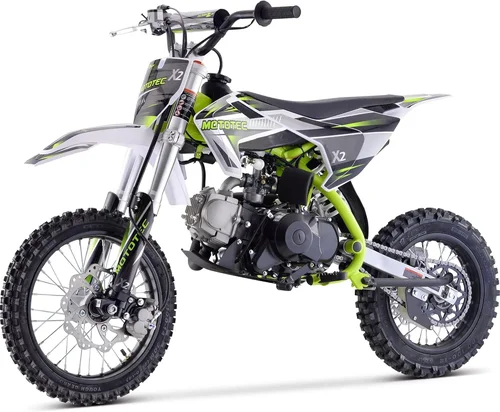
❌ Mistake: Prioritizing Price Over Safety Features
Why it’s bad: The cheapest bikes often skimp on essential safety components like proper brakes, throttle limiters, or frame reinforcements. This can lead to accidents, especially for inexperienced riders.
What to do instead: Allocate at least 20% of your budget to safety-critical parts. Ensure the bike has reliable disc brakes, a kill switch, and a sturdy frame. For kids, look for models with speed governors and parental controls.
❌ Mistake: Ignoring Battery Chemistry and Capacity
Why it’s bad: Not all lithium batteries are equal. Some budget bikes use lower-quality LiFePO4 or recycled cells that degrade faster and hold less charge over time.
What to do instead: Choose bikes with name-brand lithium-ion batteries (e.g., Samsung, LG, or Panasonic cells). Check the watt-hour (Wh) rating—not just voltage and amp-hours—to compare true energy capacity.
❌ Mistake: Overlooking Assembly and Setup Requirements
Why it’s bad: Many budget electric dirt bikes ship partially assembled. If you’re not mechanically inclined, improper setup can lead to loose bolts, misaligned wheels, or electrical faults.
What to do instead: Read the manual thoroughly before assembly. Consider paying for professional assembly (often $50–$100 at local bike shops). Double-check torque specs on critical fasteners like axle nuts and handlebar clamps.
❌ Mistake: Assuming All “48V” Batteries Are Equal
Why it’s bad: A 48V 10Ah battery holds half the energy of a 48V 20Ah battery—even though both are “48V.” Manufacturers sometimes highlight voltage while hiding low amp-hour ratings.
What to do instead: Always check the total watt-hours (Volts × Amp-hours = Wh). A 48V 15Ah battery = 720Wh. This number gives you a realistic estimate of range and power delivery.
❌ Mistake: Buying Without Testing Ride Feel
Why it’s bad: Specs don’t tell you how a bike handles. A bike with great numbers might feel twitchy, unbalanced, or uncomfortable due to poor ergonomics or suspension tuning.
What to do instead: If possible, test ride at a dealer or borrow from a friend. Pay attention to seat comfort, handlebar position, and how the suspension absorbs bumps. If buying online, watch detailed review videos that show real riding footage.
❌ Mistake: Neglecting Local Laws and Regulations
Why it’s bad: Some states or municipalities restrict electric dirt bikes on public trails or require registration, helmets, or age limits. Riding illegally can result in fines or confiscation.
What to do instead: Check your local DNR, park district, or city ordinances before purchasing. Some bikes are easier to convert to street-legal status (with lights, mirrors, etc.) than others.
❌ Mistake: Skipping the Warranty Fine Print
Why it’s bad: A “1-year warranty” might only cover the frame, not the battery or motor. Some brands void warranties if you modify the bike or use non-approved chargers.
What to do instead: Read the full warranty document. Note what’s covered, how to file a claim, and whether labor costs are included. Keep all receipts and avoid unauthorized modifications.
Budget Guidelines: How Much Should You Spend?
Entry-Level ($800–$1,200): This tier is ideal for kids, teens, or adults doing light trail riding. Expect 1,000–1,500W motors, 20–25 mph top speed, and 15–25 mile range. Build quality is functional but basic—mechanical brakes, minimal suspension travel, and plastic body panels. Great for learning the ropes, but not built for heavy abuse. Models like the Razor MX650 or Tuttio Junior fit here.
Mid-Range ($1,300–$1,800): The sweet spot for most riders. These bikes offer 2,000–2,500W motors, hydraulic or upgraded mechanical brakes, and better suspension (6–8 inches travel). Range improves to 25–35 miles, and frames are typically steel or reinforced aluminum. You’ll find features like LCD displays, multiple ride modes, and quick-swap batteries. This is where you get the best balance of performance, durability, and value—think Segway X260 or Tuttio Pro.
Premium ($1,900–$2,500): For enthusiasts and serious off-roaders. Expect 3,000W+ motors, full hydraulic braking, adjustable suspension, and high-capacity 48V 20Ah+ batteries. Top speeds reach 40–45 mph, and range can exceed 40 miles. Build quality rivals mid-tier gas bikes, with attention to细节 like sealed bearings and reinforced swingarms. These bikes handle jumps, steep climbs, and long days on the trail with ease.
Luxury ($2,500+): While technically beyond “budget,” some models like the Sur Ron Storm Bee blur the line with premium components, carbon fiber parts, and advanced battery management systems. These are for riders who want near-professional performance without the gas engine. Only consider if you’re riding frequently or competitively.
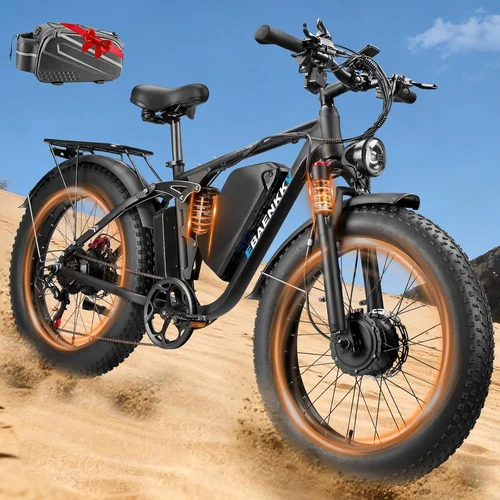
Expert Tips for Getting the Best Deal
1. Time Your Purchase Around Seasonal Sales: Major discounts happen in late fall (post-summer riding season) and early spring (before peak demand). Black Friday, Cyber Monday, and end-of-year clearances often feature 15–30% off popular models. Sign up for brand newsletters to get early access.
2. Buy Direct from Manufacturers When Possible: Brands like Tuttio and Sur Ron often offer exclusive bundles, extended warranties, or free shipping when you buy directly from their websites. Third-party retailers may have stock, but miss out on perks.
3. Consider Refurbished or Open-Box Models: Many manufacturers sell certified refurbished bikes at 20–40% off retail. These are inspected, tested, and usually come with the same warranty as new units. Great way to get premium features on a budget.
4. Negotiate Add-Ons or Bundles: If buying in-store, ask if they’ll throw in a helmet, tool kit, or extra battery at no cost. Retailers often have flexibility on accessories to close a sale.
5. Check Return Policies Before Buying: Ensure you have at least 14–30 days to return the bike if it doesn’t meet expectations. Some online sellers charge restocking fees or won’t cover return shipping—factor that into your decision.
6. Test Ride Whenever Possible: Even if you plan to buy online, visit a local dealer to test ride similar models. Feeling the bike’s weight, balance, and throttle response is invaluable.
7. Join Owner Communities: Forums and Facebook groups for specific brands (e.g., “Tuttio Riders”) often share discount codes, flash sales, or group-buy opportunities. Members also post honest long-term reviews.
8. Factor in Total Cost of Ownership: A cheaper bike might cost more over time if it requires frequent repairs or battery replacements. Calculate expected maintenance, battery lifespan (typically 500–1,000 charge cycles), and part availability.

Frequently Asked Questions
Q: Are budget electric dirt bikes safe for kids?
A: Yes—but only if properly matched to the child’s age, size, and skill level. Look for models with speed limiters (e.g., 15 mph max), adjustable power modes, and lightweight frames. Always supervise young riders and ensure they wear full protective gear. Avoid high-performance bikes for beginners.
Q: How long do batteries last, and can I replace them?
A: Most lithium-ion batteries last 2–4 years or 500–1,000 full charge cycles. Capacity gradually declines over time. Reputable brands design batteries to be user-replaceable, though costs range from $300–$600. Avoid sealed or glued-in batteries—they’re not serviceable.
Q: Can I ride in the rain or mud?
A: Most budget electric dirt bikes are water-resistant (IP54 or similar), meaning they can handle light rain and splashes—but not submersion. Avoid deep puddles or pressure washing. After muddy rides, clean the bike thoroughly to prevent debris from damaging seals or electronics.
Q: Do I need a license or registration?
A: It depends on your location and how you use the bike. On private property, usually not. On public trails or roads, many states require registration, insurance, or a motorcycle license—especially for bikes over 20 mph. Check local laws before riding.
Q: How fast can a budget electric dirt bike go?
A: Speeds range from 15 mph (youth models) to 45 mph (high-performance budget bikes). Most adult models cruise at 25–35 mph. Remember, higher speed increases risk—especially on uneven terrain.
Q: What’s the difference between hub motors and mid-drive motors?
A: Hub motors are built into the wheel (usually rear) and are simpler, cheaper, and easier to maintain. Mid-drive motors sit near the pedals (less common on dirt bikes) and offer better weight distribution and hill-climbing torque. For budget dirt bikes, hub motors are standard and perfectly adequate.
Q: Can I upgrade components later?
A: Some yes, some no. Batteries, tires, and brakes are often upgradeable. Motors and controllers are usually integrated and harder to modify. Check if the brand offers OEM upgrade parts before buying.
Q: How do I maintain my electric dirt bike?
A: Regular maintenance includes cleaning after rides, checking tire pressure, tightening bolts, lubricating the chain, and storing the battery at 50% charge if unused for weeks. Avoid extreme temperatures. Most issues are preventable with basic care.
Q: Are there financing options available?
A: Many online retailers (like RevZilla or BikeBerry) offer installment plans through Affirm or Klarna. Manufacturer websites sometimes provide 0% APR financing for 6–12 months. Read terms carefully—late fees can add up.
Q: What if my bike breaks down far from home?
A: Carry a basic tool kit (hex wrenches, tire levers, spare tube). Learn how to fix common issues like flat tires or loose cables. For major failures, most brands offer roadside assistance or will ship a replacement part overnight under warranty.
Our Final Recommendations
Best for Budget-Conscious Buyers: Tuttio Junior ($999) – A fantastic entry point for teens and lighter adults. 1,500W motor, 25 mph top speed, 20-mile range, and surprisingly solid build quality. Includes parental controls and a removable battery. Perfect for learning without breaking the bank.
Best Overall Value: Segway X260 ($1,799) – Combines 2,500W power, hydraulic brakes, 8-inch suspension travel, and a 30+ mile range in a rugged package. Reliable, well-supported, and capable of handling serious trail work. A true workhorse at a fair price.
Best Premium Option: Tuttio Pro X ($2,299) – Pushes into near-pro territory with a 3,200W motor, 48V 20Ah battery, adjustable suspension, and race-inspired geometry. Hits 42 mph and delivers 40+ miles of range. Ideal for advanced riders who want performance without gas-engine complexity.
Best for Beginners: Razor MX350 Dirt Rocket ($849) – Lightweight (65 lbs), low seat height, and a gentle 14 mph top speed make this ideal for kids and first-time riders. Simple controls, durable frame, and low maintenance. Great for backyard fun or gentle trails.
Best for Advanced Users: Sur Ron Light Bee X ($2,499) – Though slightly above strict “budget” range, it’s the benchmark for electric off-road performance. 6 kW peak power, 48V 21Ah battery, and aerospace-grade aluminum frame. Used by pros and weekend warriors alike. If you’re serious about riding, this is the gold standard.
Conclusion: Making the Right Choice
Choosing the right budget electric dirt bike isn’t just about finding the cheapest option—it’s about matching the bike’s capabilities to your riding style, skill level, and long-term goals. We’ve covered everything from performance specs and build quality to warranty details and real-world user experiences. Armed with this knowledge, you’re no longer just a shopper—you’re an informed buyer ready to make a smart investment.
Remember, the best bike is the one you’ll actually ride. Don’t get seduced by flashy specs or aggressive marketing. Prioritize safety, reliability, and comfort. Test ride when you can, read the fine print, and don’t hesitate to spend a little more for peace of mind. Electric dirt bikes are more than toys—they’re tools for adventure, fitness, and connection with nature.
So go ahead: Hit the trails, feel the silent surge of torque, and enjoy the freedom that only an electric dirt bike can deliver. Whether you’re teaching your kid to ride or chasing your next adrenaline rush, there’s a perfect budget-friendly electric dirt bike out there waiting for you. Ride safe, ride smart, and most of all—have fun.