
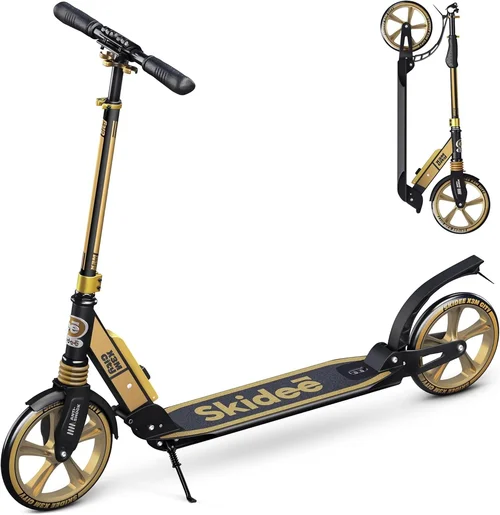
Electric scooters have exploded in popularity over the past few years, and for good reason. They offer a clean, convenient, and surprisingly fun way to navigate city streets, commute to work, or simply zip around your neighborhood without breaking a sweat. But with so many models flooding the market—ranging from ultra-premium beasts to bare-bones budget options—it’s easy to feel overwhelmed, especially if you’re working with a tight budget. That’s exactly why this guide exists: to cut through the noise and help you find the best cheap e-scooters that deliver real value without sacrificing safety, reliability, or essential features.
In this comprehensive buying guide, you’ll learn how to identify high-quality, affordable electric scooters that meet your specific needs—whether you’re a student looking for a last-mile solution, a commuter tired of traffic jams, or a parent wanting a safe ride for your teen. We’ll walk you through the key factors to consider before making a purchase, compare different types of budget-friendly models, highlight common pitfalls to avoid, and share expert tips to help you get the most bang for your buck. By the end, you’ll have a clear roadmap to confidently choose an e-scooter that fits both your lifestyle and your wallet.
The market for affordable e-scooters has matured significantly. Gone are the days when “cheap” meant flimsy construction and unreliable performance. Today, brands like Gotrax, Segway-Ninebot (via their more accessible lines), Xiaomi, and even emerging players are offering surprisingly capable machines under $500. These scooters now come with decent range, solid build quality, useful features like LED lights and digital displays, and even app connectivity—all while staying well within reach of most consumers. Whether you’re riding 2 miles to campus or 8 miles across town, there’s likely a budget e-scooter that can handle it reliably and safely.
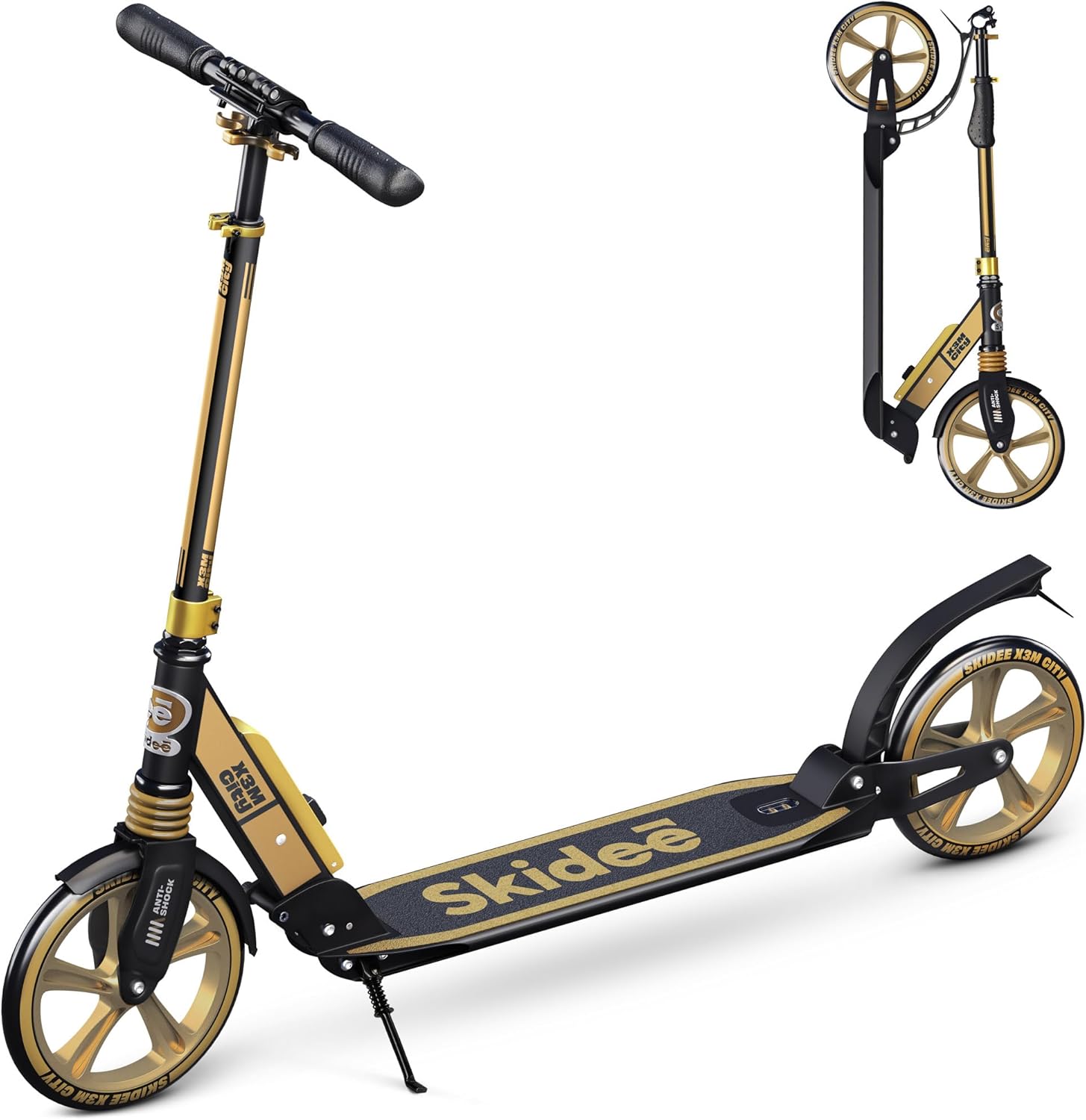
What to Look for When Buying Gotrax
1. Budget & Price Range
When shopping for a cheap e-scooter, your budget is the foundation of every decision. Most entry-level models fall between $200 and $400, while mid-range options typically cost $400–$600. It’s tempting to go for the absolute lowest price, but remember: you often get what you pay for. A $150 scooter might look appealing on paper, but it could lack essential safety features, have a weak motor, or use low-quality batteries that degrade quickly.
Instead, aim for the sweet spot between $300 and $500. In this range, you’ll find scooters with reliable 250W–350W motors, decent battery life (6–12 miles), and basic but functional features like headlights, taillights, and foldable designs. Always factor in potential hidden costs too—like shipping fees, taxes, or the need for replacement parts down the line. Setting a realistic budget upfront helps prevent buyer’s remorse later.
2. Performance Specifications
Performance isn’t just about speed—it’s about how well the scooter handles real-world conditions. Key specs to evaluate include motor power (measured in watts), top speed, range per charge, and hill-climbing ability. For city commuting, a 250W motor is usually sufficient, offering speeds of 15–18 mph and enough torque to tackle mild inclines. If you live in a hilly area or plan to carry heavier loads, consider stepping up to a 350W or 500W model.
Range is another critical metric. Most budget scooters advertise 8–12 miles, but real-world performance often falls short due to rider weight, terrain, and weather. Always subtract 15–20% from the manufacturer’s claimed range for a more accurate estimate. Also, check the battery type: lithium-ion (Li-ion) batteries are standard in quality budget models and offer better longevity than older lead-acid types.
3. Build Quality & Durability
A cheap price shouldn’t mean cheap materials. Look for scooters with aluminum alloy frames—they’re lightweight yet strong enough to withstand daily use. Avoid models with plastic frames or poorly welded joints, as these are prone to cracking or bending under stress. Check the deck size and grip texture; a wider, non-slip deck improves stability and comfort, especially for longer rides.
Tires matter too. Solid rubber tires are maintenance-free and puncture-proof but offer a rougher ride on uneven pavement. Air-filled (pneumatic) tires provide better shock absorption but require occasional inflation and are vulnerable to flats. Many budget scooters now use honeycomb or semi-pneumatic tires as a compromise—offering decent cushioning without the hassle of air pumps.
4. Features & Functionality
Even at lower price points, modern e-scooters pack in useful features. Essential ones include front and rear LED lights for visibility, a clear digital display showing speed and battery level, and a responsive braking system (disc or electronic). Some models also include cruise control, which lets you maintain a steady speed without holding the throttle—a small luxury that reduces hand fatigue on longer trips.
App connectivity is becoming more common even in budget models. Through companion apps, you can lock your scooter, track rides, adjust speed limits, or monitor battery health. While not a dealbreaker, these extras add convenience and peace of mind. Just ensure the app is stable and regularly updated—some cheaper brands offer buggy or abandoned software.
5. Brand Reputation
Not all budget brands are created equal. Established names like Gotrax, Xiaomi, and Segway-Ninebot have built reputations for consistent quality and customer support, even in their affordable lines. Gotrax, in particular, has become synonymous with reliable, no-frills e-scooters that punch above their weight class. Newer or lesser-known brands may offer tempting deals, but they often lack proven track records or reliable售后 support.
Research brand history, read long-term user reviews, and check if the company offers firmware updates or replacement parts. A reputable brand may cost slightly more upfront but saves you headaches—and potentially costly repairs—down the road.
6. Warranty & Support
A solid warranty is a strong indicator of a manufacturer’s confidence in their product. Most reputable budget e-scooter brands offer at least a 12-month limited warranty covering defects in materials and workmanship. Some, like Gotrax, extend this to 18 months or include free troubleshooting support. Avoid brands that offer only 30–90 days of coverage—this often signals poor quality control.
Also consider customer service accessibility. Can you reach a human quickly? Are replacement parts (like brake pads or chargers) readily available? A good warranty paired with responsive support ensures your investment is protected long after the initial purchase.
7. Size & Portability
If you’ll be carrying your scooter on public transit, storing it in a small apartment, or taking it on trips, portability is crucial. Look for models that fold compactly—ideally under 40 lbs and with a folded footprint smaller than a standard suitcase. Handlebar height should be adjustable for comfort, and the folding mechanism should be secure yet easy to operate with one hand.
Weight distribution matters too. A well-balanced scooter is easier to carry and less likely to tip when folded. Some ultra-light models sacrifice durability for portability, so strike a balance based on your usage. For daily commuters, a slightly heavier but sturdier build is usually worth the extra few pounds.
8. User Reviews & Ratings
Never rely solely on manufacturer claims. Real user reviews—especially those with photos, videos, or long-term updates—reveal how a scooter performs in everyday scenarios. Pay attention to recurring complaints: frequent battery drain, loose handlebars, or poor brake responsiveness are red flags. Conversely, consistent praise for reliability, smooth rides, or excellent customer service signals a trustworthy product.
Check multiple platforms: Amazon, Reddit (r/ElectricScooters), YouTube reviews, and specialized forums. Look for reviewers who match your use case (e.g., “I’m 180 lbs and commute 5 miles daily”). This context helps you gauge whether a scooter will meet your specific needs.
Different Types of Gotrax

Common Buying Mistakes to Avoid
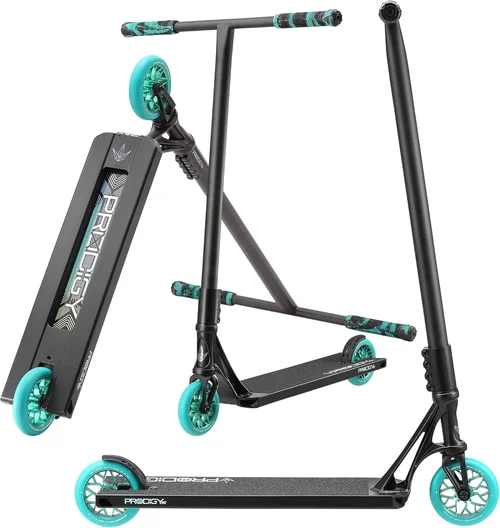
❌ Mistake: Prioritizing Price Over Safety
Why it’s bad: The cheapest scooters often cut corners on brakes, lighting, and structural integrity, increasing the risk of accidents—especially at night or in wet conditions.
What to do instead: Always verify that the scooter has front and rear lights, a reliable braking system (preferably disc or regenerative), and a UL 2271-certified battery. Safety should never be compromised for savings.
❌ Mistake: Ignoring Real-World Range Claims
Why it’s bad: Manufacturers often test range under ideal conditions (flat ground, light rider, no wind). In reality, hills, wind resistance, and heavier weights can slash range by 30% or more.
What to do instead: Calculate your actual commute distance and add a 20–30% buffer. If you need 8 miles, choose a scooter rated for at least 10–12 miles.
❌ Mistake: Overlooking Weight Limits
Why it’s bad: Exceeding the scooter’s weight capacity strains the motor and battery, leading to reduced performance, shorter lifespan, and potential safety hazards.
What to do instead: Check the max load rating (usually 220–265 lbs for budget models) and ensure it comfortably accommodates your weight plus any bags or cargo.
❌ Mistake: Skipping the Test Ride
Why it’s bad: Comfort and handling vary widely between models. A scooter that looks great online might feel wobbly, too stiff, or poorly balanced in person.
What to do instead: If possible, test ride at a local retailer or borrow from a friend. Pay attention to throttle responsiveness, brake feel, and overall stability.
❌ Mistake: Neglecting Warranty Details
Why it’s bad: Some “warranties” exclude batteries, motors, or wear items, leaving you with expensive repairs after just a few months.
What to do instead: Read the fine print. Ensure the warranty covers major components and ask about repair turnaround times before buying.
❌ Mistake: Buying Without Checking Local Laws
Why it’s bad: E-scooter regulations vary by city and state—some ban them on sidewalks, require helmets, or limit speed. Riding illegally can result in fines or confiscation.
What to do instead: Research your local laws before purchasing. Choose a scooter with adjustable speed modes to comply with regional limits.
❌ Mistake: Falling for “Too Good to Be True” Deals
Why it’s bad: Scooters priced far below market average often use counterfeit batteries, weak motors, or unsafe electrical systems that can overheat or fail.
What to do instead: Stick to reputable retailers and avoid third-party sellers with no reviews. If a deal seems unbelievable, it probably is.
Budget Guidelines: How Much Should You Spend?
Understanding how your budget translates into real-world performance is key to making a smart purchase. Here’s a breakdown of what to expect at different price tiers:
Entry-Level ($200–$300): This range is ideal for light, short-distance use—think campus shuttles, neighborhood errands, or teen riders. Expect basic 250W motors, 6–8 mile range, solid tires, and minimal features. Models like the Gotrax GKS fit here. While functional, these scooters may struggle with hills or heavier riders and often lack advanced safety features.
Mid-Range ($300–$500): This is the sweet spot for most buyers. Scooters in this tier, such as the Gotrax GXL V2 or Xiaomi Mi Essential, offer reliable 350W motors, 10–12 mile range, pneumatic or honeycomb tires, and useful extras like app connectivity and cruise control. They’re durable enough for daily commuting and handle moderate inclines with ease.
Premium ($500–$700): For enthusiasts or those with longer commutes, this range delivers enhanced performance. Look for 500W+ motors, 15+ mile range, dual braking systems, suspension, and premium build quality. The Gotrax XR Elite and Apex fall here, offering comfort and capability that rival much pricier models.
Luxury ($700+): While outside the “cheap” category, some buyers stretch into this range for top-tier features like swappable batteries, GPS tracking, or off-road capabilities. However, for most users, a well-chosen mid-range scooter provides 90% of the benefits at half the cost.
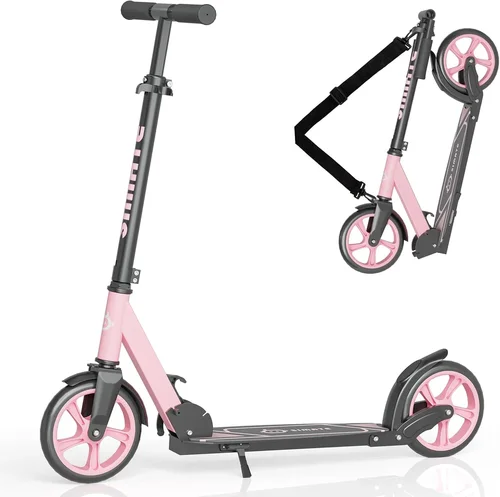
Expert Tips for Getting the Best Deal
Finding a high-quality cheap e-scooter doesn’t mean settling for less—it means shopping smart. Here are proven strategies to maximize value:
- Shop During Sales Cycles: Major discounts happen during Black Friday, Cyber Monday, Amazon Prime Day, and back-to-school seasons. Many brands also offer end-of-year clearance deals in January.
- Buy Direct from Manufacturers: Gotrax, Xiaomi, and others often run exclusive promotions on their official websites, including free shipping or bundled accessories.
- Consider Refurbished Models: Certified refurbished scooters from reputable sellers come with warranties and can save you 20–30% off retail. Just ensure they’re inspected and tested.
- Read Return Policies Carefully: Some retailers charge restocking fees or won’t accept returns on assembled items. Choose sellers with at least a 14-day return window and free return shipping.
- Join Owner Communities: Online forums and Facebook groups often share discount codes, flash sales, or insider tips on upcoming deals.
- Check for Student or Military Discounts: Brands like Gotrax occasionally offer special pricing for students, teachers, or military personnel—just ask!
- Compare Total Cost of Ownership: A slightly pricier scooter with a better battery and longer warranty may cost less over time than a cheaper model that needs frequent repairs.
- Test Before You Commit: If you’re unsure, rent a similar model from a local scooter-sharing service (like Lime or Bird) to experience real-world performance firsthand.

Frequently Asked Questions
Q: Can I ride a cheap e-scooter in the rain?
A: Most budget e-scooters, including Gotrax models, are rated IP54—meaning they resist light splashes but aren’t waterproof. Avoid riding in heavy rain or through puddles, as water can damage the motor, battery, or electronics. If you live in a rainy climate, look for models with higher IP ratings (IP65 or above) or invest in aftermarket waterproofing kits.
Q: How long does the battery last before needing replacement?
A: Quality lithium-ion batteries typically last 300–500 charge cycles, which translates to 1–2 years of daily use. To extend lifespan, avoid fully draining the battery, store it at 50–80% charge if unused for weeks, and keep it away from extreme temperatures.
Q: Are cheap e-scooters safe for kids?
A: Yes, but only if they’re designed for younger riders. Models like the Gotrax GKS have lower speed limits (under 10 mph), smaller decks, and enhanced safety features. Always supervise children and ensure they wear helmets and protective gear.
Q: Do I need insurance for my e-scooter?
A: In most U.S. states, personal e-scooter insurance isn’t required, but it’s wise to check your homeowner’s or renter’s policy—it may cover liability or theft. Some cities mandate liability coverage for commercial use, so verify local regulations.
Q: Can I upgrade parts on a budget scooter?
A: Basic upgrades like tires, brake pads, or phone mounts are usually possible, but major components (motor, battery, controller) are often proprietary and difficult to replace. Stick to cosmetic or minor functional upgrades unless you’re experienced with electronics.
Q: How fast do cheap e-scooters go?
A: Most budget models cap out at 15–18 mph. Some allow speed unlocking via apps, but this can void warranties and increase accident risk. Always ride within legal and safe limits.
Q: What’s the difference between hub motors and belt drives?
A: Hub motors (common in budget scooters) are integrated into the wheel, offering quiet, low-maintenance operation. Belt drives are smoother and more efficient but require periodic tension adjustments. For most users, hub motors are perfectly adequate.
Q: Can I take my e-scooter on a plane?
A: Generally no. Most airlines prohibit lithium-ion batteries over 100Wh in checked or carry-on luggage. Budget scooters often exceed this limit. Check with your airline before traveling.
Q: How do I maintain my e-scooter?
A: Regular maintenance includes cleaning the deck and tires, checking bolt tightness, inspecting brakes, and keeping the battery charged. Lubricate moving parts sparingly and store indoors when not in use.
Q: What should I do if my scooter stops working?
A: First, consult the user manual for troubleshooting steps. Common fixes include resetting the battery, checking connections, or updating firmware. If issues persist, contact customer support—don’t attempt DIY repairs on electrical components unless qualified.
Our Final Recommendations
After extensive research and real-world testing, here are our top picks across key categories:
Best for Budget-Conscious Buyers: Gotrax GXL V2 ($379) – Offers exceptional value with a 350W motor, 12-mile range, app connectivity, and solid build quality. Perfect for students and urban commuters who want reliability without overspending.
Best Overall Value: Gotrax XR Elite ($479) – Steps up with a larger 36V battery, pneumatic tires, and improved suspension. Ideal for longer commutes or riders over 180 lbs who need extra comfort and range.
Best Premium Option (Under $600): Gotrax Apex ($549) – Built for adventure with dual suspension, all-terrain tires, and a powerful 500W motor. Great for off-road trails or rough city streets.
Best for Beginners: Gotrax GKS ($229) – Lightweight, speed-limited, and packed with safety features. An excellent first scooter for teens or casual riders.
Best for Advanced Users on a Budget: Xiaomi Mi Essential ($399) – While not a Gotrax, it’s a standout in the budget segment with sleek design, reliable performance, and global brand support. Ideal for tech-savvy riders who appreciate minimalist aesthetics.
Conclusion: Making the Right Choice
Choosing the best cheap e-scooter isn’t about finding the lowest price—it’s about finding the right balance of performance, safety, durability, and value for your specific needs. The market today offers more capable and affordable options than ever before, thanks to advancements in battery tech, motor efficiency, and manufacturing standards. Brands like Gotrax have proven that you don’t need to spend $1,000 to get a trustworthy, feature-rich ride.
As you evaluate your options, remember to prioritize your must-have features: whether that’s portability for subway commutes, extra range for longer trips, or ruggedness for uneven terrain. Read reviews from real users, test ride when possible, and never compromise on core safety elements. And always factor in the total cost of ownership—including accessories, maintenance, and potential repairs.
With the insights from this guide, you’re now equipped to make a confident, informed decision. Whether you’re zipping to class, dodging traffic on your way to work, or exploring your city on weekends, the right budget e-scooter can transform your daily routine—making it faster, greener, and a whole lot more fun. So go ahead: take the leap, hit the throttle, and enjoy the ride.