
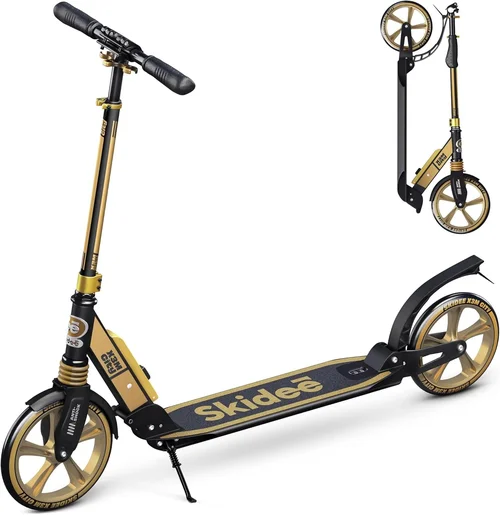
Electric scooters have exploded in popularity over the past few years, and for good reason. They’re eco-friendly, cost-effective, and incredibly convenient for short commutes, campus travel, or weekend joyrides. Whether you’re dodging traffic in a bustling city or just looking for a fun way to get around your neighborhood, an e-scooter can be a game-changer. But with so many models flooding the market—especially in the budget-friendly category—it’s easy to feel overwhelmed. That’s where this guide comes in.
In this comprehensive buying guide, we’ll walk you through everything you need to know to find the best cheap e-scooter that fits your lifestyle, budget, and performance expectations. We’ll break down the key factors to consider, compare different types of scooters, highlight common pitfalls to avoid, and offer expert tips to help you get the most bang for your buck. Our goal isn’t to sell you on one brand or model—it’s to empower you with the knowledge to make a smart, informed decision. Whether you’re a first-time buyer or upgrading from an older model, this guide is designed to help you navigate the crowded e-scooter landscape with confidence.
The market for affordable electric scooters has matured significantly. Brands like Gotrax, Xiaomi, Segway-Ninebot, and Razor now offer reliable, feature-packed models under $500. These aren’t just toys—they’re real transportation solutions with decent range, solid build quality, and useful tech features. However, “cheap” doesn’t always mean “best value.” Some budget scooters cut corners on safety, durability, or performance, while others deliver surprising quality at a low price. By the end of this guide, you’ll know exactly what to look for, what to avoid, and how to find a scooter that offers the perfect balance of affordability and functionality.
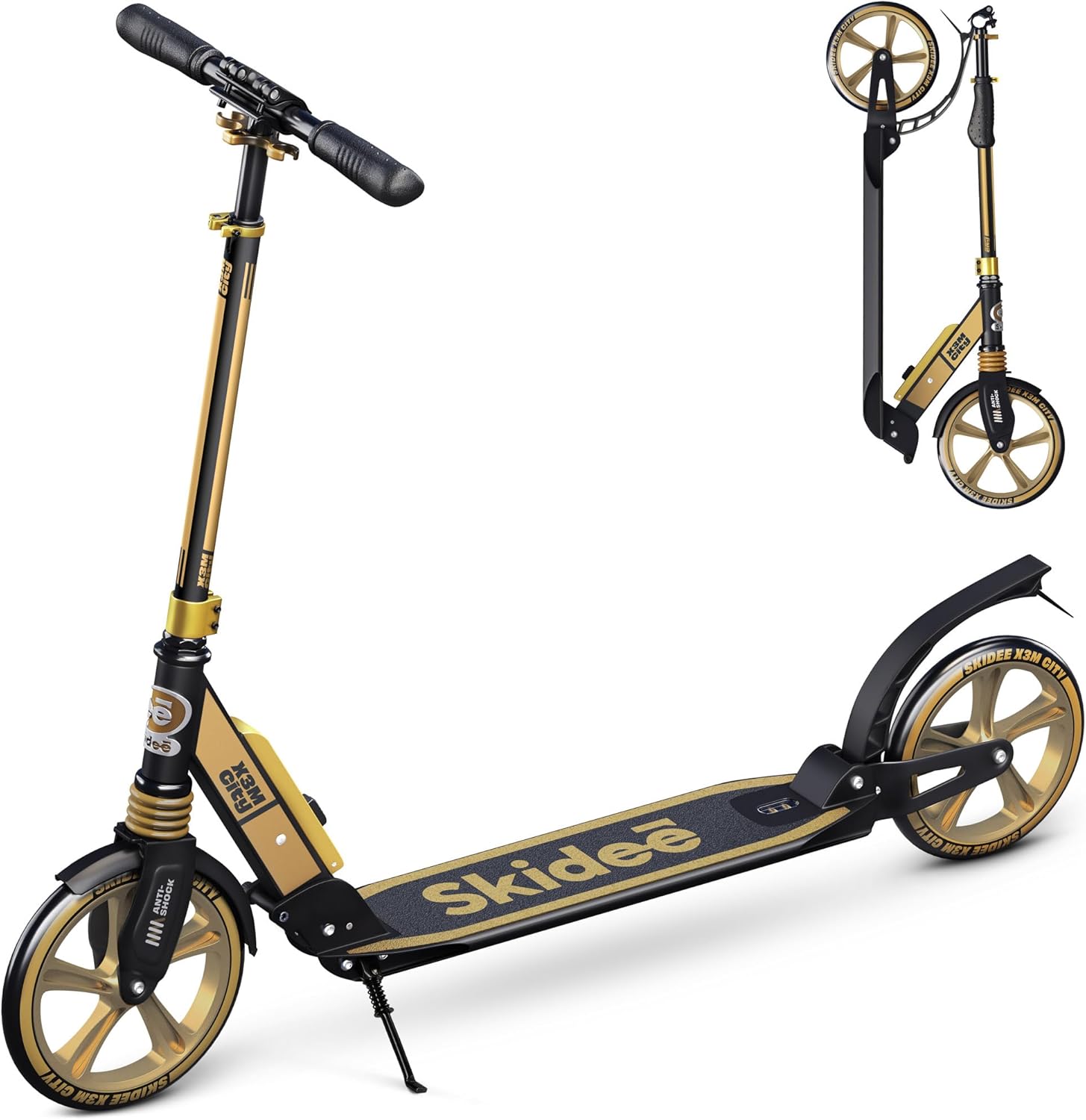
What to Look for When Buying Gotrax
1. Budget & Price Range
When shopping for a cheap e-scooter, your budget is the foundation of your decision. Most entry-level models start around $200 and go up to $600, with the sweet spot for reliable performance typically falling between $300 and $450. It’s tempting to go for the lowest price possible, but remember: you often get what you pay for. A $150 scooter might save you money upfront, but it could lack essential safety features, have a weak motor, or use low-quality batteries that degrade quickly.
Set a realistic budget based on how you plan to use the scooter. If it’s just for occasional weekend rides, a lower-tier model might suffice. But if you’re commuting daily or carrying it on public transit, investing a bit more in durability and performance is wise. Look for models that offer the best combination of features within your price range—don’t just chase the lowest number on the tag.
2. Performance Specifications
Performance is where many budget scooters fall short, so it’s crucial to scrutinize the specs. Key metrics include motor power (measured in watts), top speed, range per charge, and hill-climbing ability. For most urban riders, a 250W to 350W motor is sufficient for flat terrain and light inclines. Scooters with 500W or higher motors offer better acceleration and can handle steeper hills, but they often cost more and drain the battery faster.
Top speed is another important factor. Most affordable e-scooters cap out between 15 and 20 mph. While that might seem slow, it’s actually ideal for city riding and complies with many local regulations. Range is equally critical—look for a scooter that offers at least 10–15 miles per charge for daily commuting. Keep in mind that real-world range can vary based on rider weight, terrain, and speed. Always check if the manufacturer provides “real-world” or “ideal condition” range figures, as the latter can be misleading.
3. Build Quality & Durability
A cheap scooter doesn’t have to feel cheap. Pay close attention to the materials used in the frame, deck, and folding mechanism. Aluminum alloy frames are lightweight yet sturdy, making them ideal for daily use. Avoid scooters with plastic-heavy construction, especially in high-stress areas like the stem or folding joints. These can crack or wear out quickly, leading to safety issues.
Check the weight capacity as well. Most budget scooters support riders up to 220–260 lbs, but some cheaper models may only handle 150–180 lbs. If you’re on the heavier side or plan to carry a backpack, opt for a scooter with a higher weight limit. Also, inspect the wheels—pneumatic (air-filled) tires offer better shock absorption and grip than solid rubber ones, especially on uneven pavement. However, they’re more prone to punctures, so consider your riding environment.
4. Features & Functionality
Modern budget e-scooters come packed with features that were once reserved for premium models. Look for essentials like LED headlights and taillights for nighttime visibility, a clear digital display showing speed and battery level, and regenerative braking to extend range. Some models even include Bluetooth connectivity, app integration, or cruise control.
One often-overlooked feature is the braking system. Disc brakes offer the best stopping power, especially in wet conditions, while electronic or foot brakes are common on cheaper models. If safety is a priority, aim for a scooter with dual braking (e.g., electronic front + disc rear). Also, consider the deck size—larger decks provide more foot space and stability, which is helpful for longer rides.
5. Brand Reputation
Not all budget brands are created equal. Established names like Gotrax, Xiaomi, and Segway-Ninebot have built reputations for reliability and customer support. Gotrax, in particular, has become a favorite among budget-conscious buyers for offering solid performance at accessible prices. They’re known for consistent quality control and responsive customer service.
On the other hand, lesser-known brands or generic models sold on online marketplaces may offer tempting prices but come with risks. These scooters might use counterfeit batteries, lack proper certifications (like UL 2271 for battery safety), or have no warranty support. Always research the brand before buying. Check for customer reviews, warranty terms, and whether the company has a physical presence or support team.
6. Warranty & Support
A good warranty is a sign of a manufacturer’s confidence in their product. Most reputable brands offer at least a 6-month to 1-year warranty covering defects in materials and workmanship. Some, like Gotrax, extend this to 12 months or more. Pay attention to what’s covered—batteries, motors, and electronics are common inclusions, but wear-and-tear items like tires and brakes may be excluded.
Customer support is just as important. Can you easily reach someone if your scooter breaks down? Is there a repair network or replacement parts available? Brands with strong support systems make it easier to maintain your scooter long-term. Avoid companies with no contact information, slow response times, or vague warranty terms.
7. Size & Portability
If you plan to carry your scooter on public transit, store it in a small apartment, or take it on trips, portability is key. Look for lightweight models (under 30 lbs) with a compact fold. The folding mechanism should be quick and secure—some scooters use a latch or clamp, while others have a simple lever. Test how easy it is to fold and unfold, especially if you’ll be doing it multiple times a day.
Also consider the folded dimensions. A scooter that’s too long or wide can be awkward to carry or store. Some models are designed with commuters in mind, featuring telescoping stems or slim profiles. If you’re tall, check the handlebar height—adjustable stems are a plus for comfort.
8. User Reviews & Ratings
Never buy an e-scooter based solely on specs or marketing claims. Real-world user reviews offer invaluable insights into reliability, comfort, and long-term performance. Look for patterns in feedback—if multiple users report the same issue (e.g., battery draining quickly or stem wobbling), it’s likely a genuine flaw.
Focus on reviews from verified purchasers and avoid overly promotional content. Sites like Amazon, Best Buy, and specialized e-scooter forums often have detailed, honest reviews. Pay attention to how the brand responds to complaints—companies that actively address issues show better customer care.
Different Types of Gotrax
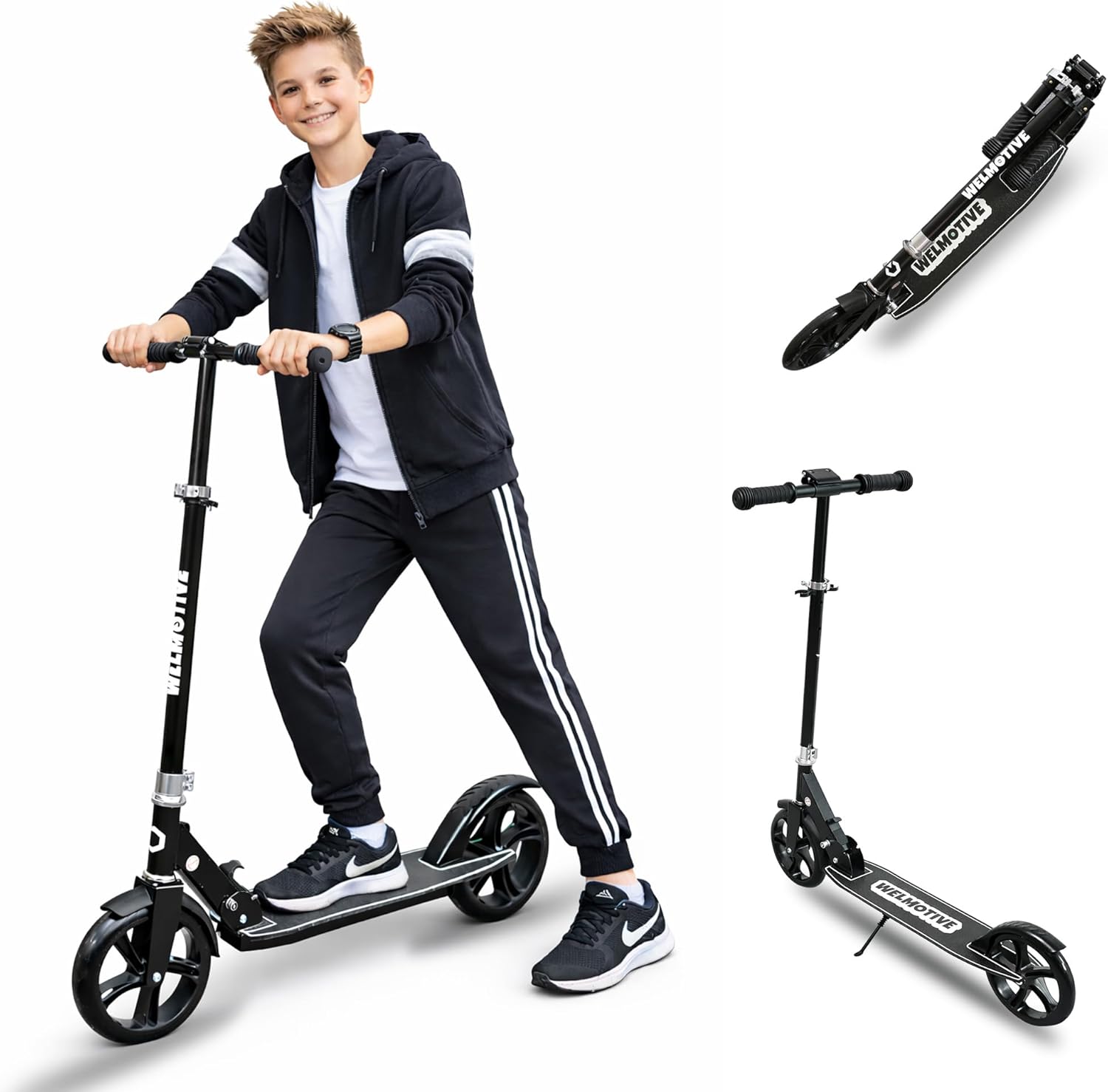
Common Buying Mistakes to Avoid
❌ Mistake: Choosing Based Solely on Price
Why it’s bad: The cheapest scooter often sacrifices safety, durability, and performance. You might end up with a model that breaks down after a few months or lacks essential features like lights or reliable brakes.
What to do instead: Focus on value, not just cost. Compare features, build quality, and warranty across models in your price range. A $50 difference could mean a much better scooter.
❌ Mistake: Ignoring Weight Capacity
Why it’s bad: Overloading a scooter can damage the motor, battery, and frame, leading to premature failure or even accidents.
What to do instead: Always check the manufacturer’s weight limit and add your gear (backpack, groceries, etc.) to your body weight. Choose a scooter rated for at least 20–30 lbs above your total load.
❌ Mistake: Overlooking Battery Quality
Why it’s bad: Low-quality lithium-ion batteries degrade quickly, offer poor range, and can pose fire risks. Some cheap scooters use uncertified or counterfeit cells.
What to do instead: Look for UL 2271 certification, which ensures the battery meets safety standards. Stick with reputable brands that disclose battery specs (e.g., 36V 7.5Ah).
❌ Mistake: Not Testing the Fold Mechanism
Why it’s bad: A poorly designed fold can make the scooter unstable when riding or difficult to carry. Some models wobble or don’t lock securely.
What to do instead: If possible, test the fold in-store or watch video reviews. Ensure it’s quick, sturdy, and doesn’t rattle when locked.
❌ Mistake: Skipping the Warranty Check
Why it’s bad: Without a warranty, repairs can be costly. Some brands offer no coverage or make it hard to claim.
What to do instead: Read the warranty terms carefully. Choose brands with at least a 6-month warranty and clear support channels.
❌ Mistake: Buying Without Reading Reviews
Why it’s bad: Marketing specs can be misleading. Real users often reveal hidden flaws like poor customer service or design issues.
What to do instead: Spend time reading detailed reviews from multiple sources. Look for consistency in feedback.
Budget Guidelines: How Much Should You Spend?
Entry-Level ($200–$300): This tier is ideal for casual riders, students, or those testing the waters. Expect basic features: 250W motor, 10–12 mph top speed, 8–10 mile range, and solid rubber tires. Models like the Gotrax GXL V2 or Razor E300 fall here. They’re lightweight and easy to use but may struggle on hills or with heavier riders.
Mid-Range ($300–$450): This is the sweet spot for most buyers. Scooters in this range offer better motors (300W–350W), improved range (12–18 miles), and features like LED lights, digital displays, and pneumatic tires. The Gotrax G4 and Xiaomi Mi Essential are excellent examples. They balance affordability with performance and are suitable for daily commuting.
Premium ($450–$600): For those who want more power and durability, this tier delivers. Expect 500W motors, 18–20 mph speeds, 15–20 mile range, and advanced features like app connectivity, dual braking, and reinforced frames. These scooters handle hills and longer distances with ease.
Luxury ($600+): While not “cheap,” some high-end models offer exceptional build quality, long-range batteries, and smart features. These are best for enthusiasts or professionals who rely on their scooter daily. Brands like Segway-Ninebot and Dualtron dominate this space.
Expert Tips for Getting the Best Deal
– Buy during seasonal sales: Look for discounts around Black Friday, Cyber Monday, or back-to-school season. Many retailers offer 15–30% off popular models.
– Shop at authorized retailers: Buying from Gotrax.com, Amazon, or Best Buy ensures you get a genuine product with full warranty coverage. Avoid third-party sellers with unclear return policies.
– Compare prices across platforms: Use price-tracking tools like Honey or CamelCamelCamel to find the lowest price and historical trends.
– Check for refurbished models: Certified refurbished scooters from reputable sellers can save you 20–40% and often come with the same warranty as new ones.
– Read the return policy: Make sure you can return or exchange the scooter within 14–30 days if it doesn’t meet your expectations.
– Test ride if possible: Some stores or e-scooter demo events let you try before you buy. This helps assess comfort, handling, and fold quality.
– Join online communities: Forums like Reddit’s r/ElectricScooters or Facebook groups often share deals, reviews, and maintenance tips.
– Consider long-term costs: Factor in battery replacement (every 2–3 years), tire changes, and potential repairs. A slightly more expensive scooter with better parts may save money over time.

Frequently Asked Questions
Q: Are cheap e-scooters safe?
A: Yes, many budget e-scooters are safe when used responsibly. Look for models with UL-certified batteries, reliable brakes, and sturdy frames. Always wear a helmet and follow local traffic laws.
Q: How long do budget e-scooter batteries last?
A: Most lithium-ion batteries last 300–500 charge cycles, which translates to 1–3 years of daily use. Proper care—like avoiding full discharges and extreme temperatures—can extend lifespan.
Q: Can I ride an e-scooter in the rain?
A: Most budget scooters are water-resistant (IP54), meaning they can handle light rain or splashes. However, avoid submerging them or riding in heavy downpours, as water can damage electronics.
Q: Do I need a license to ride an e-scooter?
A: Laws vary by location. In many U.S. cities, no license is required for scooters under 20 mph. Check your local regulations for age limits, helmet requirements, and where you can ride.
Q: How fast do cheap e-scooters go?
A: Most range from 15 to 20 mph. Some models have a “sport mode” that unlocks higher speeds, but this reduces range and may void the warranty.
Q: Can I carry my e-scooter on public transit?
A: Many transit systems allow folded e-scooters, but policies vary. Check with your local agency. Lightweight, compact models are easier to manage.
Q: What’s the difference between hub motors and belt drives?
A: Hub motors are built into the wheel, offering quiet, low-maintenance operation—common in budget scooters. Belt drives are more powerful and efficient but require more upkeep and are rare in this price range.
Q: How do I maintain my e-scooter?
A: Regularly check tire pressure, clean the deck and wheels, lubricate moving parts, and store in a dry place. Avoid overcharging the battery and inspect for loose bolts or cracks.
Q: Can I upgrade my scooter’s battery?
A: Some models allow battery upgrades, but it’s not common in budget scooters. Modifying the battery can void the warranty and pose safety risks. Consult the manufacturer first.
Q: What should I do if my scooter breaks down?
A: Contact the manufacturer’s support team. If under warranty, they may repair or replace it. For out-of-warranty issues, look for local repair shops or DIY guides online.
Our Final Recommendations
Best for Budget-Conscious Buyers: Gotrax GXL V2 – At around $299, it offers solid performance, a 12-mile range, and a reliable 250W motor. Great for students and casual riders.
Best Overall Value: Gotrax G4 – Priced at $449, it delivers a 350W motor, 18-mile range, pneumatic tires, and a sleek design. Ideal for daily commuters who want quality without breaking the bank.
Best Premium Option: Segway-Ninebot ES2 – While slightly above $500, it features a 300W motor, 15-mile range, app integration, and excellent build quality. A step up in performance and style.
Best for Beginners: Razor E300 – Simple, safe, and affordable at $249. Perfect for teens or first-time riders with a top speed of 15 mph and easy controls.
Best for Advanced Users: Xiaomi Mi Electric Scooter Essential – With a 250W motor, 18.6-mile range, and premium design, it’s a favorite among tech-savvy riders. Priced around $399, it offers exceptional value.
Conclusion: Making the Right Choice
Choosing the best cheap e-scooter doesn’t have to be overwhelming. By focusing on key factors like performance, build quality, safety features, and brand reputation, you can find a model that delivers real value without overspending. Remember, the cheapest option isn’t always the best—invest in a scooter that matches your needs, lifestyle, and long-term goals.
Take your time, read reviews, compare specs, and don’t rush into a purchase. A well-chosen e-scooter can transform your daily commute, reduce your carbon footprint, and add a little joy to your routine. Whether you’re zipping through city streets or cruising around campus, the right scooter is out there—affordable, reliable, and ready to ride.
Now that you’re armed with expert knowledge, it’s time to make your move. Prioritize your needs, stick to your budget, and choose a scooter that you’ll love riding for years to come. Happy scooting!