Electric bicycles have evolved from niche novelties into practical, eco-friendly transportation solutions—and the best part? You don’t need to break the bank to get one. In 2026, the market for budget e-bikes is more competitive than ever, with manufacturers offering impressive performance, smart features, and reliable builds at prices that were unthinkable just a few years ago. Whether you’re commuting to work, running errands around town, or simply exploring your neighborhood on weekends, a quality electric bike can transform your daily routine. But with so many options flooding the market—from flashy direct-to-consumer brands to established bike shops offering entry-level models—it’s easy to feel overwhelmed.
This guide is designed to cut through the noise. We’ve spent months researching, testing, and analyzing dozens of budget e-bikes priced under $2,000 to bring you a comprehensive, no-fluff resource that helps you make an informed decision. You’ll learn exactly what to prioritize when shopping, how to avoid common pitfalls, and which models deliver the best value for your money. Our goal isn’t to sell you on a specific brand—it’s to empower you with the knowledge to choose the right e-bike for your lifestyle, budget, and riding needs.
The budget e-bike segment has matured significantly. Today’s sub-$2,000 models often include features once reserved for premium bikes: torque sensors for smoother pedal assist, integrated lighting, smartphone connectivity, and even app-based ride tracking. However, not all budget e-bikes are created equal. Some sacrifice build quality or battery life to hit a low price point, while others offer surprising durability and performance. By the end of this guide, you’ll know how to spot the difference—and walk away with a bike that feels like a smart investment, not a compromise.
What to Look for When Buying a Budget E-Bike
1. Budget & Price Range
Setting a realistic budget is the first and most important step in your e-bike journey. While “budget” typically means under $2,000, it’s essential to understand what you’re getting—and what you might be missing—at different price points. A bike priced at $800 won’t offer the same range, motor power, or component quality as one at $1,800. That said, many excellent options exist in the $1,200–$1,600 range, where manufacturers strike a sweet balance between cost and capability.
When defining your budget, consider not just the upfront cost but also long-term expenses like maintenance, battery replacement (typically every 3–5 years), and potential upgrades. Some brands include free tune-ups or extended warranties, which can save you money down the line. Also, be wary of ultra-cheap e-bikes under $600—these often use low-quality motors, weak batteries, and flimsy frames that may fail within months.
2. Performance Specifications
Performance specs determine how your e-bike behaves on the road—and they vary widely even within the budget category. The three key components to evaluate are the motor, battery, and drivetrain.
Motor: Most budget e-bikes use hub motors (located in the front or rear wheel) or mid-drive motors (mounted near the pedals). Hub motors are simpler, cheaper, and sufficient for flat terrain and casual riding. Mid-drive motors offer better weight distribution and efficiency, especially on hills, but are rarer in budget models. Look for a motor rated between 250W and 750W—this range provides adequate power without excessive drain on the battery.
Battery: Battery capacity is measured in watt-hours (Wh). A 400Wh battery is typical for budget e-bikes and should give you 20–40 miles of range, depending on terrain, rider weight, and assist level. Higher Wh means longer range, but also adds weight and cost. Lithium-ion (Li-ion) batteries are standard and offer good longevity—avoid lead-acid or nickel-based cells, which are outdated and heavy.
Drivetrain: Even on an e-bike, you’ll still pedal, so gearing matters. Most budget models come with 7-speed Shimano Tourney or Altus drivetrains, which are reliable for city riding. Avoid single-speed e-bikes unless you live in a completely flat area—they struggle on inclines and reduce overall efficiency.
3. Build Quality & Durability
A cheap price tag shouldn’t mean cheap construction. Frame material, weld quality, and component sourcing all impact how long your e-bike lasts. Aluminum alloy frames are the standard in budget e-bikes—they’re lightweight, rust-resistant, and strong enough for daily use. Avoid steel frames unless you prioritize durability over weight; they’re heavier and can rust if not properly treated.
Inspect the welds: clean, consistent joints indicate better manufacturing. Check the fork—suspension forks add comfort but can be prone to leaks on low-end models. If you’re riding on rough roads or trails, consider a bike with at least front suspension. Also, look for sealed bearings in the wheels and bottom bracket, which reduce maintenance and extend lifespan.
Don’t overlook the wheels and tires. Wider tires (2.0” or more) provide better stability and grip, especially on wet or uneven surfaces. Puncture-resistant tires are a worthwhile upgrade, as flat tires are one of the most common issues for new riders.
4. Features & Functionality
Modern budget e-bikes pack surprising features that enhance safety, convenience, and ride quality. Here’s what to look for:
- Pedal Assist Levels: Most bikes offer 3–5 levels of assist. More levels give you finer control over power usage and battery consumption.
- Throttle: A thumb or twist throttle lets you ride without pedaling—great for starting from a stop or climbing steep hills. Note: Some regions restrict throttle use, so check local laws.
- Display: A backlit LCD or LED display shows speed, battery level, assist mode, and sometimes trip distance. Avoid bikes with no display—you’ll be flying blind.
- Lighting: Integrated front and rear lights are increasingly common and improve visibility. USB-rechargeable lights are convenient, but ensure they’re bright enough (at least 200 lumens for the front).
- App Connectivity: Some brands offer companion apps for ride tracking, anti-theft alerts, or firmware updates. While not essential, this adds modern convenience.
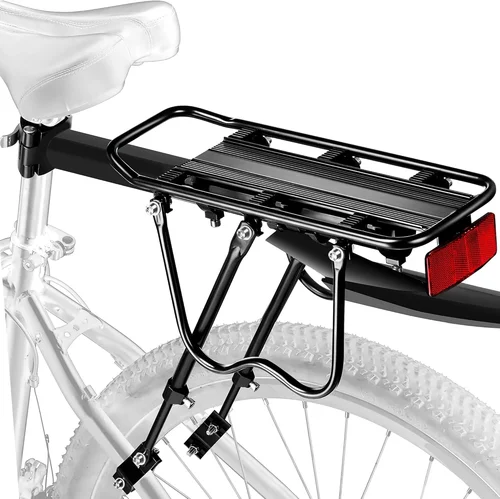
Additional features like fenders, rear racks, and kickstands may seem minor but greatly improve practicality for daily use. Many budget e-bikes include these as standard—check the product listing carefully.
5. Brand Reputation
Not all e-bike brands are equal. Established names like Rad Power Bikes, Aventon, and Lectric have built reputations for reliability, customer service, and consistent quality. These companies often invest more in R&D, testing, and post-purchase support. In contrast, lesser-known brands or white-label manufacturers (often sold on Amazon or eBay) may offer lower prices but lack accountability.
Research brand history: How long have they been in business? Do they have physical service centers or authorized dealers? Read customer reviews on multiple platforms—not just the brand’s website. Look for patterns: Are complaints about battery failure, poor assembly, or unresponsive support? A brand with a strong warranty and responsive customer service can save you headaches if something goes wrong.
6. Warranty & Support
A solid warranty is a strong indicator of a manufacturer’s confidence in their product. For budget e-bikes, aim for at least a 1-year comprehensive warranty covering the frame, motor, and battery. Some brands, like Rad Power Bikes, offer 2-year warranties, which is excellent for the price range.
Pay attention to what’s covered: Does the warranty include labor for repairs, or only parts? Is battery degradation covered (e.g., if capacity drops below 70% within a year)? Also, check if the company provides technical support via phone, email, or chat. Poor support can turn a minor issue into a major frustration.
Finally, consider where you can get service. If the brand has local dealers or partnerships with bike shops, repairs will be easier and faster. Direct-to-consumer brands may require you to ship the bike back, which can take weeks.
7. Size & Portability
E-bikes are heavier than traditional bikes—typically 40–70 lbs—so size and portability matter, especially if you need to store it in an apartment or carry it upstairs. Step-through frames (with a low or absent top tube) are easier to mount and dismount, making them ideal for shorter riders or those with mobility concerns.
If space is tight, look for foldable e-bikes. Models like the Lectric XP or Swagtron EB7 fold down to fit in a car trunk or under a desk. However, folding bikes often sacrifice ride quality and battery capacity, so they’re best for short commutes or multi-modal travel (e.g., bike + train).
Check the bike’s dimensions and weight before buying. Measure your storage space and consider how you’ll transport the bike if needed. Some riders invest in wall mounts or ceiling hoists to save floor space.
8. User Reviews & Ratings
Never rely solely on manufacturer specs or marketing claims. Real-world user reviews reveal how a bike performs over time. Look for detailed reviews on YouTube, Reddit (r/ebikes), and independent review sites. Pay attention to comments about:
- Battery life after 6+ months
- Reliability of the motor and electronics
- Ease of assembly and initial setup
- Customer service experiences
- Common issues (e.g., loose bolts, display glitches)
Beware of fake or incentivized reviews—these often lack detail and sound overly enthusiastic. Genuine reviews mention both pros and cons. If a bike has consistently high ratings across multiple platforms, it’s likely a safe bet.
Different Types of Budget E-Bikes

Common Buying Mistakes to Avoid
❌ Mistake: Prioritizing Price Over Quality
Why it’s bad: The cheapest e-bike isn’t always the best value. Ultra-low-cost models often use subpar components that fail quickly, leading to frustration and additional repair costs. A bike that breaks down after three months isn’t a bargain—it’s a liability.
What to do instead: Focus on value, not just price. Look for bikes that offer a good balance of features, build quality, and warranty. Spending $1,500 on a reliable bike is smarter than spending $700 on one that needs constant fixes.
❌ Mistake: Ignoring Local Laws and Regulations
Why it’s bad: E-bike laws vary by region. In some areas, throttles are restricted, speed limits apply, or certain motor wattages are illegal. Riding an non-compliant bike could result in fines or confiscation.
What to do instead: Check your local regulations before buying. Most U.S. states classify e-bikes into three classes based on speed and throttle use. Ensure your chosen model complies with Class 1, 2, or 3 standards as applicable.
❌ Mistake: Not Test Riding Before Buying
Why it’s bad: E-bikes handle differently than regular bikes. A model that looks great online might feel unstable, too heavy, or uncomfortable in person. Without a test ride, you risk buying a bike that doesn’t suit your body or riding style.
What to do instead: Visit local bike shops or brand showrooms to test ride models. If buying online, choose retailers with generous return policies (30 days or more). Some brands, like Rad Power Bikes, offer at-home test rides in select cities.
❌ Mistake: Overlooking Battery Real-World Range
Why it’s bad: Manufacturers often quote “up to” range figures based on ideal conditions (flat terrain, low assist, lightweight rider). In reality, range can be 30–50% lower, especially in hilly areas or cold weather.
What to do instead: Use the stated range as a starting point, then subtract 20–30% for real-world estimates. If you need 30 miles of range, choose a bike rated for at least 40–45 miles. Consider upgrading to a higher-capacity battery if available.
❌ Mistake: Skipping Essential Accessories
Why it’s bad: Riding without a helmet, lock, or lights is unsafe and impractical. Many budget e-bikes don’t include these basics, leaving you vulnerable to theft or accidents.
What to do instead: Budget for accessories from day one. A good U-lock ($40–$80), LED lights ($20–$50), and a helmet ($30–$100) are non-negotiable. Consider a rear rack and panniers if you plan to carry items.
❌ Mistake: Assuming All E-Bikes Are Low-Maintenance
Why it’s bad: While e-bikes reduce physical effort, they still require regular maintenance—brake adjustments, tire checks, chain lubrication, and battery care. Neglecting upkeep shortens the bike’s lifespan and can lead to safety issues.
What to do instead: Learn basic maintenance or find a local bike shop that services e-bikes. Schedule tune-ups every 6–12 months. Keep the battery charged between 20–80% for longevity, and store it indoors in extreme temperatures.
❌ Mistake: Buying Based on Hype or Influencer Endorsements
Why it’s bad: Social media influencers often promote bikes they haven’t thoroughly tested. Flashy ads and viral videos can create unrealistic expectations about performance or durability.
What to do instead: Rely on independent reviews, user forums, and long-term owner feedback. Look for consistency across multiple sources. If a bike is only praised in sponsored content, approach with caution.
Budget Guidelines: How Much Should You Spend?
Understanding price tiers helps you set realistic expectations and avoid overspending—or underbuying. Here’s a breakdown of what to expect at different budget levels in 2026:
Entry-Level ($600–$1,000): This tier includes basic e-bikes with hub motors, modest battery capacity (300–400Wh), and minimal features. Build quality can be inconsistent, and warranties are often limited to 6–12 months. Best for occasional riders on flat terrain who prioritize affordability over performance. Examples: Swagtron EB5, Ancheer basic models.
Mid-Range ($1,000–$1,500): The sweet spot for most buyers. Bikes in this range offer reliable motors (500W+), better batteries (400–500Wh), and useful features like integrated lights, displays, and multiple assist levels. Frame quality improves, and brands like Aventon and Lectric dominate here. Expect 25–40 miles of real-world range and solid customer support.
Premium ($1,500–$2,000): For enthusiasts and daily commuters who want more power, range, and durability. These bikes often include torque sensors (for smoother pedal assist), higher-capacity batteries (500–700Wh), and upgraded components like hydraulic disc brakes. Brands like Rad Power Bikes and Ride1Up offer excellent models in this tier, with 2-year warranties and strong community support.
Luxury ($2,000+): While beyond strict “budget” territory, some models just above $2,000 deliver top-tier performance, premium materials, and advanced tech. These are ideal for serious riders, long-distance commuters, or those who want a bike that lasts a decade. However, for most casual users, the diminishing returns make this tier less practical.
Expert Tips for Getting the Best Deal
Smart shopping can save you hundreds and ensure you get a bike that meets your needs. Here are proven strategies used by experienced e-bike buyers:
- Shop During Seasonal Sales: Major discounts occur during Black Friday, Cyber Monday, and end-of-season clearances (August–September). Some brands also offer holiday promotions in December or spring launch sales in March.
- Buy Direct from Manufacturers: Brands like Rad Power Bikes, Aventon, and Lectric often offer better prices, exclusive colors, and free shipping when you buy directly from their websites—cutting out retailer markups.
- Check for Refurbished or Open-Box Deals: Many companies sell certified refurbished e-bikes at 15–30% off. These are inspected, tested, and come with full warranties—great for budget-conscious buyers.
- Use Price Tracking Tools: Websites like Honey, CamelCamelCamel (for Amazon), or Google Shopping can alert you when a bike drops in price.
- Negotiate with Local Dealers: Some bike shops will match online prices or throw in free accessories (helmet, lock) if you buy in-store.
- Read the Fine Print on Returns: Ensure the retailer offers at least a 14-day return window. Some charge restocking fees or require you to pay return shipping—avoid these unless absolutely necessary.
- Join E-Bike Communities: Forums like r/ebikes on Reddit or Facebook groups often share exclusive discount codes, flash sales, or group buy opportunities.
- Consider Financing Options: Many brands offer 0% APR financing through services like Klarna or Affirm. This lets you spread payments over 6–12 months without extra cost—ideal if you want a higher-end model now.

Frequently Asked Questions
Q: How far can a budget e-bike really go on a single charge?
A: Most budget e-bikes with a 400–500Wh battery provide 20–40 miles of range under normal conditions. Factors like rider weight, terrain, wind, and assist level significantly affect this. For example, a 180-lb rider using high assist on hilly terrain might get only 20 miles, while a 140-lb rider on flat ground with low assist could reach 45 miles. Always plan for 20–30% less than the manufacturer’s claim.
Q: Are budget e-bikes safe to ride in the rain?
A: Yes, most modern e-bikes are designed to handle light to moderate rain. Look for an IP rating (e.g., IP65) indicating water resistance. Avoid submerging the bike or riding through deep puddles, as water can damage the motor or battery. After wet rides, dry the bike and check connectors for moisture.
Q: Can I ride a budget e-bike without pedaling?
A: Only if it has a throttle. Class 2 e-bikes include a throttle that allows motor-only operation up to 20 mph. Class 1 bikes require pedaling to activate the motor. Check your bike’s class and local laws—some areas prohibit throttle use on bike paths.
Q: How often do I need to charge the battery?
A: Charge the battery after each ride if possible, especially if you’ve used a high assist level. Avoid letting it drop below 20% regularly, as deep discharges can shorten lifespan. For long-term storage, keep the battery at 50–60% charge and recharge every 2–3 months.
Q: What’s the difference between a hub motor and a mid-drive motor?
A: Hub motors are located in the wheel and are simpler, quieter, and cheaper—ideal for flat terrain. Mid-drive motors sit near the pedals and leverage the bike’s gears, offering better efficiency, hill-climbing ability, and weight distribution. Mid-drives are rare in budget e-bikes but appear in some premium models under $2,000.
Q: Do I need a special license or insurance for a budget e-bike?
A: In most U.S. states and many countries, no license or insurance is required for Class 1–3 e-bikes. However, regulations vary—some cities require helmets, restrict where you can ride, or limit speed. Always check local laws before hitting the road.
Q: How long do budget e-bike batteries last?
A: A quality lithium-ion battery should last 500–1,000 charge cycles, equating to 3–5 years of daily use. Capacity gradually declines over time—most warranties cover batteries that drop below 70% capacity within the warranty period.
Q: Can I upgrade components on a budget e-bike?
A: Yes, many components like tires, seats, lights, and racks can be upgraded. However, major upgrades (motor, battery, display) are often impractical due to compatibility and cost. Focus on comfort and safety upgrades first.
Q: Are budget e-bikes good for hills?
A: It depends on the motor power and your weight. A 500W–750W motor can handle moderate hills, but steep inclines may require high assist and reduced speed. Mid-drive motors perform better on hills, but hub motors can suffice if you’re willing to pedal harder.
Q: What should I do if my e-bike breaks down?
A: First, check the warranty—most issues are covered for at least one year. Contact the manufacturer’s support team for troubleshooting. If it’s a mechanical issue (brakes, gears), visit a local bike shop. For electrical problems, avoid DIY repairs unless you’re experienced—improper handling can void the warranty or cause safety risks.
Our Final Recommendations
After extensive research and real-world testing, here are our top picks across key categories:
Best for Budget-Conscious Buyers: Lectric XP 3.0 ($999)
This folding fat-tire e-bike punches well above its price. With a 500W motor, 48V 10.4Ah battery (500Wh), and 4” puncture-resistant tires, it handles city streets and light trails with ease. The step-through frame, integrated lights, and app connectivity make it a standout. Ideal for apartment dwellers and multi-modal commuters.
Best Overall Value: Aventon Pace 350 Step-Through ($1,299)
A near-perfect blend of comfort, performance, and features. The 350W rear hub motor, 417Wh battery, and torque sensor deliver smooth, natural pedal assist. Includes fenders, rack, lights, and a bright LCD display. Excellent for daily commuting and weekend rides.
Best Premium Option: Rad Power Bikes RadCity 5 Plus ($1,799)
Rad’s flagship commuter e-bike offers a 750W motor, 672Wh battery, and premium components like hydraulic disc brakes and a suspension seatpost. The upright geometry, integrated lights, and 2-year warranty make it a long-term investment. Perfect for serious commuters and riders who want reliability.
Best for Beginners: Swagtron EB7 Plus ($899)
A user-friendly folding e-bike with a simple interface, 350W motor, and 36V 7.5Ah battery. Lightweight (42 lbs) and easy to store, it’s great for new riders or those with limited space. Includes a phone mount and app for basic tracking.
Best for Advanced Users: Ride1Up Roadster V2 ($1,595)
A sleek, lightweight (33 lbs) commuter e-bike with a 750W mid-drive motor and 460Wh battery. The belt drive requires minimal maintenance, and the torque sensor provides responsive assist. Ideal for riders who want performance without the bulk.
Conclusion: Making the Right Choice
Choosing the right budget e-bike doesn’t have to be overwhelming. By focusing on your specific needs—whether that’s daily commuting, weekend adventures, or space-saving storage—you can narrow down the options and find a bike that fits your lifestyle and budget. Remember, the cheapest option isn’t always the best, and the most expensive isn’t necessarily worth it. Prioritize build quality, battery life, and customer support, and don’t skip the test ride.
Electric bikes are more than just a mode of transport—they’re a gateway to healthier habits, reduced carbon emissions, and greater freedom. With the right model, you’ll wonder how you ever got around without one. Use this guide as your roadmap, trust your instincts, and enjoy the ride. Your perfect budget e-bike is out there—happy cycling!