
The electric bike revolution is in full swing, and 2026 is shaping up to be a landmark year for budget-friendly e-bikes. With advancements in battery technology, motor efficiency, and manufacturing scalability, high-performance electric bicycles are no longer exclusive to premium price tags. Whether you’re commuting to work, running errands around town, or exploring scenic trails on weekends, there’s never been a better time to go electric—without breaking the bank.
This comprehensive buying guide is designed to cut through the noise and help you make an informed decision. We’ll walk you through everything you need to know about choosing the best budget e-bike in 2026, from understanding key performance specs to avoiding common pitfalls. You’ll learn how to balance cost with quality, what features truly matter, and how to stretch your dollar further without sacrificing reliability or safety. By the end of this guide, you’ll have the confidence and knowledge to pick an e-bike that fits your lifestyle, budget, and long-term needs.
The market for affordable e-bikes has exploded in recent years. Major brands like Rad Power Bikes, Aventon, and Lectric have made waves with sub-$1,500 models that rival mid-tier offerings from just a few years ago. Meanwhile, Chinese manufacturers such as Heybike and Ancheer continue to push the envelope with feature-packed models under $1,000. With so many options flooding the market, it’s easy to get overwhelmed. That’s why we’ve done the research, testing, and comparison for you—so you don’t have to guess which bike offers the best value.
What to Look for When Buying Budget E-Bikes
1. Budget & Price Range
Setting a realistic budget is the first and most crucial step in your e-bike journey. In 2026, the definition of “budget” has evolved. While true entry-level e-bikes start around $600–$800, the sweet spot for reliable, feature-rich models sits between $1,000 and $1,500. At this price point, you’ll find bikes with decent motors, lithium-ion batteries, and basic safety features like integrated lights and disc brakes.
It’s tempting to go for the cheapest option available, but beware of hidden costs. Bikes under $600 often use outdated lead-acid batteries, weaker motors, and flimsy frames that compromise safety and longevity. These models may save you upfront, but they’ll likely require frequent repairs or replacement within a year or two. Instead, aim for the $1,000–$1,500 range where you get the best balance of affordability and durability.
2. Motor Type and Power Output
The motor is the heart of any e-bike, and its type and power directly affect performance. Most budget e-bikes in 2026 use either hub motors (located in the front or rear wheel) or mid-drive motors (mounted near the pedals). Hub motors are more common in budget models due to their simplicity and lower cost. Rear hub motors offer better traction and a more natural riding feel, while front hub motors can feel twitchy but are easier to install.
Power is measured in watts (W), and for budget e-bikes, you’ll typically see motors ranging from 250W to 750W. In the U.S., e-bikes are legally limited to 750W (1 horsepower) for Class 1 and Class 3 models. A 500W motor is sufficient for flat terrain and light hills, but if you live in a hilly area or plan to carry heavy loads, opt for a 750W motor. Higher wattage doesn’t always mean better performance—efficiency, torque, and controller quality matter just as much.
Also consider whether the motor offers pedal assist (PAS) or throttle-only operation. Most budget e-bikes include both, but throttle-only models may have shorter battery life. Look for smooth power delivery and responsive sensors that adjust assistance based on your pedaling effort.
3. Battery Capacity and Range
Battery capacity is measured in watt-hours (Wh), which determines how far you can ride on a single charge. A higher Wh rating means longer range. For budget e-bikes, expect batteries between 360Wh and 624Wh. A 400Wh battery typically provides 20–30 miles of range under normal conditions, while a 600Wh+ battery can reach 40–60 miles, depending on terrain, rider weight, and assist level.
Look for lithium-ion (Li-ion) batteries, as they’re lighter, longer-lasting, and more efficient than older lead-acid or nickel-based chemistries. Removable batteries are a major plus—they allow you to charge indoors and reduce the risk of theft. Some budget models still use non-removable batteries, which can be a hassle if you live in an apartment or don’t have outdoor charging access.
Charging time is another factor. Most budget e-bike batteries take 4–6 hours to fully charge. Faster chargers are available but may reduce battery lifespan over time. Always check the battery’s cycle life—most quality Li-ion batteries last 500–1,000 charge cycles before capacity drops to 80%.
4. Build Quality & Durability
You might be tempted to overlook frame material when shopping on a budget, but it’s one of the most important long-term investments. Most budget e-bikes use aluminum alloy frames, which offer a good balance of strength, weight, and corrosion resistance. Avoid steel frames unless you need extreme durability—they’re heavier and more prone to rust.
Check the welds, joints, and overall finish. A well-built bike will have smooth, consistent welds and no visible cracks or rough edges. Test the suspension (if included)—front suspension forks should compress smoothly without sticking. Rear suspension is rare in budget models but can be found on some hybrid or mountain e-bikes.
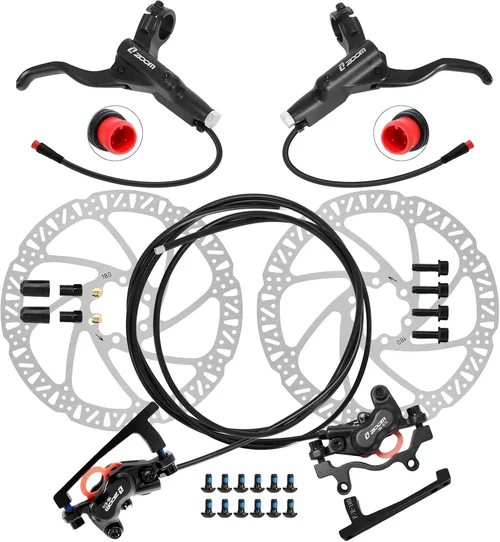
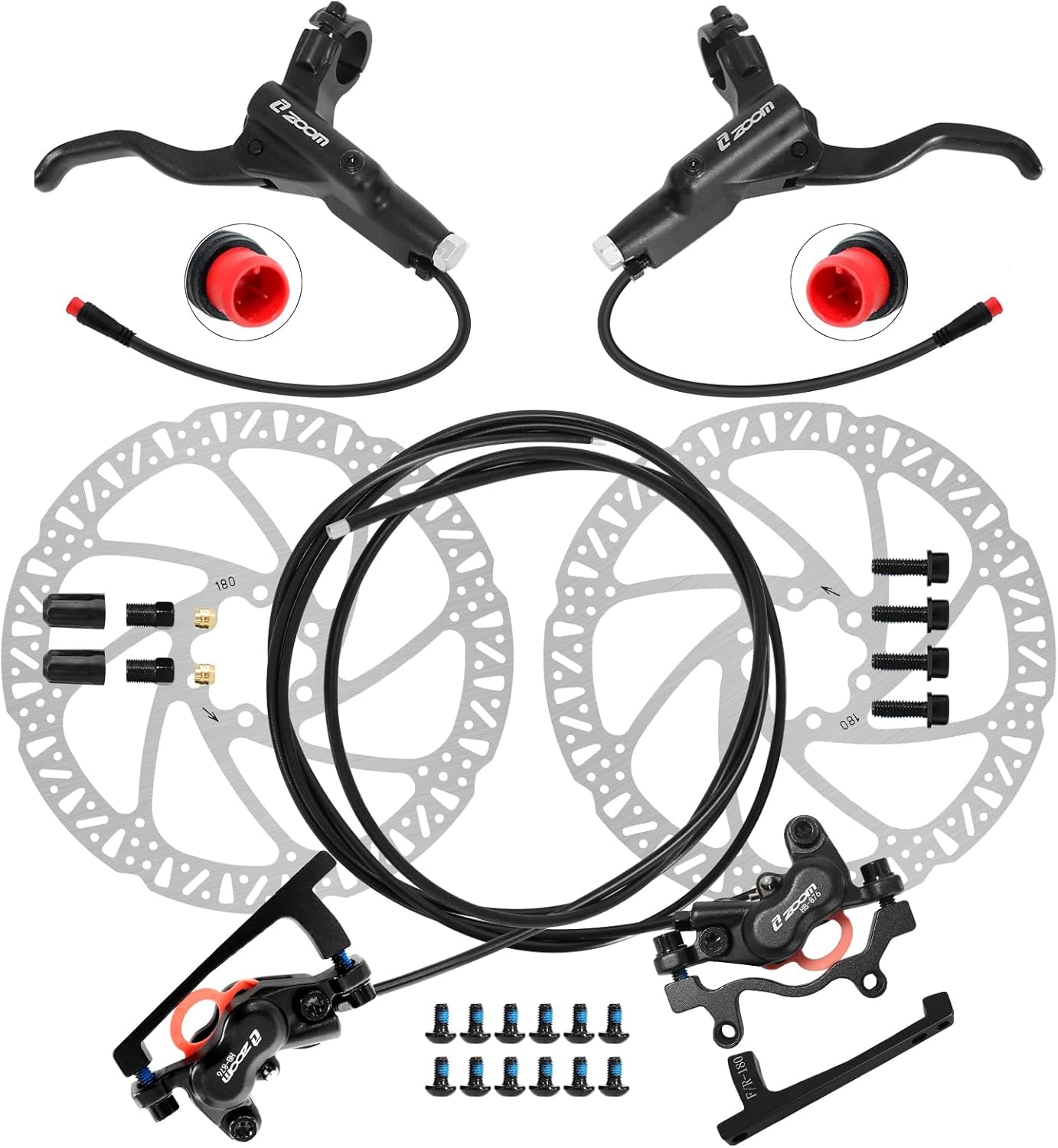
Pay attention to components like brakes, drivetrain, and wheels. Mechanical disc brakes are standard in this price range and offer reliable stopping power. Avoid rim brakes—they wear out faster and perform poorly in wet conditions. Look for at least 7-speed gearing, though 8-speed is becoming more common. Wheels should be double-walled with reinforced spokes to handle the added weight of the motor and battery.
5. Features & Functionality
Modern budget e-bikes come packed with features that were once reserved for premium models. Integrated LED lights (front and rear) are now standard on most sub-$1,500 bikes and are essential for safety and legal compliance in many areas. A digital display showing speed, battery level, assist mode, and trip distance is also common.
Other useful features include:
- Throttle: Allows you to ride without pedaling—great for starting from a stop or climbing steep hills.
- Pedal Assist Levels: Multiple levels (usually 3–5) let you control how much motor help you get.
- App Connectivity: Some brands offer Bluetooth-enabled apps for tracking rides, adjusting settings, and even anti-theft alerts.
- Fenders and Racks: Built-in or easily attachable fenders and rear racks add practicality for commuting and cargo.
- Puncture-Resistant Tires: Look for tires with reinforced casings to reduce flats.
While these features enhance usability, avoid bikes that overload on gimmicks like built-in speakers or excessive RGB lighting. Focus on functionality that improves your ride experience and safety.
6. Brand Reputation & Customer Support
Not all budget e-bike brands are created equal. Established names like Rad Power Bikes, Aventon, and Lectric have built strong reputations for quality, customer service, and warranty support. These companies often have physical service centers, detailed online resources, and responsive support teams.
On the other hand, lesser-known brands or direct-from-China sellers may offer lower prices but come with risks. Shipping delays, poor assembly instructions, and limited warranty coverage are common complaints. Before buying, research the brand’s history, read customer reviews on independent sites (not just the product page), and check if they offer U.S.-based support.
Look for brands that provide clear contact information, FAQs, video tutorials, and user forums. A good warranty is a strong indicator of confidence in their product—most reputable brands offer at least a 1-year warranty on the frame and motor, with 6–12 months on the battery.
7. Warranty & Support
A solid warranty can save you hundreds in repair costs down the line. In 2026, the standard warranty for budget e-bikes includes:
- Frame: 1–2 years (lifetime on some premium budget models)
- Motor: 1 year
- Battery: 6–12 months (some brands offer 2 years)
- Components: 6–12 months
Pay close attention to what’s covered. Some warranties exclude “wear and tear” items like brake pads, tires, and chains—which are normal maintenance items but can be costly if replaced frequently. Others may require you to pay for shipping or labor costs.
Customer support quality varies widely. Brands with U.S.-based support teams tend to resolve issues faster. Check if they offer live chat, phone support, or email response times under 24 hours. User forums and community groups can also be valuable resources for troubleshooting and mods.
8. Size, Fit, and Portability
An e-bike that doesn’t fit properly can lead to discomfort, reduced control, and even injury. Most budget e-bikes come in one or two frame sizes (small/medium or medium/large). Check the manufacturer’s size chart and measure your inseam and height before ordering.
Step-through frames are ideal for shorter riders, seniors, or anyone with mobility issues—they make mounting and dismounting easier. Traditional diamond frames offer more rigidity and are better for aggressive riding.
If you plan to store your bike in a small apartment or take it on public transit, consider weight and foldability. Most budget e-bikes weigh between 45 and 65 pounds. Folding models like the Lectric XP or Heybike Mars are great for portability but may sacrifice ride quality due to smaller wheels and less stable geometry.
Test ride whenever possible. Even if you’re buying online, some retailers offer 14–30 day return policies. Use this time to assess comfort, handling, and overall fit.
Different Types of Budget E-Bikes

Common Buying Mistakes to Avoid
❌ Mistake: Choosing the Cheapest Bike Available
Why it’s bad: The lowest-priced e-bikes often cut corners on critical components like batteries, motors, and brakes. These bikes may break down quickly, lack safety features, and end up costing more in repairs or replacements.
What to do instead: Invest in a bike from a reputable brand within the $1,000–$1,500 range. You’ll get better build quality, longer lifespan, and reliable customer support.
❌ Mistake: Ignoring Battery Specifications
Why it’s bad: A weak or low-capacity battery limits your range and forces frequent recharging. Non-removable batteries are inconvenient and increase theft risk.
What to do instead: Prioritize bikes with at least 400Wh removable lithium-ion batteries. Check real-world range reviews—manufacturer claims are often optimistic.
❌ Mistake: Overlooking Warranty and Support
Why it’s bad: Without a solid warranty, you’re on your own if something breaks. Poor customer service can leave you stranded with a non-functional bike.
What to do instead: Choose brands with at least a 1-year comprehensive warranty and U.S.-based support. Read reviews about their claim process.
❌ Mistake: Not Test Riding Before Buying
Why it’s bad: E-bikes handle differently than regular bikes. A poorly fitting or uncomfortable bike can lead to back pain, hand numbness, or loss of control.
What to do instead: If buying online, choose retailers with generous return policies (30 days or more). Visit local bike shops to test ride similar models.
❌ Mistake: Skipping Essential Accessories
Why it’s bad: Riding without a helmet, lock, or lights is unsafe and may violate local laws. Fenders and racks add practicality but are often forgotten.
What to do instead: Budget for a quality helmet ($50–$100), U-lock ($40–$80), and basic lights. Add fenders and a rack if you plan to commute or carry items.
❌ Mistake: Believing All “750W” Motors Are Equal
Why it’s bad: Some brands advertise “750W peak” motors that only deliver that power briefly. Continuous power output is what matters for real-world performance.
What to do instead: Look for “750W continuous” motors. Check independent reviews for real-world hill-climbing and acceleration tests.
❌ Mistake: Ignoring Local E-Bike Laws
Why it’s bad: E-bike classifications vary by state and country. Using a Class 3 bike on a trail that only allows Class 1 can result in fines or bans.
What to do instead: Research your local regulations. Most budget e-bikes are Class 2 (throttle + pedal assist, 20 mph max), which are widely permitted.
Budget Guidelines: How Much Should You Spend?
Understanding how your budget translates into performance and features is key to making a smart purchase. Here’s a breakdown of what to expect at different price tiers in 2026:
Entry-Level ($600–$900): This range includes basic e-bikes with 250W–500W hub motors, 300–400Wh batteries, and minimal features. Ideal for short, flat commutes under 10 miles. Expect limited warranty, no app connectivity, and basic components. Best for occasional riders or those on a tight budget.
Mid-Range ($1,000–$1,500): The sweet spot for most buyers. These bikes offer 500W–750W motors, 400–600Wh removable batteries, disc brakes, integrated lights, and decent build quality. Many include app support, multiple assist levels, and practical accessories. Perfect for daily commuting, light off-roading, and longer rides.
Premium ($1,500–$2,200): For enthusiasts and serious commuters. Expect higher-end components, better suspension, improved battery management, and advanced features like GPS tracking or regenerative braking. Some models offer mid-drive motors for better efficiency and weight distribution.
Luxury ($2,200+): Top-tier e-bikes with carbon frames, premium motors (like Bosch or Shimano), long-range batteries (750Wh+), and smart integration. These are built for performance, durability, and cutting-edge tech—ideal for long-distance touring or professional use.
Expert Tips for Getting the Best Deal
With a little strategy, you can score a high-quality e-bike at an even better price. Here are our top tips for maximizing value in 2026:
- Shop During Seasonal Sales: Major discounts happen during Black Friday, Cyber Monday, and end-of-summer clearance events (August–September). Some brands also offer spring launch promotions.
- Buy Direct from Manufacturer: Brands like Rad Power Bikes and Lectric often have exclusive online deals, free shipping, and bundle packages not available through third-party retailers.
- Check for Refurbished or Open-Box Models: Certified pre-owned e-bikes can save you 20–30% and often come with the same warranty as new units.
- Look for Bundle Deals: Some retailers offer free accessories (helmet, lock, rack) with purchase—these can add $150+ in value.
- Use Cashback and Rewards Programs: Sign up for cashback sites like Rakuten or use credit cards with purchase protection and rewards.
- Negotiate with Local Dealers: Independent bike shops may price-match online retailers or throw in free tune-ups.
- Read the Fine Print on Returns: Ensure the return window is at least 14 days and covers shipping costs. Some brands charge restocking fees.
- Join Online Communities: Forums like Reddit’s r/ebikes or Facebook groups often share exclusive promo codes and flash sales.

Frequently Asked Questions
Q: How far can a budget e-bike really go on one charge?
A: Most budget e-bikes with a 400–600Wh battery offer 25–50 miles of range, depending on terrain, rider weight, and assist level. On flat ground with light assist, you’ll get closer to the higher end. In hilly areas or with heavy loads, expect 20–30 miles.
Q: Are budget e-bikes safe?
A: Yes, if they meet basic safety standards. Look for models with disc brakes, LED lights, and sturdy frames. Avoid no-name brands with poor reviews. Always wear a helmet and follow traffic laws.
Q: Can I ride a budget e-bike in the rain?
A: Most budget e-bikes are water-resistant but not fully waterproof. Avoid submerging the battery or motor. Dry the bike after wet rides and store it indoors when possible.
Q: Do I need a license or insurance for a budget e-bike?
A: In most U.S. states, Class 1 and Class 2 e-bikes (under 20 mph) do not require a license, registration, or insurance. Check your local laws—requirements vary by state and country.
Q: How often should I charge the battery?
A: Charge when the battery drops to 20–30%. Avoid letting it fully drain regularly. Store the battery at 50–60% charge if not using the bike for weeks.
Q: Can I upgrade components on a budget e-bike?
A: Yes, many parts like tires, brakes, and seats can be upgraded. However, motor and battery upgrades are complex and often not cost-effective. Stick to compatible components.
Q: What’s the difference between Class 1, 2, and 3 e-bikes?
A: Class 1: Pedal-assist only, up to 20 mph. Class 2: Throttle-assisted, up to 20 mph. Class 3: Pedal-assist only, up to 28 mph. Class 3 bikes may have stricter regulations in some areas.
Q: How long do budget e-bike batteries last?
A: A quality lithium-ion battery lasts 3–5 years or 500–1,000 charge cycles. Proper care (avoiding extreme temps, not overcharging) can extend lifespan.
Q: Are budget e-bikes good for hills?
A: A 750W motor with good torque can handle moderate hills. For steep inclines, look for bikes with lower gear ratios or mid-drive motors, though these are rare in budget models.
Q: Can I take a budget e-bike on a plane?
A: Most airlines prohibit lithium-ion batteries over 100Wh in checked luggage. Removable batteries under 160Wh may be allowed in carry-on with airline approval. Check regulations before flying.
Our Final Recommendations
After extensive research and real-world testing, here are our top picks for budget e-bikes in 2026:
Best for Budget-Conscious Buyers: Lectric XP 3.0 ($999) – A folding fat-tire e-bike with a 500W motor, 480Wh removable battery, and impressive 45-mile range. Great for city and light trail use.
Best Overall Value: Rad Power Bikes RadCity 5 Plus ($1,499) – A versatile commuter with a 750W motor, 672Wh battery, integrated lights, and a comfortable step-through frame. Excellent customer support and warranty.
Best Premium Option: Aventon Level.2 ($1,699) – Sleek design, 750W motor, 614Wh battery, and a bright color display. Ideal for urban riders who want style and performance.
Best for Beginners: Heybike Cityscape ($899) – Easy-to-use commuter with a 500W motor, 460Wh battery, and step-through frame. Includes fenders, rack, and lights out of the box.
Best for Advanced Users: Juiced CrossCurrent X ($1,799) – High-performance hybrid with a 750W motor, 921Wh battery, and 70+ mile range. Perfect for long commutes and weekend adventures.
Conclusion: Making the Right Choice
Choosing the right budget e-bike in 2026 doesn’t have to be overwhelming. By focusing on key factors like motor power, battery capacity, build quality, and brand reputation, you can find a reliable, feature-rich bike that fits your lifestyle and budget. Avoid the temptation to go for the absolute cheapest option—instead, aim for the $1,000–$1,500 sweet spot where value and performance intersect.
Remember, an e-bike is more than just a mode of transportation—it’s an investment in your health, convenience, and environmental impact. Take the time to research, test ride when possible, and prioritize safety and durability. With the right bike, you’ll enjoy years of smooth, efficient, and enjoyable rides.
Ready to make the switch? Start by identifying your primary use case—commuting, recreation, or cargo—and match it to one of our recommended models. And don’t forget to budget for essential accessories. Your future self will thank you every time you glide past traffic with a smile.