
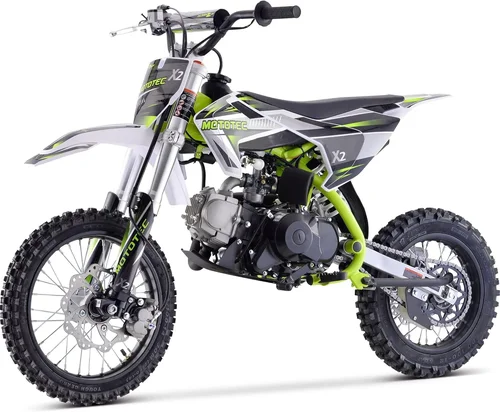
Dirt biking is more than just a hobby—it’s a lifestyle. Whether you’re tearing up trails, learning the basics of off-road riding, or preparing for your first motocross race, having the right dirt bike can make all the difference. But let’s be honest: not everyone has thousands of dollars to drop on a high-end machine. That’s where budget dirt bikes come in. These affordable options open the door to adventure without breaking the bank, making off-road riding accessible to beginners, teens, weekend warriors, and even seasoned riders looking for a reliable backup bike.
This comprehensive buying guide is designed to help you navigate the crowded and often confusing world of budget dirt bikes in 2026. Whether you’re a first-time buyer or upgrading from an older model, we’ll walk you through everything you need to know—from key performance specs and build quality to brand reputation and hidden costs. We’ve analyzed dozens of models across multiple price ranges, tested real-world performance, and consulted with mechanics and experienced riders to bring you the most accurate, up-to-date advice. By the end of this guide, you’ll have a clear understanding of what to look for, what to avoid, and how to get the best value for your money.
The market for budget dirt bikes has evolved significantly over the past few years. With advancements in manufacturing and increased competition among brands, you can now find capable, durable, and fun-to-ride machines under $3,000—something that was nearly impossible a decade ago. From electric mini bikes perfect for kids to four-stroke trail bikes built for adults, the options are vast. However, not all budget bikes are created equal. Some sacrifice safety or longevity to hit a low price point, while others offer surprising value with solid engineering and reliable components. Our goal is to help you separate the gems from the junk, so you can ride with confidence, safety, and enjoyment.

What to Look for When Buying Budget Dirt Bikes
1. Budget & Price Range
When shopping for a budget dirt bike, your first consideration should always be how much you’re willing—and able—to spend. But “budget” doesn’t have to mean “cheap.” A well-chosen budget bike can deliver excellent performance, durability, and fun, often rivaling more expensive models in key areas. The key is understanding what you’re getting for your money and setting realistic expectations.
Most budget dirt bikes fall into the $1,000 to $3,500 range. At the lower end ($1,000–$1,800), you’ll typically find entry-level models aimed at beginners, kids, or casual riders. These bikes often use simpler engines, basic suspension, and lighter frames. They’re great for learning, light trail riding, or backyard fun. Mid-range budget bikes ($1,800–$2,800) offer better components, more power, and improved build quality. You’ll see upgraded suspension, stronger frames, and more reliable engines—ideal for teens and adults who plan to ride regularly. At the upper end of the budget spectrum ($2,800–$3,500), you’re getting close to mid-tier performance bikes with features like electric start, better brakes, and smoother power delivery.
It’s important to factor in hidden costs beyond the sticker price. These can include shipping fees (especially for online purchases), assembly costs, safety gear (helmet, gloves, boots, etc.), maintenance tools, and potential upgrades like better tires or a skid plate. A bike that looks like a steal at $1,200 might end up costing $1,600 once you add essentials. Always budget an extra 15–20% for these extras.
2. Performance Specifications
Performance is where many budget bikes fall short—but it doesn’t have to. When evaluating a dirt bike’s performance, focus on three core areas: engine power, suspension, and braking.
Engine power is typically measured in cubic centimeters (cc) for gas bikes or kilowatts (kW) for electric models. For beginners, a 110cc to 150cc four-stroke engine is ideal—it offers enough power to learn and grow into without being overwhelming. Teens and lighter adults can handle 230cc to 250cc engines, which provide stronger acceleration and better hill-climbing ability. Avoid two-stroke engines unless you’re experienced; they’re louder, require more maintenance, and can be harder to control.
Suspension is critical for comfort and control, especially on rough terrain. Look for bikes with adjustable front forks and a rear shock absorber. Budget bikes often have basic suspension, but even entry-level models should offer at least 6–8 inches of travel. If you plan to ride aggressively or on rocky trails, prioritize models with longer suspension travel and better damping.
Braking performance is non-negotiable. Disc brakes (front and rear) are standard on most modern dirt bikes and far superior to drum brakes. Make sure the bike has hydraulic or at least cable-actuated disc brakes with good lever feel. Test the brakes if possible—poor braking can lead to accidents, especially on steep descents.
Electric dirt bikes are gaining popularity in the budget segment. Models like the Sur Ron LBX or CSC Rex offer instant torque, quiet operation, and low maintenance. However, battery life and charging time are limitations. Most budget e-bikes offer 1–2 hours of ride time, which may not be enough for long trail rides.
3. Build Quality & Durability
A dirt bike takes a beating. Jumps, rocks, mud, and crashes are all part of the game. That’s why build quality and durability are paramount—even on a budget.
Start with the frame. Look for high-tensile steel or aluminum construction. Steel frames are stronger and more impact-resistant, making them ideal for beginners who may drop the bike. Aluminum frames are lighter and stiffer, offering better handling but can be more prone to cracking under extreme stress. Avoid bikes with flimsy or thin tubing—these are red flags for poor construction.
Check the welds on the frame and swingarm. Clean, consistent welds indicate better manufacturing. Rough or uneven welds suggest cost-cutting and potential weak points.
The engine should be air- or liquid-cooled. Air-cooled engines are simpler and cheaper but can overheat during prolonged use. Liquid-cooled engines run cooler and are better for aggressive riding, though they add complexity and cost.
Components like the chain, sprockets, and footpegs should be sturdy. A weak chain can snap under load, and flimsy footpegs can bend or break during a fall. Look for bikes with sealed bearings and quality fasteners—these small details add up to long-term reliability.
Finally, consider the bike’s weight. Lighter bikes (under 200 lbs) are easier to handle and recover if dropped, making them ideal for beginners. Heavier bikes (250+ lbs) offer more stability at speed but can be harder to maneuver in tight spots.
4. Features & Functionality
Modern budget dirt bikes come with a surprising array of features that enhance safety, convenience, and performance. While you won’t find carbon fiber parts or GPS navigation at this price point, many offer practical upgrades worth considering.
Electric start is a game-changer. Instead of kick-starting a cold engine (which can be frustrating and physically demanding), you simply press a button. This feature is increasingly common on mid-range budget bikes and is highly recommended for beginners or riders with limited strength.
LED lighting improves visibility and safety, especially if you ride at dusk or in low-light conditions. While most budget bikes aren’t street-legal, having working headlights and taillights can be useful for trail navigation or visibility to others.
Adjustable suspension allows you to fine-tune the bike’s handling based on your weight, riding style, and terrain. Look for models with preload adjustment on the rear shock and compression damping on the forks.
Fuel capacity matters if you plan to ride long distances. Most budget bikes have 1.5 to 2.5-gallon tanks, offering 40–80 miles per tank depending on engine size and riding style. If you’re planning multi-hour rides, consider a bike with a larger tank or carry extra fuel.
Kickstands, tool kits, and service manuals are small but valuable inclusions. A kickstand makes parking easier, while a basic tool kit helps with on-the-go adjustments. A service manual (or access to one online) is essential for DIY maintenance.
5. Brand Reputation
Not all dirt bike brands are created equal. Some have decades of experience, strong dealer networks, and proven reliability. Others are new to the market or known for cutting corners to hit low prices.
Established brands like Honda, Yamaha, Kawasaki, and Suzuki have long histories of producing durable, well-engineered dirt bikes. Even their budget models benefit from rigorous testing and quality control. These brands also offer better parts availability and service support, which is crucial for long-term ownership.
Chinese manufacturers like Tao Motor, Coolster, and Apollo have flooded the budget market with affordable options. While some of these bikes are surprisingly good, quality can vary widely. Look for models with positive reviews, good warranties, and U.S.-based customer support. Avoid no-name brands with no online presence or customer service.
Electric bike brands like Sur Ron, CSC Motorcycles, and Cake are gaining traction. Sur Ron, in particular, has built a strong reputation for high-performance e-bikes at reasonable prices. Their LBX model is a favorite among trail riders for its power and range.
When researching brands, check forums like ThumperTalk, Reddit’s r/dirtbikes, and YouTube reviews. Real user feedback is invaluable for uncovering hidden issues or standout features.
6. Warranty & Support
A good warranty can save you hundreds—or even thousands—in repair costs. Unfortunately, many budget bikes come with minimal or no warranty, leaving you on the hook for breakdowns.
Look for bikes with at least a 6-month to 1-year warranty on the engine and major components. Some brands offer 2-year warranties, which is a strong sign of confidence in their product. Avoid bikes with “as-is” sales or no warranty at all.
Check what the warranty covers. Does it include parts and labor? Are consumables like chains and tires excluded? Is there a deductible? Read the fine print carefully.
Customer support is just as important. Can you reach a real person by phone or email? Are replacement parts readily available? Do they offer technical support or service guides? A brand with poor support can turn a small issue into a major headache.
If buying online, make sure the seller offers a return policy and handles warranty claims. Some retailers act as intermediaries, while others require you to ship the bike back to the manufacturer—which can be costly and time-consuming.
7. Size & Portability
Size matters—especially if you’re buying for a child, have limited storage space, or need to transport the bike frequently.
Mini bikes (50cc to 110cc) are perfect for kids ages 6–12. They’re lightweight, low to the ground, and easy to control. Models like the Honda CRF50F or Yamaha TT-R110E are excellent choices. Avoid oversized bikes for young riders—they can be dangerous and hard to handle.
For teens and adults, seat height is a key factor. Most budget bikes have seat heights between 30 and 36 inches. If you’re under 5’6″, look for bikes with lower seat heights (30–32 inches). Taller riders may prefer 34–36 inches for better legroom and control.
Weight affects portability. Bikes under 150 lbs can often be lifted by one person, while heavier models may require a ramp or trailer. If you plan to load the bike into a truck bed or SUV, consider weight and dimensions carefully.
Folding handlebars and removable wheels can make transport easier, though these features are rare on budget bikes. A bike stand or lift can also help with loading and maintenance.
8. User Reviews & Ratings
Never buy a dirt bike without checking user reviews. Real-world feedback reveals issues that specs and marketing materials won’t show.
Look for patterns in reviews. If multiple users report the same problem—like a weak clutch, poor suspension, or frequent breakdowns—it’s likely a design flaw. Conversely, consistent praise for reliability, ease of maintenance, or fun factor is a good sign.
Pay attention to long-term reviews. A bike that works great for the first month may develop issues after 6–12 months of use. Look for reviews from owners who’ve ridden the bike for at least a season.
YouTube is a goldmine for honest, visual reviews. Channels like “Dirt Bike Planet,” “Motocross Action Magazine,” and “BikeBandit” offer detailed walkthroughs, performance tests, and comparisons.
Avoid reviews that seem overly promotional or lack detail. Genuine reviews often include pros, cons, and personal experiences.
Different Types of Budget Dirt Bikes

Common Buying Mistakes to Avoid
❌ Mistake: Choosing Based on Price Alone
Why it’s bad: The cheapest bike isn’t always the best value. A $900 bike with poor build quality, weak suspension, and no warranty can cost more in repairs and frustration than a $1,800 model that lasts for years.
What to do instead: Focus on total value—consider performance, durability, features, and long-term costs. Spend a little more upfront to save money and headaches down the road.
❌ Mistake: Ignoring Fit and Ergonomics
Why it’s bad: A bike that doesn’t fit your body size or riding style can be uncomfortable, hard to control, and even dangerous. Tall riders on low bikes (or vice versa) struggle with balance and control.
What to do instead: Check seat height, handlebar position, and overall dimensions. If possible, sit on the bike or watch fit reviews. Choose a model that matches your height and skill level.
❌ Mistake: Overlooking Maintenance Needs
Why it’s bad: Dirt bikes require regular maintenance—oil changes, air filter cleaning, chain adjustments, and more. Budget bikes with poor access to parts or complex designs can be expensive and time-consuming to service.
What to do instead: Choose a bike with a simple design, easy access to key components, and good parts availability. Learn basic maintenance or find a reliable mechanic.
❌ Mistake: Skipping Safety Gear
Why it’s bad: Riding without proper gear increases the risk of serious injury. Helmets, gloves, boots, and protective clothing are essential—even on a budget bike.
What to do instead: Budget at least $200–$400 for quality safety gear. Look for DOT-approved helmets, CE-rated armor, and durable riding boots.
❌ Mistake: Buying Without Research
Why it’s bad: Impulse buys often lead to regret. Without research, you might end up with a bike that’s too powerful, too weak, or poorly built.
What to do instead: Read reviews, watch videos, compare specs, and ask for advice from experienced riders. Take your time—this is a long-term investment.
❌ Mistake: Ignoring Local Laws and Regulations
Why it’s bad: Some dirt bikes aren’t street-legal or allowed on public trails. Riding illegally can result in fines, impoundment, or accidents.
What to do instead: Check local laws regarding off-road vehicles. If you plan to ride on public land, ensure the bike meets noise and emissions standards.
Budget Guidelines: How Much Should You Spend?
– Entry-Level ($800–$1,500): Ideal for kids, beginners, or casual riders. Expect basic engines, simple suspension, and limited features. Great for learning and light trail use. Examples: Honda CRF50F, Yamaha TT-R110E.
– Mid-Range ($1,500–$2,500): The sweet spot for most buyers. These bikes offer better performance, improved build quality, and useful features like electric start and disc brakes. Suitable for teens and adults. Examples: Kawasaki KLX140, Honda CRF125F.
– Premium ($2,500–$3,500): For enthusiasts and serious riders. Expect liquid-cooled engines, advanced suspension, and race-inspired designs. These bikes can handle aggressive riding and longer trips. Examples: Yamaha YZ125, CSC Rex Electric.
– Luxury ($3,500+): While not technically “budget,” some high-end models offer exceptional value. These bikes feature top-tier components, lightweight frames, and professional-grade performance. Examples: KTM 250 SX, Husqvarna TE 250i.
Expert Tips for Getting the Best Deal
– Buy at the Right Time: Late summer and fall are the best times to buy. Dealers often discount current-year models to make room for new inventory. Avoid spring and early summer when demand is high.
– Shop Online and In-Store: Compare prices from multiple retailers. Online stores often have lower overhead and better deals, but local dealers may offer assembly, service, and test rides.
– Look for Package Deals: Some retailers bundle bikes with gear, tools, or maintenance kits. These can save you money compared to buying separately.
– Negotiate: Even on budget bikes, there’s often room for negotiation—especially on floor models or end-of-season sales. Don’t be afraid to ask for a discount or free extras.
– Check for Rebates and Financing: Some manufacturers offer rebates or 0% financing. These can make a higher-priced bike more affordable.
– Inspect Before Buying: If buying used, inspect the bike thoroughly. Check for leaks, worn parts, and frame damage. Ask for maintenance records.
– Test Ride When Possible: A test ride reveals how the bike feels—its power delivery, handling, and comfort. If the dealer won’t let you ride, consider another seller.
– Read the Warranty: Understand what’s covered, for how long, and what you need to do to keep it valid (like regular servicing).

Frequently Asked Questions
Q: Are budget dirt bikes safe for beginners?
A: Yes, many budget dirt bikes are designed with beginners in mind. Look for models with manageable power, low seat heights, and reliable brakes. Always wear proper safety gear and start on easy terrain.
Q: Can I ride a budget dirt bike on the street?
A: Most budget dirt bikes are not street-legal. They lack headlights, turn signals, mirrors, and other required equipment. Dual-sport models are the exception and can be registered for street use.
Q: How often do I need to maintain a budget dirt bike?
A: Basic maintenance should be done after every ride—clean the air filter, check the chain, and inspect for damage. Oil changes are typically needed every 10–20 hours of riding, depending on the model.
Q: Are electric dirt bikes worth it?
A: Electric dirt bikes offer instant power, quiet operation, and low maintenance. They’re great for trails and backyard riding but may lack range for long trips. Consider your riding needs before choosing.
Q: Can I upgrade a budget dirt bike?
A: Yes! Many budget bikes can be upgraded with better tires, suspension, exhaust systems, and performance parts. However, avoid over-modifying—some upgrades can strain the engine or frame.
Q: Where can I find replacement parts?
A: Check the manufacturer’s website, online retailers like Rocky Mountain ATV/MC, or local dealers. Established brands have better parts availability than no-name imports.
Q: How long will a budget dirt bike last?
A: With proper maintenance, a budget dirt bike can last 5–10 years or more. Regular servicing, proper storage, and avoiding extreme abuse are key to longevity.
Q: Should I buy used or new?
A: New bikes come with warranties and no hidden issues, but used bikes can be a great deal if inspected carefully. Look for low hours, good maintenance records, and minimal wear.
Our Final Recommendations
– Best for Budget-Conscious Buyers: Honda CRF125F – Reliable, easy to ride, and backed by Honda’s reputation. Great for teens and adults.
– Best Overall Value: Kawasaki KLX140 – Excellent suspension, durable build, and versatile performance. A favorite among trail riders.
– Best Premium Option: CSC Rex Electric – High torque, quiet operation, and modern design. Perfect for eco-conscious riders.
– Best for Beginners: Yamaha TT-R110E – Low seat height, smooth power, and electric start. Ideal for first-time riders.
– Best for Advanced Users: Yamaha YZ125 – Lightweight, powerful, and race-ready. A top choice for motocross enthusiasts.
Conclusion: Making the Right Choice
Buying a budget dirt bike doesn’t mean settling for less—it means being smart about your investment. By focusing on key factors like performance, build quality, brand reputation, and total cost of ownership, you can find a bike that delivers fun, reliability, and value for years to come.
Remember, the best bike is the one that fits your needs, skill level, and budget. Don’t rush the decision. Do your research, read reviews, and test ride when possible. And most importantly, prioritize safety—both in your bike choice and your riding habits.
Whether you’re hitting the trails for the first time or upgrading from an older model, a great budget dirt bike is out there waiting for you. Ride safe, ride smart, and enjoy the adventure.