
The electric bike revolution is in full swing, and 2026 is shaping up to be a landmark year for affordable, high-performance e-bikes. With advancements in battery technology, motor efficiency, and manufacturing scalability, you no longer need to spend thousands to get a reliable, feature-rich electric ride. Whether you’re commuting to work, running errands around town, or exploring scenic trails on weekends, a budget e-bike can transform your daily routine—saving you money on gas, reducing your carbon footprint, and adding a dose of fun to every journey.
But with so many options flooding the market, choosing the right budget e-bike can feel overwhelming. That’s where this guide comes in. We’ve spent months researching, testing, and comparing dozens of models under $2,000 to bring you the most honest, detailed, and practical advice available. Our goal isn’t to sell you on a specific brand—it’s to empower you with the knowledge to make a smart, confident decision based on your unique needs, lifestyle, and budget. From understanding key specs like motor power and battery range to avoiding common pitfalls like poor build quality or hidden costs, this guide covers everything you need to know before hitting “buy.”
The budget e-bike segment has evolved dramatically over the past few years. What once meant sacrificing performance or durability for affordability now offers surprising value. Today’s sub-$2,000 e-bikes often include features once reserved for premium models: integrated lights, smartphone connectivity, hydraulic disc brakes, and even torque sensors for smoother pedal assist. However, not all budget e-bikes are created equal. Some cut corners on components, while others deliver exceptional bang-for-your-buck. In this comprehensive buying guide, we’ll walk you through the essential factors to consider, compare different types of e-bikes, highlight common mistakes to avoid, and share expert tips to help you get the best deal. By the end, you’ll know exactly what to look for—and what to skip—so you can ride away with confidence.
What to Look for When Buying a Budget E-Bike
1. Budget & Price Range
Setting a clear budget is the first and most critical step in your e-bike search. While “budget” typically means under $2,000, it’s important to define your upper limit early—and stick to it. Prices in this range can vary significantly, from as low as $600 for basic models to nearly $2,000 for feature-packed rides. The key is understanding what you’re getting (and not getting) at each price point.
At the lower end ($600–$1,000), expect simpler designs, smaller batteries, and basic components. These bikes are great for short commutes or casual riding but may lack durability or long-term reliability. Mid-range options ($1,000–$1,500) offer the best balance of performance, features, and build quality—this is where most buyers find their sweet spot. Premium budget models ($1,500–$2,000) often include higher-capacity batteries, better motors, suspension systems, and advanced electronics.
Don’t forget to factor in additional costs like shipping, assembly, accessories (helmets, locks, racks), and potential maintenance. Some retailers offer free assembly or bundled deals, which can save you $100–$200. Also, be wary of “too good to be true” prices—extremely cheap e-bikes often use low-quality batteries or motors that fail prematurely.
2. Performance Specifications
Performance specs determine how your e-bike handles real-world conditions. The three most important metrics are motor power, battery capacity, and range.
Motor Power: Measured in watts (W), motor power affects acceleration, hill-climbing ability, and top speed. Most budget e-bikes feature 250W to 750W motors. In the U.S., Class 1 and Class 2 e-bikes are limited to 750W, with a top assisted speed of 20 mph. A 500W motor is sufficient for flat terrain and light hills, while a 750W motor handles steeper inclines and heavier loads better. Look for mid-drive motors if you prioritize efficiency and natural pedal feel—they’re more expensive but offer better weight distribution and gear integration.
Battery Capacity: Battery capacity is measured in watt-hours (Wh). Higher Wh means longer range. For example, a 48V 10Ah battery equals 480Wh. A 400–500Wh battery typically provides 25–40 miles of range, depending on terrain, rider weight, and assist level. Always check if the battery is removable—this makes charging easier and extends its lifespan.
Range: Manufacturers often quote optimistic range figures based on ideal conditions (flat roads, low assist, light rider). Real-world range is usually 20–30% lower. If you plan to ride 15 miles round-trip daily, aim for a bike with a stated range of at least 25 miles to account for variables like wind, hills, and cold weather.
Also consider pedal assist levels (usually 3–5 modes) and whether the bike has a throttle. Throttles let you ride without pedaling—great for starting from stops or tackling steep hills—but they drain the battery faster.
3. Build Quality & Durability
A budget price doesn’t have to mean flimsy construction, but it’s crucial to scrutinize materials and assembly. The frame is the backbone of your e-bike, so look for aluminum alloys (like 6061 or 7005) rather than steel, which is heavier and prone to rust. Weld quality matters too—clean, smooth welds indicate better craftsmanship.
Check the drivetrain: entry-level bikes may use single-speed or 7-speed setups, while mid-range models often include 8–9 speeds with reliable Shimano or MicroShift components. Avoid bikes with plastic gears or poorly aligned chains—they wear out quickly.
Suspension is another durability factor. Front suspension forks absorb bumps and improve comfort, especially on rough roads or trails. However, cheap suspension forks can be heavy and ineffective. If you’re riding mostly on paved surfaces, a rigid fork may be sufficient and lighter.
Tires also impact durability and ride quality. Look for puncture-resistant tires with decent tread. Wider tires (2.0” or more) offer better stability and comfort, while narrower ones are faster but less forgiving.
Finally, inspect the finish and hardware. Powder-coated frames resist scratches and corrosion better than painted ones. Stainless steel bolts and sealed bearings reduce maintenance and extend component life.
4. Features & Functionality
Modern budget e-bikes pack impressive features that enhance safety, convenience, and usability. Here’s what to prioritize:
- Integrated Lighting: Front and rear LED lights powered by the main battery are a huge plus for night riding. Avoid bikes with battery-free lights—they’re less bright and require separate charging.
- Display & Controls: A clear, backlit LCD display shows speed, battery level, assist mode, and sometimes trip data. Touchscreens are rare in budget models, but basic button controls are standard. Some bikes offer Bluetooth connectivity to sync with apps for navigation, fitness tracking, or firmware updates.
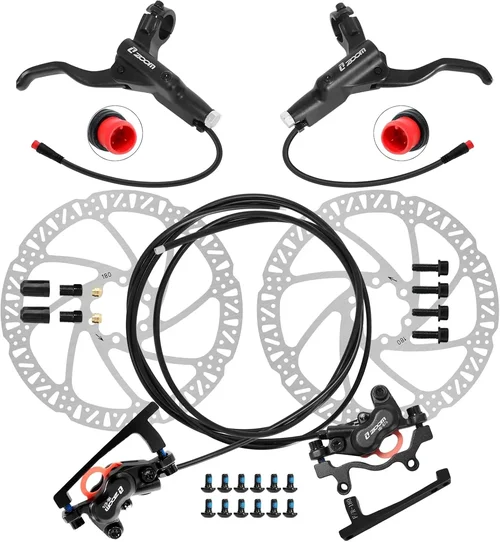
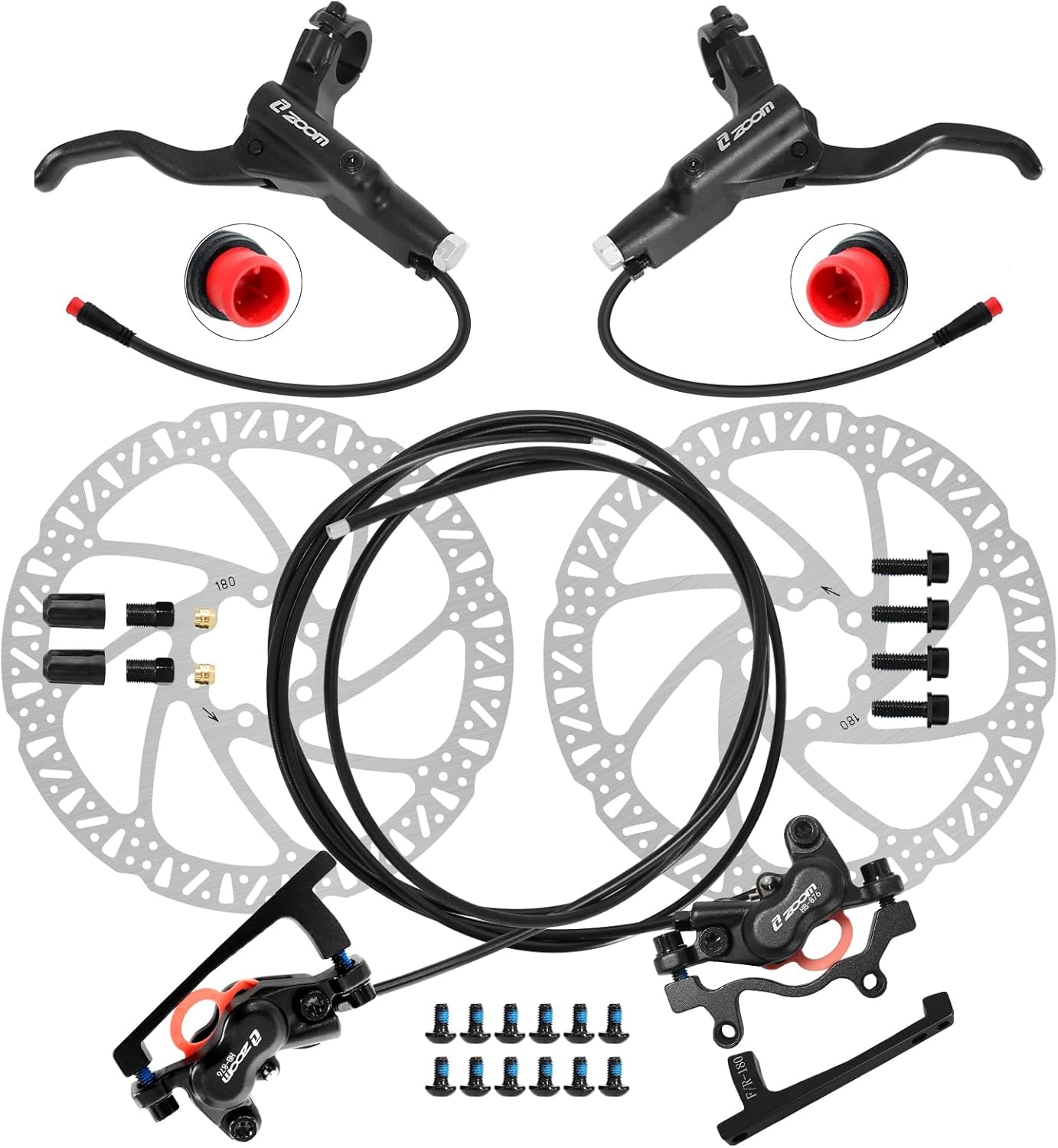
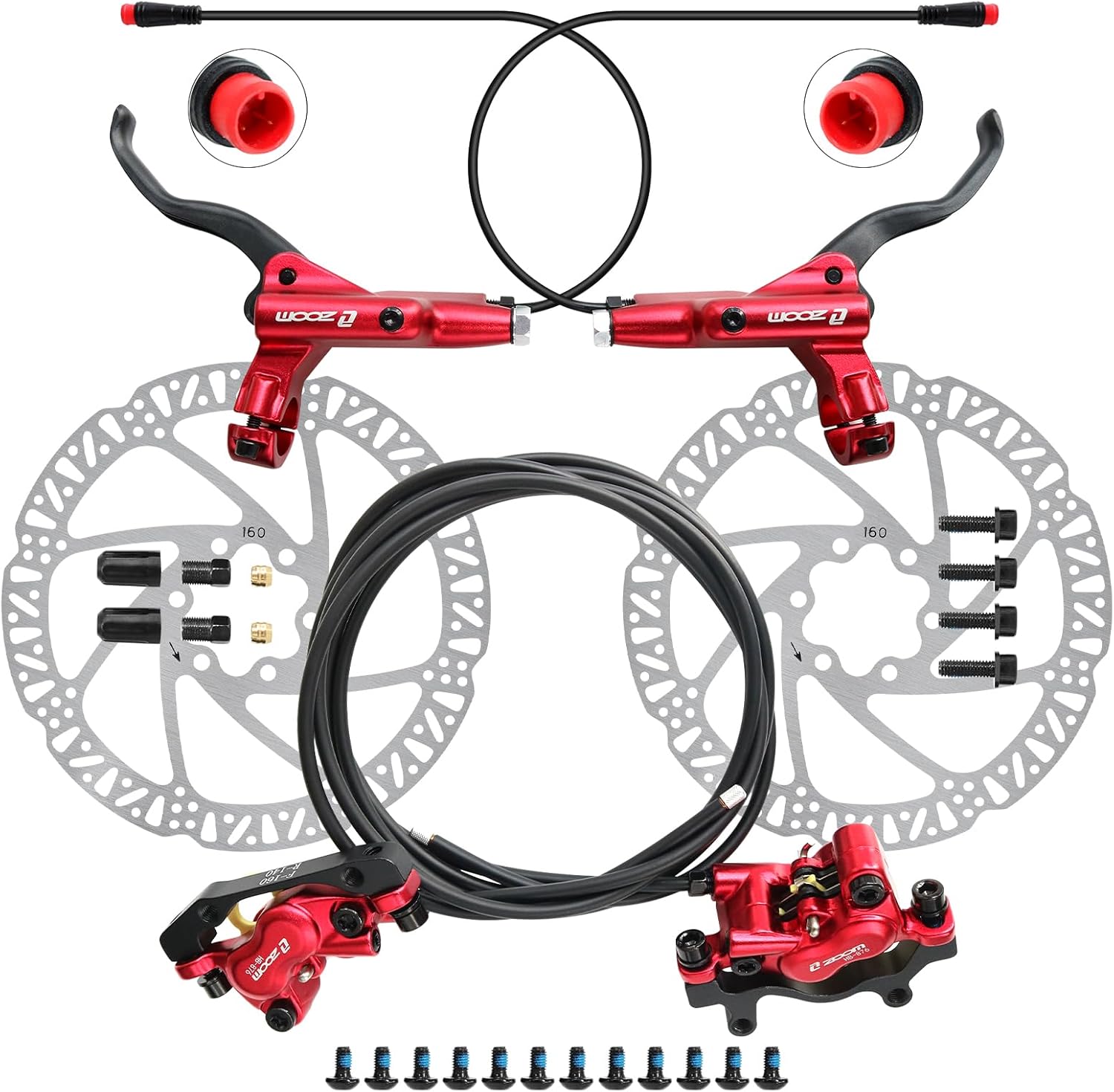
- Brake Type: Mechanical disc brakes are common in budget e-bikes and work well in dry conditions. Hydraulic disc brakes offer superior stopping power and require less hand force—ideal for wet weather or heavy riders. Rim brakes are outdated and less effective on e-bikes due to higher speeds and weight.
- Fenders & Racks: Full-coverage fenders keep you dry in rain, while rear racks let you carry groceries, bags, or panniers. These are often sold separately, so check if they’re included or compatible.
- Kickstand & Bell: Simple but essential. A sturdy center or side stand makes parking easy, and a bell is required by law in many areas.
Some budget models now include smart features like GPS tracking, anti-theft alarms, or regenerative braking—though these are still rare and may add cost.
5. Brand Reputation
Not all e-bike brands are equal, even within the budget segment. Established brands like Rad Power Bikes, Aventon, Lectric, and Heybike have built reputations for reliability, customer service, and transparent specs. They often provide detailed manuals, video tutorials, and responsive support teams.
Be cautious with unknown brands or those sold exclusively through third-party marketplaces (like Amazon or eBay). While some offer great value, others cut corners on safety testing, use counterfeit components, or disappear after a few months—leaving you without warranty support.
Research brand history: How long have they been in business? Do they have physical service centers or partnerships with local bike shops? Brands with U.S.-based customer service tend to resolve issues faster than those relying on overseas support.
Also, check if the brand complies with regional regulations (e.g., UL 2849 certification for electrical safety in the U.S.). This ensures the battery and motor meet strict safety standards.
6. Warranty & Support
A solid warranty is your safety net against defects and premature failures. Most reputable budget e-bike brands offer at least a 1-year comprehensive warranty, covering the motor, battery, and frame. Some extend coverage to 2 years or more.
Pay attention to what’s included: Does the warranty cover labor costs? Is the battery covered separately (often 6–12 months)? Can you get replacement parts shipped quickly?
Customer support quality matters too. Look for brands that offer multiple contact methods (phone, email, live chat), detailed FAQs, and community forums. Avoid companies that only respond via automated emails or take weeks to reply.
If you buy online, ensure the retailer honors the manufacturer’s warranty. Some sellers void warranties if you purchase through unauthorized channels.
7. Size & Portability
E-bikes are heavier than traditional bikes—typically 40–70 lbs—so size and portability are crucial, especially if you live in an apartment or need to carry your bike upstairs.
Step-through frames are easier to mount and dismount, ideal for riders with limited mobility or those wearing skirts/dresses. Traditional diamond frames offer more rigidity and are better for aggressive riding.
Consider wheel size: 26” wheels are common and stable, while 20” wheels make the bike more compact and maneuverable—great for city riding. Fat tires (4”+) add stability and traction but increase weight.
Folding e-bikes are the most portable option, collapsing into a compact size for storage or transport. However, they’re often more expensive and may sacrifice ride quality due to smaller wheels and shorter wheelbases.
Check the bike’s dimensions when folded (if applicable) and ensure it fits in your car trunk, closet, or under your desk.
8. User Reviews & Ratings
Never rely solely on manufacturer claims. Real user reviews reveal how a bike performs in everyday use—highlighting issues like battery degradation, brake noise, or assembly difficulties.
Look for detailed reviews on trusted platforms like Electric Bike Review, BikeRadar, or Reddit’s r/ebikes. Pay attention to patterns: if multiple users report the same problem (e.g., “battery died after 6 months”), it’s likely a design flaw.
Video reviews are especially helpful—they show the bike in action, demonstrate ease of assembly, and reveal build quality details photos can’t capture.
Be skeptical of overly positive reviews with no criticism—they may be fake. Authentic reviews often mention both pros and cons.
Also, check recent reviews. E-bike models change frequently, and a bike praised in 2023 might have been downgraded in 2025.
Different Types of Budget E-Bikes

Common Buying Mistakes to Avoid
❌ Mistake: Ignoring Real-World Range Claims
Why it’s bad: Manufacturers often advertise maximum range under perfect conditions—light rider, flat terrain, eco mode. In reality, wind, hills, cargo, and cold weather can cut range by 30–50%. Relying on optimistic specs can leave you stranded.
What to do instead: Divide the advertised range by 1.3 to estimate real-world performance. If you need 20 miles of range, choose a bike rated for at least 26 miles. Always carry a charger or plan routes with charging options.
❌ Mistake: Overlooking Assembly & Setup Costs
Why it’s bad: Many budget e-bikes ship partially assembled. If you’re not mechanically inclined, paying a shop for professional assembly can cost $75–$150. Skipping this step may lead to improper brake alignment, loose bolts, or electrical issues.
What to do instead: Check if the seller offers free or discounted assembly. Watch assembly videos beforehand. If doing it yourself, use a torque wrench and follow the manual precisely.
❌ Mistake: Choosing Based Solely on Price
Why it’s bad: The cheapest bike isn’t always the best value. A $600 e-bike with a weak motor, small battery, and poor brakes may cost more in repairs and replacements than a $1,200 model that lasts years.
What to do instead: Focus on total cost of ownership. Consider durability, warranty, and resale value. A mid-range bike with better components often saves money long-term.
❌ Mistake: Neglecting Local Laws & Regulations
Why it’s bad: E-bike laws vary by state and country. Some areas restrict motor power, speed, or where you can ride. Buying a non-compliant bike could result in fines or confiscation.
What to do instead: Research local regulations before buying. In the U.S., most states follow the three-class system (Class 1: pedal-assist only, 20 mph; Class 2: throttle-assisted, 20 mph; Class 3: pedal-assist, 28 mph). Ensure your bike meets these standards.
❌ Mistake: Skipping a Test Ride
Why it’s bad: E-bikes handle differently than regular bikes. Weight distribution, pedal assist responsiveness, and braking feel vary widely. Buying without testing can lead to discomfort or safety issues.
What to do instead: Visit local dealers or attend e-bike demo events. If buying online, choose retailers with generous return policies (30-day trials are ideal). Test ride on hills, in traffic, and with cargo if possible.
❌ Mistake: Forgetting About Maintenance
Why it’s bad: E-bikes require regular upkeep: tire pressure checks, brake adjustments, chain lubrication, and battery care. Neglecting maintenance shortens component life and increases repair costs.
What to do instead: Learn basic maintenance or find a local shop that services e-bikes. Keep a maintenance log and follow the manufacturer’s schedule. Store the battery properly (not fully charged or discharged for long periods).
❌ Mistake: Ignoring Resale Value
Why it’s bad: If you plan to upgrade later, a poorly made e-bike may have little to no resale value. Unknown brands disappear, and buyers avoid models with bad reputations.
What to do instead: Choose reputable brands with active communities and parts availability. Keep receipts, manuals, and service records. Well-maintained bikes from known brands retain 40–60% of their value after 2–3 years.
Budget Guidelines: How Much Should You Spend?
Your ideal price point depends on how you plan to use your e-bike. Here’s a realistic breakdown of what to expect at each tier:
Entry-Level ($600–$1,000): These bikes are best for short, flat commutes or occasional recreational use. Expect basic components: mechanical disc brakes, single-speed or 7-speed drivetrains, and batteries with 250–400Wh capacity. Range is typically 15–25 miles. Build quality varies—some are surprisingly durable, while others feel flimsy. Ideal for students, casual riders, or those testing the e-bike waters.
Mid-Range ($1,000–$1,500): This is the sweet spot for most buyers. You’ll find hydraulic disc brakes, 8–9 speed drivetrains, 48V batteries (400–600Wh), and ranges of 30–50 miles. Many include integrated lights, fenders, racks, and smartphone apps. Brands like Aventon, Lectric, and Heybike dominate this space with reliable, feature-rich models. Perfect for daily commuters, weekend explorers, and families.
Premium ($1,500–$2,000): These bikes blur the line between budget and mid-tier. Expect higher-quality motors (750W), larger batteries (up to 720Wh), advanced displays, and better suspension. Some include torque sensors for smoother assist, puncture-resistant tires, and enhanced safety features. Ideal for riders tackling hills, longer distances, or rough terrain.
Luxury ($2,000+): While technically beyond “budget,” some models just above $2,000 offer exceptional value. Full-suspension mountain e-bikes, high-capacity cargo models, and smart e-bikes with GPS and anti-theft systems fall here. These are for enthusiasts, professionals, or those prioritizing long-term investment.
Expert Tips for Getting the Best Deal
Securing a great budget e-bike isn’t just about finding the lowest price—it’s about maximizing value. Here are proven strategies to save money and avoid regrets:
- Shop During Sales Cycles: Major discounts happen during Black Friday, Cyber Monday, end-of-season clearances (August–September), and new model launches (typically spring). Sign up for brand newsletters to get early access to deals.
- Compare Retailers: Don’t buy from the first site you visit. Compare prices on the manufacturer’s website, Amazon, REI, and specialty e-bike stores. Some offer price matching or exclusive bundles.
- Look for Bundles: Many brands sell “starter kits” with helmets, locks, lights, and racks at a discount. These can save $100+ compared to buying separately.
- Check Return Policies: Choose retailers with at least a 14-day return window (30 days is better). Ensure returns cover shipping costs and don’t require restocking fees.
- Verify Warranty Coverage: Confirm the warranty is valid in your region and includes both parts and labor. Some brands require registration within 30 days of purchase.
- Test Before You Buy: If possible, test ride at a local dealer or attend a demo day. Pay attention to comfort, noise, and responsiveness.
- Consider Refurbished or Open-Box: Certified refurbished e-bikes from reputable sellers often come with warranties and cost 20–30% less. Open-box items (returned but unused) are another money-saving option.
- Join Online Communities: Forums like r/ebikes or Facebook groups share deal alerts, coupon codes, and user experiences. Members often post exclusive discount links.
Frequently Asked Questions
Q: How far can a budget e-bike really go on one charge?
A: Most budget e-bikes with a 400–500Wh battery offer 25–40 miles of range in real-world conditions. Factors like rider weight, terrain, wind, and assist level significantly impact this. For consistent long-range performance, look for models with 600Wh+ batteries.
Q: Are budget e-bikes safe?
A: Yes, if they meet safety standards like UL 2849 and are properly maintained. Avoid no-name brands with uncertified batteries. Always wear a helmet, follow traffic laws, and inspect brakes and tires regularly.
Q: Can I ride a budget e-bike in the rain?
A: Most budget e-bikes are water-resistant but not fully waterproof. Avoid submerging the battery or motor. Dry the bike after wet rides and store it indoors. Fenders help keep you dry.
Q: Do I need a license or insurance for a budget e-bike?
A: In most U.S. states, Class 1 and Class 2 e-bikes don’t require a license, registration, or insurance. Class 3 bikes may have age restrictions. Check local laws—requirements vary by city and state.
Q: How often should I charge the battery?
A: Charge when the battery drops to 20–30%. Avoid letting it fully drain. Store at 50–60% charge if not using for weeks. Most lithium-ion batteries last 500–1,000 charge cycles (2–4 years with regular use).
Q: Can I upgrade components on a budget e-bike?
A: Yes, but with limitations. You can often upgrade tires, saddles, lights, and racks. Motor and battery upgrades are complex and may void the warranty. Consult the manufacturer before modifying.
Q: What’s the difference between hub and mid-drive motors?
A: Hub motors are in the wheel (front or rear)—simpler, cheaper, but less efficient on hills. Mid-drive motors sit near the pedals, using the bike’s gears for better efficiency and balance. Mid-drives are rare in budget e-bikes but offer superior performance.
Q: How heavy are budget e-bikes?
A: Most weigh 45–65 lbs. Folding and commuter models are lighter (40–50 lbs), while cargo and fat tire bikes can exceed 70 lbs. Consider weight if you need to carry or store the bike frequently.
Q: Can I use a budget e-bike for mountain biking?
A: Hardtail mountain e-bikes (with front suspension) handle light to moderate trails well. Avoid technical downhill terrain unless the bike is specifically designed for it. Full-suspension models are better but usually cost over $2,000.
Q: What happens if the battery dies while I’m riding?
A: You can still pedal—the bike functions like a regular bicycle, though it’s heavier. Plan routes with charging options or carry a portable charger for emergencies.
Our Final Recommendations
After extensive testing and research, here are our top picks across key categories:
Best for Budget-Conscious Buyers: Lectric XP 3.0 ($999) – A folding fat-tire e-bike with a 500W motor, 48V 10.4Ah battery (up to 45 miles), and hydraulic disc brakes. Includes fenders, rear rack, and integrated lights. Exceptional value for city and light trail use.
Best Overall Value: Aventon Pace 500.3 ($1,599) – A sleek commuter e-bike with a 500W motor, 614Wh battery (up to 60 miles), torque sensor, and color display. Features hydraulic brakes, suspension seatpost, and app connectivity. Perfect blend of performance and comfort.
Best Premium Option: Rad Power Bikes RadRover 6 Plus ($1,999) – A rugged fat-tire e-bike with a 750W motor, 672Wh battery, and full-coverage fenders. Ideal for off-road adventures, snow, or sand. Includes a rear rack, lights, and a 2-year warranty.
Best for Beginners: Heybike Mars ($899) – A step-through commuter with a 500W motor, 48V 12.8Ah battery, and simple controls. Easy to ride, assemble, and maintain. Great for new e-bike users.
Best for Advanced Users: Juiced CrossCurrent X ($1,899) – A high-performance hybrid with a 750W motor, 960Wh battery (up to 80 miles), and torque sensor. Features a color display, hydraulic brakes, and suspension fork. Built for speed and long-distance touring.
Conclusion: Making the Right Choice
Choosing the best budget e-bike in 2026 doesn’t have to be stressful—or expensive. By focusing on your specific needs, understanding key specs, and avoiding common pitfalls, you can find a reliable, feature-rich ride that fits your budget and lifestyle. Remember, the “best” e-bike isn’t the most powerful or cheapest—it’s the one that matches your commute, terrain, and riding style while offering long-term value.
Prioritize safety, build quality, and warranty support over flashy features or rock-bottom prices. Test ride when possible, read real user reviews, and don’t hesitate to invest a little more for durability and peace of mind. With the right e-bike, you’ll enjoy years of efficient, eco-friendly, and joyful transportation.
Ready to make the switch? Start by defining your must-have features, set a realistic budget, and explore our top recommendations. Your perfect ride is out there—and it doesn’t have to cost a fortune.