
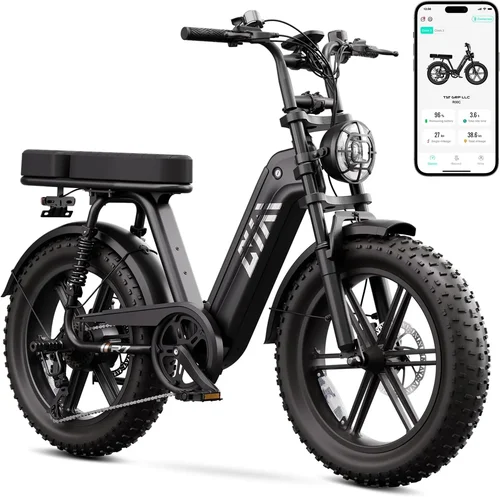
Electric bikes have surged in popularity over the past few years, and for good reason. They offer a sustainable, efficient, and enjoyable way to commute, explore your city, or simply get more active without the strain of traditional cycling. Whether you’re dodging traffic on your way to work, running errands around town, or enjoying weekend adventures on scenic trails, an e-bike can transform your daily routine. But with so many models flooding the market—ranging from ultra-cheap imports to high-end luxury machines—it’s easy to feel overwhelmed, especially if you’re on a budget.
That’s exactly why this guide exists. We’ve done the heavy lifting for you, analyzing dozens of affordable electric bikes across multiple categories, price points, and use cases. Our goal is to help you make a smart, informed decision without overspending. You don’t need to break the bank to get a reliable, feature-rich e-bike that meets your needs. In fact, some of the best value-for-money models are priced well under $1,500. This guide will walk you through everything you need to know—from key performance specs and build quality to hidden costs and long-term ownership tips—so you can ride away confident in your choice.
The affordable e-bike market has evolved dramatically. What used to be a niche filled with clunky, underpowered machines is now brimming with sleek, well-engineered options that rival their pricier counterparts in many ways. Brands like Rad Power Bikes, Aventon, Lectric, and Heybike have disrupted the industry by offering high-quality components, thoughtful design, and strong customer support at accessible price points. Meanwhile, established players like Trek and Specialized have introduced entry-level models to compete. With advancements in battery technology, motor efficiency, and frame materials, today’s budget e-bikes are more capable than ever. Whether you’re a first-time buyer or upgrading from an older model, there’s never been a better time to go electric.

What to Look for When Buying an Affordable Electric Bike
1. Budget & Price Range
Setting a realistic budget is the first and most important step in your e-bike journey. Affordable doesn’t mean cheap—it means getting the best possible value within your financial comfort zone. Most quality entry-level e-bikes fall between $800 and $1,500, while mid-range models typically cost $1,500 to $2,500. It’s tempting to go for the lowest price, but remember: you often get what you pay for. A bike priced under $600 may save you upfront, but it could lack essential safety features, use low-quality batteries, or come with minimal warranty coverage.
When setting your budget, consider not just the sticker price but also long-term costs. Factor in potential maintenance, replacement parts (like tires or brake pads), and whether the bike includes accessories like lights, fenders, or a rack. Some brands bundle these extras, while others sell them separately—adding $100–$200 to your total cost. Also, check if the bike qualifies for local rebates or tax incentives for electric vehicles, which can significantly reduce your effective price.
2. Performance Specifications
Performance is where many budget e-bikes differentiate themselves. The two most critical specs are motor power and battery capacity. Motor power is measured in watts (W), with most affordable e-bikes ranging from 250W to 750W. A 250W motor is sufficient for flat city riding, but if you live in a hilly area or plan to carry heavy loads, opt for at least 500W—ideally 750W for consistent hill climbing and faster acceleration.
Battery capacity is measured in watt-hours (Wh). This number tells you how far you can go on a single charge. For example, a 48V 10Ah battery equals 480Wh. As a rule of thumb, expect about 1 mile of range per 10–15Wh under normal conditions. So a 480Wh battery should give you roughly 30–45 miles, depending on terrain, rider weight, assist level, and weather. Look for lithium-ion batteries (not lead-acid) from reputable manufacturers like Samsung, LG, or Panasonic cells—even if the brand name isn’t visible, reputable e-bike companies use these internally.
Also pay attention to pedal-assist levels and throttle type. Most affordable e-bikes offer 3–5 pedal-assist modes, allowing you to control how much motor help you get. A twist-grip or thumb throttle gives you instant power without pedaling—great for starting from a stop or tackling steep inclines. However, note that throttle-only riding drains the battery faster than pedal assist.
3. Build Quality & Durability
An e-bike is a significant investment, so it needs to withstand daily use. Start by examining the frame material. Aluminum alloy is the standard for affordable e-bikes—it’s lightweight, rust-resistant, and strong enough for most riders. Avoid steel frames unless you need extreme durability (they’re heavier and prone to rust). Check weld quality: clean, smooth joints indicate better craftsmanship.
Components matter too. Look for branded parts like Shimano drivetrains, Tektro or mechanical disc brakes, and puncture-resistant tires (e.g., Schwalbe or Kenda). Hydraulic disc brakes offer superior stopping power but are less common in budget models; mechanical discs are adequate if properly maintained. Suspension is another consideration: front suspension forks improve comfort on rough roads, but full suspension adds weight and cost—usually unnecessary for city commuting.
Don’t overlook small details like cable routing (internal is cleaner and more durable), water resistance rating (IPX4 or higher is ideal), and whether the bike feels stable when test-ridden. A wobbly or flexing frame is a red flag, even if it looks sleek online.
4. Features & Functionality
Modern affordable e-bikes pack surprising features. Integrated LED lights (front and rear) are now common and essential for safety. Fenders protect you from mud and water, while rear racks let you carry groceries, backpacks, or panniers. Some models even include phone mounts, USB charging ports, or Bluetooth connectivity for app-based ride tracking.
Display quality varies widely. Basic LCD screens show speed, battery level, and assist mode—adequate for most users. Color displays with navigation or fitness metrics are rarer in budget bikes but worth seeking if you want more data. Consider ease of use: can you adjust settings with gloves on? Is the screen readable in sunlight?
Other functional aspects include step-through frames (easier mounting for shorter riders or those with mobility issues), folding designs (for compact storage), and tire width. Wider tires (2.0”–2.4”) provide better grip and comfort on uneven surfaces, while narrower ones are faster on pavement.
5. Brand Reputation & Customer Support
With so many new e-bike startups, brand reputation is more important than ever. Established names like Rad Power Bikes, Aventon, and Lectric have built trust through transparent policies, responsive customer service, and active user communities. They often provide detailed manuals, video tutorials, and local dealer networks for repairs.
Avoid unknown brands that vanish after a few months—especially those sold exclusively through third-party marketplaces with no clear contact info. Check independent review sites (like Electric Bike Report or Electrek) and Reddit forums for real user experiences. Look for brands that publish clear spec sheets, not vague marketing fluff like “long-range” without numbers.
Also consider where the bike is assembled and supported. U.S.-based companies typically offer faster shipping, easier returns, and better compliance with local regulations (like UL certification for batteries).
6. Warranty & Support
A solid warranty protects your investment. Most reputable affordable e-bike brands offer at least a 1-year comprehensive warranty covering the motor, battery, and frame. Some go further: Rad Power Bikes provides a 2-year warranty, while Aventon offers 1 year plus extended options. Battery warranties are especially crucial—look for at least 1 year, though 2 years is better given their high replacement cost ($300–$600).
Read the fine print. Does the warranty cover labor? What voids it (e.g., water damage, unauthorized modifications)? Can you get service locally, or must you ship the entire bike? Brands with service centers or certified repair partners make maintenance far easier.
Return policies matter too. A 14–30 day trial period lets you test the bike in real-world conditions. If it doesn’t fit or perform as expected, you can return it without hassle. Avoid sellers with strict “no returns” policies—even if the bike seems perfect online.
7. Size & Portability
E-bikes are heavier than regular bikes—typically 40–70 lbs—so size and portability affect usability. Measure your inseam and compare it to the bike’s standover height (the distance from ground to top tube). You should be able to stand over the frame with both feet flat. Step-through frames lower this height, making them ideal for shorter riders or those with limited flexibility.
If you live in an apartment or need to carry the bike upstairs, consider weight and foldability. Folding e-bikes like the Lectric XP or Heybike Mars are compact and lightweight (under 50 lbs), but often sacrifice range and stability. Non-folding models are generally more robust but harder to store.
Wheel size also impacts handling. 20” wheels are common on folding bikes and offer agility in tight spaces. 26” and 27.5” wheels provide better rollover ability on bumps and are standard on most commuter and hybrid e-bikes. Test ride different sizes to see what feels most natural.
8. User Reviews & Ratings
Never buy an e-bike based solely on specs or ads. Real user feedback reveals hidden flaws and strengths. Look for reviews that mention long-term reliability, customer service interactions, and real-world range (not just manufacturer claims). Pay attention to recurring issues: frequent flat tires, loose bolts, or battery degradation after six months are warning signs.
Check multiple sources—Amazon, YouTube, specialized forums, and brand websites. Be skeptical of overly glowing reviews that read like ads. Genuine users often share photos, videos, and honest pros/cons. If a bike has dozens of 1-star reviews citing the same problem (e.g., “motor failed after 200 miles”), steer clear.
Also consider rider similarity. A review from a 250-lb rider tackling mountain trails isn’t helpful if you’re a 140-lb commuter on flat streets. Filter reviews by your use case whenever possible.
Different Types of Affordable Electric Bikes

Common Buying Mistakes to Avoid
❌ Mistake: Prioritizing Price Over Quality
Why it’s bad: The cheapest e-bikes often use counterfeit batteries, weak motors, and flimsy frames that fail within months. You’ll end up spending more on repairs or replacements than if you’d bought a better model initially.
What to do instead: Set a minimum quality threshold. Even at $1,000, you can get a bike with a UL-certified battery, branded components, and a real warranty. Think of it as investing in reliability.
❌ Mistake: Ignoring Local Laws and Regulations
Why it’s bad: E-bike laws vary by state and country. Some places limit motor power (e.g., 750W max in the U.S.), require helmets, or ban throttles on certain paths. Riding an illegal bike could result in fines or confiscation.
What to do instead: Check your local regulations before buying. Most reputable brands design bikes to comply with regional standards (Class 1, 2, or 3 in the U.S.).
❌ Mistake: Not Test Riding Before Purchase
Why it’s bad: E-bikes handle differently than regular bikes. A model that looks great online might feel unstable, too heavy, or uncomfortable in person.
What to do instead: Visit local dealers or attend e-bike demo events. If buying online, choose retailers with generous return policies (30 days or more).
❌ Mistake: Overlooking Battery Replacement Costs
Why it’s bad: Batteries degrade over time. After 2–4 years, you may need a replacement costing $300–$600. Some budget bikes use proprietary batteries that are hard to source.
What to do instead: Choose brands with standardized, widely available batteries. Ask about replacement options and costs upfront.
❌ Mistake: Buying Based Solely on Range Claims
Why it’s bad: Manufacturers often quote “ideal condition” range (flat terrain, low assist, light rider). Real-world range is usually 30–50% less.
What to do instead: Divide the advertised range by 1.5 to estimate realistic mileage. Also check battery Wh rating—it’s a more reliable indicator than vague “up to X miles” claims.
❌ Mistake: Skipping Insurance or Theft Protection
Why it’s bad: E-bikes are prime targets for theft. Without insurance, losing a $1,500 bike means a total loss.
What to do instead: Register your bike, use a high-quality U-lock, and consider adding e-bike coverage to your homeowner’s or renter’s insurance policy.
❌ Mistake: Assuming All “Affordable” Bikes Are Equal
Why it’s bad: Two bikes at $1,200 can differ drastically in quality. One might have a name-brand motor and battery; the other uses generic parts with no support.
What to do instead: Compare specs side-by-side, read independent reviews, and prioritize brands with transparent sourcing and support.
Budget Guidelines: How Much Should You Spend?
Entry-Level ($600–$900): This tier includes basic models from lesser-known brands or older designs. Expect modest motors (250–500W), smaller batteries (360–400Wh), and minimal features. Build quality may be inconsistent, and warranties are often limited. Best for occasional, light use on flat terrain—but proceed with caution. Only consider if you’re certain about the brand’s reputation.
Mid-Range ($900–$1,500): The sweet spot for most buyers. Bikes here offer reliable 500–750W motors, 480–600Wh batteries, and solid components from trusted suppliers. You’ll find integrated lights, fenders, racks, and decent displays. Brands like Lectric, Heybike, and Aventon shine in this range. Ideal for daily commuting, errands, and moderate hills.
Premium ($1,500–$2,500): For enthusiasts and frequent riders. These bikes feature higher-capacity batteries (600–720Wh), hydraulic disc brakes, advanced displays, and better suspension. Frame quality improves, and brands like Rad Power Bikes and Ride1Up dominate here. Great for longer commutes, cargo hauling, or mixed-terrain adventures.
Luxury ($2,500+): Top-tier performance with cutting-edge tech: torque sensors, smartphone integration, carbon frames, and ultra-long range. While not “affordable” by strict definition, some models (like the Trek Allant+ 7S) offer exceptional value for serious riders. Only necessary if you demand maximum performance or plan heavy daily use.
Expert Tips for Getting the Best Deal
- Shop during seasonal sales: Major discounts happen around Black Friday, New Year, and spring launch periods (March–April). Many brands clear inventory to make room for new models.
- Buy directly from the manufacturer: Brands like Rad Power Bikes and Lectric often offer exclusive deals, free shipping, and bundle discounts (e.g., free helmet or lock) when you order from their website.
- Check for refurbished or open-box deals: Certified pre-owned e-bikes from reputable sellers can save you 20–30% with full warranty coverage.
- Negotiate add-ons: If buying from a local dealer, ask for free accessories (lights, locks, racks) instead of a price reduction—they cost the dealer little but add value for you.
- Read the return policy carefully: Ensure you can return the bike if it doesn’t fit or perform as expected. Some retailers charge restocking fees or deduct shipping costs.
- Test ride multiple models: Visit local shops or attend e-bike expos. Feeling the ride quality firsthand is irreplaceable.
- Join owner communities: Facebook groups and Reddit forums (like r/ebikes) often share exclusive promo codes or early access to sales.
- Consider financing options: Some brands offer 0% APR financing for 6–12 months, letting you spread payments without interest.
Frequently Asked Questions
Q: How far can an affordable e-bike really go on one charge?
A: Realistic range depends on battery size, terrain, rider weight, and assist level. A typical 480Wh battery delivers 25–40 miles. Use the rule of thumb: divide battery Wh by 12 to estimate miles (e.g., 480Wh ÷ 12 = 40 miles). Always expect less in hilly areas or with heavy loads.
Q: Are cheap e-bikes safe?
A: Safety depends on build quality and certifications—not price alone. Look for UL 2849 certification (for electrical systems) and ISO 4210 compliance (for mechanical safety). Avoid bikes with no safety markings or vague origin details.
Q: Can I ride an e-bike in the rain?
A: Most modern e-bikes are water-resistant (IPX4 or higher), meaning they can handle light rain and splashes. However, avoid submerging the battery or motor. Dry the bike after wet rides and store it indoors when possible.
Q: Do I need a license or insurance to ride an e-bike?
A: In most U.S. states, Class 1 and 2 e-bikes (pedal-assist only or throttle up to 20 mph) require no license or insurance. Class 3 (up to 28 mph) may have age restrictions. Check your local laws—requirements vary globally.
Q: How often do I need to charge the battery?
A: Charge after each ride if possible, but avoid letting the battery drop below 20% regularly. Lithium-ion batteries last longest when kept between 20% and 80%. Never leave a fully depleted battery unused for weeks.
Q: Can I upgrade components on a budget e-bike?
A: Yes, but with limits. Tires, seats, and lights are easy upgrades. Motors and batteries are usually integrated and not user-replaceable. Stick to bolt-on accessories unless you’re experienced with e-bike mechanics.
Q: What’s the difference between hub and mid-drive motors?
A: Hub motors (in the wheel) are common in affordable e-bikes—simple, quiet, and cost-effective. Mid-drive motors (near the pedals) offer better weight distribution and efficiency but are pricier. For city riding, hub motors are perfectly adequate.
Q: How heavy is too heavy for an e-bike?
A: Most riders can manage bikes up to 60 lbs. If you need to carry it upstairs or onto public transit, aim for under 50 lbs. Folding models are usually lighter but less stable.
Q: Will my e-bike work in winter?
A: Yes, but cold reduces battery efficiency. Store the battery indoors when not in use, and allow it to warm up before riding. Fat-tire e-bikes handle snow better than standard models.
Q: How do I maintain my e-bike?
A: Regular maintenance includes checking tire pressure, tightening bolts, cleaning the chain, and inspecting brakes. Service the motor and battery according to the manual—usually annually. Most issues are preventable with basic care.
Our Final Recommendations
Best for Budget-Conscious Buyers: Lectric XP 3.0 ($999) – A folding fat-tire e-bike with 500W motor, 48V 10.4Ah battery (50+ mile range), and impressive build quality. Includes lights, fenders, and a rear rack. Perfect for urban adventurers who need portability without sacrificing capability.
Best Overall Value: Aventon Pace 500.3 ($1,499) – Combines sleek design with a 500W motor, 614Wh battery, hydraulic disc brakes, and a bright color display. Step-through and step-over versions available. Excellent for daily commuting with style and reliability.
Best Premium Option (Under $2,000): Rad Power Bikes RadCity 5 Plus ($1,799) – A versatile commuter with 750W motor, 672Wh battery, full suspension, and integrated accessories. Built for comfort and durability, ideal for longer rides and varied terrain.
Best for Beginners: Heybike Cityscape ($899) – Simple, reliable, and easy to ride. Features a 500W motor, 48V 12Ah battery, step-through frame, and all essential accessories. Great first e-bike with minimal learning curve.
Best for Advanced Users: Ride1Up Roadster V2 ($1,295) – A lightweight, belt-drive e-bike with 750W motor and 30+ mile range. Minimalist design, high-speed capability (28 mph), and low maintenance. Ideal for fitness-focused riders who want efficiency and speed.
Conclusion: Making the Right Choice
Choosing the right affordable electric bike isn’t just about finding the cheapest option—it’s about matching your lifestyle, needs, and budget to a machine that will serve you reliably for years. We’ve covered the critical factors: from motor and battery specs to build quality, warranty, and real-world usability. Remember, the best e-bike is the one you’ll actually ride. A slightly more expensive model with better ergonomics and features may encourage daily use, while a cheaper, uncomfortable bike might collect dust in the garage.
Prioritize your must-haves. If you commute daily, focus on range, comfort, and weather protection. If you live in a hilly area, invest in a stronger motor. If storage is tight, consider a folding design. And always buy from a brand that stands behind its product with solid support and transparent policies.
The e-bike revolution is here, and you don’t need to spend a fortune to join it. With the insights from this guide, you’re equipped to navigate the market confidently, avoid common pitfalls, and find a bike that delivers exceptional value. So take the leap—your future self will thank you every time you glide past traffic, breathe in the fresh air, and enjoy the freedom that only an electric bike can provide. Happy riding!