
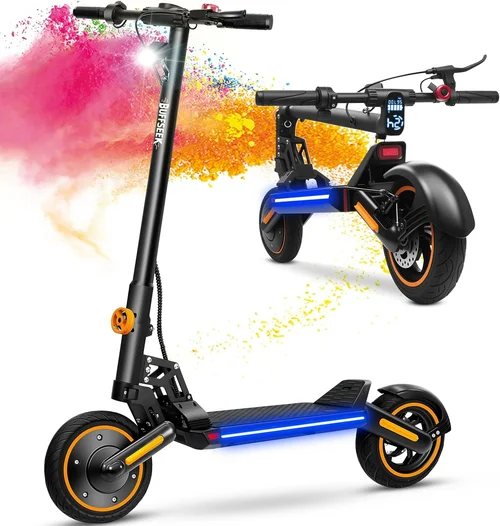
Electric scooters have evolved from niche urban curiosities into serious transportation solutions for adults. Whether you’re commuting to work, running errands, or simply exploring your city, a quality electric scooter can save time, reduce stress, and even cut down on transportation costs. With advancements in battery technology, motor efficiency, and smart features, today’s adult electric scooters are more capable—and accessible—than ever before.
But with so many models flooding the market, choosing the right one can feel overwhelming. Prices range from under $300 to well over $2,000, and specs vary wildly. Some promise long-range adventures, while others prioritize portability. Some boast rugged off-road capabilities, while others are designed purely for smooth city streets. This guide cuts through the noise. We’ll walk you through every critical factor—from performance and build quality to budget and brand reputation—so you can make a confident, informed decision. By the end, you’ll know exactly what to look for, what to avoid, and which scooter best fits your lifestyle.
The adult electric scooter market in 2026 is more competitive and innovative than it’s ever been. Major brands like Xiaomi, Segway-Ninebot, Apollo, and Unagi continue to push boundaries, while newer entrants bring fresh designs and aggressive pricing. At the same time, consumer expectations have risen: riders want longer range, faster speeds, better suspension, and smarter connectivity—all without sacrificing safety or durability. This guide reflects the current landscape, incorporating real-world testing insights, expert analysis, and user feedback to deliver a comprehensive, up-to-date resource for anyone ready to invest in their first—or next—electric scooter.

What to Look for When Buying an Adult Electric Scooter
1. Budget & Price Range
Your budget is the single most important starting point. Electric scooters for adults span a wide price spectrum, and understanding what you’re willing to spend will immediately narrow your options. Entry-level models typically start around $250–$400, offering basic functionality for short commutes or casual use. Mid-range scooters ($500–$1,000) deliver significantly better performance, build quality, and features. Premium models ($1,000–$2,000) often include high-capacity batteries, powerful motors, advanced suspension, and smart tech. Luxury or performance-oriented scooters can exceed $2,000 and are built for enthusiasts or daily heavy-duty use.
Don’t assume that spending more always means better value. A $300 scooter might be perfect for a student with a short campus commute, while a $1,500 model could be overkill. Conversely, skimping too much can lead to frustration—cheap scooters often suffer from poor battery life, weak motors, and flimsy frames. Set a realistic budget based on your usage needs, and remember to factor in potential long-term savings on gas, parking, or public transit.
2. Performance Specifications
Performance is where many buyers get tripped up by marketing hype. Key specs include motor power (measured in watts), top speed, range, and hill-climbing ability. Motor power typically ranges from 250W (entry-level) to 2,000W+ (high-performance). A 350W–500W motor is sufficient for flat city riding, but if you live in a hilly area, aim for at least 800W. Top speed matters too—most adult scooters reach 15–25 mph, with performance models hitting 30+ mph. However, higher speeds often come at the cost of range and safety, so balance your needs.
Range is arguably the most misunderstood spec. Manufacturers often quote “ideal condition” ranges based on light riders, flat terrain, and minimal acceleration. In reality, expect 60–80% of the advertised range under normal use. If you need to travel 10 miles round-trip daily, choose a scooter rated for at least 15–18 miles. Also consider hill grade: a scooter that struggles on a 10% incline won’t serve you well in cities like San Francisco or Seattle.
3. Build Quality & Durability
A scooter is only as good as its construction. Look for a robust frame made from aircraft-grade aluminum or reinforced steel—avoid plastic-heavy designs. Check the weight capacity: most adult scooters support 220–300 lbs, but heavier riders should verify this spec. The deck should be wide and grippy enough for stable footing, and the handlebars should feel solid, not wobbly.
Durability also extends to components like the stem, folding mechanism, and wheel hubs. A poorly designed fold can loosen over time, creating safety hazards. Test the folding action if possible—it should lock securely and unfold smoothly. Water resistance is another key factor. While few scooters are fully waterproof, an IP54 or IPX4 rating means they can handle light rain and splashes. Avoid riding in heavy downpours unless your model is specifically rated for it (e.g., IPX6 or higher).
4. Features & Functionality
Modern electric scooters come packed with features that enhance convenience, safety, and usability. Essential features include a bright headlight and taillight (with brake activation), a clear digital display showing speed, battery level, and mode, and responsive electronic or disc brakes. Regenerative braking, which recaptures energy during deceleration, can extend range and reduce wear on mechanical brakes.
Smart features are increasingly common. Bluetooth connectivity allows you to lock/unlock the scooter, track rides via app, and even customize speed modes. Some models include GPS tracking, anti-theft alarms, or integrated phone mounts. Suspension systems—either front, rear, or dual—greatly improve ride comfort on uneven pavement. Pneumatic (air-filled) tires offer superior shock absorption compared to solid rubber, though they require occasional maintenance.
5. Brand Reputation
Not all brands are created equal. Established names like Segway-Ninebot, Xiaomi, and Apollo have proven track records for reliability, customer service, and innovation. They invest in R&D, offer better warranties, and maintain robust spare parts networks. Lesser-known or no-name brands might offer tempting prices, but they often cut corners on materials, testing, and support.
Research brand history: How long have they been in the e-scooter space? Do they respond to customer complaints? Are replacement parts readily available? User forums, Reddit communities, and YouTube reviews can reveal patterns—like recurring battery failures or poor售后 support. A reputable brand may cost more upfront but pays dividends in peace of mind and longevity.
6. Warranty & Support
A solid warranty is a strong indicator of a manufacturer’s confidence in their product. Most reputable brands offer at least a 12-month warranty covering the motor, battery, and frame. Some extend this to 18 or 24 months, while premium models may include extended battery coverage (e.g., 2 years). Read the fine print: many warranties exclude wear items like tires, brakes, or the charging port.
Customer support matters just as much. Can you easily reach a human? Is there a local service center? Do they offer troubleshooting guides or video support? Brands with strong U.S.-based support (like Unagi or Apollo) tend to resolve issues faster than those relying solely on overseas centers. Before buying, check if the company honors returns and offers repair services—not just replacements.
7. Size & Portability
If you plan to carry your scooter on public transit, store it under a desk, or lift it upstairs, portability is crucial. Weight typically ranges from 20 lbs (ultra-compact) to 50+ lbs (performance models). Folding mechanisms should be quick and secure—look for one-hand operation if possible. Handlebar width and deck size affect how easily it fits in tight spaces.
Consider your storage situation. A scooter that’s too long or heavy becomes a burden, not a convenience. Some models feature telescoping stems or removable batteries to enhance portability. If you’re commuting via subway or bus, measure the scooter’s folded dimensions against typical aisle widths. Also, check if the handlebars fold down or if the stem collapses fully—these small details make a big difference in real-world usability.
8. User Reviews & Ratings
Spec sheets tell one story; real user experiences tell another. Always consult verified purchase reviews on Amazon, Best Buy, or specialty retailers like Fluid Mobility or Scooter Hut. Look for patterns: multiple reports of battery degradation after 6 months, stem wobble, or app connectivity issues are red flags. Pay attention to reviews from users with similar weight, commute distance, and terrain as you.
Be wary of overly positive or generic reviews—they may be incentivized or fake. Instead, focus on detailed accounts that mention specific pros and cons. YouTube reviews are especially valuable, as you can see the scooter in action, hear motor noise, and observe braking performance. Channels like Electric Scooter Insider or Micromobility Industries often provide balanced, hands-on testing.
Different Types of Adult Electric Scooters
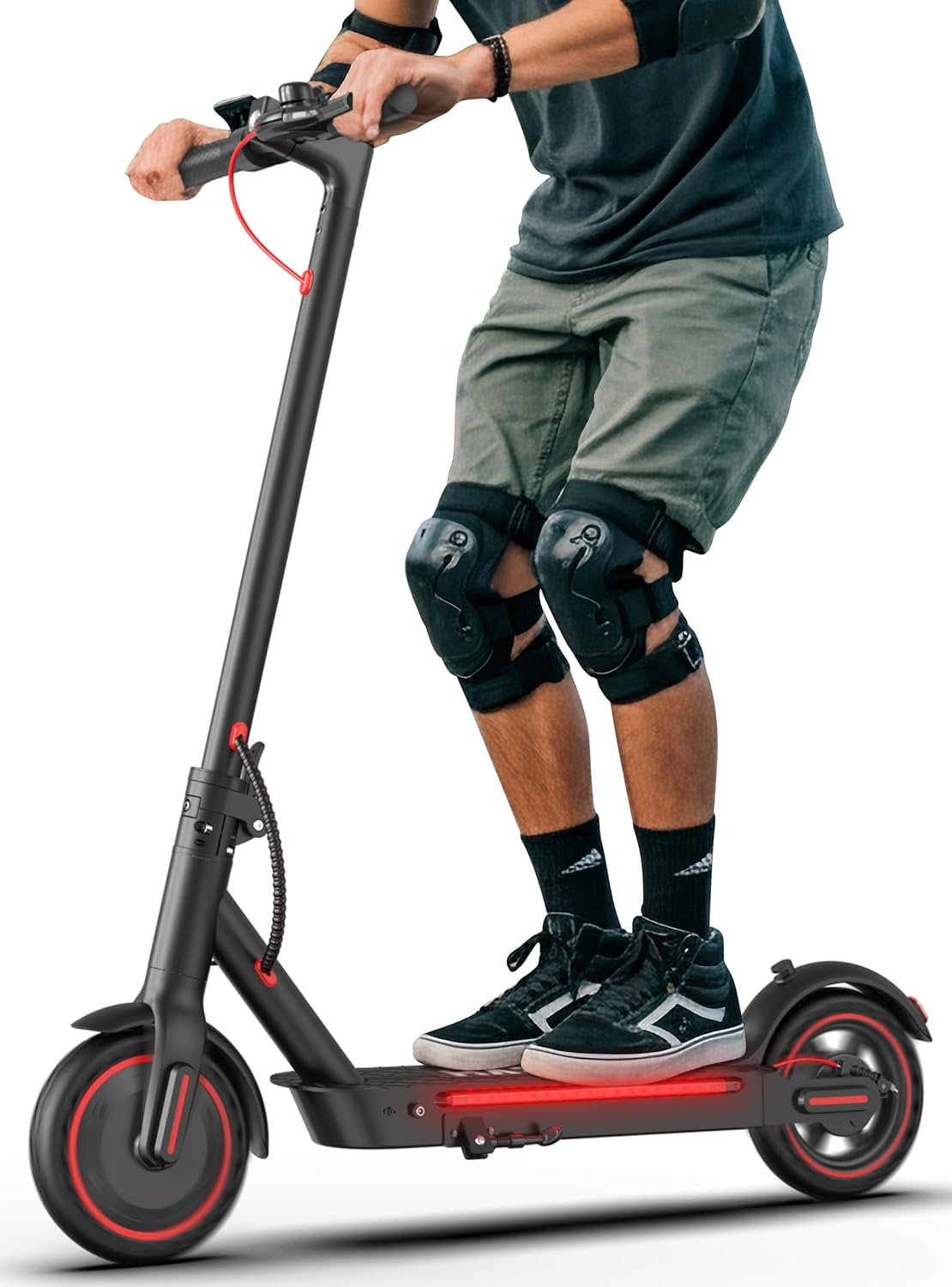
Common Buying Mistakes to Avoid
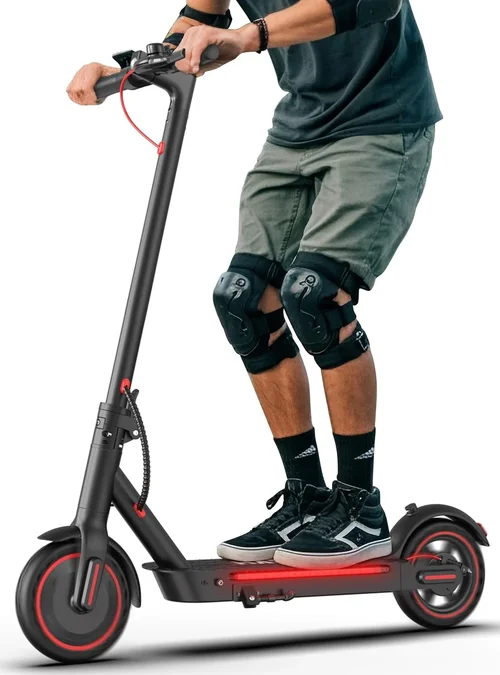
❌ Mistake: Prioritizing Top Speed Over Real-World Usability
Why it’s bad: A scooter advertised as “30 mph” might only reach that speed under perfect conditions—light rider, flat road, full battery. In reality, you’ll rarely sustain such speeds, and high-speed models often sacrifice range, comfort, and safety.
What to do instead: Focus on consistent performance for your typical route. If you mostly ride at 15–18 mph, a mid-range scooter with reliable acceleration and braking is far more practical than a speed demon that drains its battery in 10 miles.
❌ Mistake: Ignoring Weight and Portability Needs
Why it’s bad: A 45-lb scooter might seem manageable in the store, but carrying it up three flights of stairs daily becomes exhausting. Many buyers regret not considering how often they’ll need to lift or stow their scooter.
What to do instead: Honestly assess your lifestyle. If you take public transit, live in a walk-up, or store your scooter in a small space, prioritize lightweight, compact models—even if it means slightly less range or power.
❌ Mistake: Overlooking Tire Type and Suspension
Why it’s bad: Solid rubber tires and no suspension make for a jarring ride on cracked sidewalks or potholes. This leads to fatigue, discomfort, and even reduced control.
What to do instead: Choose pneumatic tires if you ride on varied terrain, and opt for at least front suspension if your city has rough pavement. The extra comfort is worth the slight weight and maintenance trade-off.
❌ Mistake: Buying Based Solely on Price
Why it’s bad: The cheapest scooter often costs more in the long run due to frequent repairs, short battery life, or premature failure. Conversely, overspending on features you’ll never use is wasteful.
What to do instead: Align your purchase with your actual usage. A $600 scooter with a 15-mile range and good build quality is smarter than a $300 disposable model or a $2,000 beast you barely use.
❌ Mistake: Skipping the Test Ride
Why it’s bad: Specs don’t reveal how a scooter feels—its balance, throttle response, brake sensitivity, or handlebar ergonomics. What looks great on paper might feel unstable or awkward in practice.
What to do instead: Whenever possible, test ride before buying. Visit local retailers, attend scooter demo events, or borrow from a friend. If buying online, choose retailers with generous return policies (30 days or more).
❌ Mistake: Neglecting Local Laws and Regulations
Why it’s bad: Some cities restrict e-scooter speed, require helmets, or ban riding on sidewalks. Buying a high-speed scooter only to find it’s illegal in your area is frustrating and potentially costly.
What to do instead: Research your local micromobility laws. Many scooters allow you to limit top speed via app settings to comply with regulations—look for this feature if needed.
❌ Mistake: Assuming All Batteries Are Equal
Why it’s bad: Battery quality varies widely. Cheap lithium-ion cells degrade faster, offer less real-world range, and pose safety risks. A scooter’s range claims mean little if the battery underperforms.
What to do instead: Look for reputable battery brands (e.g., Samsung, LG, Panasonic) and check user reports on battery longevity. Avoid models with no battery brand listed.
Budget Guidelines: How Much Should You Spend?
Entry-Level ($250–$400): These scooters are best for light, occasional use—campus shuttles, short errands, or backup transport. Expect modest range (8–12 miles), lower top speeds (12–15 mph), and basic features. Build quality may be adequate but not exceptional. Ideal for students or casual riders who prioritize affordability over performance.
Mid-Range ($500–$900): This is the sweet spot for most adult commuters. Scooters in this range offer reliable 15–20 mile ranges, speeds of 18–22 mph, better suspension, and improved safety features like brighter lights and disc brakes. Brands like Xiaomi, Gotrax, and Segway dominate here with strong value propositions. You’ll get durable construction, decent warranties, and enough power for hills and daily use.
Premium ($1,000–$1,800): Designed for serious riders, these models deliver high performance, long range (20–35 miles), and advanced features like app connectivity, dual motors, and premium materials. They’re built to last years with minimal maintenance. Perfect for daily commuters in hilly cities or those who value reliability and tech integration.
Luxury ($1,800+): At this tier, you’re paying for cutting-edge engineering, bespoke design, and top-tier components. Expect carbon fiber elements, ultra-long range (30+ miles), speeds exceeding 30 mph, and luxury finishes. Models like the Unagi Model One Voyager or Apollo Phantom represent the pinnacle of consumer e-scooters—ideal for enthusiasts or professionals who demand the best.
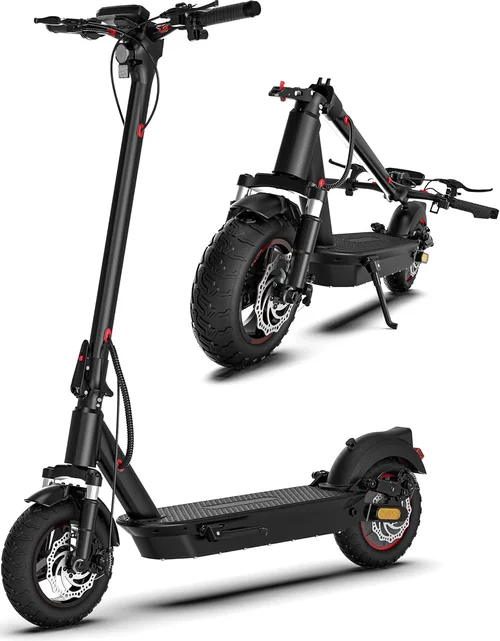
Expert Tips for Getting the Best Deal
1. Buy During Off-Peak Seasons: Scooter sales peak in spring and summer. Shop in late fall or winter (November–February) when retailers offer discounts to clear inventory. Black Friday and Cyber Monday often feature significant markdowns on last year’s models.
2. Compare Retailers: Don’t limit yourself to Amazon. Check specialty stores like Fluid Mobility, Scooter Hut, or Urban Riders, which often include free shipping, extended warranties, or bundled accessories. Some offer price matching too.
3. Look for Refurbished or Open-Box Deals: Certified refurbished scooters from reputable sellers come with warranties and can save you 20–30%. These are typically returned items inspected and repaired to like-new condition.
4. Read the Return Policy Carefully: Ensure you have at least 14–30 days to return the scooter if it doesn’t meet expectations. Some retailers charge restocking fees or exclude used items, so clarify before purchasing.
5. Test Before You Commit: If possible, visit a local store for a test ride. Pay attention to throttle smoothness, brake responsiveness, and overall stability. A 5-minute ride can reveal more than hours of online research.
6. Check for Bundled Accessories: Some retailers include free helmets, phone mounts, or rear racks. These add-ons can save $50–$100 and enhance your riding experience immediately.
7. Consider Financing Options: Many premium brands offer 0% APR financing through services like Klarna or Affirm. This lets you spread payments over 6–12 months without interest—ideal if you want a high-end scooter but prefer to budget it.
8. Join Owner Communities: Forums like Reddit’s r/ElectricScooters or Facebook groups often share exclusive discount codes, flash sales, or group buy opportunities. Active members sometimes get early access to new models.

Frequently Asked Questions
Q: How long do electric scooter batteries last?
A: Most lithium-ion batteries retain 80% of their capacity after 500–800 charge cycles, which typically translates to 2–4 years of daily use. Proper care—avoiding full discharges, storing at 50% charge in winter, and using the correct charger—can extend lifespan significantly.
Q: Can I ride an electric scooter in the rain?
A: It depends on the IP rating. Scooters with IPX4 can handle light splashes but shouldn’t be ridden in heavy rain. IPX6 or higher models are more water-resistant. Always dry your scooter thoroughly after wet rides to prevent corrosion.
Q: Are electric scooters safe?
A: When used responsibly, yes. Wear a helmet, obey traffic laws, avoid distracted riding, and maintain your scooter regularly. High-speed models require extra caution—practice braking and turning in safe areas before hitting busy streets.
Q: How fast can adult electric scooters go?
A: Most range from 15–25 mph. Performance models reach 30–40 mph, though such speeds are often illegal in urban areas and increase accident risk. Always check local speed limits.
Q: Do I need a license or insurance?
A: In most U.S. states, no license is required for scooters under 20 mph. Insurance is rarely mandatory but recommended for high-value models. Check your local Department of Motor Vehicles for specifics.
Q: Can I take my scooter on public transit?
A: Many buses and trains allow folded scooters, but policies vary. Subway systems like NYC’s MTA permit them during off-peak hours. Always check with your transit authority and be mindful of other passengers.
Q: How do I maintain my electric scooter?
A: Regularly check tire pressure (if pneumatic), tighten bolts, clean the deck and wheels, and inspect brakes. Charge the battery before it drops below 20%, and store it in a cool, dry place. Follow the manufacturer’s maintenance schedule.
Q: What’s the difference between hub motors and belt drives?
A: Hub motors are integrated into the wheel, offering simplicity and low maintenance. Belt-driven systems use a motor connected via belt, often providing more torque and easier repairs but requiring occasional belt adjustments.
Q: Can I upgrade my scooter’s battery?
A: Some models allow battery upgrades, but it’s not common. Modifying the battery can void your warranty and pose safety risks. Consult the manufacturer before attempting any upgrades.
Q: Are there eco-friendly benefits to using an e-scooter?
A: Absolutely. E-scooters produce zero direct emissions, reduce car dependency, and lower your carbon footprint. Over its lifetime, a single e-scooter can prevent hundreds of pounds of CO₂ emissions compared to driving.
Our Final Recommendations
Best for Budget-Conscious Buyers: Xiaomi Mi Electric Scooter 4 Lite – At around $450, it offers excellent build quality, 18-mile range, and reliable performance from a trusted brand. Perfect for students and casual commuters.
Best Overall Value: Segway Ninebot Max G30LP – Priced near $700, this scooter delivers 30+ mile range, IPX5 water resistance, robust suspension, and a proven track record. It’s the gold standard for daily urban commuting.
Best Premium Option: Apollo Explore – For around $1,300, you get dual motors, 34-mile range, premium suspension, and a sleek design. Ideal for riders who want performance without going full luxury.
Best for Beginners: Gotrax GXL V2 – Simple, safe, and affordable ($350), with a top speed of 15.5 mph and easy controls. Great for first-time riders learning the ropes.
Best for Advanced Users: Dualtron Thunder 3 – At $2,500+, this beast hits 40 mph, climbs 30% grades, and boasts a 70-mile range. Built for thrill-seekers and long-distance commuters who demand极限 performance.
Conclusion: Making the Right Choice
Choosing the right adult electric scooter isn’t just about specs or price—it’s about aligning your purchase with your lifestyle, needs, and values. Whether you’re navigating city streets, exploring trails, or simply seeking a greener way to get around, the perfect scooter is out there. By focusing on key factors like performance, build quality, portability, and brand reputation, and by avoiding common pitfalls, you’ll set yourself up for years of reliable, enjoyable riding.
Remember, the best scooter is the one you’ll actually use. Don’t chase trends or overspend on features you won’t need. Instead, prioritize what matters most to you—be it range, comfort, speed, or ease of use—and let that guide your decision. With the insights in this guide, you’re equipped to make a smart, confident choice. So charge up, hop on, and enjoy the ride. Your future self will thank you.