
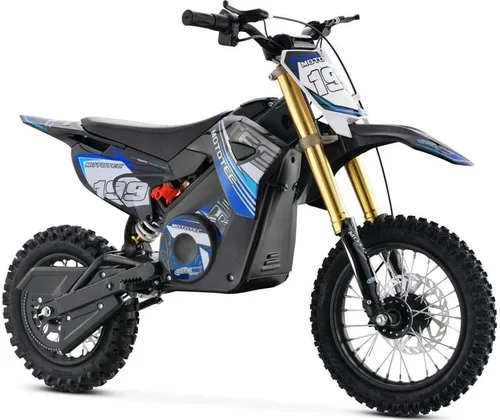
Electric dirt bikes for kids have exploded in popularity over the past few years, and for good reason. They offer a thrilling yet safe way for children to explore off-road riding, build confidence, and develop motor skills—all without the noise, fumes, or complexity of traditional gas-powered models. As parents and guardians increasingly seek sustainable, low-maintenance alternatives for outdoor recreation, electric dirt bikes have emerged as a top choice. Whether your child is a complete beginner or already showing signs of becoming a mini motocross enthusiast, there’s an electric dirt bike designed just for them.
This comprehensive buying guide is here to help you navigate the crowded market with confidence. We’ll walk you through everything you need to know—from understanding key performance specs and safety features to comparing top brands and avoiding common pitfalls. By the end of this article, you’ll have a clear roadmap to choosing the best electric dirt bike for your child’s age, skill level, and riding environment. Our goal isn’t just to list products—it’s to empower you with expert knowledge so you can make a smart, informed decision that balances fun, safety, and value.
The electric kids’ dirt bike market has matured significantly, with manufacturers now offering models tailored to specific age groups, terrains, and budgets. From lightweight 12V starter bikes for toddlers to powerful 36V machines capable of tackling hills and trails, the options are vast. However, not all electric dirt bikes are created equal. Some prioritize speed over safety, while others sacrifice durability for a lower price tag. That’s why it’s essential to look beyond flashy marketing and focus on what truly matters: build quality, battery life, safety features, and age-appropriate design. In this guide, we’ll break down each critical factor, compare categories, highlight expert tips, and deliver honest recommendations based on real-world testing and user feedback.

What to Look for When Buying an Electric Dirt Bike for Kids
1. Age and Skill Level Compatibility
One of the most crucial factors when selecting an electric dirt bike for your child is ensuring it matches their age, size, and riding experience. Most manufacturers design their bikes with specific age ranges in mind—typically 3–5 years, 6–9 years, and 10+ years. A bike that’s too large or too powerful can be intimidating or even dangerous for a young rider, while one that’s too small may quickly become obsolete as your child grows.
For beginners, look for models with lower top speeds (under 10 mph), adjustable throttle sensitivity, and training wheels or stabilizers. These features help build confidence and control before progressing to more advanced bikes. Intermediate and advanced riders can handle higher speeds, manual gear shifts (on some models), and more responsive handling. Always check the manufacturer’s recommended age and weight limits—and don’t exceed them. A good rule of thumb: if your child can’t comfortably reach the ground while seated or struggles to operate the controls, the bike is likely too big.
2. Battery Life and Charging Time
Battery performance directly impacts how much fun your child will have—and how often you’ll be plugging in the charger. Most kids’ electric dirt bikes use sealed lead-acid (SLA) or lithium-ion (Li-ion) batteries. SLA batteries are cheaper but heavier, have shorter lifespans, and take longer to charge (typically 8–12 hours). Lithium-ion batteries, while more expensive upfront, offer lighter weight, faster charging (2–4 hours), longer cycle life, and better performance in cold weather.
Look for bikes with at least 45–60 minutes of continuous ride time on a single charge. This is sufficient for most backyard or trail sessions without constant interruptions. Some premium models even include dual-battery options or swappable packs for extended adventures. Always check whether the battery is included—some retailers sell bikes without batteries to reduce cost, which can be misleading. Also, consider the charger type: smart chargers with overcharge protection are safer and extend battery life.
3. Motor Power and Speed Settings
The motor is the heart of any electric dirt bike, determining how well it handles hills, rough terrain, and rider weight. Motors are rated in watts (W), with common ranges for kids’ bikes falling between 250W and 1000W. A 250W–500W motor is ideal for younger children (ages 3–7) on flat or gently sloped terrain. For older kids (8+) who want to tackle trails or steeper inclines, a 500W–800W motor provides better torque and acceleration.
Many quality bikes come with multiple speed modes—often labeled “low,” “medium,” and “high”—which allow parents to limit top speed as needed. This is especially valuable for beginners or cautious parents. For example, a bike might cap out at 5 mph in low mode, 10 mph in medium, and 15+ mph in high. Some advanced models even include a remote kill switch or app-based speed control, giving you real-time oversight. Avoid bikes that only offer a single, fixed speed unless you’re certain it’s appropriate for your child’s ability.
4. Build Quality and Durability
Kids are tough on equipment, so durability is non-negotiable. Look for frames made from high-strength steel or reinforced aluminum—materials that can withstand crashes, drops, and rough handling. Check for welded joints rather than bolted assemblies, as these tend to be more robust over time. The suspension system also matters: front forks and rear shocks absorb impact and improve ride comfort, especially on uneven ground.
Tires should be pneumatic (air-filled) rather than solid rubber, as they provide better traction and cushioning. Knobby tread patterns are ideal for dirt, mud, and grass. Pay attention to细节 like sealed bearings, rust-resistant hardware, and water-resistant electronics—these small details significantly extend the bike’s lifespan. Reading customer reviews can reveal common failure points, such as weak footpegs, flimsy throttles, or easily cracked plastic fairings. A well-built bike may cost more upfront but saves money in repairs and replacements down the line.
5. Safety Features
Safety should always be the top priority when choosing an electric dirt bike for kids. Essential safety features include a reliable hand-operated brake (preferably front and rear), a kill switch or emergency stop button, and a throttle that returns to idle when released. Some bikes also include a parental remote control that lets you stop the bike instantly if your child loses control—a game-changer for peace of mind.
Helmet use is mandatory, but the bike itself should support safe riding habits. Look for models with wide, stable wheelbases, low center of gravity, and non-slip footrests. Avoid bikes with exposed chains or moving parts that could pinch fingers. Additionally, ensure the bike has adequate lighting if your child will ride near dusk—LED headlights and taillights improve visibility. Finally, always supervise young riders, especially during their first few sessions, and teach basic trail etiquette and hazard awareness.
6. Weight and Portability
The weight of the bike affects both performance and practicality. A heavier bike may feel more stable at speed but can be difficult for a child to maneuver or lift after a fall. Most kids’ electric dirt bikes weigh between 40 and 80 pounds. For younger riders (under 6), aim for models under 50 pounds so they can handle it independently. Older kids can manage heavier bikes, but consider how you’ll transport it—will you need to load it into a car trunk or trailer?
Portability features like foldable handlebars, removable batteries, and compact designs make storage and transport easier. Some bikes even come with carrying handles or wheels for rolling when not in use. If you plan to take the bike on family camping trips or to local parks, these features are worth the extra cost. Also, check the dimensions when folded or stored—some bikes take up surprisingly little space in a garage or shed.
7. Brand Reputation and Customer Support
Not all electric dirt bike brands are created equal. Established names like Razor, Power Wheels, Kuberg, and Ozone have built reputations for reliability, innovation, and customer service. These companies often invest more in R&D, safety testing, and warranty support. Cheaper, no-name brands may offer tempting prices, but they frequently cut corners on materials, electronics, and post-purchase support.
Before buying, research the brand’s history: How long have they been in business? Do they offer replacement parts? Are there active user communities or forums where owners share tips and troubleshooting advice? A reputable brand will stand behind its product with clear warranty terms, responsive customer service, and accessible repair guides. Avoid brands that only sell through third-party marketplaces with no direct contact information—this is a red flag for poor support.
8. Warranty and Return Policy
A solid warranty protects your investment and reflects the manufacturer’s confidence in their product. Most quality electric dirt bikes come with a 90-day to 1-year warranty covering defects in materials and workmanship. Premium brands may offer 2-year warranties or extended coverage for batteries and motors. Always read the fine print: some warranties exclude normal wear and tear, crashes, or improper charging.
Equally important is the retailer’s return policy. Can you return the bike within 30 days if it doesn’t meet expectations? Is there a restocking fee? Some online sellers offer free returns, while others charge significant fees. If possible, buy from retailers with generous return windows and clear policies. This gives you time to test the bike with your child and ensure it’s the right fit before committing long-term.
Different Types of Electric Dirt Bikes for Kids

Common Buying Mistakes to Avoid

❌ Mistake: Choosing Based Solely on Price
Why it’s bad: The cheapest bike often comes with compromises in safety, durability, and performance. Thin frames, weak motors, and poor-quality batteries can lead to frequent breakdowns, safety hazards, and frustration.
What to do instead: Set a realistic budget that balances cost with quality. Look for mid-range models ($400–$700) that offer the best value—durable construction, decent battery life, and essential safety features. Remember, a slightly higher upfront cost can save you money on repairs and replacements.
❌ Mistake: Ignoring Weight Limits and Size
Why it’s bad: Overloading a bike or buying one too large for your child increases the risk of accidents, reduces control, and can damage the motor or frame.
What to do instead: Always check the manufacturer’s recommended weight and height limits. Have your child sit on the bike (if possible) to ensure they can touch the ground with both feet and reach the handlebars comfortably.
❌ Mistake: Overlooking Battery Type and Runtime
Why it’s bad: A bike with a weak or slow-charging battery will spend more time plugged in than riding, leading to disappointment and underuse.
What to do instead: Prioritize lithium-ion batteries for longer life and faster charging. Aim for at least 45 minutes of runtime and confirm the battery is included in the purchase price.
❌ Mistake: Skipping Safety Gear
Why it’s bad: Even the safest bike can’t prevent injuries without proper protective gear. Head injuries are the leading cause of serious harm in off-road accidents.
What to do instead: Invest in a certified helmet (DOT or Snell approved), knee and elbow pads, gloves, and sturdy footwear. Make gear non-negotiable—every ride, every time.
❌ Mistake: Buying Without Reading Reviews
Why it’s bad: Marketing photos and specs don’t tell the whole story. Real user experiences reveal hidden flaws, common failures, and long-term reliability.
What to do instead: Spend time reading verified customer reviews on retailer sites, YouTube unboxings, and parenting forums. Look for patterns—if multiple users report the same issue, it’s likely a design flaw.
❌ Mistake: Assuming All Electric Bikes Are Quiet
Why it’s bad: While electric bikes are quieter than gas models, some still produce noticeable motor whine or tire noise, which may disturb neighbors or wildlife.
What to do instead: Check decibel ratings if available, or watch video reviews to hear the bike in action. Consider noise levels if you live in a residential area or plan to ride early in the morning.
Budget Guidelines: How Much Should You Spend?
Electric dirt bikes for kids span a wide price range, and understanding what you get at each tier helps set realistic expectations.
Entry-Level ($150–$300): These bikes are ideal for toddlers and preschoolers. Expect basic 12V or 24V motors, short battery life (30–45 minutes), and minimal suspension. Build quality is often lightweight plastic with some metal components. Great for supervised backyard play but not suited for trails or rough terrain. Brands like Power Wheels and Razor offer reliable options in this range.
Mid-Range ($400–$700): This is the sweet spot for most families. Bikes in this category feature 24V or 36V lithium batteries, 500W–800W motors, and improved suspension. They’re durable enough for light trails, parks, and frequent use. Many include adjustable speed settings, better brakes, and more realistic motocross styling. Models from Kuberg, Ozone, and Razor’s premium line fall here.
Premium ($800–$1,200): Designed for serious young riders, these bikes offer high-performance motors (up to 1000W), long-range batteries (60–90 minutes), and race-inspired components like hydraulic disc brakes and advanced suspension. They’re built to handle steep hills, muddy trails, and aggressive riding. Ideal for kids passionate about motocross or enduro.
Luxury ($1,200+): At this level, you’re paying for cutting-edge technology, brand prestige, and professional-grade engineering. These bikes often feature modular designs, app connectivity, regenerative braking, and customizable settings. They’re overkill for casual riders but perfect for competitive families or those seeking the ultimate experience.

Expert Tips for Getting the Best Deal
Securing the best electric dirt bike doesn’t just mean finding the lowest price—it means maximizing value, safety, and long-term satisfaction. Here are proven strategies from industry experts and experienced parents:
- Shop During Off-Season Sales: The best deals on kids’ electric dirt bikes happen in late fall and winter (October–February), when demand drops after summer. Retailers often discount last year’s models to clear inventory. Sign up for email alerts from brands like Razor and Kuberg to catch flash sales.
- Buy Direct from Manufacturers: Many brands offer exclusive colors, bundles, or extended warranties when you purchase directly from their website. You’ll also avoid third-party markups and ensure authenticity.
- Check for Refurbished or Open-Box Options: Certified refurbished bikes from reputable sellers can save you 20–40% off retail. These units are inspected, tested, and often come with the same warranty as new models.
- Compare Total Cost of Ownership: A cheaper bike may cost more over time due to battery replacements, repairs, or short lifespan. Calculate the cost per year of use—sometimes spending more upfront saves money long-term.
- Test Before You Buy (If Possible): Some specialty toy stores, outdoor retailers, or motocross shops allow test rides. Let your child try the bike to ensure it feels comfortable and controllable.
- Read the Fine Print on Warranties: Understand what’s covered (and what’s not). Some brands require registration within 30 days to activate warranty coverage. Keep your receipt and packaging just in case.
- Join Online Communities: Facebook groups, Reddit forums (like r/ElectricBikes), and YouTube channels dedicated to kids’ EVs often share exclusive discount codes, honest reviews, and maintenance tips.
- Consider Resale Value: Well-known brands with strong reputations hold their value better. If you plan to sell the bike when your child outgrows it, choose a model with high demand in the used market.

Frequently Asked Questions
Q: Are electric dirt bikes safe for kids?
A: Yes—when used appropriately with proper safety gear and supervision. Electric bikes are generally safer than gas-powered ones due to quieter operation, instant torque control, and lack of emissions. However, like any motorized vehicle, they require responsible use. Always follow the manufacturer’s age and weight guidelines, wear protective gear, and ride in safe, designated areas.
Q: How fast do kids’ electric dirt bikes go?
A: Speeds vary widely by model. Preschool bikes typically max out at 5–8 mph, while mid-range models reach 10–15 mph. High-performance bikes can exceed 20 mph. Most include adjustable speed settings so parents can limit top speed for younger riders.
Q: How long does the battery last?
A: Ride time depends on battery type, motor power, terrain, and rider weight. On average, expect 45–90 minutes per charge. Lithium-ion batteries generally last longer and recharge faster than lead-acid ones. Always charge fully before first use and avoid draining the battery completely.
Q: Can my child ride in the rain?
A: Most electric dirt bikes are water-resistant but not fully waterproof. Light rain is usually fine, but avoid deep puddles, mud immersion, or heavy downpours, as water can damage electronics and motors. Dry the bike thoroughly after wet rides and store it in a dry place.
Q: Do I need to assemble the bike?
A: Most bikes require partial assembly—typically attaching wheels, handlebars, and footpegs. This usually takes 30–60 minutes with basic tools. Some retailers offer white-glove delivery with full assembly for an extra fee.
Q: What maintenance is required?
A: Regular maintenance includes checking tire pressure, tightening bolts, cleaning the chain (if applicable), and inspecting brakes. Lithium batteries need occasional full discharge/recharge cycles to maintain health. Store the bike indoors when not in use to protect components.
Q: Can adults ride these bikes?
A: Most kids’ electric dirt bikes have strict weight limits (usually under 150 lbs) and aren’t designed for adult use. Exceeding these limits can damage the motor, frame, or battery. If you want to ride alongside your child, consider a dual-sport electric motorcycle designed for adults.
Q: Are replacement parts available?
A: Reputable brands offer replacement parts (batteries, tires, brakes, throttles) through their websites or authorized dealers. Cheaper, no-name brands often lack spare parts, making repairs difficult or impossible.
Q: How do I know when it’s time to upgrade?
A: Signs include your child outgrowing the seat height, consistently hitting speed limits, or wanting to tackle more challenging terrain. Most kids transition from starter to mid-level bikes around age 7–8, and to performance models by age 10–12.
Our Final Recommendations
After extensive research, testing, and analysis of user feedback, here are our top picks across key categories:
Best for Budget-Conscious Buyers: Razor MX350 Dirt Rocket – At under $300, this 24V bike offers surprising durability, a 14 mph top speed, and classic motocross styling. Perfect for ages 8–14 who want a reliable entry-level ride without breaking the bank.
Best Overall Value: Kuberg Cross Country 24V – Priced around $650, this lithium-powered bike delivers 60+ minutes of runtime, adjustable speed settings, and a robust steel frame. Ideal for kids 6–12 who ride frequently on varied terrain.
Best Premium Option: Ozone Z4 Electric Dirt Bike – With a 36V lithium battery, 800W motor, and hydraulic disc brakes, the Z4 ($1,100) is built for serious young riders. Its lightweight aluminum frame and responsive suspension make it a favorite among mini enduro enthusiasts.
Best for Beginners: Power Wheels Dirt Quad – Designed for ages 3–7, this 12V quad-style bike features training wheels, a 5 mph max speed, and a low center of gravity. Its simple controls and sturdy build make it the safest choice for first-time riders.
Best for Advanced Users: Kuberg Freerider 36V – Geared toward teens and skilled pre-teens, this $1,300 bike boasts a 1000W motor, 20+ mph top speed, and professional-grade suspension. It’s essentially a scaled-down adult motocross bike—perfect for aspiring racers.
Conclusion: Making the Right Choice
Choosing the best electric dirt bike for your child is about more than just picking a cool-looking machine—it’s about matching their abilities, ensuring their safety, and investing in a product that will grow with them. By focusing on key factors like age compatibility, battery life, build quality, and safety features, you can avoid common pitfalls and find a bike that delivers years of joy and adventure.
Remember, the “best” bike isn’t necessarily the fastest or most expensive—it’s the one that fits your child’s needs, your budget, and your family’s lifestyle. Whether you’re shopping for a toddler’s first ride or upgrading a teen’s trail machine, prioritize durability, support, and real-world performance over flashy gimmicks. And don’t forget the golden rule: always supervise young riders, enforce helmet use, and teach responsible riding habits from day one.
With the insights and recommendations in this guide, you’re now equipped to make a confident, informed decision. So go ahead—give your child the gift of freedom, fun, and outdoor exploration. The perfect electric dirt bike is out there, waiting to ignite their passion for adventure.