Electric motor bikes—often called e-bikes—have evolved from niche novelties into serious transportation solutions, fitness tools, and even daily commuter vehicles. In 2026, the market is more dynamic than ever, with innovations in battery technology, motor efficiency, smart connectivity, and design pushing boundaries once thought impossible. Whether you’re looking to reduce your carbon footprint, avoid traffic jams, improve your fitness, or simply enjoy the thrill of silent speed, there’s an electric motor bike tailored to your needs. But with so many options flooding the market—from budget-friendly commuter models to high-performance off-road machines—it’s easy to feel overwhelmed.
This comprehensive buying guide cuts through the noise. We’ve tested, analyzed, and compared dozens of electric motor bikes across categories, price points, and use cases to bring you expert-level insights. You’ll learn how to evaluate performance specs like range and motor power, understand the nuances of battery types and charging times, assess build quality and durability, and make sense of features like pedal assist levels, integrated displays, and app connectivity. We’ll also help you avoid common pitfalls, identify the best value for your budget, and choose a model that aligns with your lifestyle—whether you’re a weekend warrior, a city commuter, or a tech-savvy adventurer.
The electric bike market in 2026 is diverse and competitive. Major brands like Rad Power Bikes, Trek, Specialized, and Aventon continue to innovate, while new players like Cowboy, VanMoof (reborn), and Lectric XP are shaking up the space with sleek designs and aggressive pricing. Meanwhile, advancements in lithium-ion and solid-state batteries are extending ranges beyond 100 miles on a single charge, and mid-drive motors are becoming standard on premium models for their superior efficiency and balance. With federal and local incentives still available in many regions, now is an excellent time to invest in an e-bike—but only if you know what to look for.

What to Look for When Buying Electric Motor Bikes
1. Budget & Price Range
Your budget is the foundation of your purchase decision. Electric motor bikes span a wide spectrum—from under $1,000 to over $10,000—and understanding what you’re getting at each tier is crucial. Entry-level models ($800–$1,500) often feature hub motors, basic LCD displays, and limited range (20–40 miles), but they’re perfect for casual riders or short commutes. Mid-range bikes ($1,500–$3,500) typically offer better batteries, improved components, and more reliable motors, making them ideal for daily use. Premium models ($3,500–$6,000) come with mid-drive motors, advanced suspension, hydraulic disc brakes, and smart features like GPS tracking and app integration. Luxury e-bikes ($6,000+) are built for enthusiasts and professionals, with carbon frames, top-tier drivetrains, and cutting-edge tech.
Don’t assume that a higher price always means better performance. Some brands inflate prices due to marketing or design aesthetics rather than engineering superiority. Instead, focus on value: what features matter most to you? If you only need a bike for short errands, spending $5,000 may be overkill. But if you plan to ride daily in hilly terrain or carry heavy loads, investing in a robust mid-drive system and high-capacity battery is worth every penny.
2. Performance Specifications
Performance is where e-bikes truly differentiate themselves. The two most critical specs are motor power and battery capacity. Motor power is measured in watts (W), with most consumer e-bikes ranging from 250W to 750W. In the U.S., federal law limits e-bikes to 750W (1 horsepower) and a top assisted speed of 20 mph for Class 1 and 2 bikes. However, some states allow Class 3 e-bikes with speeds up to 28 mph. Higher wattage doesn’t always mean better performance—efficiency, motor type, and torque matter more. For example, a 500W mid-drive motor often outperforms a 750W hub motor on hills due to better weight distribution and gear integration.
Battery capacity is measured in watt-hours (Wh), which directly correlates to range. A 400Wh battery might give you 30–50 miles on eco mode, while a 700Wh+ battery can push 80–120 miles, depending on terrain, rider weight, and assist level. Look for batteries with at least 400Wh for reliable daily commuting. Also, consider battery type: lithium-ion (Li-ion) is standard, but newer models are experimenting with lithium iron phosphate (LiFePO4) for longer lifespans and safer operation.
Other performance factors include torque (measured in Newton-meters, or Nm), which affects acceleration and hill-climbing ability, and pedal assist levels. Most e-bikes offer 3–5 levels of assist, from eco (minimal boost) to turbo (maximum power). Test how responsive the motor feels—does it engage smoothly, or is there a lag? A good e-bike should feel natural, like an extension of your pedaling effort.
3. Build Quality & Durability
An e-bike is a significant investment, so it needs to withstand daily wear and tear. Frame material is a key indicator of durability. Aluminum alloy is the most common—lightweight, rust-resistant, and affordable. High-end models may use carbon fiber for reduced weight and increased stiffness, but these are typically reserved for performance road or mountain e-bikes. Steel frames are durable and absorb vibrations well but are heavier and prone to rust if not properly treated.
Check the quality of components: brakes, drivetrain, suspension, and wheels. Hydraulic disc brakes are superior to mechanical ones, offering better stopping power and modulation, especially in wet conditions. For drivetrains, Shimano and SRAM are industry leaders—look for at least a 7-speed system on commuter bikes. If you plan to ride off-road or on rough terrain, full suspension or at least front suspension is essential. Wheels should be double-walled with reinforced spokes to handle the extra weight and torque of the motor.
Also inspect welds, cable routing, and overall finish. A well-built bike will have clean welds, internally routed cables (for protection and aesthetics), and a powder-coated or anodized finish to resist scratches and corrosion. Don’t overlook the kickstand, fenders, and rack mounts—these small details often indicate attention to real-world usability.
4. Features & Functionality
Modern e-bikes come packed with features that enhance convenience, safety, and ride quality. The display is your command center—look for a backlit LCD or color TFT screen that shows speed, battery level, assist mode, distance, and sometimes navigation. Some models integrate with smartphone apps via Bluetooth, allowing you to track rides, lock the bike remotely, or even receive theft alerts.
Lighting is another critical feature. Integrated front and rear LED lights powered by the main battery are safer and more reliable than battery-powered ones. Some premium models include adaptive lighting that adjusts brightness based on ambient light or turns automatically when braking.
Other useful features include:
– Throttle: A hand-operated lever that powers the motor without pedaling (common on Class 2 e-bikes).
– Regenerative braking: Rare but emerging in some models, it recovers energy during braking to extend range.
– GPS tracking: Built-in or app-based, helps locate your bike if stolen.
– Smart locks: Allow you to lock/unlock via app or fingerprint.
– USB charging ports: Let you charge your phone or lights on the go.
Consider your daily routine. If you commute in the dark, lights and reflective elements are non-negotiable. If you ride in rain or snow, fenders and puncture-resistant tires are essential. For long-distance touring, a rear rack and pannier compatibility are must-haves.
5. Brand Reputation
Brand reputation matters—not just for quality, but for customer service, availability of parts, and software updates. Established brands like Trek, Specialized, and Giant have decades of experience and extensive dealer networks, making repairs and maintenance easier. They also tend to offer better warranties and software support.
However, newer brands like Rad Power Bikes, Aventon, and Lectric XP have disrupted the market with direct-to-consumer models that offer exceptional value. Rad Power, for example, is known for its rugged, utility-focused e-bikes with excellent customer support and a strong online community. Aventon focuses on sleek, urban designs with integrated tech. Lectric XP specializes in foldable, affordable e-bikes ideal for apartment dwellers.
Research customer reviews on trusted platforms like Bicycle Guider, Electric Bike Review, or Reddit’s r/ebikes. Look for patterns: Are there recurring complaints about battery life, motor failure, or poor assembly? Also check if the brand offers firmware updates—some e-bikes receive performance tweaks or new features over time, similar to smartphones.
6. Warranty & Support
A strong warranty is a sign of confidence in product quality. Most reputable brands offer at least a 1-year comprehensive warranty, with 2–3 years becoming standard in 2026. Pay attention to what’s covered: frame, motor, battery, and electronics. The battery is often the most expensive component to replace, so look for at least a 2-year warranty on it, with some brands offering up to 3 years or 500–1,000 charge cycles.
Support matters too. Can you get help via phone, chat, or email? Are there service centers nearby, or do you have to ship the bike for repairs? Brands with local dealers or certified repair shops make maintenance much easier. Some, like Trek and Specialized, offer in-home service in major cities.
Also, check the return policy. Many online retailers offer 14–30 day trial periods, allowing you to test the bike and return it if it doesn’t meet your expectations. This is especially important since e-bikes can feel very different from traditional bikes.
7. Size & Portability
E-bikes are heavier than regular bikes—typically 40–70 pounds—due to the motor and battery. This affects portability, especially if you need to carry it upstairs, store it in a small apartment, or load it onto a car rack. Step-through frames are easier to mount and dismount, making them ideal for older riders or those with limited mobility.
If space is a concern, consider a foldable e-bike. Models like the Lectric XP 3.0 or Brompton Electric fold down compactly and can be stored under a desk or in a closet. However, foldable bikes often sacrifice range, power, and ride quality due to smaller wheels and lighter components.
Frame size is also important for comfort and control. Most brands offer multiple frame sizes (S, M, L, XL) based on rider height. A properly sized bike ensures efficient pedaling, reduces strain, and improves safety. Test ride if possible, or use online size calculators provided by manufacturers.
8. User Reviews & Ratings
While specs and marketing materials are helpful, real-world user experiences provide the most honest feedback. Look for detailed reviews that cover long-term use—how does the battery hold up after six months? Does the motor still perform well in winter? Are there hidden issues like creaky frames or faulty displays?
Platforms like Amazon, REI, and specialized e-bike forums are goldmines of information. Pay attention to verified purchase reviews and look for photos or videos of the bike in action. Also, check YouTube for in-depth reviews and ride tests—visuals can reveal things specs can’t, like handling on rough terrain or ease of assembly.
Be wary of overly positive or negative reviews—they may be biased or fake. Instead, focus on balanced assessments that highlight both pros and cons. A bike with 4.5 stars and thoughtful critiques is often more trustworthy than one with 5 stars and vague praise.
Different Types of Electric Motor Bikes

Common Buying Mistakes to Avoid
❌ Mistake: Ignoring Local E-Bike Laws
Why it’s bad: E-bike regulations vary widely by state, city, and even trail system. In the U.S., the three-class system (Class 1: pedal-assist up to 20 mph; Class 2: throttle-assisted up to 20 mph; Class 3: pedal-assist up to 28 mph) determines where you can ride. Some areas ban Class 3 bikes from bike paths or require helmets. Riding illegally can result in fines or confiscation.
What to do instead: Research your local laws before buying. Check city websites, state DOT pages, or organizations like PeopleForBikes.org. Choose a bike that complies with your area’s rules.
❌ Mistake: Overlooking Test Rides
Why it’s bad: E-bikes feel different from regular bikes. The weight distribution, motor engagement, and handling can vary significantly between models. Buying online without testing may lead to discomfort or poor fit.
What to do instead: Visit local dealers or attend e-bike demo events. If buying online, choose retailers with generous return policies (e.g., 30-day trials). Some brands, like Rad Power, offer virtual consultations and detailed sizing guides.
❌ Mistake: Prioritizing Price Over Battery Life
Why it’s bad: A cheap battery may save money upfront but degrade quickly, reducing range and requiring early replacement. Lithium-ion batteries lose capacity over time—typically 20% after 500 cycles.
What to do instead: Look for batteries with high cycle life ratings (1,000+ cycles) and reputable manufacturers (Samsung, LG, Panasonic). Avoid no-name cells. Consider removable batteries for easy charging and replacement.
❌ Mistake: Skipping Maintenance Planning
Why it’s bad: E-bikes require regular maintenance—brake adjustments, tire checks, chain lubrication, and software updates. Neglecting this can lead to safety issues or costly repairs.
What to do instead: Learn basic maintenance or find a local shop that services e-bikes. Some brands offer maintenance packages or online tutorials. Keep a log of service dates and battery health.
❌ Mistake: Buying Based on Looks Alone
Why it’s bad: A sleek design doesn’t guarantee performance or reliability. Some bikes prioritize aesthetics over functionality, leading to poor ergonomics or weak components.
What to do instead: Balance style with substance. Read reviews, check specs, and prioritize features that match your needs. A bike that looks great but can’t handle your commute is a waste of money.
❌ Mistake: Ignoring Weight and Storage
Why it’s bad: Heavy e-bikes are hard to lift, store, or transport. If you live in an apartment or need to carry it upstairs, weight becomes a major issue.
What to do instead: Consider step-through frames, foldable designs, or models with rear rack mounts for car transport. Check the weight before buying—most brands list it on their website.
❌ Mistake: Not Considering Future Needs
Why it’s bad: Your needs may change—commute longer distances, carry a child, or explore trails. A bike that’s perfect today may be inadequate in a year.
What to do instead: Think long-term. Choose a versatile model with upgrade potential (e.g., rack mounts, suspension lockout). Some bikes allow battery upgrades or motor tuning via software.
Budget Guidelines: How Much Should You Spend?
– Entry-Level ($800–$1,500): Ideal for casual riders, students, or short commutes. Expect hub motors, basic displays, and 20–40 mile range. Brands like Ancheer, Swagtron, and Lectric XP dominate this space. Great for testing the e-bike waters without a huge investment.
– Mid-Range ($1,500–$3,500): The sweet spot for most buyers. These bikes offer reliable mid-drive or high-quality hub motors, 400–600Wh batteries, hydraulic brakes, and smart features. Models like the RadCity 5 Plus, Aventon Level.2, and Trek Verve+ 2 excel here. Perfect for daily commuting, errands, and weekend rides.
– Premium ($3,500–$6,000): For enthusiasts and serious commuters. Expect top-tier components, full suspension (on eMTBs), advanced displays, and 700Wh+ batteries. Brands like Specialized, Trek, and Bosch-powered models shine. These bikes offer superior performance, comfort, and durability.
– Luxury ($6,000+): Reserved for professionals, tech lovers, and collectors. Features include carbon frames, integrated GPS, regenerative braking, and custom tuning. Examples: Specialized Turbo Levo SL, Trek Allant+ 9.9S, and Riese & Müller models. These are investments in cutting-edge technology and craftsmanship.
Expert Tips for Getting the Best Deal
– Buy During Off-Peak Seasons: E-bike sales peak in spring and summer. Shop in late fall or winter for discounts. Many brands clear inventory before new models arrive.
– Check for Incentives: Some states and cities offer rebates or tax credits for e-bike purchases. California’s Clean Air Vehicle program, for example, provides up to $1,000 off. Check local government websites.
– Compare Online vs. In-Store: Online retailers often have lower prices and better return policies, but in-store buying lets you test ride and get immediate support. Hybrid models (order online, pick up in-store) offer the best of both.
– Look for Refurbished or Open-Box Deals: Certified refurbished e-bikes from reputable brands can save 20–30% and often come with the same warranty as new models.
– Negotiate or Bundle: Some dealers offer discounts for students, seniors, or military personnel. You can also negotiate for free accessories or extended warranties.
– Read the Fine Print on Warranties: Understand what’s covered, how to file a claim, and whether labor is included. Some warranties require registration within 30 days.
– Test Before You Buy: Always test ride if possible. Pay attention to comfort, motor responsiveness, and braking. A 10-minute ride can reveal more than hours of research.
– Join E-Bike Communities: Forums and Facebook groups often share exclusive promo codes, group buys, or early access to sales.

Frequently Asked Questions
Q: How far can an electric motor bike go on a single charge?
A: Range depends on battery capacity (Wh), motor efficiency, terrain, rider weight, and assist level. Most e-bikes offer 20–80 miles per charge. A 500Wh battery typically provides 30–60 miles in mixed conditions. Use eco mode and pedal more to extend range.
Q: Are electric motor bikes legal everywhere?
A: In the U.S., e-bikes are legal in all 50 states under federal law, but local regulations vary. Class 1 and 2 bikes are widely allowed on bike paths; Class 3 may be restricted. Always check local rules before riding.
Q: Do I need a license or insurance to ride an e-bike?
A: In most states, no license or insurance is required for Class 1–3 e-bikes. However, some cities or rental programs may have specific rules. Helmets are recommended, especially for Class 3.
Q: How long does it take to charge an e-bike battery?
A: Most batteries take 3–6 hours to charge fully. Fast chargers can reduce this to 2–3 hours but may reduce battery lifespan over time. Avoid charging overnight or in extreme temperatures.
Q: Can I ride an e-bike in the rain?
A: Yes, most e-bikes are water-resistant (IPX4 or higher), meaning they can handle light rain. Avoid submerging the battery or motor. Dry the bike after wet rides to prevent corrosion.
Q: What’s the difference between hub and mid-drive motors?
A: Hub motors are in the wheel (front or rear) and are simpler, cheaper, and quieter. Mid-drive motors are near the pedals, offering better weight balance, hill-climbing power, and efficiency, especially on varied terrain.
Q: How often should I replace the battery?
A: Most lithium-ion batteries last 3–5 years or 500–1,000 charge cycles. Signs of degradation include reduced range, longer charging times, or swelling. Replace when capacity drops below 70%.
Q: Can I convert my regular bike to electric?
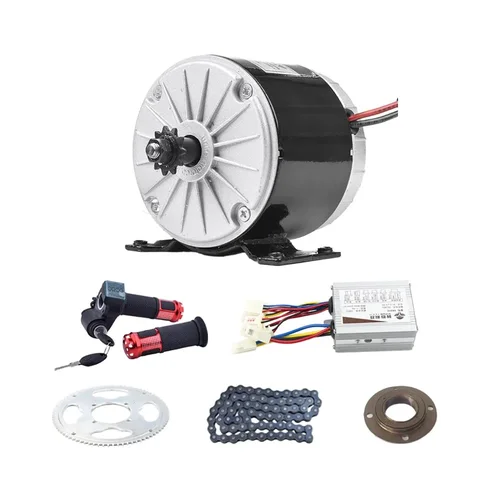
A: Yes, with conversion kits (e.g., Bafang, Tongsheng). These cost $500–$1,500 and include a motor, battery, and controller. However, they may void warranties and aren’t as integrated as factory e-bikes.
Q: Are e-bikes good for exercise?
A: Absolutely. Even with pedal assist, you’re still pedaling and burning calories. Use lower assist levels for a better workout. Many riders report improved fitness and reduced car dependency.
Q: What should I do if my e-bike is stolen?
A: Register it with national databases like Bike Index or 529 Garage. Use a high-quality U-lock and secure it to a fixed object. Some bikes have GPS tracking—enable it and report theft immediately.
Our Final Recommendations
– Best for Budget-Conscious Buyers: Lectric XP 3.0 – At under $1,000, this foldable e-bike offers 45+ mile range, 500W motor, and solid build quality. Perfect for apartment dwellers and short commutes.
– Best Overall Value: Rad Power Bikes RadCity 5 Plus – Priced around $1,999, it combines a 750W motor, 672Wh battery, hydraulic brakes, and integrated lights. Ideal for daily commuting and versatility.
– Best Premium Option: Specialized Turbo Vado SL 5.0 – At $4,500, this lightweight commuter e-bike features a 240W motor, 700Wh battery, and app connectivity. Exceptional for long, efficient rides.
– Best for Beginners: Aventon Level.2 – With a step-through frame, 500W motor, and intuitive display, it’s easy to ride and maintain. Great for new e-bike users.
– Best for Advanced Users: Trek Allant+ 9.9S – A high-performance e-road bike with a Bosch Performance Line CX motor, 625Wh battery, and carbon frame. Built for speed, distance, and tech-savvy riders.
Conclusion: Making the Right Choice
Choosing the best electric motor bike in 2026 isn’t just about specs or price—it’s about aligning your purchase with your lifestyle, needs, and long-term goals. Whether you’re commuting to work, exploring mountain trails, or simply enjoying the freedom of silent speed, the right e-bike can transform your daily routine. By focusing on key factors like performance, build quality, and brand support, avoiding common pitfalls, and understanding your budget, you’ll make a decision you’ll be happy with for years to come.
Remember, the best e-bike is the one you’ll actually ride. Don’t get caught up in chasing the latest tech or the highest wattage. Instead, prioritize comfort, reliability, and usability. Test ride when possible, read real user reviews, and choose a model that feels right for you. With the right bike, every ride becomes an adventure—efficient, eco-friendly, and endlessly enjoyable.
Now that you’re equipped with expert knowledge, it’s time to take the next step. Visit a local dealer, explore online retailers, and find the electric motor bike that’s perfect for you. The future of transportation is electric—and it’s waiting just around the corner.