
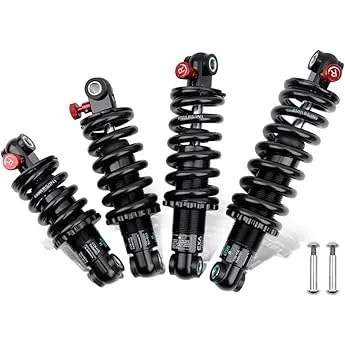
When it comes to mountain biking, few components have as much impact on ride quality, control, and overall performance as the rear shock. Whether you’re carving through rocky alpine descents, launching off jumps at the bike park, or grinding up technical climbs, your rear shock is the silent workhorse that keeps your rear wheel planted, your body comfortable, and your confidence high. Yet, despite its critical role, choosing the right rear shock remains one of the most misunderstood and overlooked decisions in mountain bike setup. Many riders focus on forks, drivetrains, or wheels—only to realize later that a subpar or mismatched rear shock is holding back their bike’s full potential.
This comprehensive buying guide is designed to cut through the noise and give you everything you need to make an informed, confident decision when selecting the best rear shock for your mountain bike in 2026. Whether you’re upgrading an older bike, building a custom rig, or simply looking to fine-tune your current setup, we’ll walk you through the key factors that matter—from performance specs and build quality to budget considerations and brand reliability. You’ll learn how to match a shock to your riding style, understand the differences between shock types, avoid common pitfalls, and ultimately find a component that enhances every ride. By the end of this guide, you won’t just know what to buy—you’ll know why it’s the right choice for you.
The rear shock market in 2026 is more diverse and advanced than ever. With innovations in damping technology, air spring design, and tunable compression circuits, today’s shocks offer unprecedented levels of customization and performance. Major brands like Fox, RockShox, Cane Creek, and DVO continue to push the envelope, while newer players and niche manufacturers are bringing fresh ideas and competitive pricing to the table. At the same time, the rise of direct-to-consumer sales and online tuning tools has made it easier for riders to get professional-level performance without visiting a shop. But with so many options—ranging from under $200 to over $1,000—it’s easy to feel overwhelmed. This guide will help you navigate that complexity, so you can invest wisely in a shock that delivers real-world benefits on the trail.

What to Look for When Buying a Rear Shock
1. Budget & Price Range
Your budget is often the first filter when shopping for a rear shock, but it shouldn’t be the only one. Rear shocks vary dramatically in price, from entry-level models around $150 to high-end units exceeding $1,000. While it’s tempting to go for the cheapest option, especially if you’re on a tight budget, remember that the rear shock directly affects traction, comfort, and control—three things you don’t want to compromise on the trail.
Entry-level shocks can work well for casual riders or those with simpler suspension designs, but they often lack the refinement, adjustability, and durability of higher-end models. Mid-range shocks ($300–$600) offer the best balance for most riders, providing solid performance, reliable build quality, and useful tuning options. Premium shocks ($600–$900) are ideal for aggressive riders, enduro racers, or those who want maximum tunability and longevity. At the top end, luxury shocks ($900+) are typically used by professionals or enthusiasts who demand the absolute best in performance and are willing to pay for cutting-edge technology and materials.
2. Performance Specifications
Performance specs are the technical backbone of any rear shock and directly influence how it behaves on the trail. The most critical specs to understand are stroke length, eye-to-eye length, and spring rate (for coil shocks) or air pressure (for air shocks).
Stroke length refers to how far the shock compresses—typically ranging from 40mm to 65mm on modern trail and enduro bikes. A longer stroke allows for more suspension travel, which is great for absorbing big hits, but it also affects leverage ratio and frame compatibility. Always match the stroke to your bike’s design; using the wrong stroke can damage your frame or result in poor suspension performance.
Eye-to-eye length is the distance between the mounting points of the shock. This must match your bike’s shock mount specifications exactly. Even a 5mm difference can prevent installation or cause alignment issues. Most modern shocks come in standard lengths like 190mm, 200mm, 210mm, 220mm, and 230mm, but always double-check your bike’s manual or manufacturer specs.
For coil shocks, spring rate is measured in pounds per inch (lbs/in) and determines how stiff or soft the shock feels. Heavier riders or those who ride aggressively need stiffer springs, while lighter riders benefit from softer ones. Air shocks, on the other hand, use air pressure (measured in PSI) to control spring rate, offering infinite adjustability via a shock pump. This makes air shocks more versatile but also more sensitive to setup.
Damping is another crucial performance factor. Most shocks feature both compression and rebound damping. Compression controls how quickly the shock compresses under impact, while rebound controls how fast it returns to full extension. High-speed compression (HSC) handles big, sudden hits like drops or rock gardens, while low-speed compression (LSC) manages smaller, slower inputs like pedaling or cornering. Rebound damping is equally important—too fast, and the bike feels bouncy; too slow, and the shock packs down on repeated hits.
Look for shocks with externally adjustable damping, especially if you ride varied terrain. Many mid-to-high-end models offer separate HSC, LSC, and rebound adjustments, giving you fine control over feel and performance.
3. Build Quality & Durability
A rear shock is a precision mechanical device subjected to extreme forces, dirt, moisture, and temperature changes. As such, build quality and durability are non-negotiable. High-quality materials, tight tolerances, and robust seals are what separate long-lasting shocks from those that fail prematurely.
Look for shocks with hard-anodized bodies, which resist corrosion and wear. The shaft should be made from high-strength steel or chrome-moly, with a smooth, polished finish to reduce friction and prevent seal damage. Seals and wiper systems are critical—dual-lip seals and integrated dust wipers help keep contaminants out and oil in, extending service intervals and maintaining performance.
Internally, the damper body and piston design matter. Shocks with larger diameter damper shafts (like 20mm or 22mm) tend to be stiffer and more resistant to side loads, which is important on bikes with high leverage ratios or aggressive kinematics. Some premium shocks use bladder or IFP (Internal Floating Piston) designs to separate oil and air, preventing cavitation and maintaining consistent damping under heavy use.
Brand reputation often correlates with build quality. Fox and RockShox have decades of proven reliability, while Cane Creek and DVO are known for meticulous engineering and hand-built precision. That said, even top brands can have occasional quality control issues, so it’s wise to read user reviews and check for recalls or common failure points.
4. Features & Functionality
Modern rear shocks come packed with features designed to enhance performance, ease of use, and customization. While not all features are essential, some can make a significant difference in real-world riding.
Adjustability is king. Look for shocks with external knobs for rebound, high-speed compression, and low-speed compression. Some models also offer lockout or platform modes (like RockShox’s Pedal Platform or Fox’s Climb Switch), which firm up the shock for efficient climbing without sacrificing downhill performance.
Air shocks dominate the market due to their tunability and progressive spring curves. They allow you to fine-tune sag (typically 25–30% for trail bikes) and adjust for rider weight, terrain, and riding style. Coil shocks, while less adjustable, offer a more linear and supple feel, which many riders prefer for technical terrain. They’re also less sensitive to temperature changes and don’t require a pump.
Remote lockouts are a premium feature found on high-end shocks, allowing you to toggle between open and locked modes via a handlebar-mounted lever. This is especially useful on long climbs or fire roads, but it adds cost and complexity.
Some shocks now include smart features like Bluetooth connectivity and app-based tuning (e.g., Fox’s Live Valve or RockShox’s AXS integration). These systems can automatically adjust damping based on terrain or rider input, offering a futuristic level of control—but at a significant price premium.
Other functional features include piggyback reservoirs (which increase oil volume and cooling capacity), metric sizing (for easier mounting on modern frames), and tool-free air valve access. While not deal-breakers, these details can improve usability and long-term satisfaction.
5. Brand Reputation
Brand reputation matters—not because of marketing, but because it reflects years of real-world testing, customer feedback, and engineering refinement. Fox and RockShox are the undisputed leaders in the mountain bike suspension world, with Fox dominating the high-end performance segment and RockShox offering excellent value across a wide range of price points.
Fox shocks are known for their buttery smooth action, precise damping, and race-proven reliability. Their Float X and DHX series are favorites among enduro and downhill riders. RockShox, owned by SRAM, delivers strong performance with user-friendly features like the DebonAir spring and easy-to-use dials. Their Super Deluxe and Monarch series are popular on trail and all-mountain bikes.
Cane Creek and DVO represent the boutique end of the spectrum. Cane Creek’s DB Air and Coil shocks are hand-assembled in the USA and offer exceptional tunability and build quality. DVO’s Diamond and Topaz shocks feature innovative damping circuits and are favored by riders who want maximum customization.
Emerging brands like EXT, Marzocchi (now under Fox), and Formula are also gaining traction, offering competitive performance at lower price points. While they may not have the same brand recognition, many of these companies employ former engineers from top-tier brands and use high-quality components.
When evaluating brand reputation, consider not just performance but also customer service, warranty support, and availability of parts. A shock is only as good as the support behind it.
6. Warranty & Support
A rear shock is a significant investment, so you want to know it’s protected. Most reputable brands offer warranties ranging from one to five years, covering defects in materials and workmanship. Fox, for example, offers a two-year warranty with optional extended coverage, while RockShox provides a two-year limited warranty. Cane Creek stands out with a five-year warranty on their shocks, reflecting confidence in their build quality.
Warranty terms vary, so read the fine print. Some exclude damage from crashes, improper installation, or lack of maintenance. Others require registration within a certain timeframe. Also, check whether the warranty is transferable—important if you plan to sell your bike later.
Customer support is equally important. Can you easily reach a technician? Are service centers available in your area? Do they offer loaner shocks during repairs? Brands with strong dealer networks and online resources (like tuning guides and video tutorials) make ownership much smoother.
7. Size & Compatibility
Even the best shock in the world is useless if it doesn’t fit your bike. Compatibility is determined by several factors: eye-to-eye length, stroke, mounting hardware, and bushing size.
Eye-to-eye and stroke must match your frame’s shock specs exactly. These are usually listed in your bike’s manual or on the manufacturer’s website. If you’re unsure, measure the old shock or consult a dealer.
Mounting hardware includes the bolts, bushings, and spacers that connect the shock to the frame. Most shocks use standard 8mm or 6mm bolts, but some newer frames require metric hardware (e.g., M8 or M6). Bushings (also called bearings or spacers) must match the inner diameter of your frame’s shock mounts. Common sizes are 22mm, 24mm, and 26mm. Using the wrong bushing size can cause binding, noise, or damage.
Some shocks come with multiple bushing kits or universal hardware, while others require you to purchase the correct set separately. Always confirm compatibility before buying.
Also consider the shock’s physical dimensions. On some frames, especially with water bottle mounts or dropper post routing, a large piggyback reservoir or long shock body can interfere with other components. Check clearance in all positions—fully compressed and extended.
8. User Reviews & Ratings
While specs and brand reputation are important, real-world feedback from other riders can be invaluable. User reviews highlight strengths and weaknesses that specs alone can’t reveal—like how a shock performs in wet conditions, how easy it is to tune, or whether it develops noise over time.
Look for reviews from riders with similar weight, riding style, and terrain. A shock that works great for a 180lb enduro racer might feel too stiff for a 130lb cross-country rider. Pay attention to comments about durability, serviceability, and customer support.
Platforms like Pinkbike, MTBR, and Reddit’s r/MTB are excellent sources of honest, detailed feedback. YouTube reviews can also be helpful, especially for seeing the shock in action and hearing how it sounds.
Be cautious of overly positive or negative reviews—look for balanced perspectives that discuss both pros and cons. Also, check the date of the review; suspension technology evolves quickly, and a shock that was great in 2022 might have been updated or discontinued by 2026.
Different Types of Rear Shocks

Common Buying Mistakes to Avoid
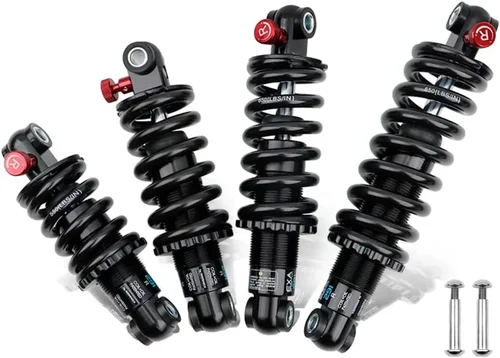
❌ Mistake: Ignoring Frame Compatibility
Why it’s bad: Installing a shock with the wrong eye-to-eye length or stroke can damage your frame, void your warranty, or result in poor suspension performance. Even a small mismatch can cause binding, reduced travel, or unsafe handling.
What to do instead: Always verify your bike’s shock specifications before buying. Check the manufacturer’s website, owner’s manual, or contact their support team. If replacing an old shock, measure it carefully or take it to a shop for confirmation.
❌ Mistake: Choosing Based on Price Alone
Why it’s bad: A cheap shock might save money upfront but could lack durability, adjustability, or proper damping, leading to a harsh ride, frequent repairs, or early replacement.
What to do instead: Focus on value, not just cost. Consider performance, features, warranty, and long-term reliability. A mid-range shock that lasts years and performs well is often a better investment than a budget model that fails quickly.
❌ Mistake: Overlooking Damping Adjustability
Why it’s bad: Without proper rebound and compression tuning, your shock may feel too bouncy, too stiff, or pack down on repeated hits—ruining traction and control.
What to do instead: Choose a shock with at least external rebound and low-speed compression adjustment. If you ride varied terrain, look for high-speed compression control as well. Don’t be afraid to experiment with settings—small changes can make a big difference.
❌ Mistake: Buying the Wrong Spring Rate or Air Pressure
Why it’s bad: A shock that’s too stiff will feel harsh and lose traction; one that’s too soft will bottom out easily and feel wallowy.
What to do instead: Use a sag gauge or smartphone app to set sag correctly (typically 25–30% for trail bikes). For coil shocks, consult a spring rate chart based on your weight. For air shocks, start with the manufacturer’s recommended PSI and adjust based on feel.
❌ Mistake: Neglecting Maintenance
Why it’s bad: Dirt, moisture, and worn seals can degrade performance over time, leading to noise, reduced damping, and premature failure.
What to do instead: Clean your shock regularly, check for leaks, and service it according to the manufacturer’s schedule. Keep spare seals and oil on hand if you’re doing DIY maintenance.
❌ Mistake: Assuming All Air Shocks Are the Same
Why it’s bad: Air shocks vary widely in design, spring curve, and sensitivity. A shock with a linear curve might not suit a bike with progressive kinematics.
What to do instead: Research how the shock’s air spring behaves. Some use volume spacers to tune progression—adding or removing them changes how the shock feels in its travel. Match the shock’s characteristics to your bike’s leverage ratio.
❌ Mistake: Ignoring User Feedback
Why it’s bad: Specs don’t tell the whole story. A shock might look great on paper but have real-world issues like noise, poor seals, or difficult tuning.
What to do instead: Read reviews from riders with similar setups. Join forums or social media groups to ask questions. If possible, test ride a bike with the shock you’re considering.
Budget Guidelines: How Much Should You Spend?
– Entry-Level ($150–$300): What to expect: Basic air or coil shocks with limited adjustability and simpler damping circuits. Best for casual riders, older bikes, or those on a tight budget. Examples include the RockShox Monarch RT or Fox Float DPS. These shocks get the job done but may lack refinement and longevity.
– Mid-Range ($300–$600): Sweet spot for most buyers: These shocks offer excellent performance, solid build quality, and useful tuning options. Models like the RockShox Super Deluxe Select+ or Fox Float X2 (non-EC) fall here. They’re ideal for trail, all-mountain, and light enduro riding.
– Premium ($600–$900): For enthusiasts and professionals: High-end shocks with advanced damping, multiple adjustments, and robust construction. The Fox Float X2 Factory, RockShox Super Deluxe Ultimate, and Cane Creek DB Air CS are in this tier. They deliver race-level performance and are built to last.
– Luxury ($900+): Top-tier features: These are the best of the best, often used by World Cup racers. They include features like remote lockouts, smart tuning, and hand-built precision. Examples are the Fox Live Valve system or DVO Topaz T3. Only necessary for extreme performance demands.

Expert Tips for Getting the Best Deal
– Buy during off-season sales: Late fall and winter are prime times for discounts as shops clear inventory for new models. Black Friday, Cyber Monday, and post-holiday sales often feature significant markdowns.
– Shop direct or through authorized dealers: Buying from reputable retailers ensures warranty coverage and access to support. Avoid gray-market sellers, as they may not honor warranties.
– Look for package deals: Some brands offer discounts when you buy a shock with a fork or complete suspension setup. This can save $100 or more.
– Consider last year’s model: New models often come out in early spring. Buying the previous year’s version can save 20–30% with minimal performance loss.
– Check return policies: Make sure you can return or exchange the shock if it doesn’t fit or perform as expected. Some retailers offer 30-day test periods.
– Test before you buy: If possible, demo a bike with the shock you’re considering. Many bike shops and brands offer demo days or rental programs.
– Invest in a shock pump: If you go with an air shock, a high-quality pump with a gauge is essential for accurate tuning. Don’t rely on floor pumps—they’re not precise enough.
– Join loyalty programs: Some brands offer points, discounts, or early access to sales for registered users.

Frequently Asked Questions
Q: Can I use any rear shock on my mountain bike?
A: No. Rear shocks must match your bike’s eye-to-eye length, stroke, mounting hardware, and bushing size. Always check your frame’s specifications before purchasing.
Q: What’s the difference between air and coil shocks?
A: Air shocks use compressed air for spring force and are highly adjustable via PSI. Coil shocks use a metal spring and offer a more linear, supple feel. Air shocks are lighter and more tunable; coil shocks are more consistent and less sensitive to temperature.
Q: How do I set sag on my rear shock?
A: Sit on the bike in full riding gear and measure how much the shock compresses. Aim for 25–30% of total travel. Adjust air pressure or spring preload until you hit the target.
Q: Do I need a piggyback reservoir?
A: Not necessarily. Piggyback shocks have larger oil volumes and better cooling, which helps on long, rough descents. For trail riding, a standard shock is usually sufficient.
Q: How often should I service my rear shock?
A: Most manufacturers recommend service every 50–100 hours of riding, or annually. Check for leaks, noise, or changes in feel as signs it’s time.
Q: Can I upgrade my shock without changing my frame?
A: Yes, as long as the new shock matches your frame’s specifications. Upgrading can significantly improve performance, especially on older bikes.
Q: Are metric shocks better than imperial?
A: Metric shocks are designed for modern frames with standardized mounting. They’re not inherently better, but they’re often easier to install and more widely compatible with newer bikes.
Q: What’s the best shock for downhill riding?
A: Coil or piggyback air shocks with high oil volume and strong damping, like the Fox DHX2 or RockShox Super Deluxe Coil Ultimate, are ideal for downhill.
Q: Can I adjust rebound too fast or too slow?
A: Yes. Too fast rebound causes a bouncy, unstable feel. Too slow rebound leads to packing down on repeated hits. Start in the middle and adjust based on terrain.
Q: Do I need a remote lockout?
A: Only if you frequently ride mixed terrain with long climbs. For pure downhill or technical trail riding, it’s usually unnecessary.
Our Final Recommendations
– Best for Budget-Conscious Buyers: RockShox Monarch RT – Reliable, easy to set up, and great value under $250.
– Best Overall Value: Fox Float X2 (non-EC) – Exceptional performance, tunability, and durability in the $600 range.
– Best Premium Option: Cane Creek DB Air CS – Hand-built, highly tunable, and backed by a 5-year warranty.
– Best for Beginners: RockShox Super Deluxe Select+ – User-friendly, great out-of-the-box performance, and excellent support.
– Best for Advanced Users: DVO Topaz T3 – Infinite adjustability, innovative damping, and race-ready performance.
Conclusion: Making the Right Choice
Choosing the right rear shock isn’t just about specs or brand names—it’s about matching a component to your riding style, terrain, and personal preferences. A shock that feels perfect on a rocky alpine trail might feel harsh on smooth singletrack, and vice versa. By understanding the key factors—budget, performance, build quality, features, and compatibility—you can make a decision that enhances every ride.
Don’t rush the process. Take time to research, read reviews, and, if possible, test different options. Remember, the best shock is the one that helps you ride faster, more confidently, and with greater comfort. Whether you’re upgrading for performance or replacing a worn-out unit, investing in a quality rear shock is one of the most impactful improvements you can make to your mountain bike.
So, gear up, hit the trails, and let your new shock do the work—so you can focus on the fun.