
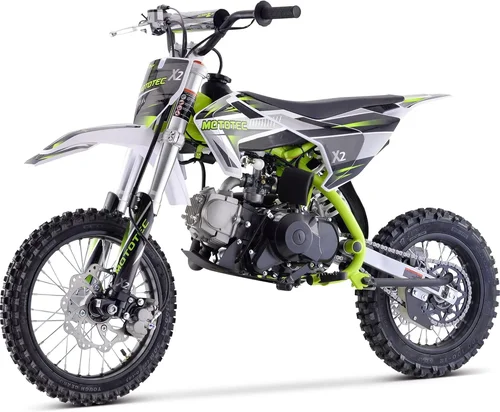
Electric dirt bikes are revolutionizing off-road riding. Once considered a niche curiosity, e-dirt bikes have matured into serious machines that rival—and in some cases surpass—their gas-powered counterparts. As we move into 2026, the market is flooded with options ranging from kid-friendly trail bikes to high-performance race machines capable of tackling extreme terrain. Whether you’re a weekend warrior, a competitive rider, or a parent looking for a safe, quiet ride for your child, there’s an electric dirt bike designed for you.
This comprehensive buying guide cuts through the noise to help you make an informed decision. We’ll walk you through the essential factors to consider, compare different types of e-dirt bikes, highlight common pitfalls, and provide expert-backed recommendations. By the end, you’ll know exactly what to look for, how much to spend, and which model best fits your riding style and needs. The electric dirt bike market is evolving rapidly, with advancements in battery technology, motor efficiency, and smart features making 2026 one of the most exciting years yet to go electric.
From budget-friendly starters to premium performance beasts, the best e-dirt bikes of 2026 offer instant torque, whisper-quiet operation, zero emissions, and minimal maintenance. But not all electric dirt bikes are created equal. Some prioritize speed and power, while others focus on range, durability, or ease of use. This guide will help you navigate the options, understand the trade-offs, and choose a bike that delivers maximum fun and value for your investment.

What to Look for When Buying an E Dirt Bike
1. Budget & Price Range
Your budget is the first and most important filter when shopping for an electric dirt bike. Prices can range from under $500 for basic youth models to over $15,000 for professional-grade race machines. It’s easy to get carried away by flashy features or brand names, but setting a realistic budget helps you focus on bikes that offer the best value within your price range.
Entry-level models typically cost between $400 and $1,200 and are ideal for kids or casual riders. These bikes often have lower top speeds (15–25 mph), shorter battery life (30–60 minutes), and simpler builds. Mid-range options ($1,200–$4,000) offer better performance, improved suspension, and longer ride times—perfect for teens and adult beginners. Premium models ($4,000–$8,000) are built for serious trail riding and light competition, with powerful motors, advanced battery systems, and durable frames. At the top end ($8,000+), you’ll find race-ready machines with cutting-edge tech, carbon fiber components, and professional-level suspension.
2. Performance Specifications
Performance is where electric dirt bikes truly shine. Unlike gas bikes that need to rev up to deliver power, e-bikes provide instant torque the moment you twist the throttle. This makes them incredibly responsive and fun to ride, especially on technical trails.
Key performance specs to evaluate include motor power (measured in watts or horsepower), top speed, torque, and acceleration. Most e-dirt bikes range from 1,000W to 10,000W. A 2,000W motor is sufficient for casual trail riding, while 5,000W+ motors are better suited for aggressive riding or hill climbing. Top speeds typically range from 20 mph on youth models to over 60 mph on high-end race bikes.
Also consider ride modes. Many modern e-dirt bikes offer multiple power settings—Eco, Trail, Sport, and Race—that let you adjust performance based on terrain and skill level. This is especially useful for beginners who want to start slow and gradually increase power as they gain confidence.
3. Battery Life & Charging Time
Battery life is one of the most critical factors for e-dirt bike performance. Unlike gas bikes that can be refueled in minutes, e-bikes require charging, and downtime can cut into your ride time.
Look for bikes with lithium-ion batteries, which offer the best balance of energy density, longevity, and weight. Battery capacity is measured in watt-hours (Wh). A 1,000Wh battery might give you 45–60 minutes of ride time, while a 3,000Wh pack could last 2–3 hours depending on terrain and riding style.
Charging time is equally important. Most bikes take 2–6 hours to fully charge using a standard charger. Some premium models support fast charging, reducing that time to under an hour. Consider whether the bike includes a charger and whether it’s compatible with portable power stations or solar chargers for off-grid adventures.
4. Build Quality & Durability
Off-road riding is tough on equipment. Rocks, roots, mud, and jumps demand a bike that can handle abuse. Build quality directly impacts longevity, safety, and performance.
Frame material is a good starting point. Aluminum alloy frames are lightweight, corrosion-resistant, and strong—ideal for most riders. Steel frames are heavier but more durable and often found on budget models. High-end bikes may use carbon fiber or titanium for maximum strength-to-weight ratios.
Suspension is another key component. Look for front forks and rear shocks with adjustable preload, compression, and rebound. Quality suspension absorbs impacts, improves traction, and enhances comfort. Entry-level bikes may have basic spring forks, while premium models feature inverted forks and linkage-driven rear suspension.
Tires, brakes, and drivetrain components also matter. Knobby, tubeless tires provide better grip on loose terrain. Hydraulic disc brakes offer superior stopping power compared to mechanical or drum brakes. Chain or belt drives should be well-sealed to prevent dirt and moisture damage.
5. Features & Functionality
Modern e-dirt bikes come packed with features that enhance safety, convenience, and performance. While not all are essential, some can significantly improve your riding experience.
Regenerative braking is a standout feature on many 2026 models. It captures energy during braking and feeds it back into the battery, extending ride time by 5–15%. This is especially useful on long descents or technical trails.
Smart connectivity is becoming more common. Bluetooth-enabled bikes can sync with smartphone apps to track ride data, monitor battery health, adjust settings, and even lock the bike remotely. Some models include GPS tracking and anti-theft alerts.
Other useful features include LED lighting for night riding, adjustable handlebars and seats for different riders, and quick-release wheels for easy transport. Water resistance (IP67 rating) ensures the bike can handle rain, puddles, and washing without damage.
6. Brand Reputation & Reliability
Not all e-dirt bike brands are created equal. Established manufacturers like KTM, Husqvarna, and Zero Motorcycles have decades of experience and strong reputations for quality. Newer brands like Sur Ron, Talaria, and Cake are gaining traction with innovative designs and competitive pricing.
Research brand history, customer reviews, and industry awards. A brand with a solid track record is more likely to stand behind its products and provide reliable support. Avoid unknown brands with no online presence or customer feedback—these often cut corners on materials and safety.
Also consider availability of parts and service. If something breaks, you’ll want to be able to get replacement components quickly. Brands with wide dealer networks or direct-to-consumer support make maintenance easier.
7. Warranty & Support
A good warranty protects your investment and reflects the manufacturer’s confidence in their product. Most reputable brands offer at least a 1-year warranty on the frame and motor, with 6–12 months on the battery.
Look for comprehensive coverage that includes parts, labor, and battery degradation. Some premium brands offer extended warranties (up to 3 years) or battery replacement programs. Read the fine print—some warranties are voided if the bike is used for racing or modified.
Customer support is just as important. Can you reach someone by phone or email? Is there a knowledge base or video tutorials? Brands with responsive, helpful support teams make ownership much smoother.
8. Size & Portability
Size matters—especially if you’re transporting the bike or storing it in a small space. Youth models are compact and lightweight (under 80 lbs), making them easy to handle and load into a car. Adult bikes can weigh 150–250 lbs, so consider how you’ll move it.
Portability features like folding handlebars, removable batteries, and kickstands can make a big difference. Some bikes are designed to fit in the trunk of a sedan, while others require a trailer or truck bed.
Also consider rider fit. Adjustable seats and handlebars allow the bike to grow with younger riders or accommodate multiple users. A bike that’s too big or small can be uncomfortable and unsafe.
Different Types of E Dirt Bikes

Common Buying Mistakes to Avoid
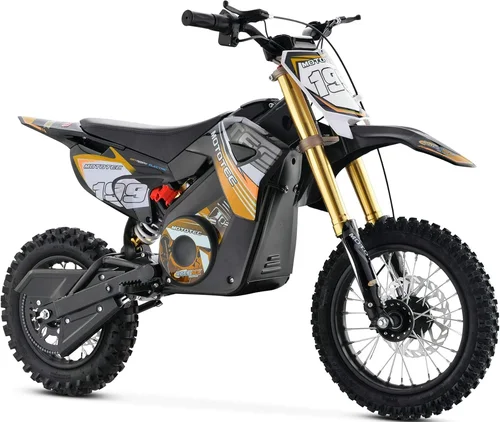
❌ Mistake: Ignoring Battery Real-World Performance
Why it’s bad: Manufacturers often advertise battery life under ideal conditions—flat terrain, light rider, eco mode. In reality, aggressive riding, hills, and cold weather can cut range by 30–50%.
What to do instead: Look for real-world user reviews and test ride if possible. Choose a bike with a battery capacity that exceeds your expected needs by at least 20%.
❌ Mistake: Overlooking Suspension Quality
Why it’s bad: Poor suspension leads to a harsh ride, reduced control, and increased risk of injury—especially on rough trails.
What to do instead: Prioritize bikes with adjustable, high-quality suspension. Test how the bike handles bumps and jumps before buying.
❌ Mistake: Buying Based on Price Alone
Why it’s bad: The cheapest bike isn’t always the best value. Low-cost models may use weak motors, fragile frames, or unreliable batteries that fail quickly.
What to do instead: Focus on total cost of ownership. A $2,000 bike that lasts 5 years is better than a $800 bike that breaks after one season.
❌ Mistake: Skipping Safety Gear
Why it’s bad: Electric dirt bikes are fast and powerful. Without proper protection, even minor crashes can result in serious injury.
What to do instead: Always wear a DOT-approved helmet, gloves, boots, and protective clothing. Consider body armor for aggressive riding.
❌ Mistake: Not Considering Maintenance Needs
Why it’s bad: While e-bikes require less maintenance than gas bikes, they still need regular care—chain lubrication, brake checks, tire pressure, and battery storage.
What to do instead: Learn basic maintenance or choose a brand with strong service support. Keep a toolkit and spare parts on hand.
❌ Mistake: Ignoring Local Laws and Regulations
Why it’s bad: Some areas restrict where e-dirt bikes can be ridden. Using a high-powered bike on public trails or roads could result in fines or confiscation.
What to do instead: Check local regulations before buying. Some bikes are street-legal with lights and mirrors; others are off-road only.
❌ Mistake: Failing to Test Ride
Why it’s bad: A bike that looks great on paper might feel uncomfortable or underpowered in real life.
What to do instead: Visit a dealer or attend a demo event. Test ride multiple models to compare handling, comfort, and performance.
Budget Guidelines: How Much Should You Spend?
Entry-Level ($400 – $1,200): These bikes are perfect for kids, beginners, or casual trail use. Expect modest power (1,000–2,000W), basic suspension, and 30–60 minutes of ride time. Brands like Razor, Segway, and EcoReco offer reliable options in this range. While they lack advanced features, they’re safe, fun, and a great way to introduce someone to off-road riding.
Mid-Range ($1,200 – $4,000): This is the sweet spot for most riders. Bikes in this tier offer 3,000–5,000W motors, better suspension, longer battery life (1–2 hours), and improved build quality. Models like the Sur Ron Light Bee X and Talaria Sting are popular choices. They’re capable of handling moderate trails, hills, and even light competition. Many include ride modes, LED lights, and water resistance.
Premium ($4,000 – $8,000): Designed for serious riders, these bikes deliver race-level performance with 6,000–10,000W motors, top-tier suspension, and advanced battery systems. Expect top speeds over 50 mph, 2–3 hours of ride time, and features like regenerative braking and app connectivity. Brands like Zero Motorcycles and Cake dominate this space. These bikes are ideal for enthusiasts, trail guides, or competitive riders.
Luxury ($8,000+): At this level, you’re paying for cutting-edge technology, lightweight materials, and professional-grade components. Bikes like the KTM Freeride E-XC or Husqvarna EE 5 offer carbon fiber frames, ultra-fast charging, and customizable settings. These are for riders who demand the absolute best and aren’t constrained by budget.
Expert Tips for Getting the Best Deal
1. Buy During Off-Season Sales: Prices often drop in late fall and winter when demand is low. Look for holiday sales, end-of-year clearances, or manufacturer promotions.
2. Consider Refurbished or Demo Models: Many brands sell certified pre-owned or demo bikes at 10–30% off retail. These are often in excellent condition and come with warranties.
3. Compare Online and In-Store Prices: Online retailers may offer lower prices, but local dealers provide test rides, service, and immediate support. Some dealers price-match online offers.
4. Look for Bundles: Some sellers include helmets, gloves, chargers, or spare batteries in package deals. These can save you $100–$300 compared to buying separately.
5. Check for Rebates or Incentives: Some states and countries offer rebates for electric vehicles, including e-dirt bikes. Research local programs to reduce your cost.
6. Read the Return Policy: Make sure you can return or exchange the bike if it doesn’t meet expectations. Avoid sellers with strict no-return policies.
7. Join Online Communities: Forums and Facebook groups dedicated to e-dirt bikes often share deals, reviews, and maintenance tips. Members may sell used bikes at fair prices.
8. Negotiate with Dealers: Don’t be afraid to ask for a discount, especially on higher-priced models. Dealers may offer financing, free accessories, or extended warranties to close the sale.
Frequently Asked Questions
Q: Are electric dirt bikes as powerful as gas bikes?
A: In terms of torque and acceleration, many e-dirt bikes outperform gas bikes. Electric motors deliver 100% torque instantly, while gas engines need to build RPMs. However, top speed and range can still favor high-end gas models, especially for long-distance or competitive racing.
Q: How long do e-dirt bike batteries last?
A: Battery lifespan depends on usage, charging habits, and climate. Most lithium-ion batteries last 500–1,000 charge cycles, which translates to 3–5 years with regular use. Proper storage (50% charge, cool, dry place) extends life.
Q: Can I ride an e-dirt bike in the rain?
A: Yes, if the bike has a water resistance rating of IP67 or higher. Avoid submerging it in deep water or riding through deep mud, which can damage seals and electronics.
Q: Do I need a license to ride an e-dirt bike?
A: It depends on your location and the bike’s power. Off-road use typically doesn’t require a license, but street-legal models may need registration, insurance, and a motorcycle license. Check local laws.
Q: How fast can e-dirt bikes go?
A: Speeds vary widely. Youth models top out at 15–25 mph, while high-performance bikes can exceed 60 mph. Most trail bikes cruise at 30–45 mph.
Q: Are e-dirt bikes quiet?
A: Yes—much quieter than gas bikes. Electric motors produce a soft whine, making them ideal for riding in noise-sensitive areas like campgrounds or residential trails.
Q: Can I upgrade my e-dirt bike?
A: Some components like tires, suspension, and batteries can be upgraded. However, motor and controller upgrades are complex and may void warranties. Consult the manufacturer before modifying.
Q: What’s the best e-dirt bike for beginners?
A: Look for a mid-range bike with adjustable power modes, good suspension, and a low seat height. The Sur Ron Light Bee X and Talaria Sting are excellent starter options for adults.
Q: How do I maintain an e-dirt bike?
A: Regular maintenance includes cleaning after rides, checking tire pressure, lubricating the chain, inspecting brakes, and storing the battery properly. Follow the manufacturer’s manual for specific guidelines.
Q: Can kids ride e-dirt bikes?
A: Absolutely. Many brands offer youth models designed for safety and ease of use. Always supervise young riders and ensure they wear proper safety gear.
Our Final Recommendations
Best for Budget-Conscious Buyers: Razor MX650 Dirt Rocket – At under $600, this bike offers surprising performance for the price. It’s perfect for teens and light trail use, with a 650W motor, 17 mph top speed, and durable steel frame. While it lacks advanced features, it’s reliable, fun, and a great entry point.
Best Overall Value: Sur Ron Light Bee X – Priced around $3,500, this bike strikes the perfect balance of power, range, and build quality. With a 6,000W motor, 40+ mph top speed, and 2–3 hours of ride time, it’s capable of handling serious trails. Its modular design allows for easy upgrades, and the brand has a strong community and support network.
Best Premium Option: Zero FXE – At $11,000, the FXE is a premium electric dirt bike with street-legal capabilities. It features a 46 hp motor, 64 mph top speed, and 5.5 kWh battery with fast charging. Ideal for riders who want versatility, performance, and cutting-edge technology.
Best for Beginners: Talaria Sting – This $3,200 bike is beginner-friendly with adjustable power modes, excellent suspension, and a low center of gravity. It’s lightweight, easy to handle, and offers great value for new riders looking to build confidence.
Best for Advanced Users: KTM Freeride E-XC – A $12,000 race-ready machine with a 50 hp motor, carbon fiber subframe, and WP suspension. Designed for aggressive trail riding and competition, it’s the ultimate choice for experienced riders who demand top performance.
Conclusion: Making the Right Choice
Choosing the best e-dirt bike in 2026 comes down to understanding your needs, budget, and riding goals. Whether you’re buying for a child, upgrading from a gas bike, or diving into electric off-roading for the first time, the right bike will deliver excitement, reliability, and long-term value.
Remember to prioritize safety, research thoroughly, and test ride when possible. Don’t be swayed by marketing hype—focus on real-world performance, build quality, and support. The electric dirt bike market is more competitive than ever, and 2026 offers an incredible range of options for every rider.
As battery technology continues to improve and prices become more accessible, now is the perfect time to go electric. With zero emissions, minimal noise, and thrilling performance, e-dirt bikes represent the future of off-road adventure. Take your time, weigh your options, and choose a bike that matches your passion for the trail.