
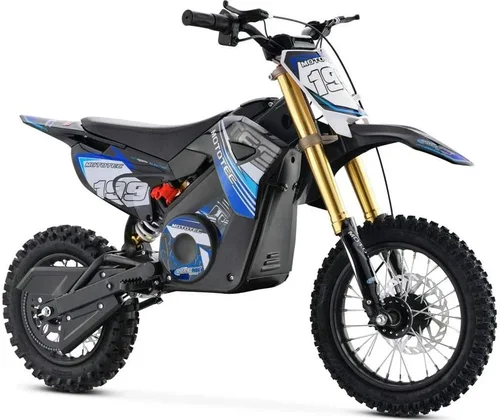
Electric dirt bikes for kids have surged in popularity over the past few years, transforming from niche novelty items into serious off-road machines designed specifically for young riders. As parents and guardians increasingly seek safe, eco-friendly, and engaging outdoor activities for children, these battery-powered bikes have emerged as a top choice. Unlike traditional gas-powered dirt bikes—which can be loud, polluting, and intimidating for beginners—electric models offer quiet operation, instant torque, and user-friendly controls that make them ideal for kids aged 3 to 14. Whether your child is a first-time rider or an aspiring motocross enthusiast, finding the right electric dirt bike involves more than just picking the flashiest model. This guide exists to cut through the marketing noise and deliver expert-level insights so you can make a confident, informed decision.
In this comprehensive buying guide, you’ll learn everything you need to know about selecting the best kids electric dirt bike for your family’s needs. We’ll walk you through critical factors like age-appropriate sizing, motor power, battery life, safety features, build quality, and long-term value. You’ll also discover how different types of electric dirt bikes compare—from lightweight beginner models to high-performance youth machines—and why understanding your child’s skill level is just as important as knowing your budget. Along the way, we’ll highlight common pitfalls to avoid, share insider tips for getting the best deal, and answer frequently asked questions based on real-world experience and expert testing. By the end, you’ll have a clear roadmap to choosing a bike that’s safe, fun, durable, and worth every penny.
The kids’ electric dirt bike market has matured significantly, with brands like Razor, Kuberg, Oset, and Sur-Ron leading the charge with innovative designs and robust engineering. Today’s models aren’t just scaled-down versions of adult bikes—they’re purpose-built with kid-centric ergonomics, adjustable speed settings, and fail-safe mechanisms that prioritize safety without sacrificing excitement. However, with dozens of options across a wide price spectrum—from under $200 to well over $2,000—it’s easy to feel overwhelmed. That’s where this guide comes in. Whether you’re shopping for a birthday gift, a holiday surprise, or simply looking to encourage more outdoor play, we’ll help you navigate the options with confidence and clarity.

What to Look for When Buying Kids Electric Dirt Bikes
1. Age and Skill Level Appropriateness
One of the most critical—and often overlooked—factors when buying a kids electric dirt bike is matching the bike to your child’s age, size, and riding experience. A bike that’s too powerful or too large can be dangerous, while one that’s too small or underpowered may quickly become boring. Most manufacturers specify recommended age ranges (e.g., 3–6 years, 7–12 years), but these should be treated as guidelines, not absolutes. Always consider your child’s height, weight, coordination, and confidence level.
For toddlers and preschoolers (ages 3–5), look for ultra-lightweight models with low seat heights (under 20 inches), simple push-button throttle controls, and maximum speeds capped at 5–8 mph. These bikes often feature training wheels or wide, stable frames to prevent tipping. As kids grow into elementary school (ages 6–10), they can handle slightly larger bikes with more power (10–15 mph) and basic suspension systems. Pre-teens and teens (11+) may be ready for full-sized youth electric dirt bikes with advanced features like regenerative braking, multiple speed modes, and hydraulic disc brakes.
2. Motor Power and Performance Specifications
The motor is the heart of any electric dirt bike, determining how fast, how far, and how well the bike performs on varied terrain. Kids’ electric dirt bikes typically use brushless DC motors ranging from 250W to 3,000W. Lower-wattage motors (250W–500W) are ideal for young beginners, offering gentle acceleration and manageable top speeds. Mid-range motors (750W–1,500W) suit intermediate riders who want more thrill without excessive risk. High-performance models (2,000W+) are reserved for older, experienced kids tackling hills, jumps, or rough trails.
Don’t just focus on wattage—also consider torque output and hill-climbing ability. A bike with high torque will accelerate quickly from a stop and maintain momentum uphill, which is especially useful on off-road tracks. Look for specs like “continuous power” versus “peak power,” as peak ratings can be misleading. Additionally, check the top speed: most kid-friendly models cap out between 8 and 20 mph. Anything above 15 mph should come with parental speed limiters or adjustable throttle settings for safety.
Battery voltage (usually 24V, 36V, or 48V) also impacts performance. Higher voltage generally means more power and longer range, but it also increases weight and cost. For most families, a 36V system strikes the best balance between performance and practicality for kids aged 8–14.
3. Battery Life and Charging Time
Nothing kills the fun faster than a dead battery mid-ride. Battery life—measured in amp-hours (Ah) and expressed as runtime—is a make-or-break factor for usability. Most kids’ electric dirt bikes offer 30 minutes to 2 hours of continuous ride time, depending on motor power, terrain, rider weight, and speed. For casual backyard use, 45–60 minutes may suffice, but if you plan to take your child to parks, trails, or competitions, aim for at least 90 minutes of runtime.
Look for lithium-ion (Li-ion) batteries, which are lighter, longer-lasting, and more efficient than older lead-acid types. A 36V 10Ah Li-ion pack is common in mid-tier models and typically delivers about 1–1.5 hours of moderate riding. Charging time varies from 2 to 6 hours; some premium models include fast-charging capabilities or swappable battery systems so you can keep a spare charged and ready.
Always check whether the battery is removable. Removable batteries make charging easier (you can charge indoors while the bike stays outside) and allow for future upgrades. Also, verify warranty coverage on the battery—many brands cover only 6–12 months, even if the bike itself has a longer warranty.
4. Build Quality and Durability
Kids are tough on equipment, and dirt bikes face even harsher conditions—mud, rocks, drops, and constant vibration. A well-built frame made from reinforced steel or aircraft-grade aluminum ensures the bike can withstand rough handling without bending or cracking. Avoid flimsy plastic frames or thin-gauge metal that feels cheap or wobbles under pressure.
Pay attention to suspension quality. Entry-level bikes may have rigid frames or basic coil springs, while better models include front forks and rear shocks that absorb bumps and improve control. Tires matter too: knobby, pneumatic (air-filled) tires provide superior grip on dirt, grass, and gravel compared to solid rubber ones, which are quieter but offer less traction.
Sealed components are another durability hallmark. Look for IP-rated electrical systems (e.g., IP65 or higher) that protect against dust and water ingress—essential for off-road use. Quality bearings, sealed chain guards, and reinforced footpegs also signal a bike built to last.
5. Safety Features and Controls
Safety should never be compromised for speed or style. The best kids electric dirt bikes come equipped with multiple layers of protection. Key features include:
- Adjustable speed limiter: Allows parents to restrict top speed via a key or app (e.g., 5 mph for beginners, 15 mph for advanced).
- Kill switch / emergency stop: A prominent button or lever that cuts power instantly.
- Throttle lockout: Prevents accidental acceleration when starting or stopping.
- Low center of gravity: Improves stability and reduces rollover risk.
- Foot-activated brake: More intuitive for kids than hand brakes, which require grip strength they may lack.
Some advanced models include GPS tracking, geofencing alerts, or smartphone apps that let you monitor speed, location, and battery status in real time. While not essential, these features add peace of mind for parents of older kids riding farther from home.
Always ensure the bike meets safety certifications like UL 2271 (for batteries) or ASTM F963 (toy safety standard). Avoid uncertified imports sold on obscure websites—they may use substandard components that pose fire or electrical hazards.
6. Brand Reputation and Customer Support
Not all electric dirt bike brands are created equal. Established names like Razor, Kuberg, and Oset have years of experience designing youth-focused vehicles and offer reliable customer service, accessible spare parts, and clear user manuals. Lesser-known brands may offer tempting prices, but they often lack technical support, warranty fulfillment, or replacement parts—leaving you stranded if something breaks.
Research online reviews on trusted platforms like Amazon, REI, or specialty motocross forums. Look for patterns: Do multiple users report the same issue (e.g., battery failure, loose handlebars)? Are complaints resolved promptly by the company? A brand that stands behind its products with responsive support is worth paying a little extra for.
Also consider availability of local dealers or service centers. If your bike needs repairs, having a nearby technician who knows the model can save time and money. Some brands even offer virtual troubleshooting or video guides for common fixes.
7. Warranty and Return Policy
A solid warranty reflects a manufacturer’s confidence in their product—and protects your investment. Most reputable brands offer 6–12 months of coverage on the entire bike, with longer terms (up to 2 years) on the battery and motor. Read the fine print: some warranties exclude “normal wear and tear,” crashes, or modifications, so avoid DIY upgrades unless explicitly allowed.
Return policies are equally important, especially when buying online. Look for retailers that offer at least a 30-day return window with free return shipping. This gives you time to test the bike with your child and ensure it’s the right fit. Some specialty stores even offer in-person demos or rental programs so you can try before you buy.
If purchasing directly from the manufacturer, check if they provide assembly support. Many kids’ electric dirt bikes ship partially assembled, and improper setup can lead to safety issues or voided warranties.
8. Size, Weight, and Portability
A bike that’s too big or heavy is not only unsafe—it’s impractical. Consider where and how you’ll store and transport the bike. Will it fit in your car trunk? Can your child lift it onto a rack? Most youth electric dirt bikes weigh between 40 and 100 pounds. Lighter models (under 60 lbs) are easier for kids to maneuver and for parents to load.
Foldable handlebars or removable batteries can enhance portability. Measure your storage space (garage, shed, closet) and compare it to the bike’s dimensions. Some models are designed to stand vertically to save floor space. Also, check wheel size: 10–12 inch wheels suit younger kids, while 14–16 inch wheels are better for pre-teens.
If you plan to travel to riding spots, look for bikes with integrated carrying handles or compatibility with bike racks. Avoid models with overly complex disassembly requirements unless you’re comfortable with frequent tinkering.
Different Types of Kids Electric Dirt Bikes

Common Buying Mistakes to Avoid
❌ Mistake: Choosing Based Solely on Price
Why it’s bad: The cheapest bike isn’t always the best value. Ultra-low-cost models often use weak motors, short-lived batteries, and fragile frames that break within months—costing more in repairs or replacements than a mid-range bike would have.
What to do instead: Set a realistic budget based on your child’s needs and prioritize quality over initial savings. A $500 bike that lasts 3 years is smarter than a $200 bike that lasts 6 months.
❌ Mistake: Ignoring Safety Certifications
Why it’s bad: Uncertified bikes may lack proper electrical insulation, use counterfeit batteries, or have unstable designs that increase crash risk. In worst cases, they can overheat or catch fire.
What to do instead: Only buy from reputable retailers and verify certifications like UL, CE, or ASTM. If a brand can’t provide documentation, walk away.
❌ Mistake: Overestimating Your Child’s Skill Level
Why it’s bad: Giving a beginner a high-speed bike leads to loss of control, crashes, and loss of confidence. It’s also a liability risk.
What to do instead: Start low and slow. Use adjustable speed limiters and upgrade only when your child demonstrates consistent control and responsibility.
❌ Mistake: Neglecting Maintenance Requirements
Why it’s bad: Electric dirt bikes need regular care—chain lubrication, tire pressure checks, battery storage in cold weather. Ignoring maintenance shortens lifespan and creates safety hazards.
What to do instead: Read the manual thoroughly and create a simple maintenance schedule. Teach your child basic upkeep to foster responsibility.
❌ Mistake: Buying Without Testing Fit
Why it’s bad: A bike that’s too tall or heavy is unsafe and discouraging. Kids won’t ride something they can’t comfortably reach or control.
What to do instead: Measure your child’s inseam and compare it to the bike’s seat height. If possible, visit a store for a test ride or choose a retailer with a generous return policy.
❌ Mistake: Overlooking Local Laws and Regulations
Why it’s bad: Some states or municipalities restrict where electric bikes can be ridden (e.g., sidewalks, public trails). Violating these rules can result in fines or confiscation.
What to do instead: Check local ordinances before buying. Designate private property or approved parks for riding.
❌ Mistake: Forgetting About Resale Value
Why it’s bad: Kids outgrow bikes quickly. A poorly made model won’t hold value, leaving you with a worthless asset.
What to do instead: Choose well-known brands with active resale markets (e.g., Facebook Marketplace, eBay). Keep the bike clean and store it properly to maximize resale potential.
Budget Guidelines: How Much Should You Spend?
Setting the right budget ensures you get the best possible bike without overspending. Here’s a realistic breakdown based on performance, durability, and long-term value:
Entry-Level ($150–$400): Ideal for toddlers and young beginners. Expect basic 250W–500W motors, 24V batteries, plastic or lightweight metal frames, and minimal suspension. Brands like Razor dominate this space. Great for supervised backyard use but not built for serious off-roading. Battery life typically 30–45 minutes.
Mid-Range ($400–$900): The sweet spot for most families. These bikes (e.g., Kuberg Cross, Oset 16″) offer 750W–1,500W motors, 36V Li-ion batteries, steel frames, front suspension, and adjustable speed controls. Suitable for ages 6–12, with 60–90 minutes of runtime. Excellent balance of safety, performance, and durability.
Premium ($900–$1,800): For serious young riders who ride weekly or competitively. Features include 2,000W+ motors, 48V batteries, hydraulic brakes, full suspension, regenerative systems, and app connectivity. Models like the Sur-Ron Storm Bee Youth or Kuberg FreeRider fall here. Built to last years with proper care.
Luxury ($1,800+): Top-tier machines for advanced teens or families investing in long-term use. These bikes rival entry-level adult electric motorcycles in performance and build quality. Expect carbon fiber components, swappable batteries, GPS tracking, and professional-grade suspension. Best for those who treat riding as a sport, not just recreation.
Expert Tips for Getting the Best Deal
- Shop during off-seasons: Prices drop significantly in late fall and winter (October–February) when demand is low. Many retailers clear inventory before spring launches.
- Sign up for brand newsletters: Companies like Kuberg and Oset often offer exclusive discounts, early access to sales, or free shipping to subscribers.
- Check refurbished or open-box deals: Certified pre-owned bikes from reputable sellers can save 20–40% and come with warranties.
- Bundle accessories: Some retailers offer discounts when you buy helmets, gloves, or spare batteries together.
- Use cashback and rewards programs: Credit cards or sites like Rakuten can add 2–5% back on your purchase.
- Negotiate with local dealers: Independent shops may price-match online retailers or throw in free assembly.
- Wait for holiday sales: Black Friday, Cyber Monday, and Prime Day often feature deep discounts on kids’ electric vehicles.
- Read return policies carefully: Ensure you can return the bike if it doesn’t fit or perform as expected—even after assembly.

Frequently Asked Questions
Q: Are kids electric dirt bikes safe?
A: Yes—when chosen appropriately and used with proper safety gear (helmet, knee/elbow pads, gloves). Modern models include speed limiters, stable designs, and emergency stops. Always supervise young riders and teach basic safety rules.
Q: How fast do kids electric dirt bikes go?
A: Most range from 5 mph (for toddlers) to 20+ mph (for advanced teens). Always check the max speed and use parental controls to limit it based on skill level.
Q: Do they require assembly?
A: Typically, yes—usually 30–60 minutes to attach wheels, handlebars, and pedals. Some brands include detailed videos; others offer professional assembly for a fee.
Q: Can they be ridden in the rain?
A: Most are water-resistant (IP65), but not fully waterproof. Avoid deep puddles or heavy rain to prevent electrical damage. Dry thoroughly after wet rides.
Q: How long do batteries last?
A: Li-ion batteries typically last 300–500 charge cycles (about 2–3 years with regular use). Store them at 50% charge in cool, dry places during off-seasons.
Q: Are they loud?
A: No—electric motors are nearly silent compared to gas engines. This makes them ideal for residential areas and early morning/late evening riding.
Q: Can adults ride them?
A: Most are designed for kids under 120 lbs. Adult riders risk damaging the frame or motor. However, some high-end youth models (e.g., Kuberg FreeRider) support up to 180 lbs.
Q: Where can kids legally ride them?
A: Private property (with permission), designated off-road parks, or trails that allow electric vehicles. Never ride on sidewalks or roads unless explicitly permitted by local law.
Q: What safety gear is required?
A: At minimum: DOT-approved helmet, gloves, long sleeves/pants, and closed-toe shoes. For trail riding, add knee and elbow pads.
Q: How do I maintain the bike?
A: Clean after each ride, lubricate the chain monthly, check tire pressure weekly, and store the battery properly. Refer to the manual for model-specific tips.
Our Final Recommendations
Best for Budget-Conscious Buyers: Razor MX350 Dirt Rocket – At under $400, it’s a reliable starter bike for ages 6–10 with a 350W motor, 14-inch knobby tires, and a top speed of 14 mph. Simple, safe, and backed by Razor’s strong reputation.
Best Overall Value: Kuberg Cross 20″ – Priced around $800, this Czech-engineered bike offers exceptional build quality, 1,000W motor, 36V battery, and adjustable suspension. Perfect for kids 8–12 who ride regularly.
Best Premium Option: Sur-Ron Storm Bee Youth – At $1,799, it’s a mini powerhouse with 3,000W peak power, 48V battery, hydraulic brakes, and race-inspired geometry. Ideal for competitive young riders.
Best for Beginners: Oset 12.5 Eco – Designed specifically for ages 3–6, this ultra-lightweight bike (33 lbs) has no throttle—kids control speed by pedaling. Teaches balance and coordination safely.
Best for Advanced Users: Kuberg FreeRider 24″ – With 2,000W continuous power, regenerative braking, and app-based tuning, this bike grows with your child from age 10 into their teens. Built for serious off-road adventures.
Conclusion: Making the Right Choice
Choosing the best kids electric dirt bike isn’t just about picking the fastest or flashiest model—it’s about finding the right match for your child’s age, skill level, and riding environment. By prioritizing safety, build quality, and long-term value, you’ll give your child a gift that encourages outdoor activity, builds confidence, and creates lasting memories. Remember to start slow, invest in proper gear, and maintain the bike regularly to ensure years of safe, thrilling rides.
Use this guide as your roadmap: assess your needs, compare options honestly, avoid common pitfalls, and don’t rush the decision. Whether you’re buying for a curious toddler or a budding motocross star, the perfect electric dirt bike is out there—and with the right information, you’ll find it. Happy riding!