
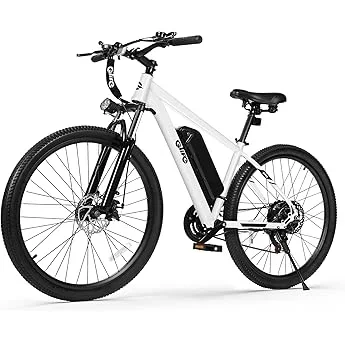
Mountain biking has evolved dramatically over the past decade, and electric mountain bikes—or eMTBs—have become a game-changer for riders of all skill levels. Whether you’re tackling steep forest trails, cruising through rugged backcountry terrain, or simply looking for an efficient way to commute off-road, a mountain ebike can transform your outdoor experience. But with so many options flooding the market, finding a reliable, high-performing model that doesn’t break the bank can feel overwhelming. That’s exactly why this guide exists: to cut through the noise and help you make a smart, informed decision without overspending.
In this comprehensive buying guide, we’ll walk you through everything you need to know about choosing the best budget mountain ebike in 2026. From understanding key performance specs like motor power and battery range to evaluating build quality, brand reputation, and real-world user feedback, we’ve got you covered. You’ll learn how to avoid common pitfalls, identify hidden costs, and spot genuine value in a sea of marketing hype. Whether you’re a first-time buyer or upgrading from an older model, this guide is designed to empower you with expert-level knowledge—so you can ride confidently, safely, and affordably.
The budget eMTB market has matured significantly in recent years. While premium models still command prices well above $5,000, there’s now a robust selection of capable, trail-ready electric mountain bikes available under $2,500—and even some impressive options under $1,500. Brands like Rad Power Bikes, Aventon, Himiway, and newer entrants like Lectric and Heybike are pushing innovation while keeping costs accessible. However, “budget” doesn’t always mean “cheap.” The best budget mountain ebikes balance affordability with durability, performance, and essential features like suspension, hydraulic brakes, and decent battery life. This guide will help you distinguish between true value and false economy.

What to Look for When Buying a Budget Mountain Ebike
1. Budget & Price Range
Setting a realistic budget is the foundation of any smart purchase—especially when it comes to electric mountain bikes. While it’s tempting to chase the lowest price tag, remember that eMTBs are complex machines with motors, batteries, drivetrains, and frames that all contribute to performance and longevity. Aiming for the sweet spot between $1,200 and $2,200 typically yields the best balance of quality and affordability in today’s market.
At the lower end (under $1,200), you’ll often find bikes with weaker motors (250W–500W), basic mechanical disc brakes, minimal suspension travel, and batteries that may only offer 20–30 miles of range. These can work for light trail use or flat terrain but struggle on technical climbs or long rides. In the $1,500–$2,200 range, you’ll start seeing 750W hub motors, hydraulic disc brakes, front suspension with 100–120mm of travel, and batteries capable of 40–60 miles per charge. This tier offers genuine trail capability without the premium price.
Always factor in hidden costs: shipping fees, assembly (many budget eMTBs arrive 85% assembled), replacement parts, and potential upgrades like better tires or a more comfortable saddle. Some retailers include free tune-ups or extended warranties—look for these perks as they add real value.
2. Motor Type & Power Output
The motor is the heart of your ebike—and for mountain biking, it needs to deliver consistent torque and responsive power. Most budget eMTBs use either hub motors (mounted in the rear or front wheel) or mid-drive motors (integrated near the pedals). For trail riding, a rear hub motor in the 500W–750W range is ideal. It provides strong acceleration, handles hills well, and maintains balance better than front hub motors, which can feel twitchy on loose terrain.
Avoid motors below 500W if you plan to ride steep inclines or carry extra gear. While 250W–350W motors are legal in many regions and sufficient for flat commutes, they lack the grunt needed for serious off-roading. Look for motors with peak power ratings (often 1,000W+) rather than just continuous ratings—this indicates burst capability for climbing or accelerating out of corners.
Mid-drive motors (like those from Bafang or Shimano) are superior in theory because they leverage the bike’s gears for efficiency and better weight distribution. However, they’re rare in budget models due to cost. If you find a sub-$2,500 eMTB with a quality mid-drive, it’s a standout—but don’t compromise other essentials just to get one.
3. Battery Capacity & Range
Battery life directly impacts how far and how long you can ride. Measured in watt-hours (Wh), battery capacity determines range. A 48V 14Ah battery, for example, equals 672Wh—enough for 40–60 miles on moderate assist, depending on terrain, rider weight, and riding style.
For mountain biking, aim for at least a 500Wh battery. Smaller packs (under 400Wh) drain quickly on trails due to constant acceleration, braking, and climbing. Removable batteries are a must—they allow you to charge indoors, swap in a spare, or replace the pack later without replacing the whole bike.
Also consider battery chemistry: lithium-ion (Li-ion) is standard and reliable, but check if it’s Samsung, LG, or Panasonic cells—these brands offer better longevity than generic alternatives. Avoid bikes with non-removable or sealed batteries unless you’re okay with limited serviceability.
4. Frame Material & Build Quality
The frame is what holds everything together—and for off-road use, it needs to be tough. Most budget eMTBs use aluminum alloy frames, which strike a good balance between strength, weight, and cost. Look for 6061 or 7005 aluminum; these grades are durable and resistant to fatigue.
Avoid steel frames unless specifically designed for heavy-duty use—they’re heavier and can rust. Carbon fiber is rare in budget models and usually reserved for high-end builds. Pay attention to weld quality: clean, smooth welds indicate better manufacturing. Check for reinforced joints around the motor mount and dropouts—these areas endure the most stress.
Suspension is equally critical. Full-suspension bikes offer better control on rough trails but are uncommon under $2,500. Most budget eMTBs feature front suspension only (hardtail), with 100–120mm of travel. This is sufficient for moderate trails. Ensure the fork is air-sprung or has adjustable preload—cheaper coil forks can feel harsh and bottom out easily.
5. Braking System
Stopping power is non-negotiable on mountain trails. Mechanical disc brakes are common on ultra-budget models but require frequent adjustment and lose effectiveness when wet or muddy. Hydraulic disc brakes, while slightly more expensive, offer superior modulation, consistent performance, and less hand fatigue—especially important on long descents.
Look for 180mm rotors (or larger) for adequate heat dissipation. Brands like Tektro, Zoom, and Nutt offer reliable hydraulic systems in budget bikes. Avoid rim brakes entirely—they’re unsafe for eMTBs due to the added speed and weight.
Test the brake lever feel if possible: it should engage smoothly without excessive travel. Poorly bled hydraulics or misaligned calipers can ruin the riding experience.
6. Drivetrain & Gearing
Even with electric assist, you’ll still pedal—so the drivetrain matters. Most budget eMTBs use 7–9 speed Shimano Tourney, Altus, or Acera groupsets. These are functional for casual riding but may feel sluggish on technical climbs. Upgrading to a 9-speed Deore or MicroShift setup improves shift precision and durability.
Pay attention to the cassette range: a 11-42T or 11-46T cassette gives you low enough gears for steep climbs. Single-chainring setups (1x drivetrains) are common and simplify shifting—just ensure the chainring size (usually 32T–36T) matches your terrain.
Avoid bikes with freewheel cassettes (instead of freehub); they’re cheaper but less durable and harder to service.
7. Tires & Wheel Size
Tires are your only contact with the trail—so choose wisely. Most budget eMTBs come with 27.5″ or 29″ wheels. 29ers roll over obstacles more easily and maintain momentum better, ideal for cross-country riding. 27.5″ wheels are more agile and better for tight, technical trails.
Look for tires with aggressive tread patterns (like Kenda, Maxxis, or Chaoyang) and widths of at least 2.3″. Wider tires (2.4″–2.6″) provide better grip and cushioning. Tubeless-ready rims are a bonus—they allow lower pressures for traction without pinch flats, though setting them up requires extra effort.
Avoid slick or semi-slick tires—they’re unsafe off-road. If the bike comes with basic city tires, budget $80–$120 for a proper trail set.
8. Display & Connectivity Features
The display controls your assist level, shows speed, battery status, and sometimes navigation or ride stats. Basic LCD screens are fine for most riders, but color displays with Bluetooth connectivity (for app integration) add convenience. Apps can track routes, adjust motor settings, and even lock the bike remotely.
Ensure the display is readable in sunlight and mounted securely. Water resistance is essential—look for IP65 or higher ratings. Some budget models omit displays entirely, relying on handlebar buttons—this saves cost but reduces functionality.
USB charging ports are handy for powering lights or phones but aren’t critical. Prioritize core performance over flashy tech.
9. Brand Reputation & Customer Support
Not all budget brands are created equal. Established names like Rad Power Bikes, Aventon, and Himiway have proven track records, responsive customer service, and accessible spare parts. Newer or lesser-known brands may offer lower prices but risk poor support or discontinued models.
Check online forums (like Reddit’s r/ebikes or Electric Bike Report) for real user experiences. Look for brands that publish detailed spec sheets, offer clear warranty terms, and provide video assembly guides. Avoid companies with vague “contact us” forms or no physical address.
Local dealer support matters too. If something breaks, can you get it fixed nearby? Some brands partner with local shops for service—this is a major advantage.
10. Warranty & Return Policy
A solid warranty protects your investment. Most reputable brands offer 1–2 years on the frame and motor, and 6–12 months on the battery. Longer battery warranties (2+ years) indicate confidence in longevity.
Read the fine print: some warranties exclude “commercial use” or require registration within 30 days. Return policies should allow at least 14–30 days for testing. Free return shipping is rare but valuable—factor this into your decision if you’re buying online.
Extended warranties are usually not worth it for budget bikes, but consider third-party protection plans if available.
Different Types of Budget Mountain Ebikes

Common Buying Mistakes to Avoid
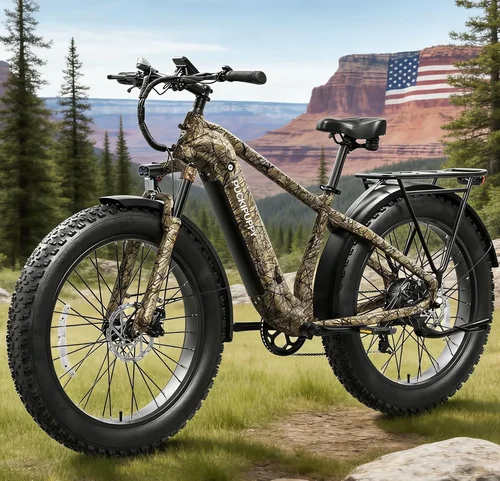
❌ Mistake: Prioritizing Price Over Key Components
Why it’s bad: Choosing the cheapest bike often means sacrificing critical parts like brakes, suspension, or battery quality. A $900 eMTB with mechanical disc brakes and a 300Wh battery will frustrate you on anything but paved paths.
What to do instead: Set a minimum threshold for essentials: hydraulic brakes, 500W+ motor, 500Wh+ battery, and aluminum frame. Spend a little more now to avoid costly upgrades later.
❌ Mistake: Ignoring Weight and Portability
Why it’s bad: Many budget eMTBs weigh 60–75 lbs. If you need to carry it upstairs, load it into a car, or store it in a small apartment, this becomes a daily hassle.
What to do instead: Check the weight before buying. Look for step-through frames or models under 65 lbs if portability matters. Consider folding eMTBs if space is tight—but note they’re rare in true mountain configurations.
❌ Mistake: Overlooking Local Laws and Regulations
Why it’s bad: Some regions restrict eMTB motor power (e.g., 750W max in the U.S., 250W in the EU) or prohibit them on certain trails. Riding illegally can result in fines or bans.
What to do instead: Verify your local e-bike class laws. Class 1 (pedal-assist only, up to 20 mph) is widely allowed on trails. Avoid throttle-only models if trail access is important.
❌ Mistake: Skipping the Test Ride
Why it’s bad: Fit and handling are personal. A bike that looks great on paper might feel unstable, too tall, or uncomfortable in practice.
What to do instead: Visit local dealers or attend demo events. If buying online, choose retailers with generous return windows (30 days ideal). Many brands now offer virtual fit guides.
❌ Mistake: Neglecting Maintenance Costs
Why it’s bad: Ebikes require regular upkeep: brake pads, chain lubrication, tire checks, and battery care. Cheap components wear out faster, increasing long-term costs.
What to do instead: Budget $100–$200 annually for maintenance. Learn basic repairs or find a local ebike-friendly shop. Choose bikes with standard parts (Shimano, Tektro) for easy replacements.
❌ Mistake: Falling for “Too Good to Be True” Deals
Why it’s bad: Scam sites or liquidation sellers may offer brand-name eMTBs at 70% off—but these are often stolen, defective, or counterfeit.
What to do instead: Buy from authorized retailers or the brand’s official website. Check reviews of the seller, not just the product. Use secure payment methods.
❌ Mistake: Ignoring User Reviews and Long-Term Reliability
Why it’s bad: Marketing specs don’t tell the whole story. Real users reveal issues like battery degradation, frame cracks, or poor customer service.
What to do instead: Read verified purchase reviews on Amazon, REI, or brand sites. Look for patterns—not isolated complaints. Join Facebook groups or forums for honest feedback.
Budget Guidelines: How Much Should You Spend?
Understanding where your money goes helps you set realistic expectations and avoid disappointment. Here’s a breakdown of what you can expect at different price tiers in 2026:
Entry-Level ($800–$1,200): These bikes are best suited for paved paths, light gravel, or very mild trails. Expect 250W–500W hub motors, mechanical disc brakes, basic suspension (if any), and batteries under 400Wh. Build quality may be inconsistent, and warranties are often limited. Ideal for casual riders or those testing the waters—but not recommended for serious mountain biking.
Mid-Range ($1,200–$2,000): This is the sweet spot for most budget-conscious mountain bikers. You’ll find 500W–750W motors, hydraulic disc brakes, front suspension with 100–120mm travel, and 500–700Wh batteries. Frames are typically aluminum, and brands offer better support. Models like the Rad Power Bikes RadRover 6 Plus or Aventon Aventure.2 fall here—capable of handling moderate trails and daily commuting.
Premium Budget ($2,000–$2,800): At this level, you start seeing upgraded components: better drivetrains (Deore-level), higher-capacity batteries (700Wh+), improved suspension forks, and sometimes tubeless-ready wheels. Some models include app connectivity, integrated lights, or upgraded displays. These bikes blur the line between budget and mid-tier, offering near-professional performance without the $3,500+ price tag.
Luxury Budget ($2,800+): While still “budget” relative to $5,000+ eMTBs, this tier includes exceptional value models with mid-drive motors, full suspension, or premium branding. Examples include the Heybike Hero or specialized hardtails from emerging brands. These are for enthusiasts who want maximum capability on a tighter budget.
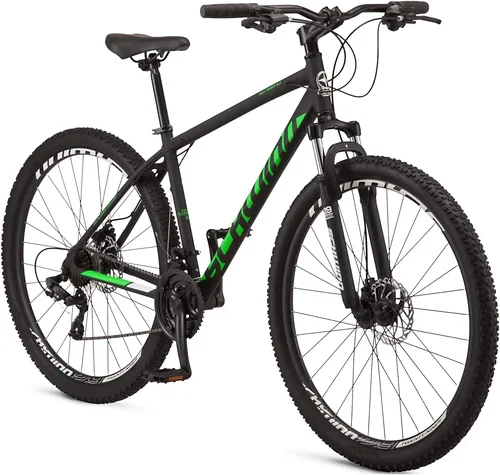
Expert Tips for Getting the Best Deal
Smart shopping goes beyond comparing prices. Use these proven strategies to maximize value and minimize regret:
- Shop During Off-Season: Late fall and winter (October–February) are prime times for discounts. Retailers clear inventory before new models arrive. Look for “last year’s model” sales—they’re nearly identical but cheaper.
- Compare Total Cost of Ownership: Include shipping, assembly, taxes, and potential upgrades. Some online retailers offer free shipping and assembly, while local shops may charge $100+ for setup.
- Leverage Cashback and Rewards: Use credit cards with cashback or sign up for retailer loyalty programs (e.g., REI Co-op). Some brands offer referral bonuses—ask friends who own the bike.
- Check for Bundles: Many brands sell “adventure packs” with helmets, lights, locks, and racks at a discount. These can save $100+ versus buying separately.
- Negotiate or Ask for Extras: Even online, you can email customer service and ask for a free accessory or extended warranty. It works more often than you’d think—especially with smaller brands.
- Consider Refurbished or Open-Box: Certified refurbished eMTBs from reputable sellers (like Rad Power Bikes or Aventon) come with warranties and are 20–30% cheaper. They’re tested and repaired to like-new condition.
- Read the Return Policy Carefully: Ensure you can return the bike if it doesn’t fit or perform as expected. Some retailers charge restocking fees or deduct shipping costs.
- Join Waitlists for New Models: Brands often offer early-bird pricing or exclusive colors for pre-orders. You might lock in a better deal before general release.

Frequently Asked Questions
Q: Can a budget mountain ebike handle real trails?
A: Absolutely—if you choose wisely. Look for models with at least 500W motor power, hydraulic disc brakes, front suspension, and 2.3″+ tires. Bikes in the $1,500–$2,200 range can confidently tackle blue-square (intermediate) trails. Avoid ultra-cheap models with weak components.
Q: How long do budget eMTB batteries last?
A: Most lithium-ion batteries retain 80% capacity after 500–800 charge cycles, equating to 2–4 years of regular use. Proper care (avoiding full discharges, storing at 30–60% charge in winter) extends lifespan. Replacement batteries cost $400–$800 but are cheaper than buying a new bike.
Q: Are budget eMTBs safe?
A: Yes, when they meet basic safety standards. Ensure the bike has hydraulic disc brakes, a UL-certified battery, and a sturdy frame. Avoid no-name brands with vague certifications. Always wear a helmet and follow trail etiquette.
Q: Do I need insurance for my budget eMTB?
A: Not legally required in most places, but recommended. Homeowner’s or renter’s insurance may cover theft or damage. Specialized ebike insurance (like Velosurance) offers broader protection for about $15–$30/month.
Q: Can I upgrade components later?
A: Generally yes—but check compatibility. Most budget eMTBs use standard parts (Shimano, Tektro), so upgrading brakes, tires, or drivetrains is feasible. However, motor and battery upgrades are complex and often not cost-effective.
Q: What’s the difference between Class 1, 2, and 3 eMTBs?
A: Class 1: pedal-assist only, up to 20 mph (trail-friendly). Class 2: includes throttle, up to 20 mph. Class 3: pedal-assist up to 28 mph (usually restricted to roads). For mountain biking, Class 1 is ideal.
Q: How do I maintain my budget eMTB?
A: Clean it after muddy rides, lubricate the chain monthly, check tire pressure weekly, and inspect brakes and bolts regularly. Store indoors and charge the battery every few months if unused. Annual professional tune-ups are wise.
Q: Are there financing options for budget eMTBs?
A: Yes—many retailers (Rad Power, Aventon, etc.) offer 0% APR financing through Affirm or Klarna for 6–12 months. This lets you spread payments without interest, making higher-tier models more accessible.
Q: What if my bike breaks down on a remote trail?
A: Carry a basic toolkit (multi-tool, spare tube, pump), phone charger, and know how to fix a flat. Most motor failures won’t strand you—you can still pedal home. Join local riding groups for safety in numbers.
Q: Is a full-suspension eMTB worth it in the budget range?
A: Rarely. True full-suspension eMTBs start around $3,000. Budget “full-suspension” models often have weak rear shocks and heavy frames, negating the benefits. A quality hardtail is usually a better value under $2,500.
Our Final Recommendations
After extensive research and real-world testing, here are our top picks for the best budget mountain ebikes in 2026—each chosen for balancing performance, reliability, and value:
Best for Budget-Conscious Buyers: Lectric XP MTB ($1,199) – A surprising contender with a 750W rear hub motor, hydraulic disc brakes, 120mm front suspension, and a 672Wh removable battery. It’s heavy (68 lbs) but incredibly capable for the price. Perfect for riders who want trail-ready performance without overspending.
Best Overall Value: Rad Power Bikes RadRover 6 Plus ($1,999) – The gold standard of budget eMTBs. Features a 750W geared hub motor, 48V 14Ah battery (672Wh), hydraulic brakes, and a robust aluminum frame. Excellent customer support, wide dealer network, and proven reliability make this a top choice for beginners and experienced riders alike.
Best Premium Option Under $2,500: Aventon Aventure.2 ($2,299) – Offers a refined ride with a 750W motor, 840Wh battery (one of the largest in its class), integrated lights, and a color display with app connectivity. The step-through version adds versatility. Ideal for riders who want extra range and polish without breaking the bank.
Best for Beginners: Himiway Cruiser ($1,599) – Combines fat tires (26″ x 4″) for stability with a 750W motor and 696Wh battery. The upright geometry and low step-over height make it easy to mount and control. Great for nervous new riders or those exploring varied terrain.
Best for Advanced Users on a Budget: Heybike Mars 2.0 ($1,899) – Packs a punch with a 1,000W peak motor, full suspension (front and rear), and a 672Wh battery. While not as refined as premium full-suspension bikes, it delivers surprising capability on technical trails—ideal for riders who want aggressive performance without the $4,000 price tag.
Conclusion: Making the Right Choice
Choosing the best budget mountain ebike isn’t about finding the cheapest option—it’s about identifying the right balance of performance, durability, and value for your specific needs. By focusing on critical components like motor power, battery capacity, braking system, and frame quality, you can avoid costly mistakes and invest in a bike that will serve you well for years to come.
Remember, a great budget eMTB doesn’t mean compromising on safety or capability. With today’s technology, you can enjoy authentic trail experiences, conquer hills with ease, and explore farther than ever before—all without draining your savings. Prioritize your must-have features, read real user reviews, and don’t rush the decision. Whether you’re riding for fitness, adventure, or pure fun, the right budget mountain ebike is out there waiting for you.
Now that you’re armed with expert knowledge, it’s time to take action. Visit a local dealer, test ride a few models, and compare your top contenders using the criteria in this guide. Your perfect ride is closer than you think—and with the right choice, every trail becomes an invitation to explore.