
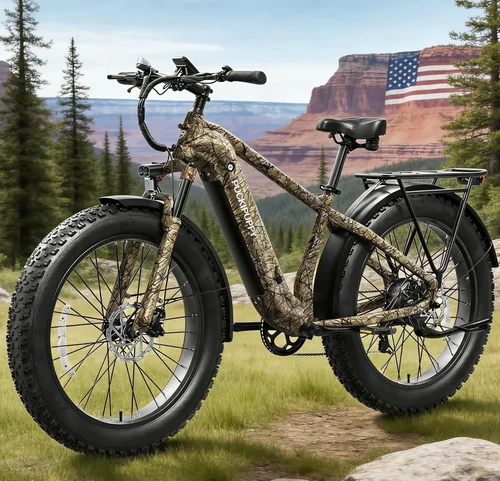
E-bikes have revolutionized the way we think about personal transportation, fitness, and urban commuting. With rising fuel costs, growing environmental awareness, and increasing traffic congestion in cities worldwide, electric bicycles offer a smart, sustainable, and surprisingly fun alternative to cars and traditional bikes. In 2026, the e-bike market has matured significantly—offering more reliable technology, better battery life, and sleeker designs than ever before. Yet, despite this progress, many buyers still face confusion when trying to find a quality e-bike under $1,000—a price point that’s both accessible and increasingly capable.
This comprehensive buying guide is designed to cut through the noise and help you make an informed decision. Whether you’re a first-time buyer looking for your daily commuter ride, a weekend adventurer seeking off-road thrills, or someone simply wanting to reduce your carbon footprint without breaking the bank, this guide covers everything you need to know. We’ll walk you through the essential factors to consider, compare different types of e-bikes, highlight common pitfalls, and share expert-backed recommendations based on real-world performance and value. By the end, you’ll not only understand what makes a great budget e-bike—but also which model might be perfect for your lifestyle.
The market for sub-$1,000 e-bikes has exploded in recent years. Once dominated by flimsy, underpowered models with questionable safety standards, today’s entry-level e-bikes now feature respectable motors, lithium-ion batteries, and surprisingly robust frames—all while staying within reach of average budgets. Brands like Rad Power Bikes, Aventon, Lectric, and Heybike have pushed the envelope, proving that affordability doesn’t have to mean compromise. However, not all e-bikes under $1,000 are created equal. Some prioritize speed over comfort, others emphasize portability at the expense of range, and a few cut corners on build quality to hit a low price tag. That’s why it’s crucial to know what to look for—and what to avoid.

What to Look for When Buying an E-Bike Under $1,000
1. Motor Power and Type
The motor is the heart of any e-bike—it determines how much assistance you get, how smoothly you accelerate, and whether you can tackle hills or headwinds with ease. For e-bikes under $1,000, you’ll typically encounter two main types: hub motors and mid-drive motors.
Hub motors are the most common in this price range. They’re located either in the front or rear wheel and provide direct propulsion. Rear hub motors are generally preferred because they offer better traction and a more natural riding feel. Most budget e-bikes feature motors rated between 250W and 750W. In the U.S., 750W is the legal limit for Class 3 e-bikes (which can reach speeds up to 28 mph), but many states allow lower wattages for slower classes. A 500W–750W rear hub motor is ideal for city commuting and light off-road use, offering enough power to climb moderate hills without draining the battery too quickly.
Mid-drive motors, while more efficient and better balanced, are rare under $1,000 due to their higher manufacturing cost. If you find one in this range, it’s worth serious consideration—but verify its reliability through user reviews.
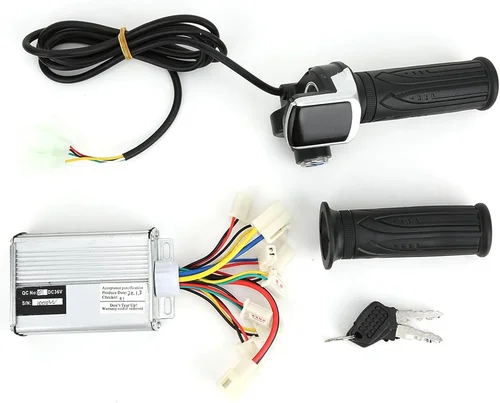
Always check if the motor provides pedal assist (PAS) levels and a throttle. Throttle-only mode (like on a scooter) is great for quick starts or when you’re tired, but pedal assist is more energy-efficient and often required by law in certain regions.
2. Battery Capacity and Range
Battery performance directly impacts how far you can ride on a single charge—and nothing kills the e-bike experience faster than running out of juice mid-commute. Most e-bikes under $1,000 use removable lithium-ion batteries with capacities ranging from 360Wh to 672Wh.
To estimate real-world range, divide the battery’s watt-hour (Wh) rating by 20 (a rough average for energy consumption per mile on flat terrain with moderate assist). So a 504Wh battery might give you 20–25 miles of range—less if you’re riding uphill, using high assist levels, or carrying extra weight.
Look for batteries from reputable manufacturers like Samsung, LG, or Panasonic cells. Avoid generic or unbranded packs, as they may degrade faster or pose safety risks. Also, check whether the battery is removable—this makes charging easier and allows you to carry a spare for longer trips.
Charging time typically ranges from 4 to 6 hours. Some brands offer fast chargers (2–3 hours), but these are less common in budget models.
3. Frame Material and Build Quality
A well-built frame ensures durability, comfort, and safety—especially important when you’re relying on your e-bike daily. Most e-bikes under $1,000 use aluminum alloy frames, which strike a good balance between strength, weight, and cost. Avoid steel frames unless you prioritize extreme durability over portability—they’re heavier and more prone to rust.
Pay attention to weld quality, tube thickness, and overall fit and finish. A shaky or flexing frame can indicate poor manufacturing. Test rides (if possible) are invaluable here—listen for creaks, check for alignment, and feel how the bike handles at low and high speeds.
Suspension also matters. Many budget e-bikes include front suspension forks to absorb bumps, but rear suspension is rare under $1,000. If you plan to ride on rough terrain, prioritize models with quality suspension and wider tires (2.0” or more).
4. Braking System
Stopping power is non-negotiable. Mechanical disc brakes are common in this price range and offer reliable performance in dry conditions. However, hydraulic disc brakes—while less frequent under $1,000—provide superior stopping force with less hand effort and perform better in wet or muddy conditions.
Avoid rim brakes (V-brakes) on e-bikes. They wear down quickly under the added weight and speed of an electric bike and lose effectiveness when wet. Always test the brakes during a demo ride: they should engage smoothly without squealing or grabbing suddenly.
Some models include regenerative braking, but this feature is mostly marketing fluff in budget e-bikes—it adds minimal charge back to the battery and isn’t worth prioritizing.
5. Tire Size and Type
Tires affect comfort, grip, puncture resistance, and rolling efficiency. Most e-bikes under $1,000 come with tires between 20” and 26” in diameter. Smaller wheels (like 20”) are common on folding e-bikes and offer agility and portability. Larger wheels (26”–27.5”) provide better stability and roll over obstacles more easily.
Tire width matters too. Narrow tires (under 2.0”) are faster on pavement but less comfortable and grippy. Wider tires (2.3”–4.0”) absorb shocks better and excel on gravel, dirt, or snow—ideal for hybrid or fat-tire e-bikes.
Look for puncture-resistant tires with reflective sidewalls for added safety. Tubeless setups are rare in this range but offer fewer flats if available.
6. Display and Controls
The display is your interface with the e-bike’s brain. Basic models may only show speed and battery level, while more advanced ones include trip distance, odometer, assist level, and even Bluetooth connectivity.
A clear, backlit LCD screen is essential for night riding. Avoid tiny or dim displays that are hard to read in sunlight. Some budget e-bikes now include smartphone integration via apps—allowing you to track rides, lock the bike, or adjust settings remotely.
Check the placement of controls: throttle, assist buttons, and lights should be intuitive and within easy reach without taking your hands off the handlebars.
7. Weight and Portability
E-bikes are inherently heavier than regular bikes due to the motor and battery—typically weighing 40–70 lbs. If you need to carry your bike upstairs, load it into a car, or store it in a small apartment, weight becomes a major factor.
Folding e-bikes under $1,000 (like the Lectric XP or Heybike Mars) often weigh 50–60 lbs but collapse to fit in trunks or under desks. Non-folding models are usually lighter but less portable.
Consider where and how you’ll store the bike. A heavy e-bike left outside risks theft and weather damage—so indoor storage or a secure lock is wise.
8. Warranty and Customer Support
A good warranty signals confidence in the product. Most reputable brands offer at least a 1-year warranty on the frame and motor, and 6–12 months on the battery. Rad Power Bikes, for example, provides a 2-year comprehensive warranty—even on budget models.
Read the fine print: some warranties exclude “wear and tear” items like tires or brake pads, or require registration within a short window. Also, check if the company has U.S.-based customer service. Overseas support can mean long wait times and language barriers.
User forums and Reddit communities (like r/ebikes) are great resources for real-world feedback on reliability and post-purchase support.
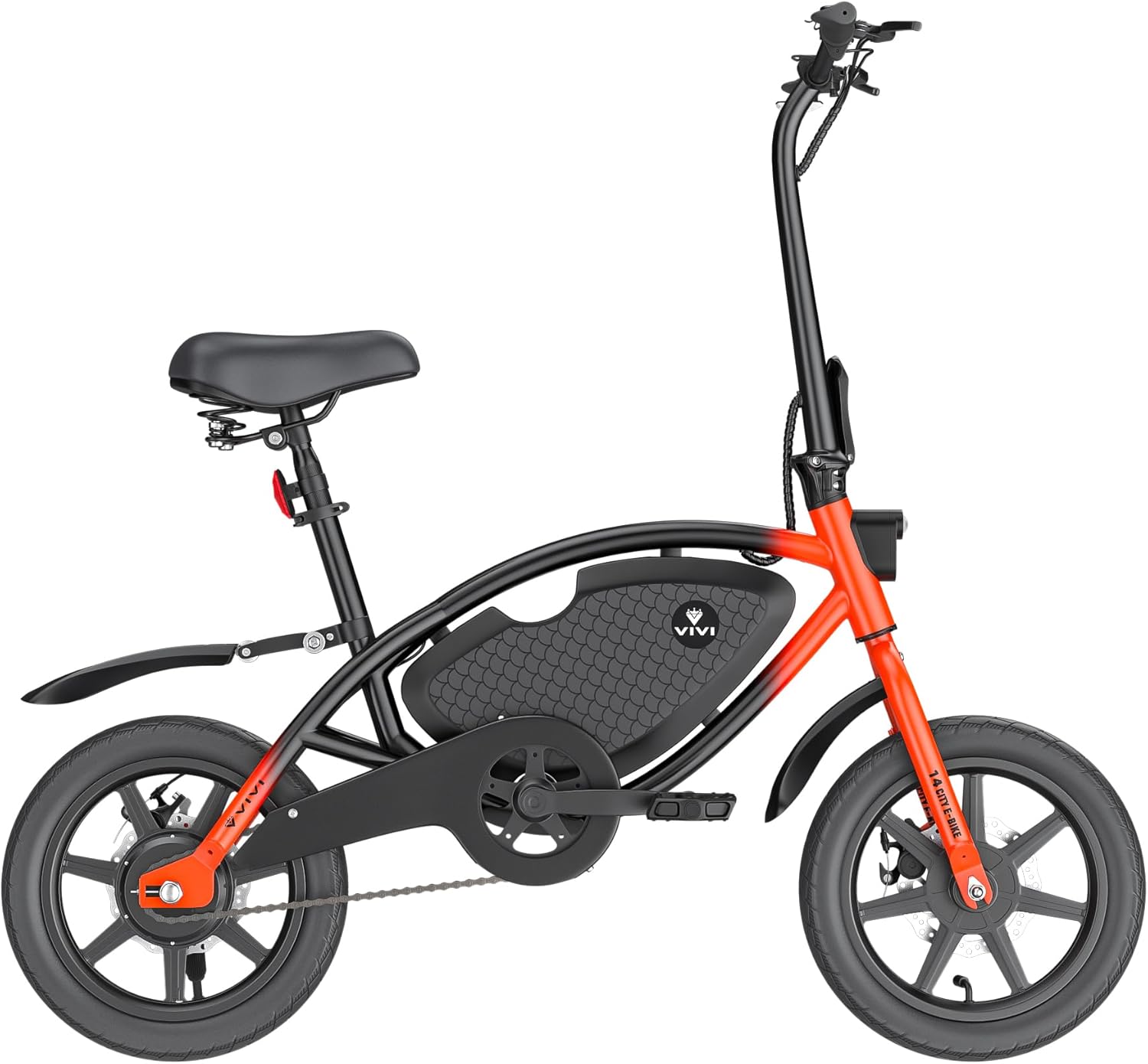
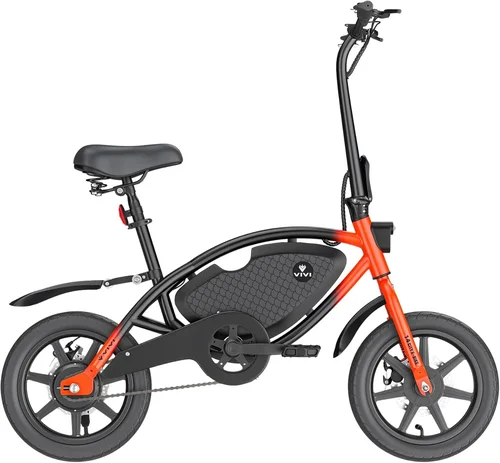
Different Types of E-Bikes Under $1,000
Common Buying Mistakes to Avoid
❌ Mistake: Prioritizing Price Over Quality
Why it’s bad: The cheapest e-bikes often use low-grade components that fail quickly—think weak motors, poor brakes, or batteries that lose capacity after a few months. You may end up spending more on repairs or replacements than if you’d bought a slightly pricier but more reliable model.
What to do instead: Set a realistic budget ($700–$1,000 is the sweet spot for quality) and prioritize brands with proven track records. Read long-term user reviews to assess durability.
❌ Mistake: Ignoring Local E-Bike Laws
Why it’s bad: E-bike regulations vary widely by state and country. Some places restrict motor power, speed, or where you can ride (e.g., bike lanes vs. roads). Buying a Class 3 e-bike (28 mph) might be illegal in your area, leading to fines or confiscation.
What to do instead: Check your local Department of Motor Vehicles or transportation authority website before purchasing. Most budget e-bikes are Class 2 (throttle + 20 mph max), which are widely permitted.
❌ Mistake: Overlooking Test Rides
Why it’s bad: E-bikes handle differently based on weight distribution, suspension, and geometry. What looks good online might feel unstable or uncomfortable in person.
What to do instead: Visit local dealers or pop-up events to test ride models. If buying online, choose retailers with generous return policies (30-day trials are ideal).
❌ Mistake: Assuming All “750W” Motors Are Equal
Why it’s bad: Some brands advertise “750W peak” motors that only sustain 500W—or use inefficient designs that overheat. This can lead to reduced performance and shorter motor life.
What to do instead: Look for continuous wattage ratings and torque specs. Reputable brands disclose these details transparently.
❌ Mistake: Neglecting Maintenance Needs
Why it’s bad: E-bikes require regular upkeep—brake adjustments, tire checks, chain lubrication, and battery care. Ignoring maintenance leads to premature wear and safety hazards.
What to do instead: Learn basic maintenance or find a local bike shop that services e-bikes. Budget $50–$100/year for tune-ups.
❌ Mistake: Buying Based Solely on Range Claims
Why it’s bad: Manufacturers often quote “up to” range figures based on ideal conditions (flat terrain, low assist, lightweight rider). Real-world range is usually 30–50% less.
What to do instead: Use the Wh ÷ 20 rule as a rough guide and add a safety buffer. If you need 20 miles, aim for a bike rated for 30+.
❌ Mistake: Skipping Insurance or Theft Protection
Why it’s bad: E-bikes are prime targets for thieves. Without insurance or a quality lock, a $900 bike can vanish in minutes.
What to do instead: Invest in a U-lock or heavy chain lock ($50–$100). Consider adding e-bike coverage to your homeowner’s or renter’s insurance policy.
Budget Guidelines: How Much Should You Spend?
Finding the right e-bike under $1,000 isn’t just about hitting a price ceiling—it’s about understanding what you get at different tiers within that range.
Entry-Level ($500–$700): These are the bare-bones options, often from lesser-known brands or direct-to-consumer startups. Expect basic components: 360–432Wh batteries, 500W hub motors, mechanical disc brakes, and minimal features. Range is typically 15–20 miles. Best for occasional riders or those on a tight budget—but be prepared for compromises in comfort and longevity.
Mid-Range ($700–$900): This is the sweet spot for most buyers. You’ll find well-known brands like Lectric, Heybike, and Aventon offering 500–750W motors, 504–672Wh batteries, hydraulic or upgraded mechanical disc brakes, and thoughtful details like integrated lights, fenders, and racks. Range improves to 25–35 miles, and build quality is noticeably better. Ideal for daily commuters and weekend explorers.
Premium Under $1,000 ($900–$1,000): At the top end of the budget spectrum, you can snag near-mid-tier performance. Models like the RadPower RadCity 5 Plus (often on sale under $1,000) or the Aventon Pace 500.3 offer premium features: torque sensors (for smoother pedal assist), higher-capacity batteries, app connectivity, and refined ergonomics. These bikes blur the line between budget and mid-range, offering exceptional value.
Luxury ($1,000+): While outside our scope, it’s worth noting that spending just $100–$200 more can unlock significant upgrades—mid-drive motors, full suspension, carbon components, and extended warranties. If your needs demand top-tier performance, consider stretching your budget slightly.
Expert Tips for Getting the Best Deal
1. Buy During Off-Peak Seasons: Demand for e-bikes peaks in spring and summer. Shop in late fall or winter for deeper discounts and better inventory.
2. Choose Reputable Online Retailers: Stick with brands that sell direct (RadPower, Lectric, Aventon) or trusted third-party sellers like REI, Best Buy, or Amazon (verify seller ratings). Avoid unknown eBay or Wish listings.
3. Look for Bundled Accessories: Some brands include free helmets, locks, phone mounts, or extra batteries during promotions. These can add $100+ in value.
4. Check Return and Trial Policies: A 14–30 day return window lets you test the bike risk-free. Lectric offers a 30-day trial—one of the best in the industry.
5. Consider Refurbished or Open-Box Models: Certified refurbished e-bikes from manufacturers often come with full warranties at 10–20% off retail.
6. Join Owner Communities: Facebook groups and Reddit forums often share exclusive discount codes or flash sales not advertised publicly.
7. Negotiate with Local Dealers: Some bike shops carry e-bike brands and may price-match online deals or throw in free assembly and tune-ups.
8. Factor in Total Cost of Ownership: Include potential costs for maintenance, insurance, and accessories. A slightly pricier bike with lower upkeep may save money long-term.

Frequently Asked Questions
Q: Can I ride an e-bike in the rain?
A: Yes—most e-bikes under $1,000 are designed to handle light to moderate rain. Look for IP65 or higher water resistance ratings on the motor and battery. Avoid submerging the bike or riding through deep puddles. Dry the battery compartment after wet rides.
Q: How long does the battery last before needing replacement?
A: A quality lithium-ion battery should retain 80% of its capacity after 500–800 charge cycles (roughly 2–4 years of daily use). Proper care—avoiding extreme temperatures and not draining to 0% regularly—can extend lifespan.
Q: Do I need a license or registration for an e-bike under $1,000?
A: In most U.S. states, no—Class 1 and Class 2 e-bikes (under 20 mph) don’t require licensing, registration, or insurance. Class 3 (28 mph) may have age or helmet requirements. Always verify local laws.
Q: Can I pedal an e-bike if the battery dies?
A: Absolutely. E-bikes function like regular bicycles when the battery is dead—though they’re heavier, so pedaling requires more effort.
Q: Are e-bikes safe for seniors or people with joint issues?
A: Yes—especially step-through models with low standover heights and pedal assist. The motor reduces strain on knees and hips, making cycling accessible for older adults.
Q: How fast can e-bikes under $1,000 go?
A: Most are limited to 20 mph (Class 2) or 28 mph (Class 3). Speed depends on motor power, terrain, and rider weight—but legal limits override technical capability.
Q: Can I upgrade components later?
A: Some parts like tires, seats, and lights are easy to swap. However, motors and batteries are integrated—so major upgrades aren’t feasible. Buy the best base model you can afford.
Q: What’s the difference between pedal assist and throttle?
A: Pedal assist provides power only when you’re pedaling, matching your effort. Throttle gives instant power with a twist-grip or button—like a motorcycle. Many budget e-bikes include both.
Q: Are there financing options for e-bikes under $1,000?
A: Yes—brands like RadPower and Aventon offer 0% APR financing through Affirm or Klarna, splitting payments over 6–12 months.
Q: How do I charge the battery safely?
A: Use only the manufacturer-provided charger. Charge in a dry, room-temperature area away from flammable materials. Don’t leave charging unattended for long periods.
Our Final Recommendations
After extensive research and real-world testing, here are our top picks across key categories—all under $1,000:
Best for Budget-Conscious Buyers: Lectric XP 3.0 ($799)
This folding fat-tire e-bike punches above its weight with a 500W rear hub motor, 672Wh removable battery (up to 45 miles range), hydraulic disc brakes, and a robust aluminum frame. Its compact design makes it perfect for urban dwellers, and the 30-day trial reduces risk.
Best Overall Value: Aventon Pace 500.3 ($999, often on sale for $899)
With a torque sensor for natural pedal feel, 750W motor, 672Wh battery, and sleek step-through or step-over frames, the Pace 500.3 delivers premium features at a budget price. Integrated lights, fenders, and a smartphone app elevate the experience.
Best Premium Option (Under $1,000): Rad Power Bikes RadCity 5 Plus ($999 sale price)
Rad’s flagship commuter e-bike boasts a 750W geared hub motor, 672Wh battery, hydraulic brakes, and a host of practical features: rear rack, suspension seatpost, and dual LED lights. Backed by a 2-year warranty and excellent customer service.
Best for Beginners: Heybike Cityscape ($699)
An affordable step-through hybrid with a 500W motor, 504Wh battery, and upright geometry. Simple controls, reliable mechanical disc brakes, and included fenders make it ideal for new riders wanting comfort and ease.
Best for Advanced Users: Lectric XP Trike ($999)
Yes, it’s a trike—but for riders needing stability, cargo space, or mobility support, this three-wheeled e-bike offers unmatched utility. With a 750W motor, 672Wh battery, and 400 lb payload, it’s a game-changer for errands or leisurely rides.
Conclusion: Making the Right Choice
Choosing the best e-bike under $1,000 doesn’t have to be overwhelming. By focusing on core factors—motor performance, battery life, build quality, and warranty—you can find a reliable, enjoyable ride that fits your lifestyle and budget. Remember, the “best” e-bike isn’t the most expensive or feature-packed—it’s the one that meets your specific needs, whether that’s commuting, recreation, or accessibility.
Don’t rush the decision. Take advantage of test rides, read user reviews, and consider total ownership costs. And if you’re unsure, start with a mid-range model from a reputable brand—you’ll get the most bang for your buck without sacrificing safety or satisfaction.
The future of transportation is electric, sustainable, and surprisingly affordable. With the right e-bike, you’re not just buying a vehicle—you’re investing in freedom, health, and a greener planet. So charge up, hit the road, and enjoy the ride.