
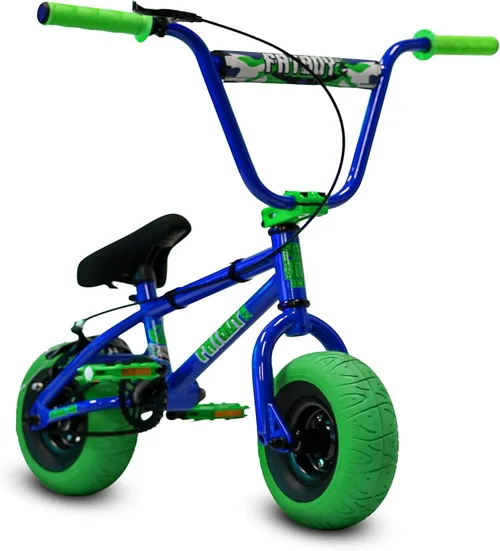
If you’re an adult looking to rediscover the thrill of two-wheeled freedom—whether for weekend trail adventures, neighborhood cruising, or even light off-roading—a mini bike might just be the perfect ride. These compact, high-performance machines have evolved far beyond their childhood counterparts. Today’s adult mini bikes blend power, agility, and modern engineering into a surprisingly capable package that appeals to riders of all experience levels. From electric models offering silent, eco-friendly acceleration to gas-powered beasts built for rugged terrain, the market is more diverse than ever.
This comprehensive buying guide is designed to cut through the noise and help you make an informed decision. Whether you’re a first-time buyer curious about what mini bikes can do or a seasoned rider upgrading from a basic model, we’ll walk you through every critical factor—from engine specs and build quality to safety features and long-term value. By the end of this guide, you’ll not only understand what separates a good mini bike from a great one, but also how to match your needs, budget, and riding style to the right machine. We’ve analyzed dozens of models, consulted expert reviews, and factored in real-world user feedback to bring you actionable insights that go beyond marketing fluff.
The adult mini bike market has exploded in recent years, driven by advances in battery technology, demand for recreational vehicles, and a growing interest in sustainable mobility. Brands like Razor, Coleman, MotoTec, and even legacy manufacturers like Honda and Kawasaki now offer models specifically engineered for grown riders. Yet with so many options—ranging from under $300 to well over $3,000—it’s easy to feel overwhelmed. That’s why this guide focuses on clarity, practicality, and expert-backed advice. We’ll help you avoid costly mistakes, identify hidden gems, and ultimately choose a mini bike that delivers fun, reliability, and value for years to come.
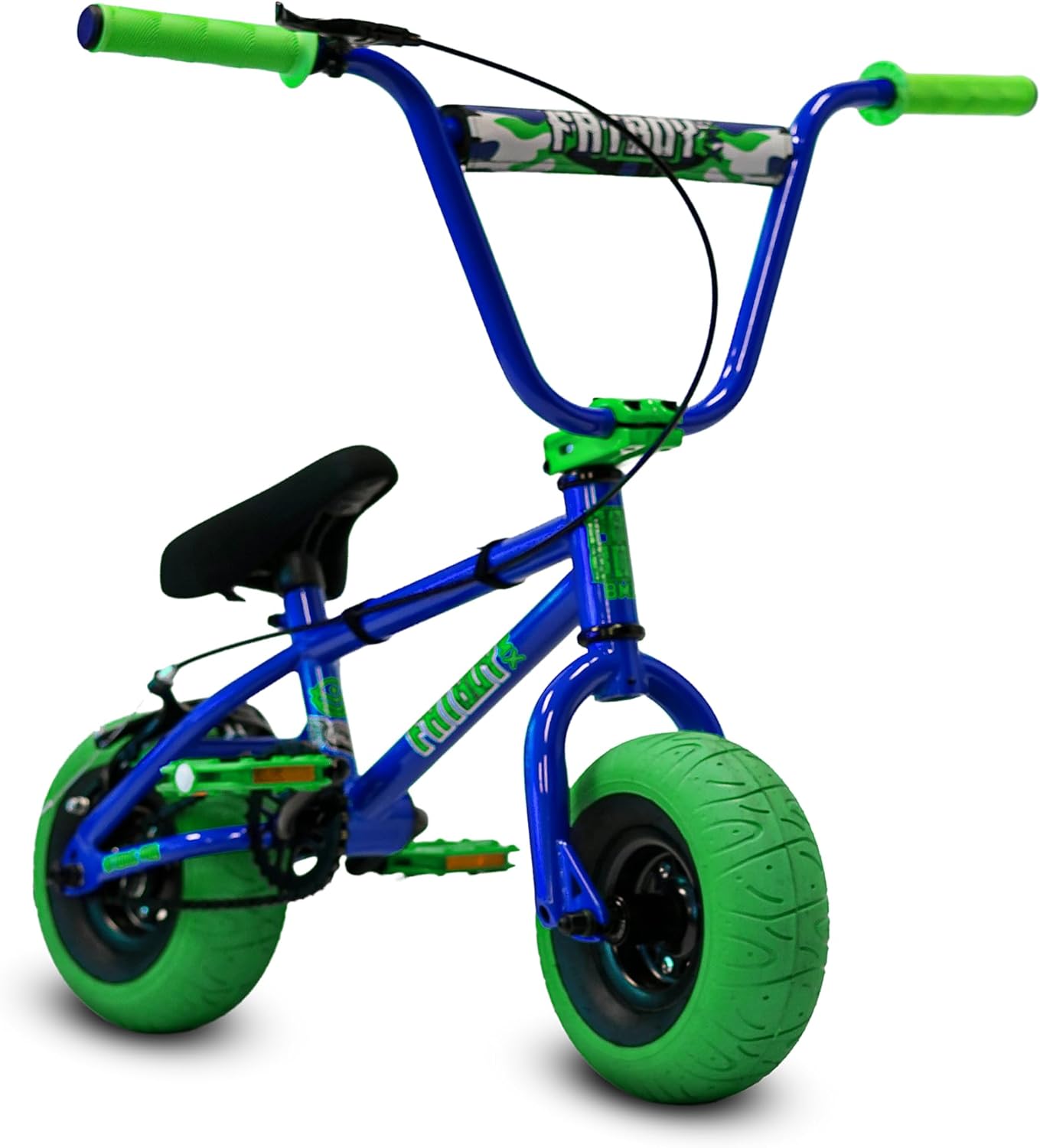
What to Look for When Buying Tuttio
1. Budget & Price Range
Your budget is the foundation of your purchase decision—but it shouldn’t be the only factor. Adult mini bikes span a wide price spectrum, and while it’s tempting to go for the cheapest option, doing so often leads to disappointment in performance, durability, or safety. A well-chosen mid-range model typically offers the best balance of features and longevity.
When setting your budget, consider not just the upfront cost but also long-term expenses like maintenance, replacement parts, and potential upgrades. For example, electric mini bikes may have higher initial prices but lower operating costs due to minimal fuel and servicing needs. Gas-powered models, while often cheaper upfront, require regular oil changes, air filter replacements, and carburetor tuning. Also, factor in protective gear—helmets, gloves, and knee pads are non-negotiable for safe riding.
A realistic budget range starts around $400 for entry-level electric models and can climb to $2,500+ for premium gas or high-performance electric bikes. If you’re new to mini biking, starting in the $600–$1,200 range gives you access to reliable, feature-rich options without overspending. Remember: a slightly higher investment today can save you from buying a second bike six months down the line.
2. Performance Specifications
Performance is where mini bikes truly differentiate themselves. Key specs include engine displacement (for gas models), motor power (for electric), top speed, torque, and hill-climbing ability. These metrics directly impact how the bike handles different terrains and rider weights.
For gas-powered mini bikes, engine size is usually measured in cubic centimeters (cc). A 49cc engine is suitable for flat surfaces and lighter riders, while 196cc or 212cc engines (common in Coleman and Predator models) deliver enough power for hills, rough trails, and heavier adults (up to 250 lbs). Electric models use wattage: 500W is adequate for casual riding, but 1,000W–2,000W motors provide the torque needed for off-road use and faster acceleration.
Top speed varies widely—from 15 mph on basic electrics to over 40 mph on high-end gas models. However, speed isn’t everything. Torque determines how quickly the bike accelerates and how well it climbs inclines. Look for bikes with strong low-end torque if you plan to ride on uneven or hilly terrain. Also, check the transmission type: single-speed is simpler but less versatile; multi-speed or automatic transmissions offer better control and efficiency.
3. Build Quality & Durability
A mini bike is only as good as its frame, suspension, and component quality. Cheap welds, thin steel tubing, and plastic parts may save money upfront but lead to premature failure—especially under the stress of adult weight and off-road use.
Look for frames made from high-tensile steel or reinforced aluminum. These materials resist bending and cracking better than standard mild steel. Check weld points: they should be smooth, consistent, and free of cracks or porosity. Suspension systems matter too—front forks and rear shocks absorb impacts and improve ride comfort. Basic spring shocks are fine for pavement, but hydraulic or oil-damped suspensions are essential for trails.
Tires are another durability indicator. Pneumatic (air-filled) tires offer better grip and shock absorption than solid rubber, but require occasional maintenance. Knobby tread patterns are ideal for dirt and gravel, while smoother treads work better on pavement. Finally, inspect the drivetrain: chain-driven systems are common and efficient, but ensure the chain guard is sturdy and the sprockets are metal, not plastic.
Brands like Honda and Kawasaki have reputations for bulletproof builds, while some budget brands cut corners to hit lower price points. If possible, watch video reviews that show the bike being ridden aggressively—this reveals weaknesses that spec sheets won’t.
4. Features & Functionality
Modern adult mini bikes come packed with features that enhance safety, convenience, and ride quality. Prioritize based on your intended use.
Essential features include:
– Kill switch: Allows instant engine/motor shutdown in emergencies.
– Headlight and taillight: Crucial for visibility if riding at dusk or in low-light areas.
– Adjustable seat and handlebars: Ensures a comfortable fit for riders of different heights.
– Throttle type: Twist-grip throttles offer precise control; thumb throttles are simpler but less intuitive for some.
– Braking system: Disc brakes (front and rear) provide superior stopping power compared to drum or coaster brakes. Hydraulic discs are best for aggressive riding.
– Fuel gauge or battery indicator: Helps prevent unexpected shutdowns mid-ride.
Electric models may include regenerative braking, smartphone connectivity, or app-based ride tracking. Gas models might feature electric start (a luxury on smaller engines) or electric choke for easier cold starts. Some high-end bikes even include digital dashboards with speedometers, odometers, and trip logs.
Avoid bikes with overly complex electronics if you’re a beginner—they can be harder to troubleshoot. Conversely, advanced riders may appreciate programmable power modes or traction control. Always verify that features are functional and not just cosmetic.
5. Brand Reputation
Not all mini bike brands are created equal. Established names like Honda, Kawasaki, and Briggs & Stratton have decades of engineering experience and rigorous quality control. Their models may cost more, but they’re backed by reliable service networks and genuine parts availability.
Mid-tier brands like Coleman, MotoTec, and Bintelli offer solid performance at more accessible prices. They often use proven engine platforms (like the Predator 212cc) and focus on value. However, customer service and warranty support can vary—research user forums to see how responsive the company is to issues.
Budget brands (often sold on Amazon or eBay under generic names) may look similar but frequently use lower-grade components and lack proper documentation or support. While some surprises exist, it’s generally safer to stick with recognizable brands, especially for your first adult mini bike.
Check if the brand offers local dealer support or authorized repair centers. This becomes critical if something breaks after the warranty period. Also, look for brands that publish detailed manuals and troubleshooting guides—this signals transparency and rider-focused design.
6. Warranty & Support
A strong warranty is a sign of manufacturer confidence—and your safety net if things go wrong. Most reputable brands offer at least a 90-day to 1-year warranty covering parts and labor. Premium models may include 2-year coverage.
Read the fine print: some warranties exclude “wear items” like tires, chains, and brake pads, or void coverage if the bike is used off-road. Others require registration within a certain timeframe or proof of purchase from an authorized dealer.
Customer support matters just as much. Can you easily reach a human? Are replacement parts readily available? Do they offer technical guides or video tutorials? Brands with active online communities (like the Coleman Mini Bike forums) often provide better long-term value because users share fixes and upgrades.
If buying online, ensure the seller honors the manufacturer’s warranty. Third-party sellers sometimes sell refurbished or gray-market units with limited coverage. When in doubt, purchase directly from the brand or a certified retailer.
7. Size & Portability
Despite the name, adult mini bikes aren’t always “mini” in practice. Weight, dimensions, and foldability affect how easy they are to transport and store.
Most adult models weigh between 60 and 120 pounds. Lighter bikes (under 80 lbs) are easier to load into a car trunk or SUV, while heavier ones may require a trailer or ramp. If you plan to ride in remote areas, consider how you’ll get the bike there—some riders use roof racks or hitch-mounted carriers.
Folding handlebars or removable seats can reduce overall size for storage in garages, sheds, or apartments. However, folding mechanisms add complexity and potential failure points, so ensure they’re robust if included.
Wheel size also impacts portability and ride quality. 10-inch wheels are compact and agile but struggle with bumps. 14-inch or larger wheels roll smoother over obstacles but increase the bike’s footprint. Match wheel size to your terrain: smaller for pavement, larger for dirt.
Finally, check ground clearance—the distance between the lowest point (usually the engine or exhaust) and the ground. Low clearance increases the risk of scraping on curbs or rocks. Aim for at least 4–6 inches if you plan off-road use.
8. User Reviews & Ratings
Specs tell part of the story—real-world experience tells the rest. User reviews reveal common issues like poor assembly instructions, noisy engines, weak suspensions, or misleading speed claims.
Focus on reviews from verified purchasers, especially those with photos or videos. Look for patterns: if multiple users report the same problem (e.g., “chain slips under load” or “battery dies after 30 minutes”), it’s likely a design flaw, not a one-off defect.
Pay attention to long-term reviews (6+ months). A bike that works great out of the box may degrade quickly if components aren’t durable. Also, note the reviewer’s weight and riding style—a 150-lb rider’s experience may differ drastically from a 220-lb rider’s.
Use aggregate ratings wisely. A 4.2-star average with 500 reviews is more reliable than a 5-star rating from 10 users. Cross-reference multiple platforms (Amazon, Walmart, brand websites) to get a balanced view.
Different Types of Tuttio

Common Buying Mistakes to Avoid
❌ Mistake: Choosing Based Solely on Price
Why it’s bad: The cheapest mini bike often uses subpar materials, weak motors, and minimal safety features. You may end up replacing it within a year—costing more in the long run.
What to do instead: Set a realistic budget that balances upfront cost with expected lifespan. Aim for the sweet spot between $600 and $1,500 for most adult riders.
❌ Mistake: Ignoring Weight Capacity
Why it’s bad: Many mini bikes are rated for 150–200 lbs. If you weigh more, the engine will strain, suspension will bottom out, and components may fail prematurely.
What to do instead: Always check the manufacturer’s weight limit and choose a bike rated for at least 20–30 lbs above your weight for safety margin.
❌ Mistake: Overlooking Local Laws and Regulations
Why it’s bad: In many states and cities, mini bikes are not street-legal. Riding on public roads could result in fines or confiscation.
What to do instead: Research your local laws. Most adult mini bikes are intended for private property, trails, or designated off-road areas only. Equip with lights and reflectors if permitted.
❌ Mistake: Skipping Safety Gear
Why it’s bad: Mini bikes can reach speeds over 30 mph. Without proper protection, a fall can cause serious injury.
What to do instead: Invest in a DOT-approved helmet, gloves, knee and elbow pads, and sturdy footwear. Consider a chest protector for off-road use.
❌ Mistake: Not Testing Before Buying
Why it’s bad: A bike that looks great online may feel unstable, uncomfortable, or underpowered in person.
What to do instead: If possible, visit a dealer for a test ride. If buying online, choose retailers with generous return policies (30 days or more).
❌ Mistake: Assuming All “Adult” Bikes Are Equal
Why it’s bad: Some so-called “adult” mini bikes are just oversized kids’ models with higher weight limits but inadequate power or suspension.
What to do instead: Look for bikes specifically engineered for adults—features like reinforced frames, hydraulic brakes, and high-torque engines are key indicators.
❌ Mistake: Neglecting Maintenance Requirements
Why it’s bad: Gas bikes need regular oil changes; electric bikes require battery care. Ignoring maintenance shortens lifespan and increases repair costs.
What to do instead: Read the manual before riding. Set reminders for oil changes, chain lubrication, and tire pressure checks.
Budget Guidelines: How Much Should You Spend?
– Entry-Level ($400 – $700): Ideal for casual riders or beginners. Expect basic electric models (500W–800W) or small gas engines (49cc–110cc). Build quality may be adequate but not rugged. Limited features—often no suspension or basic spring shocks. Best for flat terrain and light use.
– Mid-Range ($700 – $1,500): The sweet spot for most adult buyers. Includes 196cc gas engines or 1,000W+ electric motors, hydraulic disc brakes, pneumatic tires, and decent suspension. Brands like Coleman, MotoTec, and Razor’s premium lines fall here. Great balance of performance, durability, and value.
– Premium ($1,500 – $2,500): For enthusiasts and frequent riders. Features high-output motors (2,000W+), advanced suspension, digital displays, and reinforced frames. Often includes extras like electric start, LED lighting, and smartphone integration. Models from Honda, Kawasaki, and specialized brands dominate this tier.
– Luxury ($2,500+): Top-tier performance and craftsmanship. Includes racing-inspired pocket bikes, custom builds, or hybrid systems. Expect carbon fiber components, programmable ECUs, and professional-grade suspension. Best for track use or serious collectors.
Expert Tips for Getting the Best Deal
– Buy during off-season sales: Late fall and winter are ideal times to purchase. Retailers discount summer inventory, and you’ll have your bike ready for spring riding.
– Shop directly from manufacturers: Brands like Coleman and MotoTec often offer exclusive bundles, extended warranties, or free shipping on their websites—better than third-party sellers.
– Watch for refurbished or open-box deals: These can save 20–40% off retail. Ensure they come with full warranties and are inspected by the manufacturer.
– Compare total cost of ownership: Factor in fuel, electricity, maintenance, and gear. An electric bike may cost more upfront but save hundreds over 3 years.
– Check return and exchange policies: Opt for retailers with at least 30-day returns and free return shipping. This gives you time to test the bike thoroughly.
– Join online communities: Forums like Reddit’s r/minibikes or Facebook groups share deal alerts, discount codes, and user experiences.
– Consider financing options: Some brands offer 0% APR financing for 6–12 months. Useful if you want a premium model but prefer to spread payments.
– Inspect upon delivery: Check for damage, missing parts, or assembly issues immediately. Report problems within the return window to avoid complications.

Frequently Asked Questions
Q: Are adult mini bikes street legal?
A: In most U.S. states, mini bikes are not street-legal due to lack of lighting, mirrors, and registration capabilities. They’re intended for private property, off-road trails, or closed courses. Always check local regulations before riding on public roads.
Q: How fast do adult mini bikes go?
A: Speeds vary widely. Electric models typically reach 15–25 mph, while gas-powered bikes can hit 30–45 mph. High-performance pocket bikes may exceed 50 mph. Speed depends on engine/motor power, weight, and terrain.
Q: Can adults over 200 lbs ride mini bikes?
A: Yes, but only if the bike is rated for your weight. Look for models with 250–300 lb capacity and reinforced frames. Avoid lightweight kids’ models, even if marketed as “adult.”
Q: Do I need a license to ride a mini bike?
A: Generally no—if riding on private property or designated off-road areas. However, some states require helmets or restrict engine size. Never assume; verify with your DMV.
Q: How long do electric mini bike batteries last?
A: Most lithium-ion batteries last 500–1,000 charge cycles (2–4 years with regular use). Range per charge is typically 10–20 miles, depending on power mode and terrain.
Q: Can I modify my mini bike for more power?
A: Yes, but proceed with caution. Common upgrades include performance exhausts, carburetor tuning, or battery upgrades. However, modifications may void warranties and increase wear on other components.
Q: Are mini bikes safe for beginners?
A: With proper training and gear, yes. Start on flat, open areas. Practice braking, turning, and throttle control before attempting hills or trails. Consider a beginner-friendly model with lower power and stable handling.
Q: Where can I ride my mini bike legally?
A: Private land (with owner permission), designated off-road parks, motocross tracks, or trails that allow motorized vehicles. Never ride in residential neighborhoods unless explicitly permitted.
Q: How do I maintain my mini bike?
A: Gas bikes: change oil every 20–30 hours, clean air filter monthly, inspect spark plug. Electric bikes: keep battery charged (not overcharged), clean connectors, check tire pressure. Both: lubricate chain, tighten bolts, inspect brakes regularly.
Q: What’s the difference between a mini bike and a dirt bike?
A: Mini bikes are smaller, lighter, and often less powerful. They’re designed for fun and casual riding, while dirt bikes are built for serious off-road performance, with advanced suspension, higher ground clearance, and racing capabilities.
Our Final Recommendations
– Best for Budget-Conscious Buyers: MotoTec MT-X4 196cc Gas Mini Bike – Priced around $650, it offers a reliable 196cc engine, hydraulic disc brakes, and a 200 lb weight capacity. Great entry point for gas-powered fun.
– Best Overall Value: Coleman CT200U-EX – At ~$850, this bike delivers Honda GX engine reliability, electric start, and rugged build quality. Perfect for trails and daily recreation.
– Best Premium Option: Kawasaki KX85 (scaled adult version) – While technically a youth bike, its performance rivals adult models. For serious riders wanting race-inspired handling, it’s worth the ~$2,800 investment.
– Best for Beginners: Razor MX650 Dirt Rocket – Electric, quiet, and easy to control. With a 1000W motor and 17 mph top speed, it’s ideal for learning without overwhelming power.
– Best for Advanced Users: Bintelli Bantam 212cc – Features a Predator 212cc engine, hydraulic suspension, and aggressive styling. Built for speed and durability on demanding terrain.
Conclusion: Making the Right Choice
Choosing the best adult mini bike isn’t just about picking the fastest or cheapest option—it’s about finding the right match for your lifestyle, skill level, and riding goals. We’ve covered everything from budget planning and performance specs to safety considerations and long-term maintenance. By prioritizing build quality, appropriate power, and reputable brands, you’ll avoid common pitfalls and enjoy years of reliable, thrilling rides.
Remember, the perfect mini bike empowers you to explore, unwind, and reconnect with the joy of riding—no matter your age. Whether you’re cruising quiet country roads, tackling muddy trails, or just enjoying a weekend spin in the park, the right machine makes all the difference. Take your time, do your research, and don’t hesitate to ask questions. Your ideal ride is out there—and with the insights from this guide, you’re now equipped to find it.
Ready to hit the throttle? Start by defining your must-have features, set a realistic budget, and test a few models if possible. And once you’ve made your choice, share your experience with the community. Happy riding!