
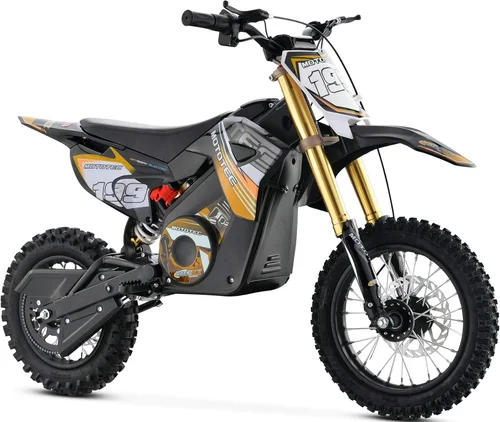
Electric motocross bikes have revolutionized off-road riding, offering instant torque, whisper-quiet operation, and zero emissions—without sacrificing the adrenaline-pumping performance that riders crave. As we move into 2026, the market has matured significantly, with manufacturers pushing the boundaries of battery technology, motor efficiency, and chassis design. Whether you’re a seasoned motocross veteran looking to go green or a beginner eager to hit the trails without the noise and maintenance of a gas-powered bike, choosing the right electric motocross bike is no small decision. With so many models, specs, and price points to consider, it’s easy to feel overwhelmed.
This comprehensive buying guide is designed to cut through the noise and give you everything you need to make an informed, confident purchase. You’ll learn how to evaluate key performance metrics like power output, range, and suspension travel, understand the nuances of battery technology and charging times, and compare top brands based on real-world reliability and customer support. We’ll also break down different categories of electric motocross bikes—from beginner-friendly trail models to competition-ready race machines—so you can find the perfect fit for your skill level, terrain, and budget. By the end, you’ll not only know what to look for but also how to avoid common pitfalls and get the best possible deal.
The electric motocross market in 2026 is more competitive than ever, with established players like KTM, Husqvarna, and Beta expanding their e-off-road lineups, while innovative startups such as Cake, Surron, and Stark Future introduce cutting-edge designs and aggressive pricing. Battery ranges now regularly exceed 60 miles on a single charge, motors deliver over 100 Nm of torque, and advanced regenerative braking systems improve both control and efficiency. Yet, despite these advancements, not all electric motocross bikes are created equal. Some prioritize raw power, others emphasize lightweight agility, and a few focus on durability for extreme conditions. This guide will help you navigate those differences and choose a bike that aligns with your riding style, goals, and expectations.

What to Look for When Buying an Electric Motocross Bike
1. Budget & Price Range
Your budget is the foundation of your buying decision. Electric motocross bikes span a wide price spectrum—from under $5,000 for entry-level models to over $20,000 for professional-grade machines. While it’s tempting to go for the cheapest option, remember that motocross bikes endure extreme stress, and cutting corners on components can lead to premature failure, safety risks, and higher long-term costs.
Set a realistic budget that includes not just the bike itself but also essential accessories like protective gear, spare batteries, chargers, and maintenance tools. A good rule of thumb: allocate at least 20% of your total budget to safety equipment and upkeep. If you’re new to motocross, consider starting with a mid-range model ($8,000–$12,000) that balances performance and durability without breaking the bank.
2. Performance Specifications
Performance is where electric motocross bikes truly shine—and where they differ most dramatically. Key specs to evaluate include:
– Motor Power (kW or HP): Measured in kilowatts (kW) or horsepower (HP), this determines how much thrust the bike can generate. Entry-level bikes typically offer 10–20 kW (13–27 HP), while high-end models exceed 40 kW (54 HP). More power means faster acceleration and better hill-climbing ability, but also higher energy consumption.
– Torque (Nm): Electric motors deliver maximum torque instantly, giving them a significant advantage over combustion engines. Look for at least 80–100 Nm for aggressive trail riding; race-oriented bikes may offer 130+ Nm.
– Battery Capacity (kWh): This dictates how long you can ride before recharging. Capacities range from 2.5 kWh (short trail sessions) to 6+ kWh (full-day adventures). A larger battery provides longer range but adds weight—a critical trade-off in motocross.
– Range (Miles/Km): Real-world range depends on terrain, rider weight, riding style, and battery health. Manufacturers often quote optimistic figures; subtract 20–30% for realistic estimates. Aim for at least 40–60 miles if you plan multi-hour rides.
– Top Speed: Most electric motocross bikes max out between 50–70 mph. While speed matters less in technical terrain, it’s important for open desert or track use.
Always cross-reference specs with real user reviews—manufacturer claims can be misleading, especially regarding range and durability under load.
3. Build Quality & Durability
Motocross is inherently brutal on machinery. Your bike will face mud, rocks, jumps, crashes, and constant vibration. Therefore, build quality isn’t optional—it’s essential.
Look for:
– Frame Material: High-tensile steel or aluminum alloy frames offer the best balance of strength and weight. Avoid cheap tubular steel that bends easily.
– Suspension System: Quality forks and rear shocks (preferably adjustable) are crucial for absorbing impacts. Brands like WP Suspension (KTM/Husqvarna), Öhlins, and Showa are industry standards.
– Wheels & Tires: Reinforced rims, tubeless tires, and proper tread patterns improve grip and reduce puncture risk.
– Water & Dust Resistance: IP67-rated electronics and sealed battery compartments protect against moisture and debris—critical for off-road conditions.
Check weld quality, bolt tightness, and overall fit-and-finish. A well-built bike feels solid, not rattly or flimsy, even when idling.
4. Features & Functionality
Modern electric motocross bikes come packed with smart features that enhance safety, performance, and convenience:
– Regenerative Braking: Recovers energy during deceleration, extending range and reducing brake wear.
– Ride Modes: Multiple power settings (Eco, Trail, Sport, Race) let you tailor performance to conditions and conserve battery.
– Bluetooth Connectivity & App Integration: Allows firmware updates, ride analytics, GPS tracking, and remote diagnostics.
– Quick-Swap Battery Systems: Some premium models let you swap batteries in under 60 seconds—ideal for extended rides.
– LED Lighting: Bright headlights and taillights improve visibility during dawn/dusk rides or night sessions.
– Adjustable Ergonomics: Handlebar height, footpeg position, and seat height should be customizable for rider comfort.
While these features add value, prioritize core functionality over gimmicks. A bike with excellent suspension and a reliable motor will outperform a feature-heavy model with weak fundamentals.
5. Brand Reputation & Reliability
Not all brands are created equal. Established manufacturers like KTM, Husqvarna, and Beta have decades of off-road expertise and proven track records. Their electric models benefit from rigorous testing, global service networks, and strong resale value.
Newer brands like Stark Future and Cake bring innovation and aggressive design but may lack long-term reliability data or widespread dealer support. Research warranty claims, recall history, and owner forums to gauge real-world dependability.
6. Warranty & Support
A strong warranty protects your investment. Look for:
– At least a 2-year comprehensive warranty covering motor, battery, and electronics.
– Battery-specific warranty (often 3–5 years or 500–1,000 charge cycles).
– Access to certified service centers or mobile repair options.
– Clear terms—some warranties void if you modify the bike or use non-OEM parts.
Avoid brands with vague policies or limited regional support. If you live in a rural area, ensure parts and technicians are accessible within a reasonable distance.
7. Weight & Portability
Electric motocross bikes are generally heavier than their gas counterparts due to battery weight. Typical weights range from 180 lbs (82 kg) for lightweight trail bikes to 260+ lbs (118+ kg) for full-size race models.
Heavier bikes offer better stability at speed but are harder to maneuver in tight trails or lift after a crash. Consider your physical strength and typical terrain. Beginners may prefer lighter models (<220 lbs), while experienced riders might prioritize power over portability.Also consider transport: Can you load it into a truck bed or trailer? Does it fit in your garage? Some brands offer optional wheel chocks or lift handles for easier handling.
8. User Reviews & Ratings
Never rely solely on marketing materials. User reviews reveal real-world performance, quirks, and long-term reliability. Focus on:
– Verified purchase reviews on retailer sites (e.g., RevZilla, Cycle Gear).
– YouTube ride tests and comparison videos.
– Owner testimonials on brand forums and social media groups.
Pay attention to patterns: If multiple users report the same issue (e.g., “battery dies after 30 minutes” or “rear shock leaks”), it’s likely a design flaw—not an isolated incident.
Different Types of Electric Motocross Bikes

Common Buying Mistakes to Avoid
❌ Mistake: Ignoring Real-World Range Claims
Why it’s bad: Manufacturers often quote range based on ideal conditions—flat terrain, light rider, eco mode. In reality, aggressive riding, hills, and cold weather can cut range by 40% or more.
What to do instead: Always subtract 25–30% from advertised range. Test ride in conditions similar to your intended use, or ask owners in your area for feedback.
❌ Mistake: Overlooking Charging Infrastructure
Why it’s bad: Fast charging requires 240V outlets (like EV chargers). If you only have standard 120V outlets, charging a 5 kWh battery can take 8–10 hours—impractical for multi-day trips.
What to do instead: Invest in a portable Level 2 charger or ensure your home/garage has 240V capability. Consider bikes with swappable batteries if charging access is limited.
❌ Mistake: Choosing Based Solely on Horsepower
Why it’s bad: High horsepower doesn’t guarantee better handling or durability. A 50 HP bike with poor suspension will feel uncontrollable on rough terrain.
What to do instead: Balance power with chassis quality, weight distribution, and suspension travel. Test ride multiple models to feel the difference.
❌ Mistake: Skipping the Test Ride
Why it’s bad: Spec sheets don’t reveal how a bike feels—its ergonomics, throttle response, or balance. A bike that looks great on paper might be uncomfortable or twitchy in practice.
What to do instead: Always request a demo ride. If unavailable, look for video reviews that show slow-motion handling and rider feedback.
❌ Mistake: Neglecting Maintenance Requirements
Why it’s bad: Even electric bikes need regular maintenance—chain lubrication, brake checks, suspension servicing, and tire rotations. Ignoring this leads to premature wear and safety hazards.
What to do instead: Read the owner’s manual before buying. Factor in annual maintenance costs (typically $200–$500) and ensure local technicians are trained on your model.
❌ Mistake: Buying Without Considering Resale Value
Why it’s bad: Some lesser-known brands depreciate rapidly due to limited demand or reliability concerns. You could lose 50% of value in two years.
What to do instead: Research resale trends on sites like CycleTrader or eBay. Stick with reputable brands if you plan to upgrade later.
❌ Mistake: Forgetting About Noise Regulations
Why it’s bad: While electric bikes are quieter, some trails and parks still have decibel limits or require permits. A “silent” bike might still exceed local noise ordinances with tire or wind noise.
What to do instead: Check local regulations before purchasing. Some brands offer optional sound modules to meet legal requirements.
Budget Guidelines: How Much Should You Spend?
– Entry-Level ($4,000 – $8,000): Ideal for beginners or casual riders. Expect modest power (10–20 kW), shorter range (30–40 miles), and basic suspension. Great for learning basics, light trail riding, or youth use. Examples: Surron LBX, Cake Kalk OR.
– Mid-Range ($8,000 – $14,000): The sweet spot for most buyers. Offers 20–35 kW motors, 50–70 mile range, quality suspension, and useful features like ride modes and app connectivity. Suitable for weekend warriors, enduro enthusiasts, and intermediate riders. Examples: KTM Freeride E-XC, Husqvarna TE 300e.
– Premium ($14,000 – $20,000): Built for serious riders and competitive use. High-output motors (35–50 kW), advanced battery management, race-ready suspension, and lightweight materials. Expect professional-grade durability and performance. Examples: Stark Future Varg, Beta Elettrica RR.
– Luxury ($20,000+): Top-tier machines with cutting-edge tech, custom tuning options, and exclusive materials. Often used by pro racers or collectors. Features may include carbon fiber components, AI-assisted traction control, and ultra-fast charging. Examples: Custom-built Stark Varg Race Edition, limited-run KTM factory models.
Expert Tips for Getting the Best Deal
– Buy at the Right Time: Late summer to early fall is prime discount season as dealers prepare for new model year releases. Black Friday and holiday sales can also yield savings.
– Consider Certified Pre-Owned: Many dealers now offer certified used electric motocross bikes with warranties. You can save 20–30% off MSRP while still getting a reliable machine.
– Negotiate Accessories: Ask for free or discounted gear (helmet, gloves, charger) as part of the deal. Dealers often have margins on accessories and may bundle them to close a sale.
– Check for Incentives: Some states and utilities offer rebates for electric off-road vehicles. California’s Clean Vehicle Rebate Project (CVRP) and similar programs can save you $500–$2,000.
– Compare Financing Options: Manufacturer financing may offer 0% APR promotions, but credit unions or personal loans could provide better long-term rates. Always read the fine print.
– Verify Return Policies: Ensure the retailer allows returns or exchanges within 14–30 days if the bike doesn’t meet expectations. Avoid “final sale” purchases unless you’re certain.
– Inspect Before Finalizing: Even new bikes can have shipping damage or assembly issues. Do a thorough pre-delivery inspection—check tires, brakes, electronics, and frame alignment.
– Join Owner Groups Early: Connect with other riders before you buy. They can alert you to upcoming group buys, private sales, or dealer incentives you might miss.

Frequently Asked Questions
Q: How long does it take to charge an electric motocross bike?
A: Charging time depends on battery capacity and charger type. With a standard 120V outlet, expect 6–10 hours for a full charge. A 240V Level 2 charger reduces this to 2–4 hours. Fast DC chargers (available on some premium models) can reach 80% in under an hour.
Q: Are electric motocross bikes reliable in wet or muddy conditions?
A: Yes—most modern models are designed for off-road use with sealed electronics, waterproof connectors, and corrosion-resistant materials. However, avoid submerging the bike or charging while wet. Always rinse mud off after riding to prevent buildup.
Q: Can I ride an electric motocross bike on public roads?
A: Generally no. Most electric motocross bikes are classified as off-highway vehicles (OHVs) and lack street-legal features like turn signals, mirrors, and license plate mounts. Some models can be converted, but this varies by state law.
Q: How often do I need to replace the battery?
A: Lithium-ion batteries typically last 500–1,000 full charge cycles before capacity drops below 80%. With proper care (avoiding extreme temps and deep discharges), most batteries last 5–8 years.
Q: Do electric motocross bikes require less maintenance than gas bikes?
A: Yes—no oil changes, air filters, or spark plugs. However, you still need to maintain suspension, brakes, tires, and drivetrain components. Regenerative braking reduces pad wear, but mechanical brakes still require periodic inspection.
Q: What’s the difference between hub motors and mid-drive motors?
A: Hub motors are built into the wheel (usually rear), offering simplicity and direct power delivery. Mid-drive motors sit near the crank and leverage the bike’s gears for better efficiency and weight distribution. Most motocross bikes use hub motors for instant torque and durability.
Q: Can I upgrade the battery later?
A: Some brands offer higher-capacity battery upgrades, but compatibility varies. Check with the manufacturer before buying. Third-party batteries are rarely recommended due to safety and warranty concerns.
Q: Are there racing leagues for electric motocross bikes?
A: Absolutely. The FIM Electric Motocross World Championship, AMA Electric TT, and local e-moto events are growing rapidly. Many tracks now host dedicated electric classes.
Q: How do I store my bike in winter?
A: Store in a dry, temperature-controlled environment. Charge the battery to 50–60% and check it monthly. Avoid leaving it fully charged or depleted for long periods.
Q: Is insurance required for electric motocross bikes?
A: Not for off-road use on private land, but recommended for liability coverage. If you transport the bike on public roads, commercial auto insurance may be required.
Our Final Recommendations
– Best for Budget-Conscious Buyers: Surron LBX Pro ($7,499) – Exceptional value with 12 kW motor, 60+ mile range, and robust build. Perfect for beginners and trail riders who want performance without premium pricing.
– Best Overall Value: KTM Freeride E-XC ($12,999) – Combines Austrian engineering with 25 kW power, WP suspension, and proven reliability. Ideal for intermediate riders seeking a versatile, durable machine.
– Best Premium Option: Stark Future Varg ($18,999) – A game-changer with 50 kW peak power, 7.4 kWh swappable battery, and aerospace-grade aluminum frame. Built for serious riders and weekend racers.
– Best for Beginners: Cake Kalk OR ($6,900) – Lightweight (198 lbs), intuitive controls, and eco-friendly design. Excellent for learning fundamentals on gentle terrain.
– Best for Advanced Users: Beta Elettrica RR ($19,500) – Race-bred suspension, 40 kW motor, and modular battery system. Designed for competitive enduro and technical riding.
Conclusion: Making the Right Choice
Choosing the best electric motocross bike in 2026 isn’t just about picking the most powerful or flashy model—it’s about finding the right balance of performance, durability, budget, and usability for your specific needs. Whether you’re carving through desert trails, mastering local motocross tracks, or introducing your kids to off-road riding, the right bike will enhance your experience, not hinder it.
Remember to prioritize real-world performance over marketing hype, invest in quality gear, and never skip the test ride. Take advantage of seasonal deals, research thoroughly, and don’t hesitate to ask questions in rider communities. Electric motocross is more than a trend—it’s the future of sustainable, thrilling off-road adventure.
Now that you’re armed with expert knowledge, it’s time to make your move. Visit a dealer, schedule a demo, and feel the instant surge of electric torque for yourself. The trail is waiting—and it’s quieter, cleaner, and faster than ever before.