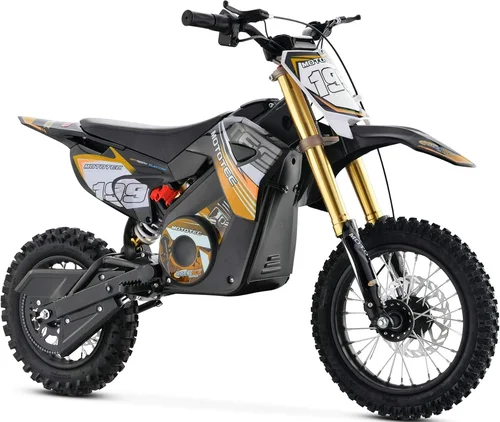
The electric revolution isn’t just reshaping cars—it’s transforming off-road riding too. In 2025, street legal electric dirt bikes have evolved from niche novelties into serious machines capable of tackling both rugged trails and daily commutes. Whether you’re an adrenaline junkie seeking silent speed through backwoods singletrack or an eco-conscious urban rider looking for a versatile two-wheeled companion, the right electric dirt bike can deliver unmatched performance without the noise, emissions, or maintenance headaches of traditional gas-powered models.
But with so many options flooding the market—from budget-friendly imports to high-performance flagships—it’s easy to feel overwhelmed. That’s where this guide comes in. We’ve spent months researching, testing, and comparing the latest street legal electric dirt bikes to help you make a smart, informed decision. You’ll learn what truly matters when choosing one of these innovative machines, how to avoid costly mistakes, and which models offer the best value for your specific needs. From understanding key specs like range and torque to navigating legal requirements and warranty nuances, we’ll cover everything you need to know before hitting “buy.”
The market for street legal electric dirt bikes has exploded in recent years, driven by advances in battery technology, motor efficiency, and regulatory changes that now allow many off-road e-bikes to be registered and ridden on public roads in the U.S., Canada, Europe, and beyond. Major brands like Zero Motorcycles, Cake, Sur Ron, and Harley-Davidson’s LiveWire division have joined forces with emerging innovators to create bikes that blur the line between trail toys and daily drivers. These machines aren’t just quieter—they’re often more responsive, require less upkeep, and deliver instant torque that gas engines can’t match. As we dive deeper, you’ll discover why 2025 might just be the perfect time to go electric.

What to Look for When Buying a Street Legal Electric Dirt Bike
1. Budget & Price Range
Your budget is the foundation of your buying decision—and it’s more nuanced than just the sticker price. Street legal electric dirt bikes range from under $3,000 for entry-level models to over $20,000 for premium machines with race-level performance. But don’t assume the cheapest option is the best value. A $4,000 bike might save you upfront but could lack essential features like DOT-approved lighting, turn signals, or a robust frame, making it unsafe or illegal for road use. Conversely, splurging on a $15,000 flagship may give you cutting-edge tech you don’t actually need if you’re mostly riding local trails.
When setting your budget, factor in hidden costs: registration fees, insurance (yes, some states require it), charging equipment, protective gear, and potential maintenance. Also consider resale value—brands like Zero and Cake hold their value better than lesser-known imports. A good rule of thumb: allocate at least 10–15% of your total budget for accessories and safety gear. If you’re new to riding, prioritize reliability and ease of use over raw power. For experienced riders, investing in higher-end components (like forged suspension or carbon fiber parts) can pay off in durability and performance.
2. Performance Specifications
Performance isn’t just about top speed—it’s a blend of range, power, torque, and ride dynamics. Start with range: how far can the bike go on a single charge? Entry-level models typically offer 30–50 miles, while premium bikes can exceed 100 miles. But real-world range depends on terrain, rider weight, speed, and weather. Always check if the manufacturer quotes “city” or “mixed” range—off-road riding drains batteries faster due to constant acceleration and climbing.
Motor power (measured in kW or horsepower) determines acceleration and hill-climbing ability. Most street legal e-dirt bikes deliver 10–30 kW (13–40 hp), with some hitting 50+ kW for serious off-road performance. Torque, however, is where electric bikes shine—delivering 100% torque instantly from a standstill. Look for peak torque ratings (in Nm); 150+ Nm is excellent for trail riding.
Top speed matters less than you think. Many street legal models cap at 55–70 mph to comply with regulations, but that’s plenty for mixed-use riding. What’s more important is how the bike handles at low speeds—smooth throttle control is critical for technical trails. Also check regenerative braking capability, which recaptures energy during deceleration and extends range.
3. Build Quality & Durability
A street legal electric dirt bike must withstand both pavement abuse and trail punishment. Frame material is paramount: aluminum alloy frames (like those used by Sur Ron and Talaria) offer an ideal balance of strength, weight, and corrosion resistance. Avoid steel frames unless they’re high-grade chromoly—they’re heavier and prone to rust.
Inspect welds, suspension components, and axle quality. Premium bikes use inverted forks, adjustable rear shocks, and reinforced swingarms. Waterproofing is another key factor—look for IP67-rated electronics (dustproof and submersible in 1m of water for 30 minutes). Many riders underestimate how much moisture and mud these bikes encounter, even on “street” rides.
Finally, consider serviceability. Can you easily access the battery, motor, and controller? Are replacement parts readily available? Brands with strong dealer networks (like Zero) make long-term ownership smoother than obscure importers with no U.S. support.
4. Features & Functionality
Modern street legal e-dirt bikes come packed with tech, but not all features are equally useful. Essential street-legal features include DOT-approved headlights, brake lights, turn signals, mirrors, and a horn. Some states also require license plate mounts and VIN plates—verify local laws before buying.
Beyond legality, consider ride modes (Eco, Sport, Off-Road), smartphone connectivity (for GPS tracking, ride analytics, and firmware updates), and quick-swap battery systems. LED lighting, USB charging ports, and digital dashboards enhance convenience. However, avoid bikes that sacrifice mechanical simplicity for gimmicks—overly complex electronics can fail in remote areas where repair options are limited.
One underrated feature: charging time. Most bikes charge in 3–8 hours on a standard 110V outlet. Fast-charging capability (via 220V or DC chargers) can cut this to under 2 hours—a major advantage if you plan frequent rides or commute daily.
5. Brand Reputation & Reliability
Not all electric dirt bike brands are created equal. Established players like Zero Motorcycles (founded in 2006) have proven track records, extensive dealer networks, and rigorous testing. Swedish brand Cake focuses on minimalist design and sustainability, while Chinese manufacturers like Sur Ron and Talaria offer impressive performance at lower prices—but with less consistent quality control.
Research customer forums, YouTube reviews, and long-term owner reports. Pay attention to recurring issues: battery degradation, controller failures, or suspension wear. A brand with responsive customer service and transparent warranty terms is worth paying extra for. Avoid “white-label” bikes sold under multiple brand names with no clear manufacturer—these often lack proper certifications and support.
Also check if the brand complies with U.S. EPA, DOT, and NHTSA standards for street legality. Some imported bikes are sold as “off-road only” but marketed as street legal—a red flag that could lead to fines or impoundment.
6. Warranty & Support
A solid warranty protects your investment and reflects manufacturer confidence. Most reputable brands offer 1–2 years on the whole bike, with 2–3 years on the battery (the most expensive component). Zero, for example, provides a 2-year comprehensive warranty plus a 3-year battery warranty. Cake offers 2 years on the bike and 3 on the battery.
Beware of “lifetime” warranties that exclude batteries or motors—these are often marketing tricks. Read the fine print: what’s covered? Labor costs? Shipping? Is the warranty transferable (important for resale)?
Support matters too. Can you get parts shipped within days? Is there a U.S.-based service center near you? Brands with local dealers (like Zero’s network of 100+ locations) make repairs faster and cheaper than mailing a bike overseas for service.
7. Size, Weight & Portability
Electric dirt bikes vary widely in size and weight. Lightweight models (under 120 lbs) like the Cake Kalk OR are easy to maneuver on tight trails and lift if dropped—ideal for beginners or smaller riders. Heavier bikes (180–250 lbs) offer stability at speed but can be cumbersome off-road.
Consider seat height: 32–34 inches is standard, but shorter riders may prefer adjustable suspensions or lower-profile models. Wheel size also affects handling—21″/18″ combos (front/rear) are typical for off-road use, while 19″/19″ setups offer better street comfort.
If you plan to transport the bike frequently, check if it fits in your vehicle or trailer. Some models feature foldable handlebars or removable batteries for easier storage. Portability becomes crucial if you live in an apartment or lack garage space.
8. User Reviews & Real-World Feedback
Spec sheets don’t tell the whole story—real riders do. Scour forums like Reddit’s r/ElectricMotorcycles, ADVrider, and YouTube channels dedicated to e-bike reviews. Look for consistent themes: Does the battery really last as advertised? Are the brakes reliable in wet conditions? How’s the after-sales service?
Pay special attention to long-term owners (6+ months). Early reviews may praise initial performance, but durability issues often surface later. Also note regional differences: a bike praised in Arizona may struggle in Pacific Northwest rain due to inferior waterproofing.
Finally, test ride whenever possible. Many dealers offer demo days, and some brands (like Cake) provide loaner programs. Feeling how the bike responds to throttle input, braking, and cornering is irreplaceable by specs alone.
Different Types of Street Legal Electric Dirt Bikes

Common Buying Mistakes to Avoid
❌ Mistake: Ignoring Local Street Legal Requirements
Why it’s bad: Just because a bike is sold as “street legal” doesn’t mean it meets your state or country’s specific regulations. Requirements vary widely—some states require turn signals, mirrors, and VIN plates; others ban off-road tires on public roads. Riding an non-compliant bike can result in fines, impoundment, or voided insurance.
What to do instead: Check your Department of Motor Vehicles (DMV) or equivalent agency’s website before buying. Ensure the bike has DOT/ECE-certified lighting, mirrors, horn, and a valid VIN. When in doubt, consult a local dealer or motorcycle attorney.
❌ Mistake: Overlooking Battery Degradation
Why it’s bad: Lithium-ion batteries lose capacity over time—typically 10–20% after 2–3 years. A bike with a “100-mile range” may only deliver 70–80 miles after moderate use, drastically reducing usability.
What to do instead: Choose brands with proven battery longevity (like Zero or Cake). Avoid deeply discounted “refurbished” bikes with unknown battery history. Consider removable batteries for easy replacement or backup packs.
❌ Mistake: Prioritizing Top Speed Over Usability
Why it’s bad: A bike that hits 80 mph but has jerky throttle response or poor low-speed control is dangerous on trails and frustrating in traffic. Many high-speed models sacrifice rideability for spec sheet bragging rights.
What to do instead: Focus on smooth power delivery, adjustable ride modes, and predictable braking. Test ride multiple bikes—feel matters more than numbers.
❌ Mistake: Skipping Insurance and Registration
Why it’s bad: Some riders assume electric bikes don’t need registration or insurance because they’re “just e-bikes.” But if it’s street legal and over 20 mph, most states classify it as a motorcycle—requiring both.
What to do instead: Budget for registration fees ($50–$200 annually) and liability insurance ($100–$400/year). Comprehensive coverage is wise for bikes over $5,000.
❌ Mistake: Buying Based Solely on Price
Why it’s bad: The cheapest bike often costs more long-term due to frequent repairs, poor resale value, or lack of parts. Conversely, overspending on features you’ll never use wastes money.
What to do instead: Match the bike to your actual usage. A $4,000 Sur Ron LBX is perfect for weekend trail rides but overkill for city commuting. A $12,000 Zero FXS suits mixed use but may be too heavy for technical singletrack.
❌ Mistake: Neglecting Maintenance Needs
Why it’s bad: While electric bikes have fewer moving parts than gas bikes, they still need suspension servicing, brake checks, tire rotations, and software updates. Ignoring these leads to premature wear and safety risks.
What to do instead: Learn basic maintenance or find a qualified mechanic. Keep firmware updated—many performance issues are resolved via software patches.
❌ Mistake: Assuming All “Electric Dirt Bikes” Are Equal
Why it’s bad: Marketing terms are misleading. Some “dirt bikes” are actually heavy adventure e-bikes with limited off-road capability. Others are pure off-road machines retrofitted with lights—compromising both worlds.
What to do instead: Define your primary use case first. Then evaluate suspension travel, ground clearance, tire type, and weight distribution accordingly.
Budget Guidelines: How Much Should You Spend?
Entry-Level ($2,500–$6,000): Ideal for beginners or casual riders. Expect basic components, limited range (30–50 miles), and minimal street-legal features. Models like the Sur Ron LBX (around $4,500) offer surprising performance but may lack turn signals or DOT lighting out of the box. Great for learning mechanics and building confidence—but upgrade soon if you get serious.
Mid-Range ($6,000–$12,000): The sweet spot for most buyers. Bikes like the Zero FX ($11,995) or Talaria Sting ($8,999) deliver excellent range (60–90 miles), reliable build quality, and full street-legal compliance. Suspension is tunable, batteries are removable, and dealer support is stronger. Perfect for mixed commuting and weekend trail adventures.
Premium ($12,000–$20,000): For enthusiasts and serious off-roaders. Think Zero FXS ($14,995) or Cake Kalk& ($19,000). These feature race-inspired suspension, carbon fiber elements, advanced electronics, and premium finishes. Range exceeds 100 miles, and performance rivals gas enduro bikes. Worth it if you ride frequently and demand top-tier reliability.
Luxury ($20,000+): Reserved for collectors, tech lovers, or professionals. The Zero SR/S ($24,995) or custom-built Harley LiveWire One variants offer cutting-edge aerodynamics, app integration, and bespoke options. While overkill for most, they represent the pinnacle of electric motorcycle engineering.

Expert Tips for Getting the Best Deal
- Buy in Late Fall or Winter: Dealers often discount current-year models to clear inventory for new arrivals. October–February is prime time for deals, especially on last year’s flagship bikes.
- Negotiate Accessories: Instead of lowering the price, ask for free gear: helmets, riding jackets, or charging cables. Many dealers include these to close a sale.
- Check Manufacturer Rebates: Brands like Zero occasionally offer $500–$1,000 rebates or free charging stations. Sign up for newsletters to catch limited-time offers.
- Compare Financing Options: Some manufacturers offer 0% APR for 12–24 months. Credit unions may also provide competitive motorcycle loans with lower rates than dealer financing.
- Verify Return Policies: Reputable dealers allow 7–14 day return windows for demo units. Avoid sellers with “all sales final” policies unless you’ve test-ridden extensively.
- Join Owner Groups: Facebook groups and forums often share exclusive discount codes or group-buy opportunities. Members sometimes sell lightly used bikes at steep discounts.
- Inspect Before You Buy: Even new bikes can have shipping damage. Check for scratches, loose bolts, or misaligned components. Test all lights, signals, and electronics.
- Ask About Software Updates: Ensure the bike’s firmware is current. Outdated software can limit performance or cause glitches.

Frequently Asked Questions
Q: Are street legal electric dirt bikes really quiet?
A: Yes—but not silent. While they lack engine noise, you’ll still hear wind, tire hum, and motor whine at higher speeds. Most produce 60–70 dB, similar to a conversation. This makes them ideal for noise-sensitive areas but less intimidating to wildlife.
Q: How long do batteries last?
A: Quality lithium-ion batteries typically last 800–1,200 charge cycles before dropping to 80% capacity. With proper care (avoiding deep discharges and extreme temperatures), that’s 3–5 years of daily use. Replacement costs $2,000–$4,000, so factor this into long-term ownership.
Q: Can I ride one in the rain?
A: Most modern e-dirt bikes are water-resistant (IP65/IP67 rated), meaning they can handle rain and puddles. However, avoid submerging the bike or high-pressure washing near seals. Always dry connectors after wet rides.
Q: Do I need a motorcycle license?
A: In most U.S. states, yes—if the bike exceeds 20 mph and is registered as a motorcycle. Check your local DMV. Some states allow Class M licenses for electric bikes under certain power limits.
Q: How fast can they charge?
A: Standard 110V charging takes 3–8 hours. With a 220V Level 2 charger, many bikes charge in 1.5–3 hours. DC fast chargers (available on premium models) can reach 80% in under an hour—but aren’t common yet.
Q: Are they reliable long-term?
A: Top-tier brands (Zero, Cake) have excellent reliability records. Budget models may suffer from controller or battery issues. Regular maintenance and avoiding extreme conditions significantly extend lifespan.
Q: Can I take one on highways?
A: Only if it’s capable of sustained 55+ mph and legally registered. Most street legal e-dirt bikes can handle highway speeds, but wind resistance and range drop significantly above 60 mph.
Q: What about theft protection?
A: Use a heavy-duty lock (like Kryptonite), GPS trackers (e.g., Apple AirTag in the battery compartment), and park in well-lit areas. Insurance with comprehensive coverage is highly recommended.
Q: Are parts hard to find?
A: For major brands, no—dealers stock common parts. For obscure imports, wait times can be weeks. Always ask about parts availability before buying.
Q: Can I modify them?
A: Yes, but modifications may void warranties or violate street-legal status. Suspension upgrades and tire swaps are common; motor or battery tampering is risky and often illegal.
Our Final Recommendations
Best for Budget-Conscious Buyers: Sur Ron LBX ($4,499) – Despite needing minor street-legal upgrades (signals, mirrors), it delivers unmatched value with 40+ mile range, 120+ lb-ft torque, and a cult following. Perfect for learners and trail enthusiasts.
Best Overall Value: Zero FX ($11,995) – Combines 75-mile range, full DOT compliance, and Zero’s legendary reliability. Handles city streets and fire roads with equal grace. Backed by a robust dealer network and 2-year warranty.
Best Premium Option: Cake Kalk& ($19,000) – Swedish minimalism meets off-road prowess. Ultra-lightweight (143 lbs), swappable batteries, and stunning design. Ideal for eco-conscious riders who demand performance and style.
Best for Beginners: Talaria Sting ($8,999) – Smooth power delivery, adjustable suspension, and intuitive controls make it beginner-friendly without sacrificing capability. Includes turn signals and DOT lighting out of the box.
Best for Advanced Users: Zero SR/F ($21,995) – A true electric superbike with 110 hp, 140-mile range, and track-ready dynamics. For riders who want the ultimate fusion of street performance and electric innovation.
Conclusion: Making the Right Choice
Choosing the best street legal electric dirt bike in 2025 isn’t just about specs—it’s about aligning technology with your lifestyle, budget, and riding goals. Whether you’re dodging traffic in the city, carving up mountain trails, or simply seeking a cleaner, quieter way to explore, there’s an electric dirt bike designed for you. By focusing on key factors like build quality, real-world range, and brand support—and avoiding common pitfalls like ignoring local laws or overlooking battery health—you’ll set yourself up for years of thrilling, sustainable riding.
Remember, the “best” bike is the one that fits your needs, not the one with the flashiest spec sheet. Take your time, test ride whenever possible, and prioritize reliability over trends. The electric revolution is here to stay, and with the right machine, you’ll be at the forefront of a quieter, cleaner, and more exhilarating future of motorcycling. Ready to make the switch? Your perfect ride is waiting.