
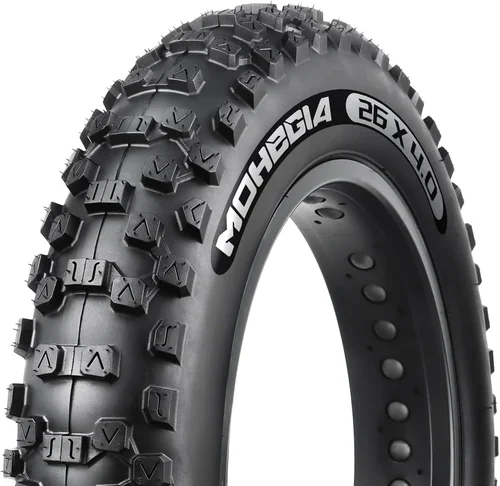
Puncture-resistant bike tires are no longer a luxury—they’re a necessity for anyone who rides regularly, whether you’re commuting through city streets, exploring gravel backroads, or tackling rugged mountain trails. Every cyclist knows the frustration of a sudden flat: the delay, the mess, the risk of being stranded far from home. In 2026, advances in materials science and tire engineering have made puncture protection more effective, durable, and accessible than ever before. But with so many options on the market—each claiming to be the “most puncture-resistant”—it’s easy to feel overwhelmed. That’s where this comprehensive buying guide comes in.
This guide is designed to cut through the marketing noise and deliver expert-level, actionable advice to help you choose the best puncture-resistant bike tires for your specific needs. Whether you’re a daily commuter navigating glass-strewn urban bike lanes, a weekend warrior hitting rocky singletrack, or a long-distance tourer crossing remote highways, we’ll walk you through everything you need to know. You’ll learn how to evaluate key performance factors like casing construction, tread design, and puncture protection layers, understand the trade-offs between durability and ride quality, and avoid common purchasing pitfalls. We’ll also break down price tiers, compare tire types, and share insider tips to help you get the most value for your investment.
The market for puncture-resistant tires has evolved significantly in recent years. Leading brands like Schwalbe, Continental, Vittoria, and Panaracer now offer a wide range of models featuring advanced technologies such as Kevlar belts, dual-compound rubber, and proprietary anti-puncture membranes. At the same time, budget-friendly options from companies like Maxxis and Kenda have improved dramatically, offering solid protection without breaking the bank. With innovations in tubeless compatibility, rolling resistance, and eco-friendly materials, today’s tires are smarter, safer, and more sustainable. By the end of this guide, you’ll have a clear understanding of what to look for, what to avoid, and how to make a confident, informed decision that keeps you rolling smoothly—and flat-free—for miles to come.
What to Look for When Buying Puncture Resistant Bike Tires
1. Puncture Protection Technology
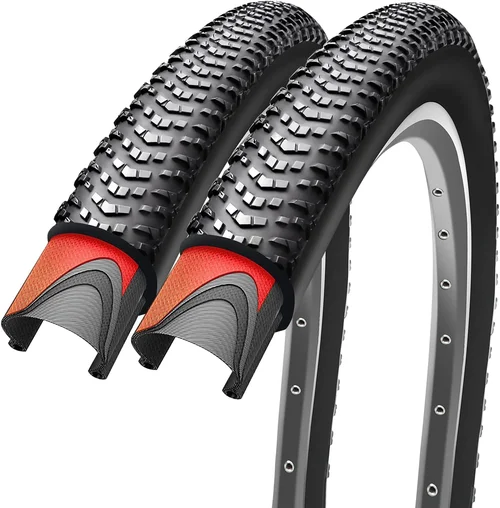
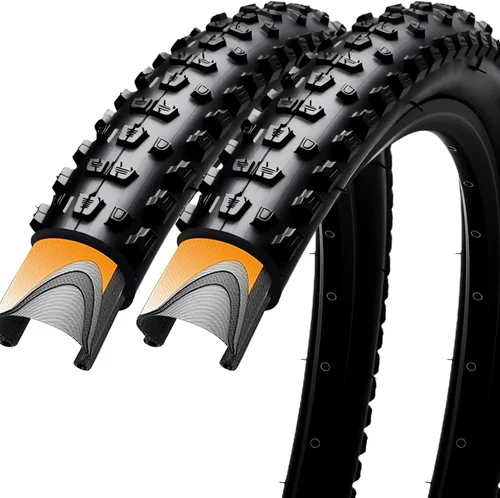
The core feature of any puncture-resistant tire is its anti-puncture system. Modern tires use a variety of technologies to resist flats, and understanding these can help you choose the right level of protection for your riding style. The most common systems include reinforced belts made from materials like Kevlar (aramid fiber), steel, or nylon, which are embedded beneath the tread to stop sharp objects from penetrating the inner tube. Some high-end models, such as Schwalbe’s Marathon Plus or Continental’s Gatorskin, feature thick, multi-layered puncture protection belts that are virtually impenetrable to thorns, glass, and nails.
Another innovation is the use of liquid sealants in tubeless setups, which automatically seal small punctures as they occur. Tires like the Vittoria Terreno Dry TLR or Maxxis Rekon Race TLR are designed for tubeless use and work best when paired with sealant. These systems are especially effective for mountain bikers and gravel riders who encounter sharp rocks and thorns. Additionally, some manufacturers use dual-compound rubber, with a harder, more durable compound on the center tread for longevity and a softer compound on the shoulders for grip. When evaluating puncture protection, look for terms like “anti-puncture layer,” “flat protection belt,” or “puncture shield” in the product description. The thicker and more advanced the protection layer, the better the tire will resist flats—but this often comes at the cost of added weight and reduced ride comfort.
2. Tread Pattern and Riding Surface Compatibility
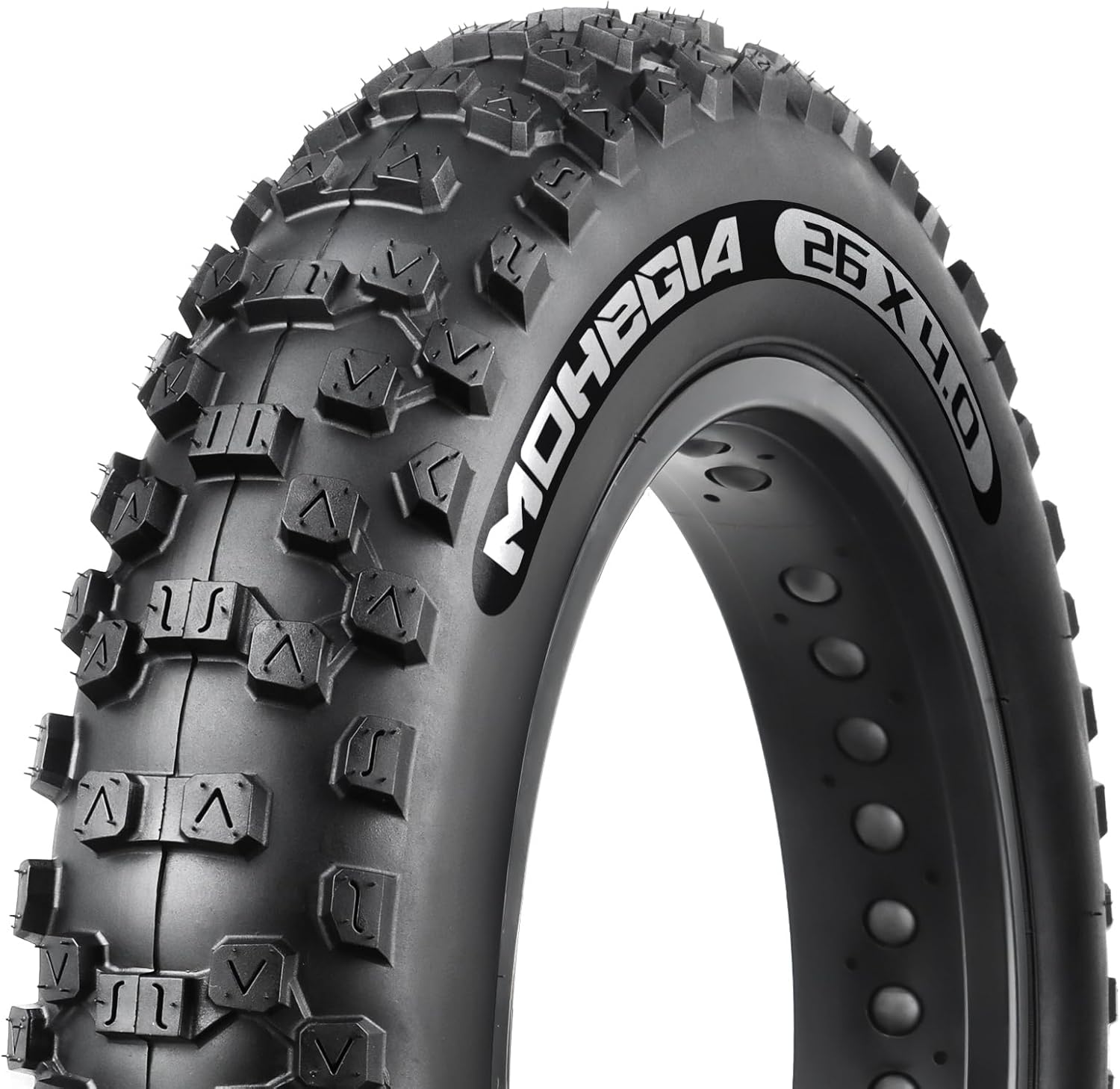
The tread pattern of a tire plays a crucial role in both puncture resistance and overall performance. A well-designed tread not only improves grip and handling but can also help deflect sharp objects. For example, tightly spaced knobs or a smooth, file-like tread (common on road and commuter tires) reduces the chance of glass shards or thorns embedding into the rubber. On the other hand, aggressive, widely spaced knobs on mountain bike tires offer superior traction on loose terrain but may be more prone to punctures from sharp rocks.
Consider your primary riding environment. If you’re commuting in the city, a slick or semi-slick tread with minimal grooves will offer low rolling resistance and better puncture resistance on paved surfaces. For gravel or light trail riding, a moderate tread with reinforced shoulders can provide a balance of protection and grip. Off-road enthusiasts should look for tires with reinforced sidewalls and cut-resistant compounds, such as the Maxxis Minion DHF or Schwalbe Nobby Nic, which are built to withstand rocky, technical terrain. Always match the tread to your terrain—using a road tire on a trail, or vice versa, increases the risk of flats and compromises safety.
3. Casing Construction and TPI (Threads Per Inch)
The casing is the internal fabric structure of the tire, and its quality directly affects durability, weight, and ride feel. TPI, or threads per inch, refers to the density of the casing weave. A higher TPI (e.g., 120 or 180) means finer, more flexible threads, resulting in a lighter, more supple tire that conforms better to the road and offers improved comfort and grip. However, higher TPI casings are often more expensive and may be less durable if not reinforced properly.
Lower TPI tires (e.g., 60 or 90) use thicker, heavier threads, making them more robust and resistant to cuts and abrasions—ideal for rough terrain or heavy loads. For example, the Schwalbe Marathon Plus uses a 67 TPI casing with an additional puncture belt, striking a balance between durability and performance. When choosing a tire, consider the trade-off: high TPI offers a smoother ride but may sacrifice longevity, while low TPI provides toughness at the expense of weight and comfort. For most riders, a mid-range TPI (90–120) with reinforced construction offers the best compromise.
4. Tubeless Compatibility
Tubeless tires have become the gold standard for puncture resistance, especially in off-road and gravel riding. By eliminating the inner tube, tubeless setups reduce the risk of pinch flats and allow the use of sealant, which can instantly seal punctures up to 6mm in diameter. Tires labeled “TLR” (Tubeless Ready) or “UST” (Universal System Tubeless) are designed to be used without a tube when paired with a compatible rim and sealant.
The benefits of going tubeless include lower rolling resistance, the ability to run lower tire pressures for better traction, and significantly improved flat resistance. For example, the Continental Terra Speed TLR is a popular gravel tire that excels in rough conditions thanks to its tubeless design and durable casing. However, tubeless setups require more maintenance—sealant needs to be topped up every 3–6 months, and installation can be tricky for beginners. If you’re new to tubeless, look for tires with easy-seal technology or consider starting with a conversion kit. For road riders, tubeless is still gaining traction but offers clear advantages for long-distance and endurance cycling.
5. Weight and Rolling Resistance
Puncture-resistant tires often come with a weight penalty due to added protection layers and thicker casings. While this is a necessary trade-off for durability, excessive weight can negatively impact acceleration, climbing, and overall ride efficiency. High rolling resistance—the energy lost as the tire deforms on the road—can also make your bike feel sluggish, especially on long rides.
To minimize these drawbacks, look for tires that use lightweight materials without sacrificing protection. For instance, the Vittoria Corsa Control TLR combines a 120 TPI cotton casing with a graphene-infused compound to reduce weight and rolling resistance while maintaining excellent puncture resistance. Similarly, the Panaracer GravelKing SK+ uses a lightweight yet durable casing with a reinforced belt. When comparing tires, check manufacturer data on weight (usually listed in grams) and rolling resistance (often measured in watts). A lighter tire with low rolling resistance will make your rides faster and more enjoyable, even if it costs a bit more.
6. Size and Fit Compatibility
Tire size is critical for both performance and safety. The wrong size can lead to poor handling, increased wear, and even damage to your rims or frame. Bike tires are labeled with two key measurements: width (in millimeters) and diameter (in inches or ISO millimeters). For example, a common road tire size is 700x25c, where “700” is the approximate outer diameter and “25” is the width. Gravel and mountain bike tires often use wider sizes like 700x40c or 29×2.25.
Before purchasing, check your current tire sidewall for size markings and ensure your rims are compatible. Wider tires (32mm and above) offer better comfort and puncture resistance due to larger air volume, but they may not fit on older road bikes with narrow fork and frame clearances. Use a tire clearance calculator or consult your bike’s manual to confirm fit. Also, consider the ISO (International Standards Organization) size, which provides a more precise measurement. For example, a 700x25c tire has an ISO size of 25-622. Matching ISO sizes ensures proper fit across different brands.
7. Brand Reputation and Reliability
Not all puncture-resistant tires are created equal, and brand reputation matters. Established manufacturers like Schwalbe, Continental, and Vittoria have decades of experience and rigorous testing processes, resulting in consistently high-quality products. Schwalbe, for example, is renowned for its Marathon series, which has been a benchmark for durability since the 1980s. Continental’s Gatorskin and GP5000 models are trusted by professional cyclists and commuters alike.
While lesser-known brands may offer lower prices, they often cut corners on materials and quality control. Reading user reviews and expert tests can help you identify reliable options. Look for brands that offer detailed technical specifications, transparent testing data, and strong customer support. A reputable brand also typically provides better warranty coverage and faster replacement services. Investing in a trusted name may cost more upfront, but it pays off in long-term reliability and peace of mind.
8. Warranty and Return Policy
A strong warranty is a sign of a manufacturer’s confidence in their product. Many premium puncture-resistant tires come with warranties covering defects in materials and workmanship for 1–2 years. Some brands, like Schwalbe, even offer a “Flat-Free Guarantee” on select models, promising a free replacement if the tire suffers a puncture under normal use.
Before buying, review the warranty terms carefully. Does it cover only manufacturing defects, or does it include accidental punctures? Is there a time limit or mileage restriction? Also, check the retailer’s return policy—some online stores allow 30-day returns if the tire is unused, while others require proof of purchase and original packaging. A good return policy gives you the flexibility to test the tire and ensure it meets your expectations. If a brand offers a satisfaction guarantee or free trial period, that’s a strong indicator of quality and customer focus.
Different Types of Puncture Resistant Bike Tires

Common Buying Mistakes to Avoid
❌ Mistake: Prioritizing Price Over Protection
Why it’s bad: Choosing the cheapest tire available often means sacrificing puncture protection, durability, and ride quality. Budget tires may lack reinforced belts or use low-grade rubber that wears out quickly or fails under stress. This can lead to frequent flats, premature replacement, and even safety risks on long rides.
What to do instead: View tires as a long-term investment. Spend a little more on a tire with proven puncture resistance and a solid warranty. The cost of a single flat—time, tools, and potential roadside assistance—can easily exceed the price difference between a budget and mid-range tire.
❌ Mistake: Ignoring Tire Size and Compatibility
Why it’s bad: Installing the wrong size tire can cause poor handling, increased wear, and even damage to your bike. A tire that’s too wide may rub against the frame or fork, while one that’s too narrow can lead to instability and higher puncture risk.
What to do instead: Always check your current tire’s sidewall for size markings (e.g., 700x32c) and consult your bike’s manual for maximum clearance. Use online tire compatibility tools or ask a bike shop for advice if you’re unsure.
❌ Mistake: Overlooking Tubeless Potential
Why it’s bad: Sticking with traditional inner tubes limits your puncture protection options. Tubeless systems offer superior flat resistance, lower rolling resistance, and the ability to run lower pressures for better grip—especially on rough terrain.
What to do instead: If your rims are tubeless-ready, consider making the switch. Start with a TLR (Tubeless Ready) tire and a quality sealant. Many modern tires are designed for easy tubeless conversion, and the benefits far outweigh the initial setup effort.
❌ Mistake: Choosing the Wrong Tread for Your Terrain
Why it’s bad: A slick road tire on a gravel trail will wear out quickly and offer poor grip, while an aggressive mountain tire on pavement will feel slow and noisy. Mismatched tread patterns increase the risk of punctures and reduce overall performance.
What to do instead: Match your tire to your primary riding surface. Use a file tread or semi-slick for roads, a moderate knob pattern for gravel, and aggressive knobs for trails. If you ride on mixed terrain, opt for a versatile adventure tire like the Panaracer GravelKing or Continental Terra Speed.
❌ Mistake: Neglecting Maintenance and Sealant
Why it’s bad: Even the best puncture-resistant tire can fail if not properly maintained. Old sealant dries out and loses effectiveness, while worn tread increases the risk of cuts and punctures. Ignoring tire pressure checks can also lead to pinch flats or blowouts.
What to do instead: Check tire pressure weekly and top up sealant every 3–6 months. Inspect tires for cuts, embedded debris, or wear indicators. Replace tires when the tread is worn down or the casing shows signs of damage.
❌ Mistake: Buying Based on Marketing Claims Alone
Why it’s bad: Terms like “unbreakable” or “100% flat-proof” are often exaggerated. Without understanding the underlying technology, you may end up with a tire that doesn’t perform as advertised.
What to do instead: Look beyond the marketing and focus on technical specs: TPI, puncture protection layers, casing type, and user reviews. Research independent tests and expert reviews to get a realistic picture of performance.
❌ Mistake: Forgetting About Weight and Rolling Resistance
Why it’s bad: A tire that’s overly heavy or has high rolling resistance can make your bike feel sluggish, especially on climbs or long rides. This reduces enjoyment and increases fatigue.
What to do instead: Balance protection with performance. Look for tires that use lightweight materials and low-resistance compounds. Check manufacturer data on weight and rolling resistance, and read real-world user feedback on ride feel.
Budget Guidelines: How Much Should You Spend?
Entry-Level ($25–$50): Tires in this range offer basic puncture protection and are suitable for casual riders or those on a tight budget. Examples include the Kenda Kwest or Maxxis Detonator. These tires often use simple nylon belts and lower TPI casings, resulting in a stiffer ride and shorter lifespan. While they can handle light commuting, they’re more prone to flats on rough terrain or in areas with debris.
Mid-Range ($50–$90): This is the sweet spot for most riders. Tires like the Schwalbe Marathon Plus, Continental Gatorskin, or Vittoria Randonneur offer excellent puncture resistance, good durability, and a comfortable ride. They typically feature reinforced belts, higher TPI casings, and better rubber compounds. Ideal for daily commuters, weekend riders, and light gravel use.
Premium ($90–$140): Designed for enthusiasts and performance-oriented riders, premium tires combine top-tier protection with low rolling resistance and lightweight construction. Models like the Continental GP5000 TLR, Schwalbe Pro One, or Panaracer GravelKing SK+ use advanced materials like graphene, cotton casings, and multi-layer protection. These are perfect for long-distance touring, competitive riding, or demanding off-road conditions.
Luxury ($140+): At the top end, you’ll find hand-built, race-proven tires with cutting-edge technology. Examples include the Vittoria Corsa Speed or handmade tubulars from brands like Challenge. These tires prioritize speed, comfort, and minimal weight, often at the expense of extreme durability. Best suited for professional racers or serious hobbyists who demand peak performance.
Expert Tips for Getting the Best Deal
Shop at specialty bike retailers or trusted online stores like REI, Competitive Cyclist, or Chain Reaction Cycles. These retailers often have detailed product descriptions, expert reviews, and generous return policies. Avoid big-box stores, where selection and expertise may be limited.
Compare prices across multiple sites using tools like Google Shopping or PriceGrabber. Sign up for newsletters to receive exclusive discounts and early access to sales.
Check for bundle deals—some retailers offer discounts when you buy two tires or pair them with tubes or sealant. This can save you $10–$20 per tire.
Read user reviews on sites like Amazon, BikeRadar, or Slowtwitch. Look for consistent feedback on puncture resistance, durability, and real-world performance.
Test before you commit. If possible, try a tire on a short ride or borrow from a friend. Many shops offer demo programs or satisfaction guarantees.
Always check the warranty and return policy. A 30-day return window or a 2-year warranty adds peace of mind and protects your investment.
Consider buying last year’s model. Tire technology evolves slowly, and older versions are often discounted while offering nearly identical performance.

Frequently Asked Questions
Q: Can puncture-resistant tires completely prevent flats?
A: No tire is 100% flat-proof, but high-quality puncture-resistant tires can drastically reduce the frequency of flats. They are designed to resist common hazards like glass, thorns, and nails, but extreme impacts or sharp objects can still cause damage. Proper maintenance and sealant use further improve protection.
Q: Are tubeless tires worth the extra effort?
A: Yes, especially for off-road and gravel riding. Tubeless tires offer superior puncture resistance, lower rolling resistance, and the ability to run lower pressures for better traction. While setup can be tricky initially, the long-term benefits make it worthwhile for most riders.
Q: How often should I replace my puncture-resistant tires?
A: Replace tires when the tread is worn down, the casing shows cuts or bulges, or you notice a decline in performance. Most tires last 2,000–5,000 miles depending on usage, terrain, and maintenance. Check for wear indicators or use a tread depth gauge.
Q: Do wider tires offer better puncture resistance?
A: Generally, yes. Wider tires have a larger air volume, which allows them to absorb impacts better and run at lower pressures without risking pinch flats. They also tend to have thicker casings and more robust construction.
Q: Can I use puncture-resistant tires on an e-bike?
A: Absolutely. In fact, e-bike tires are often designed with extra reinforcement to handle the increased weight and speed. Look for models labeled “e-bike rated” or “ECE-R75 certified,” which meet higher safety standards.
Q: What’s the difference between Kevlar and steel belts?
A: Kevlar (aramid) belts are lightweight, flexible, and highly resistant to punctures, making them ideal for performance tires. Steel belts are heavier and stiffer but offer maximum durability for heavy-duty use. Most premium tires use Kevlar for a better balance of weight and protection.
Q: How do I know if my rims are tubeless-ready?
A: Check the rim sidewall for markings like “Tubeless Ready,” “UST,” or “TLR.” You can also consult your bike manufacturer or use a rim compatibility chart. If your rims aren’t tubeless-ready, you may need to upgrade or use conversion kits.
Q: Can I mix different brands of tires on my bike?
A: Yes, but it’s not recommended. Mixing brands can lead to inconsistent handling, wear patterns, and performance. For best results, use matching front and rear tires from the same model line.
Q: Do puncture-resistant tires affect ride comfort?
A: Some do, especially those with thick protection layers. However, modern designs use flexible casings and advanced rubber compounds to minimize stiffness. Look for tires with higher TPI and supple casings for a smoother ride.
Q: Are there eco-friendly puncture-resistant tires?
A: Yes. Some brands, like Schwalbe and Vittoria, are incorporating recycled materials and sustainable production methods. Look for tires with eco-labels or certifications indicating reduced environmental impact.
Our Final Recommendations
Best for Budget-Conscious Buyers: Schwalbe Marathon Plus – At around $60, this tire offers legendary durability and flat resistance, making it ideal for commuters and casual riders who want reliability without overspending.
Best Overall Value: Continental Gatorskin – Priced around $70, it delivers excellent puncture protection, low rolling resistance, and a smooth ride. A favorite among road cyclists and urban riders.
Best Premium Option: Vittoria Corsa Control TLR – At $120, this tubeless-ready tire combines graphene-enhanced rubber, a 120 TPI cotton casing, and top-tier puncture resistance. Perfect for performance-oriented riders.
Best for Beginners: Maxxis Detonator – Affordable and easy to install, this tire offers solid protection for new cyclists and weekend riders. Great for learning tire maintenance and care.
Best for Advanced Users: Panaracer GravelKing SK+ – Designed for gravel and adventure riding, this tire features a reinforced casing, aggressive tread, and tubeless compatibility. Ideal for experienced riders tackling mixed terrain.
Conclusion: Making the Right Choice
Choosing the best puncture-resistant bike tire isn’t just about avoiding flats—it’s about enhancing your entire riding experience. From smoother commutes to confident off-road adventures, the right tire can make all the difference. By focusing on key factors like puncture protection technology, tread design, casing quality, and tubeless compatibility, you can find a tire that matches your riding style, terrain, and budget.
Remember, no single tire is perfect for everyone. Prioritize your needs: if you ride daily in the city, durability and flat resistance are paramount. If you’re exploring backroads, versatility and tubeless performance matter more. Use this guide to compare options, avoid common pitfalls, and invest wisely.
Ultimately, the best puncture-resistant tire is the one that keeps you riding—safely, comfortably, and confidently—mile after mile. Take the time to research, test, and choose wisely. Your future self will thank you every time you roll past a piece of glass without a second thought.