
Electric bikes, or e-bikes, have revolutionized personal transportation, offering an eco-friendly, cost-effective, and enjoyable way to commute, explore, and stay active. But with so many options flooding the market—especially in the “cheap” category—it’s easy to feel overwhelmed. You might be wondering: Can a budget e-bike really deliver reliable performance? Is it worth sacrificing features for affordability? And how do you avoid ending up with a lemon that leaves you stranded after just a few rides?
This comprehensive buying guide is designed to answer those questions and more. Whether you’re a first-time buyer looking for your first electric ride or a seasoned cyclist seeking a secondary commuter e-bike without breaking the bank, this guide will equip you with everything you need to make a smart, informed decision. We’ll walk you through the essential factors to consider, compare different types of affordable e-bikes, highlight common pitfalls, and share expert tips to help you get the best value for your money. By the end, you’ll know exactly what to look for—and what to avoid—when shopping for the best cheap e-bike in 2026.
The market for budget-friendly e-bikes has exploded in recent years, driven by advances in battery technology, increased manufacturing efficiency, and growing consumer demand for sustainable mobility. Today, you can find capable electric bikes starting under $800, with many models offering impressive range, decent motors, and solid build quality. However, not all “cheap” e-bikes are created equal. Some cut corners on critical components like batteries, brakes, or frames, while others surprise with unexpected durability and performance. Our goal is to help you navigate this landscape with confidence, so you can invest in an e-bike that meets your needs, fits your budget, and lasts for years to come.

What to Look for When Buying a Cheap E-Bike
1. Budget & Price Range
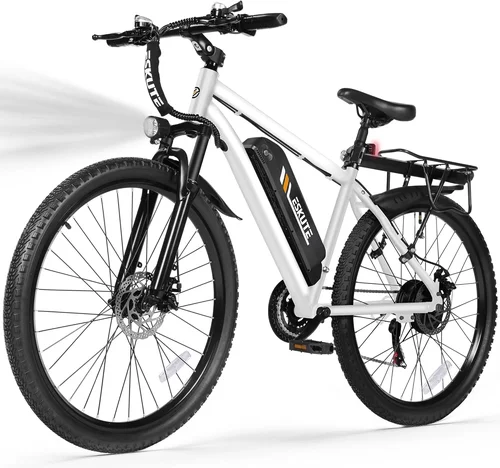
Setting a realistic budget is the foundation of any smart purchase—especially when it comes to e-bikes. While “cheap” is relative, in 2026, you can expect to find functional and reliable electric bikes starting around $600 and going up to $1,500. The key is understanding what you’re getting (and not getting) at each price point.
At the lowest end ($600–$900), you’ll typically find entry-level models with basic components: hub motors (usually 250W–500W), lead-acid or lower-capacity lithium batteries, and minimal features like basic LED displays and mechanical disc brakes. These bikes are great for short commutes on flat terrain but may struggle with hills or longer distances.
In the mid-budget range ($900–$1,200), you start seeing significant upgrades: higher-quality lithium-ion batteries (often 36V or 48V with 10–15Ah capacity), better motor efficiency, improved frame materials (like aluminum alloy), and added features such as pedal-assist levels, USB charging ports, and integrated lights. This is often the sweet spot for most riders seeking reliability without overspending.
Above $1,200, even within the “affordable” category, you’ll encounter bikes with mid-drive motors, hydraulic disc brakes, suspension systems, and smart connectivity features. While still considered budget-friendly compared to premium e-bikes ($2,000+), these models offer near-professional performance.
💡 Pro Tip: Don’t just focus on the sticker price—consider total cost of ownership. A slightly more expensive bike with a better battery and warranty may save you hundreds in repairs or replacements down the road.
2. Performance Specifications
Performance is where many cheap e-bikes fall short—or surprisingly excel. Three core specs define how well your e-bike will perform: motor power, battery capacity, and range.
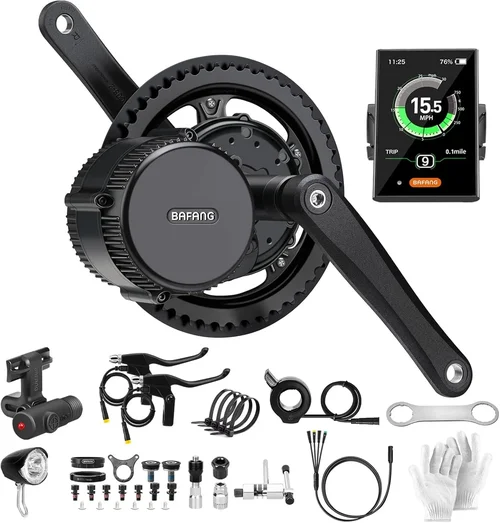
Motor Power: Measured in watts (W), motor power determines how much assistance you get. In the U.S., e-bikes are legally limited to 750W for Class 3 (speed pedal-assist up to 28 mph) and 250W–500W for Class 1 and 2 (up to 20 mph). For city commuting and light hills, a 350W–500W rear hub motor is usually sufficient. Mid-drive motors, while rarer in budget models, offer better weight distribution and hill-climbing ability but come at a higher cost.
Battery Capacity: Look for lithium-ion batteries (avoid lead-acid—they’re heavy, short-lived, and inefficient). Battery capacity is measured in watt-hours (Wh), calculated by multiplying voltage (V) by amp-hours (Ah). A 36V 10Ah battery = 360Wh. As a rule of thumb, 300–400Wh gives you about 20–30 miles of range on moderate assist. Higher Wh means longer rides between charges.
Range: Manufacturers often quote optimistic range figures based on ideal conditions (flat roads, minimal pedal assist, lightweight rider). Real-world range is typically 30–50% less. Always check user reviews for actual range experiences. If you plan to ride 15+ miles daily, aim for at least a 400Wh battery.
Top Speed & Class: Most budget e-bikes are Class 1 (pedal-assist only, up to 20 mph) or Class 2 (throttle-assisted, also up to 20 mph). Class 3 bikes (up to 28 mph) are less common in the cheap segment due to regulatory and cost constraints. Choose based on your local laws and riding needs.
3. Build Quality & Durability
A cheap price tag shouldn’t mean cheap construction. The frame, welds, and component quality directly impact safety, comfort, and longevity.
Look for frames made from aluminum alloy—lightweight, rust-resistant, and strong enough for daily use. Avoid steel frames unless they’re high-tensile; they’re heavier and more prone to corrosion. Check for clean welds, smooth paint finishes, and no visible cracks or bends.
Pay attention to component brands. Even budget e-bikes should use reputable parts like Shimano drivetrains, Tektro or Zoom brakes, and Kenda or CST tires. Generic or unbranded components may fail prematurely.
Weight capacity is another critical factor. Most cheap e-bikes support 220–275 lbs. If you’re near or above this limit, verify the bike’s rated capacity and consider reinforced frames or dual-battery setups.
Finally, inspect the assembly quality. Many budget e-bikes are shipped partially assembled. Poorly tightened bolts, misaligned wheels, or loose cables can lead to accidents. If buying online, ensure the seller offers clear assembly instructions or professional setup options.
4. Features & Functionality
Modern e-bikes pack surprising features—even at lower price points. Here’s what to prioritize:
Pedal Assist Levels: Most budget e-bikes offer 3–5 levels of pedal assist (Eco, Tour, Sport, etc.). More levels give you finer control over energy use and effort. Look for smooth transitions between modes.
Throttle: A thumb or twist throttle lets you ride without pedaling—ideal for starting from stops or tackling steep hills. Class 2 e-bikes include throttles; Class 1 do not. Decide based on your preference and local regulations.
Display & Controls: A clear LCD or LED display should show speed, battery level, assist mode, and trip distance. Backlit screens are helpful for night riding. Avoid bikes with only basic LED indicators—they offer minimal feedback.
Lighting: Integrated front and rear lights are a huge safety plus, especially for commuters. Many budget models now include USB-rechargeable LED lights powered by the main battery.
Suspension: Front suspension forks absorb bumps and improve comfort on rough roads. Full suspension is rare in cheap e-bikes but not unheard of in the $1,200+ range. For city riding, a rigid fork may suffice.
Fenders & Racks: Practical add-ons like fenders (to keep you dry) and rear racks (for bags or groceries) make your e-bike more versatile. Some models include them standard; others require aftermarket installation.
5. Brand Reputation
Not all e-bike brands are equal—even among budget options. Established brands like Ancheer, Swagtron, ECOTRIC, Himiway, and Juiced Bikes have built reputations for delivering reliable, well-supported products. They often invest in better quality control, customer service, and warranty coverage.
Avoid unknown brands with no online presence, vague product descriptions, or overly aggressive marketing (“lifetime warranty!” or “unbeatable performance for $499!”). These are red flags for potential scams or poorly made bikes.
Check for customer reviews on multiple platforms (Amazon, Reddit, YouTube, specialized forums). Look for patterns: Are users reporting battery failures? Frame cracks? Poor customer support? Consistent complaints are warning signs.
Also consider availability of spare parts. Can you easily replace a brake pad, chain, or battery? Brands with good distribution networks make maintenance simpler and cheaper.
6. Warranty & Support
A solid warranty is your safety net against defects and failures. Most reputable budget e-bike brands offer:
- Frame: 1–2 years (lifetime warranties are rare and often misleading)
- Motor & Battery: 6 months to 1 year (some extend to 2 years)
- Electronics & Components: 6–12 months
Read the fine print. Many warranties exclude “wear and tear,” improper use, or modifications. Also check if the warranty is honored by the seller or requires shipping to a service center (which can be costly).
Customer support matters too. Can you reach a real person? Is there a FAQ section or troubleshooting guide? Brands with responsive support teams (via email, chat, or phone) save you headaches when issues arise.
💡 Pro Tip: Register your bike immediately after purchase. Some brands require registration to activate the warranty.
7. Size & Portability
E-bikes are heavier than regular bikes—typically 40–70 lbs—so size and portability are crucial, especially if you need to carry it upstairs, store it in a small apartment, or transport it in a car.
Frame Size: Most budget e-bikes come in one or two frame sizes (e.g., S/M or M/L). Check the manufacturer’s size chart based on your height. A poorly fitting bike leads to discomfort and reduced control.
Folding Models: If space is tight, consider a folding e-bike. Brands like Swagtron EB5 and ECOTRIC Foldable offer compact designs that fit in trunks or under desks. However, folding bikes often have smaller wheels (16″–20″), which can affect stability and ride quality.
Weight Distribution: A well-balanced bike feels easier to handle. Test how it handles when lifting or maneuvering. Rear-hub motors can make the back end feel heavy.
Step-Through Frames: Ideal for riders with mobility issues or those who prefer easier mounting/dismounting. Many budget models now offer step-through versions.
8. User Reviews & Ratings
Never buy an e-bike based solely on specs or marketing claims. Real-world user feedback is invaluable.
Look for reviews that mention:
- Actual range vs. advertised
- Reliability over time (6+ months)
- Customer service experiences
- Ease of assembly and maintenance
- Comfort on different terrains
Watch YouTube review videos—they often show the bike in action, reveal build quality, and demonstrate features like throttle response and display clarity.
Be wary of fake reviews. Look for detailed, balanced feedback (not just “great bike!”) and check reviewer history. Amazon’s “Verified Purchase” badge adds credibility.
Different Types of Cheap E-Bikes

Common Buying Mistakes to Avoid
❌ Mistake: Prioritizing Price Over Battery Quality
Why it’s bad: The battery is the heart of your e-bike. Cheap lithium batteries degrade quickly, lose capacity, and can even pose fire risks. A failing battery means frequent recharging, reduced range, and costly replacements.
What to do instead: Always choose lithium-ion (Li-ion) over lead-acid. Look for reputable battery brands like Samsung, LG, or Panasonic cells. Check warranty coverage on the battery—ideally 12+ months.
❌ Mistake: Ignoring Local E-Bike Laws
Why it’s bad: E-bike regulations vary by state, city, and country. Riding a Class 3 e-bike where only Class 1 is allowed can result in fines or confiscation. Some areas restrict e-bikes on bike paths or require helmets.
What to do instead: Research your local laws before buying. The PeopleForBikes website offers a state-by-state guide for U.S. regulations.
❌ Mistake: Overlooking Maintenance Needs
Why it’s bad: E-bikes require regular maintenance—brake adjustments, tire pressure checks, chain lubrication, and battery care. Neglecting this leads to poor performance and safety hazards.
What to do instead: Learn basic maintenance or find a local bike shop that services e-bikes. Budget for annual tune-ups ($50–$100).
❌ Mistake: Buying Without Test Riding
Why it’s bad: Comfort and handling are subjective. A bike that looks great online might feel unstable, too heavy, or poorly balanced in person.
What to do instead: If possible, test ride before buying. Many retailers offer in-store demos or partner with local dealers. If buying online, choose sellers with generous return policies (30-day trials).
❌ Mistake: Falling for “Too Good to Be True” Deals
Why it’s bad: Scammers and low-quality manufacturers lure buyers with absurd claims (“50-mile range on a 200Wh battery!”). These bikes often arrive defective or never ship at all.
What to do instead: Stick to trusted retailers (Amazon, REI, Walmart, brand websites). Verify seller ratings and read recent reviews.
❌ Mistake: Not Considering Total Cost of Ownership
Why it’s bad: A $700 e-bike might seem like a steal—until you factor in $200 for a replacement battery, $100 for repairs, and $50 for accessories.
What to do instead: Budget for essentials: helmet, lock, lights (if not included), and maintenance. Consider extended warranties if available.
Budget Guidelines: How Much Should You Spend?
- Entry-Level ($600–$900): Best for occasional riders, students, or those on a tight budget. Expect basic components, limited range (15–25 miles), and minimal features. Ideal for flat urban commutes under 10 miles.
- Mid-Range ($900–$1,200): The sweet spot for most buyers. Offers reliable performance, decent range (25–40 miles), better build quality, and useful features like integrated lights and multiple assist levels. Great for daily commuting and light recreation.
- Premium Budget ($1,200–$1,500): For enthusiasts and serious commuters. Includes mid-drive motors, hydraulic brakes, suspension, and smart features. Capable of handling hills, longer distances, and varied terrain.
- Luxury ($1,500+): While still “affordable” compared to high-end models, these bikes offer top-tier components, advanced electronics, and exceptional durability. Best for those who ride daily or demand maximum performance.
Expert Tips for Getting the Best Deal
- Shop During Sales Events: Look for discounts during Black Friday, Cyber Monday, Amazon Prime Day, and end-of-season clearances (August–September). Many brands offer $100–$300 off.
- Buy Direct from Manufacturers: Brands like Himiway and Juiced Bikes often offer exclusive deals, free shipping, and extended warranties when you buy from their official sites.
- Check Refurbished or Open-Box Options: Certified refurbished e-bikes from reputable sellers can save you 20–30% and come with warranties.
- Use Price Tracking Tools: Set alerts on CamelCamelCamel (for Amazon) or Honey to monitor price drops.
- Negotiate with Local Dealers: Some bike shops carry budget e-bike lines and may offer discounts or free assembly.
- Read Return Policies Carefully: Ensure you can return the bike within 30 days if it doesn’t meet expectations. Watch for restocking fees.
- Join E-Bike Communities: Forums like Reddit’s r/ebikes often share exclusive promo codes and deal alerts.

Frequently Asked Questions
Q: Can a cheap e-bike really last more than a year?
A: Yes—if you choose wisely. Many budget e-bikes from reputable brands last 3–5 years with proper maintenance. Focus on battery quality, frame material, and component brands to ensure longevity.
Q: How far can I really ride on a single charge?
A: Real-world range depends on terrain, rider weight, assist level, and weather. A 400Wh battery typically delivers 20–35 miles. Use Eco mode and pedal regularly to maximize range.
Q: Are cheap e-bikes safe?
A: Safety depends on build quality and usage. Choose models with reliable brakes, sturdy frames, and good reviews. Always wear a helmet and follow traffic laws.
Q: Do I need a license or insurance for a cheap e-bike?
A: In most U.S. states, no license or insurance is required for Class 1 and 2 e-bikes. Class 3 may require a helmet. Check local regulations.
Q: Can I ride a cheap e-bike in the rain?
A: Most budget e-bikes are water-resistant (IP54 rating), not waterproof. Avoid submerging the battery or motor. Dry the bike after wet rides.
Q: How often should I charge the battery?
A: Charge when the battery drops to 20–30%. Avoid fully draining it. Store at 50% charge if not used for weeks.
Q: Can I upgrade components on a cheap e-bike?
A: Yes—brakes, tires, seats, and lights are commonly upgraded. However, motor and battery upgrades are complex and often not cost-effective.
Q: What’s the difference between hub and mid-drive motors?
A: Hub motors are in the wheel (usually rear), simpler and cheaper. Mid-drive motors are near the pedals, offering better balance and hill performance—but are rare in budget models.
Q: Are folding e-bikes worth it?
A: If you need portability, yes. But they’re heavier per size and may sacrifice ride quality. Ideal for apartment living or combining with public transit.
Q: How do I maintain my cheap e-bike?
A: Clean regularly, check tire pressure weekly, lubricate the chain monthly, and inspect brakes and bolts. Service annually at a bike shop.
Our Final Recommendations
- Best for Budget-Conscious Buyers: Ancheer AN-EB001 ($799) – Reliable 36V 10Ah battery, 25-mile range, lightweight aluminum frame. Great for city commuting.
- Best Overall Value: Himiway Cruiser ($1,199) – Fat tires, 48V 17.5Ah battery (60+ mile range), powerful 750W motor. Excellent for varied terrain.
- Best Premium Option: Juiced CrossCurrent X ($1,499) – Mid-drive motor, 52V battery, hydraulic brakes, and smart display. Near-professional performance.
- Best for Beginners: Swagtron EB7 Plus ($649) – Folding design, easy assembly, intuitive controls. Perfect for first-time riders.
- Best for Advanced Users: ECOTRIC Hammer ($1,299) – Full suspension, 750W motor, 48V 13Ah battery. Built for off-road adventures.
Conclusion: Making the Right Choice
Choosing the best cheap e-bike isn’t about finding the lowest price—it’s about finding the best value for your specific needs. By focusing on key factors like battery quality, build durability, performance specs, and brand reputation, you can avoid common pitfalls and invest in a bike that delivers years of reliable, enjoyable riding.
Remember, a slightly higher upfront cost often translates to lower long-term expenses and greater satisfaction. Test ride when possible, read real user reviews, and don’t hesitate to ask questions before buying. Whether you’re commuting to work, exploring local trails, or simply reducing your carbon footprint, the right budget e-bike can transform your daily routine.
Now that you’re equipped with expert knowledge, it’s time to take action. Compare your top choices, check current deals, and make a confident purchase. Your perfect ride is out there—affordable, capable, and ready to roll.