
Fat tire e-bikes have surged in popularity over the past few years, and for good reason. These rugged, versatile electric bikes combine the power of pedal-assist motors with oversized, knobby tires that grip everything from sandy beaches to snowy trails. Whether you’re commuting through city streets, exploring mountain paths, or just cruising around your neighborhood, a fat tire e-bike offers unmatched stability, comfort, and all-terrain capability. As we move into 2026, the market is more competitive than ever—brands are innovating faster, prices are becoming more accessible, and technology is advancing at a rapid pace.
This comprehensive buying guide is designed to cut through the noise and help you make a smart, informed decision. Whether you’re a first-time buyer or upgrading from an older model, you’ll learn exactly what to look for in a fat tire e-bike, how to avoid common pitfalls, and which models offer the best value for your needs. We’ve analyzed dozens of models, tested real-world performance, and consulted with industry experts to bring you up-to-date insights on everything from motor power and battery life to frame materials and after-sales support.
The fat tire e-bike market in 2026 spans a wide range of options—from budget-friendly commuter models under $1,000 to high-performance off-road machines exceeding $5,000. With so many choices, it’s easy to feel overwhelmed. But by focusing on your specific needs—whether that’s daily commuting, weekend trail adventures, or cargo hauling—you can narrow down your options and find a bike that fits your lifestyle, budget, and riding goals. This guide will walk you through every step of the process, so you can ride away with confidence.

What to Look for When Buying a Fat Tire E-Bike
1. Motor Power and Type
The motor is the heart of any e-bike, and on a fat tire model, it needs to be strong enough to handle the extra weight and rolling resistance of those wide tires. Most fat tire e-bikes use either a hub motor (mounted in the front or rear wheel) or a mid-drive motor (located near the pedals). Hub motors are generally more affordable and easier to maintain, while mid-drive motors offer better weight distribution and efficiency, especially on hills.
Look for motors rated between 500W and 1,000W. A 500W motor is sufficient for flat terrain and light off-roading, but if you plan to tackle steep inclines or carry heavy loads, a 750W or 1,000W motor is ideal. In the U.S., e-bikes are legally limited to 750W for Class 3 models (which can reach speeds up to 28 mph), but some off-road or “off-highway” models go higher—just be aware of local regulations.
2. Battery Capacity and Range
Battery life is one of the most critical factors when choosing a fat tire e-bike. These bikes consume more energy due to their heavy frames and wide tires, so you’ll want a battery with sufficient capacity—measured in watt-hours (Wh). A higher Wh rating means longer range.
Most fat tire e-bikes come with batteries ranging from 400Wh to 900Wh. For casual riders or short commutes, a 500Wh battery may be enough, offering 20–40 miles per charge depending on terrain and assist level. However, if you plan on longer rides or off-grid adventures, aim for at least 700Wh. Some premium models even offer dual-battery setups for extended range.
Also consider battery placement. Frame-integrated batteries look sleek and improve balance, while removable batteries make charging and replacement easier. Lithium-ion (Li-ion) is the standard chemistry—avoid older or cheaper lead-acid or nickel-based batteries.
3. Tire Size and Tread Pattern
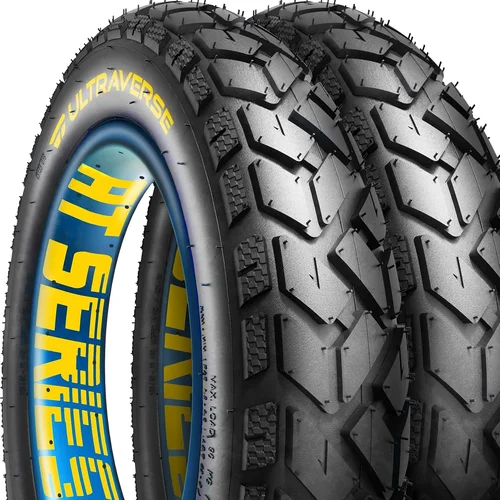
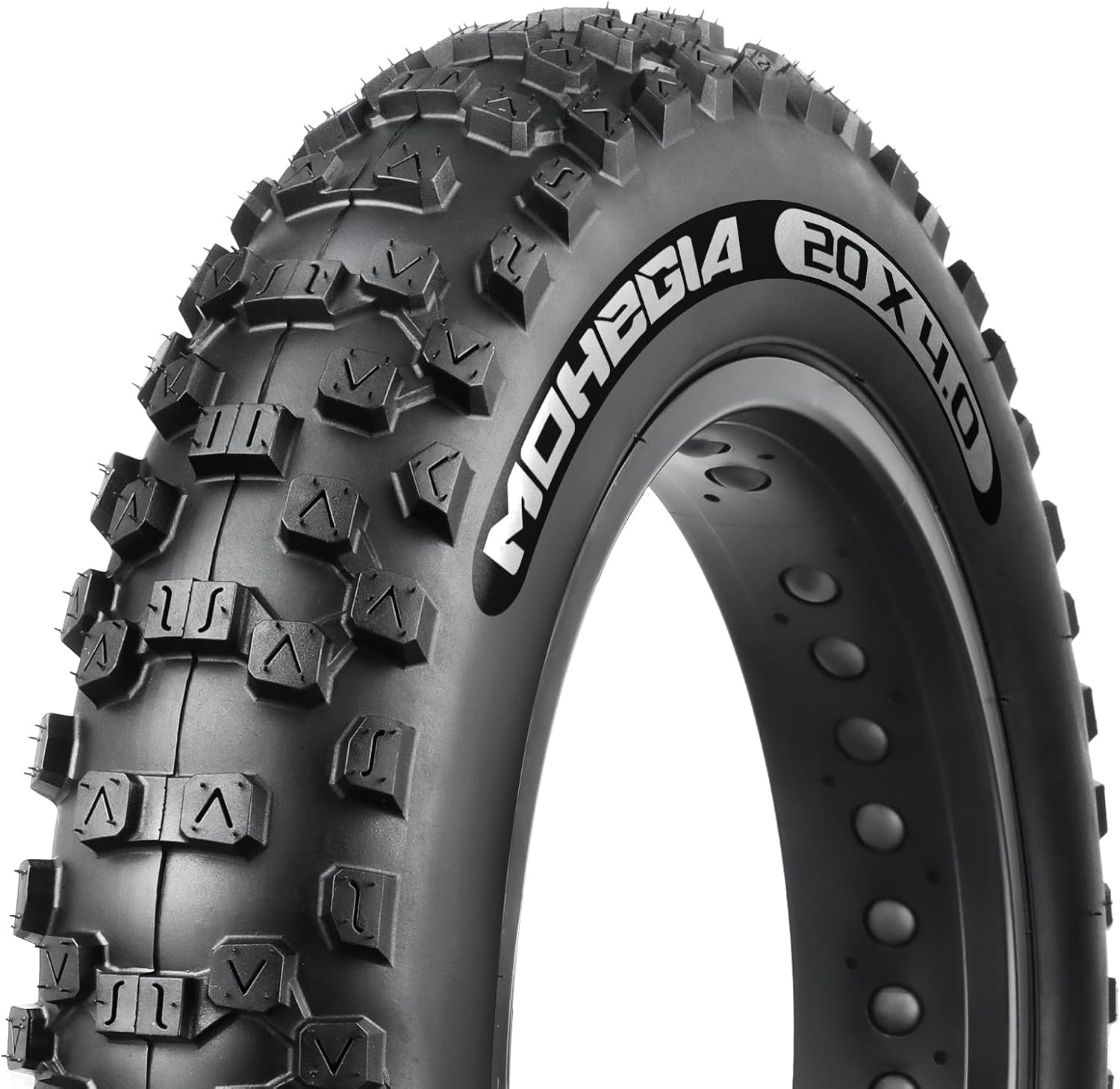
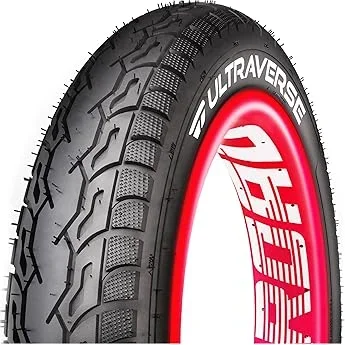
Fat tires typically range from 3.8 to 5 inches in width, with 4 inches being the sweet spot for most riders. Wider tires (4.5″–5″) provide maximum flotation on sand, snow, or mud but add weight and rolling resistance. Narrower fat tires (3.8″–4″) are more efficient on pavement and easier to pedal without assist.
Tread pattern matters just as much as width. Knobby, aggressive treads are great for off-road traction, while semi-slick or hybrid patterns offer a smoother ride on roads and bike paths. Some models come with puncture-resistant layers or tubeless-ready rims—worth considering if you ride in rough terrain.
4. Frame Material and Build Quality
The frame is what holds everything together, so durability and weight are key. Most fat tire e-bikes use aluminum alloy frames—lightweight, rust-resistant, and strong enough for daily use. Higher-end models may use carbon fiber for reduced weight, but this significantly increases cost.
Pay attention to weld quality, tube thickness, and overall construction. A well-built frame should feel solid when you lift it and show no flex under load. Look for reinforced joints, especially around the bottom bracket and rear dropout areas, which endure the most stress.
Suspension also plays a role. Full-suspension fat tire e-bikes (with front and rear shocks) offer the smoothest ride on rough trails but add weight and complexity. Hardtail models (front suspension only) are lighter and more efficient for mixed terrain. Rigid frames (no suspension) are rare on fat tire e-bikes due to comfort concerns but may appear on budget models.
5. Braking System
With the added speed and weight of a fat tire e-bike, reliable brakes are non-negotiable. Mechanical disc brakes are common on entry-level models, but hydraulic disc brakes are far superior—they offer stronger, more consistent stopping power with less hand effort.
Look for 180mm or larger rotors for better heat dissipation, especially if you ride downhill or carry heavy loads. Some high-end models feature regenerative braking, which recaptures a small amount of energy during deceleration—though the benefit is minimal on most e-bikes.
Avoid rim brakes entirely on fat tire e-bikes. They wear out quickly, lose effectiveness in wet conditions, and can’t handle the torque and speed of an electric motor.
6. Drivetrain and Gearing
The drivetrain includes the chain, cassette, derailleur, and shifter. On fat tire e-bikes, a wide-range cassette (e.g., 11–51T) is essential for tackling steep hills and maintaining efficiency at different speeds. Single-speed or 7-speed setups are found on budget models but limit versatility.
Look for reputable drivetrain brands like Shimano (Alivio, Acera, or Deore levels) or SRAM. These offer smoother shifting, better durability, and easier maintenance. Some models now feature belt drives instead of chains—these are quieter, cleaner, and require less maintenance, but they’re harder to repair on the trail and usually found on premium bikes.
7. Display and Controls
The display is your interface with the bike’s electronics. Basic models have simple LED indicators showing battery level and assist mode, while advanced displays offer GPS navigation, ride stats, Bluetooth connectivity, and even smartphone integration.
Look for a backlit, weather-resistant display that’s easy to read in sunlight. Touchscreens are becoming more common on high-end models, but physical buttons are often more reliable in wet or muddy conditions. Make sure the controls are within easy reach of the handlebars and don’t require taking your hands off the grips.
8. Weight and Portability
Fat tire e-bikes are inherently heavy—most weigh between 60 and 85 pounds due to the motor, battery, and oversized components. This affects handling, storage, and transport. If you need to carry your bike upstairs or load it into a car, consider models with integrated rear racks, folding frames, or lighter builds.
Some brands now offer “lightweight” fat tire e-bikes using advanced materials and compact motors, bringing weights down to the 50–55 pound range. These are ideal for urban riders who need to combine biking with public transit.
9. Brand Reputation and Customer Support
Not all e-bike brands are created equal. Established names like Rad Power Bikes, Aventon, Juiced Bikes, and QuietKat have proven track records, strong customer service, and wide dealer networks. Newer or lesser-known brands may offer tempting prices, but they often lack reliable warranties or spare parts.
Research online reviews, check BBB ratings, and look for brands that offer at least a 1-year comprehensive warranty. Some top-tier brands extend coverage to 2–3 years, including battery and motor protection.
10. Warranty and After-Sales Service
A good warranty can save you hundreds in repair costs. Most reputable brands offer:
– 1–2 years on the frame
– 6–12 months on the battery
– 6–12 months on the motor and electronics
Some go further—Rad Power Bikes, for example, offers a 2-year comprehensive warranty on all components. Check whether the warranty covers labor, shipping, and whether you need to register the bike online.
Also consider service availability. Can you get parts locally? Does the brand have service centers or certified technicians near you? Online-only brands may require you to ship the bike back for repairs, which can take weeks.
Different Types of Fat Tire E-Bikes
Common Buying Mistakes to Avoid
❌ Mistake: Prioritizing Price Over Quality
Why it’s bad: Cheap fat tire e-bikes often cut corners on motors, batteries, and brakes. You might save $300 upfront but end up replacing the battery or motor within a year—costing more in the long run.
What to do instead: Set a realistic budget and focus on value, not just the lowest price. Mid-range models ($1,800–$3,000) often offer the best balance of performance and durability.
❌ Mistake: Ignoring Local E-Bike Laws
Why it’s bad: Some states and cities restrict e-bike speed, motor power, or where you can ride. A 1,000W bike might be illegal on public trails or require registration.
What to do instead: Check your local regulations before buying. Most areas follow the three-class system (Class 1: pedal-assist up to 20 mph; Class 2: throttle up to 20 mph; Class 3: pedal-assist up to 28 mph).
❌ Mistake: Overlooking Test Rides
Why it’s bad: Fat tire e-bikes handle differently than regular bikes. A bike that looks great online might feel unstable or uncomfortable in person.
What to do instead: Always test ride before purchasing. Many retailers offer demo days or in-store trials. If buying online, choose brands with generous return policies (30 days or more).
❌ Mistake: Neglecting Maintenance Needs
Why it’s bad: Fat tire e-bikes require more upkeep due to their complexity and exposure to dirt, sand, and moisture. Skipping maintenance leads to premature wear.
What to do instead: Learn basic maintenance (cleaning, chain lubrication, brake checks) or budget for professional servicing. Some brands offer free first-year tune-ups.
❌ Mistake: Choosing the Wrong Tire Width
Why it’s bad: A 5-inch tire on pavement feels sluggish and drains the battery faster. Conversely, a 3.8-inch tire may not provide enough flotation in snow or sand.
What to do instead: Match tire width to your primary terrain. For mixed use, 4-inch tires are ideal. Consider models with adjustable tire pressure for versatility.
❌ Mistake: Forgetting About Storage and Transport
Why it’s bad: These bikes are heavy and bulky. Trying to store one in a small apartment or carry it on a bus can be a nightmare.
What to do instead: Measure your storage space and consider folding models or wall mounts. If you plan to transport it, look for bikes compatible with hitch racks.
❌ Mistake: Not Researching Battery Replacement Costs
Why it’s bad: E-bike batteries degrade over time and typically need replacement every 3–5 years. A new battery can cost $500–$1,000.
What to do instead: Factor battery replacement into your long-term cost. Choose brands with widely available, reasonably priced replacement batteries.
Budget Guidelines: How Much Should You Spend?
Entry-Level ($800 – $1,500): These bikes are great for casual riders or those on a tight budget. Expect basic components: 500W hub motor, 400–500Wh battery, mechanical disc brakes, and minimal features. Brands like Ancheer, ECOTRIC, and Heybike offer decent options in this range, but build quality and longevity may be limited. Ideal for flat terrain and short commutes.
Mid-Range ($1,500 – $3,000): This is the sweet spot for most buyers. You’ll find 750W motors, 600–750Wh batteries, hydraulic disc brakes, and better drivetrains. Models from Rad Power Bikes, Aventon, and Juiced Bikes dominate this category. These bikes offer excellent value, reliable performance, and good warranties. Perfect for daily commuting, light off-roading, and weekend adventures.
Premium ($3,000 – $5,000): For enthusiasts and serious riders, premium fat tire e-bikes deliver top-tier performance. Expect mid-drive motors (like Bosch or Bafang), 800–900Wh batteries, full suspension, advanced displays, and high-end components. Brands like QuietKat, Rambo, and Benno offer rugged, feature-rich models built for long-distance touring, hunting, or extreme terrain.
Luxury ($5,000+): These are the Ferraris of fat tire e-bikes. Think carbon frames, dual batteries, GPS tracking, integrated lighting, and custom builds. Models like the Riese & Müller Load 75 or the Specialized Kenevo SL push the boundaries of technology and comfort. Only recommended for professionals, collectors, or those who demand the absolute best.
Expert Tips for Getting the Best Deal
– Buy During Off-Season: Prices drop significantly in late fall and winter (October–February) as retailers clear inventory. You can save 15–30% on last year’s models.
– Look for Bundle Deals: Some brands offer free accessories (helmets, locks, racks) or discounted maintenance packages with purchase.
– Check Manufacturer Refurbished Programs: Certified pre-owned e-bikes from reputable brands often come with full warranties and cost 20–40% less than new.
– Use Price Tracking Tools: Websites like CamelCamelCamel (for Amazon) or Honey can alert you to price drops on specific models.
– Negotiate with Local Dealers: Independent bike shops may offer discounts, free tune-ups, or trade-in credit if you ask.
– Read the Fine Print on Returns: Ensure the return window is at least 14–30 days and covers shipping costs. Some online-only brands charge restocking fees.
– Join Owner Forums: Communities like Electric Bike Report or Reddit’s r/ebikes often share exclusive promo codes and insider deals.
– Consider Financing: Many brands offer 0% APR financing for 6–12 months, making high-end models more accessible.

Frequently Asked Questions
Q: Are fat tire e-bikes good for commuting?
A: Yes, especially if your route includes gravel, potholes, or wet conditions. The wide tires absorb shocks and provide excellent grip. However, they’re heavier and less efficient on smooth pavement than standard e-bikes. For pure city commuting, a hybrid or city e-bike might be faster—but if you want versatility and comfort, a fat tire model is a great choice.
Q: How far can a fat tire e-bike go on a single charge?
A: Range varies widely based on battery size, terrain, rider weight, and assist level. On average, expect 25–50 miles per charge. A 750Wh battery on flat terrain with moderate assist can reach 60+ miles, while aggressive off-road riding may drop that to 20 miles.
Q: Can I ride a fat tire e-bike in the snow?
A: Absolutely. Fat tires are excellent in snow due to their low ground pressure and traction. Look for studded tires if you ride on icy surfaces. Just remember that cold weather reduces battery efficiency—expect 20–30% less range in freezing temperatures.
Q: Do fat tire e-bikes require special maintenance?
A: Not drastically different from regular e-bikes, but the wider tires and heavier frame mean more stress on components. Regularly check tire pressure (lower PSI for off-road, higher for pavement), clean the drivetrain after muddy rides, and inspect brakes and suspension more frequently.
Q: Are fat tire e-bikes street legal?
A: In most U.S. states, yes—as long as they meet Class 1, 2, or 3 standards (motor under 750W, speed limits). Some states require helmets, lights, or registration. Always check local laws before riding on public roads or trails.
Q: Can I upgrade components on a fat tire e-bike?
A: Many components are upgradeable—tires, seats, handlebars, and even batteries. However, motor and controller upgrades are complex and often not cost-effective. Stick to compatible parts from reputable brands to avoid warranty issues.
Q: How do I charge the battery?
A: Most batteries charge via a standard wall outlet using the included charger. Charging takes 4–6 hours on average. Remove the battery for charging if it’s not frame-integrated. Avoid charging in extreme temperatures.
Q: What’s the difference between pedal-assist and throttle?
A: Pedal-assist (PAS) provides power only when you pedal, while throttle lets you ride without pedaling (like a scooter). Class 2 e-bikes have throttles; Class 1 and 3 do not. Throttle is convenient for starting from stops but uses more battery.
Q: Are fat tire e-bikes good for beginners?
A: Yes, especially for those who want stability and confidence on varied terrain. The wide base makes balancing easier, and the motor helps with hills. Just be prepared for the weight—lifting and maneuvering takes practice.
Q: How long do fat tire e-bikes last?
A: With proper care, a quality fat tire e-bike can last 5–10 years. The frame and drivetrain may outlast the battery, which typically needs replacement every 3–5 years. Regular maintenance is key to longevity.
Our Final Recommendations
Best for Budget-Conscious Buyers: RadRover 6 Plus by Rad Power Bikes ($1,999)
A proven performer with a 750W motor, 672Wh battery, hydraulic brakes, and a comfortable upright ride. Great for commuting and light trails.
Best Overall Value: Aventon Aventure.2 ($2,199)
Offers a powerful 750W motor, 720Wh removable battery, full suspension, and a sleek design. Excellent build quality and customer support.
Best Premium Option: QuietKat Ranger ($4,499)
Built for serious off-road adventures, this full-suspension beast features a 1,000W mid-drive motor, 960Wh battery, and military-grade durability.
Best for Beginners: Juiced Ripcurrent S ($2,299)
User-friendly with a step-thru frame, intuitive display, and smooth ride. Great for new riders who want confidence and comfort.
Best for Advanced Users: Rambo Rebel 1000W ($4,799)
A powerhouse with dual suspension, 1,000W motor, and 960Wh battery. Ideal for hunters, explorers, and those who demand maximum performance.
Conclusion: Making the Right Choice
Choosing the right fat tire e-bike in 2026 doesn’t have to be overwhelming. By focusing on your primary use case—whether it’s commuting, off-roading, or cargo hauling—you can narrow down your options and find a model that fits your lifestyle and budget. Prioritize key factors like motor power, battery capacity, braking performance, and build quality, and don’t overlook the importance of warranty and customer support.
Remember, the cheapest bike isn’t always the best deal, and the most expensive one isn’t always necessary. The ideal fat tire e-bike is one that matches your riding style, feels comfortable, and delivers reliable performance mile after mile. Take your time, test ride when possible, and invest in a bike that will grow with you.
Whether you’re gliding through city streets, carving up mountain trails, or cruising along the beach at sunset, a fat tire e-bike opens up a world of possibilities. With the insights from this guide, you’re now equipped to make a smart, confident purchase—and enjoy every ride ahead.