
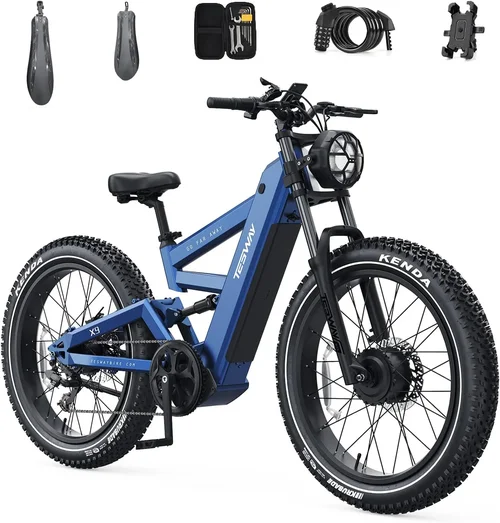
Off-road electric bikes have exploded in popularity over the past few years, and for good reason. They combine the thrill of mountain biking with the power and accessibility of electric assistance, opening up rugged trails, steep climbs, and remote backcountry routes to riders of all fitness levels. Whether you’re an adrenaline junkie seeking technical descents or a weekend warrior looking to explore nature without exhausting yourself, an off-road e-bike can transform your outdoor experience. As we move into 2025, the market is more competitive than ever—brands are pushing the boundaries of battery life, motor torque, suspension travel, and smart integration. With so many options flooding the market, it’s easy to feel overwhelmed. That’s exactly why this comprehensive buying guide exists: to cut through the noise, highlight what truly matters, and help you make a confident, informed decision.
In this guide, you’ll learn everything you need to know to choose the best off-road e-bike for your needs. We’ll break down the critical factors that separate a decent e-MTB from a trail-dominating machine—from motor performance and battery capacity to frame materials and suspension systems. You’ll also get a clear comparison of different e-bike categories, practical budget guidelines, expert tips for scoring the best deals, and real-world advice on avoiding common pitfalls. Whether you’re shopping for your first electric mountain bike or upgrading from an older model, this guide is designed to equip you with the knowledge to invest wisely. The off-road e-bike market in 2025 offers unprecedented innovation, but not every shiny feature is worth your hard-earned cash. Our goal is to help you focus on what delivers real value on the trail.
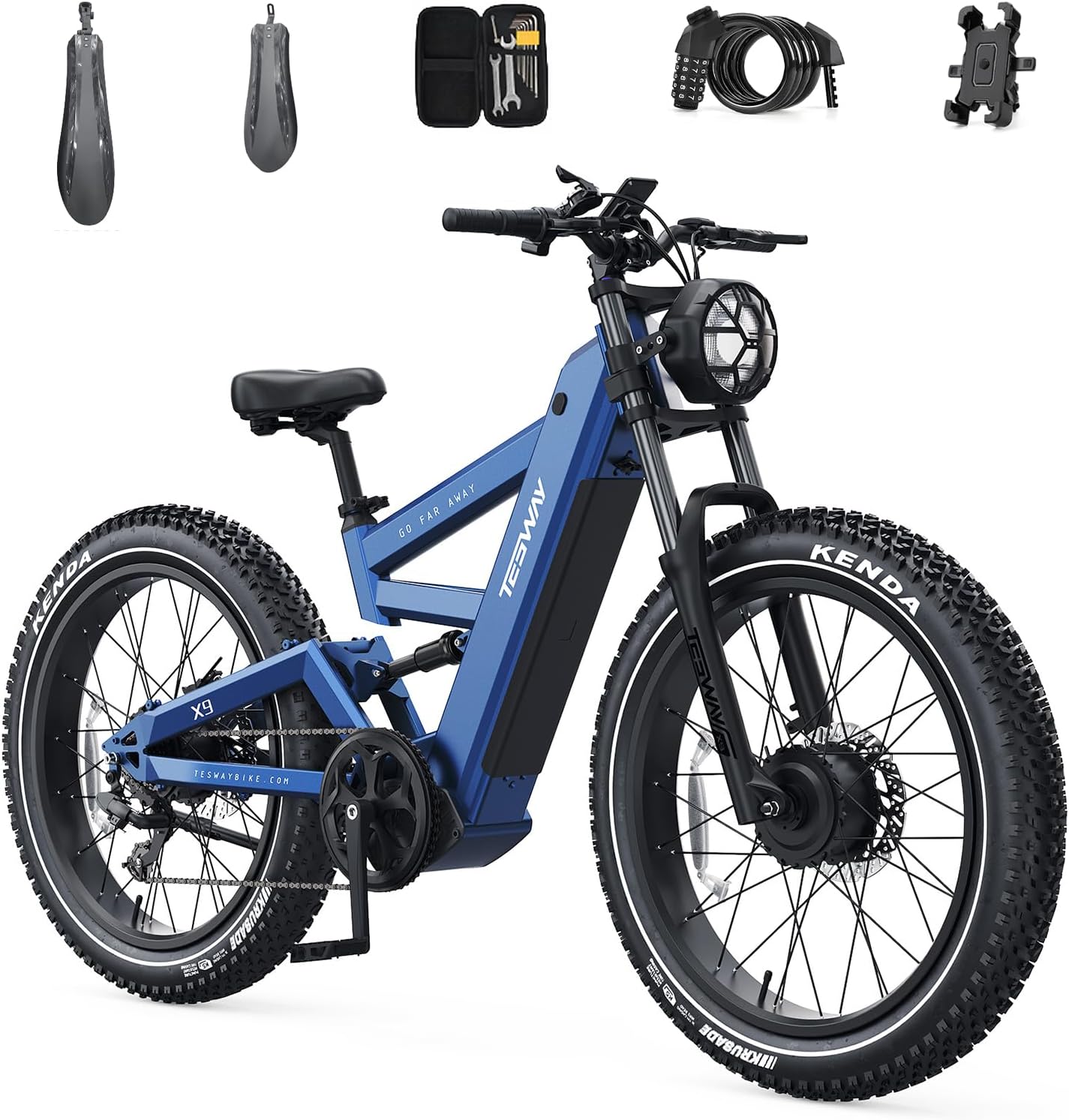
What to Look for When Buying Off-Road E-Bikes
1. Motor Power & Type
The motor is the heart of any off-road e-bike, and in 2025, you’ll find three main types: hub motors, mid-drive motors, and newer integrated drive systems. Mid-drive motors—mounted at the crank—are the gold standard for serious trail riding. They offer superior weight distribution, better balance on technical terrain, and more efficient power delivery because they leverage the bike’s gears. Brands like Bosch, Shimano, and Brose dominate this space with motors delivering 75–100 Nm of torque, which is essential for climbing steep, rocky inclines. Hub motors, typically found on budget models, are simpler and cheaper but can feel unbalanced and less responsive on rough trails. When evaluating motor specs, look beyond just wattage—focus on torque (measured in Newton-meters), responsiveness, and how seamlessly it integrates with pedal assist levels. A high-torque mid-drive motor with smooth power ramp-up will make a world of difference when navigating switchbacks or powering through mud.
2. Battery Capacity & Range
Battery performance directly impacts how far and how hard you can ride. In 2025, most quality off-road e-bikes come with lithium-ion batteries ranging from 500Wh to 750Wh, with some premium models offering removable dual-battery setups for extended adventures. Range is highly variable—it depends on terrain, rider weight, assist level, and tire pressure—but a good rule of thumb is that a 625Wh battery should deliver 40–70 miles on mixed terrain with moderate assist. Look for batteries with smart management systems that optimize power usage and provide real-time range estimates. Swappable batteries are a huge plus if you plan multi-day trips or long backcountry rides. Also, consider charging time: fast-charging capabilities (0–80% in under 2 hours) are becoming standard on higher-end models. Avoid bikes with non-removable batteries unless you’re certain you’ll always have access to charging stations.
3. Suspension System & Travel
Off-road riding demands serious suspension to absorb impacts from roots, rocks, and drops. Most capable e-MTBs feature full suspension (front and rear) with travel ranging from 140mm to 180mm. Trail bikes typically sit in the 140–160mm range, offering a balance of climbing efficiency and descending control. Enduro and downhill-focused models go up to 180mm or more, prioritizing stability at high speeds over pedaling efficiency. Pay attention to suspension quality—brands like Fox, RockShox, and Marzocchi offer tunable air shocks and forks that let you adjust compression and rebound for your weight and riding style. A well-tuned suspension not only improves comfort but also maintains traction, which is critical for control on loose or technical terrain. Hardtail e-bikes (front suspension only) are cheaper and lighter but struggle on aggressive trails; they’re best suited for smoother fire roads or light singletrack.
4. Frame Material & Geometry
The frame is your bike’s skeleton, and its material and design dictate durability, weight, and ride feel. Aluminum remains the most common material due to its strength-to-weight ratio and affordability, but high-end models increasingly use carbon fiber for reduced weight and improved vibration damping. Look for frames with internal cable routing, reinforced motor mounts, and mounting points for racks or water bottles. Geometry is equally important: modern off-road e-bikes feature slack head angles (64–66 degrees), long wheelbases, and low bottom brackets to enhance stability at speed. A longer reach and shorter stem improve handling on descents, while a steeper seat tube angle aids climbing efficiency. Test rides are invaluable here—what looks good on paper might not feel right under you. Also, ensure the frame accommodates your height and riding style; many brands now offer multiple frame sizes with adjustable dropper posts for optimal fit.
5. Tires & Wheel Size
Tires are your only contact point with the trail, so they deserve serious consideration. In 2025, 27.5-inch and 29-inch wheels dominate the off-road e-bike scene, each with distinct advantages. 29ers roll faster over obstacles and maintain momentum better, making them ideal for cross-country and trail riding. 27.5-inch wheels offer quicker acceleration and more agile handling, preferred by enduro and park riders. Some bikes even feature mixed wheel setups (“mullet” geometry): 29” front, 27.5” rear—for the best of both worlds. Tire width typically ranges from 2.4” to 2.8”, with wider tires providing more grip and cushioning. Look for tubeless-ready rims and aggressive tread patterns suited to your local terrain—knobby tires for loose dirt, smoother center tread for hardpack. Don’t overlook puncture protection; many premium tires now include reinforced casings to resist cuts and pinch flats.
6. Braking System
Powerful, reliable brakes are non-negotiable on an off-road e-bike. Hydraulic disc brakes are the standard in 2025, offering consistent stopping power in all conditions. Look for 4-piston calipers paired with large rotors (203mm front, 180mm rear) for maximum control on steep descents. Brands like Shimano, SRAM, and Magura lead the pack with heat-resistant pads and mineral oil systems that resist fade during long downhill runs. Some high-end models now include brake-by-wire systems that modulate power delivery when braking to prevent wheel lockup. Test the lever feel—good brakes should offer progressive, predictable modulation, not an on/off switch. Also, check for tool-free pad adjustment and easy bleed procedures if you plan to maintain the bike yourself.
7. Smart Features & Connectivity
Modern off-road e-bikes are getting smarter. Integrated displays, GPS tracking, ride analytics, and smartphone connectivity are now common even on mid-range models. Look for color TFT screens that show speed, battery level, assist mode, and navigation—some even support offline maps via apps like Komoot or Trailforks. Bluetooth and ANT+ compatibility allow you to pair heart rate monitors, power meters, or lights. Over-the-air firmware updates ensure your bike stays current with performance tweaks and bug fixes. While these features are convenient, don’t let them overshadow core performance. A bike with a flashy screen but weak motor or poor suspension won’t save you on a technical climb. Prioritize functionality that enhances your ride, not just tech for tech’s sake.
8. Weight & Portability
Off-road e-bikes are inherently heavy due to motors, batteries, and reinforced frames—expect weights between 45 and 65 pounds. While you won’t be carrying it far, weight affects handling, especially on tight switchbacks or when lifting over obstacles. Lighter bikes (under 50 lbs) are easier to maneuver but may sacrifice durability or battery capacity. Consider how you’ll transport the bike: if you need to load it onto a rack, look for models with integrated handles or compatible with hitch-mounted carriers. Some brands offer folding or step-through designs for easier storage, though these are rare in serious off-road models. Remember, a few extra pounds might be worth it for a more robust build that lasts longer and performs better on demanding trails.
Different Types of Off-Road E-Bikes

Common Buying Mistakes to Avoid
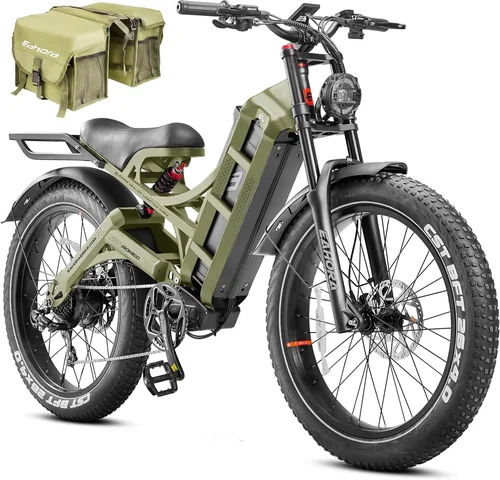
❌ Mistake: Prioritizing Price Over Performance
Why it’s bad: Going for the cheapest option often means compromising on motor quality, battery life, and build durability. A $2,000 e-bike might look tempting, but if it can’t handle steep climbs or loses power halfway through your ride, it becomes more frustration than fun.
What to do instead: Set a realistic budget based on your riding goals. If you plan to ride regularly on technical trails, invest in a mid-range or premium model with a reliable mid-drive motor and quality suspension. Think of it as a long-term investment in your outdoor adventures.
❌ Mistake: Ignoring Fit and Geometry
Why it’s bad: An ill-fitting bike leads to discomfort, reduced control, and increased risk of injury. Many buyers choose based on looks or brand alone, without considering frame size or reach.
What to do instead: Always test ride if possible, or use online fit calculators. Pay attention to standover height, reach, and how the bike feels during cornering and climbing. A properly sized bike enhances confidence and performance.
❌ Mistake: Overlooking Battery Realism
Why it’s bad: Manufacturers often quote “up to” range figures under ideal conditions. In reality, heavy assist use, hills, and cold weather can cut range by 30–50%.
What to do instead: Look for real-world reviews that test range on similar terrain to yours. Choose a battery with at least 20–30% more capacity than your expected needs. Consider models with swappable batteries for peace of mind.
❌ Mistake: Skipping the Suspension Check
Why it’s bad: Cheap or poorly tuned suspension can bottom out on small bumps or feel harsh and uncontrolled, ruining your ride experience.
What to do instead: Test the suspension by compressing it manually—it should feel smooth and progressive. Ask about service intervals and whether the fork/shock is tunable. Invest in a bike with reputable suspension components.
❌ Mistake: Neglecting After-Sales Support
Why it’s bad: E-bikes require specialized maintenance. Buying from a brand with poor dealer networks or limited warranty coverage can leave you stranded with a broken bike.
What to do instead: Research local dealers and online support. Choose brands with strong warranties (at least 2 years on motor/battery) and accessible customer service. Read user forums to see how responsive the company is to issues.
❌ Mistake: Falling for “Shiny Feature” Syndrome
Why it’s bad: Features like RGB lighting, built-in speakers, or excessive app integrations add cost and complexity without improving trail performance.
What to do instead: Focus on core performance metrics: motor torque, battery capacity, suspension quality, and brake performance. Smart features should enhance, not distract from, your ride.
❌ Mistake: Not Considering Terrain Compatibility
Why it’s bad: A cross-country e-bike will struggle on rocky downhill trails, while a fat-tire bike is overkill on smooth dirt paths.
What to do instead: Match the bike type to your most common riding environment. If you’re unsure, a versatile trail e-bike is usually the safest bet for mixed conditions.
Budget Guidelines: How Much Should You Spend?
Entry-Level ($1,800 – $3,000): This tier includes hardtail e-bikes and basic full-suspension models with hub motors or lower-torque mid-drives. Expect simpler components, shorter battery life (400–500Wh), and limited suspension travel (120–140mm). These are great for beginners or casual riders on mild trails, but may lack the power and durability for serious off-road use. Look for brands like Rad Power Bikes, Aventon, or Lectric for reliable entry points.
Mid-Range ($3,000 – $5,500): The sweet spot for most riders. These bikes feature quality mid-drive motors (75+ Nm torque), 625Wh batteries, full suspension with 140–160mm travel, and reputable component brands. You’ll get excellent value with models from Trek, Specialized, Giant, and Canyon. This range offers the best balance of performance, reliability, and price for trail and light enduro riding.
Premium ($5,500 – $8,500): Designed for enthusiasts and serious trail riders. Expect top-tier motors (Bosch Performance Line CX, Shimano EP8), high-capacity batteries (750Wh+), advanced suspension (Fox 36/38, RockShox Lyrik), and carbon frames. These bikes excel on technical terrain, offer long range, and include smart features like GPS and ride analytics. Ideal for riders who demand maximum performance and durability.
Luxury ($8,500+): The pinnacle of e-MTB technology. These include limited-edition models, custom builds, and race-ready machines with dual batteries, wireless shifting, and ultra-light carbon construction. Brands like Pivot, Yeti, and Santa Cruz dominate this space. While overkill for most, they’re perfect for competitive riders or those who want the absolute best without compromise.
Expert Tips for Getting the Best Deal
- Shop During Off-Season: Late fall and winter (October–February) are prime times for discounts as retailers clear inventory for new models. You can save 15–25% on previous-year bikes with minimal performance differences.
- Consider Last Year’s Model: E-bike tech evolves quickly, but 2024 models are often nearly identical to 2025 versions. Buying a “previous gen” bike can save hundreds without sacrificing capability.
- Buy from Specialty Retailers: Local bike shops often offer better service, fitting, and post-purchase support than big-box stores. Many also price-match online retailers.
- Check Manufacturer Rebates & Financing: Brands like Trek and Specialized frequently offer $200–$500 rebates or 0% financing. These can significantly reduce upfront costs.
- Read Long-Term Reviews: YouTube channels and forums like Pinkbike or E-MTB Forum provide real-world insights beyond spec sheets. Look for reviews that test durability, range, and serviceability over months of use.
- Test Ride Multiple Models: Never buy an off-road e-bike without riding it. Pay attention to how it handles on climbs, descents, and tight corners. Comfort and confidence matter more than specs.
- Negotiate Extras: Ask for free accessories (lights, bottle cages, pedals) or discounted service packages. Many shops will throw in extras to close the sale.
- Verify Warranty Coverage: Ensure the warranty covers the motor, battery, and frame for at least 2 years. Some brands offer extended warranties for an additional fee—worth considering for premium bikes.

Frequently Asked Questions
Q: Can off-road e-bikes handle steep mountain trails?
A: Absolutely—modern off-road e-bikes are built for steep, technical terrain. With high-torque mid-drive motors and full suspension, they can climb grades that would exhaust even experienced riders on traditional bikes. Just ensure your model has adequate torque (75+ Nm) and a low enough gear range.
Q: How long do e-bike batteries last?
A: Most lithium-ion batteries retain 80% capacity after 500–1,000 charge cycles, which translates to 3–5 years of regular use. Proper care—avoiding extreme temperatures and not draining to 0%—can extend lifespan significantly.
Q: Are off-road e-bikes allowed on all trails?
A: Trail access varies by location. Many public lands allow Class 1 e-bikes (pedal-assist only, no throttle) on non-motorized trails, but some parks ban them entirely. Always check local regulations before heading out.
Q: Do I need special maintenance for an e-bike?
A: Yes, but it’s manageable. Regular tasks include cleaning the drivetrain, checking brake pads, and ensuring firmware is updated. Motor and battery servicing should be done by certified technicians—avoid DIY repairs on electrical components.
Q: Can I ride an off-road e-bike in the rain?
A: Most quality e-bikes are water-resistant (IP65 or higher), meaning they can handle rain and puddles. However, avoid submerging the battery or motor, and dry the bike thoroughly after wet rides to prevent corrosion.
Q: What’s the difference between Class 1, 2, and 3 e-bikes?
A: Class 1 offers pedal assist up to 20 mph; Class 2 adds a throttle; Class 3 goes up to 28 mph with pedal assist. For off-road use, Class 1 is most common and widely accepted on trails.
Q: How do I transport an off-road e-bike?
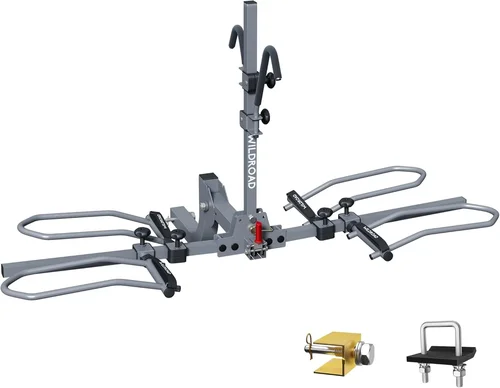
A: Use a hitch-mounted rack designed for heavy e-bikes (rated for 60+ lbs). Roof racks are not recommended due to weight and height. Always secure the bike with straps and remove the battery for safety.
Q: Is insurance necessary for an e-bike?
A: While not legally required everywhere, insurance protects against theft, damage, and liability. Some homeowners’ policies cover e-bikes, or you can get specialized coverage through companies like Velosurance.
Q: Can I upgrade components later?
A: Yes, but with limitations. Drivetrain, brakes, and suspension can often be upgraded, but motor and battery systems are usually proprietary. Check compatibility before buying aftermarket parts.
Q: What should I do if my e-bike breaks down on the trail?
A: Carry a basic repair kit (tube, pump, multi-tool, spare battery if possible). Many modern e-bikes have walk-assist modes to help you push the bike home. Always let someone know your route and expected return time.
Our Final Recommendations
Best for Budget-Conscious Buyers: Rad Power Bikes RadRover 6 Plus – At around $2,200, this fat-tire hardtail delivers surprising capability for the price. With a 750W hub motor, 48V 14Ah battery, and puncture-resistant tires, it’s perfect for light trails, beach rides, and commuting. While not a full-suspension beast, it’s reliable, well-supported, and ideal for newcomers.
Best Overall Value: Specialized Turbo Levo Comp – Priced at $5,500, this trail e-bike strikes the perfect balance. It features a Bosch Performance Line CX motor, 700Wh battery, 150mm Fox suspension, and a lightweight aluminum frame. It’s versatile enough for daily trail rides yet capable on technical descents, making it the top choice for most riders.
Best Premium Option: Trek Rail 9.8 XT – At $8,200, this carbon-framed enduro machine is built for serious riders. With a Shimano EP8 motor, 720Wh battery, RockShox Zeb fork, and wireless dropper post, it dominates steep, rocky terrain. The integrated display and smart connectivity add modern convenience without compromising performance.
Best for Beginners: Giant Stance E+ 2 – For around $3,800, this full-suspension e-bike offers excellent entry-level performance. The SyncDrive Sport motor, 625Wh battery, and 140mm suspension provide confidence-inspiring control on moderate trails. Giant’s widespread dealer network ensures easy service and support.
Best for Advanced Users: Yeti SB160-E – At $9,500, this is a no-compromise enduro rig. With a custom-tuned Fox suspension, Bosch CX motor, and race-inspired geometry, it’s designed for aggressive riders who demand precision and power. Limited production means exclusivity, but the performance justifies the price for dedicated enthusiasts.
Conclusion: Making the Right Choice
Choosing the best off-road e-bike in 2025 isn’t just about picking the flashiest model or the highest specs—it’s about aligning your purchase with your riding style, terrain, and long-term goals. We’ve covered the essentials: motor performance, battery realism, suspension quality, fit, and budget strategy. We’ve highlighted common pitfalls, compared categories, and offered actionable tips to help you avoid overspending or underperforming. Remember, the “best” bike is the one that gets you out on the trails more often, safely and confidently.
As you move forward, prioritize your needs over trends. If you’re exploring local fire roads, a hardtail might suffice. If you’re tackling alpine descents, invest in full suspension and top-tier brakes. Test ride whenever possible, read real user reviews, and don’t hesitate to ask questions at your local shop. The off-road e-bike market in 2025 is rich with innovation, but your perfect ride is out there—waiting to carry you farther, faster, and with more fun than ever before. Now go find it.