
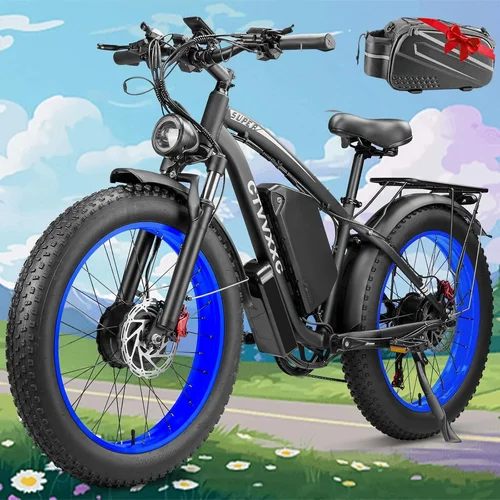
Electric bikes have revolutionized the delivery industry, offering a fast, eco-friendly, and cost-effective alternative to traditional gas-powered vehicles. Whether you’re a gig worker delivering food for DoorDash or Uber Eats, a courier handling parcels across the city, or a small business owner managing local deliveries, an electric bike can dramatically boost your efficiency and reduce operational costs. With rising fuel prices, increasing traffic congestion, and growing environmental concerns, more delivery professionals are turning to e-bikes as their primary mode of transport. The market has responded with a surge of purpose-built models designed specifically for the rigors of daily delivery work—featuring long-range batteries, heavy-duty frames, ample cargo capacity, and weather-resistant components.
This comprehensive buying guide is designed to help you navigate the crowded e-bike market and make an informed decision tailored to your specific delivery needs. We’ll walk you through the essential factors to consider—from battery life and motor power to cargo options and durability—and break down the different types of delivery e-bikes available today. You’ll also learn how to avoid common purchasing mistakes, understand budget considerations, and discover expert tips for getting the best value. By the end of this guide, you’ll have a clear roadmap to choosing the best electric bike for delivery that matches your workload, terrain, and financial goals. Whether you’re just starting out or upgrading from an older model, this guide equips you with the knowledge to invest wisely in a vehicle that will pay dividends in time, money, and peace of mind.

What to Look for When Buying an Electric Bike for Delivery
1. Battery Range & Charging Time
The single most critical factor for any delivery rider is battery range. A long-range battery ensures you can complete your shifts without worrying about running out of juice mid-route. Most delivery e-bikes offer between 40 and 100 miles per charge, but real-world performance depends on factors like rider weight, cargo load, terrain, assist level, and weather conditions. For urban delivery riders making 20–30 stops per day, a minimum range of 60 miles is recommended. Look for models with removable batteries, as this allows you to carry a spare or swap in a fresh one during long shifts. Charging time also matters—most batteries take 4–6 hours to fully charge, but fast-charging options (2–3 hours) are becoming more common and can be a game-changer for back-to-back shifts.
2. Motor Power & Torque
The motor is the heart of your e-bike’s performance. For delivery use, you’ll want a motor that provides strong, consistent power to handle stop-and-go traffic, hills, and heavy loads. Most delivery e-bikes use mid-drive or hub motors ranging from 500W to 750W. Mid-drive motors (like those from Bosch or Bafang) are more efficient and better balanced, especially on hilly terrain, while hub motors (front or rear) are simpler and often more affordable. Torque, measured in Newton-meters (Nm), is equally important—higher torque means better acceleration and climbing ability. Aim for at least 60 Nm of torque if you’re riding in cities with hills or carrying heavy cargo. Class 2 or Class 3 e-bikes (capable of 20–28 mph) are ideal for delivery, offering speed without sacrificing control.
3. Cargo Capacity & Storage Options
Delivery riders need space—and lots of it. Whether you’re carrying pizzas, groceries, or packages, your e-bike must support secure, weather-protected storage. Look for models with integrated rear racks rated for 40–60 lbs or more, and consider front racks or panniers for balanced weight distribution. Some high-end delivery e-bikes come with built-in cargo boxes, insulated food bags, or modular attachment systems. Waterproof compartments are essential to protect electronics and perishables. Additionally, check for compatibility with aftermarket accessories like cargo baskets, saddlebags, or child seats if you plan to expand your services. A bike with a low center of gravity and wide wheelbase will handle heavy loads more safely and comfortably.
4. Build Quality & Durability
Delivery e-bikes endure more wear and tear than recreational models. Daily exposure to rain, potholes, curbs, and constant loading/unloading demands a rugged build. Prioritize bikes with aluminum or chromoly steel frames—avoid cheap steel or plastic components. Look for reinforced welds, puncture-resistant tires (like Schwalbe Marathon or Continental Contact), and sealed bearings. Components such as brakes, drivetrain, and suspension should be from reputable brands (Shimano, Tektro, SRAM). Full suspension isn’t necessary for city riding, but a front suspension fork can improve comfort on rough roads. Also, ensure the bike has a high IP rating (IP65 or higher) for water and dust resistance, especially if you ride in all weather conditions.
5. Comfort & Ergonomics
Long hours in the saddle demand a comfortable ride. An ergonomic design reduces fatigue and prevents injury. Look for an upright riding position, adjustable handlebars, and a well-padded saddle. Step-through frames are ideal for quick mounting and dismounting—essential when making frequent stops. Suspension seatposts or gel saddles can further enhance comfort. Handlebar grips should be ergonomic and non-slip, and the bike should have a stable, balanced feel even when fully loaded. Test ride if possible: pay attention to how the bike handles at low speeds and when turning with cargo. A comfortable bike means fewer breaks and more deliveries per shift.
6. Safety Features
Safety is non-negotiable for delivery riders who share busy streets with cars, pedestrians, and cyclists. Essential safety features include bright LED headlights and taillights (preferably with brake activation), reflective strips, and loud horns or bells. Disc brakes—especially hydraulic ones—offer superior stopping power in wet or loaded conditions compared to rim brakes. Some advanced models include turn signals, brake lights, and even blind-spot sensors. Visibility is key: choose a bike with integrated lighting and consider adding reflective clothing or decals. Also, ensure the bike has a reliable kickstand and secure locking points for U-locks or chains. A safe bike protects not only you but also your livelihood.
7. Maintenance & Serviceability
Even the best e-bikes require maintenance. Choose a model with easily accessible components and a design that simplifies repairs. Belt drives (like Gates Carbon Drive) are cleaner and require less maintenance than chains, though they’re harder to fix on the go. Internal gear hubs (e.g., Shimano Alfine) protect gears from dirt and damage but may need professional servicing. Look for bikes with standard parts—avoid proprietary systems that limit your ability to source replacements. Check if local bike shops service the brand, or if the manufacturer offers direct support. A bike that’s easy to maintain means less downtime and lower long-term costs.
8. Connectivity & Smart Features
Modern delivery e-bikes often include smart technology to enhance efficiency and security. GPS tracking helps you monitor your location and recover your bike if stolen. Integrated displays show speed, battery level, range, and navigation—some even sync with delivery apps via Bluetooth. Anti-theft features like app-based locking, geofencing, and motion alerts are increasingly common. While not essential, these features can save time and provide peace of mind. However, avoid overpaying for unnecessary tech—focus on functionality that directly supports your delivery workflow.
Different Types of Electric Bikes for Delivery

Common Buying Mistakes to Avoid
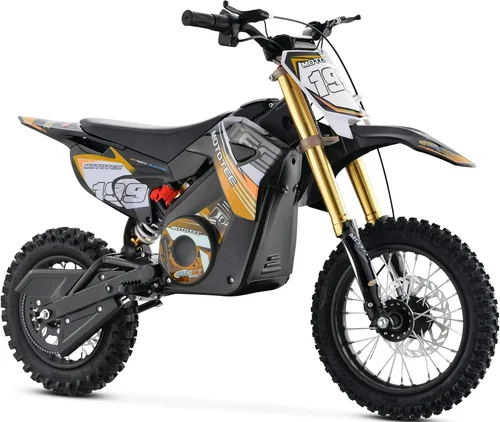
❌ Mistake: Prioritizing Price Over Performance
Why it’s bad: A cheap e-bike may save money upfront but often lacks the range, durability, and cargo capacity needed for daily delivery. You’ll end up replacing it within a year, costing more in the long run.
What to do instead: Invest in a mid-range or premium model with proven reliability. Think of your e-bike as a business tool—its ROI comes from increased efficiency and reduced downtime.
❌ Mistake: Ignoring Battery Real-World Range
Why it’s bad: Manufacturers often quote ideal conditions (flat terrain, no cargo, low assist). In reality, range drops significantly with hills, wind, and heavy loads.
What to do instead: Look for independent reviews and real-user feedback. Choose a bike with at least 20–30% more range than your daily needs to account for variables.
❌ Mistake: Overlooking Maintenance Requirements
Why it’s bad: Some e-bikes use proprietary parts or complex systems that are expensive or impossible to fix locally, leading to long repair times.
What to do instead: Stick with brands that use standard components and have good local service support. Avoid overly complex drivetrains unless you’re prepared for specialized maintenance.
❌ Mistake: Choosing the Wrong Frame Style
Why it’s bad: A high-step frame can slow you down when making frequent stops. A heavy, rigid frame may be uncomfortable on long shifts.
What to do instead: Opt for a step-through or low-step frame for easy mounting. Test ride to ensure the geometry suits your body and riding style.
❌ Mistake: Neglecting Safety Features
Why it’s bad: Poor lighting or weak brakes increase accident risk, especially in traffic or bad weather.
What to do instead: Prioritize bikes with high-quality disc brakes, bright integrated lights, and reflective elements. Add aftermarket safety gear if needed.
❌ Mistake: Buying Without Testing
Why it’s bad: E-bikes handle differently based on weight distribution, motor placement, and suspension. A bike that looks good on paper may feel unstable or uncomfortable.
What to do instead: Always test ride before buying. If purchasing online, choose retailers with generous return policies and local demo options.
❌ Mistake: Ignoring Warranty & Support
Why it’s bad: E-bikes have complex electronics. Without a solid warranty, a single component failure could leave you stranded with a costly repair bill.
What to do instead: Choose brands offering at least a 2-year warranty on the motor and battery, and 1 year on the frame. Check if they provide local service centers or mail-in repair options.
Budget Guidelines: How Much Should You Spend?
Entry-Level ($800 – $1,500): These bikes are suitable for light delivery use or part-time gig work. Expect basic components, limited range (30–50 miles), and minimal cargo capacity. Brands like Ancheer or Swagtron offer affordable options, but build quality and longevity may be compromised. Ideal for short urban routes with minimal hills.
Mid-Range ($1,500 – $3,000): This is the sweet spot for most delivery riders. You’ll get reliable motors (500W–750W), decent range (50–80 miles), and better build quality. Models like the Rad Power Bikes RadRunner or Aventon Level.2 offer excellent value with cargo racks, good brakes, and solid warranties. Perfect for full-time delivery in cities with moderate terrain.
Premium ($3,000 – $5,000): Designed for professionals and high-volume delivery. These bikes feature high-capacity batteries (800Wh+), powerful mid-drive motors, advanced safety systems, and extensive cargo options. Examples include the Tern GSD or Riese & Müller Load 75. Built to last 5+ years with minimal downtime.
Luxury ($5,000+): Top-tier models with cutting-edge tech, ultra-long range (100+ miles), and custom configurations. Often used by delivery fleets or courier services. Brands like Stromer or Benno offer smart connectivity, premium materials, and concierge-level support. Only necessary for extreme workloads or specialized needs.
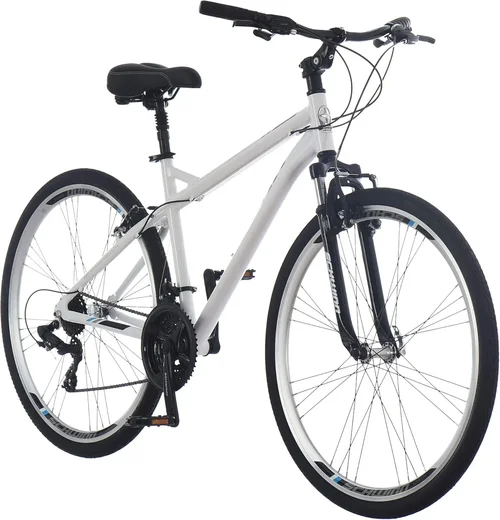
Expert Tips for Getting the Best Deal
- Buy During Off-Peak Seasons: Prices drop in late fall and winter when demand is low. Many retailers offer discounts to clear inventory before new models arrive in spring.
- Shop at Specialized E-Bike Retailers: Stores like Rad Power Bikes, Aventon, or Tern offer better support, warranties, and return policies than big-box retailers.
- Look for Refurbished or Demo Models: Certified pre-owned e-bikes can save 20–30% off retail and often come with full warranties.
- Check for Local Incentives: Some cities offer rebates or tax credits for e-bike purchases, especially for commercial use. Research programs in your area.
- Negotiate Accessories: Ask for free add-ons like locks, lights, or cargo bags when buying. Many dealers include these to close a sale.
- Read the Fine Print on Warranties: Ensure coverage includes the battery, motor, and controller. Some warranties are voided by commercial use—confirm this before purchasing.
- Test Ride Multiple Models: Visit local shops or attend e-bike expos to compare handling, comfort, and features side by side.
- Join Online Communities: Forums like Reddit’s r/ebikes or Facebook groups offer real-world insights, deals, and troubleshooting tips from fellow delivery riders.
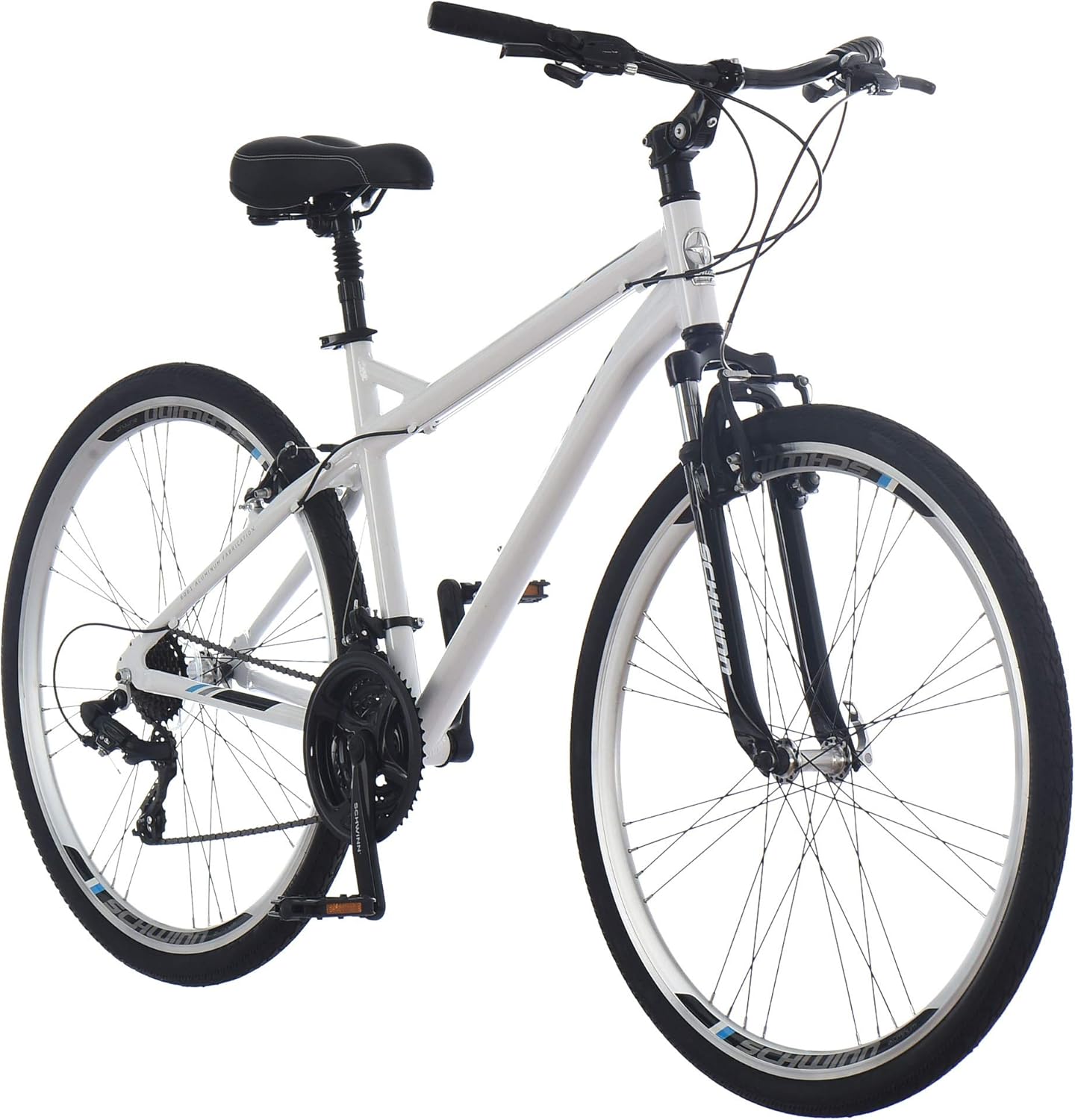
Frequently Asked Questions
Q: Can I use a regular e-bike for delivery?
A: Yes, but it may not be optimized for the task. Regular e-bikes often lack sufficient cargo capacity, durability, or range for daily delivery. A purpose-built delivery e-bike will save you time, reduce wear, and improve efficiency.
Q: How long do e-bike batteries last?
A: Most lithium-ion batteries last 500–1,000 charge cycles, equating to 2–4 years of daily use. Proper care—like avoiding full discharges and storing at 50% charge—can extend lifespan.
Q: Are e-bikes allowed on bike lanes?
A: In most U.S. cities, Class 1 and Class 2 e-bikes are permitted on bike lanes and multi-use paths. Class 3 bikes may be restricted in some areas—check local regulations.
Q: Can I ride an e-bike in the rain?
A: Yes, if it has proper weather sealing (IP65 or higher). Avoid submerging the battery or motor, and dry the bike after wet rides to prevent corrosion.
Q: Do I need insurance for a delivery e-bike?
A: While not always required, insurance is highly recommended. It covers theft, damage, and liability. Some gig platforms offer supplemental coverage for delivery riders.
Q: How much weight can a delivery e-bike carry?
A: Most cargo e-bikes support 300–400 lbs total (rider + cargo). Check the manufacturer’s rated capacity and distribute weight evenly to maintain stability.
Q: Can I upgrade my e-bike’s battery?
A: Some models allow battery upgrades, but compatibility varies. Consult the manufacturer before attempting any modifications to avoid voiding the warranty.
Q: What’s the difference between hub and mid-drive motors?
A: Hub motors are simpler and cheaper but less efficient on hills. Mid-drive motors use the bike’s gears, offering better performance and balance, especially for loaded riding.
Q: How fast can delivery e-bikes go?
A: Class 2 e-bikes are limited to 20 mph (motor-assisted), while Class 3 can reach 28 mph. Speed depends on local laws and motor power.
Q: Are e-bikes worth it for delivery?
A: Absolutely. They reduce fuel and maintenance costs, increase delivery speed in traffic, and have a lower environmental impact. Most riders see a return on investment within 6–12 months.
Our Final Recommendations
Best for Budget-Conscious Buyers: Rad Power Bikes RadRunner 2 – At around $1,599, this versatile cargo e-bike offers 45–60 miles of range, a 60-lb rear rack, and a step-through frame. Ideal for urban delivery with solid build quality and excellent customer support.
Best Overall Value: Aventon Level.2 – Priced at $1,799, it combines a 750W motor, 60-mile range, and integrated lights with a comfortable ride. Great for mixed terrain and daily use.
Best Premium Option: Tern GSD S10 – At $3,499, this longtail e-bike is built for serious delivery work. It supports up to 440 lbs, has a 100-mile range with dual batteries, and features a robust cargo system.
Best for Beginners: Heybike Cityscape – A $1,299 step-through e-bike with 50-mile range and front suspension. Easy to ride, affordable, and perfect for new delivery riders.
Best for Advanced Users: Riese & Müller Load 75 – A $6,499 luxury cargo e-bike with dual batteries, Bosch Performance Line motor, and full suspension. Built for professionals who demand the best.
Conclusion: Making the Right Choice
Choosing the best electric bike for delivery isn’t just about picking the fastest or most expensive model—it’s about finding the right balance of range, cargo capacity, durability, and comfort that matches your specific needs. Whether you’re delivering meals across downtown or packages in the suburbs, your e-bike is more than transportation; it’s a tool that directly impacts your income and well-being. By considering the factors outlined in this guide—battery life, motor power, cargo options, safety, and long-term value—you can avoid costly mistakes and invest in a bike that will serve you reliably for years to come.
Remember, the best e-bike is the one you’ll actually use every day. Don’t be swayed by flashy features or aggressive marketing. Instead, focus on real-world performance, user reviews, and total cost of ownership. Test ride when possible, ask questions, and prioritize brands with strong support networks. And if you’re just starting out, don’t feel pressured to buy the top-tier model—many riders begin with a mid-range bike and upgrade as their business grows.
The future of delivery is electric, and with the right e-bike, you’re not just keeping up—you’re leading the way. So take the time to research, compare, and choose wisely. Your next delivery shift could be faster, easier, and more profitable than ever before.