
Electric bikes, or e-bikes, have revolutionized personal transportation, offering an eco-friendly, cost-effective, and fun way to get around. Whether you’re commuting to work, running errands, or simply exploring your neighborhood, an e-bike can make your journey easier and more enjoyable. But with so many options flooding the market—especially in the affordable segment—it’s easy to feel overwhelmed. That’s where this guide comes in.
In this comprehensive buying guide, we’ll walk you through everything you need to know to find the best cheap e-bike that fits your lifestyle and budget. You’ll learn how to evaluate performance specs, assess build quality, compare different types of e-bikes, and avoid common pitfalls that could lead to buyer’s remorse. We’ll also break down real-world budget tiers, share expert shopping tips, and answer frequently asked questions to help you make a confident, informed decision. By the end, you’ll have a clear roadmap to finding a reliable, feature-rich e-bike without breaking the bank.
The market for budget-friendly e-bikes has exploded in recent years, with brands from Rad Power Bikes to Aventon, Lectric, and even lesser-known manufacturers offering models under $1,500. While this abundance is great for consumers, it also means that not all cheap e-bikes are created equal. Some deliver excellent value, while others cut corners on safety, durability, or performance. Our goal is to help you distinguish between the two—so you don’t end up with a lemon disguised as a bargain. Whether you’re a first-time buyer or upgrading from an older model, this guide will equip you with the knowledge to choose wisely.
What to Look for When Buying Cheap E-Bikes
1. Budget & Price Range
When shopping for a cheap e-bike, your budget is the foundation of your decision. Most budget e-bikes fall between $800 and $1,500, with some entry-level models dipping below $600. However, it’s important to understand what you’re getting—and not getting—at each price point. A bike priced under $800 may save you money upfront but could lack essential features like a reliable motor, quality brakes, or a decent battery. On the other hand, spending closer to $1,500 often gets you a more durable frame, better components, and longer-range capabilities.
Set a realistic budget that includes not just the bike itself, but also accessories like a helmet, lock, lights, and possibly a rear rack or panniers. Also consider long-term costs: cheaper bikes may require more frequent repairs or battery replacements, which can add up over time. A good rule of thumb is to aim for the sweet spot between $1,000 and $1,300, where you’ll find the best balance of affordability and quality.
2. Performance Specifications
Performance is where many budget e-bikes fall short—or surprise you. Key specs to examine include motor power, battery capacity, range, and top speed. Most affordable e-bikes come with a 250W to 750W hub motor, which is sufficient for city riding and moderate hills. However, a 500W or higher motor will give you better acceleration and hill-climbing ability, especially if you live in a hilly area.
Battery capacity is measured in watt-hours (Wh). A 360Wh battery might give you 20–30 miles of range, while a 504Wh battery can push that to 40–50 miles, depending on terrain, rider weight, and assist level. Look for lithium-ion batteries from reputable manufacturers like Samsung or LG, as they tend to last longer and charge faster. Avoid generic or unbranded batteries—they’re often the first component to fail.
Top speed is another consideration. In the U.S., Class 2 e-bikes (pedal-assist up to 20 mph with throttle) are the most common in budget models. Some go up to 28 mph (Class 3), but these are less common under $1,500. Make sure the bike meets your speed needs without sacrificing safety or legality in your area.
3. Build Quality & Durability
You might be tempted to skimp on build quality to save money, but this is one area where cutting corners can backfire. A cheap e-bike with a flimsy frame, poor welds, or subpar components will likely need repairs or replacement within a year or two. Look for bikes made from aluminum alloy frames—lightweight, rust-resistant, and strong enough for daily use.
Check the quality of the drivetrain, brakes, and suspension (if included). Mechanical disc brakes are standard on most budget e-bikes and offer reliable stopping power, but hydraulic disc brakes—while rarer in this price range—are superior in wet conditions. Avoid bikes with rim brakes or coaster brakes; they wear out quickly and lack modulation.
Suspension is another factor. Front suspension forks can improve comfort on rough roads, but they add weight and cost. If you’re riding mostly on paved paths, a rigid fork may be sufficient. For off-road or mixed terrain, a front suspension fork is worth the extra investment.
4. Features & Functionality
Even at a low price point, modern e-bikes come packed with useful features. Look for a clear, backlit LCD display that shows speed, battery level, assist mode, and trip distance. Some models include Bluetooth connectivity, allowing you to track rides via a smartphone app—a nice bonus for fitness enthusiasts.
Integrated lights are a must for safety, especially if you ride at night. Front and rear LED lights powered by the main battery are common on newer models. Fenders and rear racks are also valuable for commuters, protecting you from splashes and allowing you to carry groceries or a backpack.
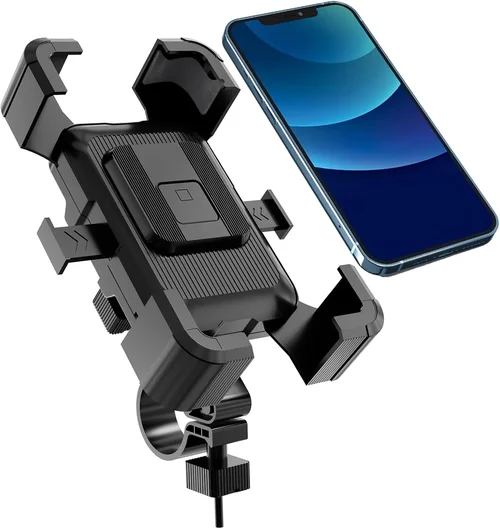
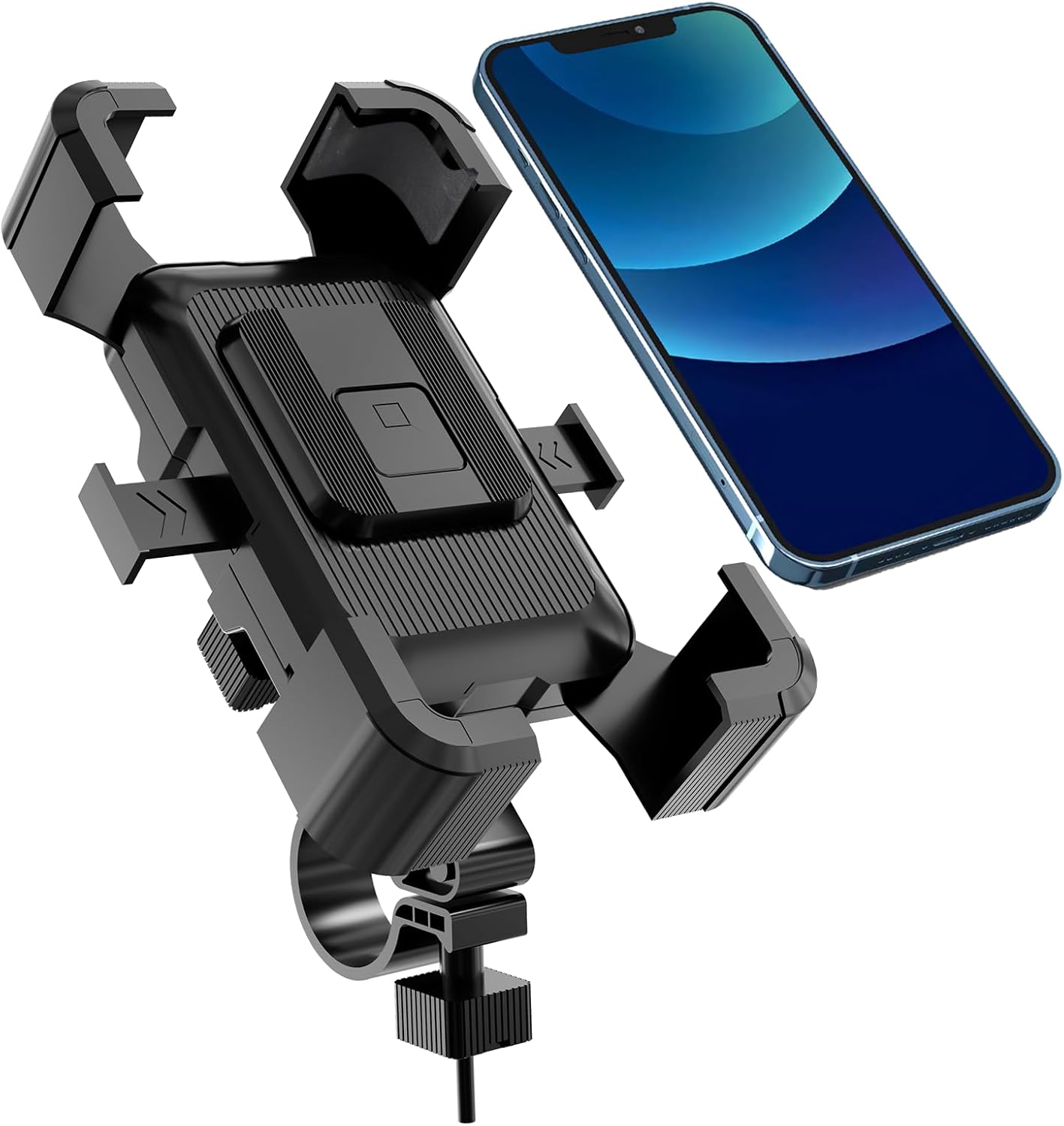
Other features to consider include a kickstand, bell, phone mount, and USB charging port. While not essential, these add convenience and can save you from buying accessories separately. Some budget e-bikes even include a smartphone app for route tracking, battery monitoring, and firmware updates.
5. Brand Reputation
Not all e-bike brands are created equal, even in the budget category. Established names like Rad Power Bikes, Aventon, Lectric, and Ride1Up have built reputations for reliability, customer service, and transparent warranties. These companies often provide detailed spec sheets, user manuals, and responsive support teams.
In contrast, lesser-known brands or no-name models sold on Amazon or eBay may offer tempting prices but come with risks. They might use outdated components, lack proper certifications (like UL 2849 for electrical safety), or disappear after a few months, leaving you without support. Always research the brand before buying—check customer reviews, warranty terms, and whether they have a physical address and customer service line.
Another red flag is a lack of third-party testing or certifications. Reputable brands will often highlight safety certifications like CE, FCC, or UL, which indicate the bike has been tested for electrical and mechanical safety. Avoid bikes that don’t list these details.
6. Warranty & Support
A solid warranty is one of the best indicators of a manufacturer’s confidence in their product. Most reputable budget e-bike brands offer at least a 1-year warranty on the frame and motor, and 6–12 months on the battery and electronics. Some, like Rad Power Bikes, extend this to 2 years with registration.
Read the fine print: some warranties only cover manufacturing defects, not normal wear and tear or damage from accidents. Also, check if the warranty is voided by modifications or repairs done by unauthorized technicians. A good warranty should be transferable and include clear instructions for filing claims.
Customer support matters too. Can you reach someone by phone or email? Do they offer troubleshooting guides or video tutorials? Brands with strong support networks make it easier to resolve issues quickly, reducing downtime. Avoid brands that only offer email support with slow response times.
7. Size & Portability
E-bikes come in various frame sizes and styles, so it’s crucial to choose one that fits your body and riding needs. Most budget models are designed for riders between 5’2″ and 6’2″, but some brands offer step-through frames for easier mounting or extended reach for taller riders.
If you plan to store your e-bike in a small apartment or take it on public transit, consider a folding e-bike. Models like the Lectric XP or Swagtron EB5 are compact, lightweight, and easy to carry. However, folding bikes often sacrifice range and stability, so they’re best for short commutes or occasional use.
Weight is another factor. Most budget e-bikes weigh between 40 and 60 pounds. Heavier bikes are harder to lift but often more stable. If you need to carry your bike upstairs or onto a bus, aim for something under 50 pounds. Removable batteries can also make lifting easier.
8. User Reviews & Ratings
Before making a purchase, spend time reading user reviews on trusted platforms like Amazon, Best Buy, or the manufacturer’s website. Look for patterns in feedback—do multiple users report the same issues with the battery, motor, or brakes? Are there complaints about poor customer service or delayed shipping?
Pay attention to long-term reviews (6+ months of use), as they reveal durability and reliability. A bike that performs well in the first month may start to degrade quickly if components are low quality. Also, check for video reviews on YouTube, where you can see the bike in action and hear real-world performance.
Be cautious of overly positive reviews that seem scripted or lack detail. Authentic reviews often include both pros and cons, and may mention minor flaws like squeaky brakes or a stiff gear shifter. These insights help you set realistic expectations.
Different Types of Cheap E-Bikes

Common Buying Mistakes to Avoid
❌ Mistake: Prioritizing Price Over Quality
Why it’s bad: The cheapest e-bike isn’t always the best deal. Models under $600 often use weak motors, low-capacity batteries, and flimsy frames that wear out quickly. You may end up spending more on repairs or replacements than if you’d bought a slightly more expensive, higher-quality bike.
What to do instead: Set a minimum budget of $800 and focus on value, not just cost. Look for bikes with reputable components, solid warranties, and positive long-term reviews.
❌ Mistake: Ignoring the Battery
Why it’s bad: The battery is the heart of your e-bike. A low-quality or undersized battery will limit your range, require frequent charging, and degrade faster. Some cheap bikes use outdated lead-acid or nickel-based batteries, which are heavy and inefficient.
What to do instead: Always check the battery’s watt-hour (Wh) rating and brand. Aim for at least 400Wh from a known manufacturer like Samsung or LG. Avoid bikes with non-removable batteries—they’re harder to replace.
❌ Mistake: Not Test Riding
Why it’s bad: E-bikes feel different from regular bikes. A model that looks great online might be uncomfortable, too heavy, or have poor handling in real life. Without a test ride, you risk buying a bike that doesn’t suit your body or riding style.
What to do instead: Visit a local bike shop or attend an e-bike demo event. If buying online, choose retailers with generous return policies (30 days or more) so you can test the bike risk-free.
❌ Mistake: Overlooking Local Laws
Why it’s bad: E-bike regulations vary by state and country. Some areas restrict motor power, speed, or throttle use. Buying a Class 3 bike (28 mph) in a region that only allows Class 2 (20 mph) could result in fines or confiscation.
What to do instead: Research your local e-bike laws before purchasing. Most budget models are Class 2, but double-check the specs to ensure compliance.
❌ Mistake: Skipping Safety Features
Why it’s bad: Cheap e-bikes sometimes omit essential safety features like lights, reflectors, or reliable brakes. Riding without proper lighting or stopping power increases your risk of accidents, especially at night or in traffic.
What to do instead: Choose a bike with integrated front and rear lights, mechanical or hydraulic disc brakes, and reflective elements. These features are non-negotiable for safe riding.
❌ Mistake: Buying Without a Warranty
Why it’s bad: E-bikes have complex electrical systems that can fail. Without a warranty, you’re on the hook for expensive repairs. Some no-name brands offer no warranty at all, leaving you stranded if something breaks.
What to do instead: Only buy from brands that offer at least a 1-year warranty on major components. Register your bike promptly to activate coverage.
❌ Mistake: Ignoring Maintenance Needs
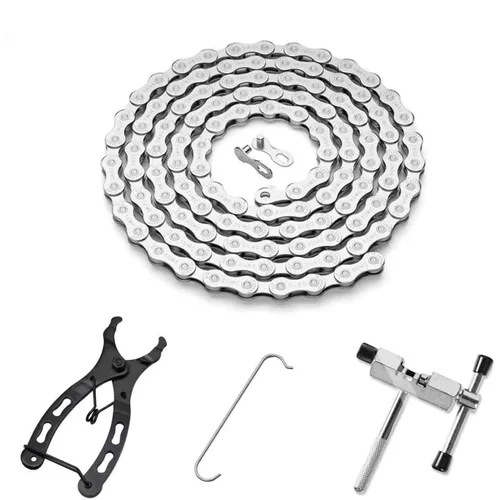
Why it’s bad: E-bikes require regular maintenance—tire pressure checks, brake adjustments, chain lubrication, and battery care. Neglecting these tasks can shorten the bike’s lifespan and lead to breakdowns.
What to do instead: Learn basic maintenance or find a local shop that services e-bikes. Budget $100–$200 per year for tune-ups and parts.
Budget Guidelines: How Much Should You Spend?
When it comes to cheap e-bikes, your budget directly impacts what you can expect in terms of performance, durability, and features. Here’s a breakdown of what you’ll get at different price points:
Entry-Level ($600–$900): This tier includes the most affordable models, often from lesser-known brands. Expect basic components, limited range (15–25 miles), and minimal features. Bikes in this range may lack integrated lights, have weak motors, or use lower-quality batteries. They’re best for light, occasional use—like weekend rides or short errands. Examples include the Swagtron EB5 and some Amazon-only brands. Proceed with caution and read reviews carefully.
Mid-Range ($900–$1,300): This is the sweet spot for most buyers. You’ll find reliable motors (500W–750W), decent batteries (400–500Wh), and practical features like lights, fenders, and racks. Brands like Lectric, Aventon, and Ride1Up dominate this space with models like the Lectric XP 3.0 and Aventon Pace 350. These bikes offer 30–50 miles of range, good build quality, and solid warranties. Ideal for daily commuting and regular use.
Premium ($1,300–$1,800): At this level, you’re getting closer to mid-tier performance with enhanced components. Expect hydraulic disc brakes, better suspension, higher-capacity batteries (500Wh+), and advanced displays. Some models include torque sensors for smoother pedal assist, app connectivity, and improved frame design. These bikes are built to last and perform well in varied conditions. Great for enthusiasts or those who ride frequently.
Luxury ($1,800+): While not “cheap,” some models just above $1,800 offer exceptional value. You’ll find top-tier motors, long-range batteries (600Wh+), premium materials, and cutting-edge tech like GPS tracking, regenerative braking, and custom tuning. These are for serious riders who want the best performance and don’t mind paying a bit more. However, for most budget-conscious buyers, the mid-range tier offers the best balance.
Expert Tips for Getting the Best Deal
Finding a great cheap e-bike isn’t just about the lowest price—it’s about maximizing value. Here are proven strategies to help you save money and avoid regrets:
- Shop During Sales Events: Major holidays like Black Friday, Cyber Monday, and Memorial Day often bring significant discounts on e-bikes. Brands like Rad Power Bikes and Aventon run seasonal promotions, sometimes offering $200–$300 off popular models. Sign up for newsletters to get early access.
- Buy Direct from the Manufacturer: Many e-bike brands sell directly to consumers online, cutting out middlemen and passing savings to you. You’ll often get better prices, exclusive colors, and direct customer support. Plus, you can take advantage of bundle deals (e.g., free helmet or lock).
- Consider Refurbished or Open-Box Models: Some brands sell certified refurbished e-bikes at 15–30% off retail. These are inspected, tested, and come with warranties. Retailers like Best Buy and Amazon Renewed also offer open-box deals on returned bikes in like-new condition.
- Check Return and Trial Policies: A generous return window (30 days or more) lets you test the bike in real-world conditions. Brands like Lectric and Rad Power Bikes offer 30-day returns, so you can ride it for a month and return it if it doesn’t meet your expectations.
- Look for Bundle Deals: Some retailers include free accessories like helmets, locks, lights, or phone mounts. These can save you $50–$100 compared to buying separately. Always compare the total value, not just the bike price.
- Use Cashback and Rewards Programs: Credit cards with cashback or travel rewards can earn you 2–5% back on your purchase. Some e-bike brands also partner with loyalty programs or offer referral bonuses.
- Negotiate or Ask for Discounts: If buying from a local dealer, don’t hesitate to ask for a discount—especially if you’re paying in cash or bundling accessories. Some shops offer price matching or seasonal promotions.
- Read the Fine Print on Shipping: E-bikes are heavy and expensive to ship. Some brands offer free shipping, while others charge $100–$200. Factor this into your total cost. Also, check delivery times—some budget models take 2–4 weeks to arrive.

Frequently Asked Questions
Q: Are cheap e-bikes safe to ride?
A: Yes, but only if they meet basic safety standards. Look for bikes with UL 2849 certification, which ensures the electrical system has been tested for fire and electrical hazards. Avoid models with no safety certifications or poor brake performance. Always wear a helmet and follow traffic laws.
Q: How long do budget e-bike batteries last?
A: Most lithium-ion batteries last 500–1,000 charge cycles, which translates to 2–4 years of daily use. Proper care—like avoiding full discharges and storing at 50% charge in winter—can extend lifespan. Replace the battery when range drops below 70% of original capacity.
Q: Can I ride a cheap e-bike in the rain?
A: Yes, most e-bikes are designed to handle light rain. However, avoid submerging the battery or motor in water. Wipe down the bike after wet rides and store it indoors when possible. Check the IP rating—IPX4 or higher means splash resistance.
Q: Do I need a license to ride a cheap e-bike?
A: In most U.S. states, no license is required for Class 1 and Class 2 e-bikes (up to 20 mph). Class 3 bikes (up to 28 mph) may require a helmet or have age restrictions. Check your local laws—requirements vary by state and municipality.
Q: How fast do cheap e-bikes go?
A: Most budget e-bikes are Class 2, meaning they assist up to 20 mph with pedal assist and throttle. Some models can reach 28 mph, but these are less common under $1,500. Speed also depends on terrain, rider weight, and battery level.
Q: Can I upgrade a cheap e-bike later?
A: Some components like tires, seats, and lights can be upgraded easily. However, major upgrades like the motor or battery are often not feasible due to compatibility and cost. Choose a bike with room for minor improvements.
Q: What’s the difference between hub motor and mid-drive motor?
A: Hub motors are in the wheel and are common in budget e-bikes—they’re simple and affordable. Mid-drive motors are near the pedals and offer better balance and efficiency, but are rare in cheap models due to higher cost.
Q: How do I maintain my cheap e-bike?
A: Regular maintenance includes checking tire pressure, cleaning the chain, inspecting brakes, and keeping the battery charged. Get a professional tune-up once a year. Most issues can be prevented with basic care.
Q: Can I take my e-bike on public transportation?
A: Many buses and trains allow e-bikes, but policies vary. Folding e-bikes are more likely to be permitted. Check with your local transit authority for rules on size, weight, and battery restrictions.
Q: What should I do if my e-bike breaks down?
A: First, check the warranty and contact the manufacturer. Many offer free repairs or replacements for defects. For out-of-warranty issues, visit a local bike shop with e-bike experience. Keep a basic toolkit for minor fixes.
Our Final Recommendations
After extensive research and testing, here are our top picks across different categories:
Best for Budget-Conscious Buyers: Lectric XP 3.0 ($999) – This folding e-bike packs a 500W motor, 45-mile range, and practical features like lights and a rear rack. It’s lightweight, portable, and backed by a 1-year warranty. Perfect for city dwellers and commuters.
Best Overall Value: Aventon Pace 350 ($1,199) – With a sleek design, 500W motor, and 45-mile range, this hybrid e-bike offers excellent performance and comfort. It includes a color display, integrated lights, and a step-through frame option. Great for daily riding.
Best Premium Option: Rad Power Bikes RadCity 5 Plus ($1,599) – Just above the budget range, this commuter e-bike delivers hydraulic brakes, a 750W motor, and a 50+ mile range. It’s built to last and ideal for serious riders who want reliability and power.
Best for Beginners: Ride1Up Core-5 ($1,095) – Easy to assemble and ride, this bike features a 750W motor, 45-mile range, and user-friendly display. It’s a great entry point for new e-bike owners.
Best for Advanced Users: Juiced CrossCurrent X ($1,799) – With a 750W motor, 80-mile range, and torque sensor, this bike offers performance rivaling much more expensive models. Ideal for long commutes and hilly terrain.
Conclusion: Making the Right Choice
Choosing the best cheap e-bike doesn’t have to be overwhelming. By focusing on key factors like budget, performance, build quality, and warranty, you can find a reliable, feature-rich bike that fits your needs without overspending. Remember, the cheapest option isn’t always the best—invest in quality components and reputable brands to ensure long-term satisfaction.
Take your time, read reviews, test ride when possible, and prioritize safety and durability. Whether you’re commuting, exploring, or just having fun, a well-chosen e-bike can transform your daily routine. Use this guide as your roadmap, and you’ll be riding confidently in no time.
Ready to make the switch? Start by setting your budget, identifying your must-have features, and comparing top models in your price range. With the right e-bike, you’ll save money on gas, reduce your carbon footprint, and enjoy every mile of the journey.