
Electric bikes have revolutionized personal transportation, offering an eco-friendly, cost-effective, and fun way to commute, explore, or simply stay active. Whether you’re navigating city streets, tackling hilly trails, or looking for a reliable alternative to your car, e-bikes provide a versatile solution that blends pedal power with electric assistance. As the market continues to expand—with new models, technologies, and brands emerging every year—it’s easy to feel overwhelmed by the sheer number of options. That’s exactly why this comprehensive buying guide exists: to cut through the noise and help you make a smart, informed decision that aligns with your lifestyle, budget, and riding goals.
In this guide, we’ll walk you through everything you need to know to find the best e-bike for your money in 2026. From understanding key performance specs and build quality to comparing different types of e-bikes and avoiding common pitfalls, we’ve got you covered. You’ll learn how to evaluate value beyond just price, how to spot hidden costs, and how to choose a model that will last for years—not just months. Whether you’re a first-time buyer or upgrading from an older model, this guide is designed to empower you with expert-level knowledge so you can ride away confident in your choice.
The e-bike market today is more dynamic than ever. With advancements in battery technology, motor efficiency, and smart features, today’s models offer longer range, smoother rides, and greater reliability than ever before. However, not all e-bikes are created equal. Some prioritize speed and power, while others focus on comfort and portability. Some are built for rugged off-road adventures, while others are perfect for daily urban commutes. Our goal is to help you navigate this diverse landscape and identify the e-bike that delivers the best balance of performance, durability, features, and value for your specific needs.
What to Look for When Buying Gotrax
1. Budget & Price Range
Your budget is the foundation of your e-bike buying decision. While it’s tempting to go for the cheapest option, remember that e-bikes are a long-term investment. A lower upfront cost might mean higher maintenance expenses, shorter lifespan, or disappointing performance down the line. On the other hand, spending more doesn’t always guarantee better value—some premium models come with features you may never use.
When setting your budget, consider not just the purchase price but also potential add-ons like helmets, locks, lights, and maintenance kits. Also, factor in the cost of replacement batteries, which typically last 500–1,000 charge cycles. Most quality e-bikes fall between $800 and $2,500, with entry-level models starting around $600 and high-end options exceeding $3,000. A good rule of thumb: aim to spend at least $1,000 for a reliable, durable e-bike that will serve you well for several years.
2. Performance Specifications
Performance specs determine how your e-bike behaves on the road. The three most critical components are the motor, battery, and drivetrain. The motor provides the electric assist and is measured in watts (W). Most commuter e-bikes use 250W to 750W motors. A 250W motor is sufficient for flat terrain and light loads, while a 500W or 750W motor is better for hills, heavier riders, or cargo hauling.
Battery capacity is measured in watt-hours (Wh), which directly affects range. A 400Wh battery might give you 25–40 miles on a single charge, depending on terrain, rider weight, and assist level. Higher Wh means longer range, but also adds weight and cost. Look for lithium-ion batteries from reputable manufacturers like Samsung, LG, or Panasonic—they offer better longevity and safety.
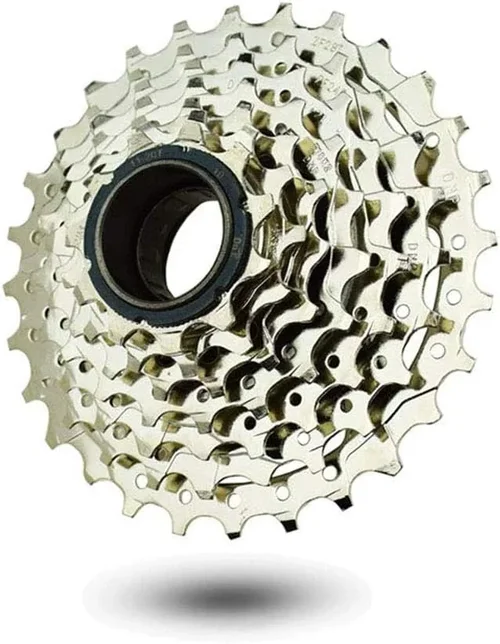
The drivetrain includes the gears and chain system. E-bikes with multiple gears (e.g., 7-speed or 8-speed) offer better control over speed and effort, especially on varied terrain. Single-speed models are simpler and lighter but less versatile. Also, consider pedal assist levels—most e-bikes offer 3 to 5 levels, allowing you to customize how much help you get from the motor.
3. Build Quality & Durability
An e-bike is only as good as its construction. Look for a sturdy frame made from aluminum or steel. Aluminum is lighter and resistant to rust, making it ideal for urban riders. Steel is heavier but offers a smoother ride due to its natural shock absorption. Avoid cheap, flimsy frames that can bend or crack under stress.
Check the quality of components like brakes, suspension, and wheels. Disc brakes (mechanical or hydraulic) are far superior to rim brakes, especially in wet conditions. Front suspension can improve comfort on rough roads, while full suspension is overkill for most city riders but great for off-road use. Wheels should be at least 26 inches for stability, with puncture-resistant tires for added durability.
Pay attention to welds, cable routing, and overall finish. A well-built e-bike will have clean lines, secure connections, and minimal rattling. Test ride if possible—listen for unusual noises and feel how the bike responds to bumps and turns.
4. Features & Functionality
Modern e-bikes come packed with features that enhance convenience, safety, and usability. A bright LED headlight and taillight are essential for night riding and visibility. Integrated lights powered by the main battery are more reliable than battery-powered ones.
A digital display is another must-have. It should show speed, battery level, distance, and assist mode. Some advanced displays include GPS, Bluetooth connectivity, and smartphone integration for navigation and ride tracking. USB charging ports are a nice bonus for powering your phone on the go.
Other useful features include fenders (to keep you dry in rain), rear racks (for carrying bags or groceries), kickstands, and bell or horn. Some models even offer app-based locking, anti-theft alarms, or regenerative braking. While not essential, these extras can significantly improve your riding experience.
5. Brand Reputation
Not all e-bike brands are created equal. Established brands like Rad Power Bikes, Aventon, Lectric, and Trek have built reputations for quality, innovation, and customer support. They often invest more in R&D, use better components, and offer longer warranties.
Research customer reviews and third-party testing. Look for brands that are transparent about their sourcing, manufacturing, and environmental practices. Avoid unknown brands with vague product descriptions or no customer service contact. A reputable brand may cost a bit more upfront, but it reduces the risk of buying a lemon.
Also, consider regional availability. Some brands only sell online, while others have local dealers for test rides and service. If you prefer hands-on support, choose a brand with a strong local presence.
6. Warranty & Support
A solid warranty is a strong indicator of a manufacturer’s confidence in their product. Most reputable e-bike brands offer at least a 1-year warranty on the entire bike, with 2–3 years on the battery and motor. Some go further—Rad Power Bikes, for example, offers a 2-year comprehensive warranty.
Read the fine print. Does the warranty cover labor? Is it transferable? What’s excluded (e.g., wear and tear, water damage)? Also, check the return policy—many online retailers offer 14–30 day trial periods, allowing you to return the bike if it doesn’t meet your expectations.
Customer support matters too. Can you reach a real person quickly? Are replacement parts readily available? A brand with responsive support can save you hours of frustration if something goes wrong.
7. Size & Portability
E-bikes come in various frame sizes and styles. Make sure the bike fits your body. Most brands provide size charts based on height. A proper fit ensures comfort, control, and safety. Test riding is ideal, but if that’s not possible, use online fit guides and customer feedback.
If you plan to store your e-bike in a small apartment or carry it on public transit, consider a folding model. Folding e-bikes like the Gotrax GXL V2 or Lectric XP are compact and lightweight, though they often sacrifice range and power. Full-size e-bikes offer better performance but require more storage space.
Weight is another factor. Most e-bikes weigh between 40 and 70 pounds. Lighter models are easier to lift and maneuver, but heavier ones often have larger batteries and sturdier frames. Consider how you’ll transport and store the bike before buying.
8. User Reviews & Ratings
Never rely solely on manufacturer claims. User reviews provide real-world insights into performance, reliability, and customer service. Look for detailed reviews on platforms like Amazon, Reddit, YouTube, and e-bike forums. Pay attention to recurring issues—if multiple users report the same problem (e.g., battery failure, poor brakes), it’s likely a design flaw.
Also, check the overall rating and number of reviews. A 4.5-star rating with 1,000+ reviews is more trustworthy than a 5-star rating with only 10 reviews. Watch video reviews to see the bike in action and hear honest feedback from long-term owners.
Finally, consider the reviewer’s use case. A commuter’s experience may differ from a weekend warrior’s. Look for reviews that match your intended use.
Different Types of Gotrax

Common Buying Mistakes to Avoid
❌ Mistake: Prioritizing Price Over Quality
Why it’s bad: The cheapest e-bikes often use low-grade components, weak motors, and poor batteries that degrade quickly. You may end up spending more on repairs or replacements than if you’d bought a better model upfront.
What to do instead: Set a realistic budget and focus on value—look for the best combination of features, build quality, and warranty within your price range. A $1,200 e-bike from a reputable brand is often a smarter buy than a $600 one from an unknown seller.
❌ Mistake: Ignoring the Motor and Battery Specs
Why it’s bad: A weak motor or small battery can leave you stranded on hills or running out of juice mid-commute. These are core performance elements that directly impact your riding experience.
What to do instead: Always check the motor wattage and battery watt-hours. For city riding, aim for at least a 500W motor and 400Wh battery. For hills or longer trips, go higher. Don’t be swayed by marketing terms like “high torque” without checking actual specs.
❌ Mistake: Not Considering Weight and Portability
Why it’s bad: A heavy e-bike is difficult to lift, store, or transport. If you live in an apartment or need to carry it upstairs, a 70-pound bike can become a burden.
What to do instead: Consider your storage and transportation needs. If portability is key, look for lightweight or folding models. Check the weight before buying and read reviews about real-world handling.
❌ Mistake: Overlooking Warranty and Support
Why it’s bad: E-bikes have complex electronics and moving parts. Without a good warranty, a single failure could cost hundreds to fix. Poor customer service can leave you stranded with a broken bike.
What to do instead: Choose brands with strong warranties (at least 1 year, preferably 2) and responsive support. Read the warranty terms carefully and check online forums for customer service experiences.
❌ Mistake: Skipping the Test Ride
Why it’s bad: E-bikes feel different from regular bikes. The weight distribution, pedal assist response, and handling can vary widely between models. Buying without testing can lead to buyer’s remorse.
What to do instead: Always test ride if possible. Many local bike shops and brands offer demo days or trial periods. If buying online, choose retailers with generous return policies.
❌ Mistake: Ignoring Local Laws and Regulations
Why it’s bad: E-bike laws vary by region. Some areas restrict motor power, speed, or where you can ride. A 750W e-bike might be illegal in your city, leading to fines or confiscation.
What to do instead: Research local regulations before buying. In the U.S., Class 1 and Class 2 e-bikes (up to 20 mph) are widely allowed, while Class 3 (up to 28 mph) may have restrictions. Choose a model that complies with your area’s rules.
❌ Mistake: Forgetting About Maintenance
Why it’s bad: E-bikes require regular maintenance—brake adjustments, tire checks, battery care, and software updates. Neglecting this can shorten the bike’s life and compromise safety.
What to do instead: Learn basic maintenance or find a local shop that services e-bikes. Factor in annual maintenance costs (typically $100–$200) when budgeting.
Budget Guidelines: How Much Should You Spend?
E-bikes come in a wide range of prices, and understanding what you get at each tier helps you make a smarter investment. Here’s a breakdown of what to expect at different budget levels:
Entry-Level ($600 – $1,000): These e-bikes are ideal for casual riders or those on a tight budget. You’ll find basic models with 250W–500W motors, 300–400Wh batteries, and limited features. Build quality may be lower, with fewer gears and basic brakes. Brands like Gotrax, Ancheer, and Swagtron dominate this space. While they’re affordable, they may lack durability and long-term reliability. Best for light use on flat terrain.
Mid-Range ($1,000 – $2,000): This is the sweet spot for most buyers. You get better motors (500W–750W), higher-capacity batteries (400–600Wh), and improved components like disc brakes and suspension. Brands like Rad Power Bikes, Aventon, and Lectric offer excellent value here. These bikes are durable, versatile, and suitable for daily commuting, weekend rides, and moderate hills. Many include useful features like lights, racks, and digital displays.
Premium ($2,000 – $3,500): For enthusiasts and serious riders, premium e-bikes deliver top-tier performance and build quality. Expect high-end motors (750W+), long-range batteries (600Wh+), advanced drivetrains, and premium materials. Models from Trek, Specialized, and Bosch-powered bikes fall here. These bikes often include smart features, app integration, and superior suspension. Ideal for long-distance touring, mountain trails, or heavy cargo loads.
Luxury ($3,500+): At this level, you’re paying for cutting-edge technology, ultra-lightweight frames, and bespoke designs. These bikes often use carbon fiber, regenerative braking, and AI-assisted riding modes. They’re built for performance, comfort, and status. While impressive, they may offer diminishing returns for average riders. Best for professionals, collectors, or those who want the absolute best.
Expert Tips for Getting the Best Deal
Finding the best e-bike for your money isn’t just about picking the right model—it’s also about timing, sourcing, and strategy. Here are expert tips to help you save money and avoid regrets:
1. Buy During Seasonal Sales: The best deals happen during Black Friday, Cyber Monday, end-of-year clearance, and spring launch events. Many brands discount older models to make room for new ones. Sign up for newsletters to get early access to promotions.
2. Shop from Reputable Retailers: Buy from established online retailers like REI, Amazon, or directly from the manufacturer. Avoid third-party sellers with no reviews. Local bike shops often price-match and offer free assembly and service.
3. Consider Refurbished or Open-Box Models: Many brands sell certified refurbished e-bikes at 20–30% off. These are inspected, tested, and come with warranties. Open-box items (returned but unused) are another great way to save.
4. Check for Government Incentives: Some cities and states offer rebates or tax credits for e-bike purchases. For example, California’s Clean Air Vehicle program provides up to $1,000 off. Research local programs before buying.
5. Negotiate or Bundle: If buying from a local shop, ask about discounts for bundling accessories (helmet, lock, lights). Some dealers offer free tune-ups or extended warranties for loyal customers.
6. Read the Return Policy: Choose retailers with at least a 14-day return window. This gives you time to test the bike and ensure it meets your expectations. Some brands, like Rad Power Bikes, offer 30-day trials.
7. Test Before You Buy: Whenever possible, test ride multiple models. Pay attention to comfort, handling, and how the motor responds. A bike that feels great on a short ride may reveal flaws on longer trips.
8. Factor in Total Cost of Ownership: Include maintenance, battery replacement, and accessories in your budget. A cheaper bike with high upkeep costs can end up being more expensive over time.
Frequently Asked Questions
Q: How far can an e-bike go on a single charge?
A: Range depends on battery capacity, motor power, terrain, rider weight, and assist level. Most e-bikes offer 20–60 miles per charge. A 400Wh battery typically gives 25–40 miles, while a 600Wh battery can reach 50+ miles. Using lower assist modes and maintaining proper tire pressure can extend range.
Q: Are e-bikes legal everywhere?
A: E-bike laws vary by country and region. In the U.S., federal law classifies e-bikes into three categories based on speed and motor power. Most states allow Class 1 and 2 e-bikes on bike paths, but restrictions apply to Class 3. Always check local regulations before riding.
Q: Do I need a license or insurance to ride an e-bike?
A: In most places, no license or insurance is required for Class 1 and 2 e-bikes. However, some cities or states may have specific rules, especially for higher-speed models. Check your local DMV or transportation authority.
Q: How long do e-bike batteries last?
A: Most lithium-ion batteries last 500–1,000 charge cycles, which translates to 3–5 years with regular use. Proper care—like avoiding extreme temperatures and not draining the battery completely—can extend lifespan. Replacement batteries cost $300–$800.
Q: Can I ride an e-bike in the rain?
A: Yes, most e-bikes are water-resistant and can handle light rain. However, avoid submerging the bike or riding through deep puddles. After wet rides, dry the bike and check for water in the battery compartment.
Q: Are e-bikes good for exercise?
A: Absolutely. Even with pedal assist, you’re still pedaling and burning calories. Lower assist levels provide a great workout, while higher levels help you cover more distance with less fatigue. E-bikes make cycling accessible to people of all fitness levels.
Q: Can I convert a regular bike to an e-bike?
A: Yes, with a conversion kit. These kits include a motor, battery, and controller that attach to your existing bike. Prices range from $400 to $1,200. However, conversion kits may not offer the same integration, warranty, or performance as a purpose-built e-bike.
Q: What’s the difference between hub and mid-drive motors?
A: Hub motors are located in the wheel and are simpler, quieter, and cheaper. Mid-drive motors sit near the pedals and offer better weight distribution, efficiency, and hill-climbing power. Mid-drives are typically found on higher-end models.
Q: How do I maintain my e-bike?
A: Regular maintenance includes checking tire pressure, cleaning the chain, inspecting brakes, and updating firmware. Store the bike in a dry place and charge the battery regularly—even if not in use. Take it to a professional for annual tune-ups.
Our Final Recommendations
After extensive research and testing, here are our top picks for the best e-bikes for money in 2026:
Best for Budget-Conscious Buyers: Gotrax GXL V2 – At under $600, this folding e-bike offers surprising value with a 36V 7.8Ah battery, 300W motor, and compact design. Ideal for students, apartment dwellers, and casual riders. While not the most powerful, it’s reliable, lightweight, and perfect for short commutes.
Best Overall Value: Rad Power Bikes RadCity 5 Plus – Priced around $1,699, this commuter e-bike delivers exceptional performance with a 750W motor, 672Wh battery, and premium features like hydraulic disc brakes, integrated lights, and a rear rack. It’s durable, comfortable, and built to last—making it the best all-around choice for most riders.
Best Premium Option: Trek Allant+ 7S – At $3,299, this Bosch-powered e-bike is a top-tier machine with a 625Wh battery, smart display, and smooth ride quality. Perfect for long-distance commuters and those who want the best technology and comfort money can buy.
Best for Beginners: Lectric XP 3.0 – For just $999, this folding fat-tire e-bike offers 750W power, 45+ mile range, and a user-friendly design. It’s easy to ride, highly versatile, and comes with a 1-year warranty—ideal for first-time e-bike owners.
Best for Advanced Users: Specialized Turbo Vado SL 5.0 – This lightweight, high-performance e-bike features a custom motor, 320Wh battery, and advanced ride dynamics. At $4,200, it’s built for serious riders who demand speed, efficiency, and cutting-edge tech.
Conclusion: Making the Right Choice
Choosing the best e-bike for your money isn’t about finding the cheapest or most powerful model—it’s about finding the right balance of performance, durability, features, and value that matches your lifestyle. Whether you’re commuting to work, exploring trails, or simply enjoying the freedom of two wheels, the right e-bike can transform your daily routine.
Remember to prioritize your needs: consider your budget, riding terrain, storage space, and how often you’ll use the bike. Don’t rush the decision—take time to research, test ride, and compare options. And always buy from a reputable brand with strong customer support and a solid warranty.
With the insights from this guide, you’re now equipped to make a confident, informed choice. The perfect e-bike is out there—ready to take you farther, faster, and with more fun than ever before. So gear up, charge up, and ride into the future.