
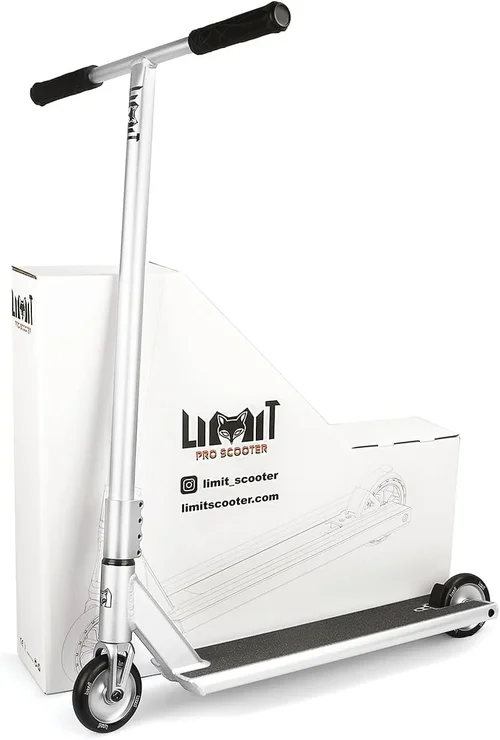
Stunt scooters aren’t just for kids anymore. Over the past decade, adult riders have rediscovered the thrill, agility, and creative expression that come with mastering tricks on two wheels. Whether you’re commuting through city streets, hitting the skatepark, or simply looking for a fun way to stay active, a high-quality stunt scooter can be an incredibly versatile and rewarding investment. But with so many models flooding the market—ranging from flimsy toys to professional-grade rigs—it’s easy to feel overwhelmed when trying to find the right one.
That’s exactly why this guide exists. We’ve spent months testing, researching, and consulting with experienced riders to bring you a comprehensive, expert-level buying guide tailored specifically for adults. Our goal isn’t just to list products—it’s to empower you with the knowledge needed to make a smart, informed decision based on your skill level, budget, riding style, and long-term goals. You’ll learn how to evaluate build quality, understand performance specs, avoid common pitfalls, and ultimately choose a scooter that won’t just survive your first few tricks—but grow with you as your skills evolve.
The adult stunt scooter market has matured significantly in recent years. Brands once focused solely on youth models now offer robust, adult-friendly designs built with stronger materials, better geometry, and features like reinforced decks, threadless forks, and high-rebound wheels. At the same time, pricing ranges from under $100 to well over $500, making it crucial to know what you’re paying for. This guide cuts through the noise, offering clear, actionable advice so you can ride confidently—whether you’re a complete beginner or an aspiring pro.

What to Look for When Buying a Stunt Scooter
1. Budget & Price Range
Your budget is the foundation of your purchase decision—but it shouldn’t be the only factor. While it’s tempting to go for the cheapest option, stunt scooters are precision instruments that take a beating. A poorly built scooter won’t just underperform; it can become dangerous during high-impact tricks like barspins, tailwhips, or grinds.
For adults, we generally recommend a minimum investment of $150–$200. Below that range, you’ll often encounter weak aluminum alloys, wobbly headsets, and wheels that crack under pressure. Mid-range models ($200–$350) offer the best balance of durability, performance, and value for most riders. Premium scooters ($350+) are built with aerospace-grade materials, precision-machined components, and advanced geometries designed for competition-level riding.
2. Performance Specifications
Performance isn’t just about speed—it’s about responsiveness, stability, and how the scooter handles under stress. Key specs to evaluate include wheel size, deck dimensions, fork type, and compression system.
Wheel size typically ranges from 100mm to 120mm for stunt scooters. Smaller wheels (100–110mm) offer quicker acceleration and tighter turning, ideal for technical tricks. Larger wheels (115–120mm) provide better roll-over capability and stability at higher speeds—great for street riding or transitions. Most adult riders find 110mm to be the sweet spot.
Deck width and length matter too. Adult feet need more surface area for balance during landings. Look for decks at least 4.5 inches wide and 19–21 inches long. Narrower decks may feel unstable, while overly long ones can hinder trick execution.
The fork and compression system are equally critical. Threadless forks (paired with SCS or IHC compression) are standard on serious stunt scooters—they eliminate slop, reduce maintenance, and handle impacts far better than threaded systems. Avoid scooters with loose or rattling headsets; this indicates poor tolerances and will degrade quickly.
3. Build Quality & Durability
Stunt scooters endure extreme forces: drops from 6 feet, repeated landings on concrete ledges, and lateral stress during grinds. Build quality directly determines how long your scooter lasts and how safely it performs.
Start with the deck material. High-grade 6061-T6 aluminum is the industry standard for adult stunt scooters—it’s lightweight yet incredibly strong. Avoid “aircraft aluminum” claims without alloy specifications; some brands use weaker variants like 6063. The deck should also feature reinforced dropouts (the rear wheel mounting points), which take the brunt of impact during landings.
Handlebars matter too. Look for chromoly steel (often labeled as “CrMo”) rather than standard steel or aluminum. Chromoly offers superior strength-to-weight ratio and resists bending during barspins or hard landings. Bar diameter should be 22.2mm (standard) with minimal flex.
Finally, inspect the welds. Clean, consistent welds on the deck and clamp indicate professional manufacturing. Rough or uneven welds are red flags—they’re weak points likely to crack under stress.
4. Features & Functionality
Modern stunt scooters come packed with features that enhance performance, comfort, and longevity. While not all are essential, understanding what each does helps you prioritize based on your riding style.
Brake systems have evolved beyond basic rubber pads. Many premium models now use nylon or composite brakes mounted on reinforced brake plates. These offer better modulation, last longer, and don’t warp under heat—a common issue with cheap rubber brakes after repeated use.
Grips should be made of durable, shock-absorbing rubber with ergonomic contours. Lock-on grips (secured with metal clamps) are far superior to glue-on versions, which peel off over time.
Some scooters include integrated pegs or peg mounts for grinding. If you plan to ride street or park obstacles, this is a valuable feature. However, pegs add weight and can interfere with certain tricks, so consider whether you’ll actually use them.
LED lights, reflectors, or flashy graphics might look cool, but they don’t affect performance. Focus instead on functional upgrades like sealed bearings (vs. loose ball bearings), double or triple clamps (for added bar security), and removable rear axles (for easier wheel swaps).
5. Brand Reputation
Not all scooter brands are created equal. Some specialize in toys, others in commuter e-scooters, and only a handful truly understand the demands of stunt riding. Stick with brands known for consistent quality, rider feedback integration, and innovation in the freestyle space.
Established names like Proto, Envy, Madd Gear (MG), and Blunt have decades of combined experience building scooters for competitive riders. Their products undergo rigorous testing and often feature input from pro athletes. Lesser-known or generic brands may offer lower prices, but they frequently cut corners on materials, tolerances, or QC.
Check brand history: Do they sponsor riders? Are their products used in competitions? Do they offer detailed technical specs (not just marketing fluff)? A transparent brand that shares CAD drawings, material certifications, or stress-test results is usually a safe bet.
6. Warranty & Support
A strong warranty is a silent indicator of a manufacturer’s confidence in their product. Most reputable stunt scooter brands offer at least a 6-month to 1-year warranty covering defects in materials and workmanship—but read the fine print.
Avoid warranties that exclude “normal wear and tear” without defining it. Landing impacts, wheel wear, and grip degradation are normal for stunt scooters—but frame cracks or headset failure due to poor materials should be covered. Some brands, like Envy, offer lifetime frame warranties, which speaks volumes about their durability.
Customer support is just as important. Can you easily reach someone via email or phone? Do they stock replacement parts (wheels, bearings, clamps)? A brand that supports its products post-purchase makes maintenance and upgrades far less stressful.
7. Size & Portability
While stunt scooters aren’t designed for long-distance travel, portability still matters—especially if you’re commuting, taking public transit, or storing it in tight spaces.
Most adult stunt scooters fold down to around 36–40 inches in length when collapsed. Weight typically ranges from 7 to 11 pounds. Heavier scooters (9+ lbs) may feel more stable but can be tiring to carry. Lighter models (<8 lbs) are easier to maneuver but may lack the mass needed for confident landings.Consider handlebar height. Adjustable bars are convenient, but fixed-height bars (usually 24–28 inches) are sturdier and preferred by advanced riders. Ensure the height suits your posture—too low causes hunching; too high limits trick control.Also check fold mechanism quality. A smooth, secure latch prevents accidental collapses mid-ride. Avoid scooters with loose or wobbly folding joints—they compromise structural integrity.
8. User Reviews & Ratings
Never rely solely on manufacturer descriptions. Real-world user feedback reveals flaws that specs sheets hide—like premature wheel cracking, loose clamps, or poor brake performance after a few weeks.
Focus on detailed reviews from verified purchasers, especially those with photos or videos. Look for patterns: if multiple users report the same issue (e.g., “headset loosens after 2 weeks”), it’s likely a design flaw—not an isolated defect.
Platforms like Reddit (r/scooters), YouTube stunt channels, and specialized forums (e.g., ScooterRider.com) offer unfiltered insights. Pay attention to reviews from riders of similar size and skill level. A scooter praised by a 12-year-old beginner may not hold up for a 180-pound adult doing double tailwhips.
Different Types of Stunt Scooters for Adults

Common Buying Mistakes to Avoid
❌ Mistake: Choosing Based Solely on Price
Why it’s bad: The cheapest scooters often use subpar materials that fail under stress—leading to cracked decks, bent bars, or seized bearings. This not only ruins your riding experience but poses serious safety risks during tricks.
What to do instead: Set a realistic budget based on your commitment level. If you’re serious about progressing, spend at least $200. Think of it as investing in your progression—not just buying a toy.
❌ Mistake: Ignoring Weight and Size Compatibility
Why it’s bad: A scooter designed for kids will feel unstable and cramped for an adult. Conversely, oversized pro models can be unwieldy for beginners, making basic maneuvers harder to learn.
What to do instead: Prioritize adult-specific models with appropriately sized decks (4.5″+ width) and handlebars (24″+ height). Test the fit—your feet should comfortably rest on the deck without hanging off the sides.
❌ Mistake: Overlooking Compression System Quality
Why it’s bad: Threaded compression systems (common on budget scooters) develop play over time, causing wobble and reducing control. They’re also harder to maintain and less durable under impact.
What to do instead: Always choose threadless compression (SCS or IHC). These systems eliminate slop, require less maintenance, and are standard on all serious stunt scooters.
❌ Mistake: Buying Without Checking Replacement Parts Availability
Why it’s bad: Wheels wear out, grips tear, and bearings degrade—even on the best scooters. If replacement parts aren’t readily available, you’ll be forced to buy a whole new scooter instead of upgrading components.
What to do instead: Stick with mainstream brands that offer spare parts online. Check their website before purchasing—look for wheels, bearings, clamps, and brake pads in stock.
❌ Mistake: Falling for “Pro Model” Marketing Without Verification
Why it’s bad: Some brands slap “pro” on entry-level scooters to justify higher prices. These often lack the reinforced construction, quality materials, or precision tolerances of true pro models.
What to do instead: Research whether the scooter is actually used by professional riders. Look for sponsorships, competition results, or endorsements from credible athletes—not just flashy logos.
❌ Mistake: Neglecting to Test Ride (When Possible)
Why it’s bad: Specs don’t tell the whole story. A scooter might look perfect on paper but feel sluggish, unbalanced, or uncomfortable in real-world use.
What to do instead: If buying locally, insist on a test ride. Pay attention to steering smoothness, brake responsiveness, and overall stability. Online? Watch detailed review videos that show the scooter in action.
Budget Guidelines: How Much Should You Spend?
Entry-Level ($120–$200): This tier is best for absolute beginners or occasional riders. Expect decent aluminum decks and basic threadless setups, but compromises in wheel quality, brake performance, and long-term durability. Great for learning fundamentals, but may need upgrades within 6–12 months of regular use.
Mid-Range ($200–$350): The sweet spot for most adult riders. Scooters here feature high-grade 6061-T6 decks, chromoly bars, reliable SCS compression, and 110mm polyurethane wheels. They’re durable enough for daily park sessions and capable of handling intermediate tricks like 360s, feeble grinds, and barspins. Brands like Envy, Madd Gear, and Blunt dominate this space with excellent value.
Premium ($350–$500): Designed for advanced riders and competitors. These scooters use aerospace materials, precision-machined components, and pro-level geometries. Expect features like hollow-core decks (lighter yet stronger), ceramic bearings, and custom-designed forks. Ideal if you’re serious about progression, filming edits, or competing locally.
Luxury ($500+): Reserved for elite riders and collectors. While diminishing returns kick in beyond $500, these scooters offer marginal gains in weight reduction, aesthetic finishes, and bespoke engineering. Unless you’re a sponsored athlete or obsessive about every gram, mid-range models deliver 95% of the performance at half the cost.
Expert Tips for Getting the Best Deal
– Buy during off-season sales: Most stunt scooter demand peaks in spring and summer. Shop in late fall or winter (October–February) for discounts of 15–30% as retailers clear inventory.
– Check direct-from-brand websites: Many manufacturers (like Proto or Envy) offer exclusive colors, bundle deals (scooter + helmet + pads), or loyalty discounts not available on Amazon or Walmart.
– Consider last year’s model: Scooters rarely change drastically year-to-year. Previous-gen models often drop in price when new versions launch—offering near-identical performance for less.
– Read return policies carefully: Some retailers charge restocking fees or won’t accept returns on assembled scooters. Buy from stores with generous return windows (30+ days) and free return shipping.
– Join rider communities: Facebook groups, Discord servers, and Reddit forums often have members selling lightly used scooters at steep discounts. Just inspect thoroughly before buying secondhand.
– Bundle protective gear: Helmets, knee pads, and wrist guards are essential for stunt riding. Some retailers offer package deals that save you 10–20% compared to buying separately.
– Watch for B-stock or refurbished units: These are scooters with minor cosmetic flaws (scratches, dents) but full functionality. Often sold at 20–40% off with the same warranty as new.

Frequently Asked Questions
Q: Can adults really use stunt scooters, or are they just for kids?
A: Absolutely! Modern stunt scooters are engineered for riders of all ages and sizes. Adult-specific models feature wider decks, taller bars, and stronger materials to accommodate larger frames and heavier impacts. Many professional riders are in their 20s, 30s, and beyond.
Q: How long does a good stunt scooter last?
A: With proper maintenance, a quality mid-range or premium scooter can last 2–5 years of regular use. Wheels and grips may need replacing every 6–12 months, but the core frame and fork should remain intact if made from 6061-T6 aluminum and chromoly.
Q: Do I need special shoes for stunt scooting?
A: While not mandatory, flat-soled skate shoes (like Vans or Converse) provide better grip on the deck and more precise foot placement during tricks. Avoid running shoes with deep treads—they reduce board feel and can slip during landings.
Q: Are stunt scooters safe for beginners?
A: Yes—with proper protective gear and gradual progression. Always wear a helmet, and consider knee/elbow pads when learning new tricks. Start with basics like manuals and bunny hops before attempting aerial maneuvers.
Q: Can I commute on a stunt scooter?
A: It’s possible, but not ideal for long distances. Stunt scooters prioritize maneuverability over comfort, with small wheels that struggle on rough pavement. If commuting is a priority, consider a hybrid model with 120mm+ wheels and suspension.
Q: How do I maintain my stunt scooter?
A: Regularly tighten bolts (especially clamp and headset), clean wheels to remove debris, lubricate bearings every few months, and inspect for cracks or bends after heavy sessions. Store indoors to prevent rust.
Q: What’s the difference between SCS and IHC compression?
A: Both are threadless systems, but SCS (Standard Compression System) uses a longer fork tube that doubles as the clamp, offering extra strength. IHC (Internal Headset Compression) is lighter and more common on mid-range scooters. SCS is preferred for heavy street riding; IHC suffices for park use.
Q: Should I buy a complete scooter or build my own?
A: For beginners and intermediates, a complete scooter is the best choice—it’s cost-effective and professionally assembled. Advanced riders may customize by swapping components (bars, wheels, decks), but this requires technical knowledge and adds expense.
Our Final Recommendations
Best for Budget-Conscious Buyers: Envy Prodigy Complete ($199) – Offers exceptional value with a 6061-T6 deck, chromoly bars, and SCS compression. Perfect for beginners who want room to grow without breaking the bank.
Best Overall Value: Madd Gear Pro Series 4 ($279) – Combines pro-level durability with thoughtful features like a reinforced deck, 110mm wheels, and sleek design. Ideal for intermediate riders hitting the park weekly.
Best Premium Option: Proto Classic Complete ($429) – The gold standard for serious riders. Hollow-core deck, precision-machined fork, and race-inspired geometry make it a favorite among competitors.
Best for Beginners: Blunt Envy KOS S5 ($219) – User-friendly setup with forgiving geometry, smooth bearings, and reliable brakes. Great for building confidence without sacrificing quality.
Best for Advanced Users: Custom Build (Proto Deck + Apex Bars + Eagle Wings Wheels) (~$450) – For riders who demand peak performance. Mixing top-tier components lets you tailor the scooter to your exact style and preferences.
Conclusion: Making the Right Choice
Choosing the best stunt scooter as an adult isn’t just about picking the flashiest model or the cheapest deal—it’s about aligning your purchase with your goals, skill level, and riding environment. A scooter that’s perfect for learning basics in the driveway might not survive a week at the skatepark, and a pro-level rig could overwhelm a casual rider.
Throughout this guide, we’ve emphasized durability, appropriate sizing, brand credibility, and realistic budgeting. These aren’t arbitrary preferences—they’re the pillars of a safe, enjoyable, and long-lasting riding experience. Remember: the best scooter is the one you’ll actually ride, maintain, and progress on.
So take your time. Research thoroughly. Ask questions. And when you finally click “buy,” do it with confidence—knowing you’ve made an informed decision backed by expert insight. Your next trick, your next session, your next adventure starts with the right scooter. Now go find it—and ride like you mean it.