
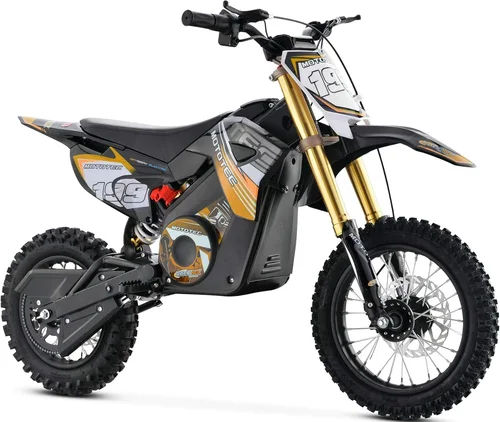
Buying your first—or next—dirt bike under $1,000 is an exciting but often overwhelming decision. Whether you’re a weekend warrior looking to hit local trails, a parent shopping for a reliable starter bike for your teen, or someone rediscovering the thrill of off-road riding after years away, the sub-$1,000 market offers more options than ever before. But with so many brands, models, and specs flooding the space, it’s easy to get lost in the noise. That’s exactly why this guide exists: to cut through the marketing fluff, highlight what truly matters, and help you make a smart, informed purchase that fits your needs, skill level, and budget.
In this comprehensive buying guide, you’ll learn how to evaluate dirt bikes like a seasoned rider—not just by price tag, but by real-world performance, durability, safety, and long-term value. We’ll walk you through the key factors every buyer should consider, from engine size and suspension quality to brand reputation and warranty coverage. You’ll also discover the different categories of affordable dirt bikes available today, avoid common pitfalls that trip up first-time buyers, and get expert-backed tips on when and where to buy for the best deals. By the end, you’ll have a clear roadmap to choosing a dirt bike under $1,000 that delivers fun, reliability, and peace of mind—without breaking the bank.
The dirt bike market under $1,000 has evolved dramatically over the past few years. Once dominated by flimsy, underpowered machines with questionable build quality, today’s entry-level segment includes surprisingly capable models from reputable brands. Electric dirt bikes have also surged in popularity, offering quiet operation, instant torque, and minimal maintenance—all while staying within budget. Meanwhile, gas-powered options continue to improve in reliability and performance, thanks to better manufacturing standards and increased competition. This means you no longer have to sacrifice safety or performance just because you’re shopping on a tight budget. However, not all bikes in this price range are created equal. Some prioritize style over substance, while others cut corners on critical components like brakes or suspension. Our goal is to help you spot the difference and invest wisely.

What to Look for When Buying Dirt Bikes Under $1,000
1. Budget & Price Range
Setting a realistic budget is the foundation of any smart purchase—and dirt bikes under $1,000 are no exception. While the ceiling is clear, understanding what you get (and don’t get) at various price points within that range is crucial. Most new dirt bikes in this category fall between $400 and $950, with significant differences in quality and capability across that spectrum. At the lower end ($400–$600), you’ll typically find basic electric or small-displacement gas models aimed at kids or absolute beginners. These may lack adjustable suspension, have limited top speeds, and use lower-grade plastics and metals. As you move into the $700–$950 range, you’ll start seeing bikes with better engines (like 110cc–125cc four-strokes), improved suspension travel, hydraulic disc brakes, and sturdier frames—features that matter when you’re tackling rougher terrain or riding more frequently.
It’s also important to factor in hidden costs. A $600 bike might seem like a steal, but if it requires frequent repairs, replacement parts, or upgrades right out of the gate, your total cost of ownership could easily exceed $1,000. Always budget for essential accessories too: a helmet (non-negotiable!), gloves, goggles, boots, and possibly a bike stand or cover. Some retailers offer “starter kits” that bundle these items, which can save money compared to buying separately. Lastly, remember that used bikes can be a great value—if you know what to look for. A well-maintained, slightly older model from a trusted brand can outperform a brand-new budget bike in both performance and durability.
2. Performance Specifications
Performance isn’t just about speed—it’s about how well the bike handles the type of riding you plan to do. For dirt bikes under $1,000, focus on three core specs: engine displacement (for gas models), power output (for electric), and suspension travel. Gas-powered bikes in this range usually feature single-cylinder, air-cooled four-stroke engines ranging from 50cc to 125cc. A 50cc engine is ideal for young riders (ages 6–10) and flat trails, while a 110cc or 125cc engine provides enough grunt for teens and adults to tackle hills, jumps, and moderate off-road trails. Electric models, on the other hand, are measured in watts (W) or horsepower (hp). A 500W–1000W motor is typical for entry-level e-bikes and offers smooth, controllable power perfect for learning. Higher-wattage models (1500W+) are rare under $1,000 but do exist—just ensure they’re not sacrificing battery life or build quality to hit that spec.
Suspension is equally critical. Look for front forks with at least 4–6 inches of travel and a rear shock with similar or slightly less. More travel means better absorption of bumps and jumps, reducing rider fatigue and improving control. Avoid bikes with rigid frames or minimal suspension—they’re uncomfortable and unsafe on anything but smooth pavement. Weight also plays a role: lighter bikes (under 100 lbs for kids, under 150 lbs for adults) are easier to maneuver and less tiring, especially for beginners. However, don’t sacrifice frame strength for lightness; a well-balanced bike should feel nimble without feeling flimsy.
3. Build Quality & Durability
You get what you pay for—but in the sub-$1,000 dirt bike market, that doesn’t mean you’re stuck with junk. Build quality separates the bikes that last seasons from those that fall apart after a few rides. Start by examining the frame: it should be made of welded steel or high-tensile aluminum, not thin tubing or plastic composites. Check for clean welds, sturdy mounting points, and minimal flex when you lift the bike. The swingarm, footpegs, and handlebars should feel solid, not wobbly or creaky. Plastics (fenders, side panels) can be lightweight, but they shouldn’t crack under mild pressure—a sign of cheap, brittle materials.
Components matter just as much. Hydraulic disc brakes are a must for any rider over 8 years old; they offer consistent stopping power in mud, rain, or dust, unlike rim brakes or mechanical discs that fade quickly. Look for sealed wheel bearings, quality chain tensioners, and reinforced sprockets—these small details prevent premature wear. Also inspect the tires: knobby, aggressive tread patterns are essential for traction off-road, while smooth or semi-slick tires belong on street bikes. Finally, consider weather resistance. Even if you ride only in dry conditions, moisture from dew, puddles, or cleaning can corrode untreated metal parts. Bikes with powder-coated frames and sealed electrical components (on electrics) will last far longer.
4. Features & Functionality
Modern dirt bikes under $1,000 come packed with features that enhance safety, comfort, and usability—but not all are equally valuable. Prioritize functionality that matches your riding style. For beginners, look for bikes with adjustable throttle limiters (so parents can control max speed), electric start (easier than kick-starting), and low seat heights for confident footing. Electric models often include regenerative braking, multiple ride modes (Eco/Sport), and LCD displays showing speed, battery level, and trip data—all useful for managing range and performance.
For more experienced riders, features like adjustable suspension preload, rear suspension linkage systems, and wide-ratio transmissions add real value. However, avoid bikes loaded with gimmicks: LED light bars, Bluetooth speakers, or flashy graphics won’t improve your ride and may indicate cost-cutting elsewhere. Instead, focus on practical upgrades like skid plates (protects the engine/frame), hand guards (prevents lever damage in crashes), and quick-release wheels (makes transport and maintenance easier). Also consider ease of maintenance: can you access the air filter, spark plug, or oil drain plug without special tools? A bike that’s simple to service will save you time and money down the road.
5. Brand Reputation
Not all dirt bike brands are created equal—even within the budget segment. Stick with manufacturers known for reliability, customer support, and parts availability. Established names like Honda, Yamaha, and Kawasaki dominate the full-price market, but their entry-level models (like the Honda CRF110F or Yamaha TT-R125) often start above $2,000. However, several reputable brands specialize in affordable off-road machines: Pitster Pro, Apollo, Coolster, and Razor (for electric) have built solid reputations for delivering decent quality at low prices. These companies invest in R&D, use better materials, and stand behind their products with warranties and service networks.
Avoid no-name brands sold exclusively through Amazon, eBay, or social media ads. While they may look similar to name-brand bikes, they often use inferior components, lack proper certifications (like EPA or DOT compliance), and offer little to no customer support. If something breaks, finding replacement parts can be impossible. Research brand history: how long have they been in business? Do they have physical service centers or authorized dealers? Read forums like ThumperTalk or Reddit’s r/dirtbikes—real riders share honest experiences about which budget brands hold up and which ones fail fast. A little due diligence here can save you hundreds in repairs and frustration.
6. Warranty & Support
A strong warranty is a silent indicator of a manufacturer’s confidence in their product—and your best safety net if things go wrong. Most reputable dirt bike brands under $1,000 offer at least a 90-day to 6-month warranty covering defects in materials and workmanship. Some, like Pitster Pro, extend this to 1 year on select models. Pay attention to what’s included: does it cover the engine, electrical system, frame, and suspension? Or only the engine? Also check labor coverage—some warranties require you to pay for installation of replacement parts.
Customer support is just as important. Can you reach a human being by phone or email? Is there a clear process for filing claims? Are manuals, wiring diagrams, and parts lists readily available online? Poor support turns a minor issue into a major headache. Before buying, test the brand’s responsiveness: send an email asking a technical question and see how quickly (and helpfully) they reply. Also verify that replacement parts are stocked and ship quickly—waiting weeks for a $20 carburetor gasket ruins the fun. Finally, consider extended warranty options. While not always worth it for ultra-cheap bikes, they can make sense for mid-range models you plan to keep for several years.
7. Size & Rider Fit
A dirt bike that doesn’t fit properly is uncomfortable, unsafe, and discouraging—especially for new riders. Seat height is the most critical measurement. Kids (under 5’0”) should look for bikes with seat heights between 24–28 inches; teens and smaller adults (5’0”–5’6”) fit well on 28–32 inch seats; taller riders (5’7”+) may struggle with anything under 32 inches. Many budget bikes offer adjustable suspension or optional lowering kits, but these can compromise performance. Always sit on the bike if possible: your feet should touch flat ground when seated, and you should be able to reach the handlebars without straining.
Weight distribution matters too. A bike that’s too front-heavy feels unstable in corners; one that’s too rear-heavy is hard to lift over obstacles. Test the center of gravity by lifting the front wheel off the ground—it should feel manageable, not impossible. Handlebar width and grip position should allow relaxed arms with slight elbow bend. For electric bikes, battery placement affects balance: rear-mounted batteries can make the bike feel tail-heavy, while mid-frame designs offer better handling. Lastly, consider growth room. If buying for a child, a slightly larger bike with adjustable components can extend usability for 2–3 years, saving money long-term.
8. User Reviews & Real-World Feedback
Spec sheets tell part of the story—but real riders tell the whole truth. User reviews reveal hidden flaws, durability issues, and unexpected strengths that specs alone can’t capture. Look beyond star ratings: read detailed written reviews on retailer sites (RevZilla, MotoSport), YouTube unboxings, and off-road forums. Pay attention to patterns. If multiple reviewers mention the same problem—like a weak rear shock, poor carburetor tuning, or fragile plastics—it’s likely a design flaw, not an isolated incident. Conversely, consistent praise for ease of maintenance, smooth power delivery, or excellent dealer support signals a well-engineered bike.
Be wary of fake or incentivized reviews. Some budget brands flood Amazon with 5-star ratings in exchange for free products—always check reviewer profiles and look for verified purchases. Video reviews are especially valuable: you can see the bike in action, hear the engine sound, and observe how it handles bumps and turns. Also seek out long-term feedback. A bike that performs great in the first month may develop issues after 6 months of regular use. Communities like Facebook dirt bike groups or local riding clubs are goldmines for honest, experience-based advice. When in doubt, ask: “Would you buy this bike again?” That single question cuts through the hype and reveals true satisfaction.
Different Types of Dirt Bikes Under $1,000

Common Buying Mistakes to Avoid
❌ Mistake: Choosing Based Solely on Price
Why it’s bad: The cheapest bike isn’t always the best value. Ultra-low-cost models often use subpar components that wear out quickly, leading to frequent repairs or early replacement. You might save $200 upfront but spend more in the long run.
What to do instead: Focus on total cost of ownership. Invest in a slightly more expensive bike from a reputable brand with good reviews and warranty support. It will last longer, perform better, and cost less per ride.
❌ Mistake: Ignoring Rider Fit and Skill Level
Why it’s bad: A bike that’s too big, heavy, or powerful for the rider increases the risk of accidents and frustration. Kids on adult-sized bikes—or beginners on high-performance machines—often lose control or give up riding altogether.
What to do instead: Match the bike to the rider’s height, weight, and experience. Test seat height, weight, and throttle response before buying. When in doubt, go smaller and slower—it’s safer and more fun.
❌ Mistake: Overlooking Safety Gear
Why it’s bad: Dirt biking is inherently risky. Riding without a DOT-approved helmet, gloves, boots, and goggles dramatically increases the chance of serious injury—even on beginner trails.
What to do instead: Budget for quality safety gear from day one. Never compromise on a helmet—it’s the most important piece of equipment. Look for gear bundles that offer discounts when purchased together.
❌ Mistake: Buying Without Researching Parts Availability
Why it’s bad: If your bike breaks and replacement parts are impossible to find, you’re left with a $700 paperweight. This is common with obscure brands or imported clones.
What to do instead: Choose a brand with a network of dealers or online parts suppliers. Check forums to see if owners easily source filters, chains, brake pads, and engine components.
❌ Mistake: Skipping the Test Ride
Why it’s bad: Photos and specs don’t reveal how a bike feels. A model that looks perfect online might have stiff suspension, poor ergonomics, or an unreliable clutch.
What to do instead: Always test ride if possible—even in a parking lot. Feel the clutch engagement, brake response, and overall balance. If buying online, choose retailers with generous return policies.
❌ Mistake: Assuming All Electric Bikes Are Low-Maintenance
Why it’s bad: While electric bikes eliminate oil changes and carb tuning, they still require battery care, firmware updates, and occasional motor checks. Neglecting these can shorten battery life or cause failures.
What to do instead: Learn basic e-bike maintenance: store batteries at 50% charge if unused, avoid deep discharges, and keep connectors clean. Follow the manual’s charging guidelines strictly.
Budget Guidelines: How Much Should You Spend?
- Entry-Level ($400–$600): Ideal for young kids (5–10 years) or occasional flat-ground riding. Expect basic 50cc–70cc gas engines or 500W–800W electric motors, minimal suspension, and plastic components. Best for supervised, low-speed use. Brands like Razor (electric) and Coolster (gas) offer decent options here—but prioritize safety gear.
- Mid-Range ($650–$800): The sweet spot for most buyers. These bikes feature 110cc–125cc four-stroke engines or 1000W electric motors, hydraulic disc brakes, and improved suspension. Suitable for teens and adults on moderate trails. Models like the Pitster Pro X1 110 or Apollo DB-X14 deliver excellent value and durability.
- Premium ($800–$950): For enthusiasts and serious beginners who want a bike that grows with them. Expect full-size frames, adjustable suspension, electric start, and higher-quality materials. These bikes blur the line between budget and mid-tier, offering near-pro features at an affordable price. Great for weekend warriors and families planning multi-year use.
- Luxury ($950+): While technically over $1,000, some models dip just below during sales. This tier includes race-inspired mini bikes, high-output electric models (1500W+), and bikes with advanced features like traction control or smartphone connectivity. Only consider if you’re committed to regular riding and want maximum performance.
Expert Tips for Getting the Best Deal
- Buy in the Off-Season: Demand peaks in spring and summer. Shop in late fall or winter for deeper discounts and better negotiation power.
- Compare Retailers: Don’t limit yourself to one store. Check MotoSport, RevZilla, Rocky Mountain ATV/MC, and local dealers. Online retailers often have lower overhead and pass savings to you—but factor in shipping costs.
- Consider Certified Pre-Owned: Many dealers sell inspected, warrantied used bikes at 20–40% off retail. These are often better than new budget models in terms of build quality.
- Bundle Accessories: Some retailers offer free helmets, gloves, or maintenance kits with bike purchases. Compare total package value, not just bike price.
- Read the Fine Print on Returns: Ensure the seller accepts returns within 14–30 days, especially for online purchases. Some charge restocking fees or refuse returns on assembled bikes.
- Join Riding Communities: Local clubs and Facebook groups often share exclusive discount codes or alert members to flash sales.
- Negotiate Add-Ons: Even if the bike price is fixed, ask for free assembly, a spare battery (for electrics), or discounted gear. Dealers want to close the sale and may throw in extras.
- Check for Rebates or Financing: Some brands offer mail-in rebates or 0% APR financing through partners like Synchrony. This can make a higher-end model affordable without upfront strain.

Frequently Asked Questions
Q: Can adults ride dirt bikes under $1,000?
A: Absolutely! Many 110cc–125cc gas models and 1000W+ electric bikes are designed for adult riders. Look for bikes with seat heights over 30 inches, sturdy frames, and adequate suspension travel. Pit bikes and mini trail bikes are especially popular among adults for backyard fun and tight trail riding.
Q: Are electric dirt bikes worth it under $1,000?
A: Yes—if you value quiet operation, low maintenance, and eco-friendliness. Modern electric bikes in this range offer surprising performance, with instant torque and smooth power delivery. However, battery life is limited (typically 1–2 hours of ride time), so they’re best for shorter sessions or supervised practice.
Q: How long do budget dirt bikes last?
A: With proper maintenance, a quality budget bike can last 3–5 years or more. Gas models need regular oil changes, air filter cleaning, and valve adjustments. Electric bikes require battery care and occasional motor inspections. Avoid no-name brands, and your bike will serve you well for seasons of fun.
Q: Do I need a license to ride a dirt bike under $1,000?
A: It depends on your location and where you ride. Most states don’t require a license for off-road use on private property. However, riding on public trails, parks, or roads may require registration, insurance, or an OHV permit. Always check local laws before heading out.
Q: Can I modify a budget dirt bike for better performance?
A: Yes, but proceed carefully. Common upgrades include high-flow air filters, performance exhausts, and re-jetted carburetors (for gas bikes) or upgraded controllers (for electrics). However, modifications can void warranties and may require tuning expertise. Start with simple, reversible changes.
Q: What’s the best age to start riding a dirt bike?
A: Most experts recommend starting around age 6 with a 50cc bike. Ensure the child can touch the ground comfortably and has the coordination to operate controls safely. Always supervise young riders and begin on flat, open areas.
Q: How do I maintain my dirt bike to extend its life?
A: Follow the owner’s manual schedule: change oil every 10–20 hours (gas), clean air filters weekly, inspect chains and sprockets monthly, and check tire pressure before each ride. Store in a dry place and wash after muddy rides to prevent corrosion.
Q: Are Chinese dirt bikes reliable?
A: It varies widely. Some Chinese brands (like Apollo and Pitster Pro) produce solid, reliable machines with good dealer support. Others are poorly built clones with no parts availability. Research the specific model and brand—don’t judge solely by origin.
Q: Can I ride a dirt bike on the street?
A: Most dirt bikes under $1,000 are not street-legal due to lack of lights, mirrors, and emissions compliance. Converting one requires significant modifications and may not be legal in your area. Stick to off-road use unless the bike is specifically designed as a dual-sport.
Q: What should I do if my bike breaks down?
A: First, consult the manual for troubleshooting tips. For warranty issues, contact the manufacturer or dealer immediately. Keep receipts and photos of the problem. If out of warranty, seek help from forums or local mechanics experienced with your brand.
Our Final Recommendations
- Best for Budget-Conscious Buyers: Razor MX650 – A powerful 650W electric bike with dual suspension and hydraulic disc brakes. Perfect for teens and adults seeking quiet, low-maintenance fun under $700.
- Best Overall Value: Pitster Pro X1 110 – A 110cc four-stroke gas bike with electric start, adjustable suspension, and a steel frame. Reliable, capable, and backed by strong dealer support. Priced around $850.
- Best Premium Option: Apollo DB-X14 – A 125cc air-cooled bike with inverted forks, rear monoshock, and race-inspired styling. Handles jumps and rough trails with ease. Often found under $950 on sale.
- Best for Beginners: Coolster 125cc Dirt Bike – Simple, durable, and affordable. Features a low seat height, electric start, and smooth power delivery. Ideal for first-time riders aged 12+.
- Best for Advanced Users: Apollo RFZ 140 – A high-performance mini bike with a 140cc engine, full suspension, and aggressive geometry. Built for experienced riders who want speed and agility in a compact package. Priced just under $1,000.
Conclusion: Making the Right Choice
Choosing the right dirt bike under $1,000 doesn’t have to be stressful—it should be exciting. By focusing on fit, quality, and real-world performance rather than flashy ads or rock-bottom prices, you’ll find a machine that delivers years of adventure, learning, and joy. Remember: the best bike is the one that matches your skill level, riding goals, and budget while prioritizing safety and reliability. Don’t rush the decision. Read reviews, test ride when possible, and invest in protective gear from day one. Whether you’re chasing trails, teaching your kid to ride, or rediscovering your inner thrill-seeker, the perfect affordable dirt bike is out there—waiting for you to kick it into gear. Now go find it, ride safe, and enjoy every mile.